Transportations
- Private/tourist vehicles for airport pickup and drop-off in Kathmandu.
- Private/tourist vehicles transfer as per itinerary to access the trailheads.
The Ama Yangri Buddhist Trail Trek is a short yet deeply spiritual Himalayan journey located in the Helambu region of Nepal. Known for its sacred significance, peaceful trails, and panoramic mountain views, this trek is ideal for travelers seeking a blend of meditation, culture, and light adventure close to Kathmandu.
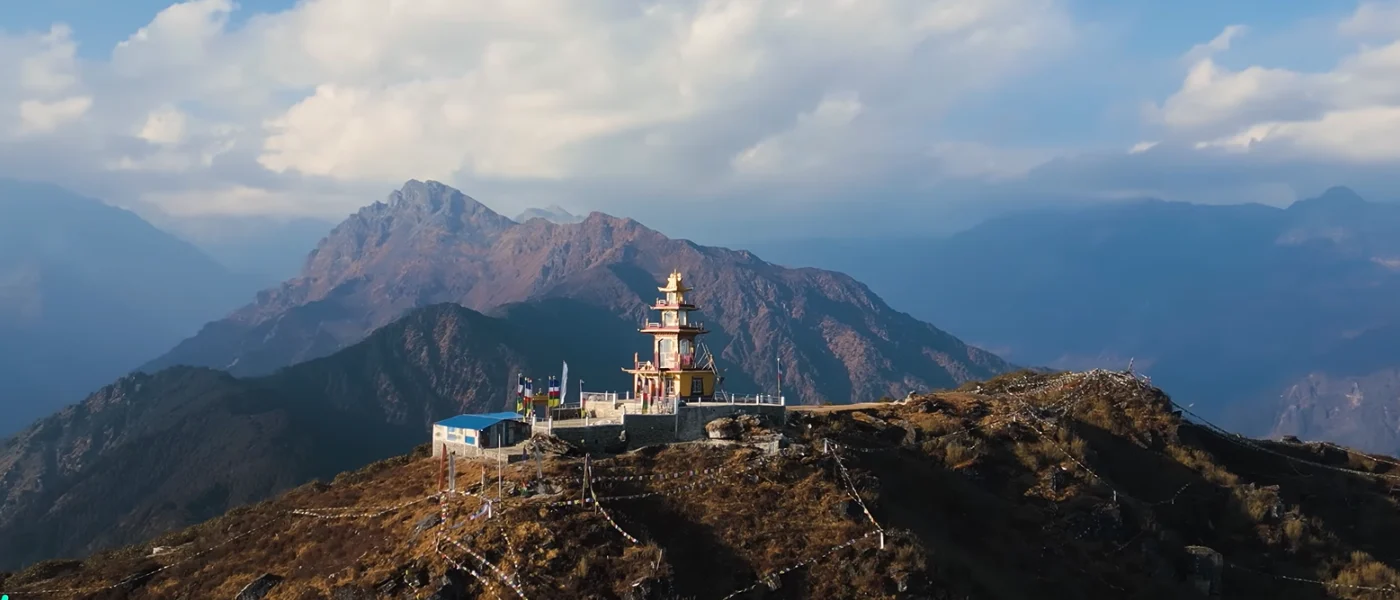
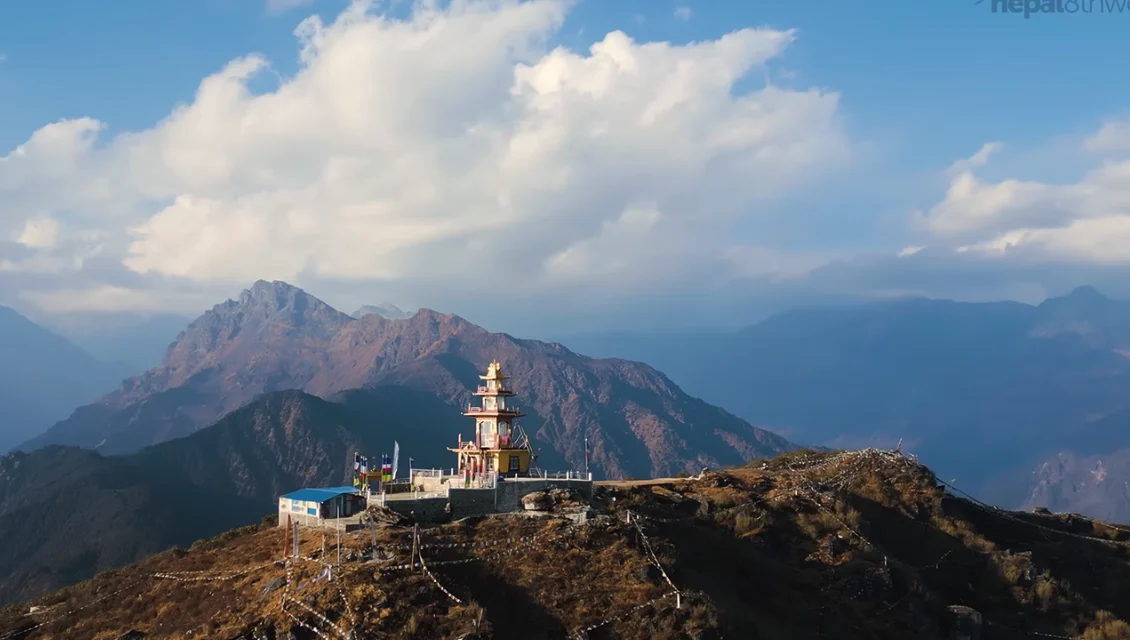
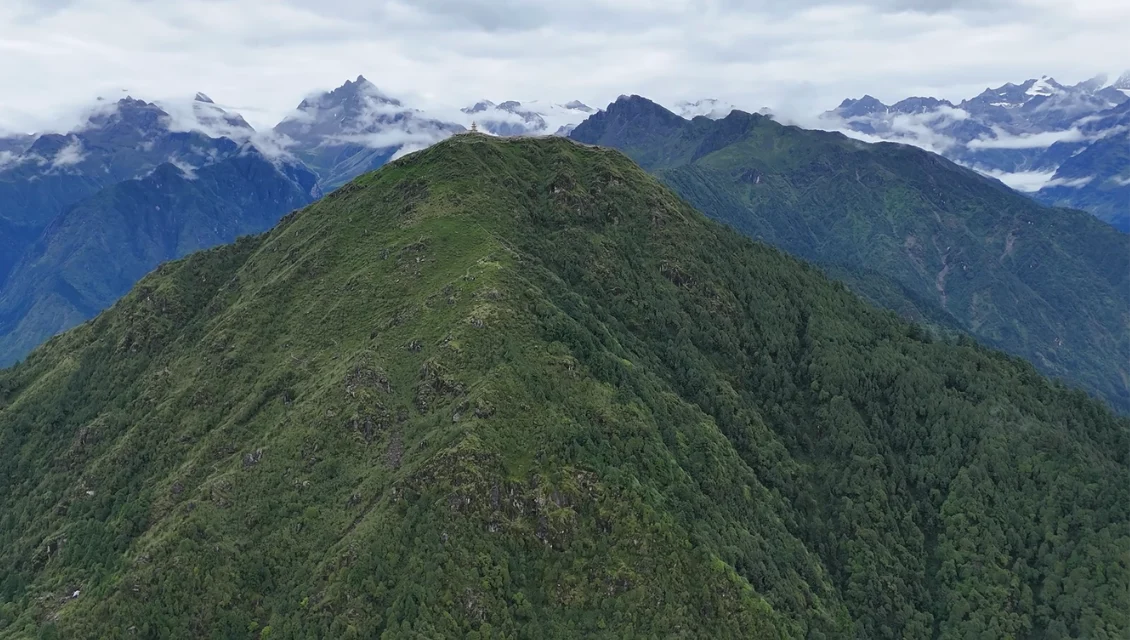
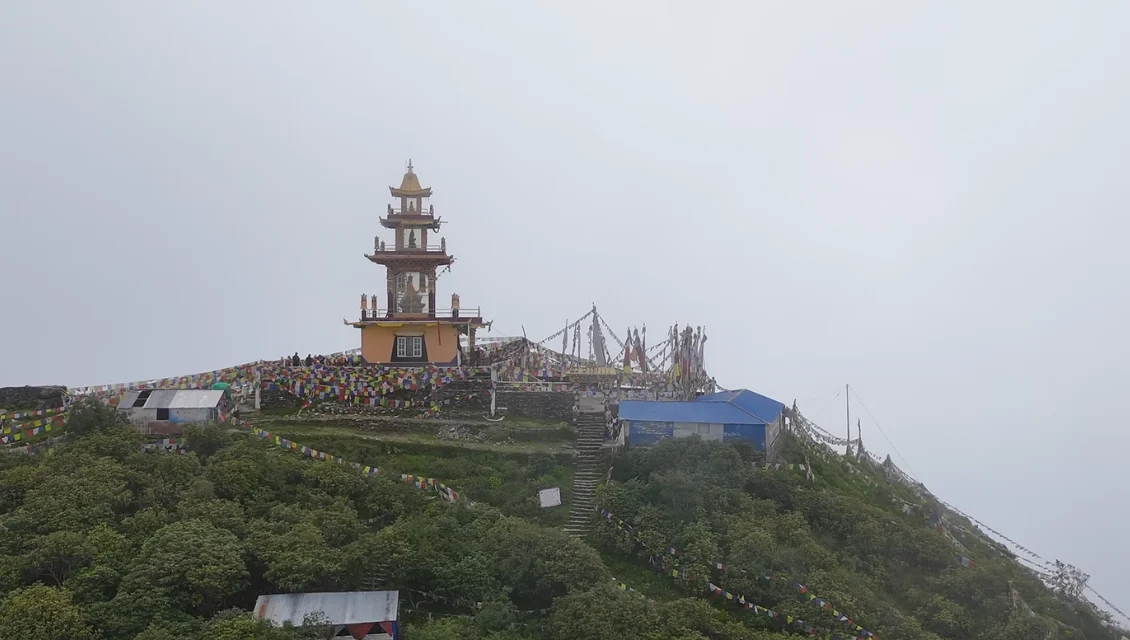
The main highlight of the trek is Ama Yangri Peak (3,771 m), considered a sacred protector deity by the local Hyolmo (Yolmo) community. The summit offers one of the finest panoramic viewpoints in the region, with sweeping views of Himalayan peaks including Langtang Lirung, Dorje Lakpa, Ganesh Himal, and distant views of the Tibetan border ranges.
This trek is especially suitable for spiritual travelers, beginners, and those looking for a short yet meaningful Himalayan experience centered on Buddhist traditions and mountain serenity.
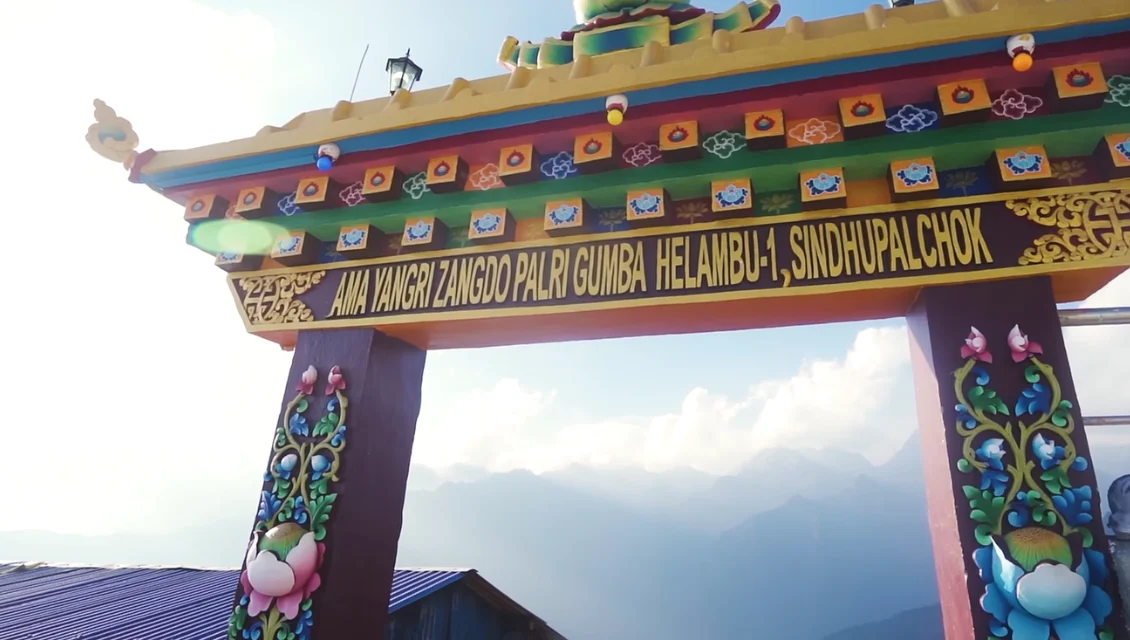
The Ama Yangri Buddhist Trail is located in the Helambu region of Sindhupalchok district, within the Langtang Himalayan range and Langtang National Park. The journey typically begins with a drive from Kathmandu to Sermathang or Tarkeghyang, followed by trekking through traditional Hyolmo villages and forested ridgelines.
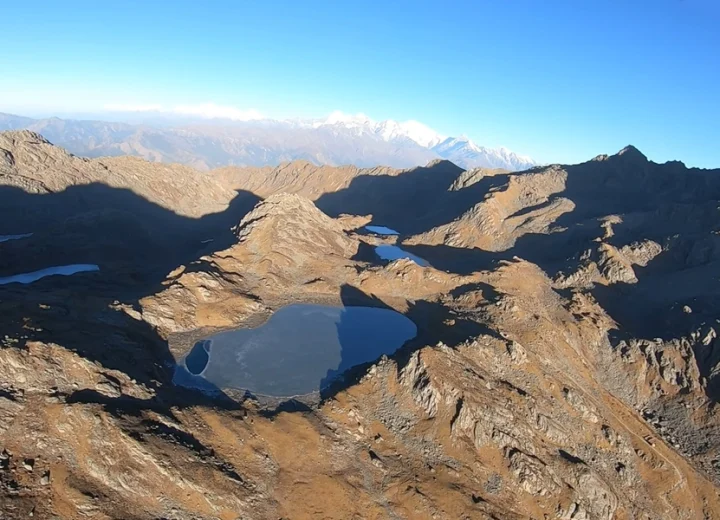
The landscape is a beautiful mix of terraced hills, dense rhododendron and pine forests, alpine ridges, and open viewpoints. Lower sections of the trek pass through fertile farmland and scattered settlements, while higher sections lead into peaceful forest trails filled with birdsong and seasonal wildflowers.
As the trail climbs toward Ama Yangri Peak, the scenery opens into wide ridgelines offering uninterrupted Himalayan views. The summit area is particularly special, providing a 360-degree panorama of snow-capped peaks, deep valleys, and rolling hills stretching toward Tibet.
The trail is relatively short but rewarding, making it one of the best quick escapes for mountain scenery and spiritual reflection near the capital.
The best seasons for the Ama Yangri Buddhist Trail Trek are spring (March–May) and autumn (September–November). These months provide clear skies, stable weather, and excellent visibility of the surrounding Himalayan ranges.
Spring is especially beautiful due to blooming rhododendrons and lush green landscapes across the Helambu hills. Autumn offers crisp air, dry trails, and some of the clearest mountain views after the monsoon season.
Winter (December–February) can be cold, especially near the summit of Ama Yangri, but it offers quiet trails and crystal-clear visibility for experienced trekkers. The monsoon season (June–August) brings heavy rainfall, slippery trails, and limited visibility, making it less favorable.
Overall, autumn is considered the best time for both clear mountain views and comfortable trekking conditions.
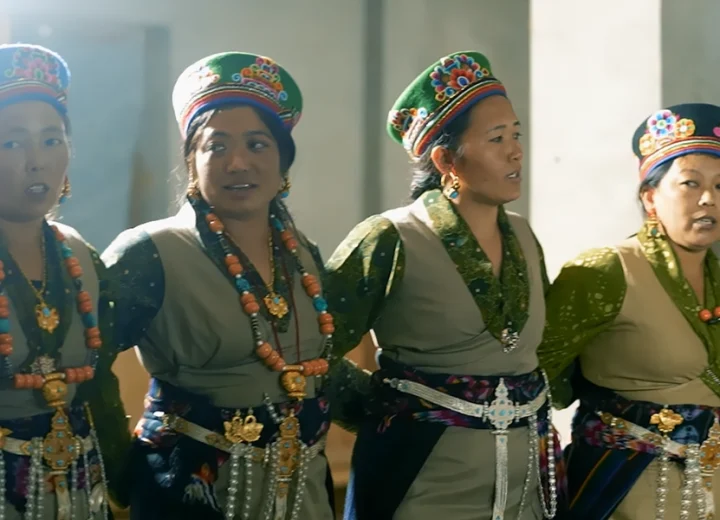
The Ama Yangri region is home to the Hyolmo (Yolmo) people, an indigenous Himalayan community with strong cultural and spiritual ties to Tibetan Buddhism. Their traditions, language, and lifestyle reflect centuries of mountain heritage and religious practice.
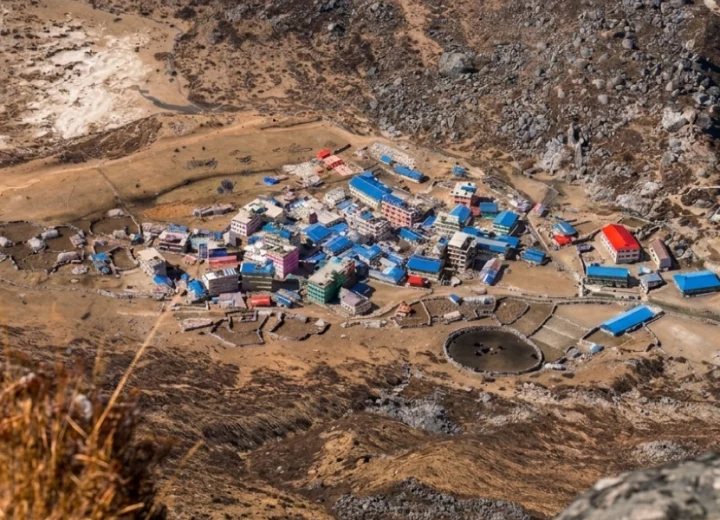
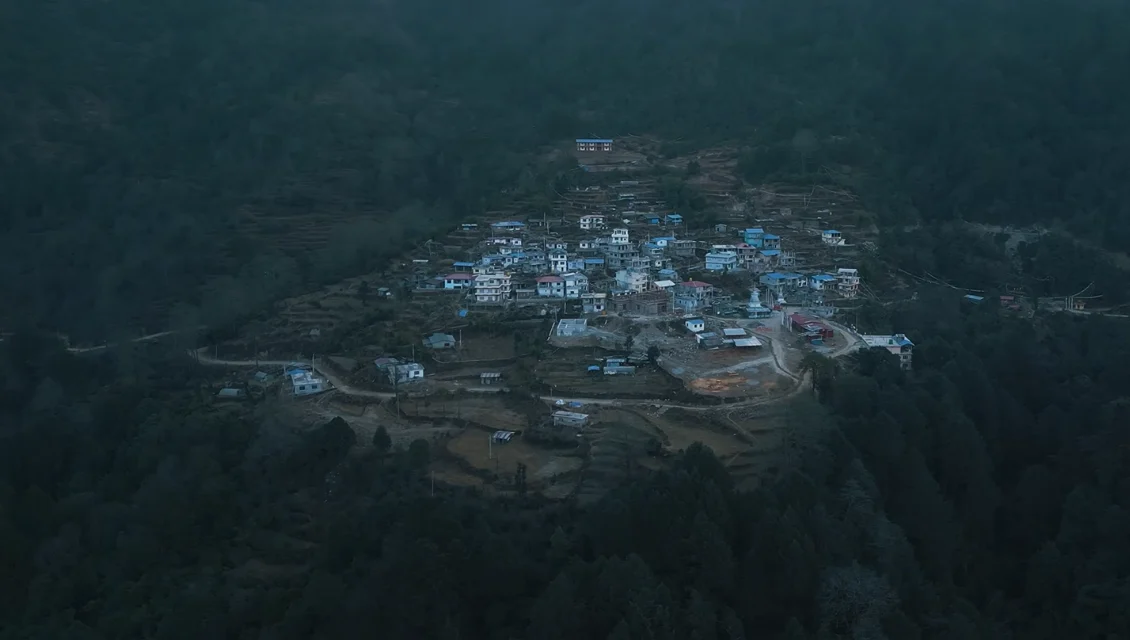
Villages such as Tarkeghyang, Sermathang, and surrounding settlements are rich in cultural heritage, featuring ancient monasteries, prayer flags, mani walls, and traditional stone houses. Buddhism plays a central role in daily life, with local monasteries serving as spiritual and community centers.
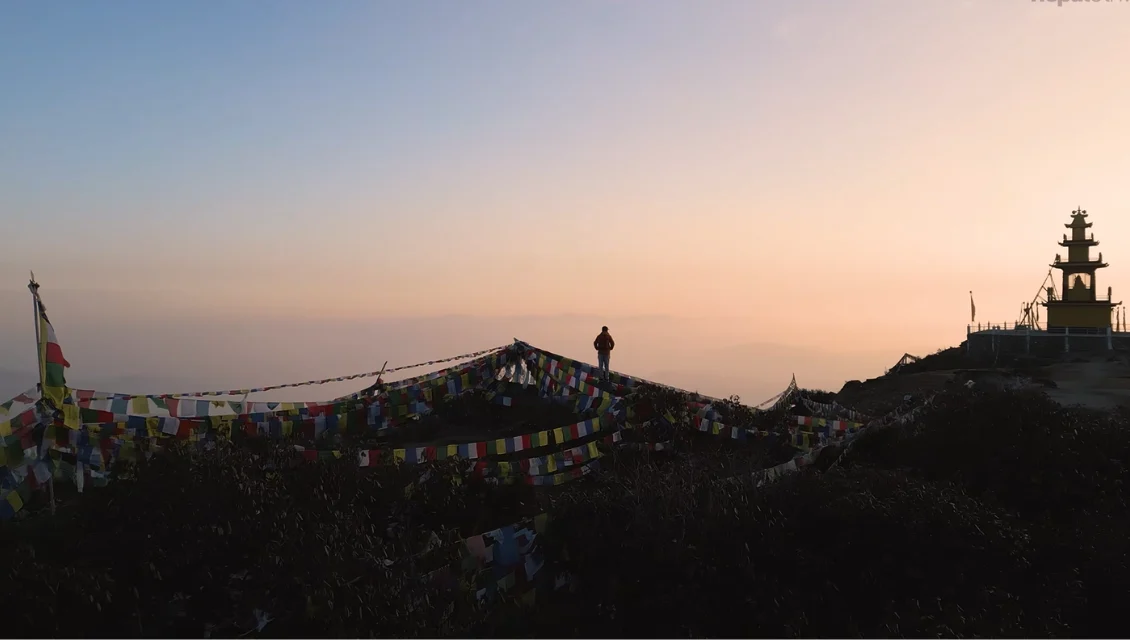
Ama Yangri Peak itself is considered a sacred deity, and local people regularly perform rituals and prayers at the summit to honor protective spirits of the region. The trail is often described as a “pilgrimage path,” combining nature, spirituality, and meditation.
Visitors experience warm hospitality in homestays and teahouses, where traditional meals and cultural storytelling provide deeper insight into Hyolmo life.
The combination of sacred significance, peaceful landscapes, and Himalayan views makes the Ama Yangri Buddhist Trail Trek one of the most meaningful short treks in Nepal.
Temperatures are typical for the best travel months (February–April and October–November) and can change with the weather.
We will pick you up from the airport. One of our representatives from Nord Extreme will be there to welcome and assist you upon arrival in Kathmandu. Our team from Nord Extreme will assist you with permit arrangements, trekking briefing, gear checking, and final trip preparation to ensure a safe and comfortable journey ahead.
You will also have free time to explore Thamel for any last-minute shopping or personal preparations before the trek begins.
Activity Duration: 4–6 hours
Today is reserved for final trek preparation and permit arrangements. Your guide will assist with documentation and provide a detailed briefing about the Helambu and Ama Yangri region. You may spend the day shopping for trekking essentials in Thamel, visiting cultural landmarks, or relaxing before the trek begins.
Drive Duration: 6–7 hours
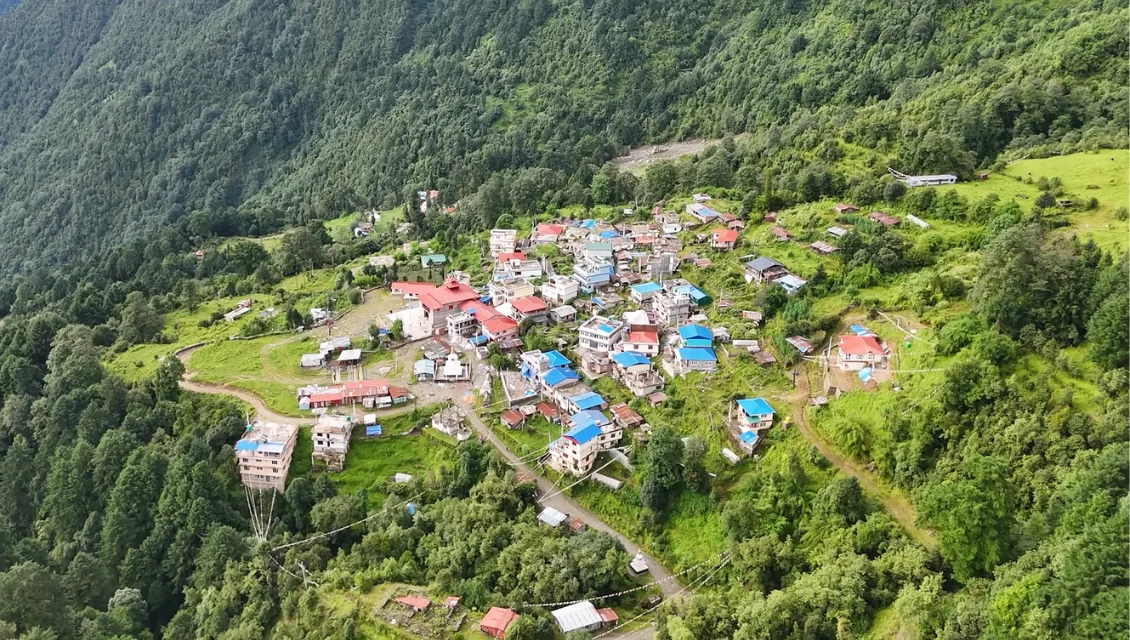
Drive through the scenic hills of Helambu via Melamchi and Sermathang to reach the peaceful Sherpa village of Tarke Gyang. Known for its monastery, traditional wooden architecture, and apple orchards, this village offers a beautiful introduction to the Buddhist culture of the Helambu region.
Activity Duration: 3–5 hours
Spend the day exploring the traditional village of Tarke Gyang. Visit the historic monastery, interact with monks, observe Buddhist prayer rituals, and enjoy the peaceful Himalayan atmosphere. You may also take an optional short hike to nearby Gangyul village for additional cultural experiences and mountain scenery.
Hike Duration: 6–7 hours round trip
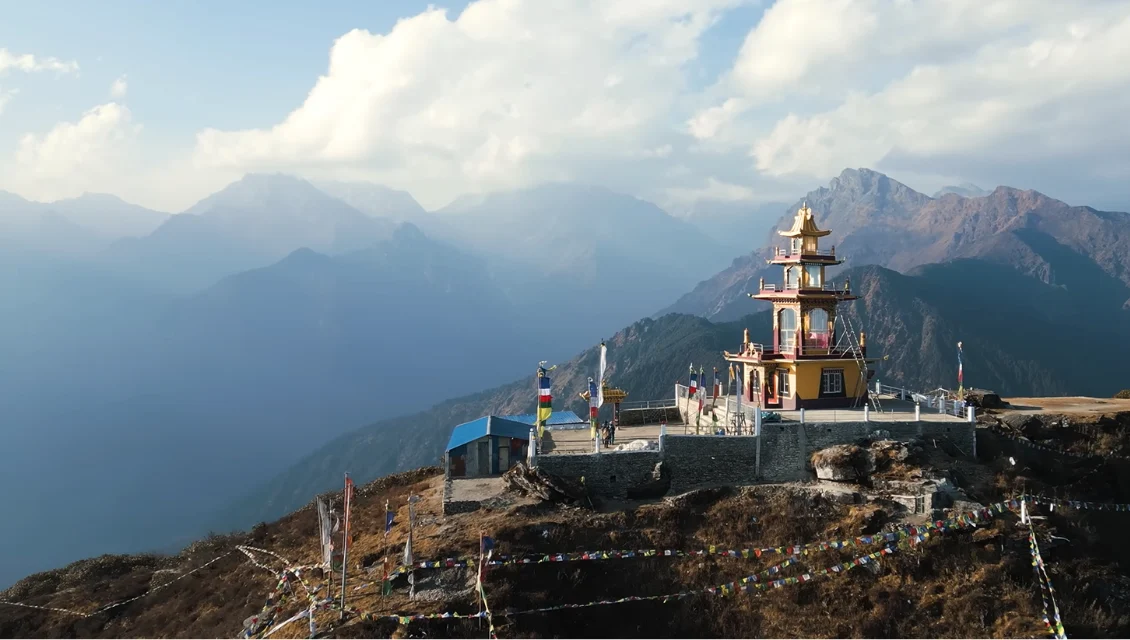
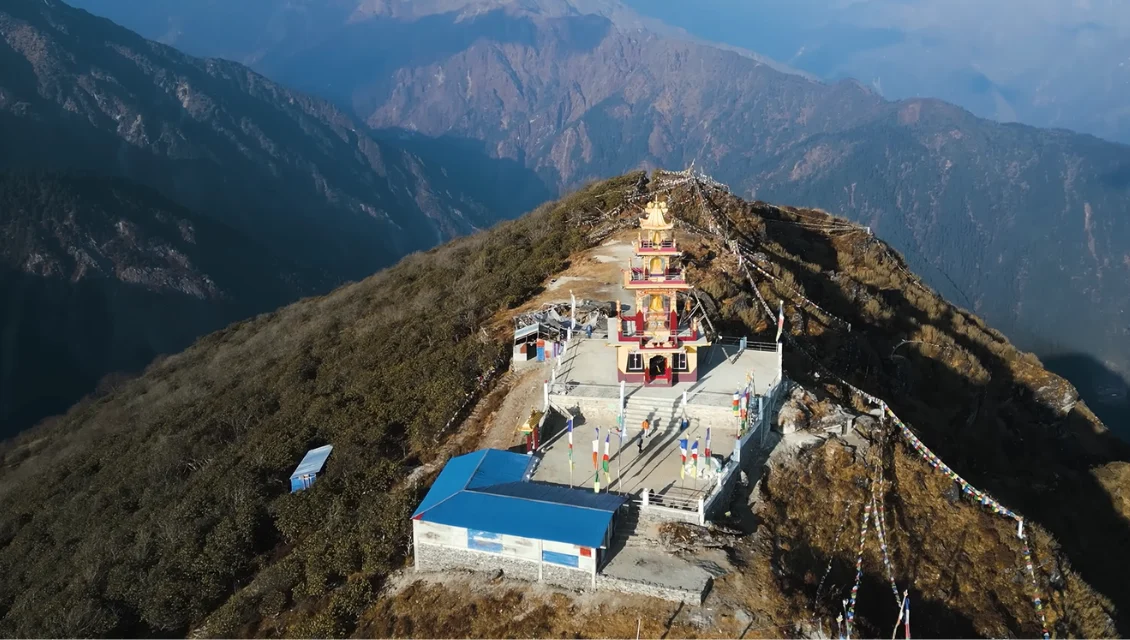
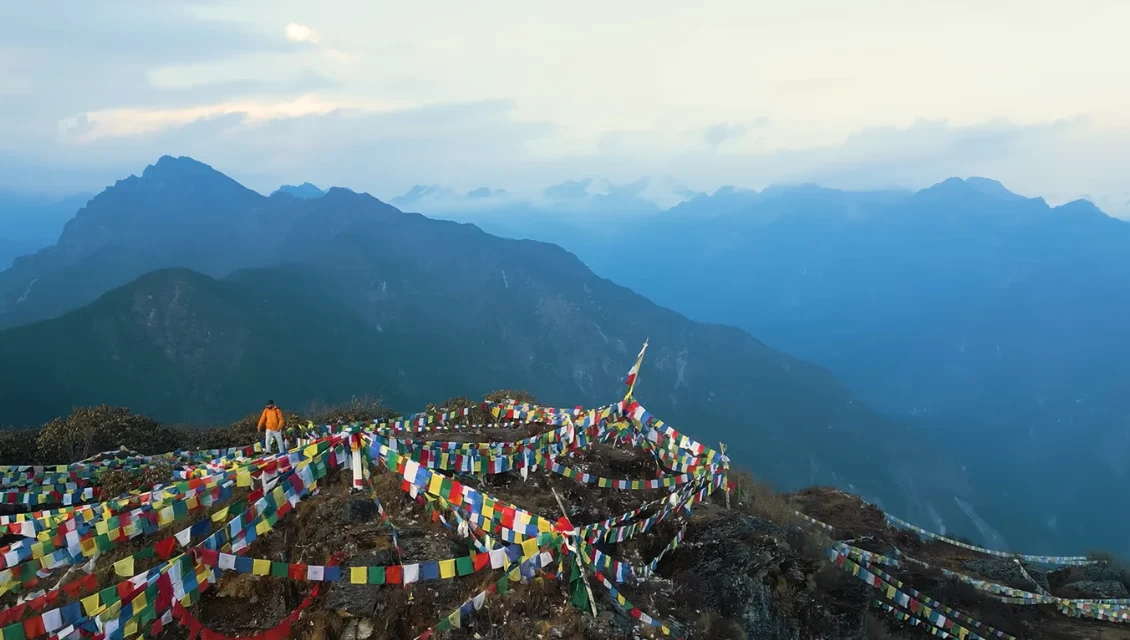
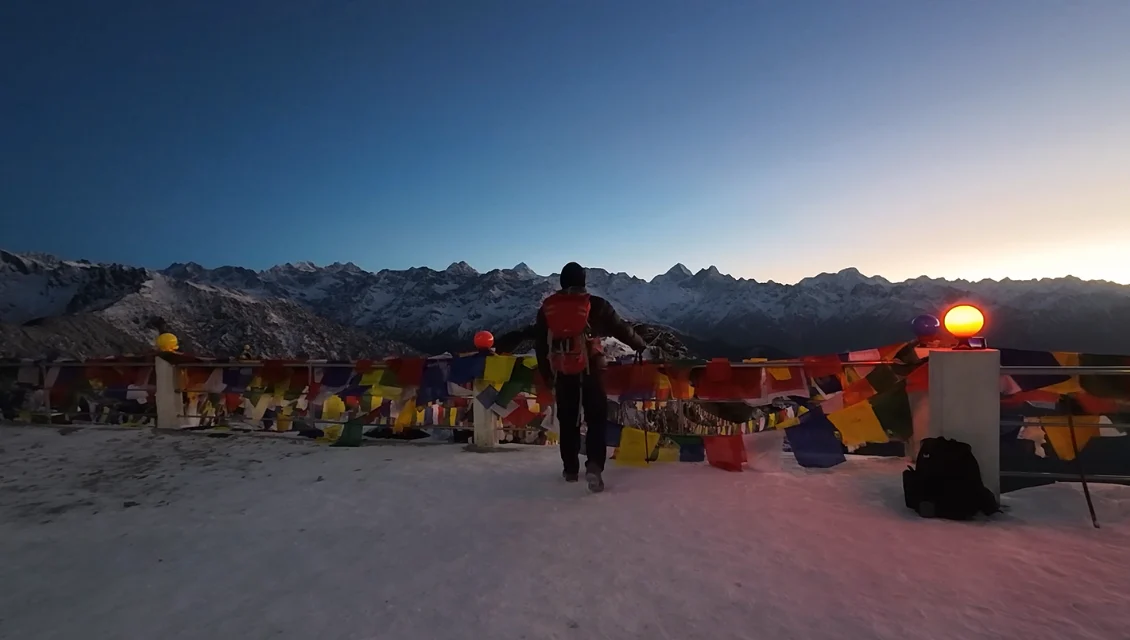
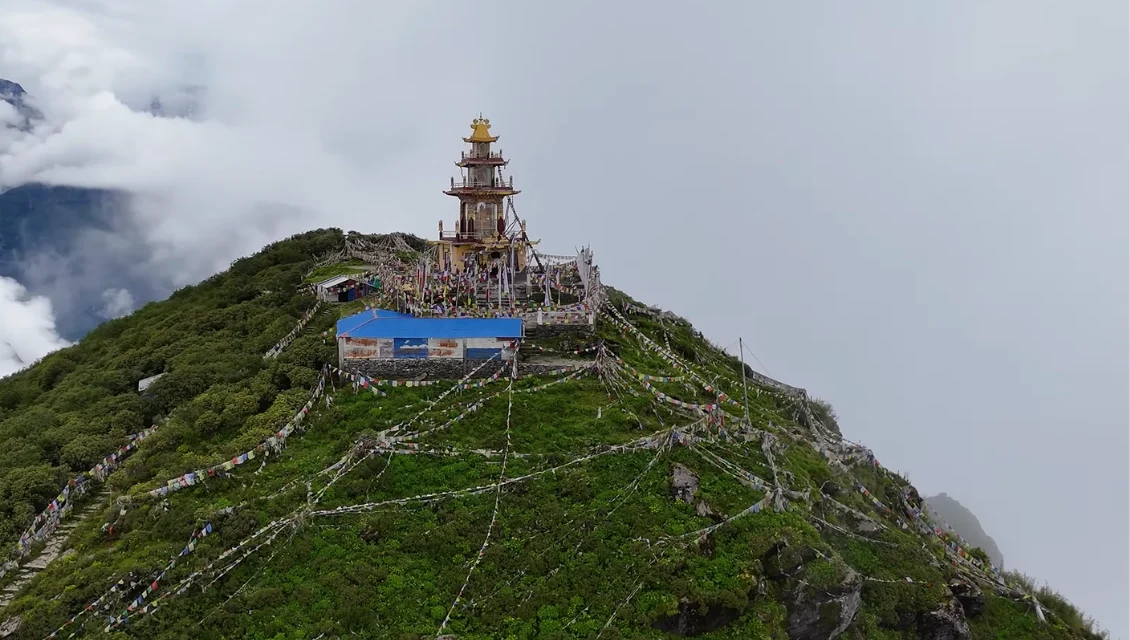
Start early for the hike to Ama Yangri Peak, one of the finest viewpoints in the Helambu region. The trail ascends steadily through rhododendron forest and open ridges. At the summit, colorful prayer flags and a small stupa decorate the viewpoint, while breathtaking panoramas stretch across Langtang, Ganesh Himal, Dorje Lakpa, Jugal Himal, and even Everest on clear days. Return to Tarke Gyang by evening.
Drive Duration: 5–6 hours
Trek downhill to Melamchi Gyang, another traditional Buddhist village known for its ancient monastery and beautiful mountain setting. After exploring the village, drive back to Kathmandu via Melamchi Bazaar. Upon arrival, transfer to your hotel and enjoy a relaxing evening in the city.
Transfer to Tribhuvan International Airport for your onward flight or continue your travels in Nepal. We hope you had a memorable experience exploring the Helambu region and the stunning Ama Yangri Peak.
The best time for the Ama Yangri Trail Trek is February–April and October–November, with May, September and December–January also good. Typical daytime temperatures at Kathmandu (1,400 m) in those months are around 25 °C, with colder nights at higher camps.
The Kathmandu Valley can be visited all year. October–November and March–April are pleasant and clear; December–February are sunny with cold mornings, and the monsoon brings afternoon showers but green, uncrowded heritage sites.
| Month | Conditions | Day | Night |
|---|---|---|---|
| January | Good — clear skies, cold nights and fewer trekkers | 19 °C | 2 °C |
| February | Best time — stable weather and clear views | 21 °C | 4 °C |
| March | Best time — stable weather and clear views | 25 °C | 8 °C |
| April | Best time — stable weather and clear views | 28 °C | 11 °C |
| May | Good — mostly fine weather, fewer crowds | 29 °C | 16 °C |
| June | Possible — monsoon showers and cloud | 29 °C | 19 °C |
| July | Possible — monsoon showers and cloud | 28 °C | 20 °C |
| August | Possible — monsoon showers and cloud | 28 °C | 20 °C |
| September | Good — green landscapes, some rain | 28 °C | 18 °C |
| October | Best time — stable weather and clear views | 27 °C | 13 °C |
| November | Best time — stable weather and clear views | 23 °C | 7 °C |
| December | Good — clear skies, cold nights and fewer trekkers | 20 °C | 3 °C |
Average day and night temperatures at Kathmandu (1,400 m). Higher camps are colder.
Your packing checklist for Ama Yangri Trail Trek. Tick items off as you pack — down jackets and sleeping bags can also be rented in Kathmandu.
Private departures run on any date. Pick the start date that suits you and we will build the trip around it — same price, your own guide and team.
Accommodation
Accommodation is provided in local teahouses, community lodges, monasteries, and family-operated guesthouses along the trail.
Villages such as Tarkeghyang, Melamchi Ghyang, and Sermathang offer comfortable yet simple accommodations with traditional hospitality. Rooms are generally twin-sharing with basic bedding and shared bathroom facilities.
Facilities are modest but provide an authentic cultural and spiritual trekking experience.
Meals
A full-board meal system (Breakfast, Lunch, and Dinner) is available throughout the trek.
Meals are freshly prepared using locally sourced ingredients and often reflect traditional Hyolmo and Himalayan cuisine.
Typical menu options include:
Local monasteries and lodges may also serve traditional Buddhist-inspired meals during special occasions.
Difficulty & Physical Requirements
The Ama Yangri Buddhism Trail Trek is classified as easy to moderate, making it suitable for beginners, families, spiritual travelers, and cultural trekkers.
Daily walking generally ranges from 4 to 6 hours, with gradual ascents through forests, villages, and ridge trails.
The climb to Ama Yangri summit is moderately demanding but requires no technical climbing experience.
Permits
Required permits include:
All permits are typically arranged by the trekking operator.
Best Season
Transportation & Access
The trek begins with a scenic drive from Kathmandu to Melamchi or nearby trailheads in the Helambu region.
The trail passes through traditional Hyolmo settlements, monasteries, and forested ridges before ascending to Ama Yangri Peak.
The region is easily accessible, making it an excellent short trekking destination close to Kathmandu.
Safety & Acclimatization
The trek remains below 4,000 meters and presents minimal altitude-related risks.
Key safety considerations include:
Professional guides assist with navigation and cultural interpretation.
Travel Insurance
Recommended travel insurance should include:
Guide & Porter Services
Experienced local guides are highly recommended to enhance the cultural and spiritual aspects of the trek.
Porters can be arranged for luggage support, though the trek is manageable with a light backpack.
Cultural & Spiritual Highlights
The Ama Yangri Buddhism Trail Trek offers a unique combination of Himalayan scenery and Buddhist heritage:
Essential Equipment
Recommended trekking gear includes:
Communication & Connectivity
Mobile network coverage is available in most villages along the route.
Wi-Fi services are available in some guesthouses and lodges, although connectivity may vary depending on location.
Why Choose the Ama Yangri Buddhism Trail Trek?
This trek is ideal for travelers seeking spiritual enrichment, cultural immersion, and Himalayan scenery:
The Ama Yangri Trail Trek is graded Moderate — suitable for most active travellers. Expect 5–7 hours of walking on most days on mountain trails with plenty of ascents and descents. Regular cardio training — hiking, running, cycling or stair climbing — for 6–8 weeks before departure makes the trip far more enjoyable.
For the Kathmandu Valley & mid-hills region the best months are February–April and October–November. The Kathmandu Valley can be visited all year. October–November and March–April are pleasant and clear; December–February are sunny with cold mornings, and the monsoon brings afternoon showers but green, uncrowded heritage sites.
You need entry tickets for the heritage sites you visit. Nord Extreme arranges every permit for you before the trip starts — check the "Includes" section above for exactly what is covered in the price. Just bring your passport and a few passport-size photos.
In Kathmandu you stay in a comfortable hotel; on the trail we use the best available family-run teahouses and lodges with twin-share rooms, shared or attached bathrooms and a warm dining room. Upgrades to luxury lodges are possible on popular routes such as Everest and Annapurna.
Both. You can join one of the fixed departures listed under "Dates & Prices", or book a private trip for just you, your family or friends on any date. Solo travellers are welcome — you will always have your own licensed guide.
Yes, travel insurance is compulsory. It must cover medical treatment and emergency helicopter evacuation up to the trip’s highest altitude, plus trip cancellation. Please send us your policy details before departure.
See the "What to bring" checklist on this page for the full list. The essentials are broken-in boots, warm layers, a down jacket, a waterproof shell, sun protection and a daypack. Down jackets and sleeping bags can be rented cheaply in Kathmandu, and a porter carries your main bag (up to 10–12 kg).
Keep exploring
Namaste! 🙏
Welcome to Nord Extreme Himalaya. Questions about Ama Yangri Trail Trek? Send us a message — a Sherpa trip expert in Kathmandu will reply on WhatsApp.
Mr. Sonam G. SherpaOpens WhatsApp · +9779851078748