The Everest Base Camp Trek with Helicopter Return via Lukla is a rewarding Himalayan adventure that combines Nepal’s most iconic trekking route with a scenic helicopter flight from the Everest region. Designed for travelers seeking the complete Everest Base Camp experience while reducing the lengthy return journey, this itinerary offers the perfect balance of adventure, comfort, and efficiency.
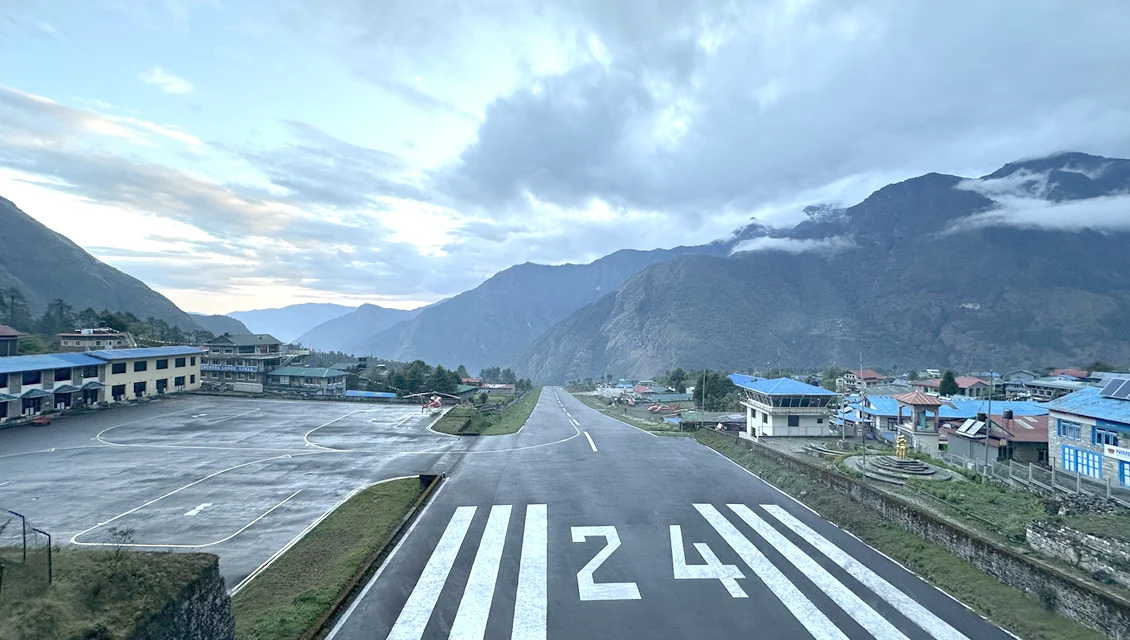
The journey begins with a scenic flight from Kathmandu to Lukla and follows the legendary Everest trail through the heart of the Khumbu region. Trekkers pass traditional Sherpa villages, suspension bridges, ancient monasteries, and breathtaking mountain landscapes before reaching Everest Base Camp at the foot of the world’s highest mountain.
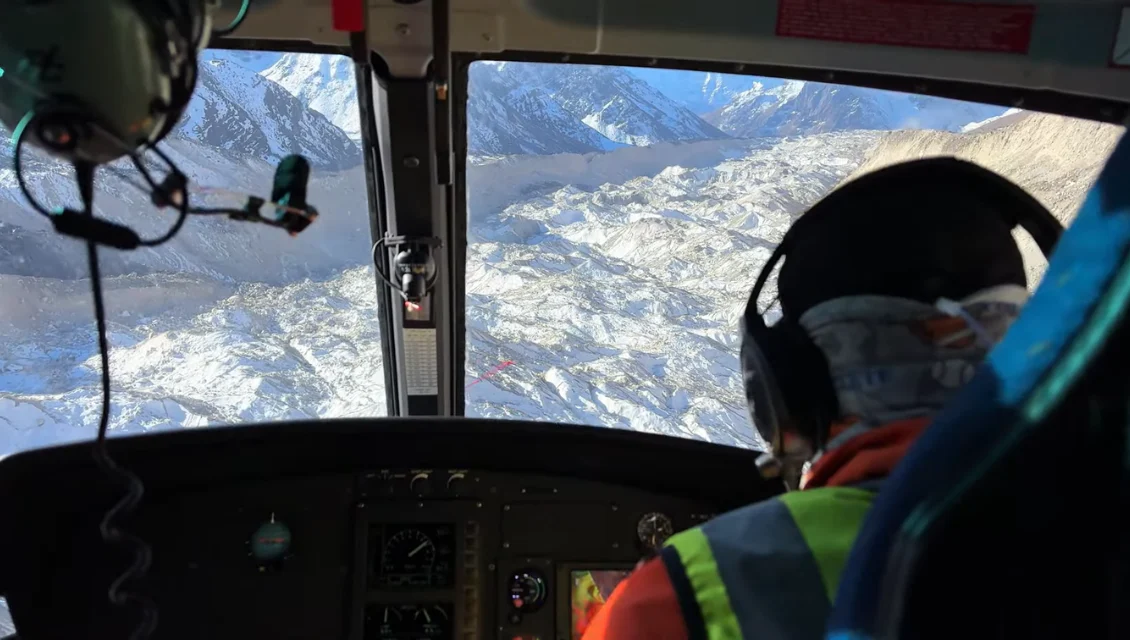
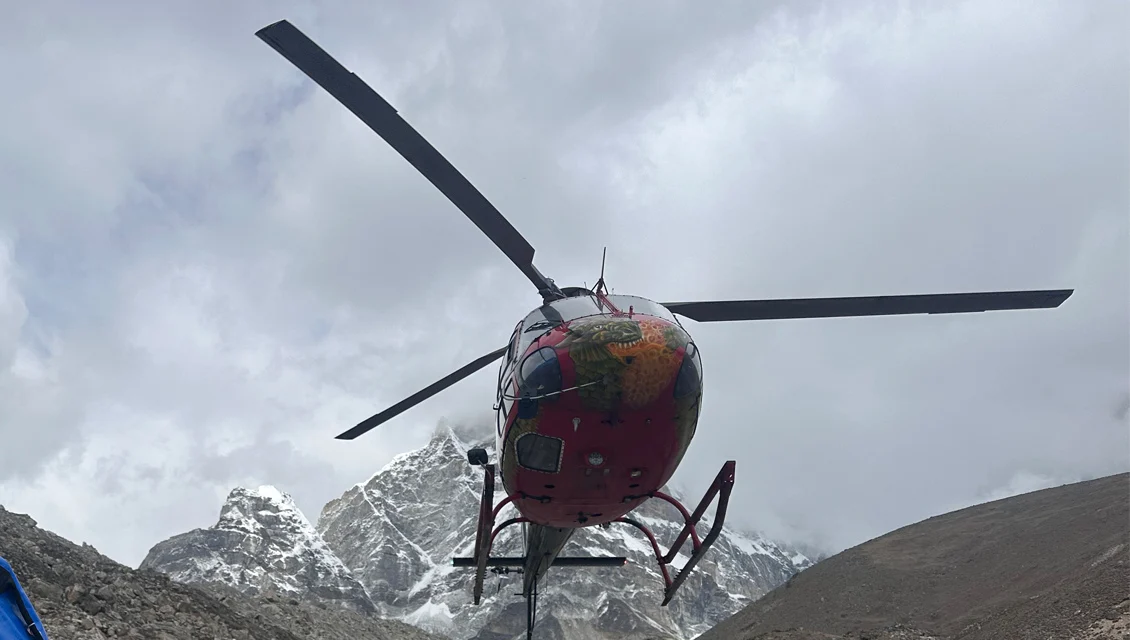
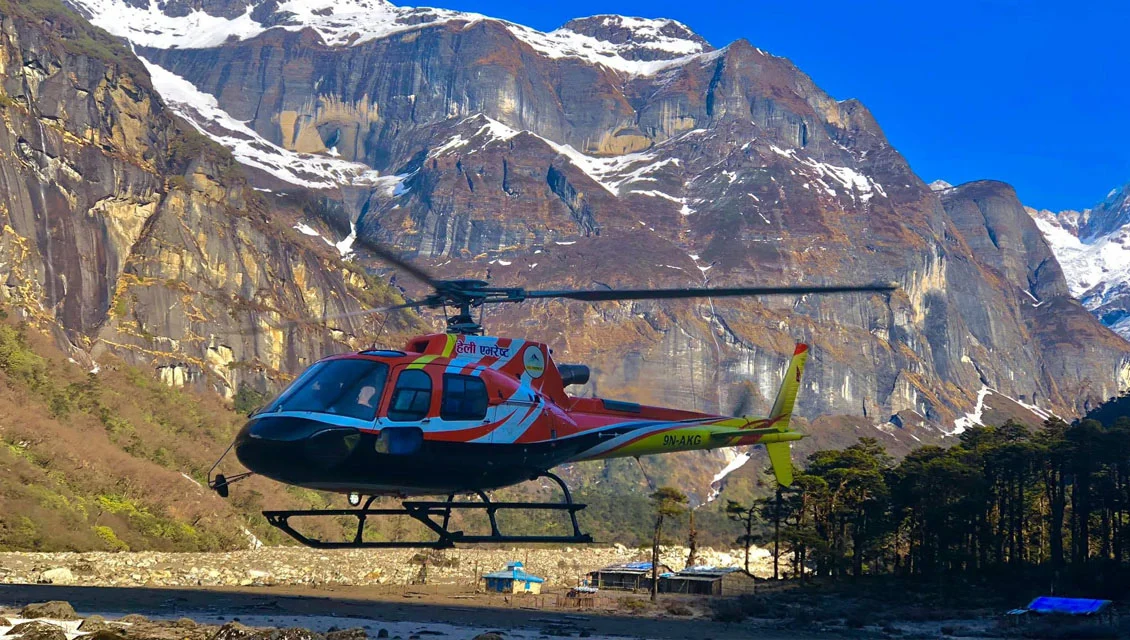
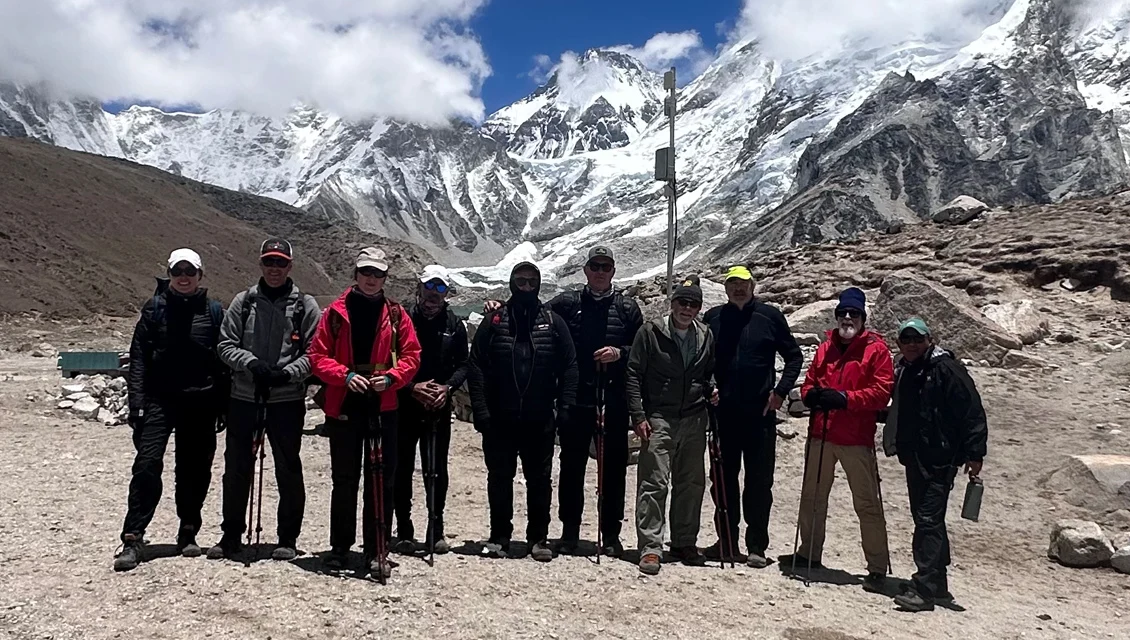
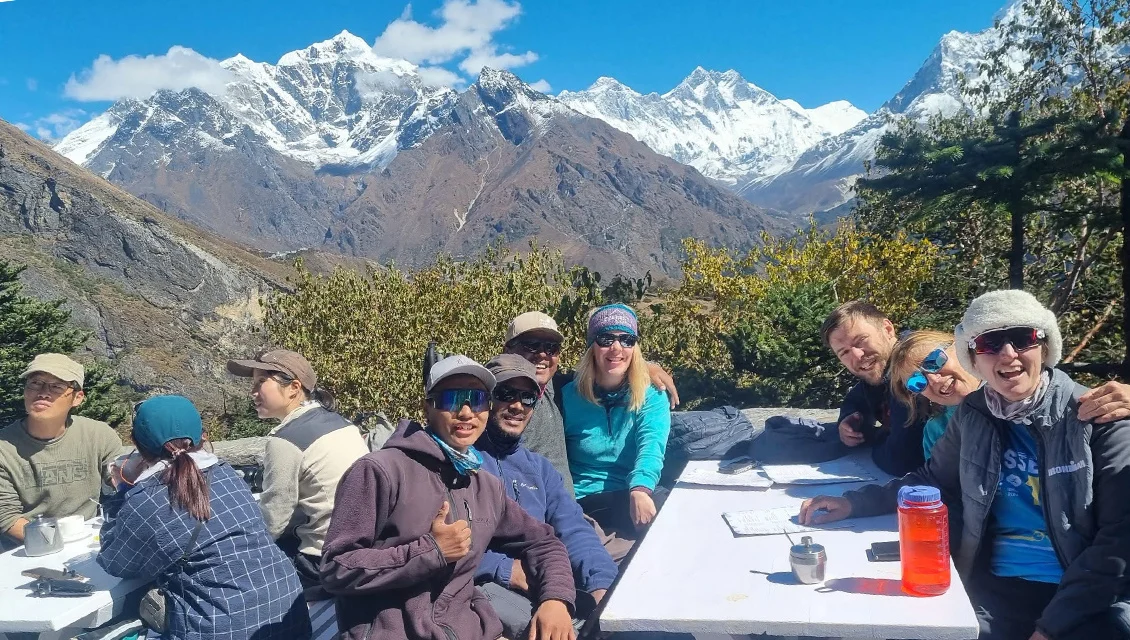
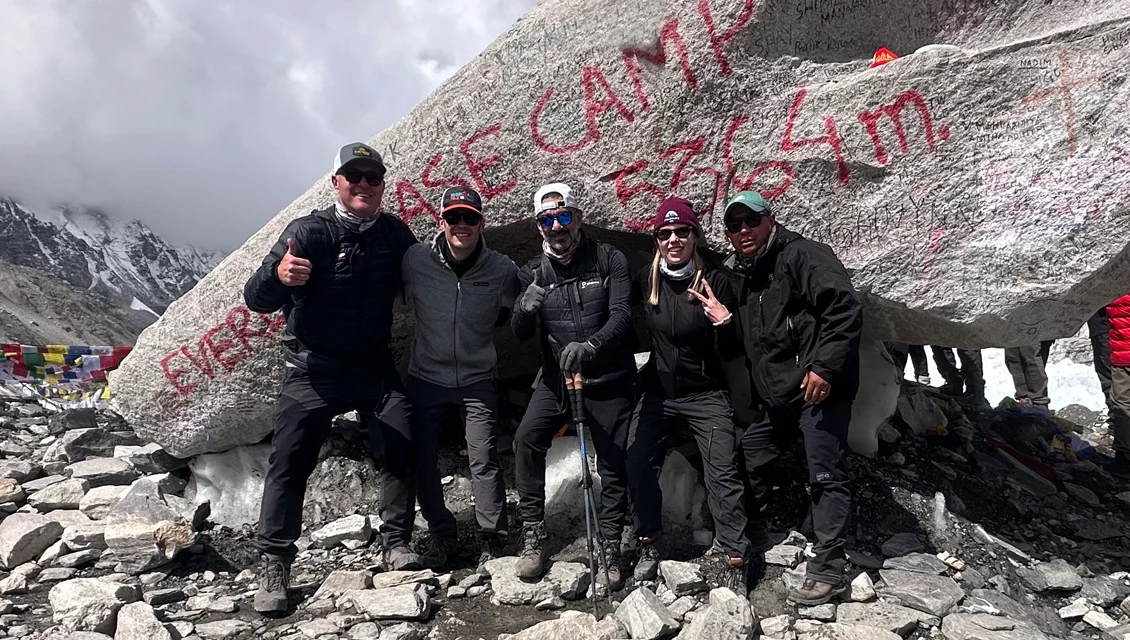
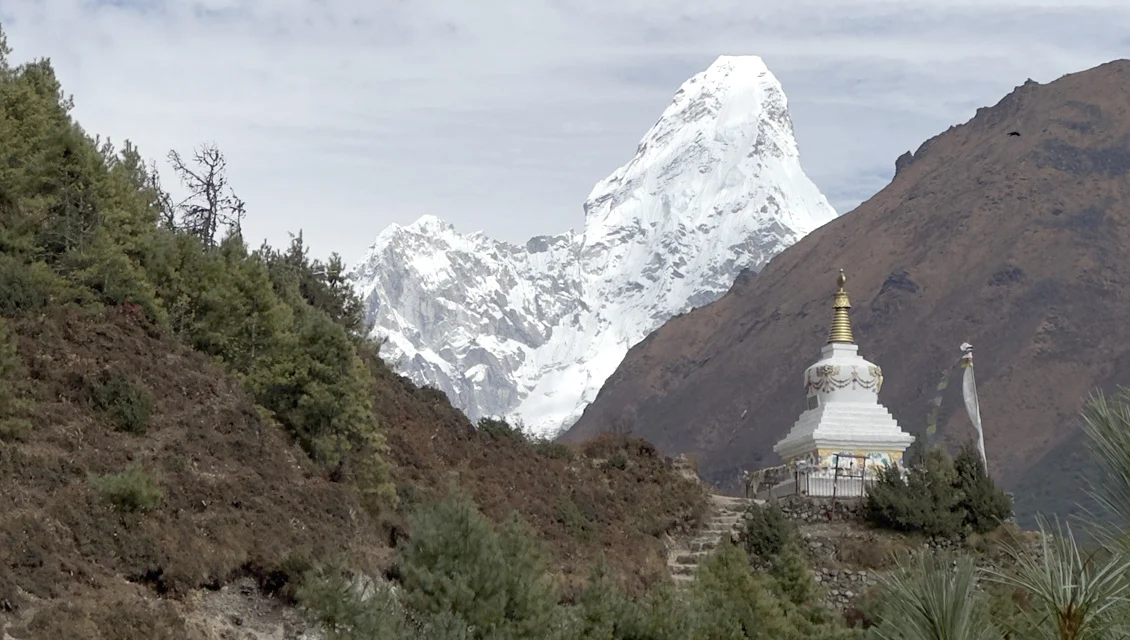
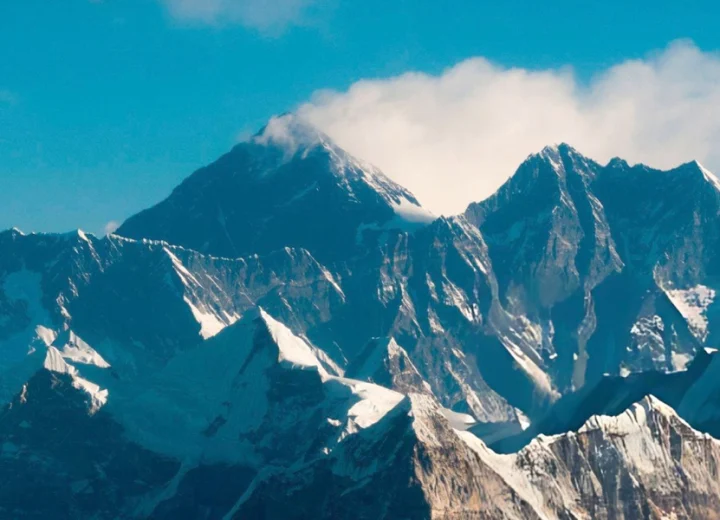
Highlights of the trek include acclimatization in Namche Bazaar and Dingboche, a visit to Tengboche Monastery, and unforgettable views of Mount Everest, Lhotse, Nuptse, Ama Dablam, and numerous Himalayan peaks. After reaching Everest Base Camp and Gorakshep, travelers enjoy a spectacular helicopter flight back to Lukla, offering extraordinary aerial views of the Khumbu Glacier, Everest Base Camp, and surrounding mountains. From Lukla, a scheduled flight returns to Kathmandu.
This itinerary is ideal for trekkers who wish to experience the full Everest Base Camp route while saving valuable time and avoiding the multi-day descent back through the Khumbu Valley.
Geography and Landscape
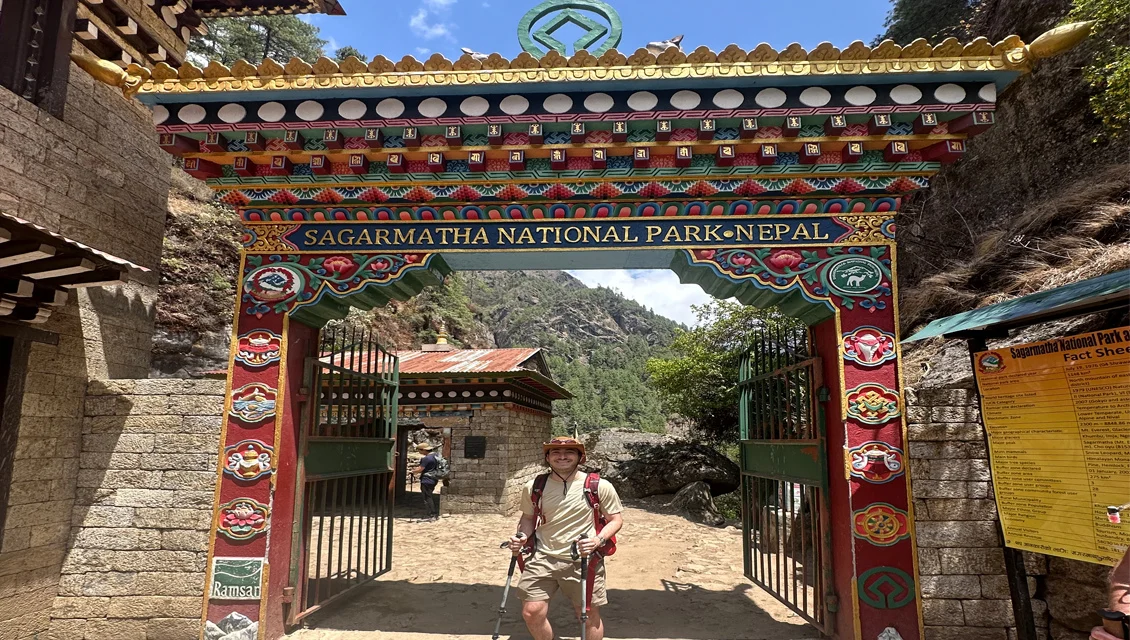
The trek takes place in the Khumbu region of northeastern Nepal within Sagarmatha National Park, a UNESCO World Heritage Site renowned for its exceptional mountain scenery and cultural significance.
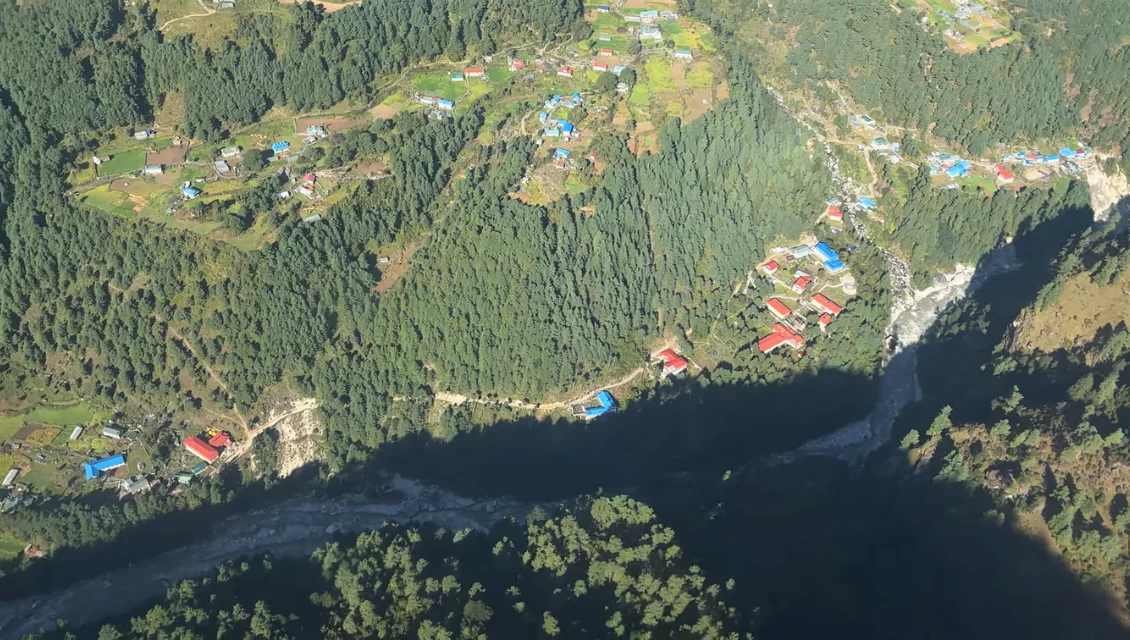
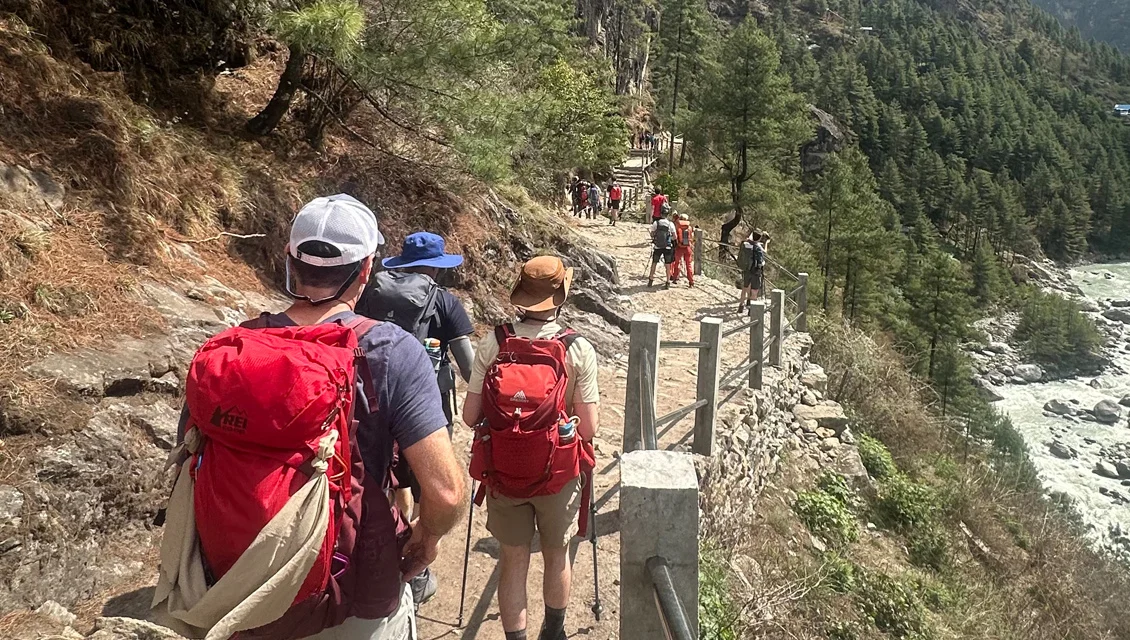
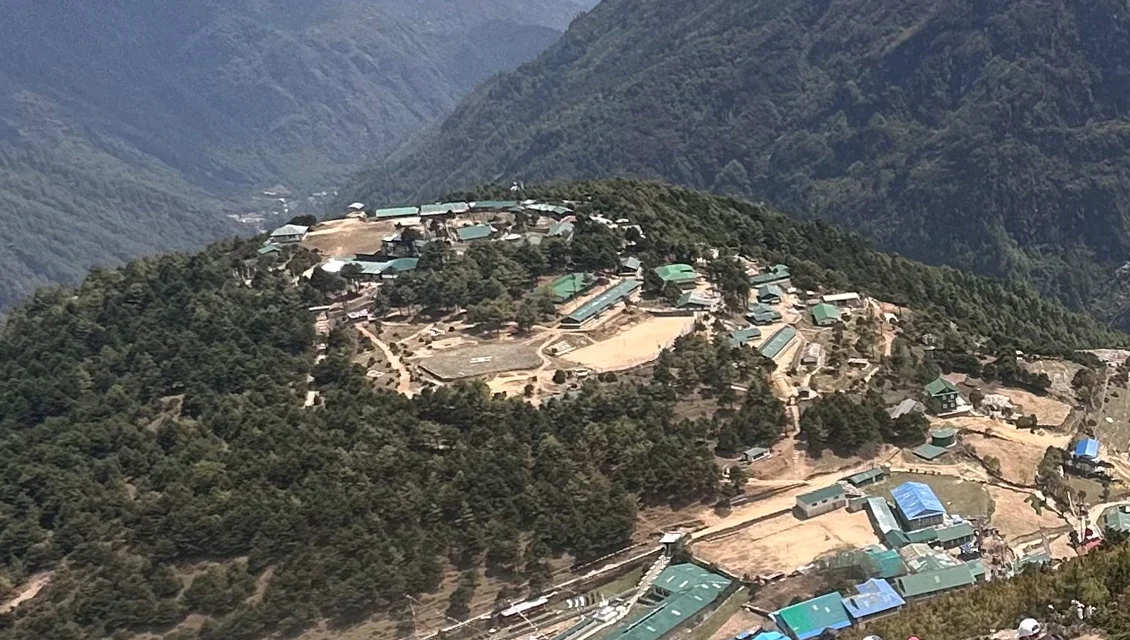
Beginning in Lukla, the trail follows the Dudh Koshi River through lush forests of pine, fir, and rhododendron before gradually ascending into alpine and glacial terrain. The route passes through famous settlements including Phakding, Namche Bazaar, Tengboche, Dingboche, Lobuche, and Gorakshep.
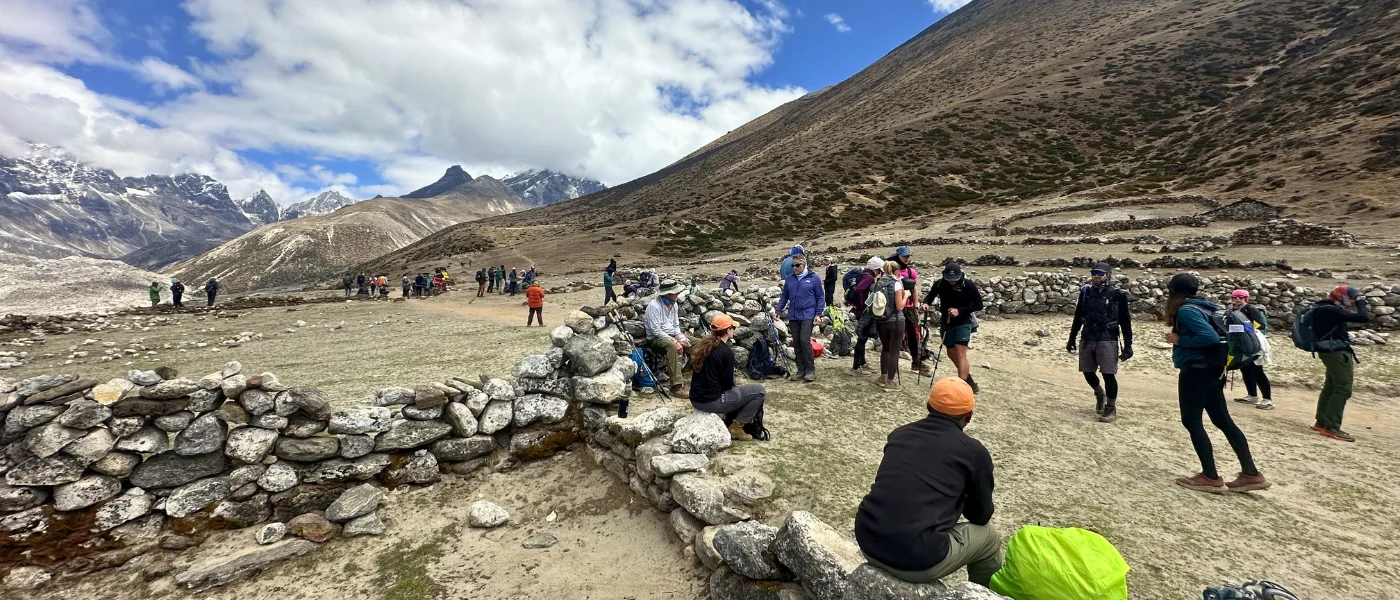
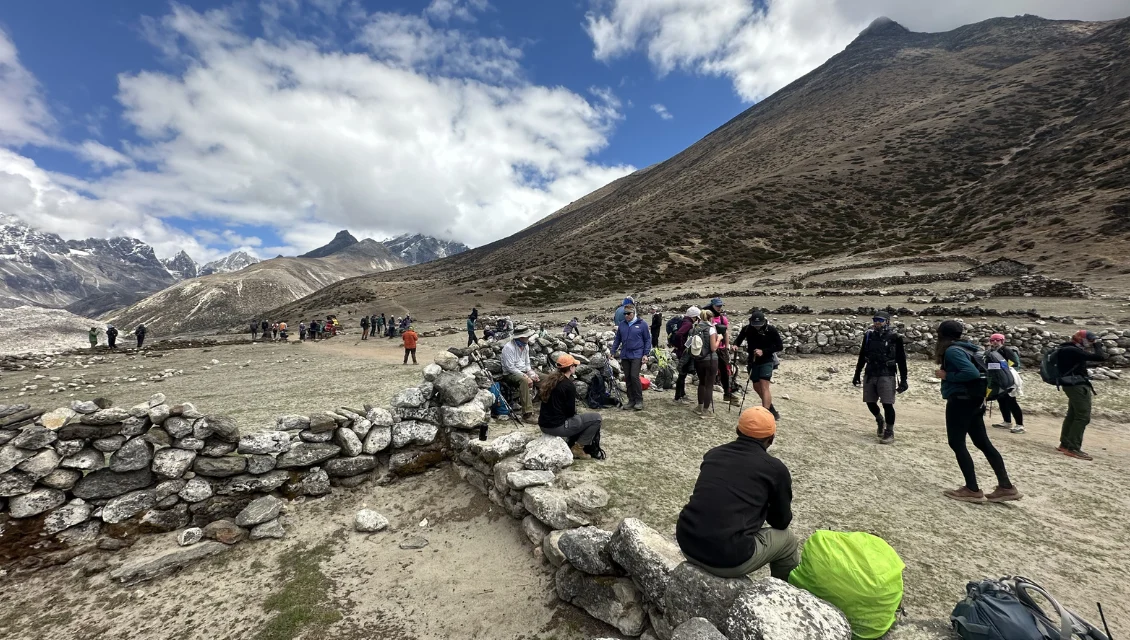
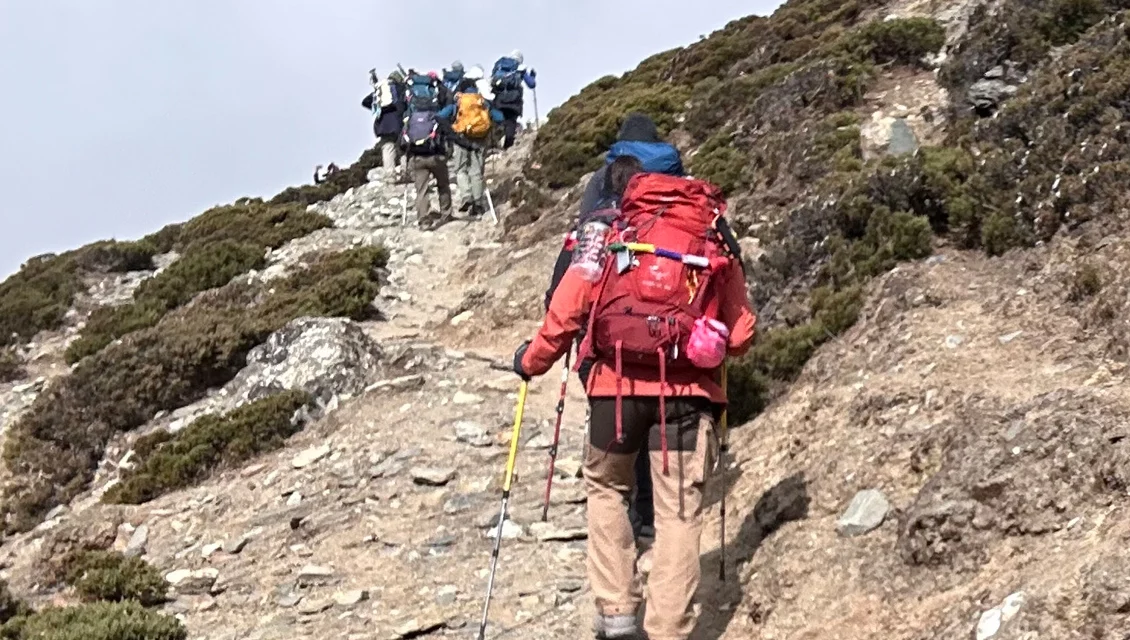
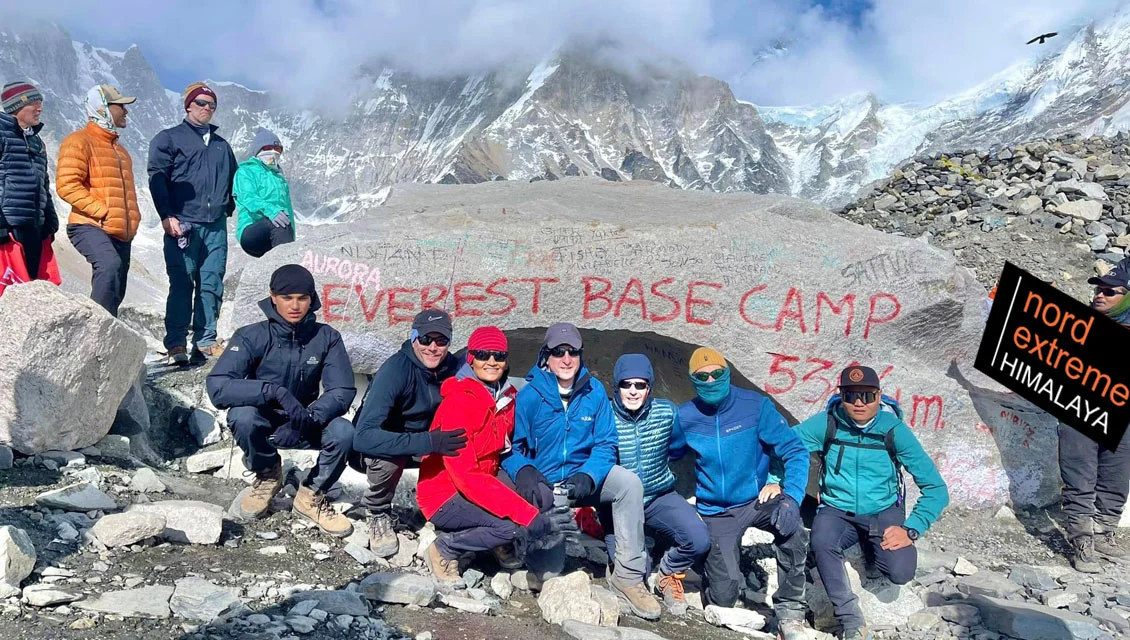
The landscape evolves dramatically as altitude increases, from green valleys and cultivated terraces to rugged mountain ridges, glacial moraines, and ice-covered terrain. Everest Base Camp sits beside the Khumbu Glacier and the spectacular Khumbu Icefall, while surrounding peaks create one of the most impressive mountain panoramas anywhere in the world.
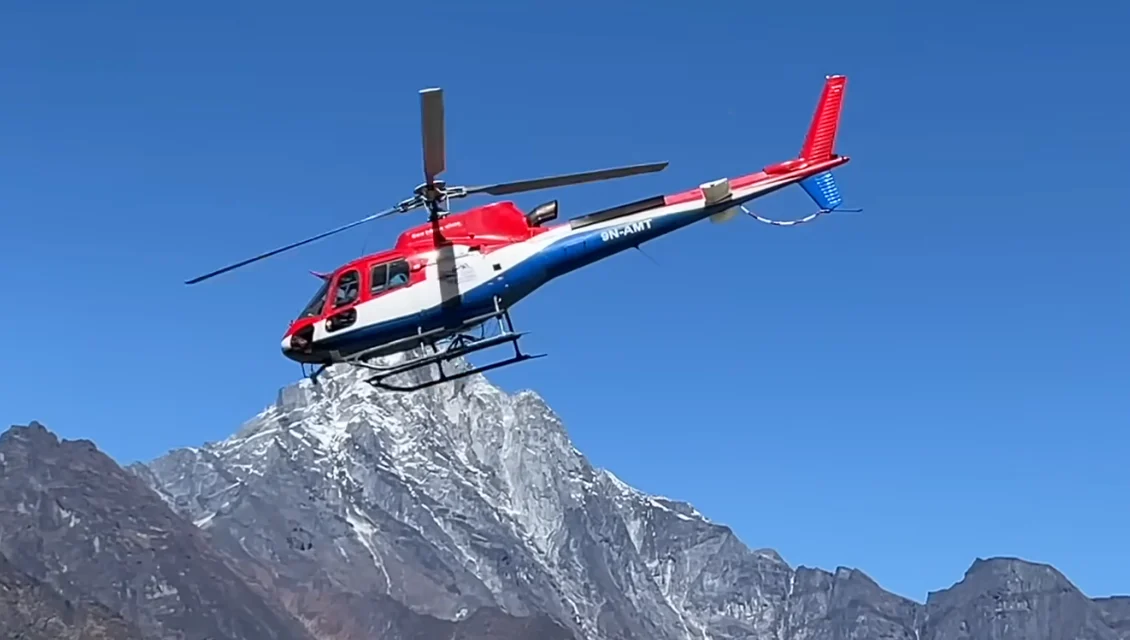
The helicopter flight from Gorakshep provides an unforgettable aerial perspective of the Khumbu Glacier, Everest Base Camp, deep valleys, and towering Himalayan summits before returning to Lukla.
Climate and Best Time to Trek
The best seasons for the Everest Base Camp Trek with Helicopter Return are spring (March to May) and autumn (September to November).
Spring offers comfortable temperatures, blooming rhododendron forests, and excellent trekking conditions. The Everest region is particularly vibrant during the climbing season, with expedition teams gathering for Everest ascents.
Autumn is widely regarded as the best trekking season due to stable weather, dry trails, and exceptionally clear mountain views following the monsoon rains.
Winter (December to February) provides quieter trails and outstanding visibility but colder temperatures at higher elevations. The monsoon season (June to August) brings rainfall, cloud cover, and occasional flight delays, making it less suitable for trekking.
People and Culture
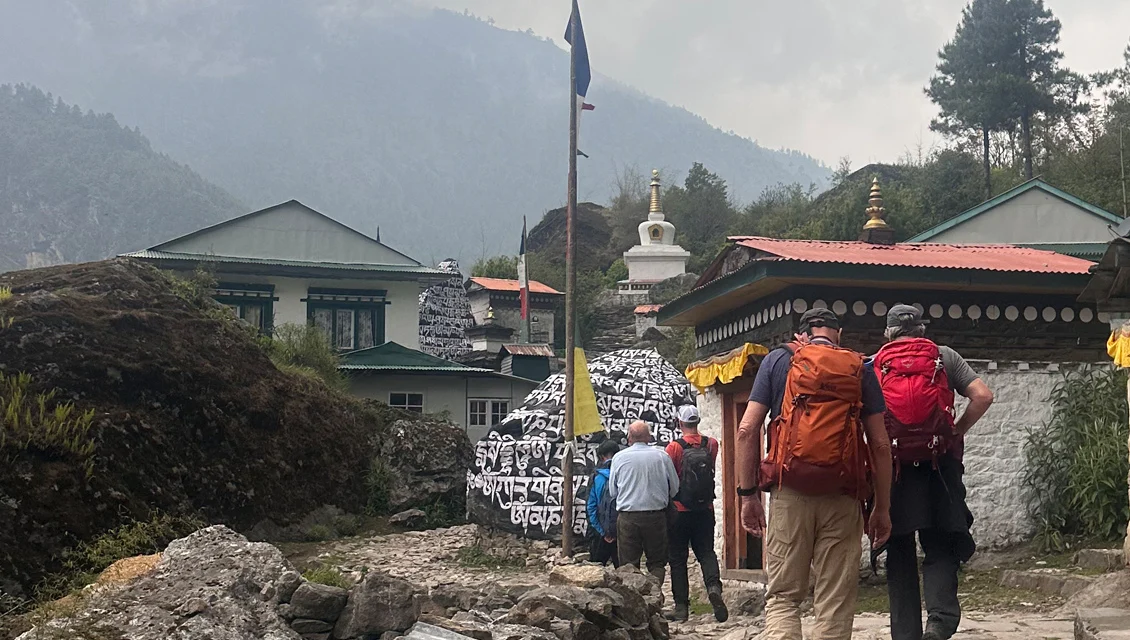
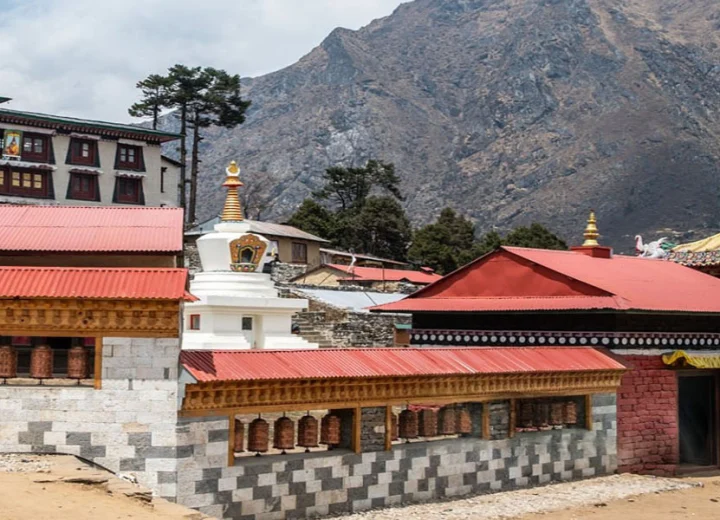
The Everest region is home to the Sherpa people, renowned worldwide for their mountaineering skills, hospitality, and rich cultural heritage. Deeply influenced by Tibetan Buddhism, the region is adorned with prayer flags, mani walls, chortens, and monasteries that reflect centuries of spiritual tradition.
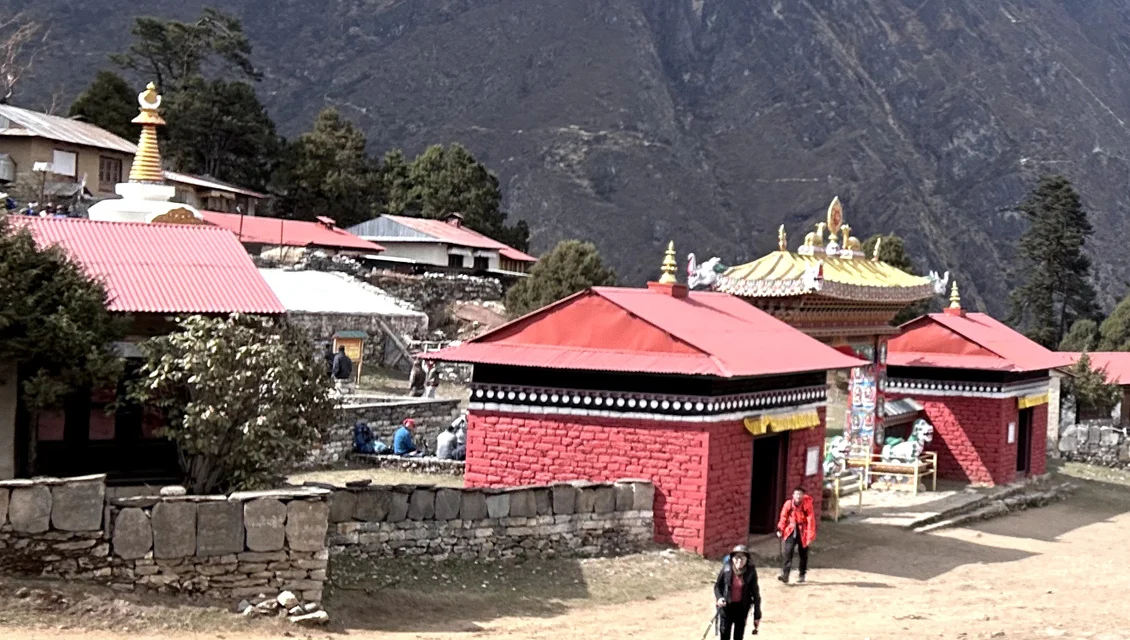
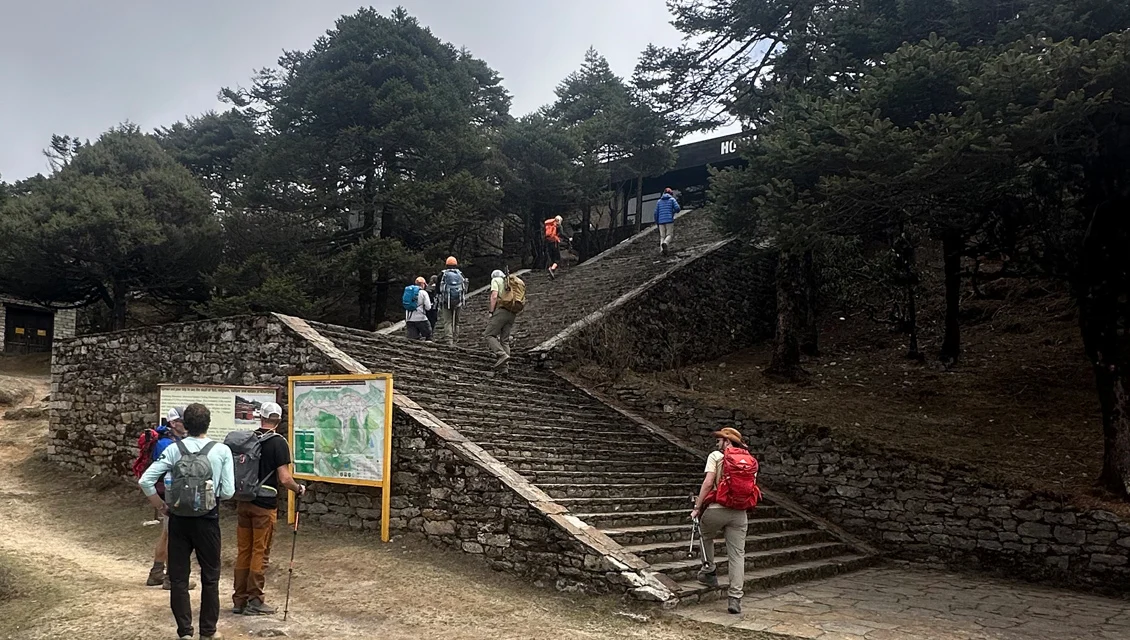
Throughout the trek, visitors experience authentic Sherpa culture in villages such as Namche Bazaar, Tengboche, Dingboche, and Pangboche. Tengboche Monastery, the spiritual center of the Khumbu region, offers a remarkable insight into Buddhist traditions while surrounded by breathtaking Himalayan scenery.
The combination of Sherpa hospitality, Buddhist culture, and dramatic mountain landscapes creates one of the most enriching trekking experiences in Nepal.