Visa & Fees
- Visa & SDF: Bhutan visa processing and the Sustainable Development Fee (SDF) for tourism in Bhutan.
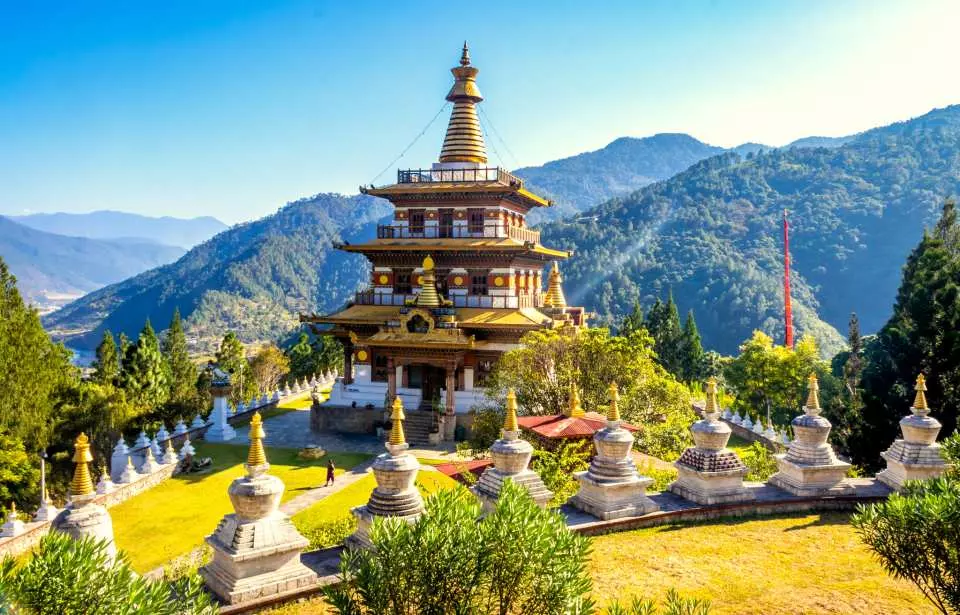
Bhutan, the mystical Himalayan kingdom often referred to as the “Land of the Thunder Dragon,” offers a rare blend of pristine nature, vibrant culture, and spiritual depth. The Essential Bhutan Tour is designed to give travelers a complete introduction to the country’s most iconic sights and experiences. Spanning about 7 to 10 days, this tour includes visits to Paro, Thimphu, Punakha, and sometimes Wangdue or Gangtey—capturing Bhutan’s essence through its landscapes, people, and timeless traditions.
Bhutan is a landlocked country nestled between India and China, characterized by dramatic geographical contrasts. Its topography ranges from subtropical plains in the south to alpine peaks in the north. The central valleys—Paro, Thimphu, and Punakha—are where most of the population lives and where the Essential Bhutan Tour is concentrated.
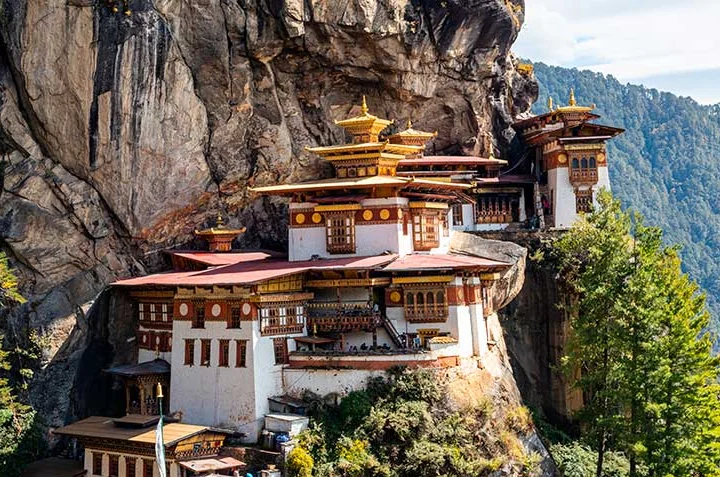
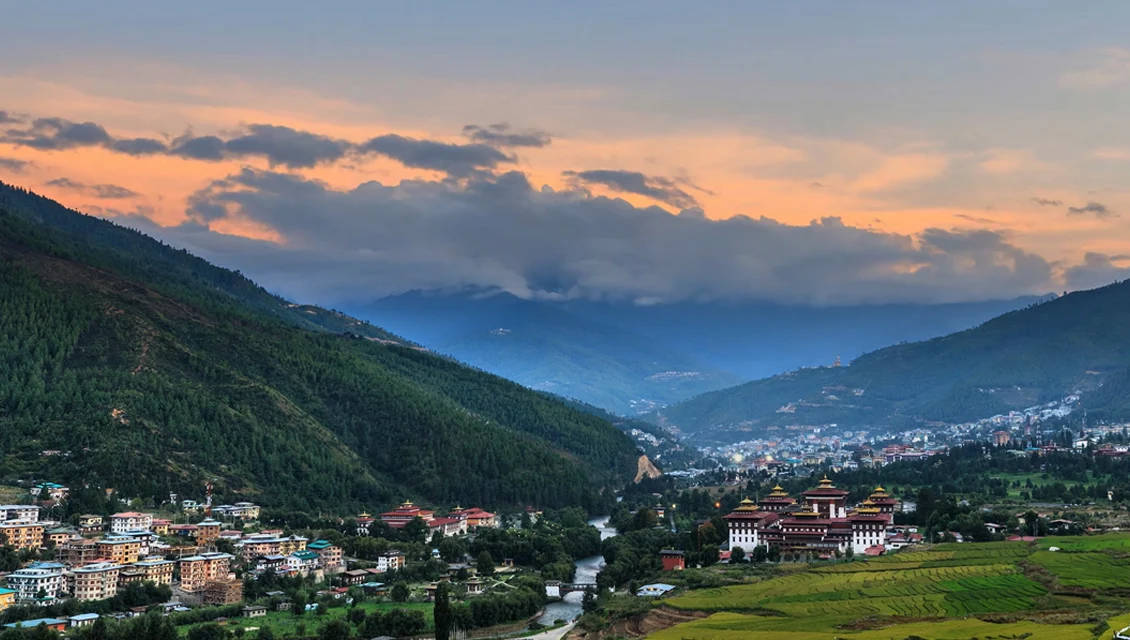
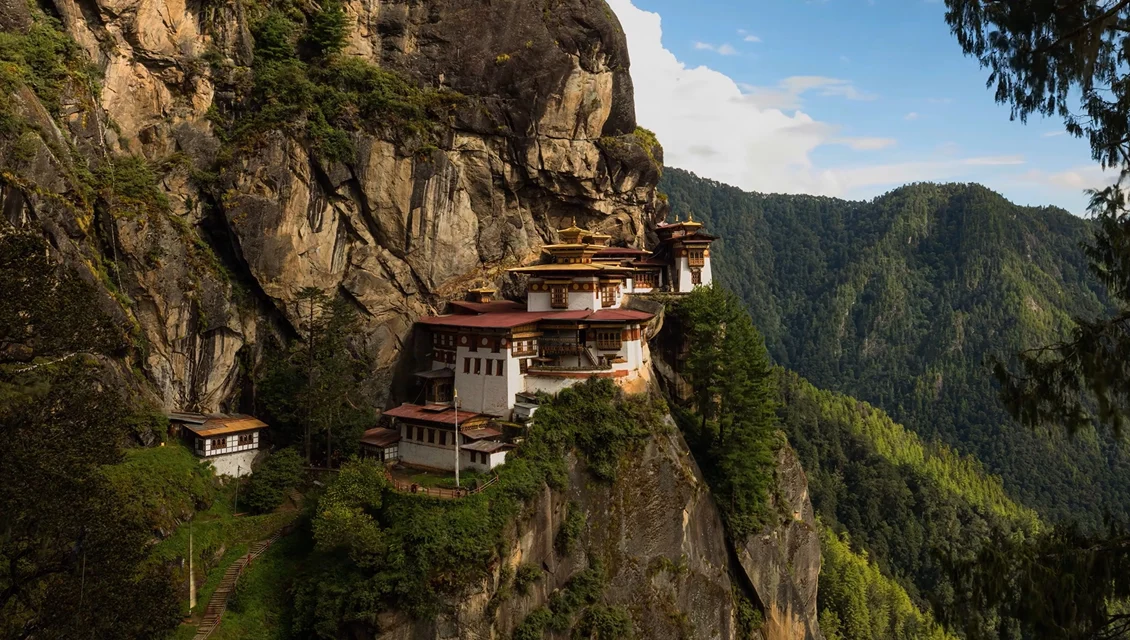
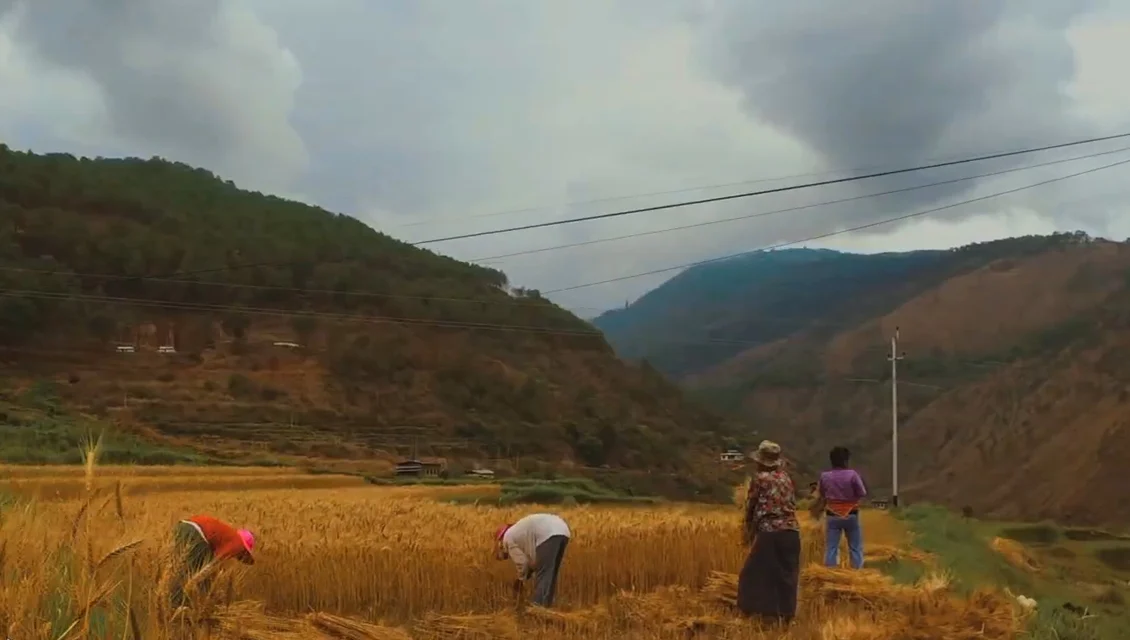
The tour typically starts in Paro Valley, known for its beautiful rice fields and the cliffside Tiger’s Nest Monastery (Taktsang). It continues to Thimphu, the capital city, located in a valley surrounded by forested hills. From there, the journey leads to Punakha, Bhutan’s former capital, known for the majestic Punakha Dzong, and sometimes to Gangtey, home to the rare black-necked cranes in the Phobjikha Valley.
Bhutanese people are warm, friendly, and deeply spiritual. The country’s population is largely made up of three ethnic groups: the Ngalops, Sharchops, and Lhotshampas. The official religion is Mahayana Buddhism, which influences every aspect of life—from architecture and clothing to festivals and daily rituals.
Bhutan enjoys four distinct seasons, with spring (March to May) and autumn (September to November) being the most popular times to visit. Spring brings blooming rhododendrons and lush greenery, while autumn offers clear skies and ideal weather for trekking and sightseeing. Summers can be wet due to monsoon rains, and winters are cold but beautiful, especially in the mountains.
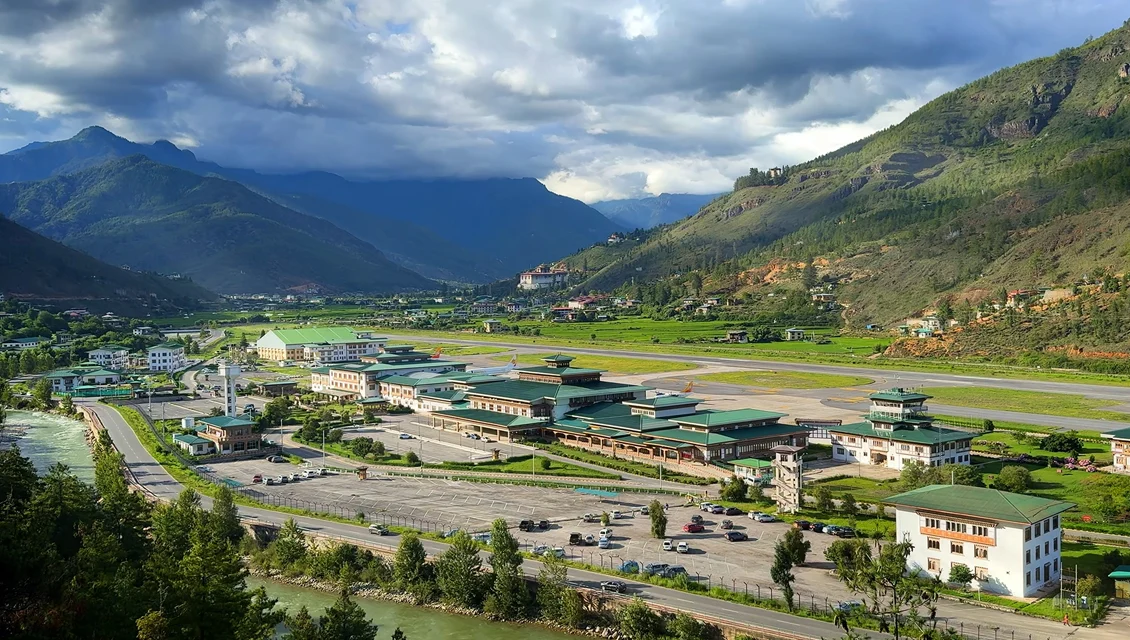
Bhutan has one international airport, located in Paro. From there, all travel is by road. Though Bhutan’s roads can be narrow and winding, the scenic beauty makes every journey enjoyable. Most tours are conducted in comfortable private vehicles with a driver and guide included as part of the package.
Thimphu is about a 1.5-hour drive from Paro, and Punakha is about 2.5 hours from Thimphu, crossing the scenic Dochula Pass (3,100 meters), which offers panoramic views of the Himalayas on clear days.
When you arrive at Paro International Airport, you will be welcomed by our representative – Land of the Thunder Dragon. Our representative will drive you about 1 ½ hours' to Thimphu, on the way through the vantage point over Thimphu, is the home of the national animal, the Takin; a stranger looking beast some say looks like a bee stung moose. Finally, you will arrive in Thimphu, check into your hotel, taste Bhutanese cuisine and if possible, do some relaxing sightseeing in Thimphu.
Visit Inheritance Museum to see its dedication to connect the people of Bhutan through art and crafts. It was established to preserve and promote our age old arts and crafts. Likewise, you will visit the Textile Museum-see the art of traditional weaving, Thimpu Dzong-The largest Dzong. The National memorial Chorten was conceived by Thinley Norbu Rinpoche and built in 1974 AD in memory of the late King Jigme Dorje Wangchuck. Visitation the Simtokha Dzong- Located five miles from Thimphu, on a lofty ridge, the oldest fortress in the Kingdom. Visit the Folk Heritage museum, which is a replica of a medieval farm-house, and we still have this kind of house in some of our rustic parts. And visit the mini zoo to see our national animal, the Takin. And then visit the Handicraft Emporium for your souvenir shopping and in the evening walk around the city. Night halt in Thimphu.
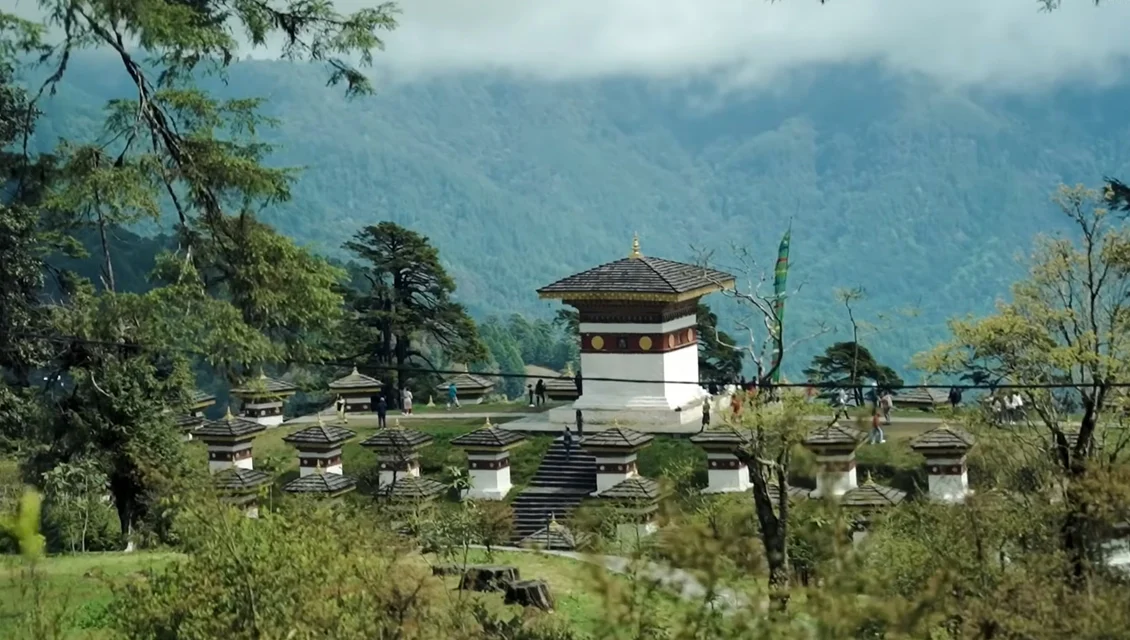
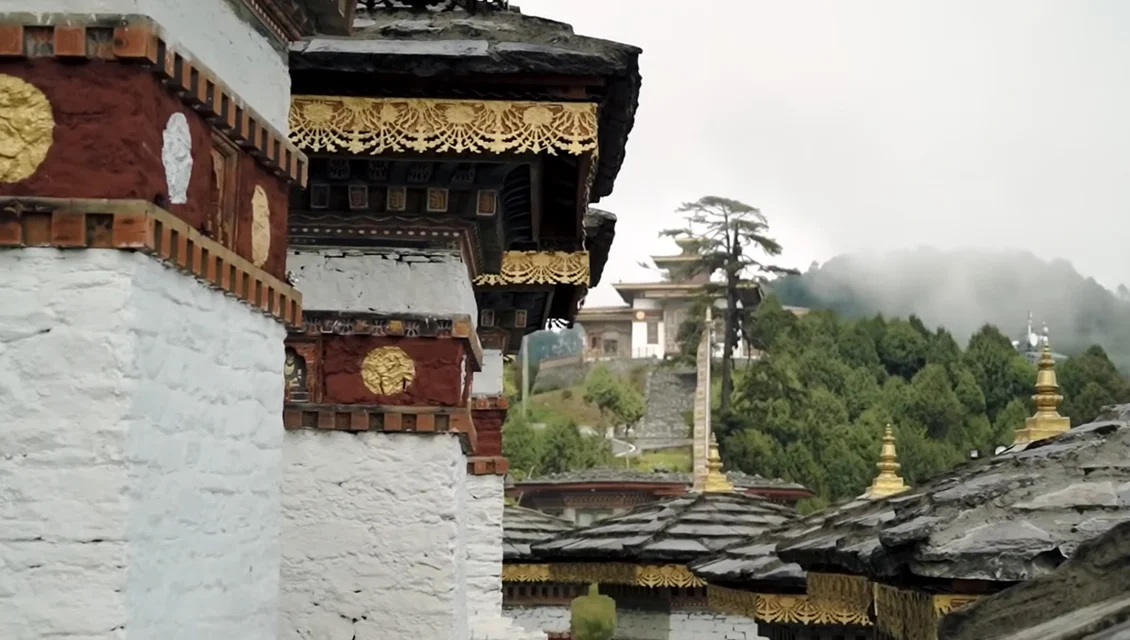
Drive to Punakha for 2 ½ hours with short stop at Dochula pass (3,140 meters/10,300 ft)-the 108 Chortens built by the Queen of Bhutan Ashi Dorji Wangchuck to commemorate Bhutan's victory over Indian militants and liberate the souls of the souls lost. Correspondingly, you could have a superb view of the Bhutan’s Himalayas from the pass if the weather is clear. Upon arrival in Punakha, check in at the hotel first. And have lunch in Punakha town and visit beautiful Punakha Dzong built in 1637 by Shabdrung Ngawang Namgyal, and is situated between Pho Chu (Male River) and Mo Chu (Female River) two famous rivers of Bhutan. Punakha is the old capital of Bhutan and is now the winter capital of the central monastic community.Afterwards visit a farm house in one of a typical village in Punakha, to see how people live in rural Bhutan. You will be served some Bhutanese local distilled wine (Ara), tea and snacks at the farm house. Overnight at the hotel in Punakha.
You will drive to Gangtey to Punakha in Bhutan is a scenic journey through valley and mountain passes drive from Punakha to Gangtey in Bhutan is a scenic journey through valleys and mountain passes, stunning views of the surrounding landscape. On the way to Gangtey, you will stop to visit some major attractions, Chhini Lhakhang- A 20 minutes’ walk from the road side, and across terraced fields through the village of Sopsokha, you will reach to the small temple Located on a hillock in the center of the valley below Metshina. Ngawang Chogyel built this temple in the the 15th century, is a pilgrim site for barren women. You will visit the town of Wandue, the main town and district capital of western Bhutan. This town is the last town before central Bhutan. The district is famous for its fine bamboo work, slate and stone carving. You will pause to see the Wangdue Phodrang Dzong, built in 1638, perched on the spur of a hill and overlooks the confluence of the Tsang Chu and Dang Chu River. After visiting places on the way to Gangtey, finally, you will reach Gangtey and check into the hotel.
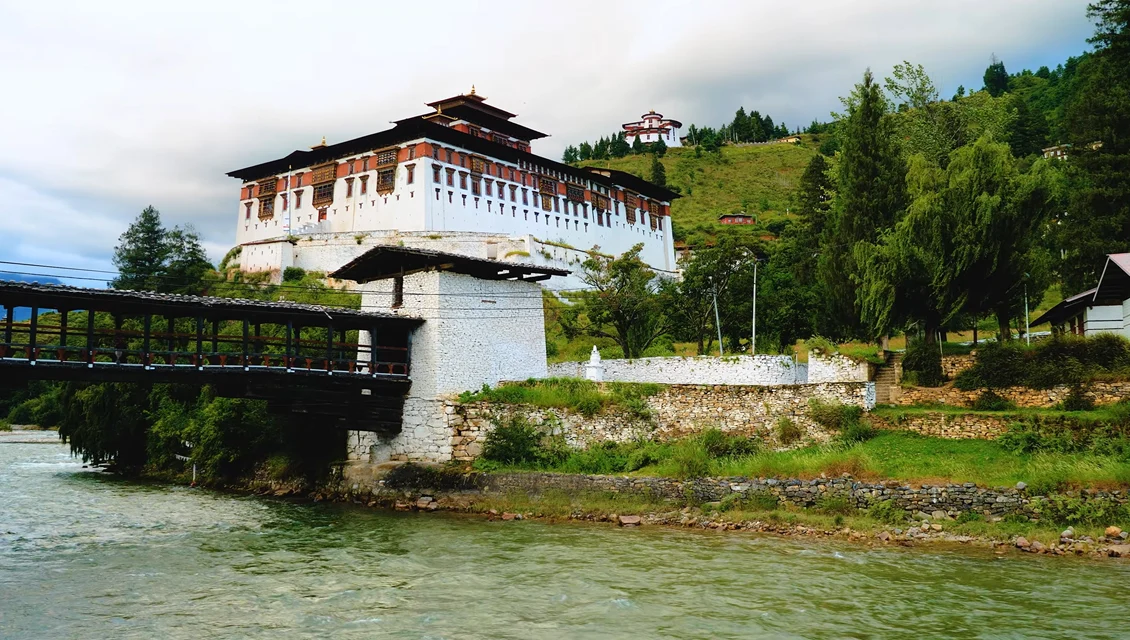
We are driving you today to Paro, the beautiful valley, and is home to Bhutan's old temples and monasteries. The country has only one airport, located in Paro. You will see the 7,300m Chomolari Peak, located in the north of Paro. The Pochu River is the confluence of the glacier water from the Chomolari Peak and flows through the valley. Beside this, you will get a chance to see Paro Dzong, also known as Rinpung Dzong, is the administrative center of the Dzongkhag, 15th century massive Monastery/Fortress. Another major attraction of this place is Ta Dzong – which is Built as a watch tower, and it was converted into the National Museum in 1968. The museum houses antique textiles, thangkas, armor and weapons, household items and a rich collection of natural and historical artefacts.
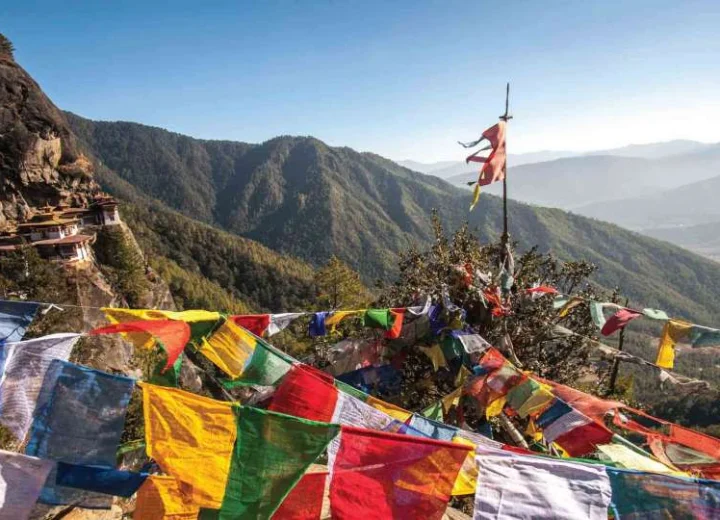
A Paro sightseeing and tour explores the culture, history, and natural beauty of Bhutan. Paro is home to ancient temples and monasteries, the National Museum, and the country's only international airport. What you see and do here? You will explore some major and famous places in Bhutan. A morning drive north of Paro Valley Brings us to the ruins of Drukgyal Dzong. Built in 1647 by the Great Zhabdrung Nagwang Namgyal, father and unifier of medieval Bhutan, the Dzong was destroyed by an accidental fire and lift in ruins as an evocative reminder of the great victories it was built to commemorate. Explore the ramparts and relive the memories of a glorious past. Likewise, you will see Tiger Cave Temple - it takes one-hour hike to cafeteria, is also a vantage view point whereby you can enjoy the stunning view of the Monastery. Prayer flags adorn the cliffs and this place is also where Guru Padmasambhava landed on the back of tigress in the 8th century. Then, visit Kyichu Lhakang – After a sumptuous local food, you will retrace out steps to visit kyichu Lhakhang, one of the oldest temple in Bhutan. Stay night at hotel in Paro and prepared for tomorrow’s flight.
Today you will bid farewell to this beautiful Himalayan country and be driven to Paro Airport to fly to your home country or next travel destination. We hope that now you have made those 7 days more meaningful and have beautiful photos as a lifetime memory of Bhutan and also hope to have the opportunity to welcome you again in this beautiful land.
The best time for the Essential Bhutan Tour is March–May and October–November, with September and December–February also good. Typical daytime temperatures at Paro (2,280 m) in those months are around 17 °C, with colder nights at higher camps.
Spring (March–May) brings rhododendrons and the Paro Tsechu festival; autumn (September–November) has clear Himalayan views and the Thimphu Tsechu. Winter is cold but bright, and the summer monsoon is green with fewer visitors.
| Month | Conditions | Day | Night |
|---|---|---|---|
| January | Good — clear skies, cold nights and fewer trekkers | 9 °C | -5 °C |
| February | Good — clear skies, cold nights and fewer trekkers | 10 °C | -2 °C |
| March | Best time — stable weather and clear views | 14 °C | 1 °C |
| April | Best time — stable weather and clear views | 17 °C | 4 °C |
| May | Best time — stable weather and clear views | 21 °C | 10 °C |
| June | Possible — monsoon showers and cloud | 23 °C | 14 °C |
| July | Possible — monsoon showers and cloud | 24 °C | 15 °C |
| August | Possible — monsoon showers and cloud | 24 °C | 15 °C |
| September | Good — green landscapes, some rain | 22 °C | 13 °C |
| October | Best time — stable weather and clear views | 19 °C | 6 °C |
| November | Best time — stable weather and clear views | 14 °C | 0 °C |
| December | Good — clear skies, cold nights and fewer trekkers | 11 °C | -4 °C |
Average day and night temperatures at Paro (2,280 m). Higher camps are colder.
Your packing checklist for Essential Bhutan Tour. Tick items off as you pack — down jackets and sleeping bags can also be rented in Kathmandu.
Private departures run on any date. Pick the start date that suits you and we will build the trip around it — same price, your own guide and team.
Duration
The Bhutan Essential Tour is a carefully crafted cultural journey that typically lasts 5 to 7 days, offering the perfect introduction to the Kingdom of Bhutan. The itinerary combines the country's most iconic attractions, sacred monasteries, impressive fortresses, scenic valleys, and vibrant local culture, making it an ideal choice for first-time visitors.
Tour Grade
This is an easy-paced cultural and sightseeing tour suitable for travelers of all ages and fitness levels. The itinerary includes guided sightseeing, scenic drives, cultural experiences, and short walks around monasteries, temples, and heritage sites. The optional hike to the famous Tiger's Nest Monastery can be completed at a comfortable pace with frequent rest stops.
Altitude
The tour is conducted between 2,200 metres and 3,120 metres above sea level. The highest point is Dochula Pass (3,100 m), where visitors enjoy spectacular panoramic views of the Eastern Himalayas. The moderate elevation allows most travelers to acclimatize comfortably with minimal risk of altitude-related illness.
Destinations
The journey explores Bhutan's three most important cultural destinations—Paro, Thimphu, and Punakha. Visitors discover magnificent dzongs, sacred monasteries, museums, traditional villages, local markets, and beautiful mountain landscapes while gaining insight into Bhutan's unique culture and way of life.
Accommodation
Accommodation is provided in carefully selected 3-star, 4-star, or luxury hotels, depending on your preferred travel style. All hotels offer comfortable rooms, modern amenities, excellent service, and warm Bhutanese hospitality.
Meals
Daily breakfast, lunch, and dinner are included throughout the tour. Guests enjoy authentic Bhutanese cuisine together with a variety of Indian, Asian, and Continental dishes. Vegetarian and special dietary meals can be arranged upon request.
Transportation
All airport transfers, sightseeing tours, and intercity travel are provided by private tourist vehicles with experienced professional drivers, ensuring a comfortable and enjoyable journey through Bhutan's picturesque valleys and mountain roads.
Best Time to Visit
The Bhutan Essential Tour can be enjoyed throughout the year, although March to May and September to November are considered the best seasons. During these months, visitors enjoy pleasant weather, blooming flowers, crystal-clear mountain views, and excellent conditions for sightseeing and photography.
Visa and Travel Requirements
All international visitors require a valid passport and a Bhutan tourist visa. Visa processing, government permits, and all travel arrangements are organized through a licensed Bhutanese tour operator before arrival, providing a smooth and hassle-free travel experience.
Travel Insurance
Comprehensive travel insurance covering medical expenses, emergency evacuation, trip cancellation, and personal belongings is strongly recommended for all visitors.
Cultural Experience
Bhutan is renowned for preserving its ancient traditions and Buddhist heritage. During the tour, visitors explore centuries-old monasteries, majestic dzongs, traditional farmhouses, handicraft centres, and colourful local markets while learning about Bhutan's unique philosophy of Gross National Happiness, which places cultural preservation and environmental sustainability at the heart of national development.
Scenic Highlights
The journey offers breathtaking scenery throughout the country, from lush green valleys and terraced farmland to dense forests and snow-capped Himalayan peaks. Highlights include the scenic drive over Dochula Pass, the peaceful Punakha Valley, the beautiful Paro Valley, and spectacular mountain viewpoints that showcase Bhutan's untouched natural beauty.
Major Attractions
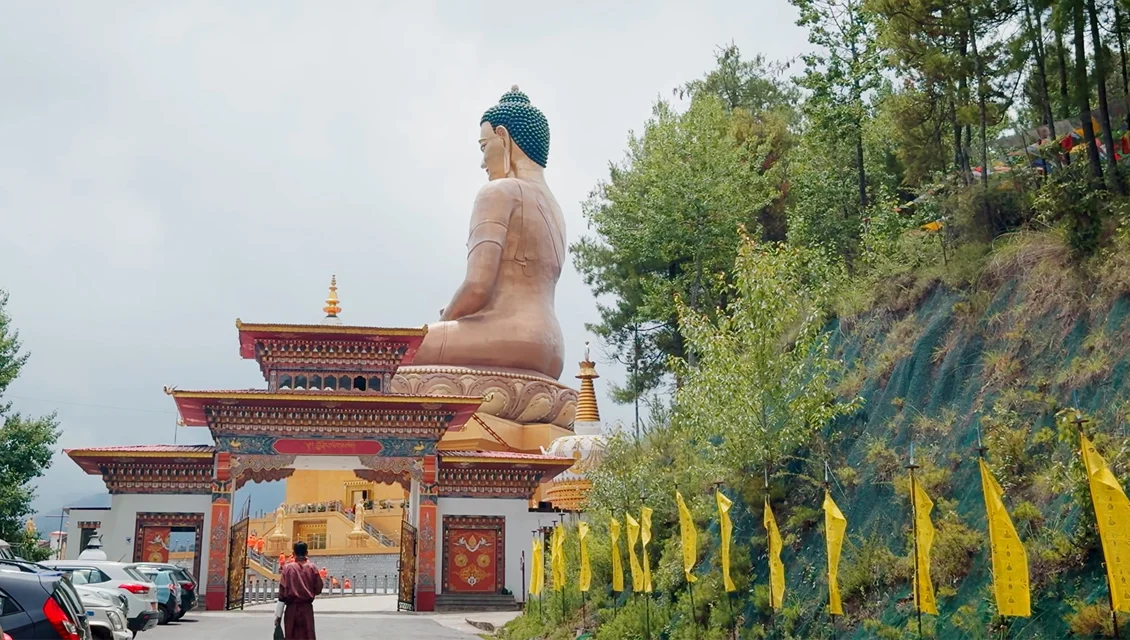
The tour includes visits to many of Bhutan's most celebrated landmarks, including Tiger's Nest Monastery (Paro Taktsang), Punakha Dzong, Tashichho Dzong, National Memorial Chorten, Kyichu Lhakhang, the National Museum, Buddha Dordenma Statue, and traditional Bhutanese villages where visitors can experience authentic local life.
Festivals and Local Traditions
Depending on your travel dates, you may have the opportunity to witness Bhutan's famous Tshechu Festivals, featuring sacred masked dances, traditional music, religious ceremonies, and colourful cultural celebrations. These festivals are among Bhutan's most treasured cultural events.
Flora and Fauna
Bhutan is recognized as one of the world's leading conservation destinations. The tour passes through forests of pine, oak, rhododendron, and cypress while providing opportunities to observe native birdlife, langur monkeys, yaks in higher regions, and Bhutan's national animal, the Takin, at the Motithang Takin Preserve.
Weather and Climate
Spring and autumn offer the most comfortable weather for sightseeing, with daytime temperatures generally ranging between 15°C and 25°C. Evenings are cooler, particularly in higher-altitude areas, so a light jacket or fleece is recommended throughout the year.
Communication and Currency
Wi-Fi and mobile network coverage are available in most hotels and urban areas. The local currency is the Bhutanese Ngultrum (BTN), while Indian Rupees are also widely accepted. Credit cards are accepted in many hotels and larger businesses, although carrying some cash is recommended for smaller purchases.
Responsible Tourism
Bhutan follows a High Value, Low Volume tourism policy to protect its cultural heritage and natural environment. Visitors are encouraged to respect local customs, dress appropriately when visiting religious sites, avoid single-use plastics, support local communities, and help preserve Bhutan's pristine landscapes for future generations.
Packing Recommendations
Recommended items include comfortable walking shoes, lightweight clothing, a warm jacket, rain jacket, sunglasses, sunscreen, hat, reusable water bottle, camera, personal medications, and modest clothing suitable for monastery visits.
Why Choose the Bhutan Essential Tour?
The Bhutan Essential Tour is the ideal introduction to the Kingdom of Bhutan, combining breathtaking landscapes, remarkable cultural heritage, ancient monasteries, magnificent fortresses, and warm Bhutanese hospitality. Whether you are interested in history, spirituality, photography, architecture, or simply discovering one of the world's most unique destinations, this tour offers an unforgettable journey through the heart of the Last Himalayan Kingdom.
The Essential Bhutan Tour is graded Moderate — suitable for most active travellers. Expect 5–7 hours of walking on most days on mountain trails with plenty of ascents and descents. Regular cardio training — hiking, running, cycling or stair climbing — for 6–8 weeks before departure makes the trip far more enjoyable.
For the Bhutan region the best months are March–May and October–November. Spring (March–May) brings rhododendrons and the Paro Tsechu festival; autumn (September–November) has clear Himalayan views and the Thimphu Tsechu. Winter is cold but bright, and the summer monsoon is green with fewer visitors.
You need your Bhutan visa and the Sustainable Development Fee (SDF), which must be arranged through a licensed operator. Nord Extreme arranges every permit for you before the trip starts — check the "Includes" section above for exactly what is covered in the price. Just bring your passport and a few passport-size photos.
In Kathmandu you stay in a comfortable hotel; on the trail we use the best available family-run teahouses and lodges with twin-share rooms, shared or attached bathrooms and a warm dining room. Upgrades to luxury lodges are possible on popular routes such as Everest and Annapurna.
Both. You can join one of the fixed departures listed under "Dates & Prices", or book a private trip for just you, your family or friends on any date. Solo travellers are welcome — you will always have your own licensed guide.
Yes, travel insurance is compulsory. It must cover medical treatment and emergency helicopter evacuation up to the trip’s highest altitude, plus trip cancellation. Please send us your policy details before departure.
See the "What to bring" checklist on this page for the full list. The essentials are broken-in boots, warm layers, a down jacket, a waterproof shell, sun protection and a daypack. Down jackets and sleeping bags can be rented cheaply in Kathmandu, and a porter carries your main bag (up to 10–12 kg).
Keep exploring
Namaste! 🙏
Welcome to Nord Extreme Himalaya. Questions about Essential Bhutan Tour? Send us a message — a Sherpa trip expert in Kathmandu will reply on WhatsApp.
Mr. Sonam G. SherpaOpens WhatsApp · +9779851078748