Visa & Fees
- Visa & SDF: Bhutan visa processing and the Sustainable Development Fee (SDF) for tourism in Bhutan.
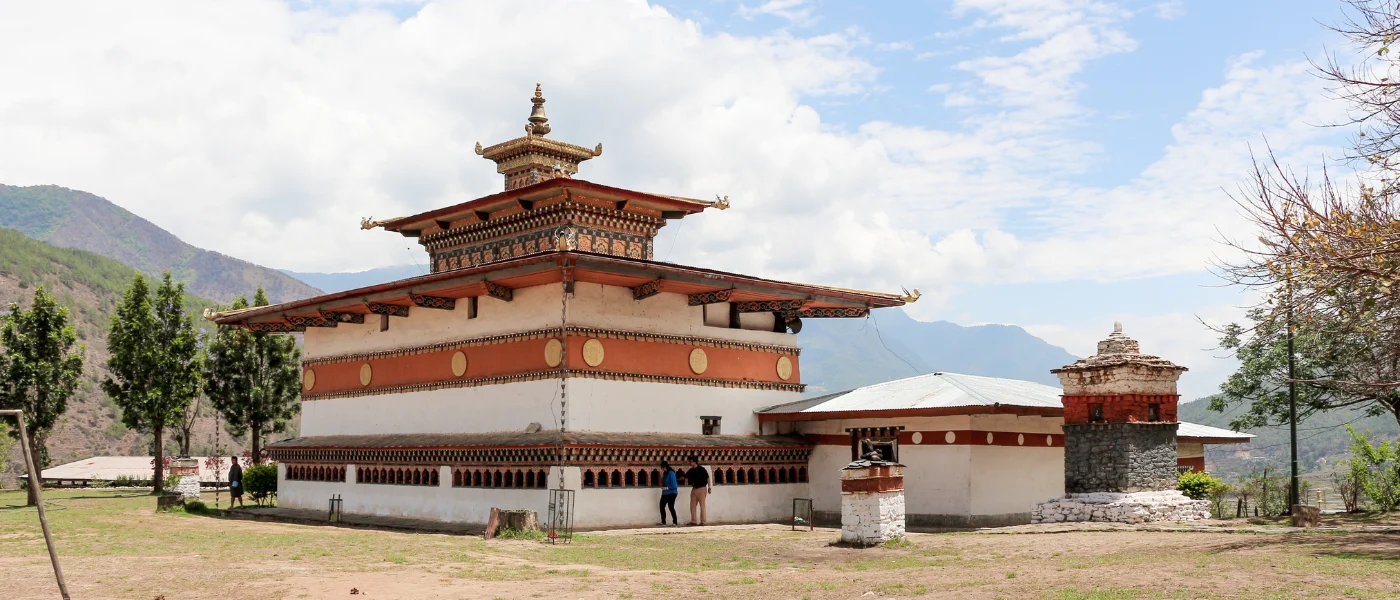
The Druk Path Trek is one of Bhutan’s most popular and accessible trekking routes, offering a perfect balance of natural beauty, cultural encounters, and spiritual discovery. Stretching between the towns of Paro and Thimphu, the trek typically takes 5 to 6 days and is ideal for moderately fit travelers who want to experience Bhutan’s landscapes away from roads and crowds. With stunning mountain views, ancient monasteries, and high-altitude lakes, the Druk Path is an unforgettable journey through Bhutan’s soul.
The Druk Path winds through the mountains between Paro and Thimphu, following a scenic ridgeline that stays between 2,400 and 4,200 meters in elevation. The trail passes through alpine forests, open meadows, and crystal-clear lakes such as Jimilang Tsho and Simkotra Tsho, surrounded by rhododendron and juniper trees. On clear days, trekkers are rewarded with magnificent views of Mount Jomolhari and other Himalayan peaks.
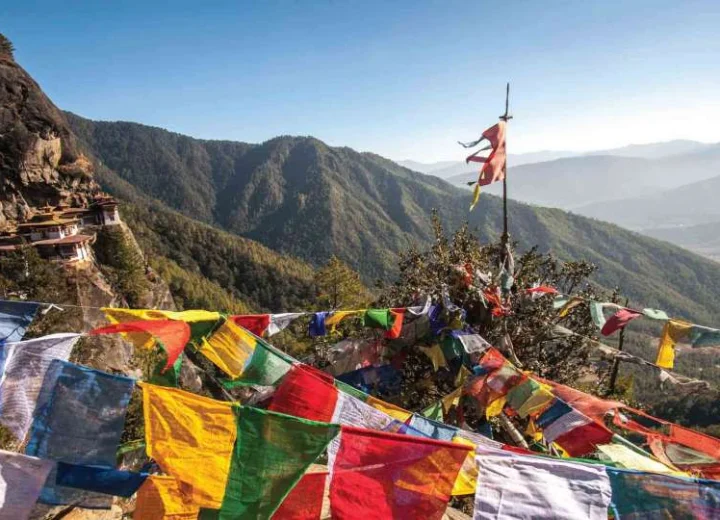
Along the way, trekkers encounter remote yak herder camps and centuries-old temples, including the cliffside Phajoding Monastery, which overlooks the Thimphu Valley.
While the trail itself is sparsely inhabited, you’ll meet local guides, yak herders, and monks during the trek, offering insight into the lives of Bhutanese mountain communities. Bhutanese people are known for their kindness, humility, and spiritual devotion, especially in the highlands where Buddhism deeply influences daily life.
The climate along the Druk Path varies with altitude and season. Spring (March to May) and autumn (September to November) are the best times to trek. During spring, the forests are alive with blooming rhododendrons, while autumn offers crisp air and clear views. Daytime temperatures are comfortable, but nights can drop below freezing at higher altitudes, especially near the alpine lakes.
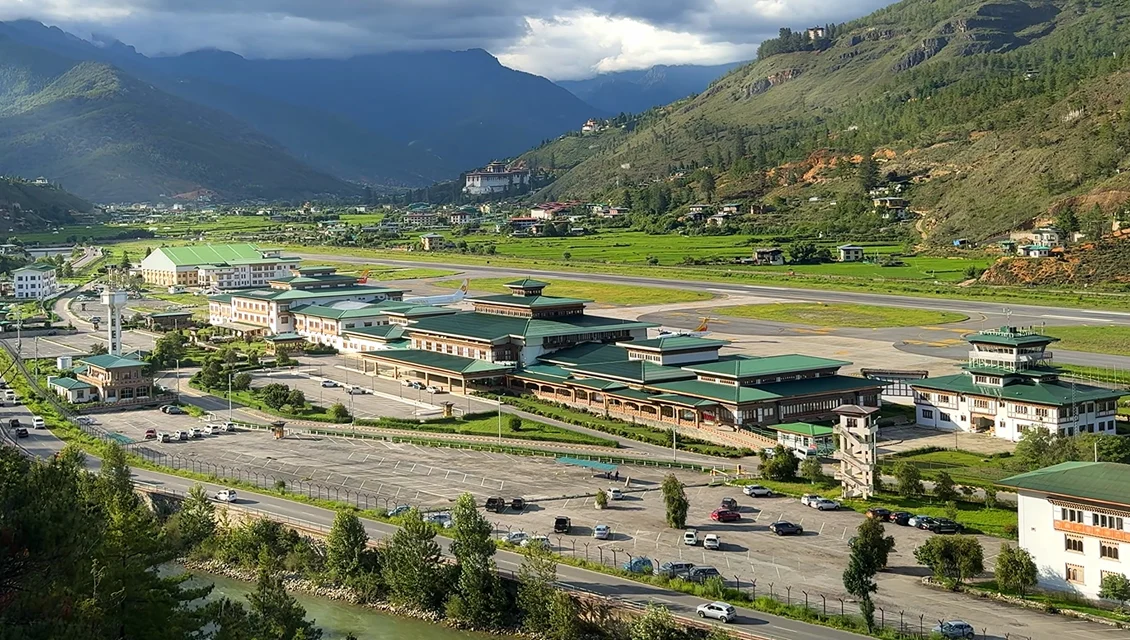
The trek typically starts in Paro, home to Bhutan’s only international airport. Most travelers arrive here via flights from cities like Bangkok, Delhi, or Kathmandu. After a day or two of acclimatization and sightseeing in Paro (including a visit to the Tiger’s Nest Monastery), the trek begins.
The trek ends near Thimphu, Bhutan’s capital, where your tour vehicle will meet you. All gear, food, and tents are transported by pack animals (usually yaks or horses), and you’ll be accompanied by a licensed Bhutanese trekking guide, cook, and support crew. Travel logistics are managed by the tour operator, so you can focus on the experience.
Temperatures are typical for the best travel months (March–May and October–November) and can change with the weather.
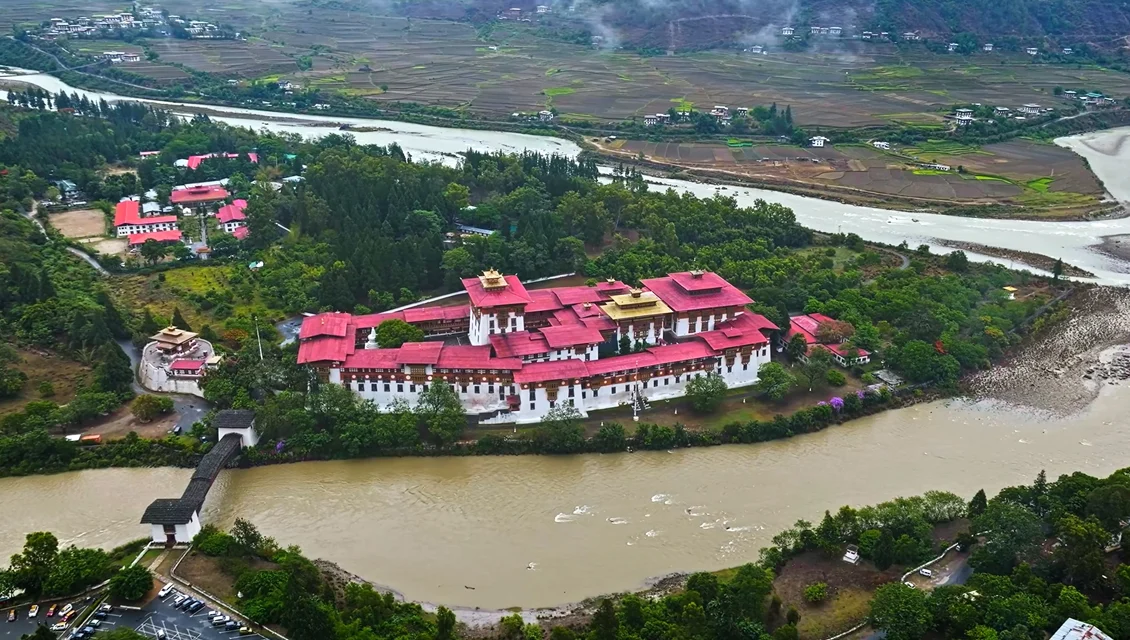
Arrive at Paro International Airport, where you’ll be welcomed by your guide. Explore Paro Dzong, the National Museum, and the charming town before preparing for the trek.
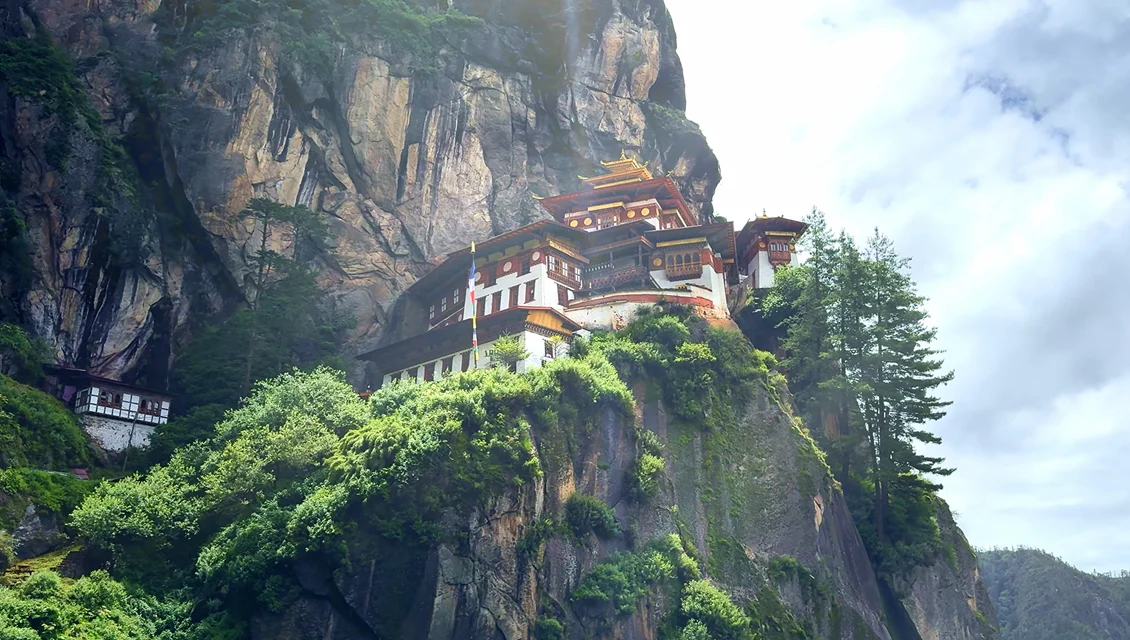
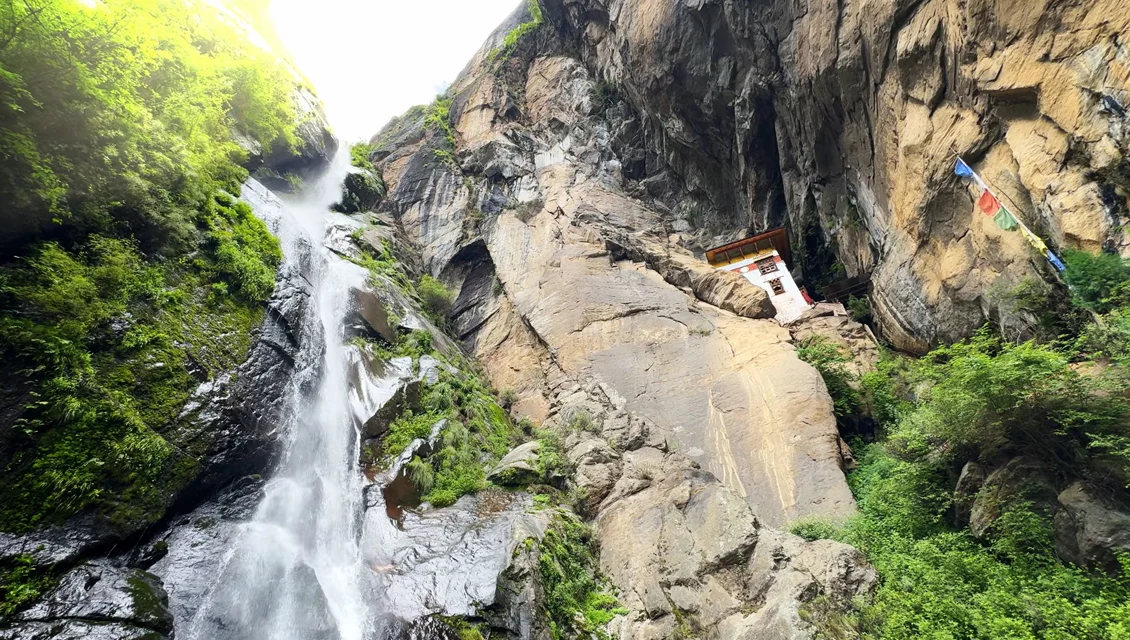
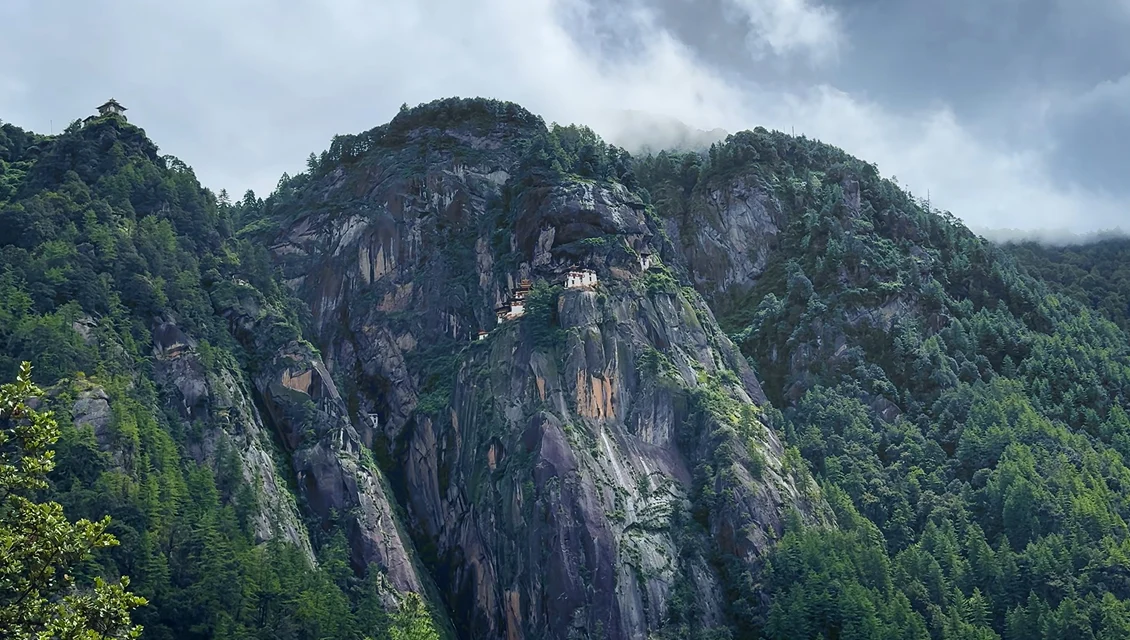
Acclimatization hike to the iconic Taktsang Monastery (Tiger’s Nest), perched dramatically on a cliff. Return to Paro and rest for the trek.
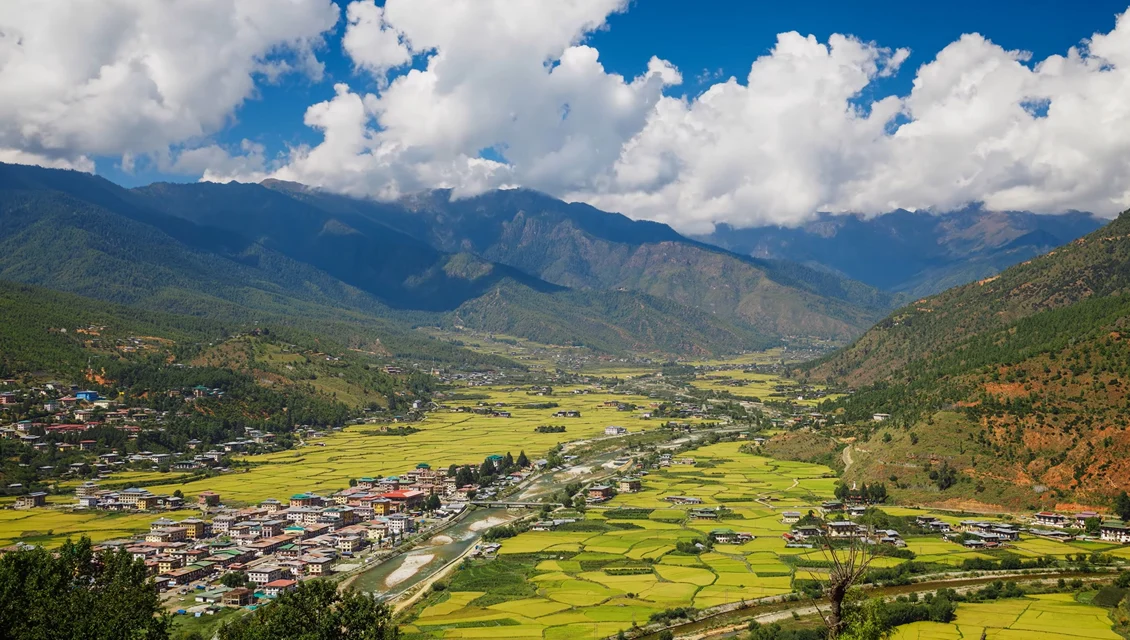
The trek starts with a gradual climb through pine forests to Jele Dzong, an ancient monastery offering stunning views of Paro Valley.
Trek through thick alpine forests, encountering yaks and nomadic herders. Camp in an open meadow with panoramic mountain views.
A scenic day crossing high ridges with breathtaking views of Mount Jomolhari. Camp beside the beautiful Jimilang Tsho Lake, home to giant trout
Pass more alpine lakes and yak pastures, with the trail offering sweeping views of the Himalayas. Overnight at Simkotra Tsho Lake.
The final day of trekking descends through forests to the Phajoding Monastery before reaching Bhutan’s capital, Thimphu.
Visit key sites in Thimphu, including Tashichho Dzong, Buddha Dordenma, and local markets. Drive back to Paro for the final night.
Transfer to the airport for your onward journey, marking the end of your Bhutan adventure.
The best time for the Bhutan Druk Path Trek is March–May and October–November, with September and December–February also good. Typical daytime temperatures at Paro (2,280 m) in those months are around 17 °C, with colder nights at higher camps.
Spring (March–May) brings rhododendrons and the Paro Tsechu festival; autumn (September–November) has clear Himalayan views and the Thimphu Tsechu. Winter is cold but bright, and the summer monsoon is green with fewer visitors.
| Month | Conditions | Day | Night |
|---|---|---|---|
| January | Good — clear skies, cold nights and fewer trekkers | 9 °C | -5 °C |
| February | Good — clear skies, cold nights and fewer trekkers | 10 °C | -2 °C |
| March | Best time — stable weather and clear views | 14 °C | 1 °C |
| April | Best time — stable weather and clear views | 17 °C | 4 °C |
| May | Best time — stable weather and clear views | 21 °C | 10 °C |
| June | Possible — monsoon showers and cloud | 23 °C | 14 °C |
| July | Possible — monsoon showers and cloud | 24 °C | 15 °C |
| August | Possible — monsoon showers and cloud | 24 °C | 15 °C |
| September | Good — green landscapes, some rain | 22 °C | 13 °C |
| October | Best time — stable weather and clear views | 19 °C | 6 °C |
| November | Best time — stable weather and clear views | 14 °C | 0 °C |
| December | Good — clear skies, cold nights and fewer trekkers | 11 °C | -4 °C |
Average day and night temperatures at Paro (2,280 m). Higher camps are colder.
Your packing checklist for Bhutan Druk Path Trek. Tick items off as you pack — down jackets and sleeping bags can also be rented in Kathmandu.
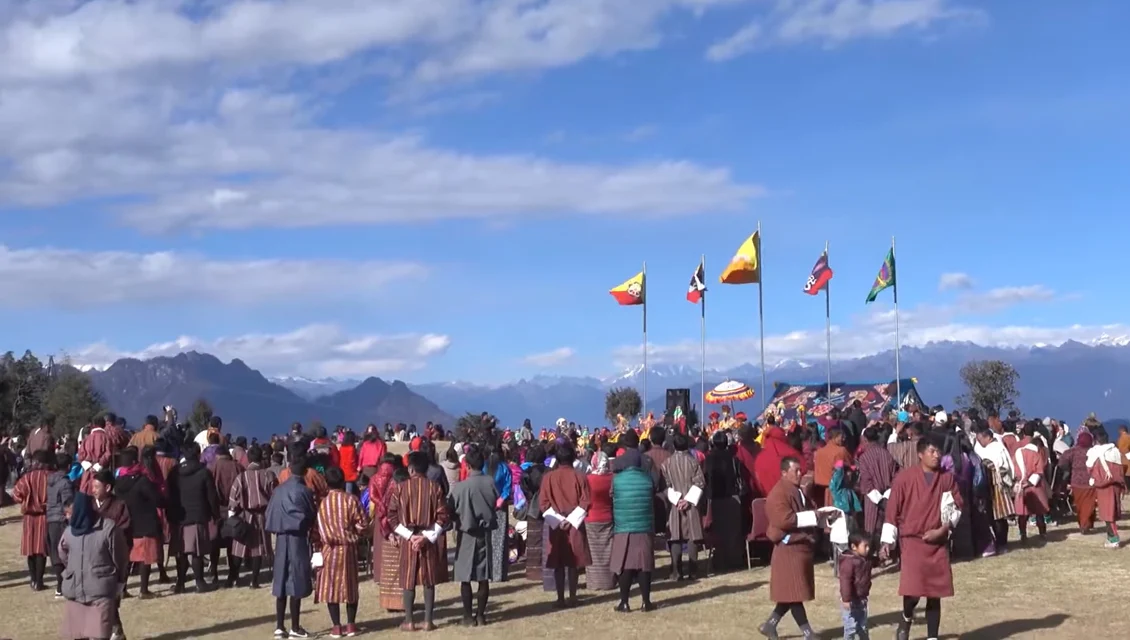
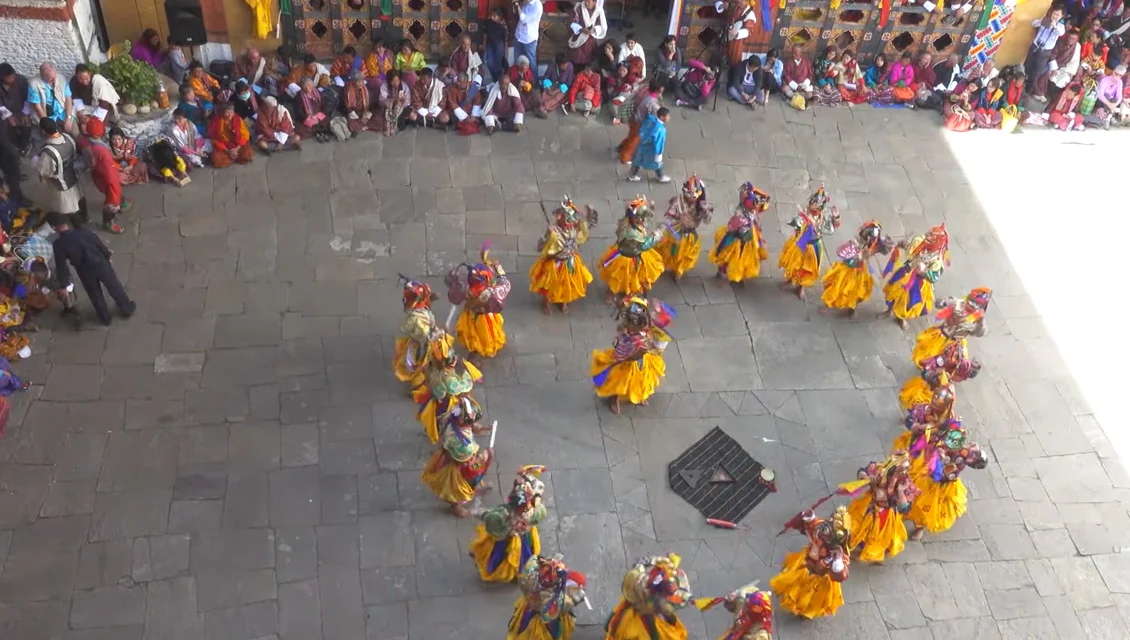
Private departures run on any date. Pick the start date that suits you and we will build the trip around it — same price, your own guide and team.
Duration
The Druk Path Trek is a classic Himalayan journey that typically requires 5–6 days of trekking, while the complete travel program generally lasts 7–10 days, including arrival, cultural sightseeing, and departure. The itinerary is carefully planned to allow sufficient time for acclimatization, exploration of Bhutan's cultural landmarks, and an enjoyable trekking experience through the country's spectacular mountain landscapes.
Trek Grade
The trek is graded as Moderate and is suitable for anyone with a good level of physical fitness and a passion for walking in the mountains. Daily trekking involves approximately 5–7 hours of walking over forest trails, alpine meadows, rocky paths, and mountain passes. No technical climbing skills are required, making it an excellent choice for both first-time Himalayan trekkers and experienced hikers.
Altitude
The highest point of the trek is Labana La Pass (4,210 metres / 13,812 feet). Although the route reaches above 4,000 metres, the gradual ascent provides good acclimatization. Proper hydration, a steady walking pace, and following the guide's instructions significantly reduce the risk of altitude sickness. Most trekkers complete the route comfortably without any major altitude-related problems.
Trekking Distance
The total trekking distance is approximately 50–55 kilometres, with daily walking distances ranging between 8 and 14 kilometres. The trail passes through dense forests, open ridges, yak pastures, and beautiful alpine lakes, offering a diverse and rewarding trekking experience.
Accommodation
Accommodation during the trek is provided in fully serviced camping sites. Comfortable two-person tents, dining tents, kitchen tents, and toilet tents are set up daily by the camp crew. Sleeping mattresses are provided, and the experienced support team ensures a clean, comfortable, and well-organized campsite each evening. Before and after the trek, accommodation is provided in comfortable hotels in Paro and Thimphu.
Meals
Three nutritious meals are freshly prepared each day by experienced camp cooks. The menu includes a combination of Bhutanese, Nepalese, Indian, Chinese, and Continental dishes using fresh seasonal ingredients. Tea, coffee, biscuits, and light snacks are also available during breaks. Vegetarian, vegan, and other dietary requirements can be accommodated with advance notice.
Transportation
Private transportation is provided throughout the journey, including airport transfers, sightseeing tours, and transfers to and from the trekking trail. Comfortable tourist vehicles ensure safe and convenient travel between Paro, the trek starting point, and Thimphu.
Best Time to Visit
The ideal trekking seasons are March to May and September to November. During spring, forests are decorated with colourful rhododendron blossoms, wildflowers, and lush greenery. Autumn offers stable weather, cool temperatures, excellent visibility, and breathtaking views of Bhutan's snow-capped Himalayan peaks. Winter departures are possible but involve colder temperatures, while the summer monsoon season experiences more rainfall and cloud cover.
Permits and Visa
All international visitors require a valid passport with at least six months' validity, a Bhutan tourist visa, and trekking permits. Under Bhutan's tourism regulations, all visitors must travel with a licensed Bhutanese guide through an authorized Bhutanese tour operator. All permits and visa arrangements are completed before arrival, allowing visitors to enjoy a hassle-free travel experience.
Travel Insurance
Comprehensive travel insurance is mandatory and should cover trekking above 4,000 metres, emergency medical treatment, helicopter evacuation, trip cancellation, personal accident, and loss or damage of baggage and personal equipment.
Scenic Highlights
The Druk Path Trek is widely regarded as one of Bhutan's most scenic short trekking routes. The trail traverses untouched forests, high mountain ridges, pristine alpine lakes, and peaceful yak pastures while offering magnificent views of some of Bhutan's most famous Himalayan peaks. On clear days, trekkers can admire Mount Jomolhari (7,326 m), Jichu Drake (6,989 m), and, from selected viewpoints, Gangkar Puensum (7,570 m), the highest unclimbed mountain in the world.
Culture and Heritage
Beyond its natural beauty, the trek provides an authentic introduction to Bhutan's unique cultural heritage. The route follows an ancient trade and pilgrimage path linking Paro and Thimphu, passing centuries-old monasteries, prayer wheels, mani walls, chortens, and sacred meditation sites. Visitors gain valuable insight into Bhutan's deeply rooted Buddhist traditions, traditional architecture, and the country's philosophy of Gross National Happiness.
Flora and Fauna
The trekking trail passes through diverse ecological zones, including blue pine forests, fir woodlands, juniper groves, birch forests, rhododendron forests, and alpine grasslands. Wildlife commonly found in the region includes Himalayan Monal, Blood Pheasant, Himalayan Griffon, Blue Sheep, Musk Deer, Himalayan Marmot, and domesticated yaks. Spring and autumn are particularly rewarding seasons for birdwatchers, wildlife enthusiasts, and nature photographers.
Weather and Climate
Weather conditions vary according to altitude and season. During the main trekking seasons, daytime temperatures generally range between 10°C and 20°C, while nighttime temperatures at higher camps may fall to –5°C. Layered clothing, warm sleeping bags, waterproof outerwear, and insulated jackets are recommended to ensure comfort throughout the trek.
Communication and Electricity
Mobile network coverage is available in Paro and Thimphu but becomes limited once the trek enters remote mountain areas. Electricity is not available at most campsites; therefore, trekkers are advised to carry a high-capacity power bank, spare camera batteries, and sufficient charging equipment before beginning the trek.
Health and Safety
Your safety is the highest priority throughout the journey. Every trek is led by an experienced, government-licensed guide trained in first aid and high-altitude safety. The support team carries a comprehensive first-aid kit and continuously monitors the health and well-being of all participants. In the unlikely event of an emergency, evacuation procedures are coordinated promptly in accordance with local regulations.
Responsible Tourism
Bhutan is internationally recognized for its commitment to sustainable tourism and environmental conservation. Visitors are encouraged to respect local customs and religious traditions, avoid single-use plastics, dispose of waste responsibly, conserve natural resources, and support local communities by following responsible travel practices throughout the journey.
Packing Recommendations
Essential equipment includes sturdy waterproof trekking boots, warm layered clothing, a down jacket, waterproof jacket and trousers, thermal base layers, gloves, a warm hat, sunglasses, sunscreen, trekking poles, a reusable water bottle, a sleeping bag rated to at least –10°C, a headlamp, personal medications, toiletries, and a power bank for charging electronic devices.
Why Choose the Druk Path Trek?
The Druk Path Trek is the perfect introduction to Bhutan's remarkable mountain landscapes and living Buddhist culture. Combining spectacular Himalayan scenery, tranquil alpine lakes, ancient monasteries, traditional villages, and fully supported camping, it offers an unforgettable adventure for trekkers seeking both natural beauty and cultural discovery. Its moderate difficulty, professional support services, and exceptional wilderness make it one of Bhutan's most rewarding and iconic trekking experiences.
The Bhutan Druk Path Trek is graded Moderate — suitable for most active travellers. Expect 5–7 hours of walking on most days on mountain trails with plenty of ascents and descents. Regular cardio training — hiking, running, cycling or stair climbing — for 6–8 weeks before departure makes the trip far more enjoyable.
For the Bhutan region the best months are March–May and October–November. Spring (March–May) brings rhododendrons and the Paro Tsechu festival; autumn (September–November) has clear Himalayan views and the Thimphu Tsechu. Winter is cold but bright, and the summer monsoon is green with fewer visitors.
You need your Bhutan visa and the Sustainable Development Fee (SDF), which must be arranged through a licensed operator. Nord Extreme arranges every permit for you before the trip starts — check the "Includes" section above for exactly what is covered in the price. Just bring your passport and a few passport-size photos.
In Kathmandu you stay in a comfortable hotel; on the trail we use the best available family-run teahouses and lodges with twin-share rooms, shared or attached bathrooms and a warm dining room. Upgrades to luxury lodges are possible on popular routes such as Everest and Annapurna.
Both. You can join one of the fixed departures listed under "Dates & Prices", or book a private trip for just you, your family or friends on any date. Solo travellers are welcome — you will always have your own licensed guide.
Yes, travel insurance is compulsory. It must cover medical treatment and emergency helicopter evacuation up to the trip’s highest altitude, plus trip cancellation. Please send us your policy details before departure.
See the "What to bring" checklist on this page for the full list. The essentials are broken-in boots, warm layers, a down jacket, a waterproof shell, sun protection and a daypack. Down jackets and sleeping bags can be rented cheaply in Kathmandu, and a porter carries your main bag (up to 10–12 kg).
Keep exploring
Namaste! 🙏
Welcome to Nord Extreme Himalaya. Questions about Bhutan Druk Path Trek? Send us a message — a Sherpa trip expert in Kathmandu will reply on WhatsApp.
Mr. Sonam G. SherpaOpens WhatsApp · +9779851078748