Transportations
- Private/tourist vehicles for airport pickup and drop-off in Kathmandu.
- Private/tourist vehicles transfer as per itinerary to access the trailheads.
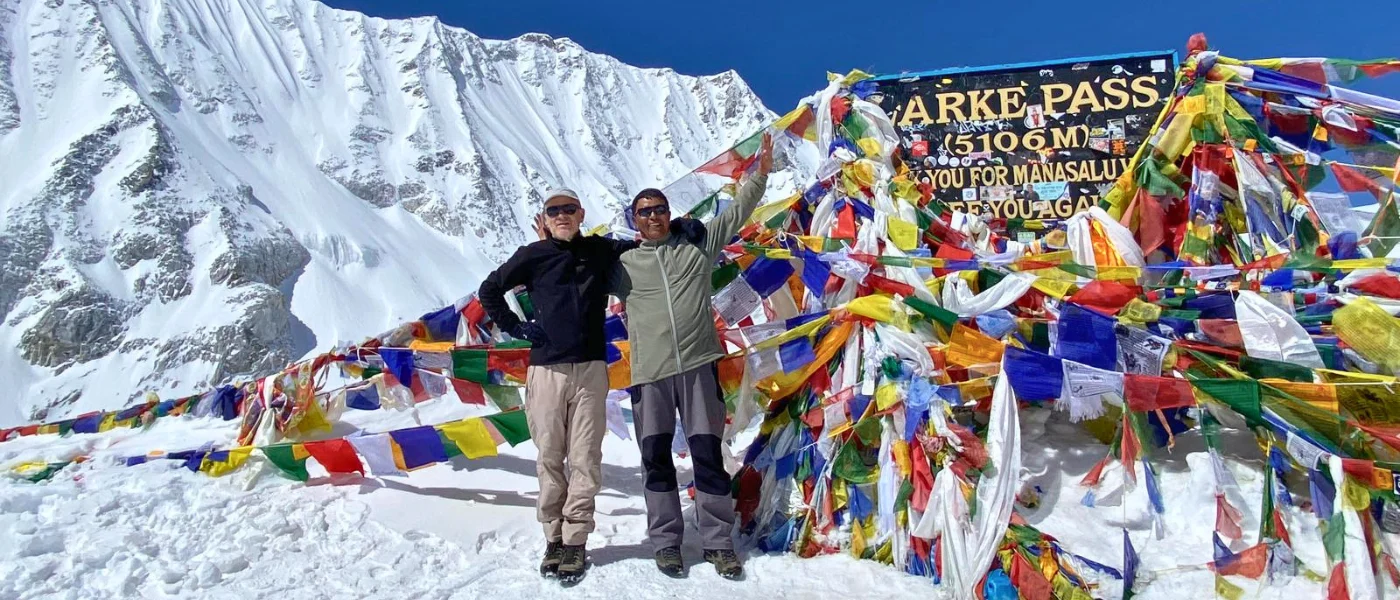
The Manaslu Larkya La Pass Trek is one of Nepal’s most spectacular and adventurous trekking routes, circling the majestic Mount Manaslu and crossing the challenging Larkya La Pass (5,106 m). This classic circuit offers a perfect blend of remote Himalayan wilderness, rich cultural heritage, and dramatic mountain scenery, making it one of the finest alternatives to the Annapurna Circuit.
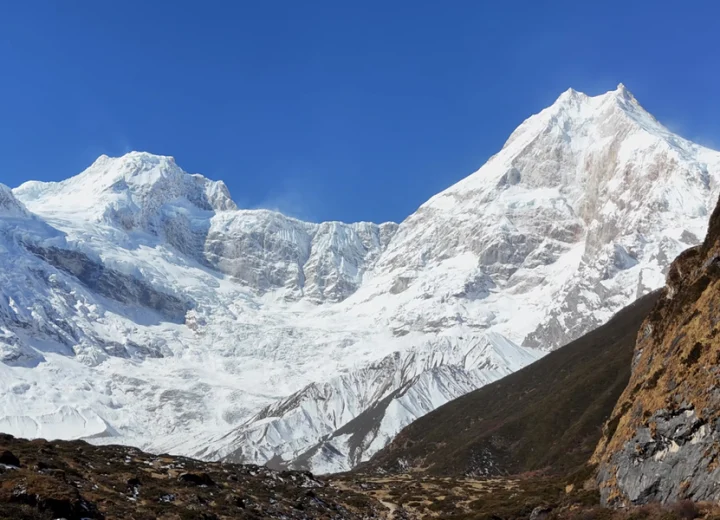
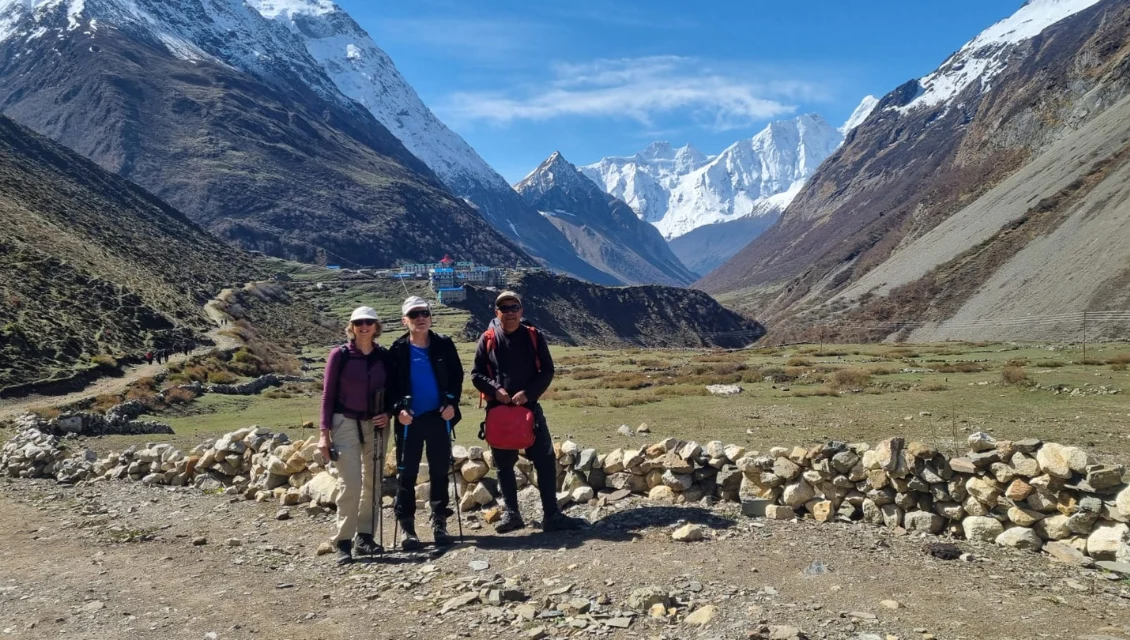
The trek showcases breathtaking views of Himalayan giants, including Manaslu, Himalchuli, Ngadi Chuli, and Ganesh Himal ranges. The highlight of the journey is the crossing of Larkya La Pass, which rewards trekkers with panoramic views of snow-covered peaks and vast glacial landscapes.
This trek is ideal for experienced trekkers seeking a longer, less crowded, and culturally immersive Himalayan adventure.
The Manaslu Larkya La Pass Trek is located in north-central Nepal within the restricted region of the Manaslu Conservation Area. The route lies inside Manaslu Conservation Area, a region known for its pristine nature, biodiversity, and cultural preservation.
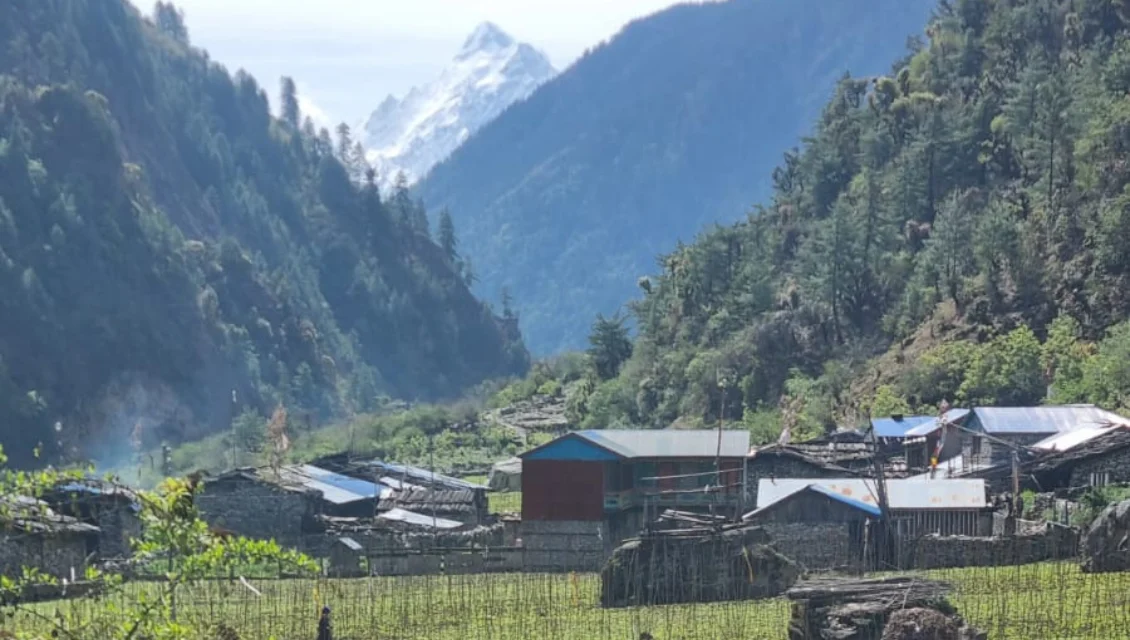
The journey typically begins with a drive from Kathmandu to Soti Khola or Machha Khola, followed by trekking along the Budhi Gandaki River valley. The lower sections of the trail pass through subtropical forests, terraced fields, waterfalls, and narrow gorges carved by the river.
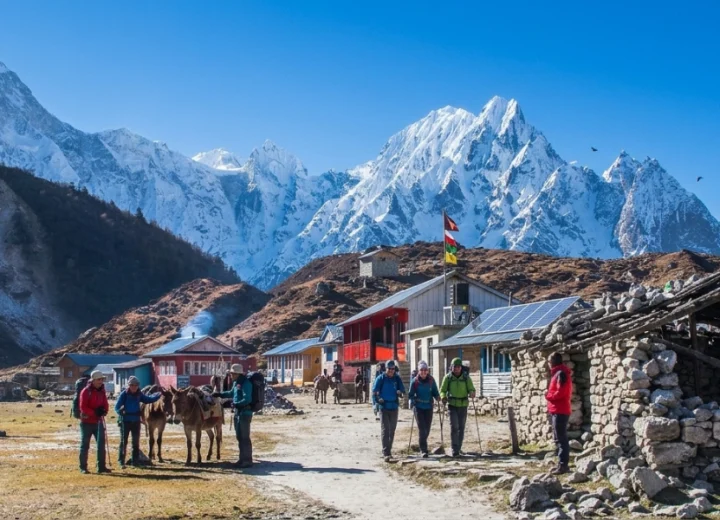
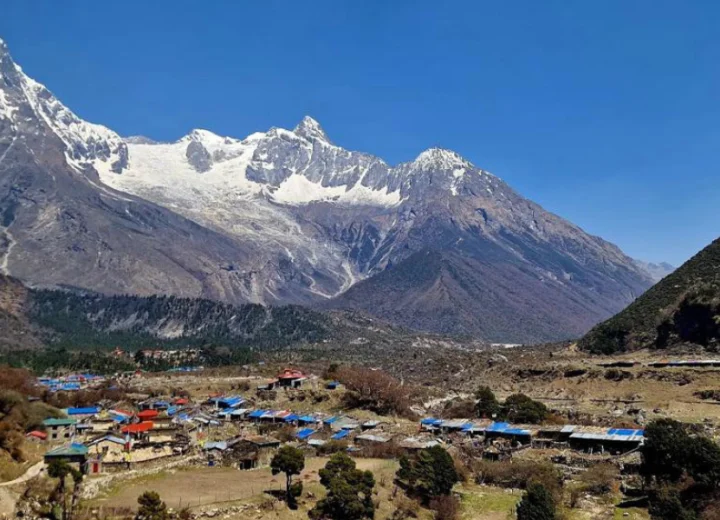
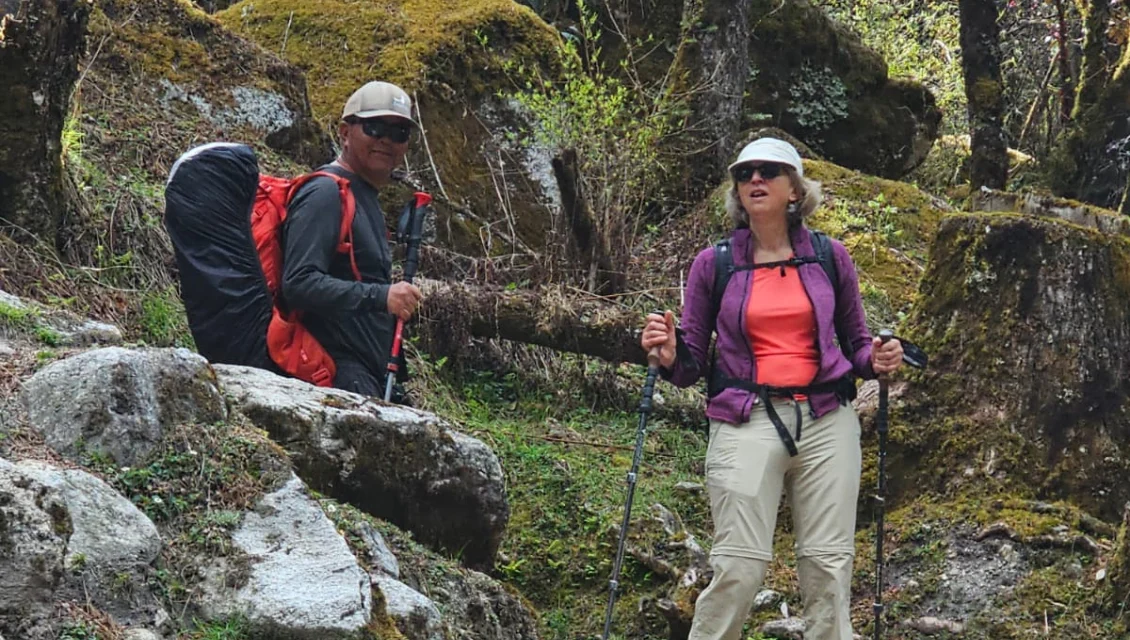
As the trail ascends, the landscape becomes increasingly rugged and alpine. Dense forests give way to pine, rhododendron, and eventually barren high-altitude terrain. Villages such as Namrung, Lho, Samagaun, and Samdo showcase traditional stone houses and strong Tibetan Buddhist influence.
The approach to Larkya La Pass is one of the most dramatic sections of the trek, featuring glacial moraines, icy slopes, and wide open valleys surrounded by towering peaks. The descent into the Marsyangdi Valley reveals equally stunning landscapes, completing the full circuit experience.
The diversity of terrain—from lush river valleys to high mountain passes—makes this trek one of the most geographically rich in Nepal.
The best seasons for the Manaslu Larkya La Pass Trek are spring (March–May) and autumn (September–November). These months offer stable weather, clear skies, and the safest conditions for crossing high mountain passes.
Spring brings blooming rhododendrons in lower regions, warmer temperatures, and vibrant landscapes. Autumn provides crisp air, dry trails, and some of the clearest views of the Manaslu range after the monsoon season.
Winter (December–February) is extremely cold, especially around Larkya La Pass, where heavy snow can block the route. The monsoon season (June–August) brings heavy rainfall, landslides, and limited visibility, making it less suitable for trekking.
Overall, autumn is considered the most reliable and safest season for completing the full circuit.
The Manaslu region is home to a rich mix of ethnic communities, primarily Gurung and Tibetan-influenced groups. Their culture is deeply rooted in Tibetan Buddhism, with monasteries, prayer flags, mani walls, and chortens found throughout the trail.
Villages such as Samagaun and Lho are cultural highlights, offering insight into traditional Himalayan lifestyles. Monasteries like Ribung Gompa and Pungyen Gompa reflect centuries of spiritual practice and community life.
As trekkers ascend higher, the culture becomes more distinctly Tibetan, with yak herding, barley farming, and seasonal migration forming the basis of local livelihoods. Festivals and rituals play an important role in maintaining spiritual balance in these remote mountain communities.
The combination of dramatic landscapes, challenging high passes, and rich cultural heritage makes the Manaslu Larkya La Pass Trek one of the most rewarding trekking experiences in Nepal.
Temperatures are typical for the best travel months (March–April and October–November) and can change with the weather.
Welcome to Nepal! Upon arrival at Tribhuvan International Airport, our representative will greet you and transfer you to your hotel. After check-in, attend a trek briefing with your guide covering route details, permit requirements, safety procedures, and gear inspection.
You may spend the remainder of the day exploring Thamel or relaxing after your journey.
Activity Duration: 4–6 hours
Today is reserved for obtaining the necessary permits for the Manaslu Restricted Area, Manaslu Conservation Area, and Annapurna Conservation Area. Your guide will conduct a detailed briefing and ensure all equipment is ready for the trek.
You can also visit cultural landmarks or shop for any last-minute trekking essentials.
Drive Duration: 8–9 hours
An early morning departure leads you westward along the Prithvi Highway before turning north toward Arughat and Soti Khola. The journey offers views of rivers, terraced hillsides, waterfalls, and traditional villages along the Budhi Gandaki Valley.
Your trek officially begins along narrow trails that weave through sal forests, rocky ridges, and small Gurung settlements. Cross suspension bridges and enjoy beautiful river scenery before arriving at Machha Khola.
Today's trail follows the Budhi Gandaki River through dramatic gorges, stone staircases, and traditional villages. Pass Tatopani's natural hot springs before reaching Jagat, the official entry point to the restricted Manaslu region.
Ascend through lush forests, narrow valleys, and terraced fields while crossing several suspension bridges. Buddhist influence becomes increasingly evident through mani walls, prayer flags, and monasteries as you reach Deng.
The trail climbs steadily through pine forests and traditional Tibetan-influenced villages. Pass Prok Village, a superb viewpoint for Manaslu, before reaching Namrung, where magnificent mountain views begin to dominate the landscape.
Enjoy one of the most scenic days of the trek. Pass through Lho Village and Shyala, surrounded by spectacular views of Manaslu, Himalchuli, Ngadi Chuli, and Ganesh Himal.
Arrive at Samagaon, the largest and most culturally significant village on the Manaslu Circuit.
Hiking Duration: 3–6 hours
A crucial acclimatization day before moving higher.
Optional hikes include:
Pungyen Gompa (Approx. 4,000m) — 3–4 hours round trip
Manaslu Base Camp Viewpoint (Approx. 4,400m) — 5–6 hours round trip
These hikes offer spectacular views of glaciers, Manaslu, and surrounding peaks while helping your body adapt to the altitude.
A relatively short trekking day through alpine terrain and yak pastures. The route follows the upper Budhi Gandaki Valley with outstanding views of Manaslu and nearby peaks.
Arrive at Samdo, a remote Tibetan-influenced village near the border.
Continue ascending through rugged high-altitude terrain toward Dharmasala, also known as Larkya Phedi, the base camp for crossing Larkya La Pass.
Rest early and prepare for the most challenging day of the trek.
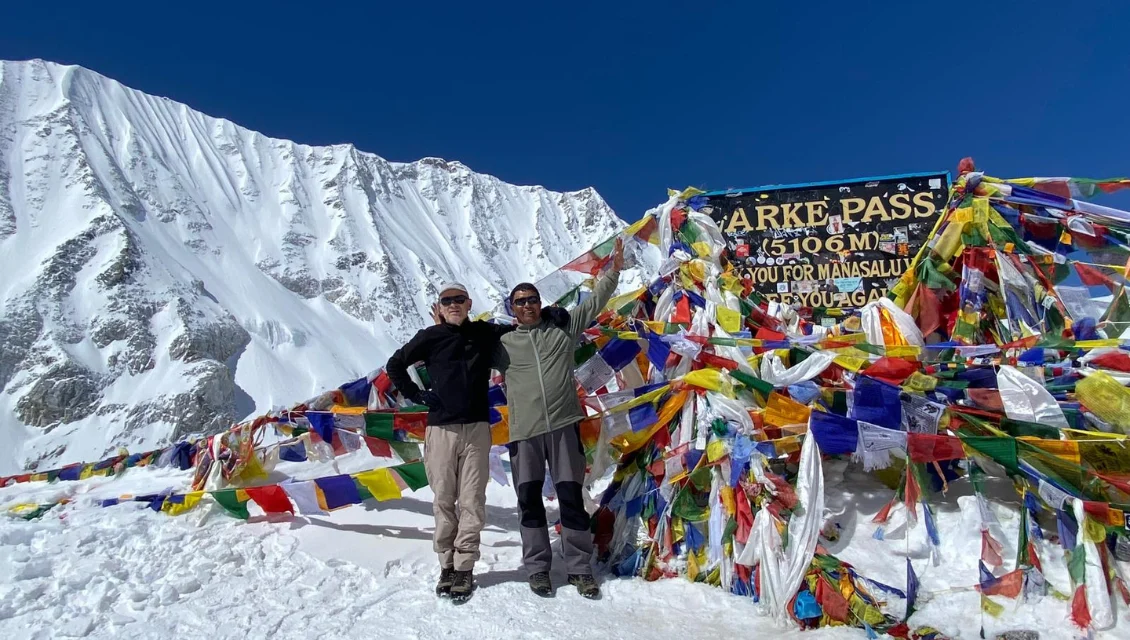
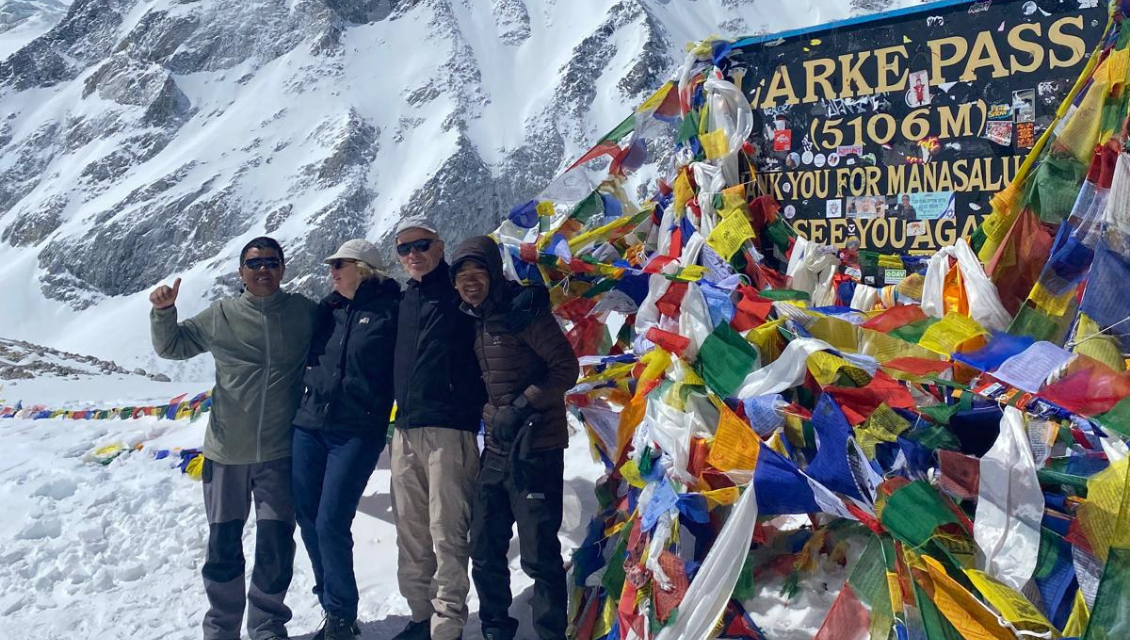
Start before dawn for the gradual ascent to Larkya La Pass, one of Nepal's most spectacular Himalayan passes.
At the summit, enjoy breathtaking views of:
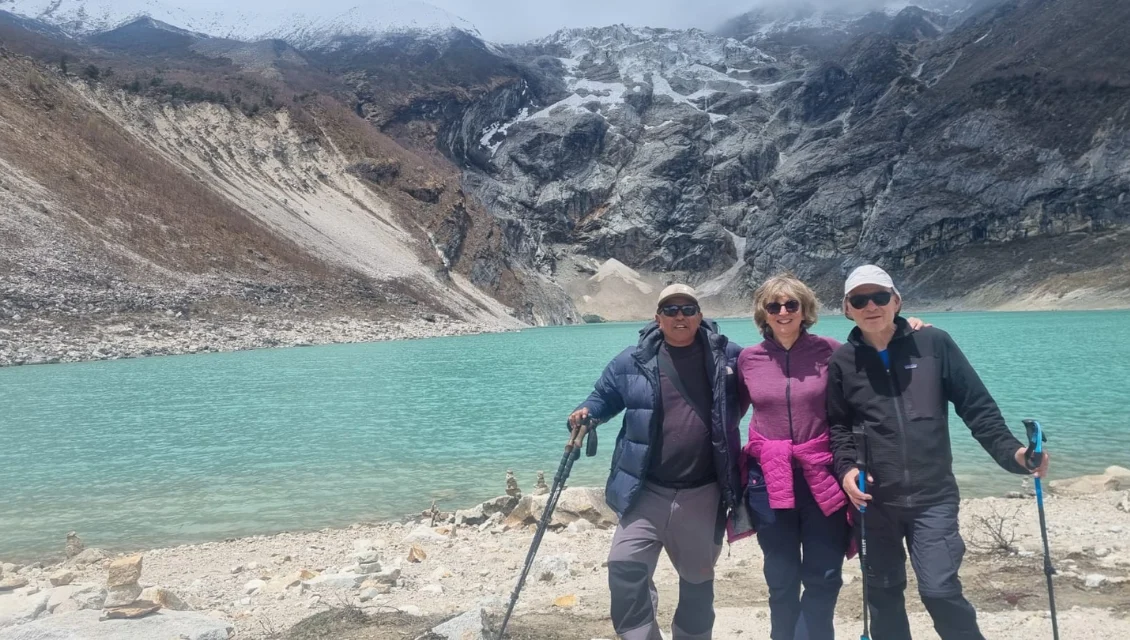
Descend through glacial moraines and alpine valleys to beautiful Bimthang.
Descend through rhododendron forests, yak pastures, and traditional villages. Join the Annapurna Circuit trail near Tilje before reaching Dharapani.
Celebrate the successful completion of your Manaslu Circuit crossing.
Drive Duration: 8–10 hours
Travel by jeep through Besisahar and along the Marsyangdi and Trishuli river valleys back to Kathmandu.
Upon arrival, transfer to your hotel and enjoy a relaxing evening.
Depending on your flight schedule, transfer to Tribhuvan International Airport for your departure.
We hope you leave Nepal with unforgettable memories of the Manaslu Circuit, its remote mountain villages, dramatic landscapes, rich Tibetan culture, and the unforgettable crossing of Larkya La Pass.
The best time for the Manaslu Larkya La Pass Trek is March–April and October–November, with May and September also good. Typical daytime temperatures at Samagaun (3,530 m) in those months are around 10 °C, with colder nights at higher camps.
The Larkya La (5,106 m) is usually crossed from March to May and September to November. Heavy snow can close the pass in winter, and the lower valleys are hot, wet and landslide-prone during the monsoon.
| Month | Conditions | Day | Night |
|---|---|---|---|
| January | Not recommended — severe cold, passes and lodges may close | 4 °C | -10 °C |
| February | Possible — very cold, snow on high passes | 6 °C | -8 °C |
| March | Best time — stable weather and clear views | 9 °C | -4 °C |
| April | Best time — stable weather and clear views | 12 °C | 0 °C |
| May | Good — mostly fine weather, fewer crowds | 14 °C | 3 °C |
| June | Not recommended — monsoon rain, cloud and slippery trails | 15 °C | 6 °C |
| July | Not recommended — monsoon rain, cloud and slippery trails | 16 °C | 7 °C |
| August | Not recommended — monsoon rain, cloud and slippery trails | 16 °C | 7 °C |
| September | Good — green landscapes, some rain | 14 °C | 5 °C |
| October | Best time — stable weather and clear views | 12 °C | 0 °C |
| November | Best time — stable weather and clear views | 8 °C | -5 °C |
| December | Possible — very cold, snow on high passes | 5 °C | -9 °C |
Average day and night temperatures at Samagaun (3,530 m). Higher camps are colder.
Your packing checklist for Manaslu Larkya La Pass Trek. Tick items off as you pack — down jackets and sleeping bags can also be rented in Kathmandu.
Private departures run on any date. Pick the start date that suits you and we will build the trip around it — same price, your own guide and team.
Accommodation
Accommodation is provided in basic teahouses and locally operated mountain lodges along the route.
Lower sections such as Soti Khola, Machha Khola, and Jagat offer simple but relatively comfortable lodges. As the trail ascends toward Samagaun, Samdo, and Dharamsala, accommodation becomes more basic due to remoteness and altitude.
Rooms are typically twin-sharing with simple bedding and shared bathroom facilities.
Meals
A full-board meal system (Breakfast, Lunch, and Dinner) is provided throughout the trek.
Meals are freshly prepared and designed to meet high-energy demands of long trekking days.
Typical menu options include:
Food variety becomes limited in higher villages but remains sufficient for high-altitude trekking.
Difficulty & Physical Requirements
The Manaslu Circuit Trek is classified as moderate to strenuous, suitable for trekkers with good fitness and prior trekking experience.
Daily trekking generally ranges from 5 to 8 hours, with significant elevation gain and rugged mountain terrain.
The most challenging section is the crossing of Larkya La Pass (5,160m), which requires strong endurance, acclimatization, and favorable weather conditions.
Permits
The Manaslu region is a restricted trekking area requiring special permits:
A licensed guide is mandatory, and trekking must be organized through a registered agency.
Best Season
Transportation & Access
The trek typically begins with a drive from Kathmandu to Soti Khola or Machha Khola.
The route follows the Budhi Gandaki Valley through remote villages such as Jagat, Deng, Namrung, Lho, and Samagaun before crossing Larkya La Pass and descending toward the Annapurna region.
Safety & Acclimatization
The trek reaches elevations above 5,100 meters and requires proper acclimatization planning.
Important safety considerations include:
Experienced guides play a crucial role in ensuring safety and navigation.
Travel Insurance
Comprehensive travel insurance is highly recommended and should include:
Guide & Porter Services
A licensed guide is mandatory due to the restricted status of the Manaslu region.
Porters assist with luggage transport, allowing trekkers to focus on the journey with a light daypack.
Guides also provide cultural insight into Tibetan-influenced villages, monasteries, and local traditions.
Cultural & Natural Highlights
The Manaslu Circuit Trek offers a remarkable combination of nature, culture, and adventure:
Essential Equipment
Recommended trekking gear includes:
Communication & Connectivity
Mobile network coverage is limited and unreliable in most sections of the trek.
Wi-Fi may be available in some lower villages, but connectivity becomes very weak or unavailable in higher regions.
Why Choose the Manaslu Circuit Trek?
The Manaslu Circuit Trek is ideal for trekkers seeking a remote and authentic Himalayan experience:
The Manaslu Larkya La Pass Trek is graded Moderate — suitable for most active travellers. Expect 5–7 hours of walking on most days on mountain trails with plenty of ascents and descents. Regular cardio training — hiking, running, cycling or stair climbing — for 6–8 weeks before departure makes the trip far more enjoyable.
For the Manaslu & Tsum Valley region the best months are March–April and October–November. The Larkya La (5,106 m) is usually crossed from March to May and September to November. Heavy snow can close the pass in winter, and the lower valleys are hot, wet and landslide-prone during the monsoon.
You need the Manaslu Restricted Area Permit together with the Manaslu (MCAP) and Annapurna (ACAP) conservation permits. Nord Extreme arranges every permit for you before the trip starts — check the "Includes" section above for exactly what is covered in the price. Just bring your passport and a few passport-size photos.
In Kathmandu you stay in a comfortable hotel; on the trail we use the best available family-run teahouses and lodges with twin-share rooms, shared or attached bathrooms and a warm dining room. Upgrades to luxury lodges are possible on popular routes such as Everest and Annapurna.
Both. You can join one of the fixed departures listed under "Dates & Prices", or book a private trip for just you, your family or friends on any date. Solo travellers are welcome — you will always have your own licensed guide.
Yes, travel insurance is compulsory. It must cover medical treatment and emergency helicopter evacuation up to the trip’s highest altitude, plus trip cancellation. Please send us your policy details before departure.
See the "What to bring" checklist on this page for the full list. The essentials are broken-in boots, warm layers, a down jacket, a waterproof shell, sun protection and a daypack. Down jackets and sleeping bags can be rented cheaply in Kathmandu, and a porter carries your main bag (up to 10–12 kg).
Keep exploring
Namaste! 🙏
Welcome to Nord Extreme Himalaya. Questions about Manaslu Larkya La Pass Trek? Send us a message — a Sherpa trip expert in Kathmandu will reply on WhatsApp.
Mr. Sonam G. SherpaOpens WhatsApp · +9779851078748