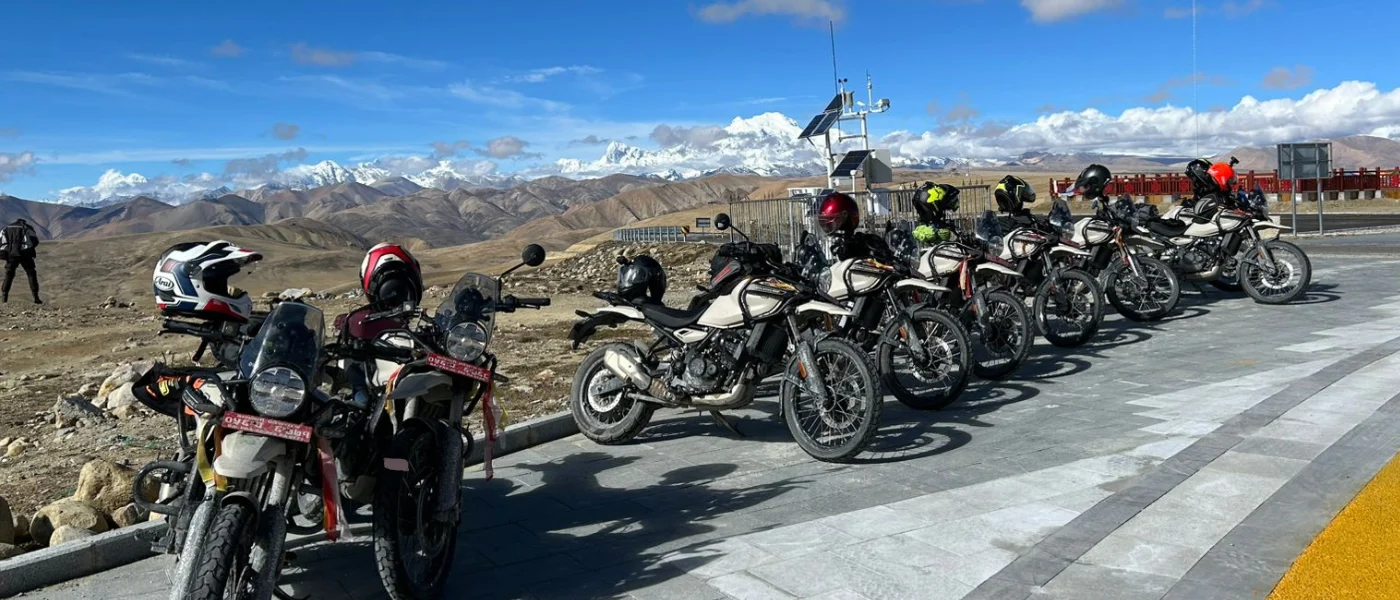
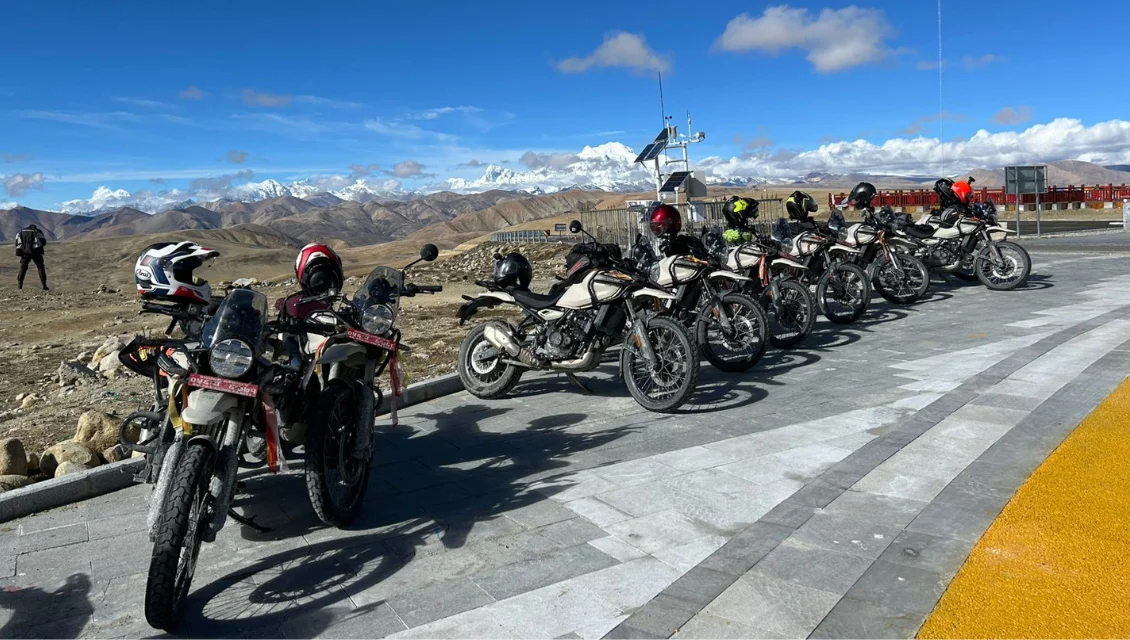
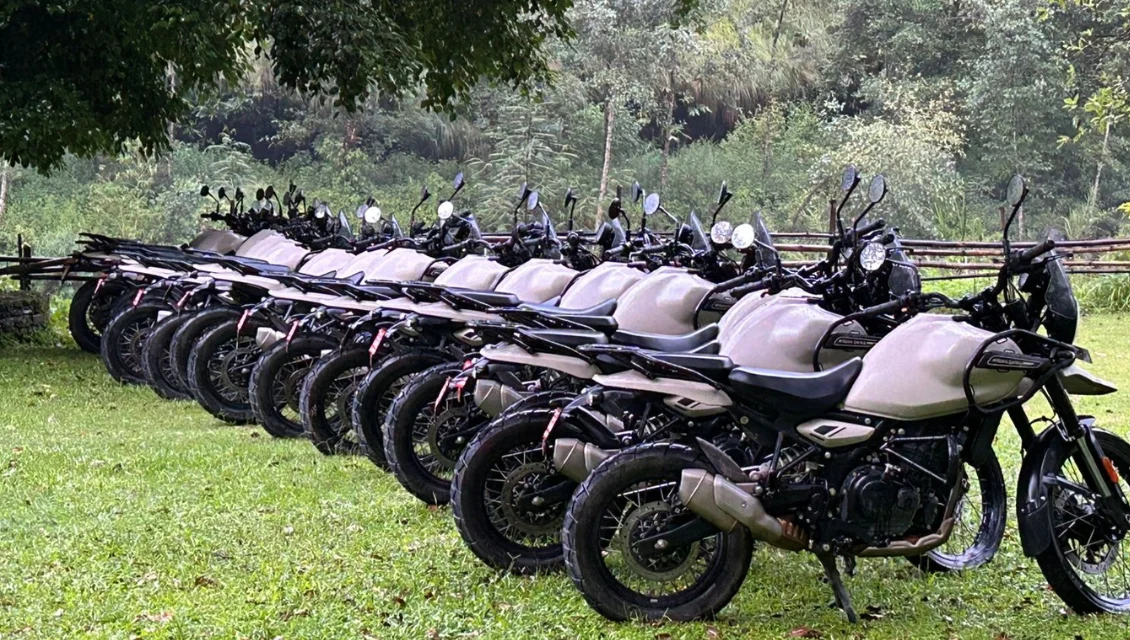
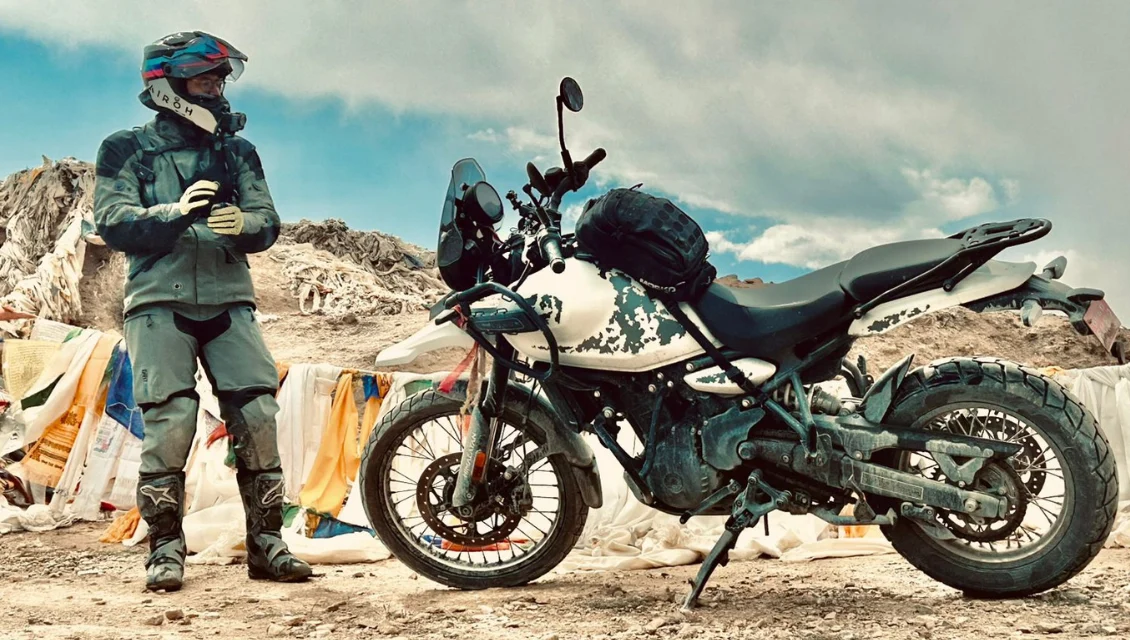
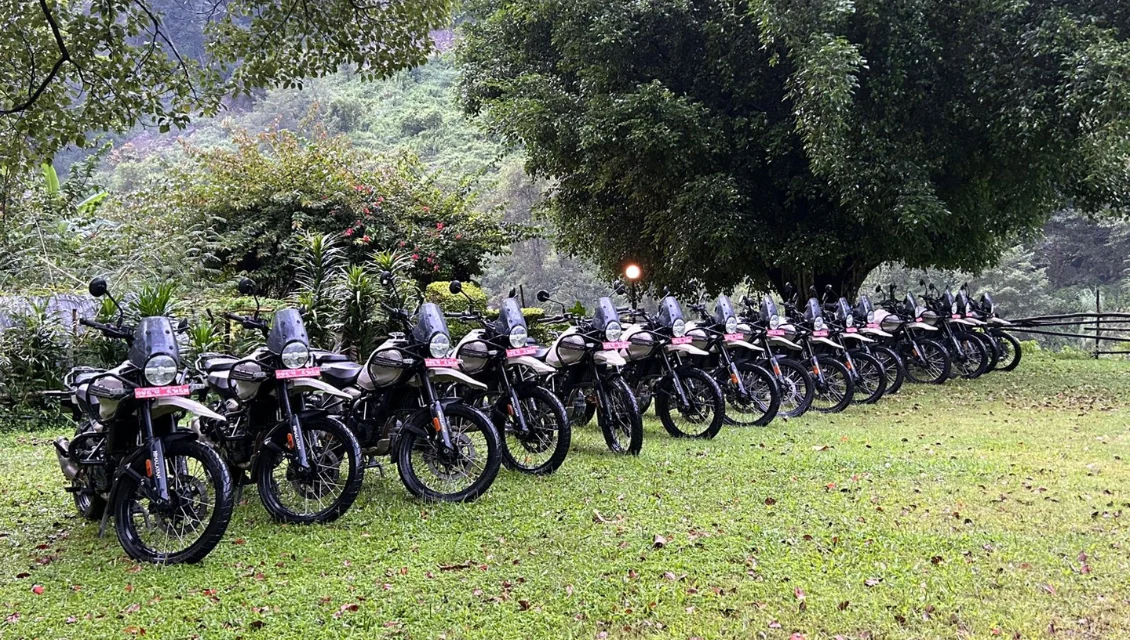
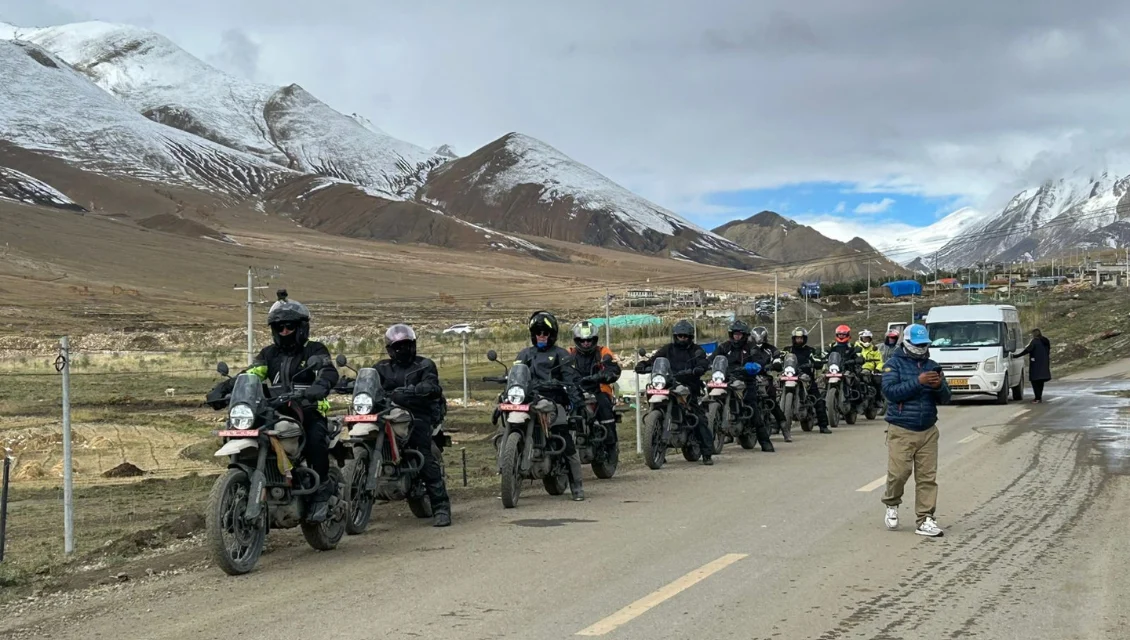
The Kathmandu – Lhasa – Everest Base Camp Motorcycle Adventure is one of the most thrilling overland motorcycle expeditions in the Himalayas, combining high-altitude riding, cultural exploration, and breathtaking Himalayan scenery.
Starting from the Nepal–Tibet border, this journey takes riders across the vast Tibetan Plateau through remote valleys, ancient monasteries, sacred lakes, and iconic Himalayan landscapes before reaching the historic city of Lhasa and the legendary Everest Base Camp (5,200m).
Riders will experience some of the world’s highest motorable roads, crossing dramatic mountain passes above 5,000 meters while visiting key cultural and spiritual landmarks including Potala Palace, Jokhang Temple, Yamdrok Lake, Tashilhunpo Monastery, and Rongbuk Monastery.
Designed for experienced adventure motorcyclists, this expedition offers a perfect blend of adrenaline, cultural discovery, and high-altitude Himalayan exploration.
Geography and Landscape
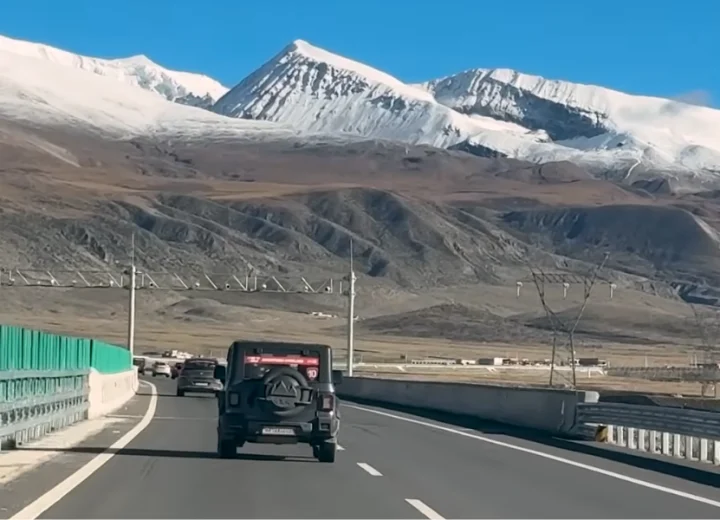
The route traverses the central and southern Tibetan Autonomous Region, often referred to as the “Roof of the World.” The journey begins in lush Himalayan valleys near the Nepal border and gradually ascends to the vast, high-altitude Tibetan Plateau.
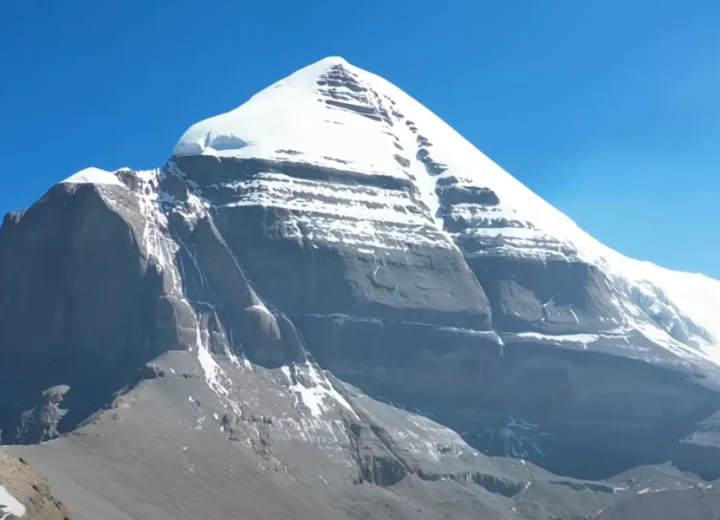
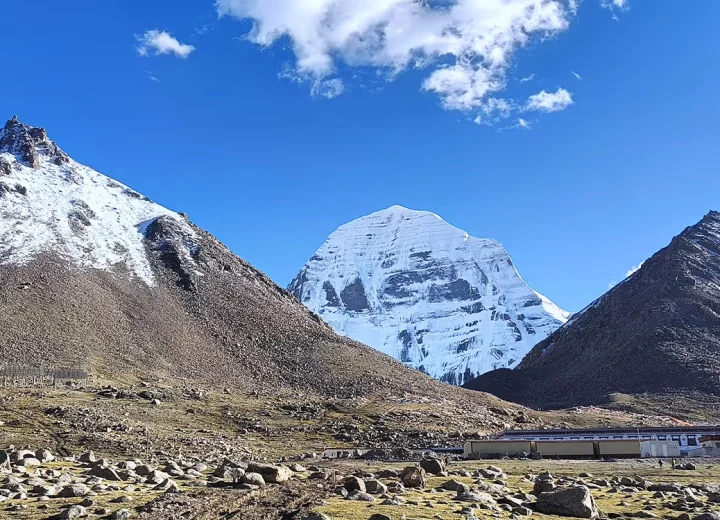
Riders cross endless open plains, alpine deserts, glacial rivers, and rugged mountain ranges framed by the Himalayas and Trans-Himalayan peaks. The landscape is constantly changing, offering dramatic contrasts between green valleys, barren plateaus, and snow-covered peaks.
Key highlights include the turquoise waters of Yamdrok Lake (4,441m), the massive Karo La Glacier (5,010m), and the panoramic viewpoints of the world’s highest mountains including Mount Everest, Lhotse, Makalu, and Cho Oyu.
The ride to Everest Base Camp passes through the dramatic Gawula Pass, followed by the stark, high-altitude terrain surrounding Rongbuk Monastery (5,000m+), the world’s highest monastery.
Climate and Best Time to Visit
Tibet’s climate is high-altitude, dry, and strongly influenced by altitude and sunlight intensity. Weather conditions can change quickly, especially in mountain regions.
Spring (April – May)
Clear skies, moderate temperatures, and fewer travelers make this a good early-season option.
Summer (June – August)
The most popular season, with mild temperatures and relatively stable riding conditions, though occasional rain may occur.
Autumn (September – October)
The best season for motorcycle expeditions with stable weather, crystal-clear visibility, and ideal riding conditions.
Winter (November – March)
Extremely cold with possible road restrictions, making it unsuitable for motorcycle travel.
Best Time for the Tour
The ideal period is May to October, with September and October offering the most stable weather and best Himalayan visibility.
People and Culture
Tibet is home primarily to ethnic Tibetans whose traditional Buddhist culture remains deeply preserved. Life is centered around monasteries, prayer rituals, and spiritual traditions that have existed for centuries.
Tibetan Buddhism is visible throughout the journey in the form of prayer flags, mani walls, stupas, and ancient monasteries. Pilgrimage remains an important part of daily life.
Lhasa, the capital of Tibet, is a major spiritual center, home to Potala Palace, once the residence of the Dalai Lama, and Jokhang Temple, the most sacred temple in Tibetan Buddhism.
The Everest region is inhabited by Tibetan and Sherpa communities who maintain strong cultural and spiritual ties with the mountains, living in harmony with the extreme high-altitude environment.