Transportations
- Private/tourist vehicles for airport pickup and drop-off in Kathmandu.
- Private/tourist vehicles transfer as per itinerary to access the trailheads.
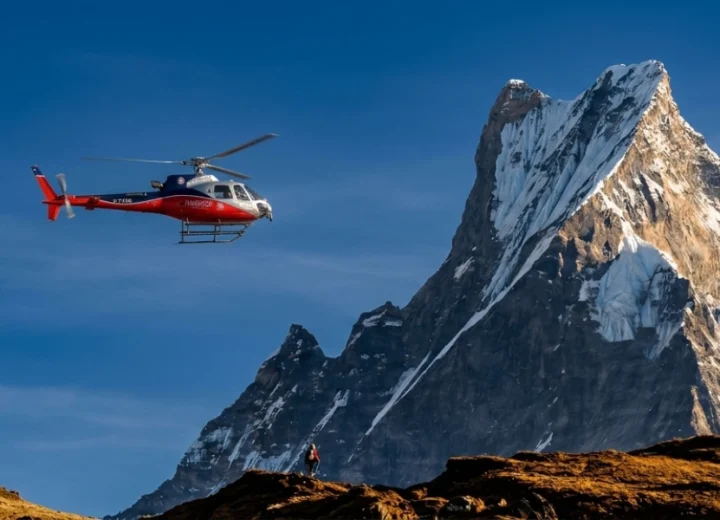
- Domestic flight included for access to the trekking starting & ending point.
The Annapurna Circuit Trek is one of the most famous and diverse trekking routes in the world, offering an extraordinary journey through changing landscapes, rich cultural regions, and high Himalayan mountain scenery. This classic circuit circles the Annapurna Massif, combining lush lowland valleys, deep gorges, alpine forests, and high-altitude desert terrain in a single unforgettable adventure.
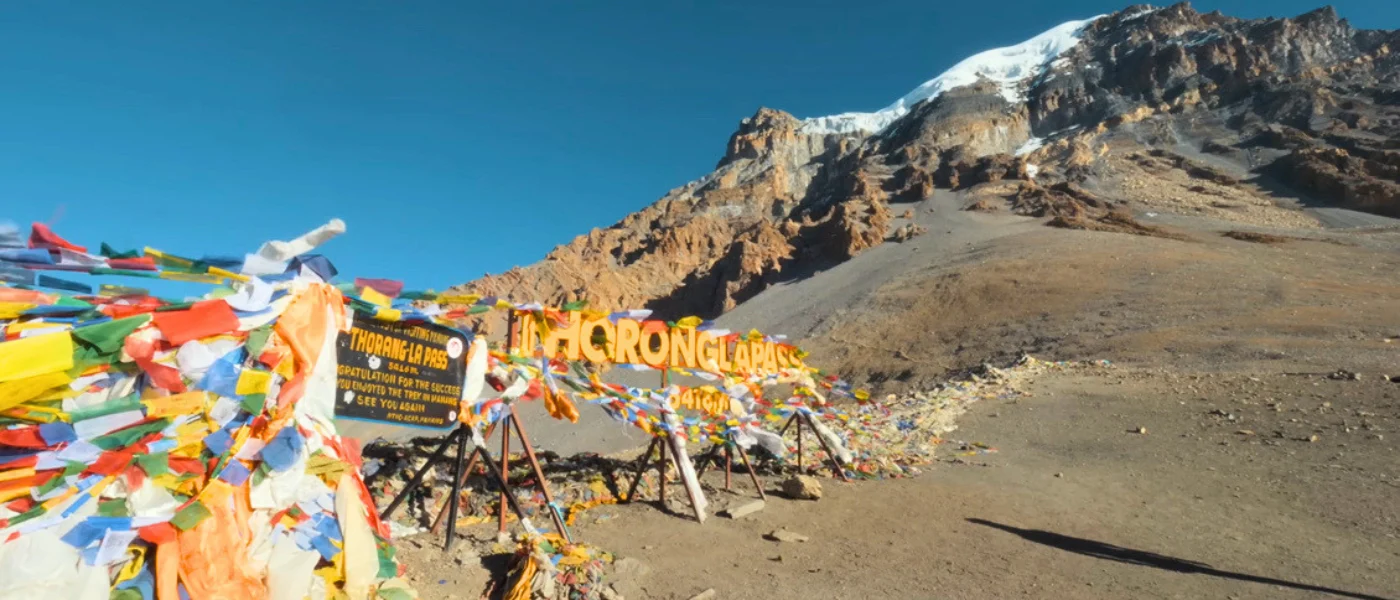
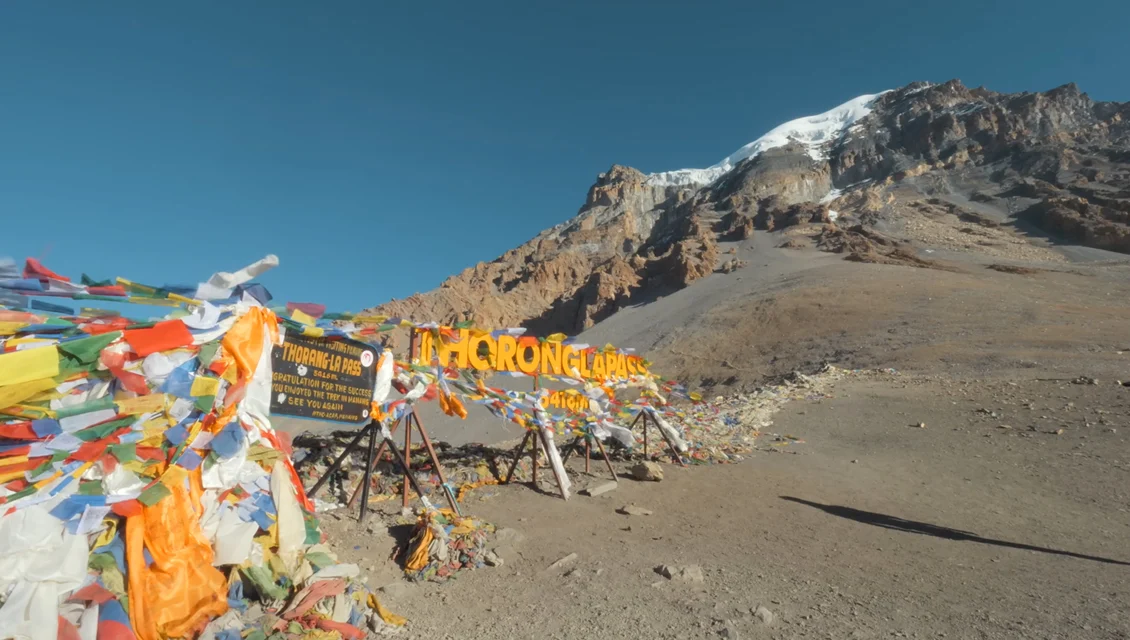
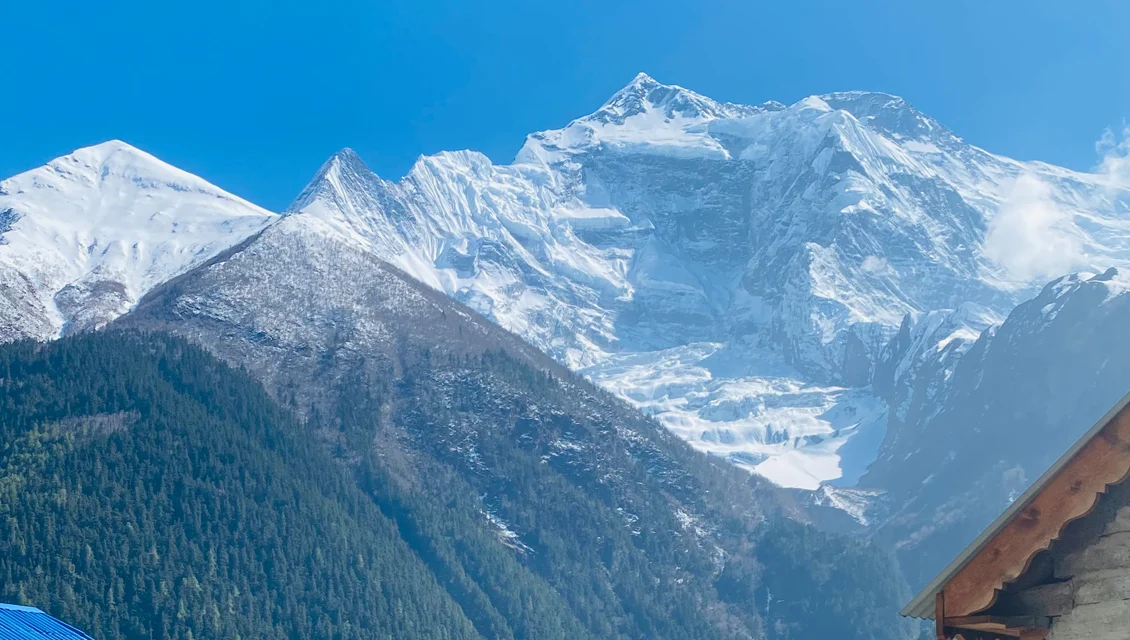
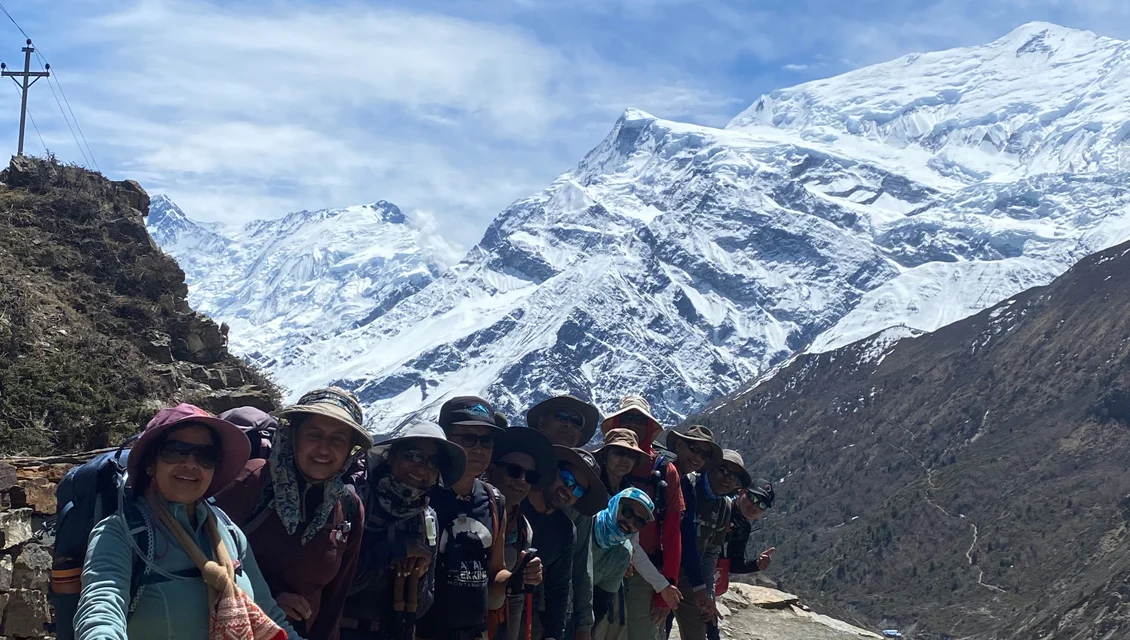
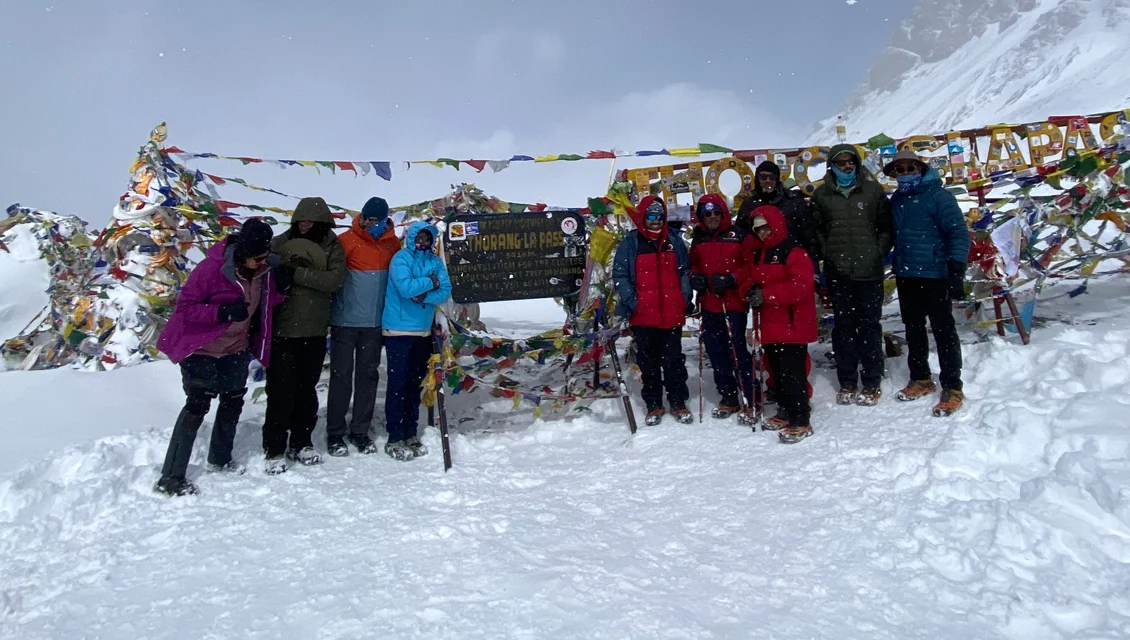
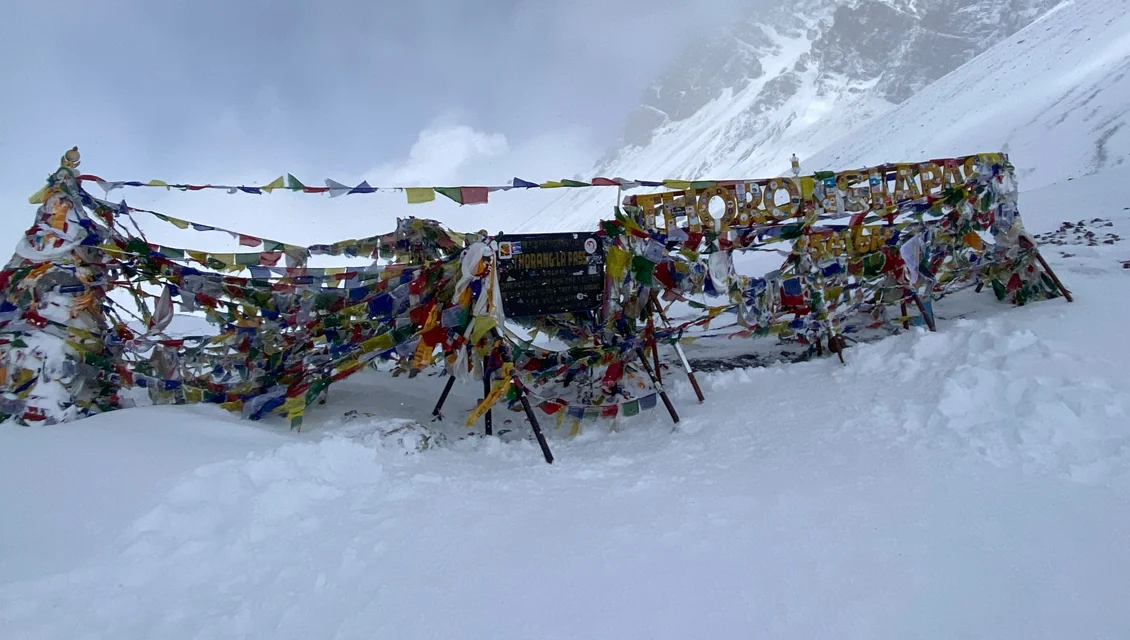
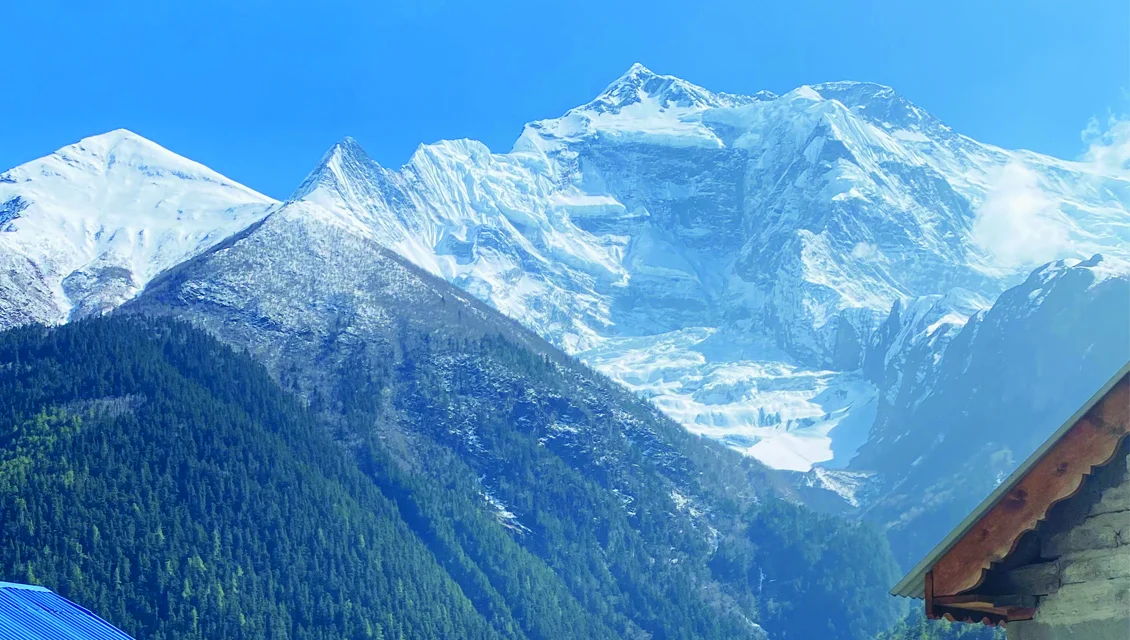
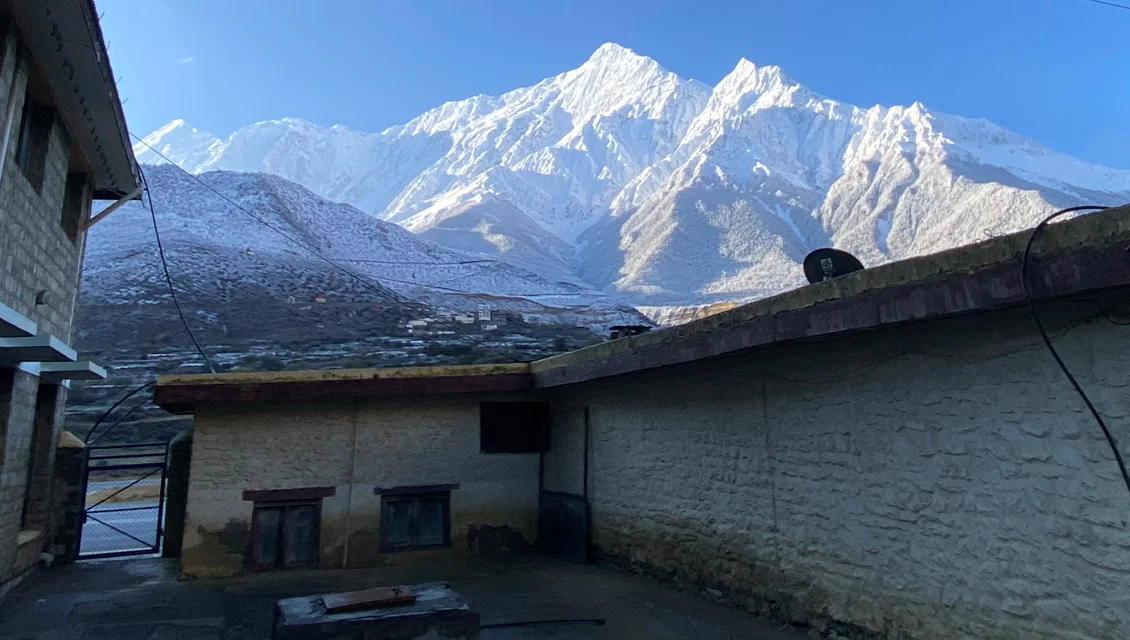
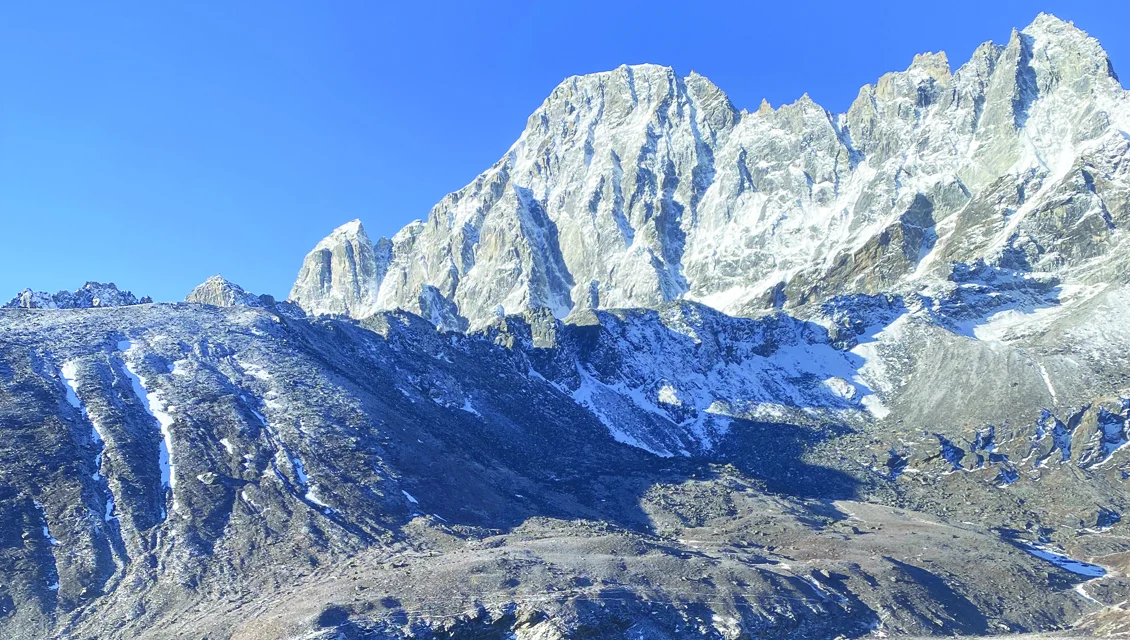
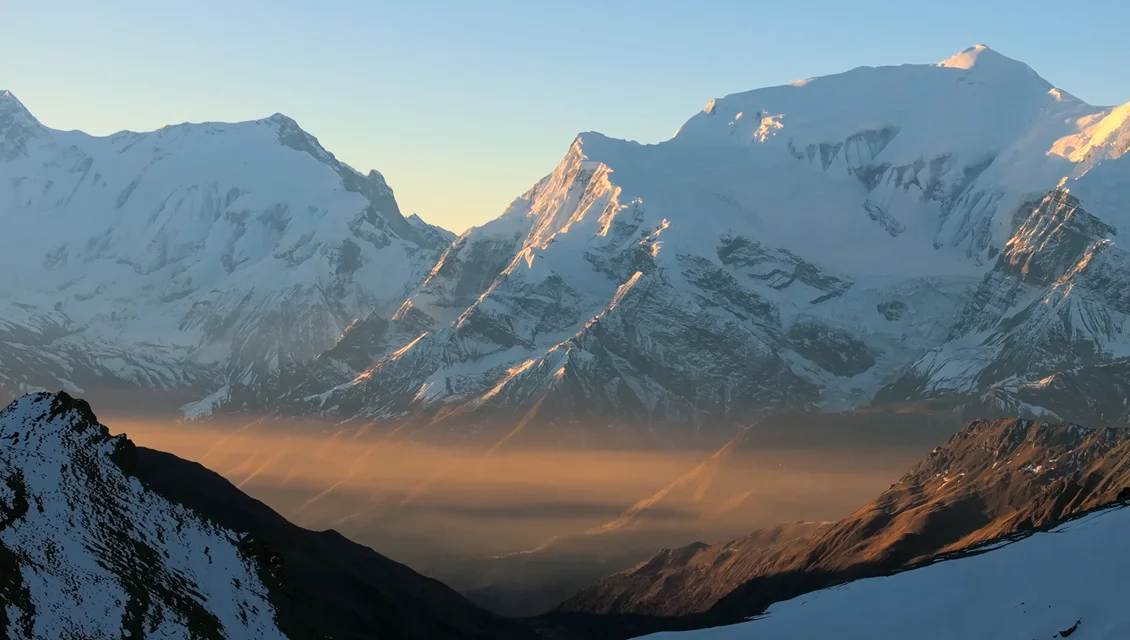
The trek is best known for crossing the legendary Thorong La Pass (5,416 m), one of the highest trekking passes in the world. Along the route, trekkers are rewarded with spectacular views of Himalayan giants including Annapurna I, Dhaulagiri, Manaslu, and Machhapuchhre.
This trek is ideal for experienced trekkers seeking a long, diverse, and culturally immersive Himalayan journey that showcases the full range of Nepal’s mountain environments.
The Annapurna Circuit Trek is located in central Nepal within Annapurna Conservation Area, the largest conservation area in the country. The route traditionally begins in the Marsyangdi Valley and gradually ascends toward the high Himalayan plateau before descending into the Kali Gandaki Valley.
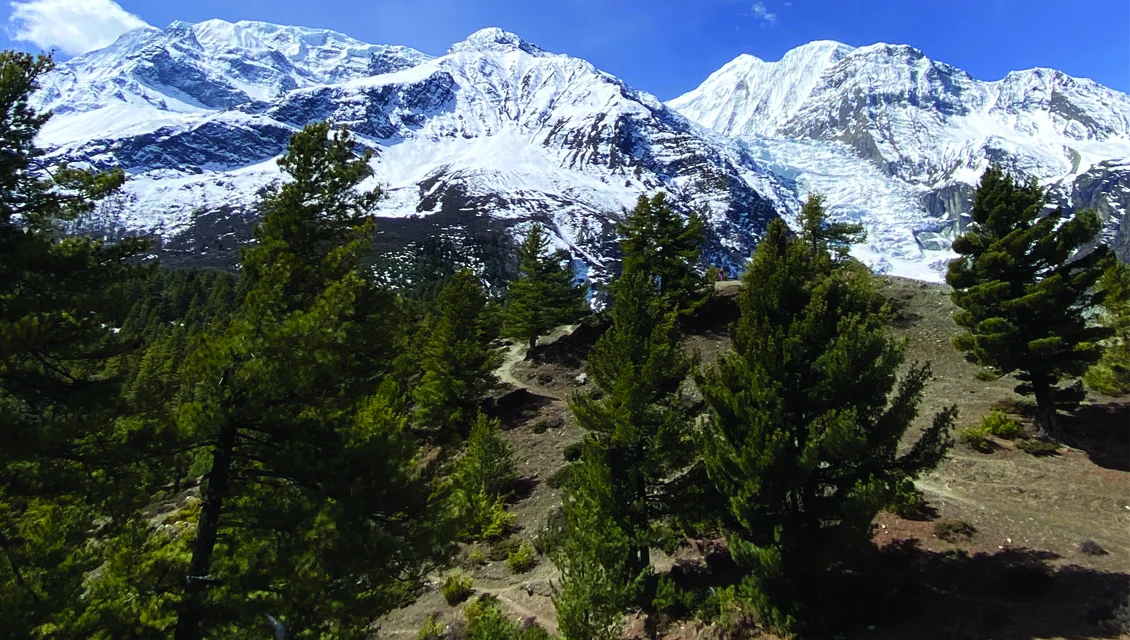
The landscape is one of the most diverse of any trek in the world. The lower sections feature subtropical forests, terraced farmland, waterfalls, and river valleys. As the trail climbs higher, it passes through pine and rhododendron forests, deep gorges, and traditional villages influenced by both Hindu and Tibetan Buddhist cultures.
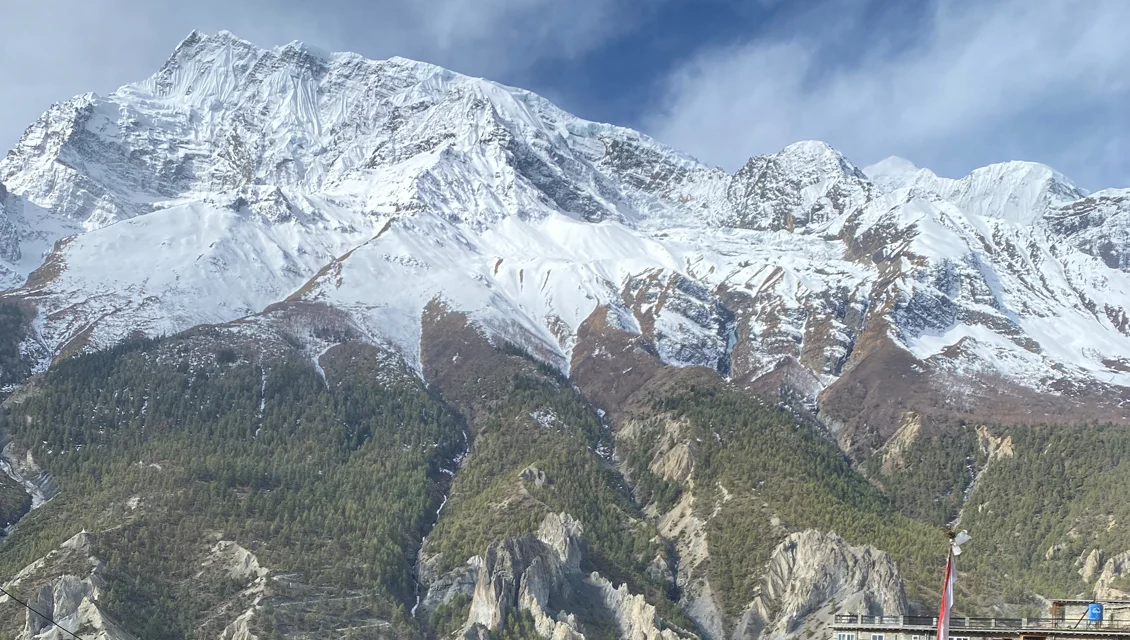
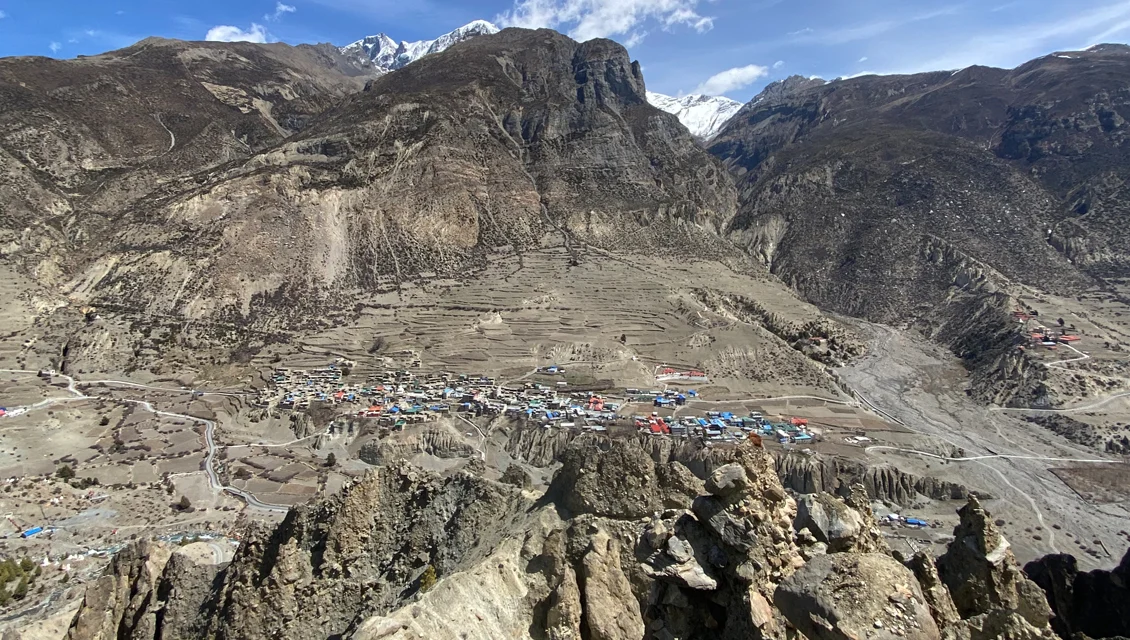
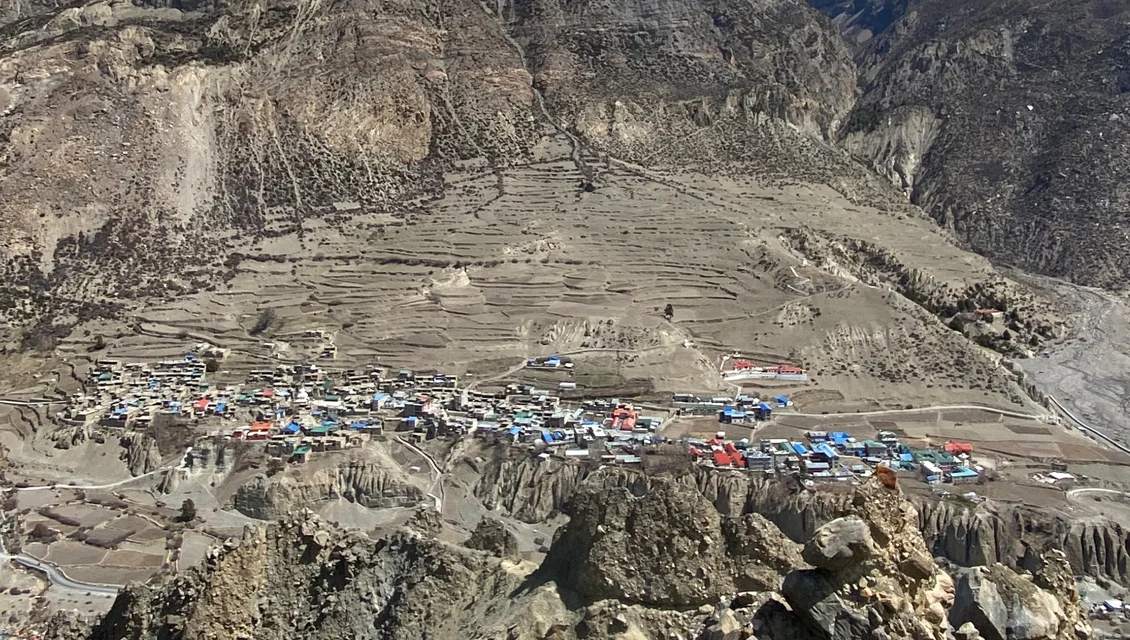
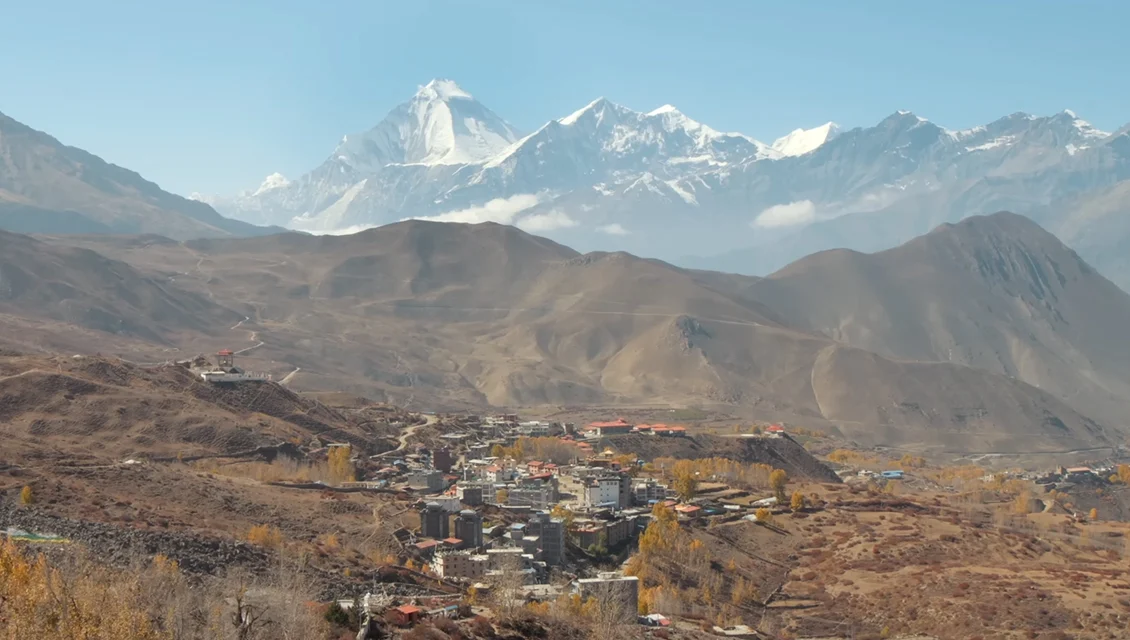
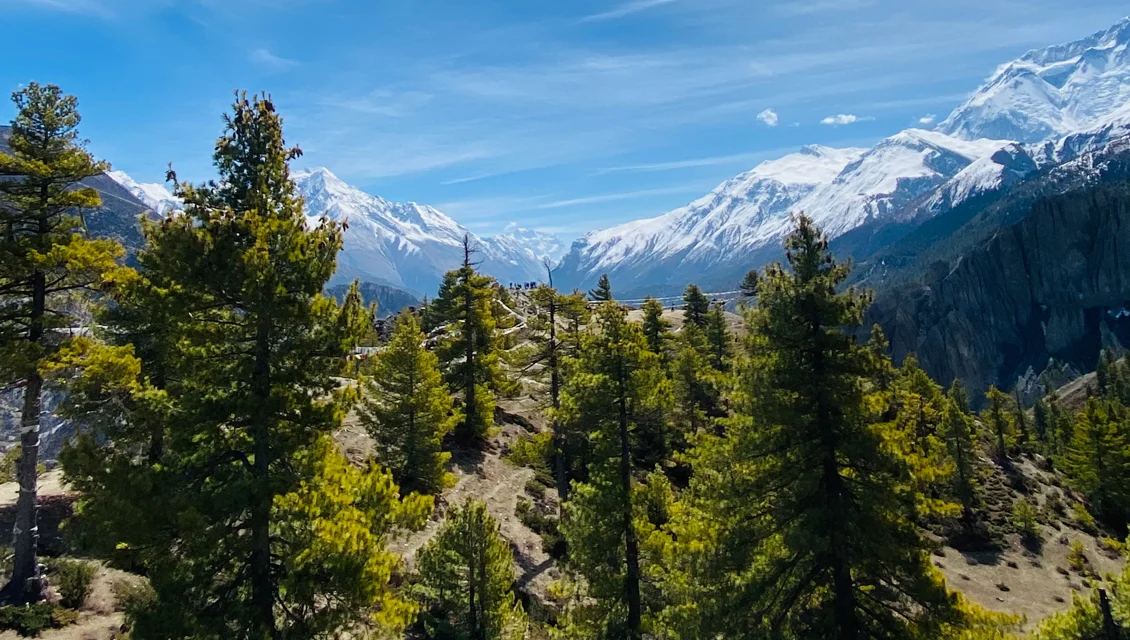
Above the tree line, the environment transforms into a dramatic high-altitude desert similar to the Tibetan plateau. This rain-shadow region around Manang and Mustang is dry, windy, and strikingly beautiful, with vast open valleys, snow-capped peaks, and ancient trade routes.
Key stops along the circuit include Dharapani, Chame, Pisang, Manang, Yak Kharka, and Muktinath, each offering unique scenery and cultural experiences. The crossing of Thorong La Pass is the most challenging and rewarding section, providing panoramic views of the entire Annapurna and Dhaulagiri ranges.
The best seasons for the Annapurna Circuit Trek are spring (March–May) and autumn (September–November). These periods offer the most stable weather conditions, clear skies, and excellent mountain visibility.
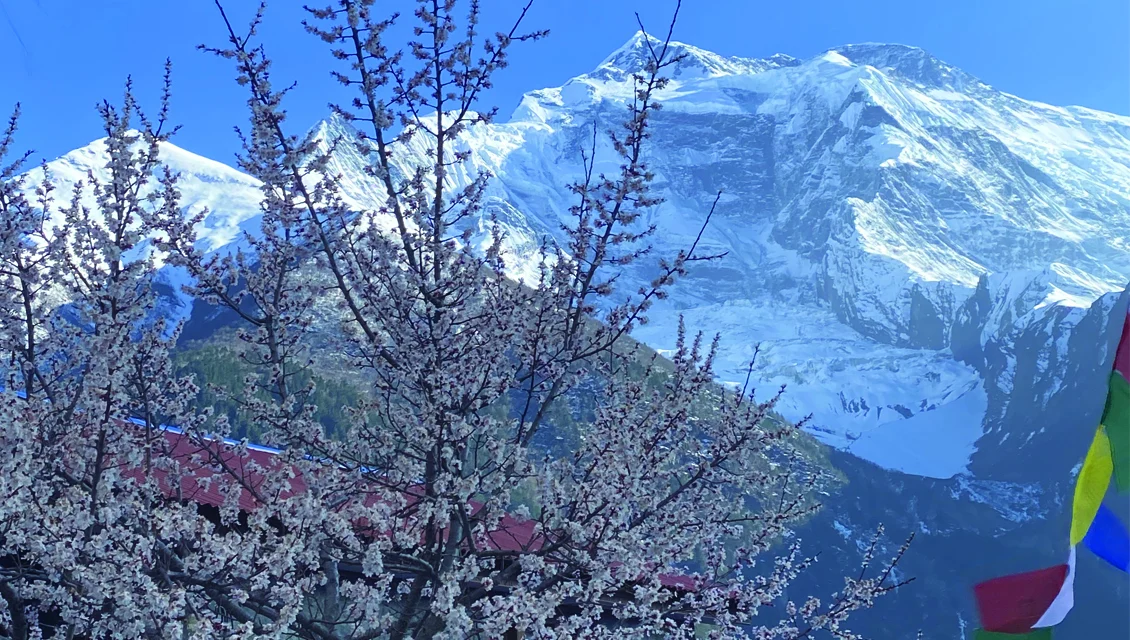
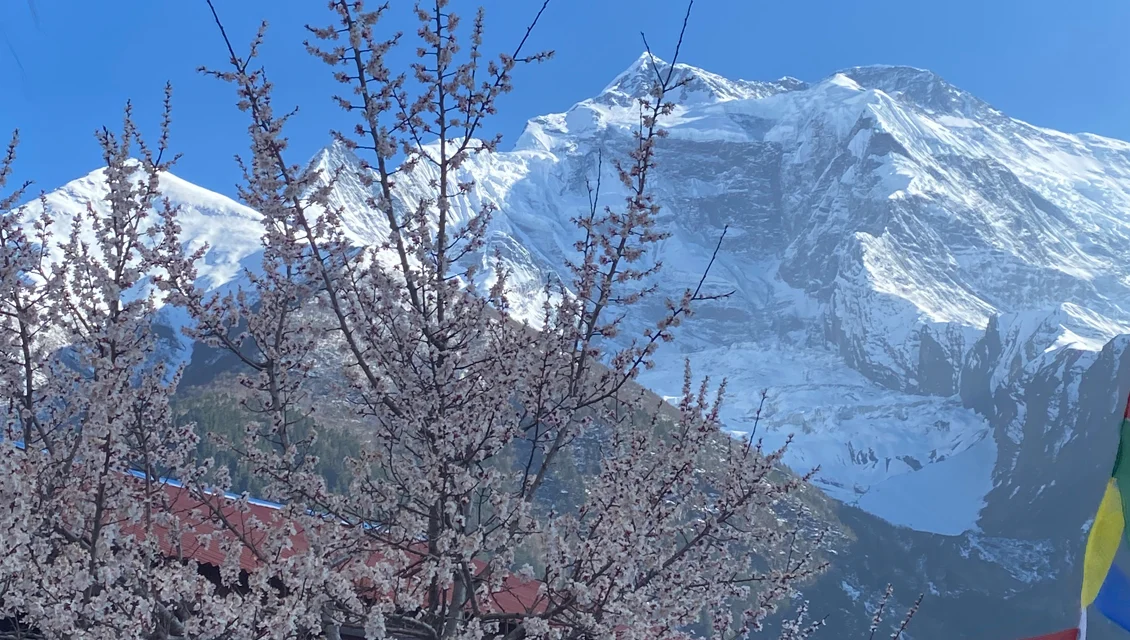
Spring brings mild temperatures and blooming rhododendron forests in lower regions, while autumn is considered the best season due to crystal-clear views and stable post-monsoon weather.
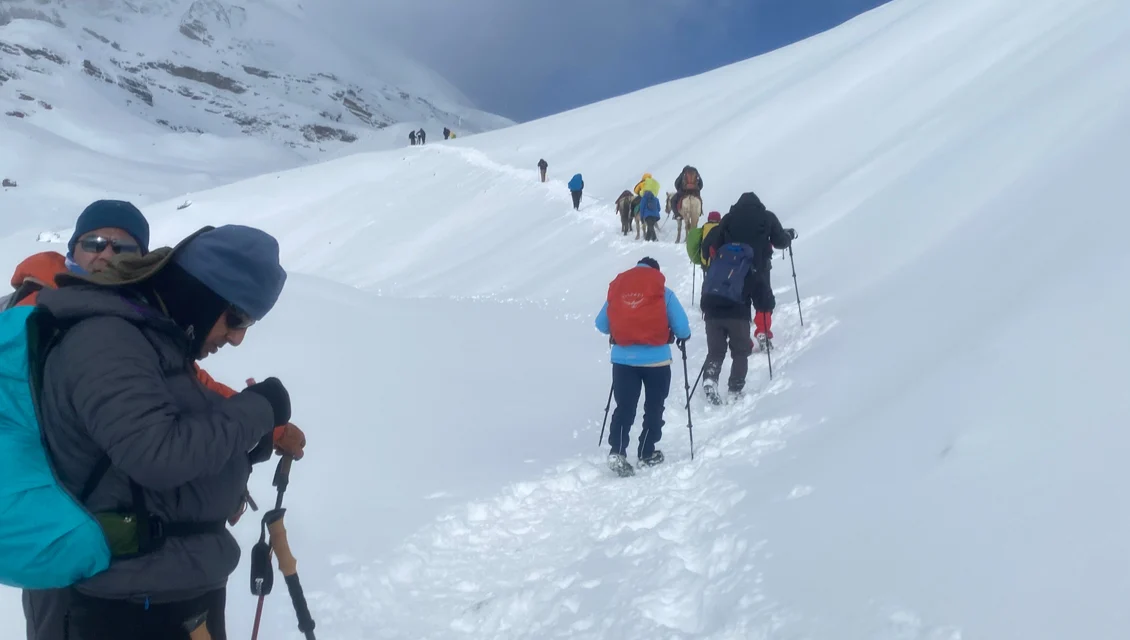
Winter (December–February) is extremely cold at higher elevations, and Thorong La Pass can be blocked by heavy snow, making the trek suitable only for experienced and well-prepared trekkers. The monsoon season (June–August) is less ideal in lower regions due to rain, though the northern rain-shadow areas like Manang and Mustang receive less precipitation.
Overall, autumn is the most reliable season for completing the full circuit safely and comfortably.
The Annapurna Circuit passes through a rich mosaic of ethnic communities, including Gurung, Magar, Thakali, and Tibetan-influenced Manangi populations. This cultural diversity is one of the trek’s greatest highlights.
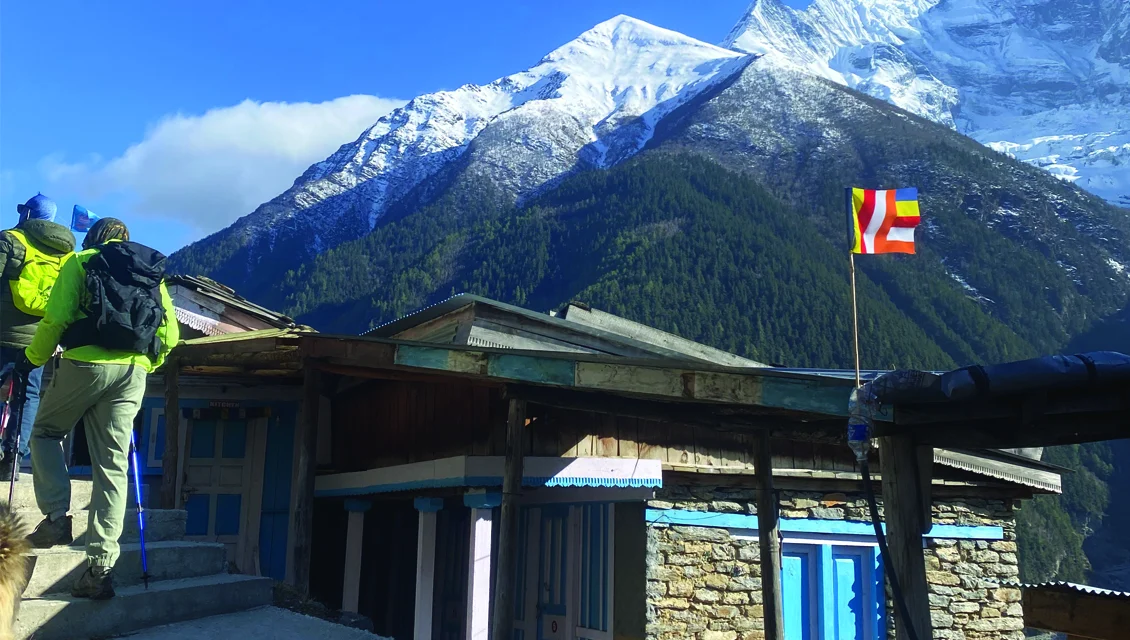
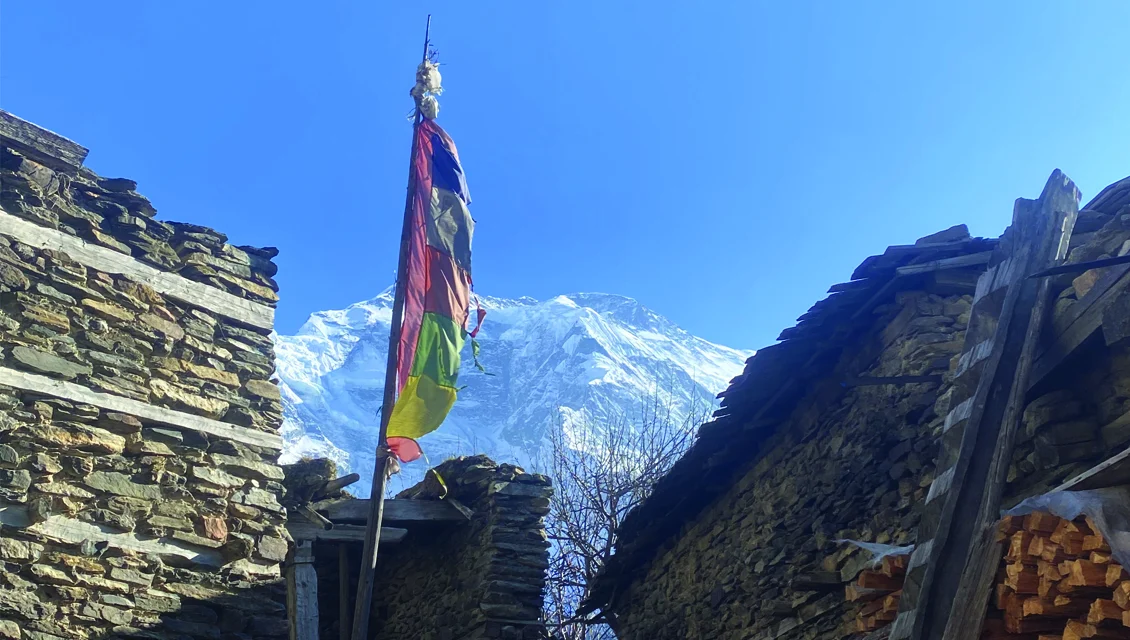
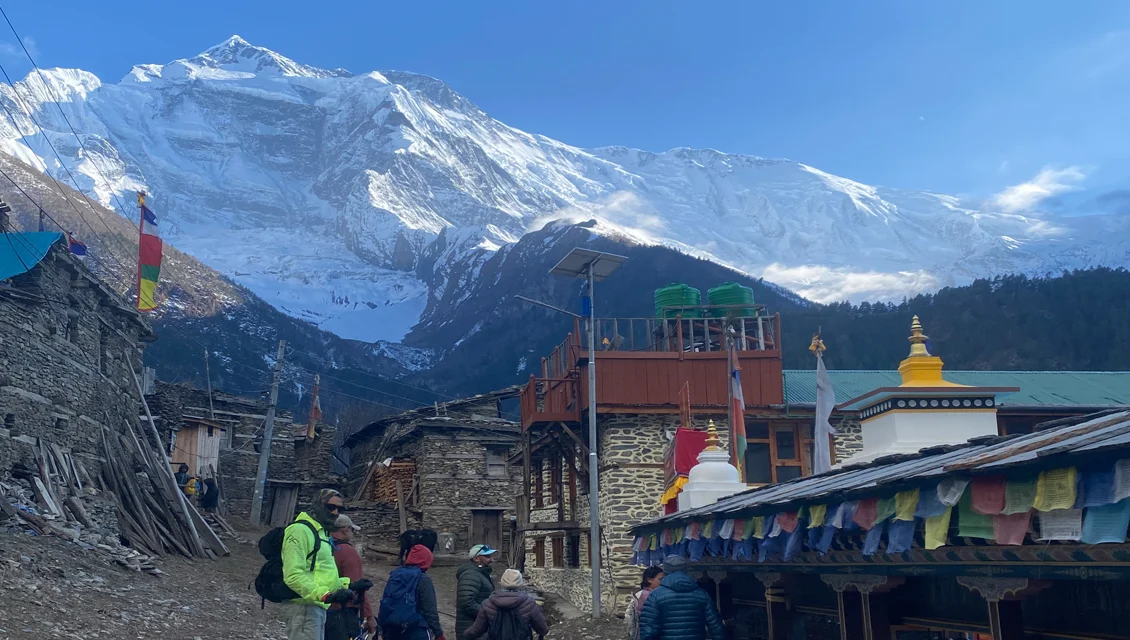
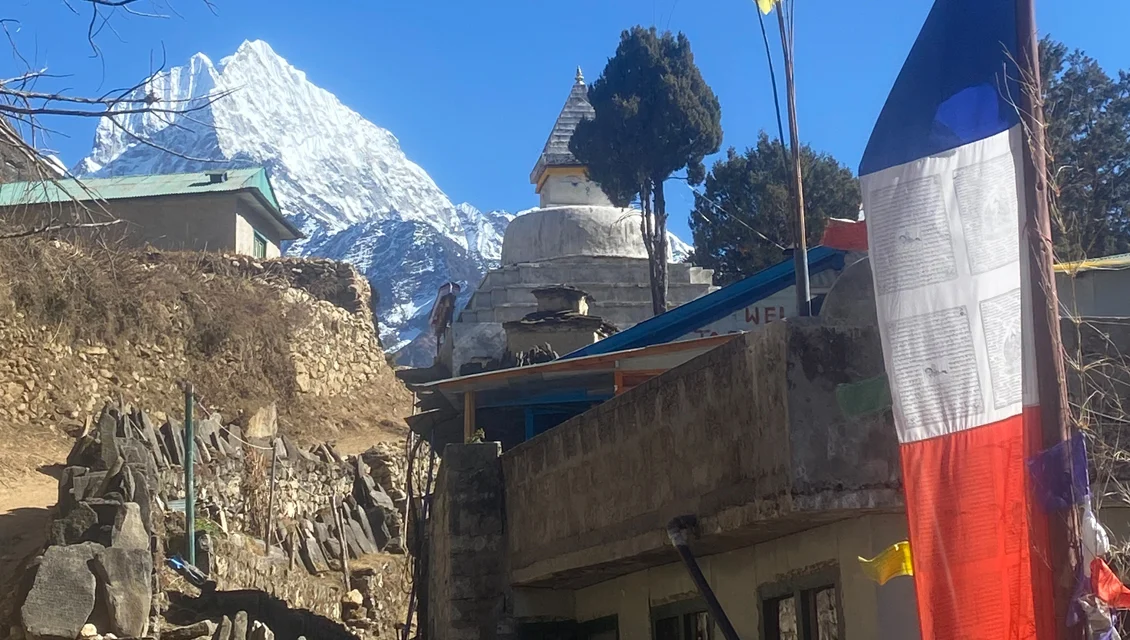
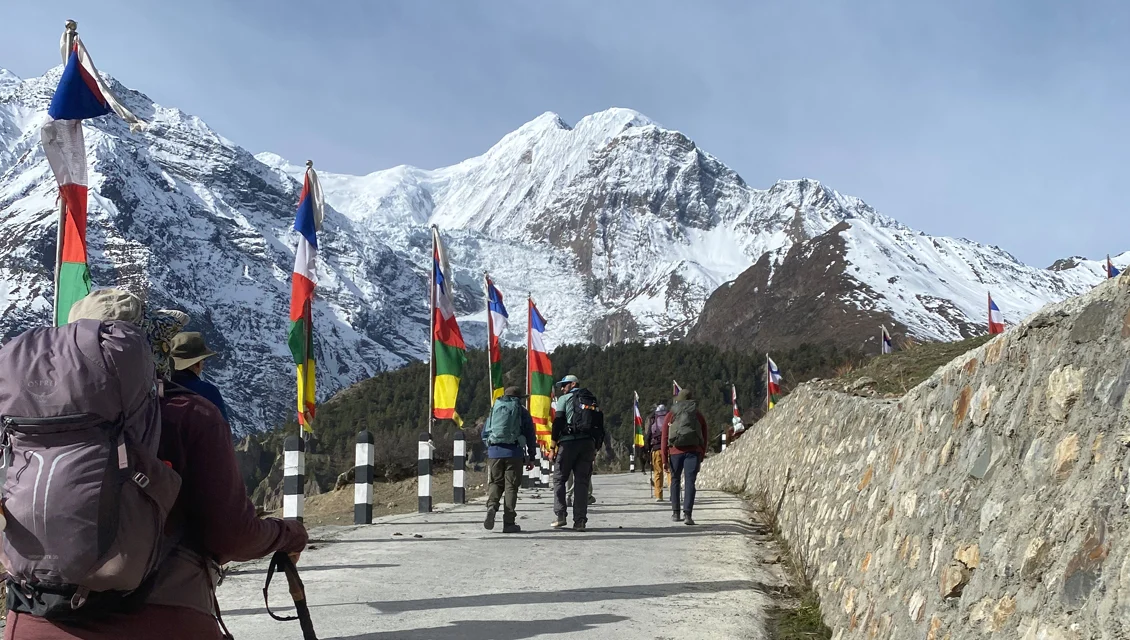
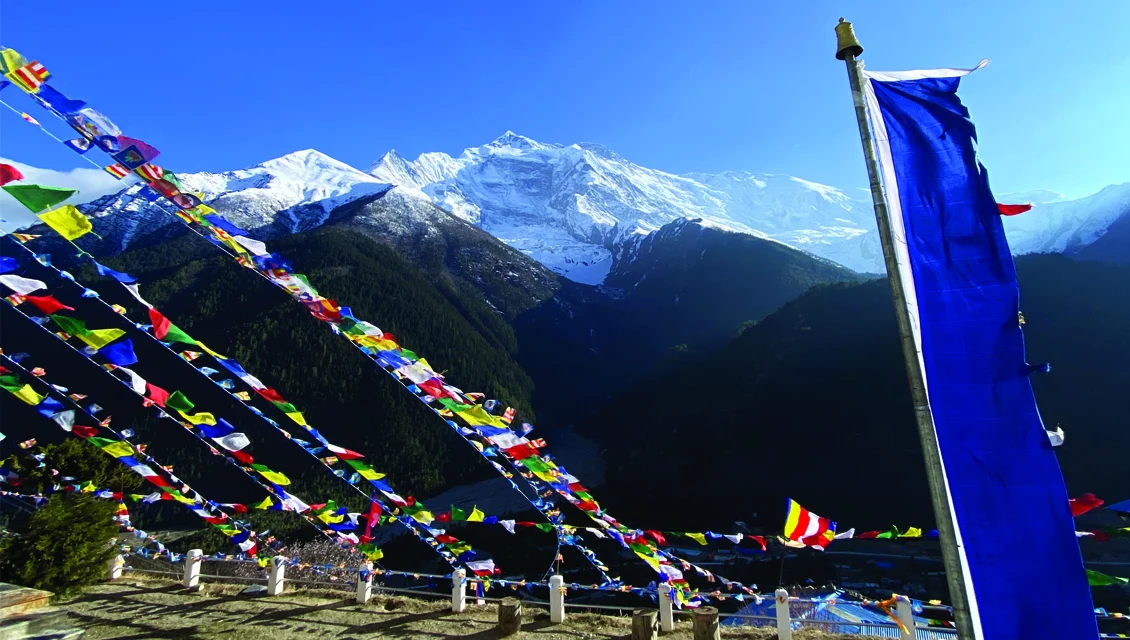
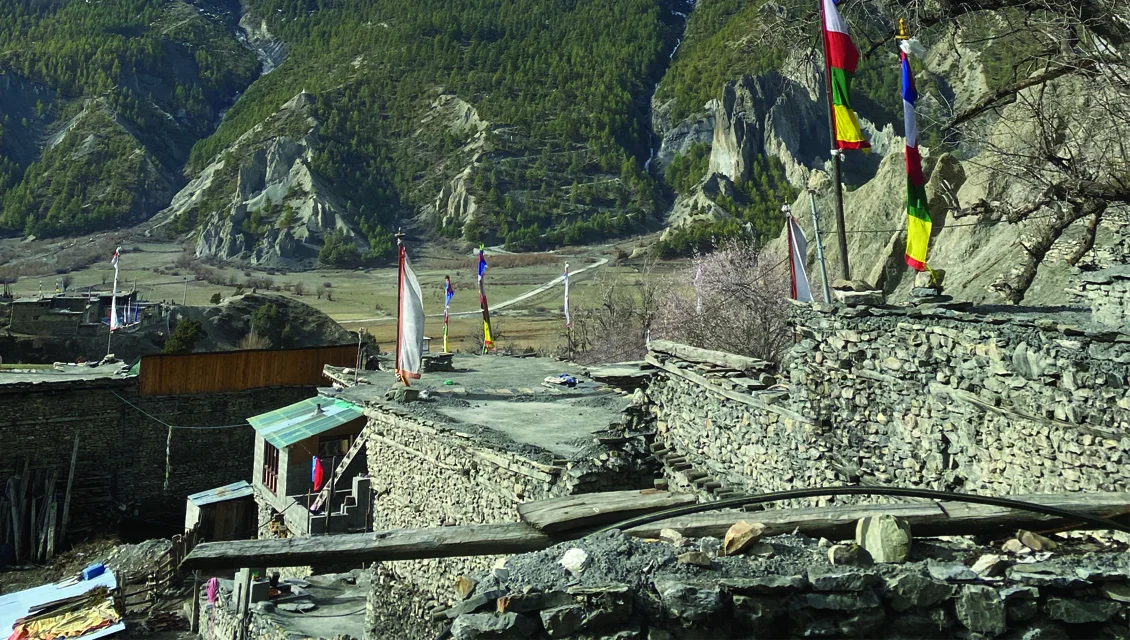
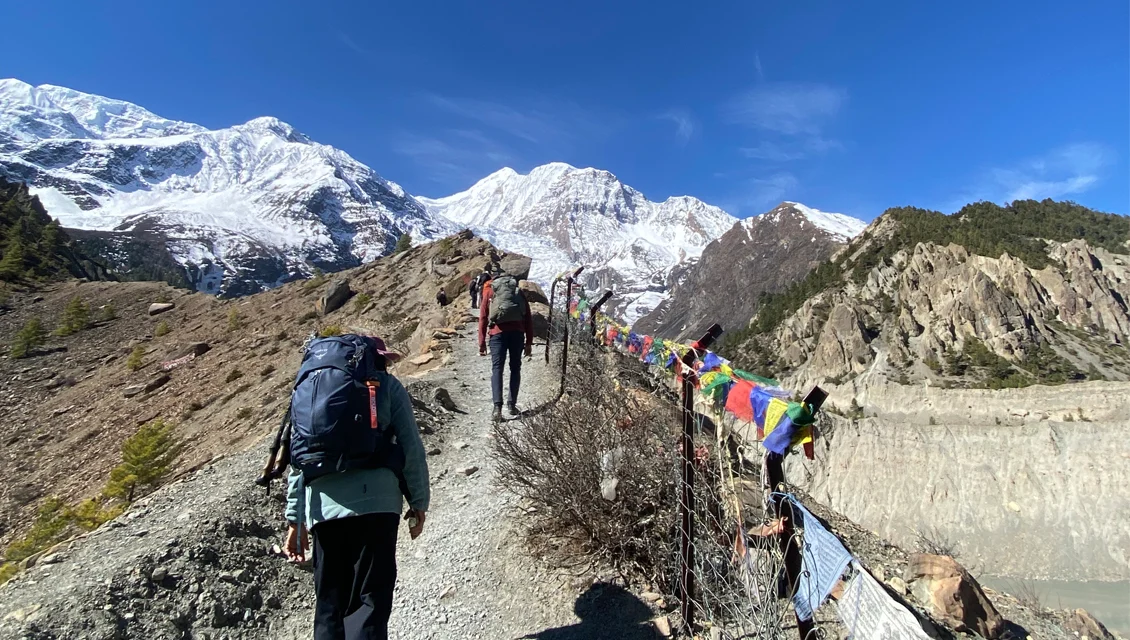
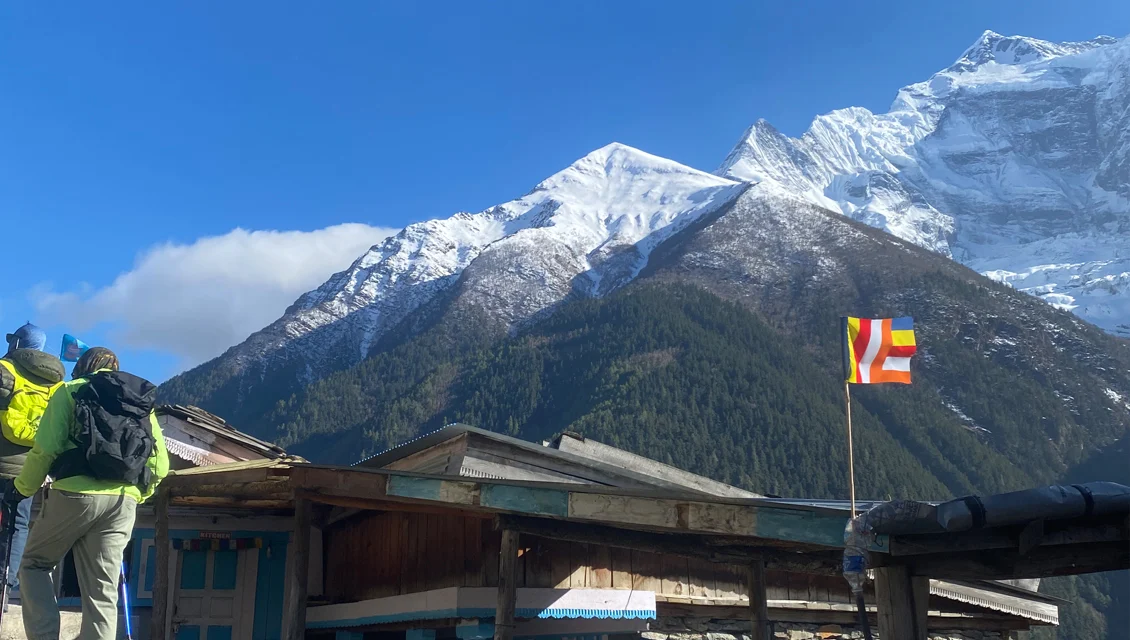
Lower regions reflect Hindu traditions, while upper regions such as Manang and Mustang are deeply influenced by Tibetan Buddhism. Villages feature prayer flags, monasteries, mani walls, and traditional stone architecture that reflect centuries of Himalayan heritage.
In Manang, trekkers experience ancient monasteries and high-altitude lifestyles adapted to harsh environments. In the Kali Gandaki region, the Thakali people are known for their hospitality, trade history, and unique cuisine.
The combination of dramatic geographical variation, cultural richness, and iconic mountain scenery makes the Annapurna Circuit Trek one of the most complete and unforgettable trekking experiences in Nepal.
Temperatures are typical for the best travel months (March–April and October–November) and can change with the weather.
We will pick you up from Tribhuvan International Airport upon your arrival in Kathmandu. One of our representatives from Nord Extreme will warmly welcome you and assist with your transfer to the hotel in Thamel, the vibrant tourist center of Kathmandu.
After check-in, you will have time to rest or explore the lively streets filled with cafés, trekking shops, and cultural landmarks.
In the evening, meet your trekking guide for an introductory briefing about the Annapurna Circuit journey ahead. Overnight in Kathmandu.
Today is dedicated to final trek preparation and official permit arrangements for the Annapurna Circuit region. Our Nord Extreme team will assist you with all required documentation, including TIMS and Annapurna Conservation Area permits.
You will attend a detailed trek briefing covering the itinerary, altitude awareness, acclimatization, safety measures, weather conditions, and trail expectations.
A full gear inspection will also be conducted to ensure you are properly equipped for the trek. You will have additional time for last-minute shopping or renting any missing trekking equipment in Thamel.
Today begins with an early morning drive from Kathmandu to Besisahar, the gateway to the Annapurna region. The scenic journey passes through rivers, terraced rice fields, green hillsides, and traditional villages.
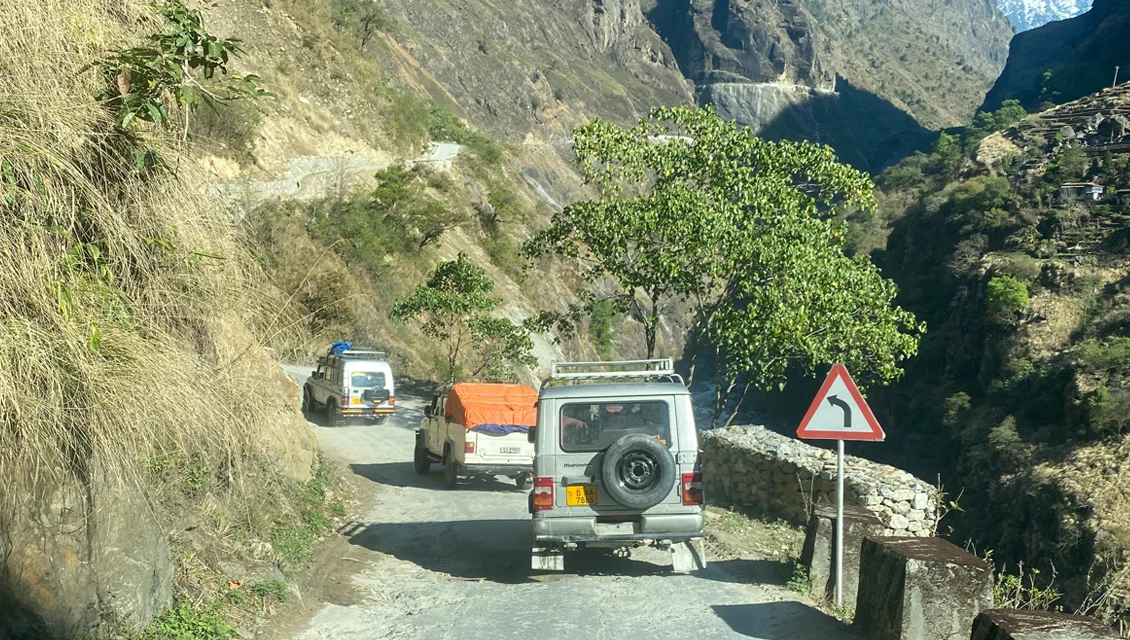
After a lunch stop in Besisahar, continue by jeep toward Dharapani along rugged mountain roads with increasingly dramatic views of the Annapurna and Manaslu ranges. Dharapani is a small mountain settlement and an important entry point for trekkers in the region.
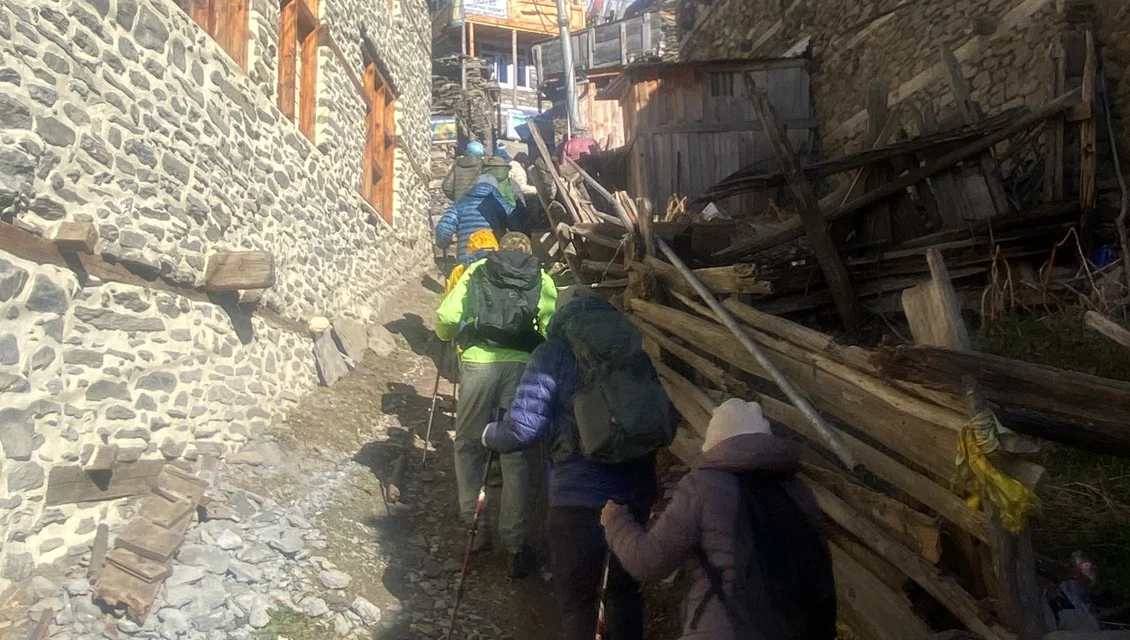
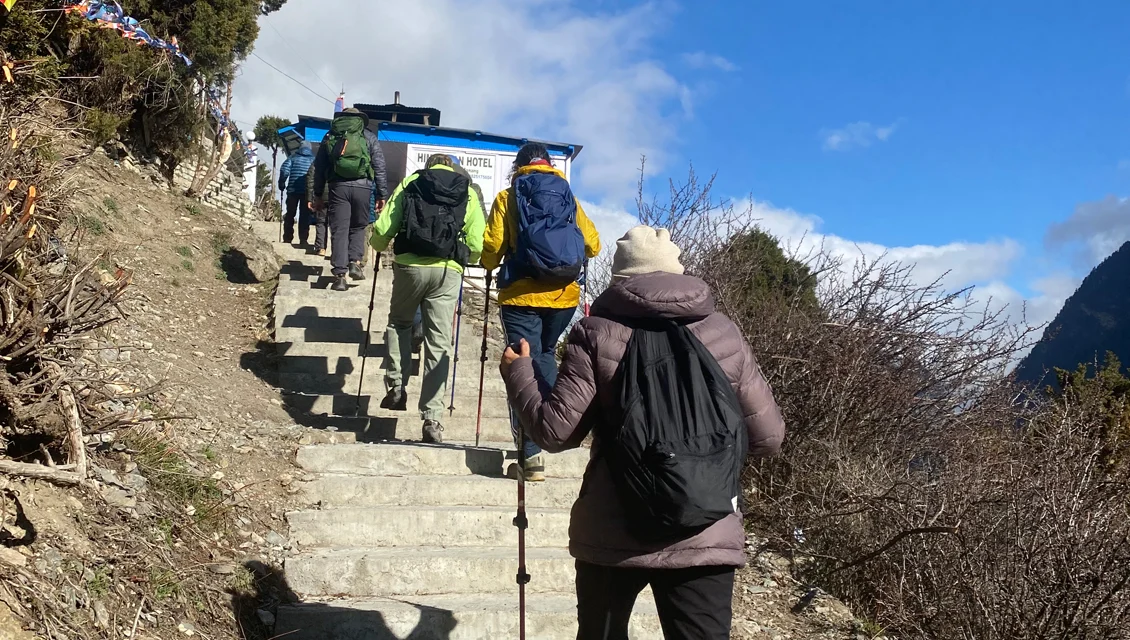
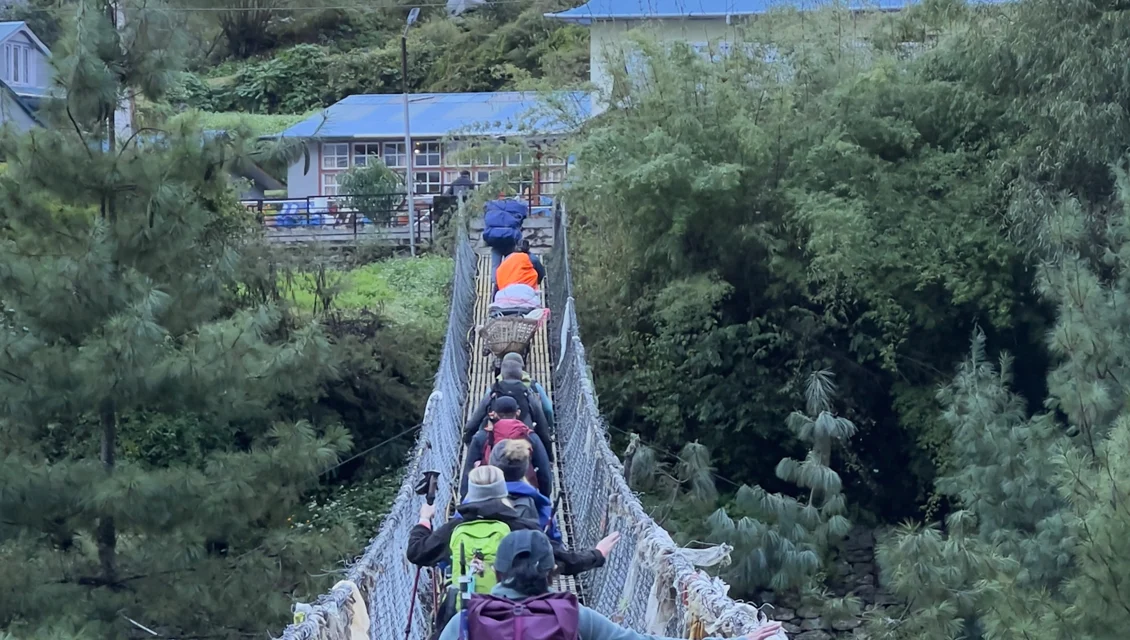
Your trekking adventure officially begins today. The trail ascends gradually through pine and oak forests while crossing suspension bridges above rushing mountain rivers.
Along the route, pass small villages with traditional stone houses and terraced farms. As you approach Chame, magnificent peaks such as Lamjung Himal and Annapurna II dominate the skyline. Chame serves as the administrative center of Manang District and offers comfortable teahouses and lodges.
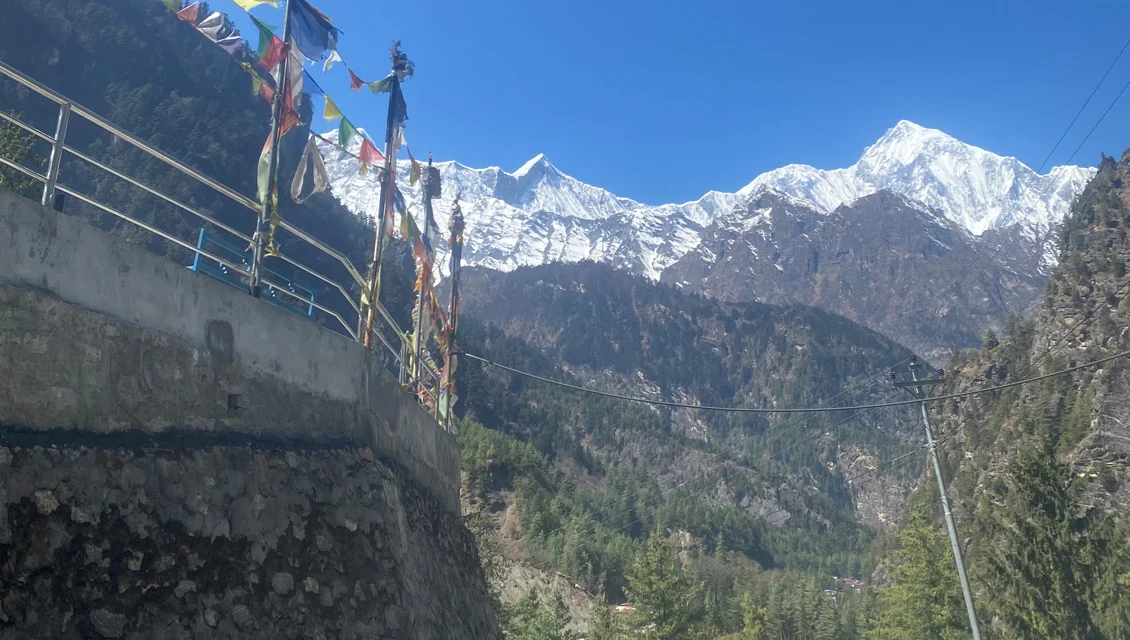
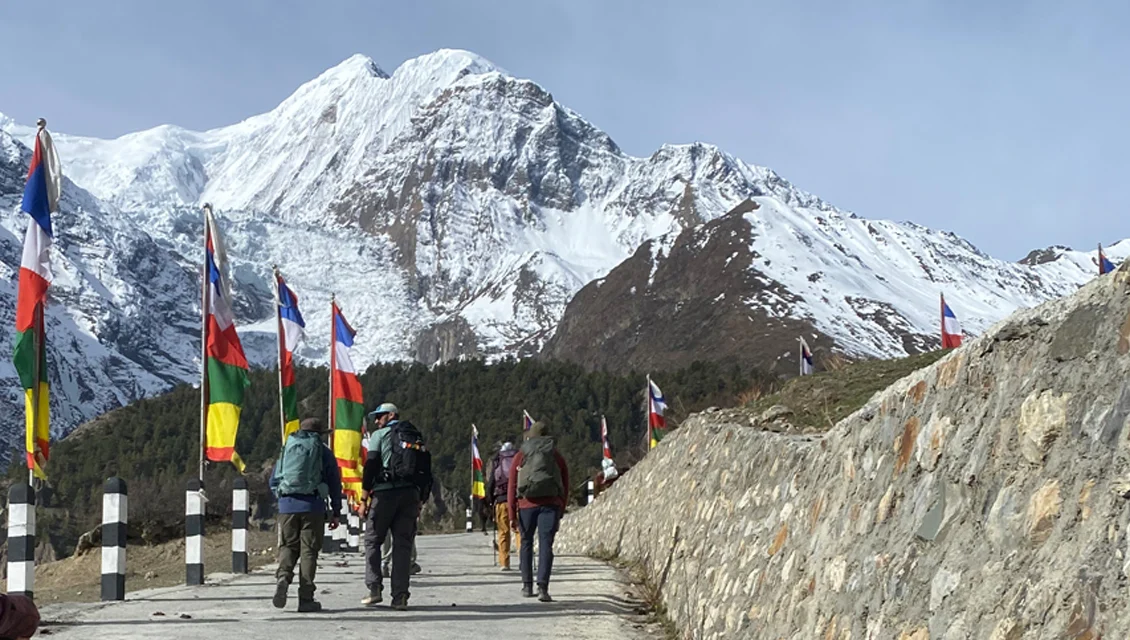
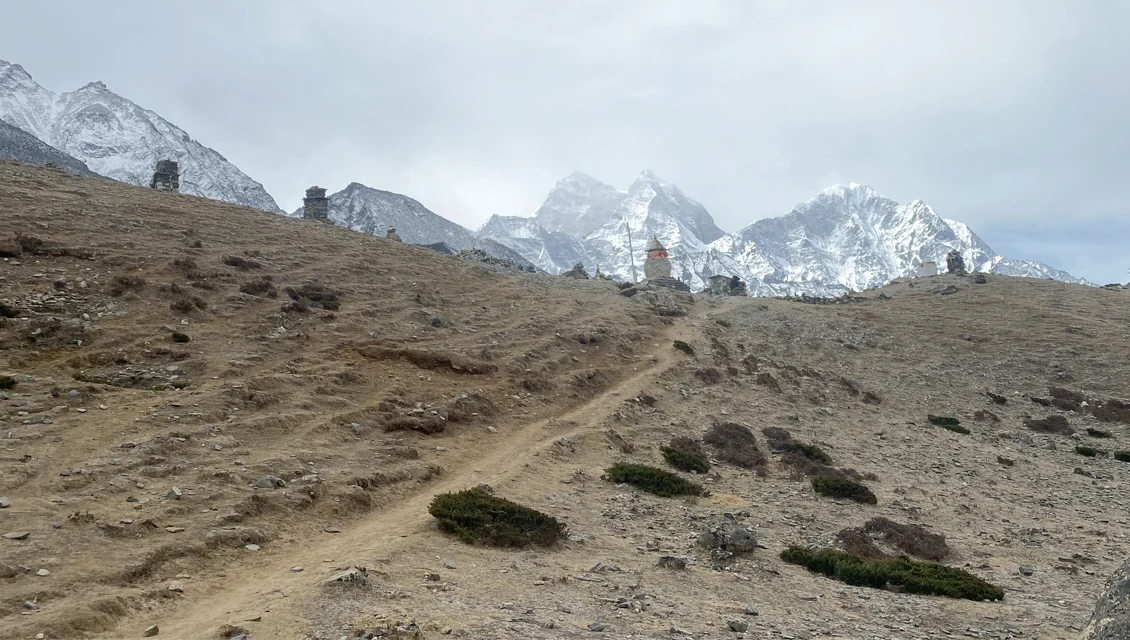
The trail follows the Marsyangdi River through alpine landscapes filled with waterfalls, rocky cliffs, and scattered settlements. Buddhist culture becomes increasingly visible with prayer flags, mani walls, and chortens along the route.
Pisang is divided into Upper and Lower Pisang, with Upper Pisang offering exceptional panoramic mountain views and a culturally rich atmosphere with Tibetan-style homes and monasteries.
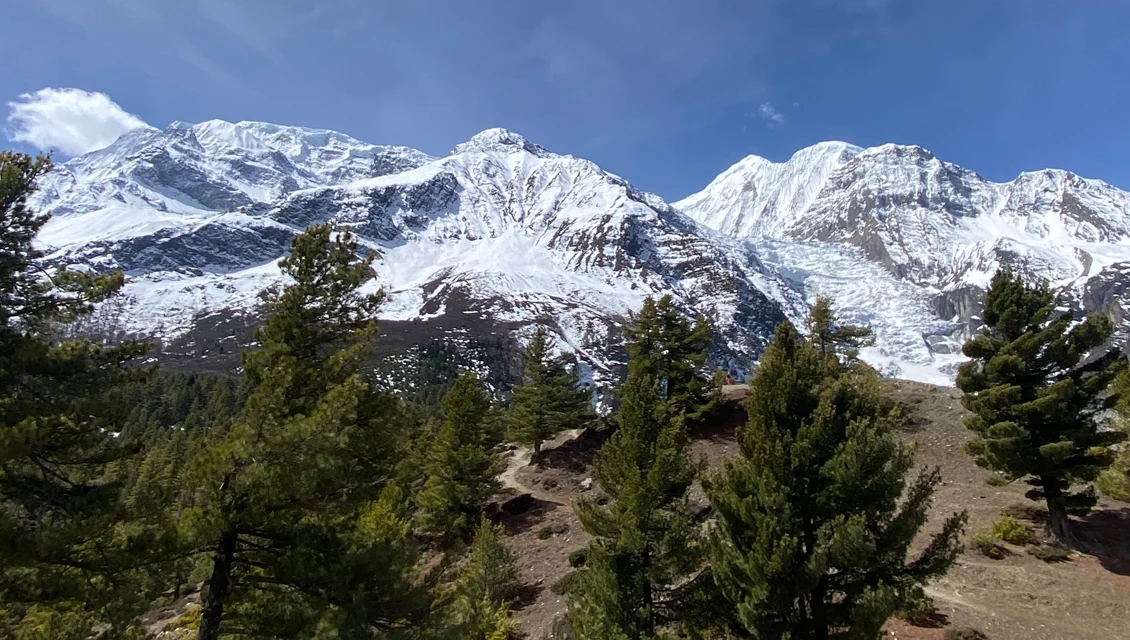
Today’s scenic upper route rewards you with breathtaking views of Annapurna II, III, IV, and Gangapurna peaks. The trail passes through traditional villages, ancient monasteries, and long mani walls inscribed with Buddhist prayers.
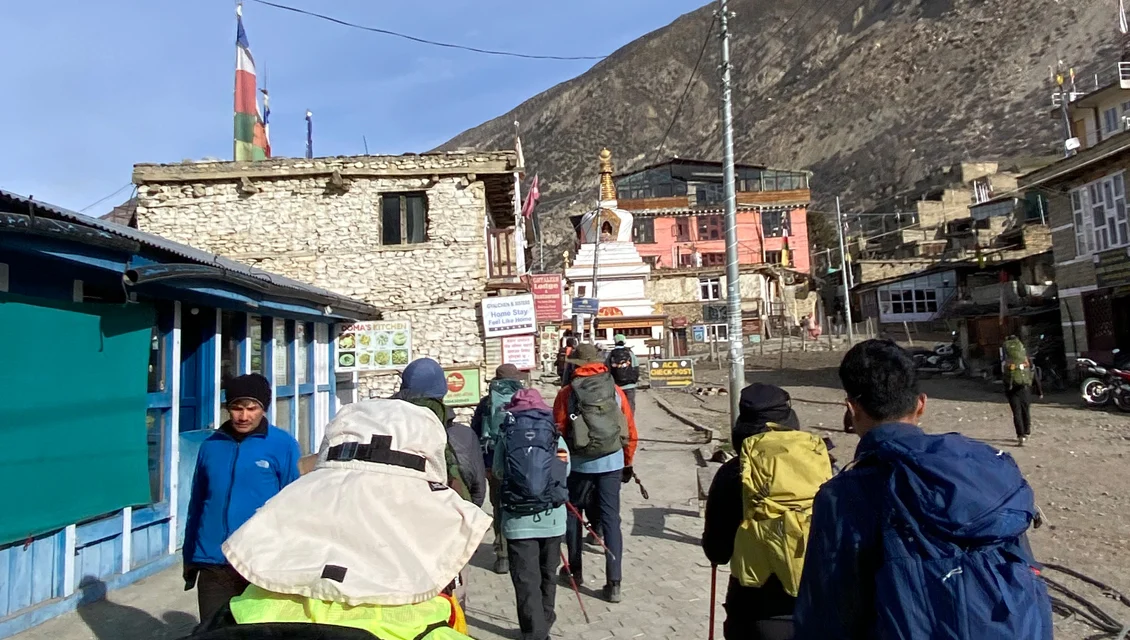
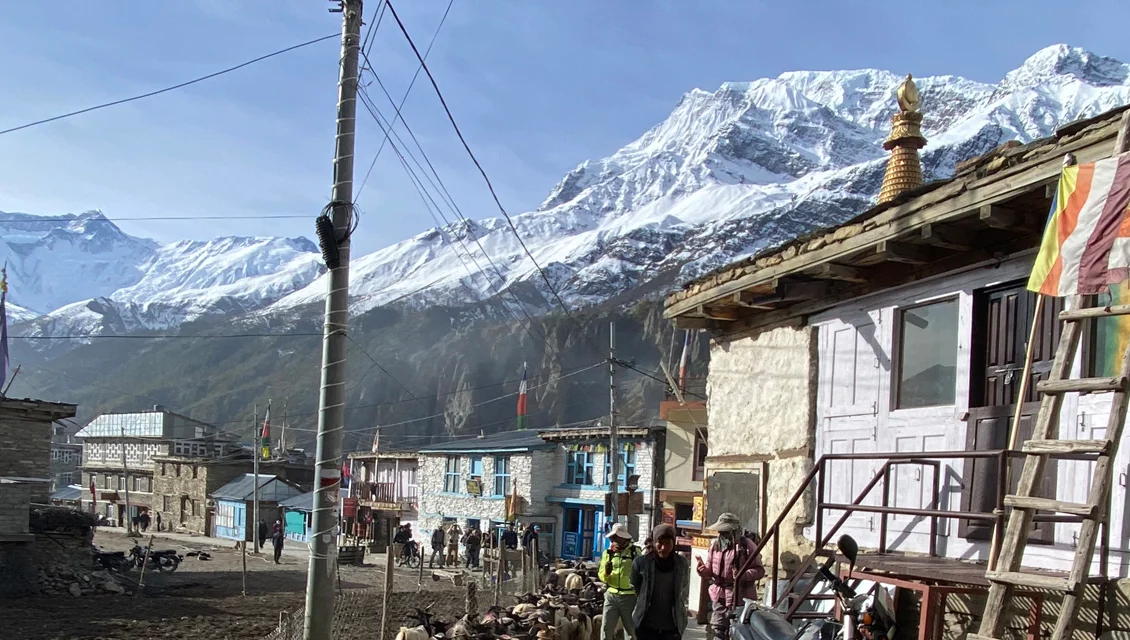
Manang is one of the most important acclimatization stops on the Annapurna Circuit and features a vibrant trekking community with lodges, bakeries, and mountain culture.
To help your body adjust to the increasing altitude, today is reserved for acclimatization and exploration. Optional hikes include Gangapurna Lake or the more challenging Ice Lake hike, both offering spectacular views of glaciers and surrounding peaks.
You can also explore the village, visit monasteries, or attend an altitude-awareness presentation organized by the Himalayan Rescue Association.
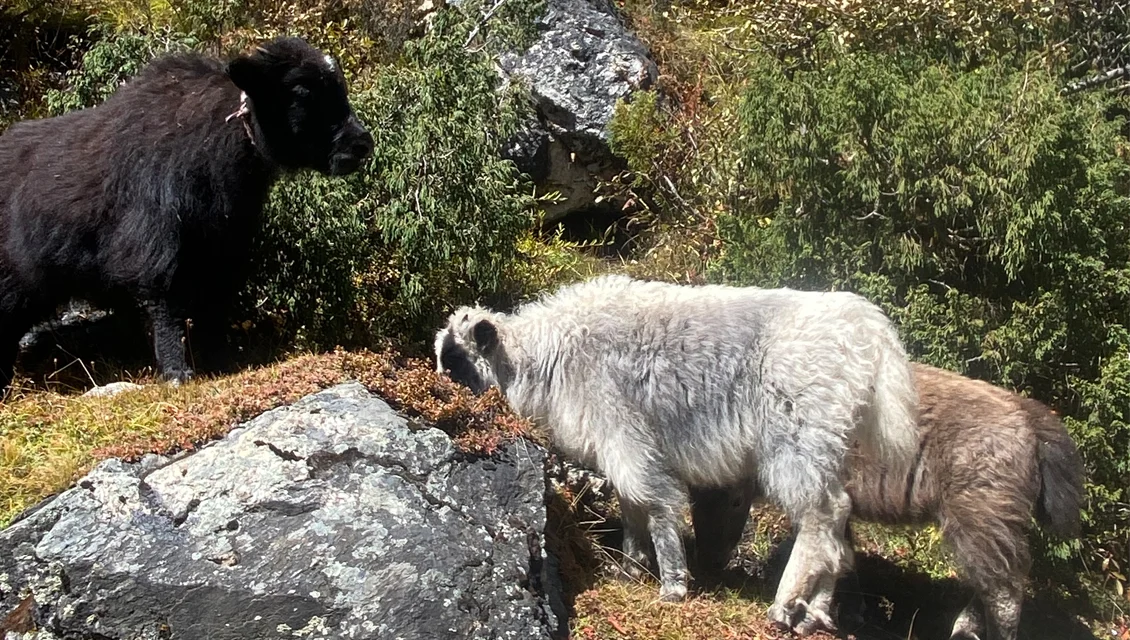
Today’s trail climbs steadily through alpine meadows and sparse vegetation where yaks graze during summer months.
The landscape becomes increasingly barren yet incredibly beautiful, surrounded by towering Himalayan peaks and wide-open valleys. Yak Kharka is a small seasonal settlement with basic teahouses and stunning mountain scenery.
A shorter trekking day allows time for rest and preparation before crossing Thorong La Pass. The terrain becomes more rugged and high-altitude conditions become noticeable.
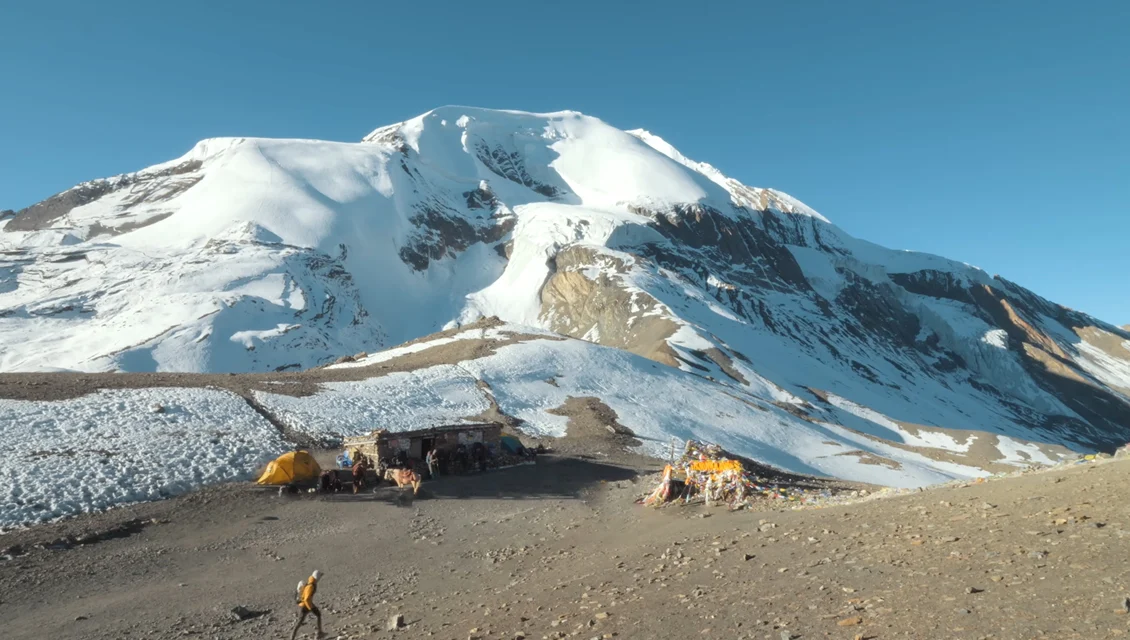
Thorong Phedi serves as the base camp for the pass crossing and provides simple but essential accommodation for trekkers.
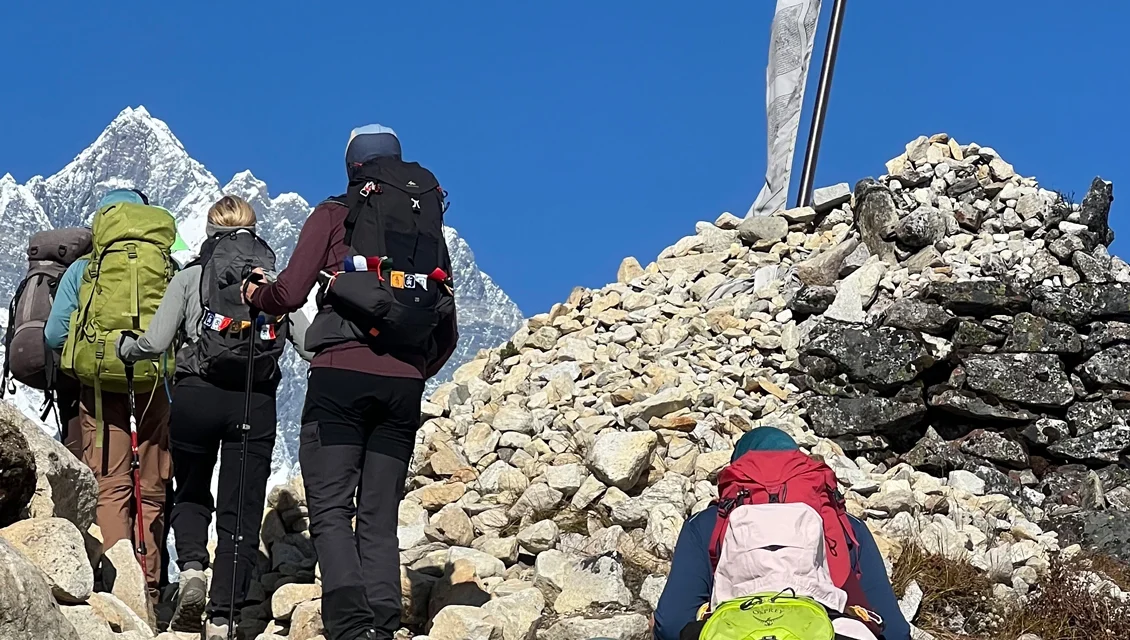
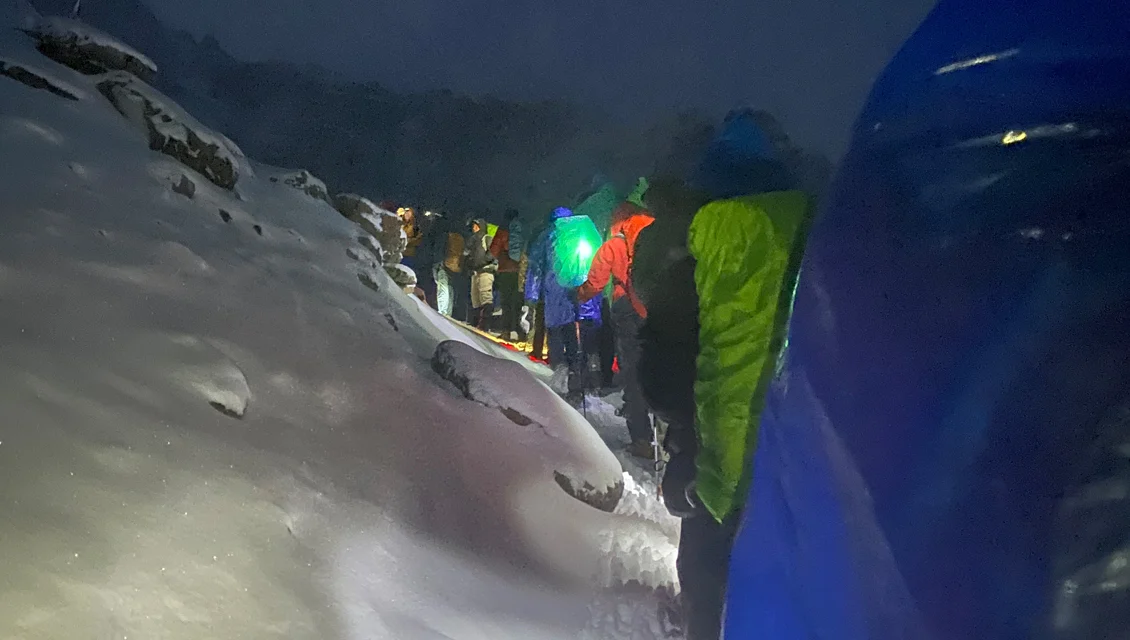
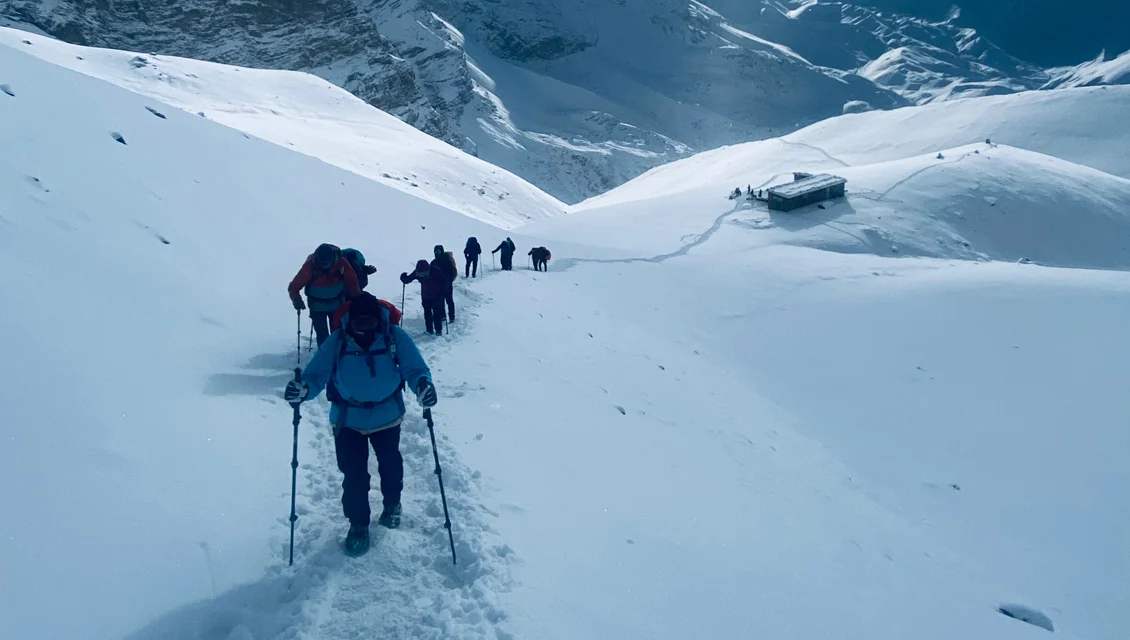
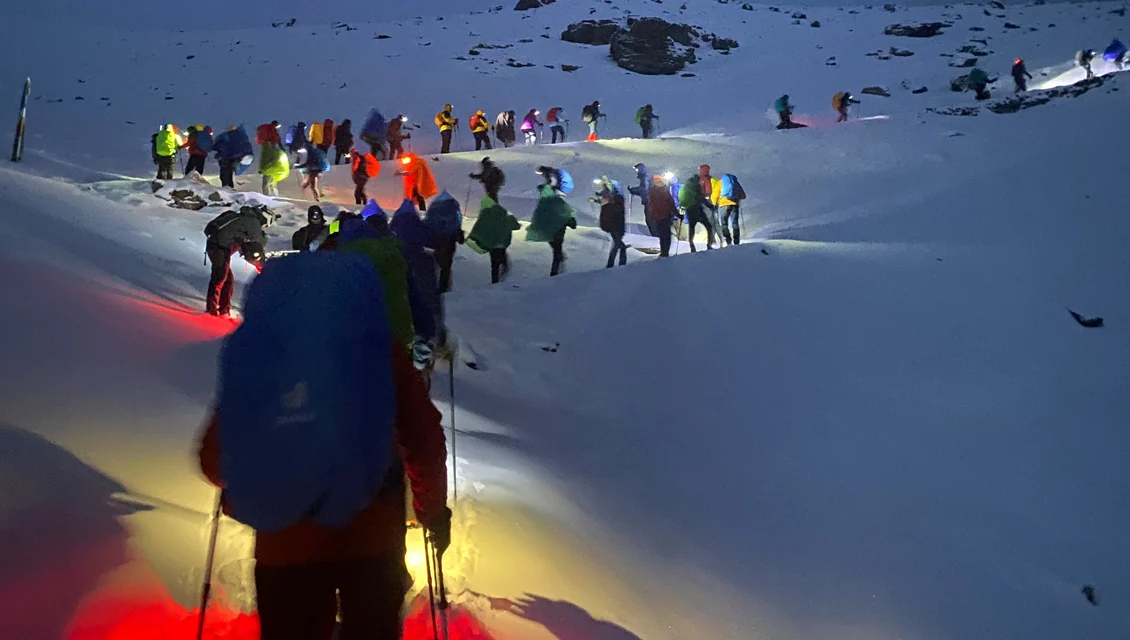
Today is the most challenging and rewarding day of the trek. Begin before dawn for the ascent to Thorong La Pass, one of the world’s highest trekking passes.
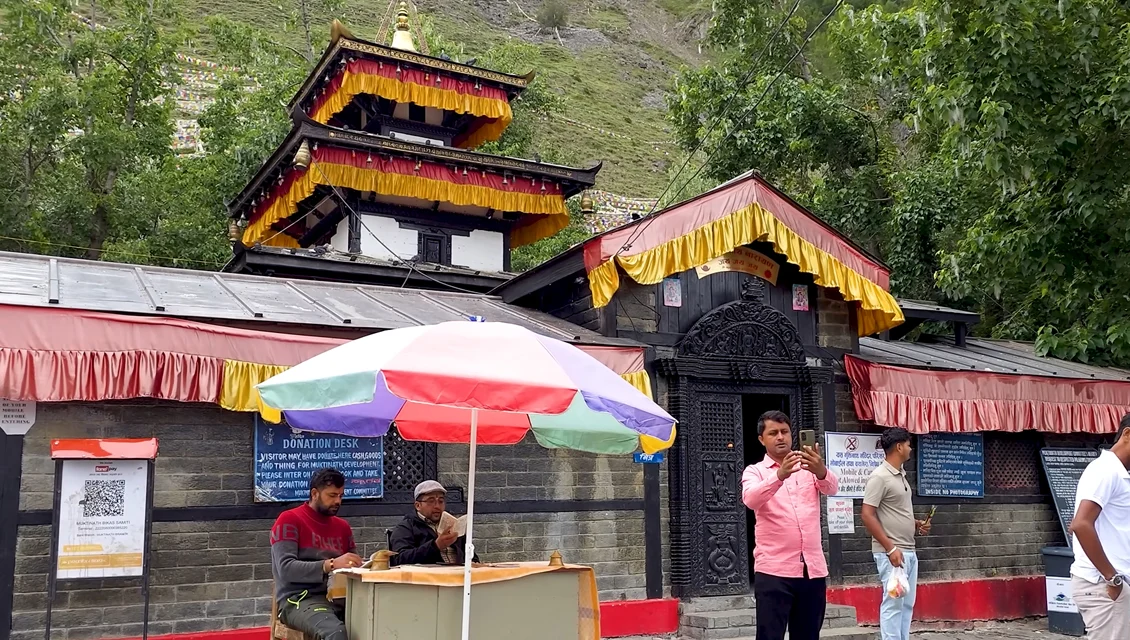
The climb is physically demanding, but the panoramic views from the top—including Dhaulagiri, Annapurna, and Nilgiri—are unforgettable. After celebrating at the summit, descend to Muktinath, an important pilgrimage site sacred to both Hindus and Buddhists.
Continue descending through the dry and windy landscapes of Lower Mustang. You may either trek or take a jeep ride depending on preference and conditions.
Jomsom is a lively mountain town known for apple orchards, local markets, and strong afternoon winds called the “Jomsom wind.” The town offers comfortable lodges and a unique Himalayan desert atmosphere.
From Jomsom, you may take a scenic flight to Pokhara with incredible aerial views of the Himalayas and river valleys below. Pokhara offers a relaxing lakeside atmosphere perfect for recovery and sightseeing.
Alternatively, continue trekking to Tatopani, famous for its natural hot springs where you can relax and soothe tired muscles after days on the trail.
Return to Kathmandu either by scenic domestic flight or overland drive. Once back in the capital, enjoy free time for shopping, sightseeing, or visiting famous cultural landmarks such as Boudhanath Stupa, Pashupatinath Temple, or Durbar Square.
Today marks the end of your Himalayan journey. After breakfast, our Nord Extreme team will transfer you to Tribhuvan International Airport for your onward flight.
We hope you leave Nepal with unforgettable memories of the Annapurna Circuit, its majestic mountain landscapes, and the warmth of Himalayan culture.
The best time for the Annapurna Circuit Trek is March–April and October–November, with May, September and December–February also good. Typical daytime temperatures at Ghorepani / Chhomrong (≈2,500–2,900 m) in those months are around 14 °C, with colder nights at higher camps.
October and November offer crystal-clear views of Annapurna and Machhapuchhre; March to May is warm with blooming rhododendron forests. Lower Annapurna treks such as Poon Hill are possible in winter, while Thorong La and high passes may close after heavy snow.
| Month | Conditions | Day | Night |
|---|---|---|---|
| January | Good — clear skies, cold nights and fewer trekkers | 8 °C | -4 °C |
| February | Good — clear skies, cold nights and fewer trekkers | 9 °C | -3 °C |
| March | Best time — stable weather and clear views | 13 °C | 0 °C |
| April | Best time — stable weather and clear views | 16 °C | 4 °C |
| May | Good — mostly fine weather, fewer crowds | 18 °C | 7 °C |
| June | Possible — monsoon showers and cloud | 19 °C | 10 °C |
| July | Not recommended — monsoon rain, cloud and slippery trails | 19 °C | 11 °C |
| August | Possible — monsoon showers and cloud | 19 °C | 11 °C |
| September | Good — green landscapes, some rain | 18 °C | 9 °C |
| October | Best time — stable weather and clear views | 16 °C | 4 °C |
| November | Best time — stable weather and clear views | 12 °C | 0 °C |
| December | Good — clear skies, cold nights and fewer trekkers | 9 °C | -3 °C |
Average day and night temperatures at Ghorepani / Chhomrong (≈2,500–2,900 m). Higher camps are colder.
Your packing checklist for Annapurna Circuit Trek. Tick items off as you pack — down jackets and sleeping bags can also be rented in Kathmandu.
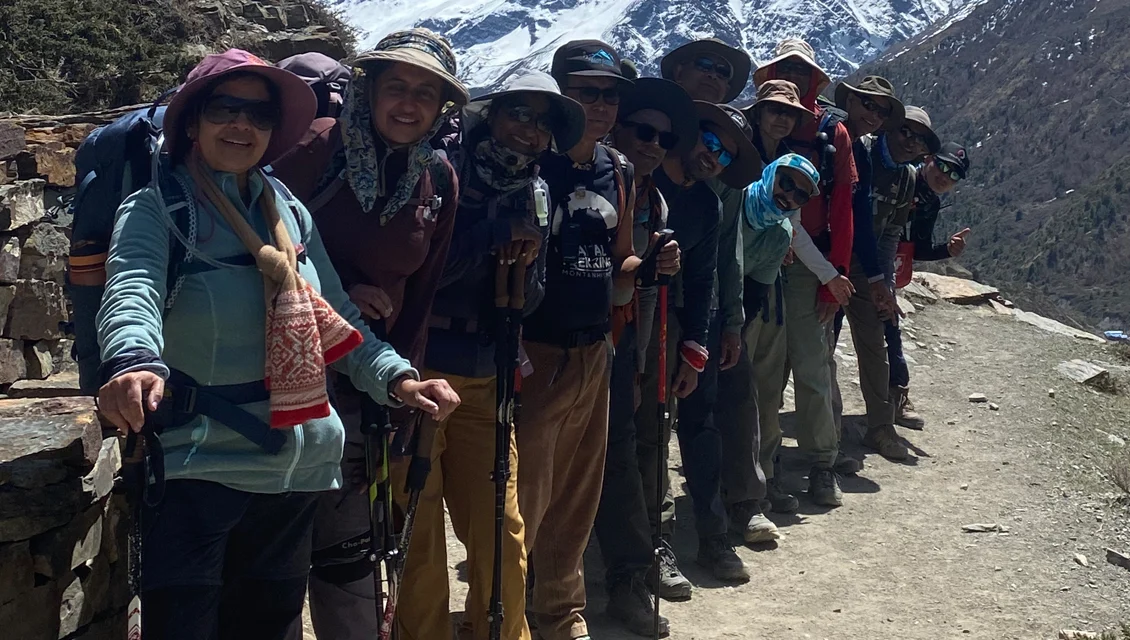
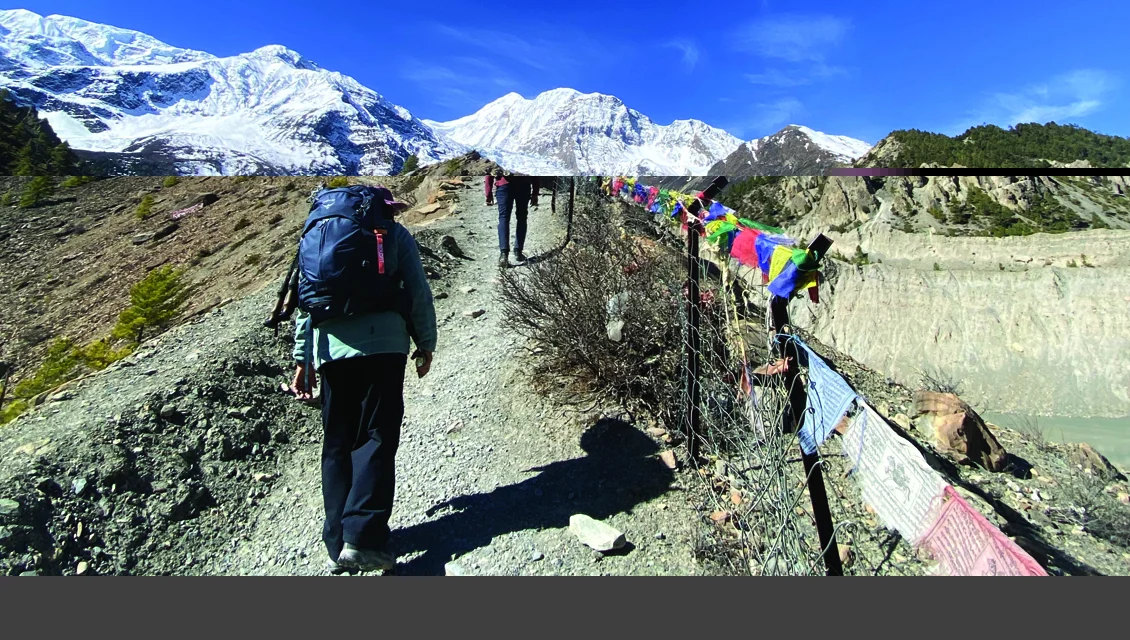
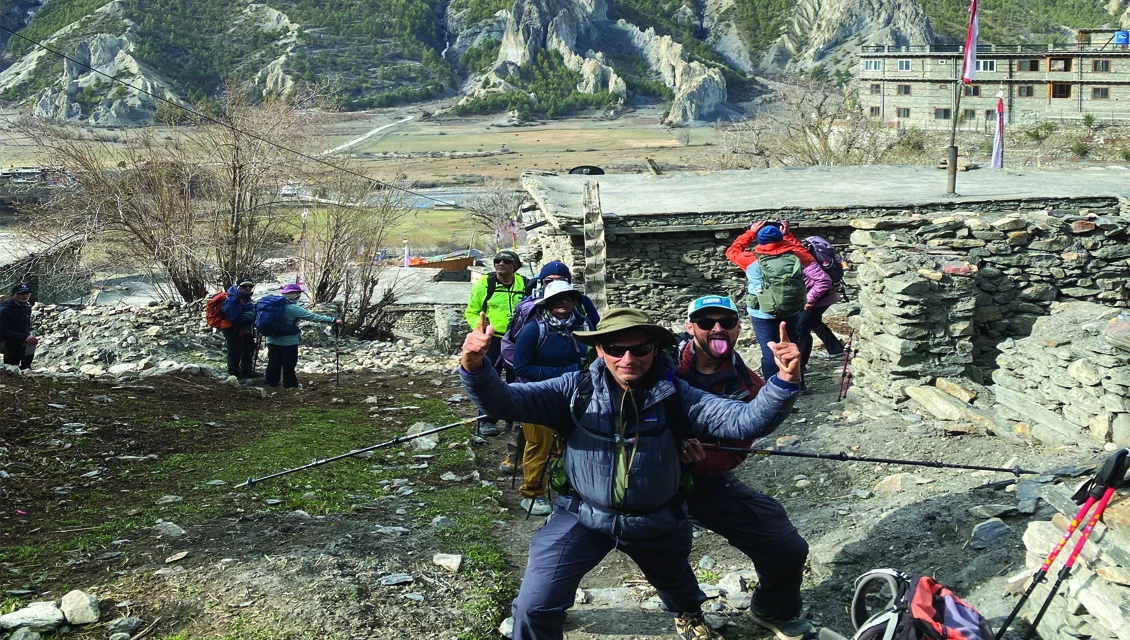
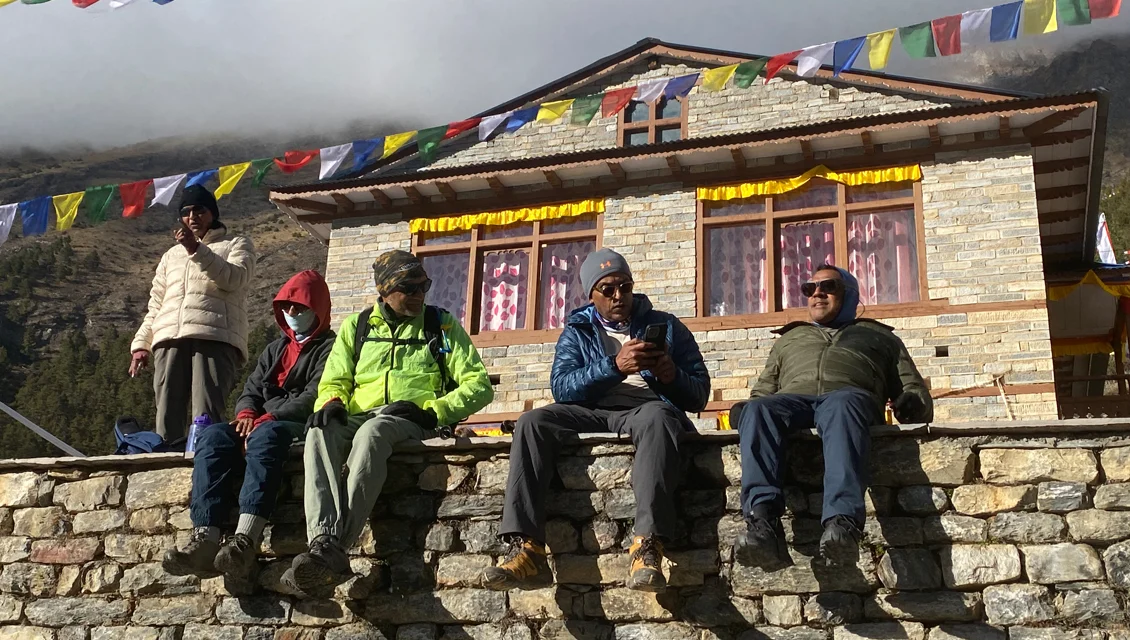
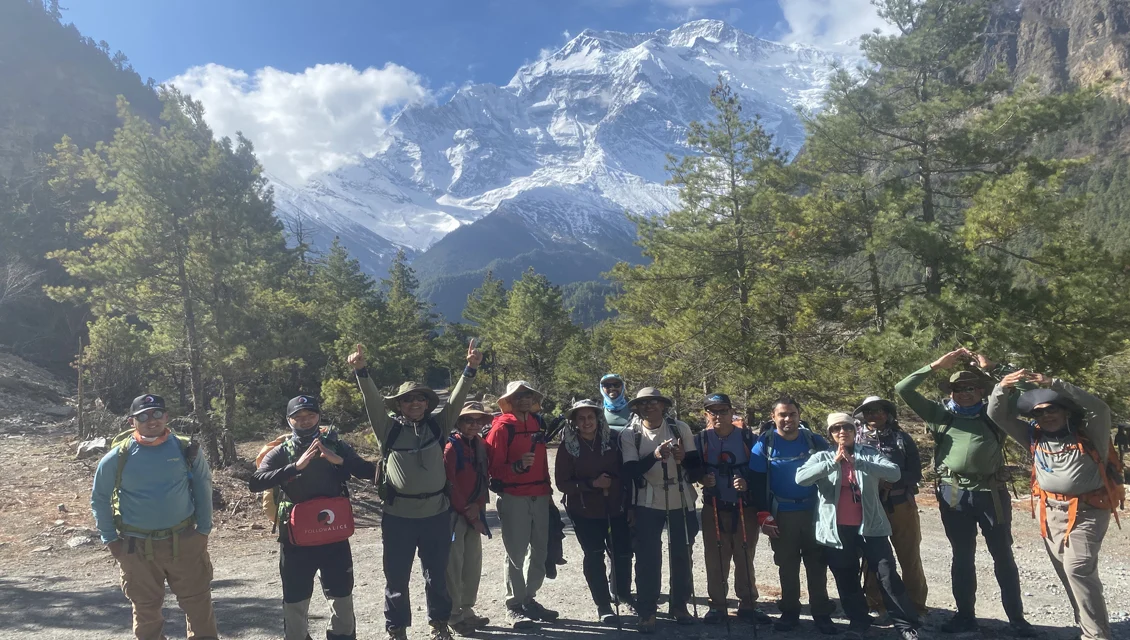
Private departures run on any date. Pick the start date that suits you and we will build the trip around it — same price, your own guide and team.
Accommodation
Accommodation is provided in teahouses and mountain lodges along the entire route.
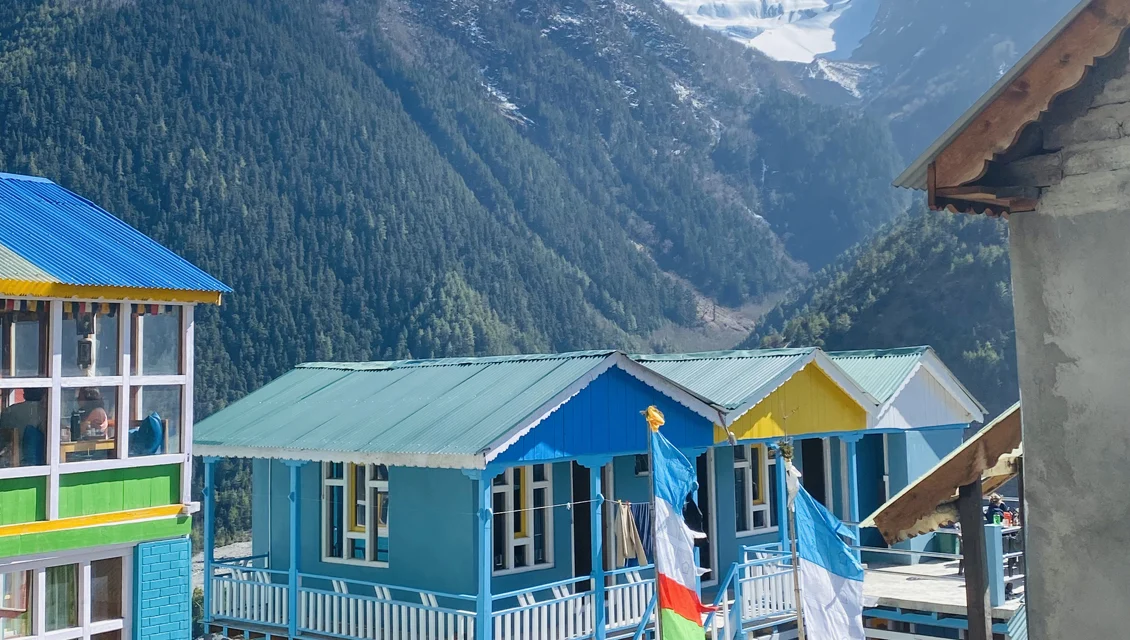
Lower regions such as Besisahar, Chame, and Pisang offer relatively comfortable lodges with better facilities. As the trek ascends toward Manang and higher alpine zones, accommodation becomes more basic due to altitude and remoteness.
Rooms are generally twin-sharing with simple bedding and shared bathroom facilities.
Meals
A full-board meal system (Breakfast, Lunch, and Dinner) is available throughout the trek. Meals are freshly prepared and designed to support high-altitude trekking energy needs.
Typical menu options include:
Food variety decreases in higher regions such as Manang and Thorong Phedi.
Difficulty & Physical Requirements
The Annapurna Circuit Trek is classified as moderate to strenuous, suitable for trekkers with good fitness and prior trekking experience.
Daily trekking ranges from 5 to 8 hours, with significant altitude gain and challenging terrain.
The most difficult section is the crossing of Thorong La Pass (5,416m), which requires early morning ascent, cold weather endurance, and strong stamina.
Permits
Required permits include:
All permits are arranged by the trekking agency.
Best Season
Transportation & Access
The trek typically begins with a drive from Kathmandu to Besisahar, followed by jeep travel deeper into the Annapurna valley.
The route continues through Chame, Pisang, and Manang before crossing Thorong La Pass and descending toward Muktinath Temple and Jomsom.
Many trekkers end the journey with a flight or drive from Jomsom or Pokhara.
Safety & Acclimatization
Proper acclimatization is essential due to high altitude exposure above 5,000m.
Key acclimatization stops include Manang and Thorong Phedi/High Camp.
Important safety considerations include:
Guides play a key role in ensuring safe passage across high-altitude sections.
Travel Insurance
Comprehensive travel insurance is mandatory and must include:
Guide & Porter Services
Licensed trekking guides are highly recommended and often mandatory in remote sections.
Porters assist with luggage carrying, allowing trekkers to manage long and demanding trekking days more comfortably.
Cultural & Natural Highlights
The Annapurna Circuit Trek is known for its incredible diversity:
Essential Equipment
Recommended trekking gear includes:
Communication & Connectivity
Mobile network coverage is available in lower regions but becomes limited in Manang and high pass areas.
Wi-Fi is available in some teahouses at lower elevations, but connectivity is unreliable in high-altitude sections.
Why Choose the Annapurna Circuit Trek?
This trek is ideal for travelers seeking a complete Himalayan experience:
The Annapurna Circuit Trek is graded Moderate — suitable for most active travellers. Expect 5–7 hours of walking on most days on mountain trails with plenty of ascents and descents. Regular cardio training — hiking, running, cycling or stair climbing — for 6–8 weeks before departure makes the trip far more enjoyable.
For the Annapurna region the best months are March–April and October–November. October and November offer crystal-clear views of Annapurna and Machhapuchhre; March to May is warm with blooming rhododendron forests. Lower Annapurna treks such as Poon Hill are possible in winter, while Thorong La and high passes may close after heavy snow.
You need the Annapurna Conservation Area Permit (ACAP) and the trekkers’ TIMS card. Nord Extreme arranges every permit for you before the trip starts — check the "Includes" section above for exactly what is covered in the price. Just bring your passport and a few passport-size photos.
In Kathmandu you stay in a comfortable hotel; on the trail we use the best available family-run teahouses and lodges with twin-share rooms, shared or attached bathrooms and a warm dining room. Upgrades to luxury lodges are possible on popular routes such as Everest and Annapurna.
Both. You can join one of the fixed departures listed under "Dates & Prices", or book a private trip for just you, your family or friends on any date. Solo travellers are welcome — you will always have your own licensed guide.
Yes, travel insurance is compulsory. It must cover medical treatment and emergency helicopter evacuation up to the trip’s highest altitude, plus trip cancellation. Please send us your policy details before departure.
See the "What to bring" checklist on this page for the full list. The essentials are broken-in boots, warm layers, a down jacket, a waterproof shell, sun protection and a daypack. Down jackets and sleeping bags can be rented cheaply in Kathmandu, and a porter carries your main bag (up to 10–12 kg).
Keep exploring

Namaste! 🙏
Welcome to Nord Extreme Himalaya. Questions about Annapurna Circuit Trek? Send us a message — a Sherpa trip expert in Kathmandu will reply on WhatsApp.
Mr. Sonam G. SherpaOpens WhatsApp · +9779851078748