Visa & Fees
- Visa & SDF: Bhutan visa processing and the Sustainable Development Fee (SDF) for tourism in Bhutan.
Tucked away in the eastern Himalayas, Bhutan is a hidden kingdom where ancient traditions, spirituality, and breathtaking landscapes come together. Known as “The Last Shangri-La,” Bhutan offers a unique travel experience that combines cultural richness, natural beauty, and a deep sense of peace. A 10-day tour of Bhutan is not just a vacation—it’s a journey into one of the world’s most mystical and mindful destinations.
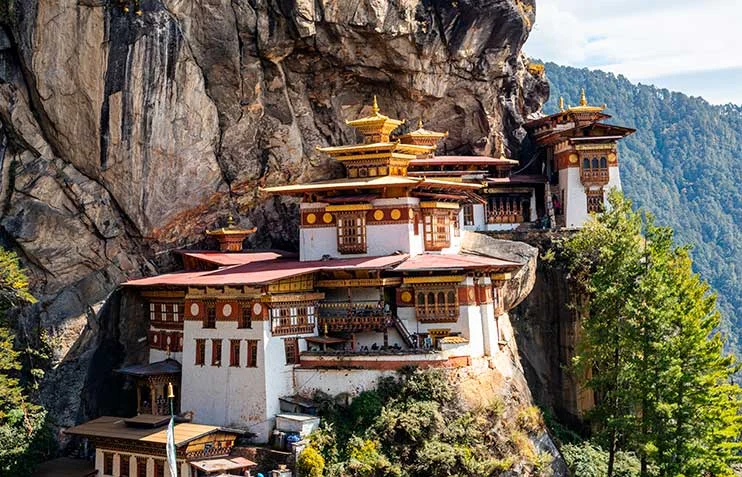
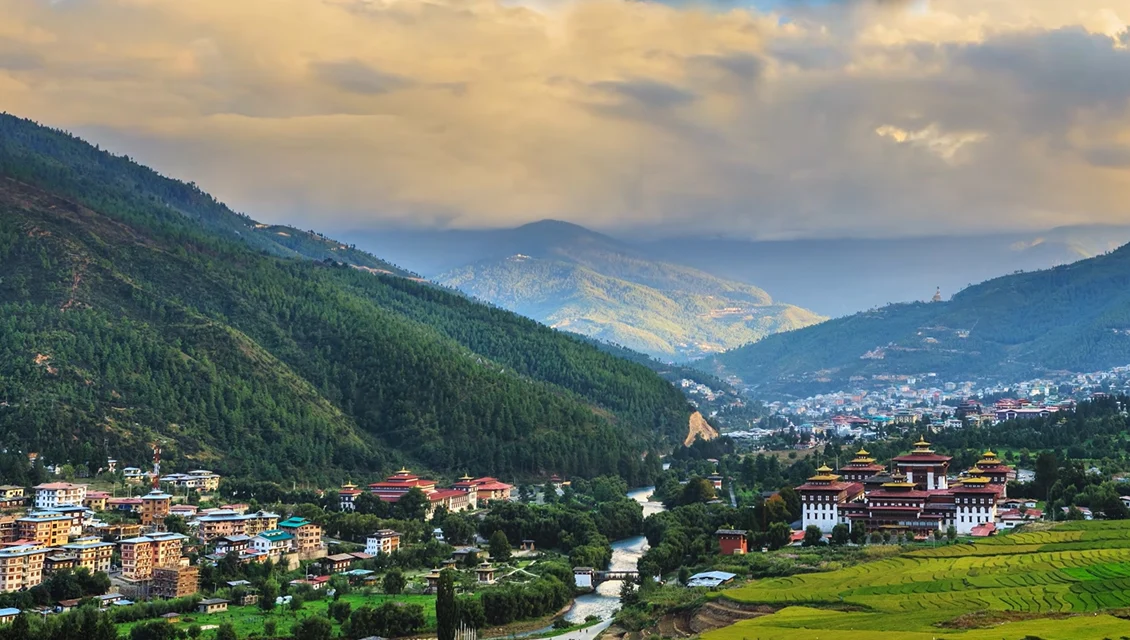
Bhutan’s geography is one of dramatic contrasts. The country rises from lowland subtropical plains in the south to the towering Himalayan peaks in the north, including Gangkhar Puensum, the world’s highest unclimbed mountain. Its central region is dominated by lush valleys, rivers, and forests that support a variety of flora and fauna. Key areas on a typical 10-day tour include Paro, home to the iconic Taktsang Monastery (Tiger’s Nest); Thimphu, the capital; Punakha with its majestic dzong; and Bumthang, the spiritual heartland.
The Bhutanese people are known for their hospitality, humility, and strong Buddhist values. The population is mainly comprised of three ethnic groups: the Ngalops (in the west), the Sharchops (in the east), and the Lhotshampas (in the south). Bhutan is the only country that measures its success through Gross National Happiness (GNH) rather than GDP, placing high value on environmental protection, cultural preservation, and spiritual well-being.
The climate varies by altitude. Southern Bhutan is warm and humid, while central and northern Bhutan experience a temperate to alpine climate. Spring (March to May) and autumn (September to November) are ideal for travel, with clear skies, blooming landscapes, and comfortable temperatures.
Bhutan has one international airport, located in Paro, with limited flights from cities like Bangkok, Delhi, and Kathmandu. Due to the country’s mountainous terrain, most domestic travel is by road, using private vehicles arranged by your tour operator. Though the roads are winding and sometimes narrow, they offer stunning views and access to remote valleys and monasteries. Road trips between regions, such as from Thimphu to Punakha or Bumthang, are part of the experience, adding depth and immersion to the journey.
The flight to Paro is one of the most spectacular mountain flights in the world, with a constantly changing panorama of some of the highest mountains on earth. This beautiful valley is home to many of Bhutan’s oldest monasteries and temples, and the country’s only International airport. After being welcomed with “Khadar” (traditional scarf), a BJPTT representative will provide you with the necessary assistance for completion of all immigration and customs formalities. After lunch enjoy afternoon sightseeing around Paro transported by luxury 4WD, including a visit to the Ta Dzong Museum housing many religious relics, works of art and handicrafts offering a great orientation into Bhutan’s historical, cultural, and religious past. Next, visit the RimpongDzong to see the painting of the great saint Milarepa, considered as the master of meditation by the Bhutanese and believed to have attained enlightenment in a lifetime. Dzong’s are large monasteries and district administrative centres, which were once strategic forts. Afterwards, drive to the capital, Thimphu (1.5 hours). Overnight in Thimphu.
Enjoy a full day of sightseeing, including a visit to the National Memorial Chorten, completed by the Royal Queen Mother as a memorial stupa for the Third King who passed away in 1972. Continue on to 12th century Changangkha Temple and Zilukha Nunnery. If there is time, you may visit Tashichhodzong, ‘the fortress of the glorious religion’ housing ministries, His Majesty’s secretariat, and the central monk body. Overnight in Thimphu.
Transfer to Phobjikha Valley (5.5-6 hrs). Drive by luxury 4WD over the Dochu-La pass (3,100 meters) which on a clear day offers an incredible view of Himalayan peaks before descending into balmy Punakha valley (about 3 hrs total driving time). The drive through the countryside affords a glimpse of everyday life in this most remote of Himalayan kingdoms.Continue on through the bustling market town of Wangduephodrang, and up winding mountain roads through mixed forests and over high passes before descending down into the wide and picturesque Phobjikha Valley. Phobjikha is one of Bhutan’s few glacial valleys, and chosen winter home of black necked cranes (November – March) migrating from the Tibetan plateau. Overnight in Phobjikha Valley
Following breakfast visit the Phobjikha Sanctuary to view the majestic black necked cranes (Nov-Mar only) and GangteyGompa (Monastery), dating back to the 16th century. Afterwards drive by luxury 4WD over the Pele La pass (3,420m) on the Black Mountain range towards Trongsa (4.5 hrs). Enroute visit the beautiful 18th century ChendebjiChorten. Trongsa is the ancestral home of Bhutan’s ruling dynasty. Visit TrongsaDzong, the largest Dzong in Bhutan and the Ta Dzong museum housing a collection of historical artifacts of the Royal Family. Continue driving towards Bumthang (2.5 hrs), the spiritual of the kingdom. Bumthang is home to some of Bhutan’s oldest Palaces, Buddhist temples and monasteries. Overnight in Bumthang.
In the morning visit KurjeyLhakhang, one of the most sacred places in the kingdom where Bhutan’s patron saint Guru Rimpoche meditated and 7th century JambayLhakhang. It dates back to the origins of Buddhism in Bhutan and is one of the Kingdoms oldest temples.After lunch continue sightseeing including JakarDzong and TamshingLhakhang, founded in 1501 by Pemalingpa and containing interesting and ancient Buddhist wall paintings. Overnight in Bumthang.
Depart for Punakha stopping along the way at Trongsa for lunch. Overnight in Punakha.
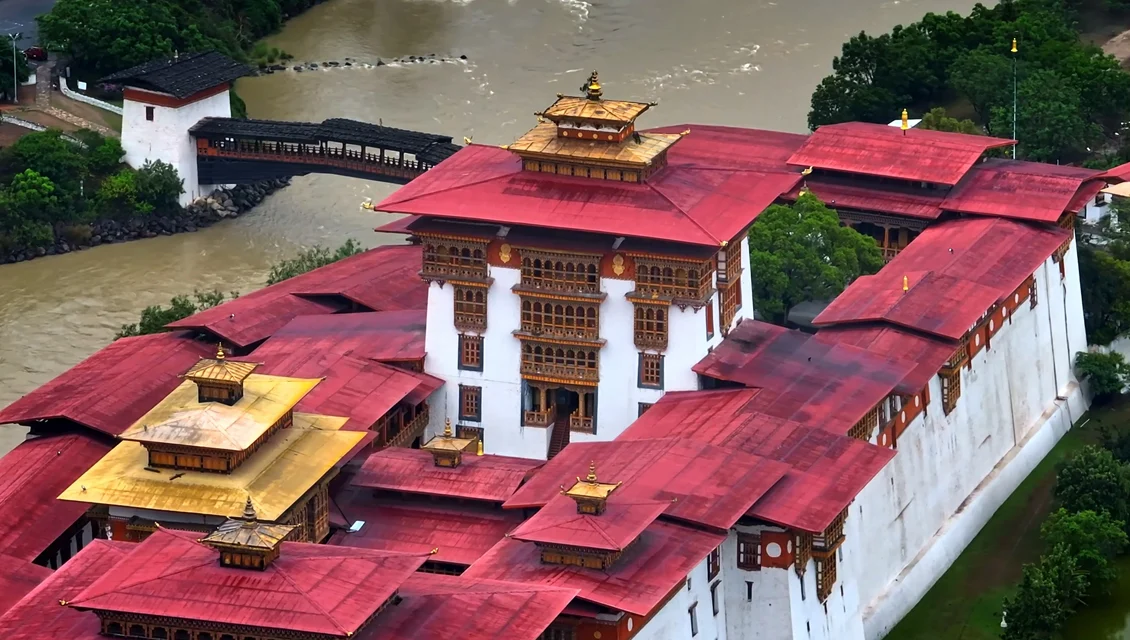
Punakha was the ancient capital of Bhutan. Visit PunakhaDzong, the “Palace of Great Happiness” built in 1637 by the Shabdrung, the ‘Unifier of Bhutan’ as predicted by the great Guru Rimpoche (Padmasambhava). It is the winter headquarters of the Je Khenpo and hundreds of monks who move en masse from Thimphu to this warmer location. The three story main temple of the PunakhaDzong is a breathtaking example of traditional architecture with four intricately embossed entrance pillars crafted from cypress and decorated in gold and silver. It was here in 1907 that Bhutan’s first king was crowned. After lunch enjoy an excursion by 4WD or on foot to Yabesa village and hike to through ricefields and up to KhamsumYuelleyNamgyalChorten, built by her majesty the queen AshiTsheringYangdonWangchuk. Perched high on a hill on the bank of the river, the Chorten houses paintings belonging to Nyingmapa Traditions. In the afternoon you have an option of returning to Uma Punakha for time at leisure, or a short excursion to ChimiLhakhang, temple of DrukpaKuenly. He inherited the Divine Madman title since he revolted against the orthodox Buddhism in his time. Overnight in Punakha.
Drive back to Thimphu by luxury 4WD where you will have an opportunity to visit handicraft and souvenir stores, and enjoy lunch. Afterwards proceed to Paro and check into your luxury hotel. The remainder of the day is free to explore the Parotownship, or enjoy the spa treatments available at your accommodations. Overnight in Paro.
After breakfast hike to Taktsang Monastery. The walk of approximately 2 hours uphill takes you almost a kilometre above the Paro valley floor (for those who cannot hike we will arrange a horse for transfer up to the viewing point). The view of Taktsang Monastery built on a sheer cliff face 900 metres above the valley floor is a spectacular sight. The Monastery is also an important pilgrim site for the Buddhists. The great Guru Rimpoche is said to have flown here on the back of a tigress when he brought the teachings of the Buddhist Dharma to Bhutan in the 8th Century. Refreshments and lunch will be arranged in the tent specifically pitched on the path to Taktsang Monastery. On the return drive to Paro, visit 7th Century KyichuLhakhang, one of the 108 temples constructed by the Tibetan king SongtsenGampo. Afternoon is at leisure. Overnight in Paro.
Enjoy breakfast before driving to the airport for flight to your onward destination.
The best time for the Bhutan The Last Shangri La Tour is March–May and October–November, with September and December–February also good. Typical daytime temperatures at Paro (2,280 m) in those months are around 17 °C, with colder nights at higher camps.
Spring (March–May) brings rhododendrons and the Paro Tsechu festival; autumn (September–November) has clear Himalayan views and the Thimphu Tsechu. Winter is cold but bright, and the summer monsoon is green with fewer visitors.
| Month | Conditions | Day | Night |
|---|---|---|---|
| January | Good — clear skies, cold nights and fewer trekkers | 9 °C | -5 °C |
| February | Good — clear skies, cold nights and fewer trekkers | 10 °C | -2 °C |
| March | Best time — stable weather and clear views | 14 °C | 1 °C |
| April | Best time — stable weather and clear views | 17 °C | 4 °C |
| May | Best time — stable weather and clear views | 21 °C | 10 °C |
| June | Possible — monsoon showers and cloud | 23 °C | 14 °C |
| July | Possible — monsoon showers and cloud | 24 °C | 15 °C |
| August | Possible — monsoon showers and cloud | 24 °C | 15 °C |
| September | Good — green landscapes, some rain | 22 °C | 13 °C |
| October | Best time — stable weather and clear views | 19 °C | 6 °C |
| November | Best time — stable weather and clear views | 14 °C | 0 °C |
| December | Good — clear skies, cold nights and fewer trekkers | 11 °C | -4 °C |
Average day and night temperatures at Paro (2,280 m). Higher camps are colder.
Your packing checklist for Bhutan The Last Shangri La Tour. Tick items off as you pack — down jackets and sleeping bags can also be rented in Kathmandu.
Private departures run on any date. Pick the start date that suits you and we will build the trip around it — same price, your own guide and team.
Duration
The Last Shangri-La Tour is a comprehensive cultural journey through the Kingdom of Bhutan, typically lasting 6–10 days, depending on the itinerary. The tour allows visitors to explore Bhutan's most significant cultural landmarks, ancient monasteries, traditional villages, and spectacular Himalayan landscapes while enjoying a relaxed travel pace.
Tour Grade
This is an Easy cultural sightseeing tour suitable for travelers of all ages and fitness levels. The itinerary includes comfortable road journeys, guided sightseeing, short nature walks, and optional hikes to monasteries and viewpoints. No previous trekking experience is required.
Altitude
The tour generally ranges between 2,200 metres and 3,200 metres, depending on the destinations visited. The highest point is usually Dochula Pass (3,100 m), where visitors can enjoy breathtaking panoramic views of the snow-capped Himalayan range. The moderate altitude allows most travelers to adapt comfortably without significant altitude-related concerns.
Destinations
The tour visits Bhutan's most iconic destinations, including Paro, Thimphu, Punakha, and Dochula Pass. Depending on the itinerary, additional visits may include Phobjikha Valley, Gangtey Monastery, Bumthang Valley, or other cultural and scenic regions, providing a well-rounded introduction to Bhutan's natural beauty and spiritual heritage.
Accommodation
Accommodation is provided in carefully selected 3-star, 4-star, or luxury hotels and resorts, depending on the chosen travel package. All properties offer comfortable rooms, modern amenities, and warm Bhutanese hospitality, ensuring a relaxing stay throughout the journey.
Meals
Daily breakfast, lunch, and dinner are included throughout the tour. Guests can enjoy a variety of traditional Bhutanese cuisine alongside Indian, Asian, and Continental dishes prepared using fresh local ingredients. Special dietary requirements can be accommodated with advance notice.
Transportation
All transportation is provided in comfortable private tourist vehicles with experienced professional drivers. Airport transfers, sightseeing excursions, and intercity travel are included, allowing visitors to travel safely and comfortably through Bhutan's picturesque valleys and mountain roads.
Best Time to Visit
The Last Shangri-La Tour can be enjoyed throughout the year. However, the best seasons are March to May and September to November, when the weather is pleasant, skies are clear, flowers are in bloom, and mountain views are at their finest. These seasons also coincide with many of Bhutan's colourful religious festivals.
Permits and Visa
All international visitors require a valid passport, a Bhutan tourist visa, and must travel through a licensed Bhutanese tour operator. All visa arrangements, government permits, and required travel documentation are arranged before arrival to ensure a seamless travel experience.
Travel Insurance
Comprehensive travel insurance covering medical expenses, trip cancellation, personal belongings, and emergency assistance is highly recommended for all visitors.
Cultural Highlights
The Last Shangri-La Tour offers an exceptional opportunity to experience Bhutan's unique cultural identity and deeply rooted Buddhist traditions. Visitors explore magnificent monasteries, ancient fortresses (Dzongs), sacred temples, traditional villages, and colourful local markets while learning about Bhutan's history, customs, and philosophy of Gross National Happiness.
Scenic Highlights
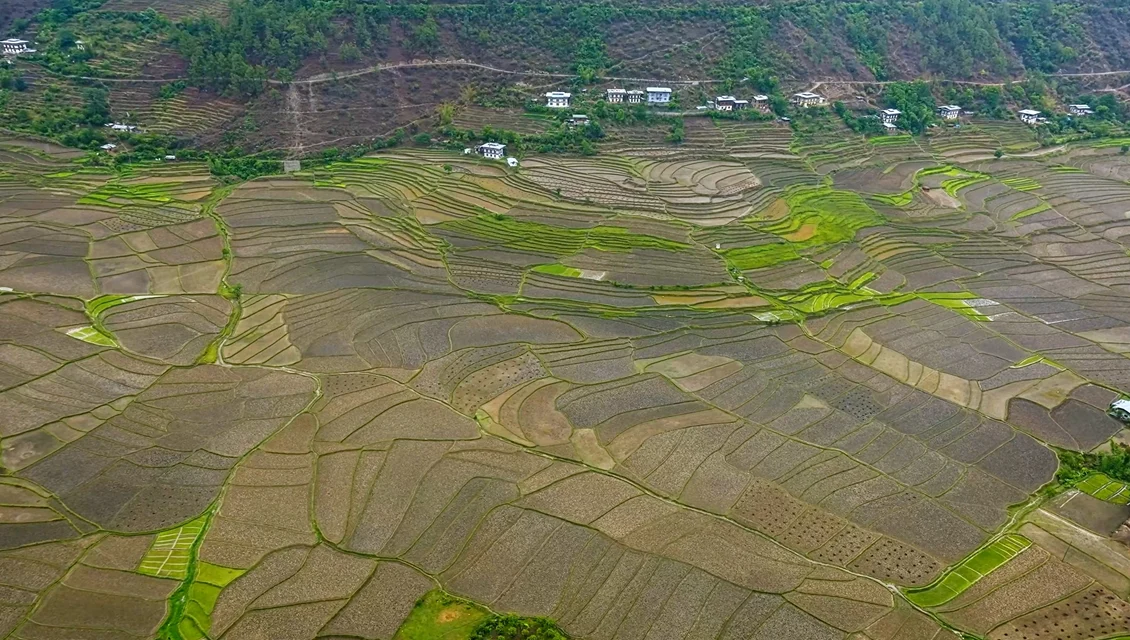
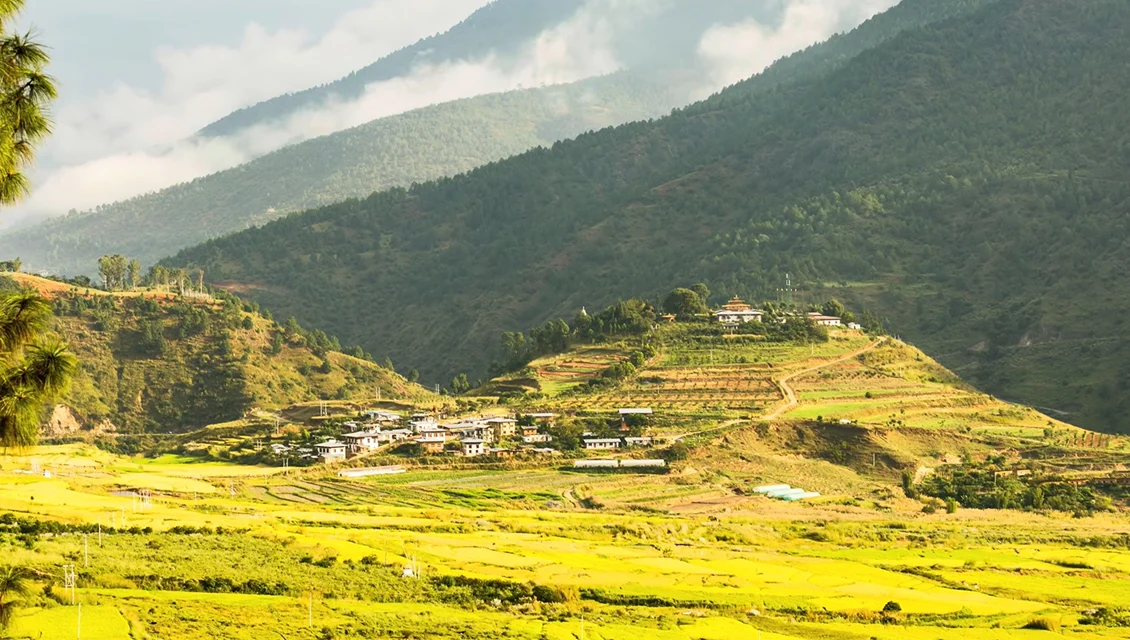
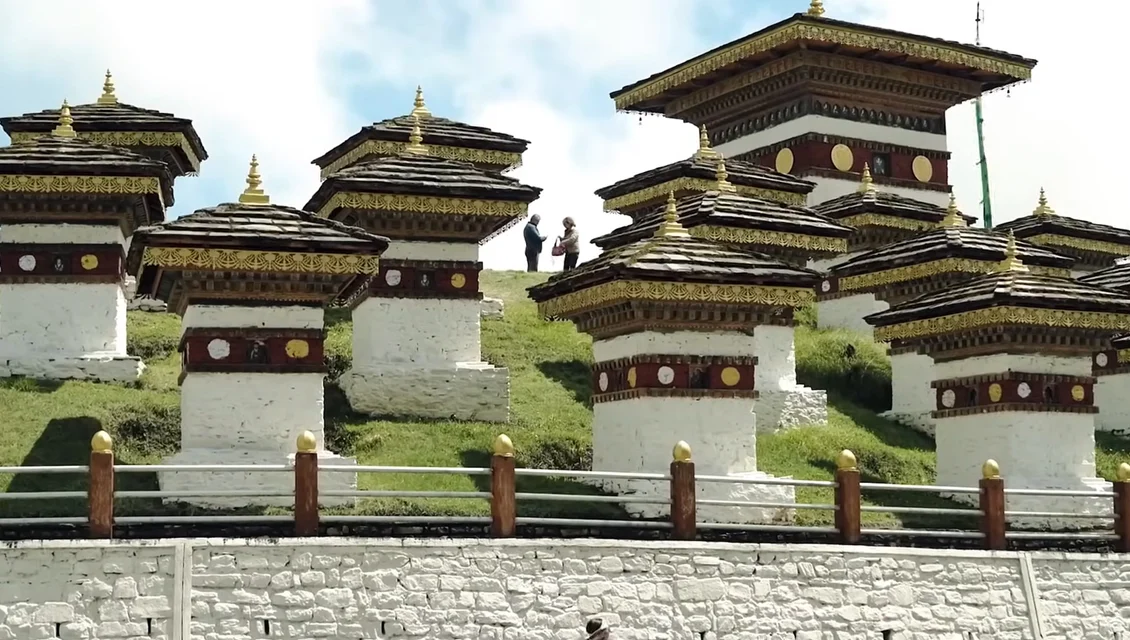
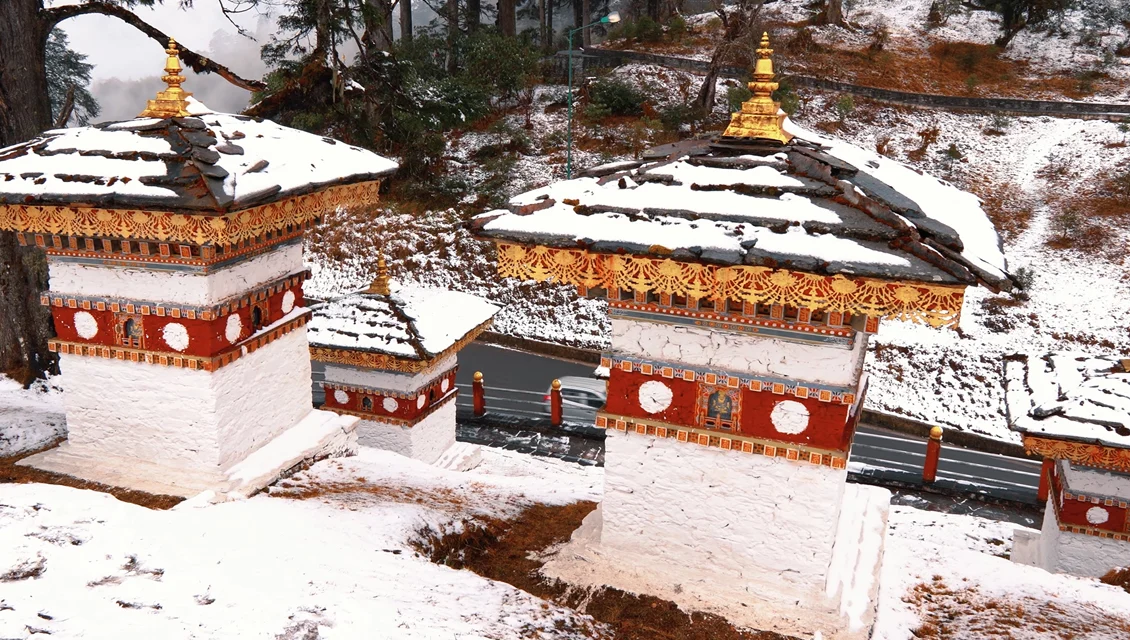
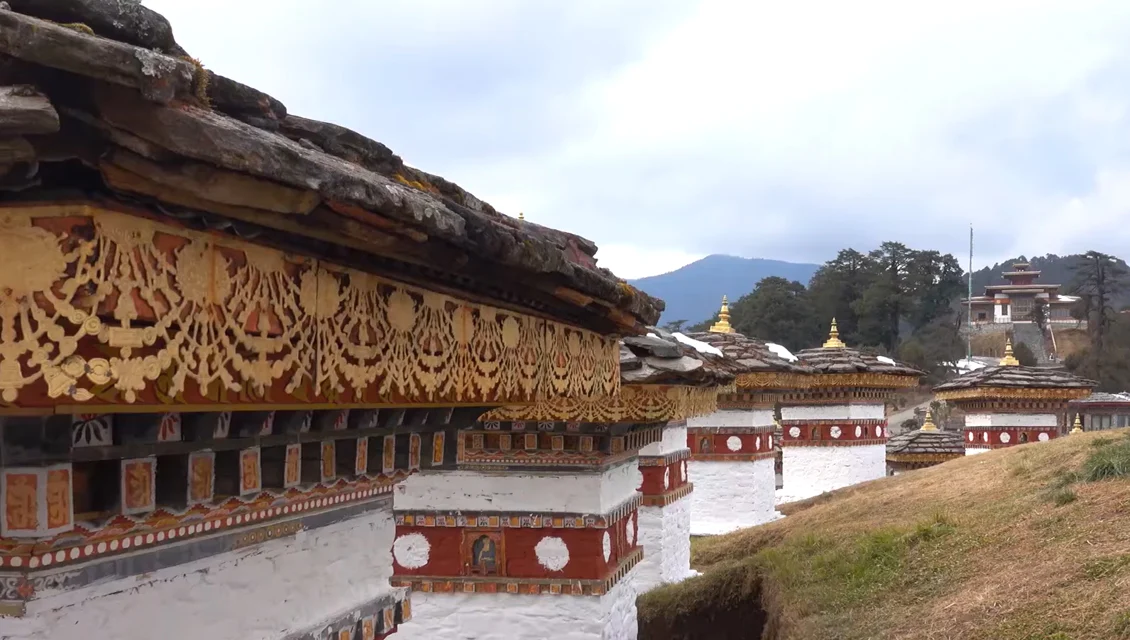
The journey showcases Bhutan's breathtaking natural beauty, including lush valleys, terraced farmland, pristine forests, winding mountain roads, and spectacular Himalayan viewpoints. A visit to Dochula Pass, with its 108 memorial chortens and panoramic mountain scenery, is one of the tour's unforgettable highlights.
Monasteries and Heritage Sites
The tour includes visits to some of Bhutan's most treasured landmarks, including the iconic Tiger's Nest Monastery (Paro Taktsang), Punakha Dzong, Tashichho Dzong, National Memorial Chorten, and several centuries-old temples and monasteries that continue to play an important role in Bhutanese spiritual life.
Festivals and Local Traditions
Depending on the season, visitors may have the opportunity to witness colourful Tshechu festivals, featuring sacred mask dances, traditional music, and religious ceremonies. These festivals provide an authentic insight into Bhutanese culture and community life.
Flora and Fauna
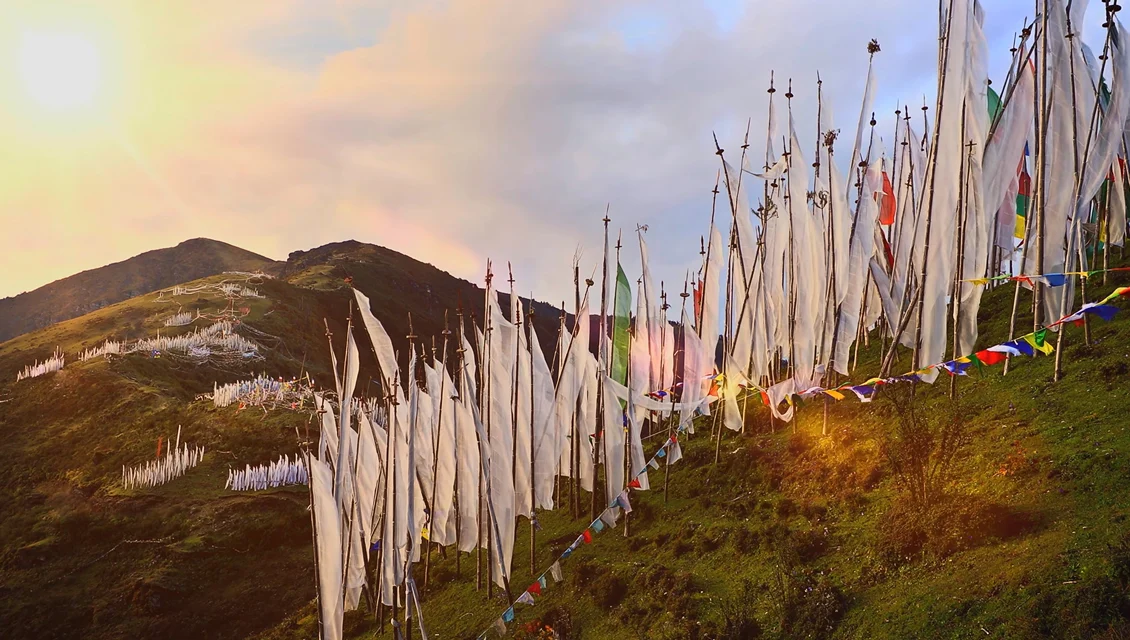
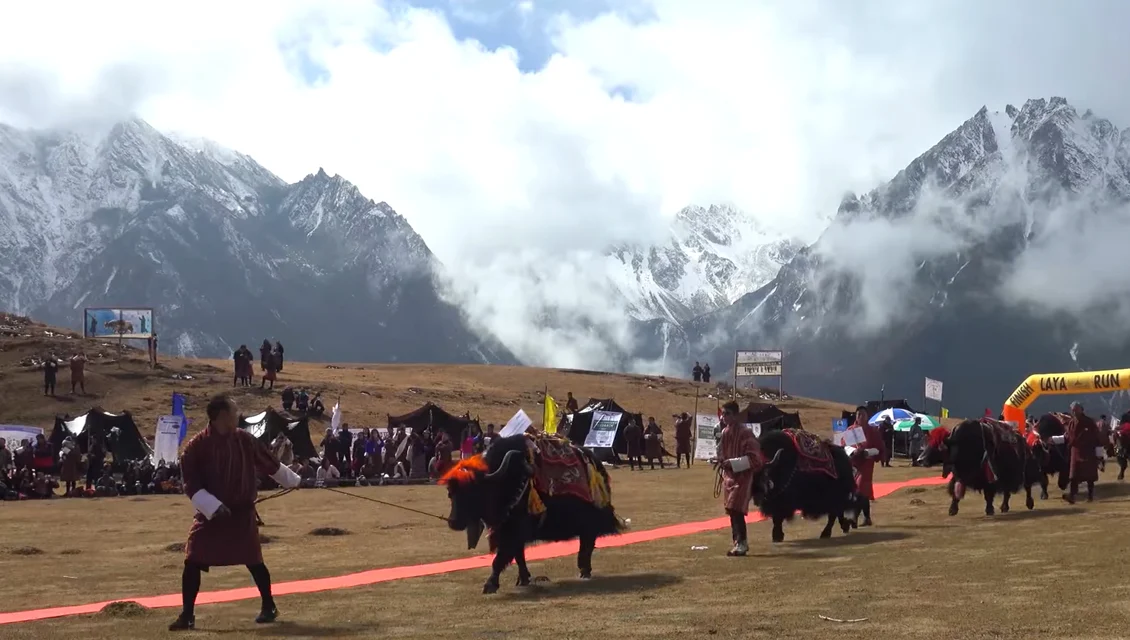
The tour passes through diverse landscapes ranging from subtropical valleys to cool temperate forests. Visitors may encounter rhododendron forests, blue pine woodlands, prayer-flag-covered mountain passes, and native wildlife, including Himalayan birds, langur monkeys, yaks, and Bhutan's national animal, the Takin, particularly at the Motithang Takin Preserve.
Weather and Climate
Bhutan enjoys four distinct seasons. During spring and autumn, daytime temperatures generally range between 15°C and 25°C, while evenings remain cool, particularly in higher-altitude areas. Comfortable layered clothing is recommended throughout the year.
Communication and Currency
Mobile phone coverage and internet access are available in all major towns and hotels. The local currency is the Bhutanese Ngultrum (BTN), although Indian Rupees are widely accepted. Credit cards are accepted in many hotels and larger establishments, while cash is recommended for purchases in rural areas.
Responsible Tourism
Bhutan is internationally recognized for its commitment to sustainable tourism and environmental conservation. Visitors are encouraged to respect local customs, dress appropriately when visiting religious sites, minimize plastic waste, support local businesses, and travel responsibly while exploring the kingdom.
Packing Recommendations
Recommended items include comfortable walking shoes, lightweight clothing, a warm jacket for cool evenings, a waterproof jacket during the monsoon season, sunglasses, sunscreen, a hat, reusable water bottle, camera, personal medications, and modest clothing suitable for visiting monasteries and religious sites.
Why Choose the Last Shangri-La Tour?
The Last Shangri-La Tour is the perfect introduction to Bhutan's extraordinary blend of culture, spirituality, and natural beauty. From ancient monasteries and majestic dzongs to peaceful valleys and panoramic Himalayan viewpoints, the journey offers an unforgettable experience in one of the world's most unique and carefully preserved destinations. Whether you are interested in history, architecture, photography, spirituality, or simply discovering a new culture, this tour provides a rich and rewarding exploration of the Kingdom of Bhutan.
The Bhutan The Last Shangri La Tour is graded Moderate — suitable for most active travellers. Expect 5–7 hours of walking on most days on mountain trails with plenty of ascents and descents. Regular cardio training — hiking, running, cycling or stair climbing — for 6–8 weeks before departure makes the trip far more enjoyable.
For the Bhutan region the best months are March–May and October–November. Spring (March–May) brings rhododendrons and the Paro Tsechu festival; autumn (September–November) has clear Himalayan views and the Thimphu Tsechu. Winter is cold but bright, and the summer monsoon is green with fewer visitors.
You need your Bhutan visa and the Sustainable Development Fee (SDF), which must be arranged through a licensed operator. Nord Extreme arranges every permit for you before the trip starts — check the "Includes" section above for exactly what is covered in the price. Just bring your passport and a few passport-size photos.
In Kathmandu you stay in a comfortable hotel; on the trail we use the best available family-run teahouses and lodges with twin-share rooms, shared or attached bathrooms and a warm dining room. Upgrades to luxury lodges are possible on popular routes such as Everest and Annapurna.
Both. You can join one of the fixed departures listed under "Dates & Prices", or book a private trip for just you, your family or friends on any date. Solo travellers are welcome — you will always have your own licensed guide.
Yes, travel insurance is compulsory. It must cover medical treatment and emergency helicopter evacuation up to the trip’s highest altitude, plus trip cancellation. Please send us your policy details before departure.
See the "What to bring" checklist on this page for the full list. The essentials are broken-in boots, warm layers, a down jacket, a waterproof shell, sun protection and a daypack. Down jackets and sleeping bags can be rented cheaply in Kathmandu, and a porter carries your main bag (up to 10–12 kg).
Keep exploring
Namaste! 🙏
Welcome to Nord Extreme Himalaya. Questions about Bhutan The Last Shangri La Tour? Send us a message — a Sherpa trip expert in Kathmandu will reply on WhatsApp.
Mr. Sonam G. SherpaOpens WhatsApp · +9779851078748