Accommodation
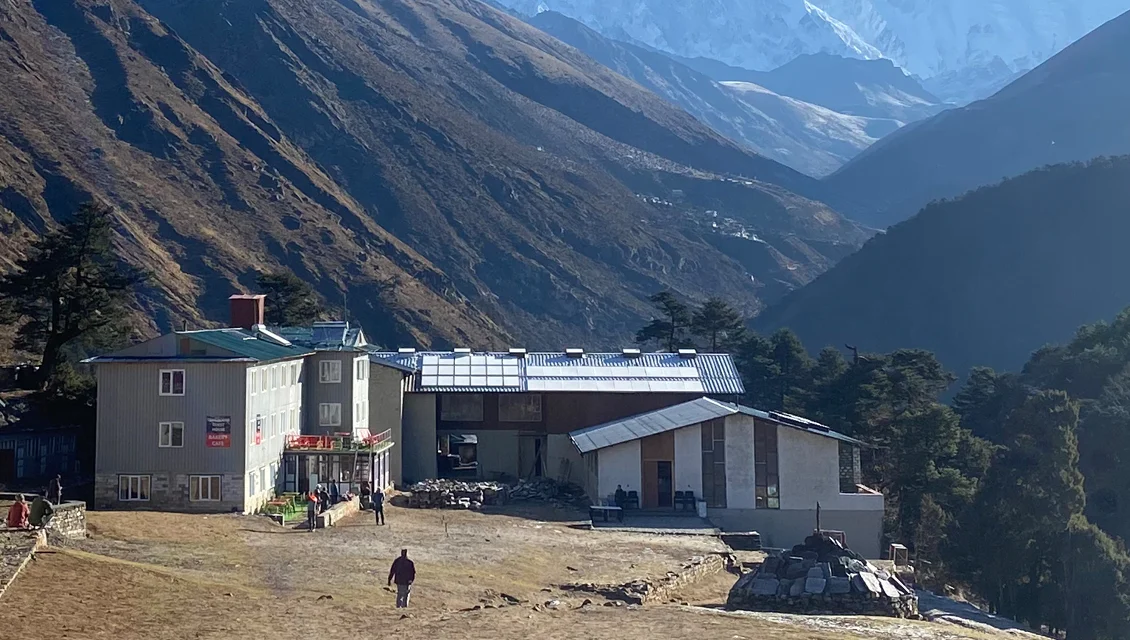
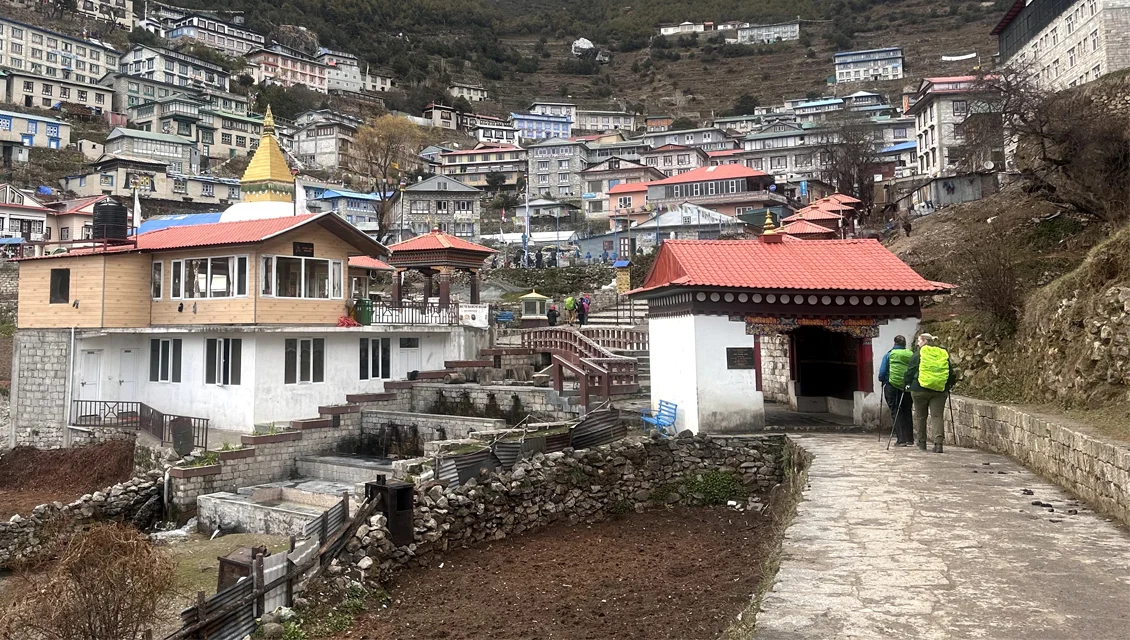
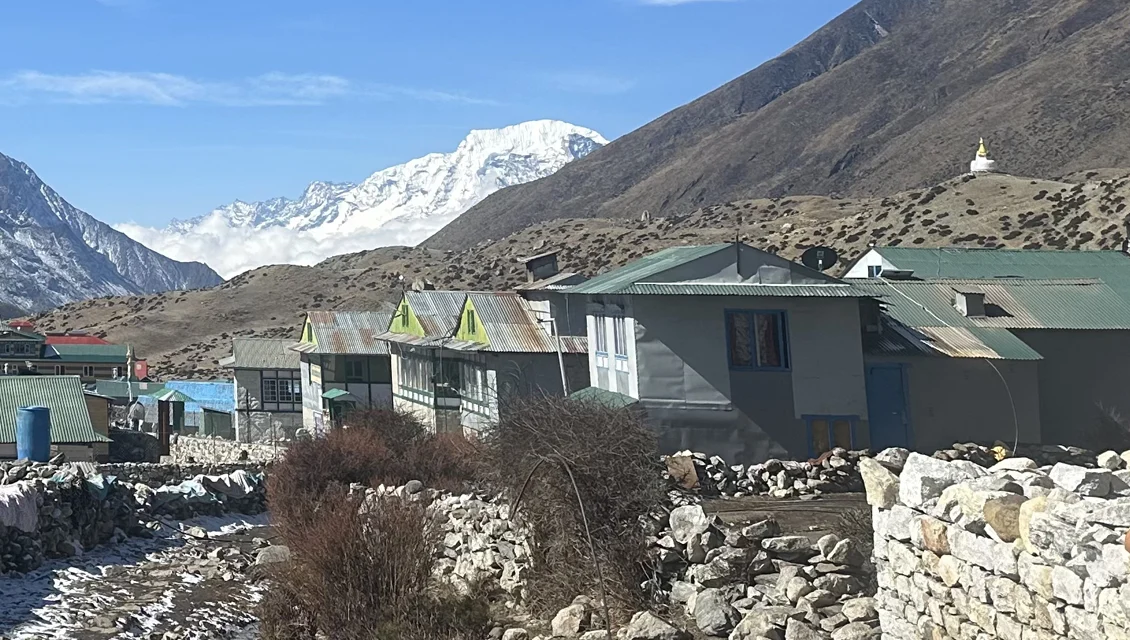
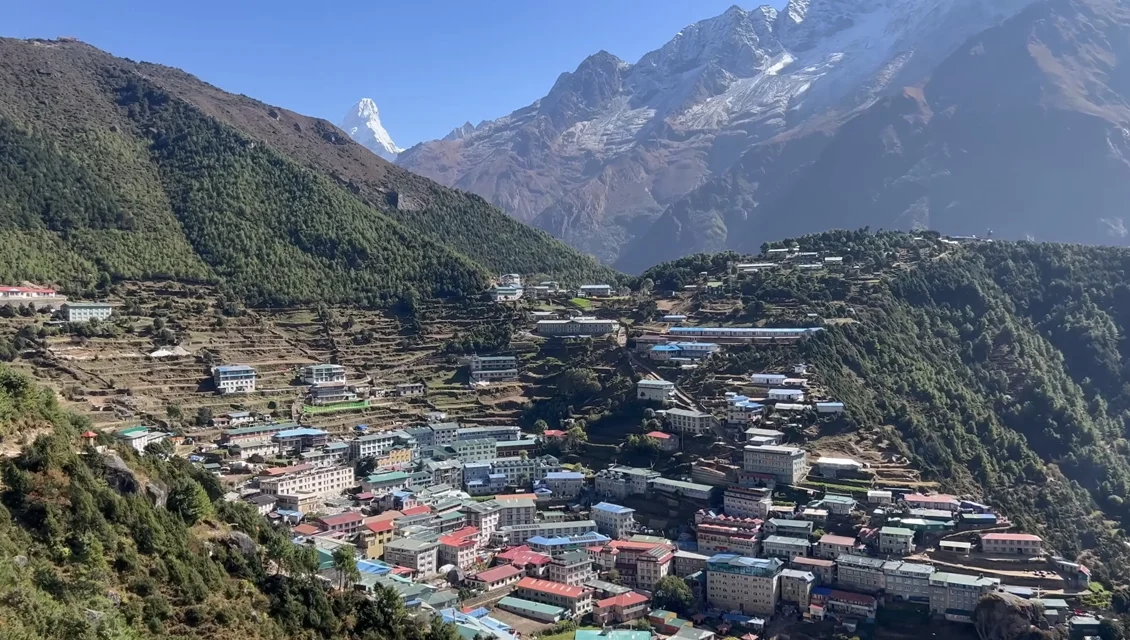
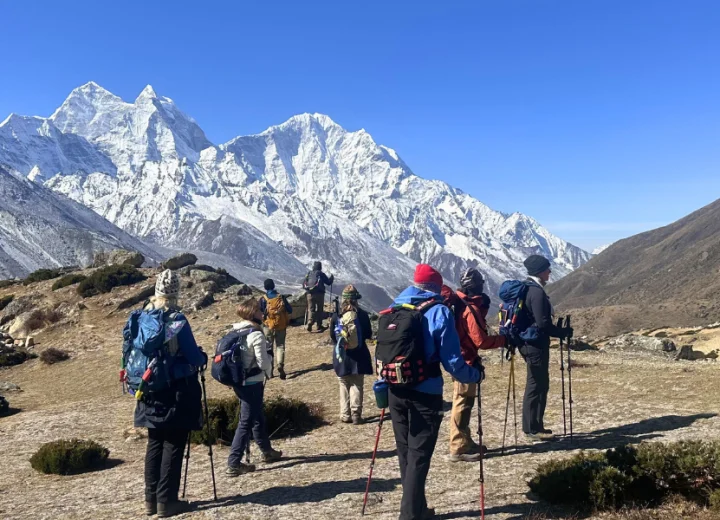
Accommodation during the Ama Dablam Expedition is carefully arranged to ensure comfort and proper acclimatization throughout the journey. In Kathmandu, climbers stay in a comfortable 3-star hotel with modern amenities before and after the expedition. During the trekking phase in the Everest region, accommodation is provided in well-managed teahouses along the route via Namche Bazaar, Tengboche, and Pangboche.
From Base Camp onward, the expedition transitions into a fully supported camping system. Base Camp and higher camps (Camp I, Camp II, and Camp III) are equipped with high-quality expedition tents, including sleeping tents, dining tents, kitchen tents, and toilet facilities. The camp setup is designed to provide safety, comfort, and efficiency in a high-altitude alpine environment.
Meals
The expedition includes full-board meals (Breakfast, Lunch, and Dinner) throughout both the trekking and climbing phases. At lower elevations, meals are provided in teahouses with a mix of Nepali, Asian, and international cuisine. At higher camps, a professional cook team prepares nutritious, high-calorie meals designed specifically for extreme altitude conditions.
The menu typically includes soups, pasta, rice dishes, vegetables, energy-rich carbohydrates, and hot beverages. During summit push, climbers are provided with packed meals and high-energy snacks to maintain endurance and hydration in harsh alpine conditions.
Difficulty and Fitness
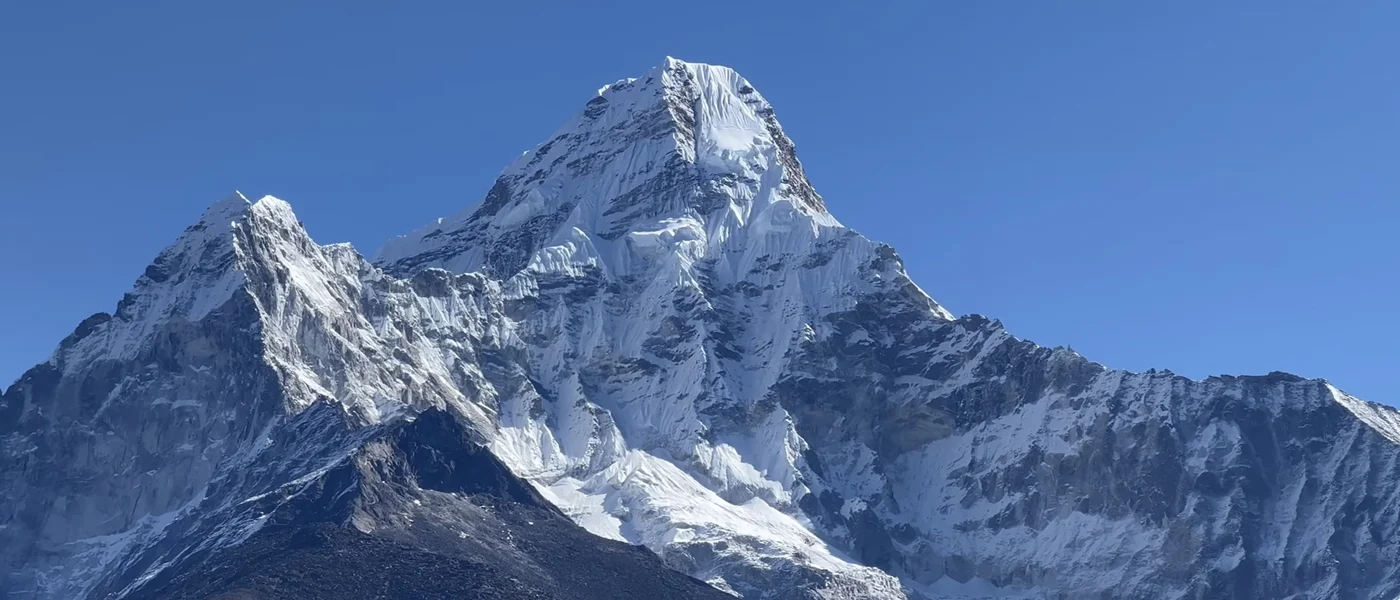
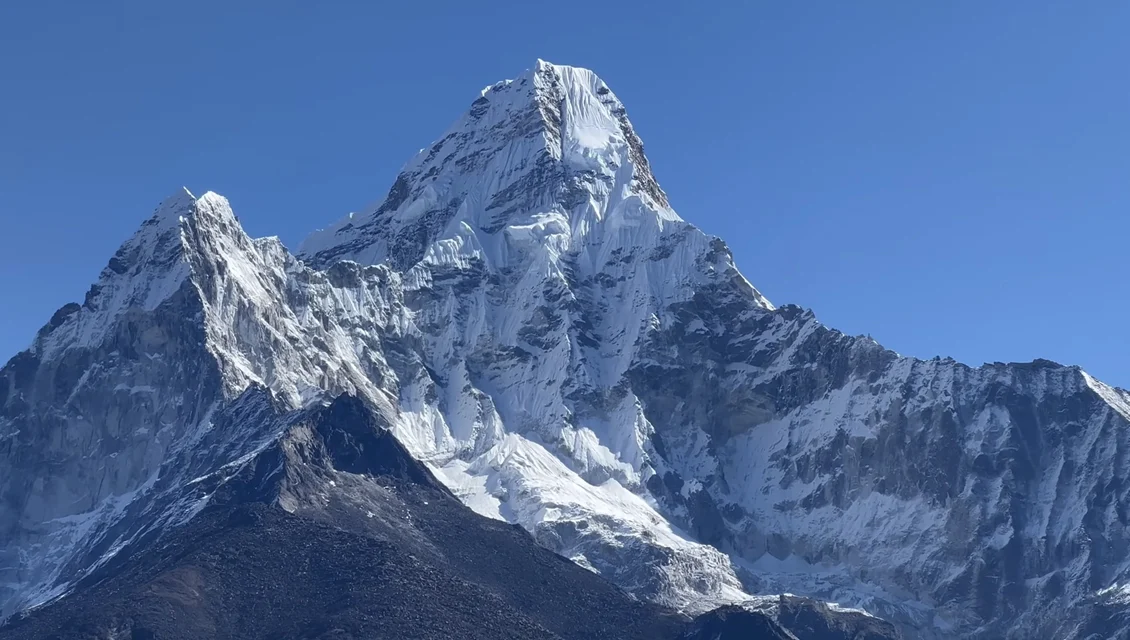
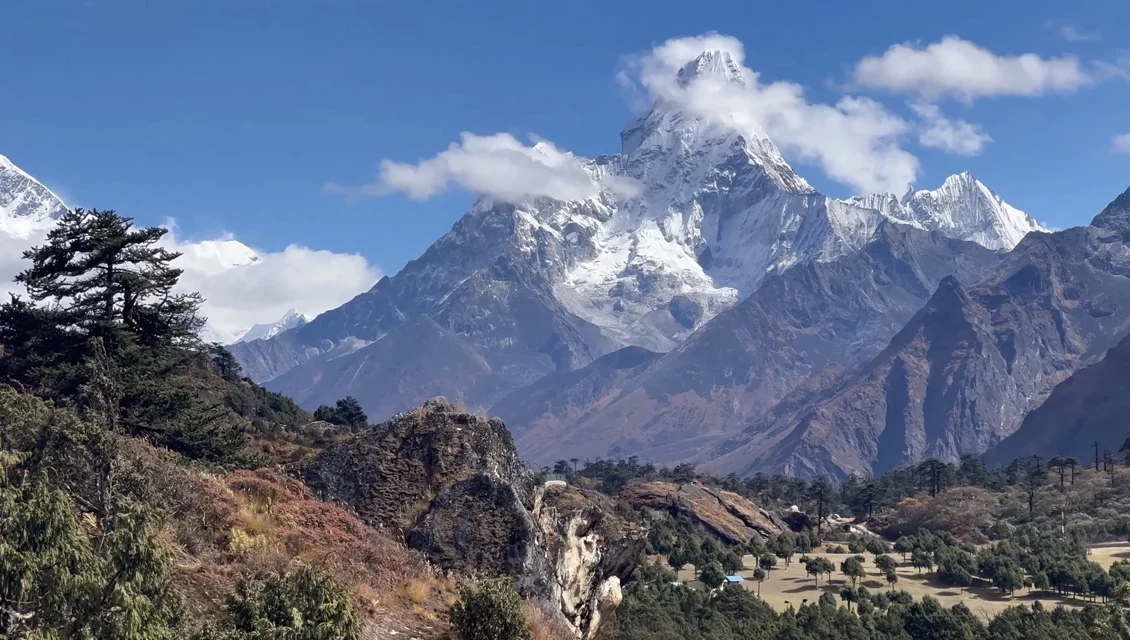
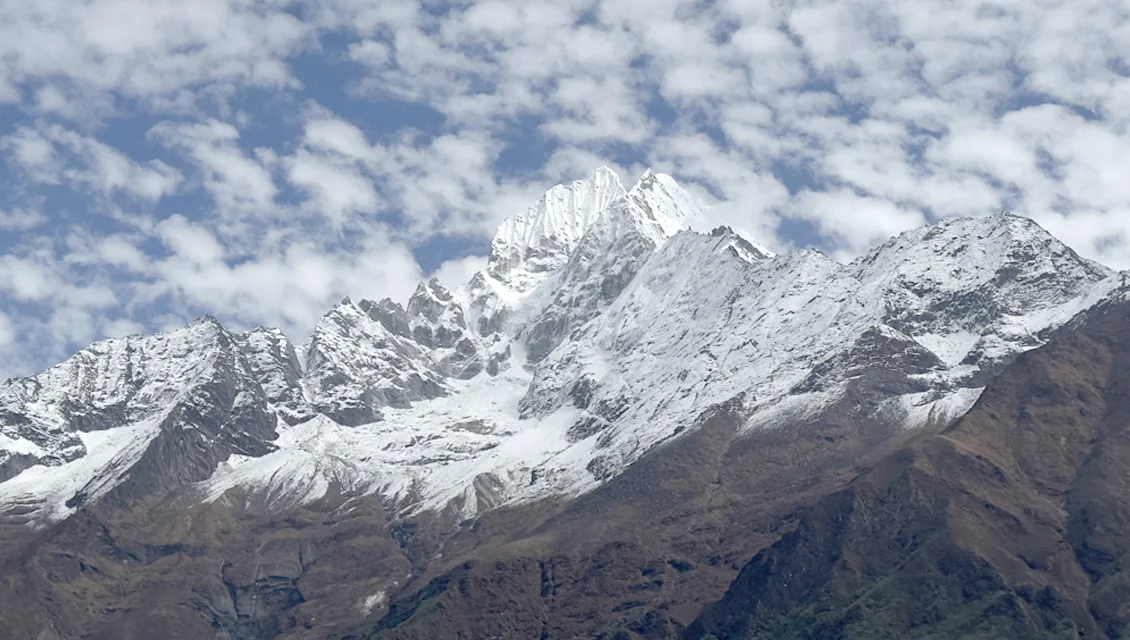
Ama Dablam (6,812m) is considered one of the most technical trekking peaks in Nepal and requires strong mountaineering experience. It is not suitable for beginners. Climbers must possess excellent physical fitness, strong mental endurance, and prior experience on high-altitude technical peaks.
The route includes steep rock climbing, exposed ridges, mixed ice and snow terrain, and fixed rope sections. The final summit ridge is particularly exposed and requires careful movement and confidence at altitude. Proper acclimatization and climbing efficiency are essential for a successful ascent.
Permits
The following permits are required for the expedition:
- Ama Dablam Climbing Permit
- Sagarmatha National Park Entry Permit
- Khumbu Rural Municipality Permit
All necessary permits and administrative arrangements are handled by the expedition operator before departure.
Best Time to Climb
The best seasons for Ama Dablam Expedition are:
Spring (April–May)
- Stable weather conditions
- Moderate temperatures
- High summit success rate
- Excellent climbing conditions
Autumn (October–November)
- Clear skies and excellent visibility
- Stable Himalayan weather patterns
- Ideal conditions for technical climbing
Winter and monsoon seasons are generally not recommended due to extreme cold, snowfall, and unstable weather conditions.
Transportation
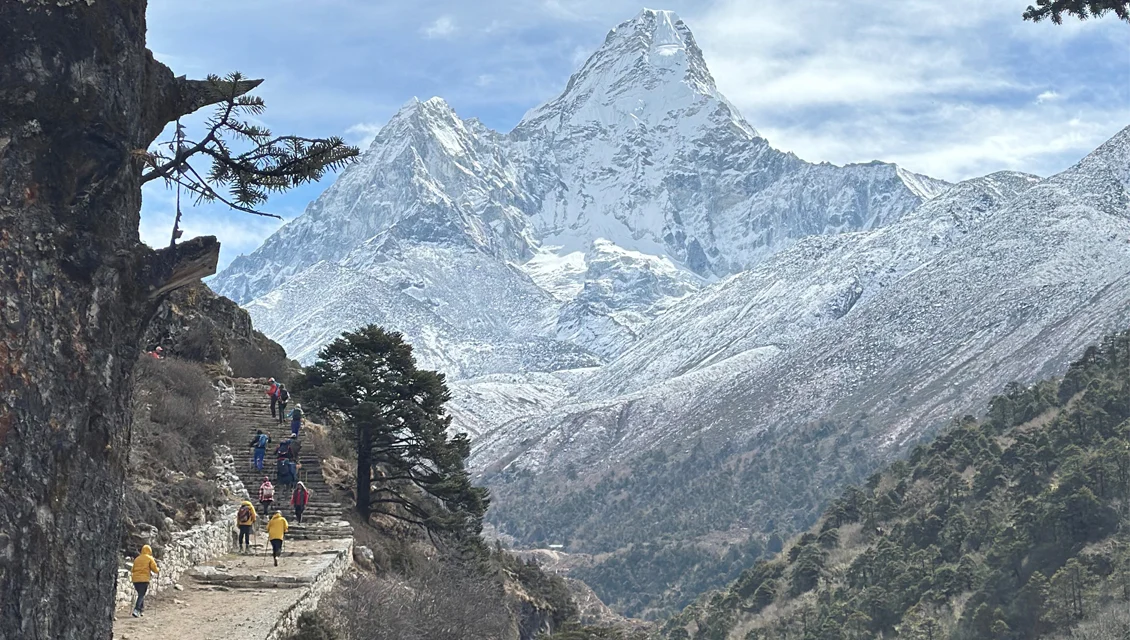
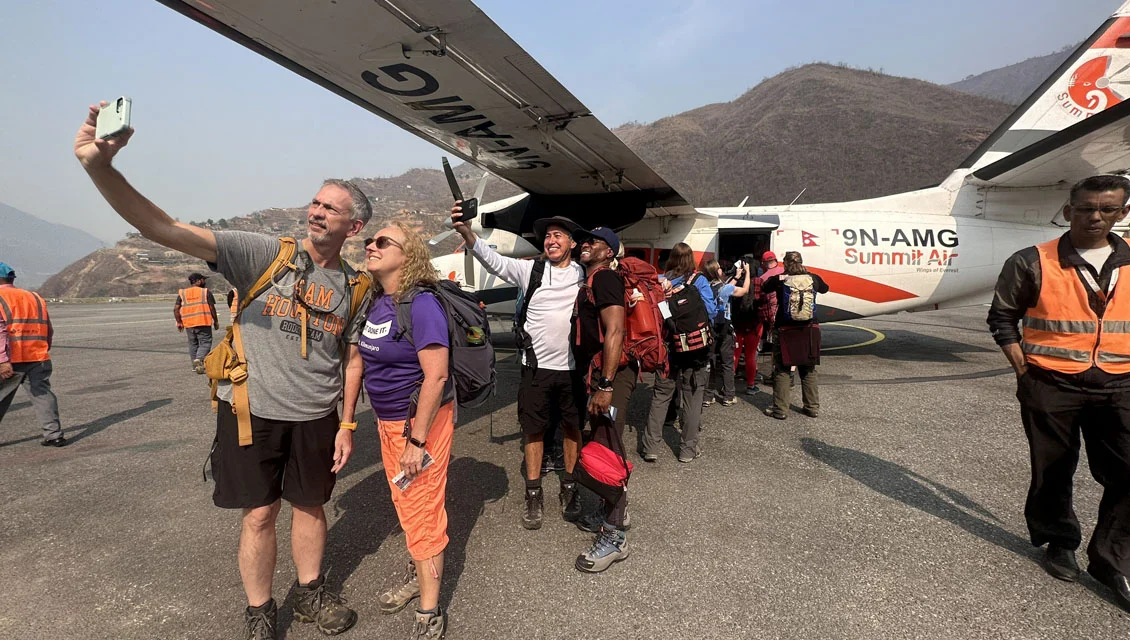
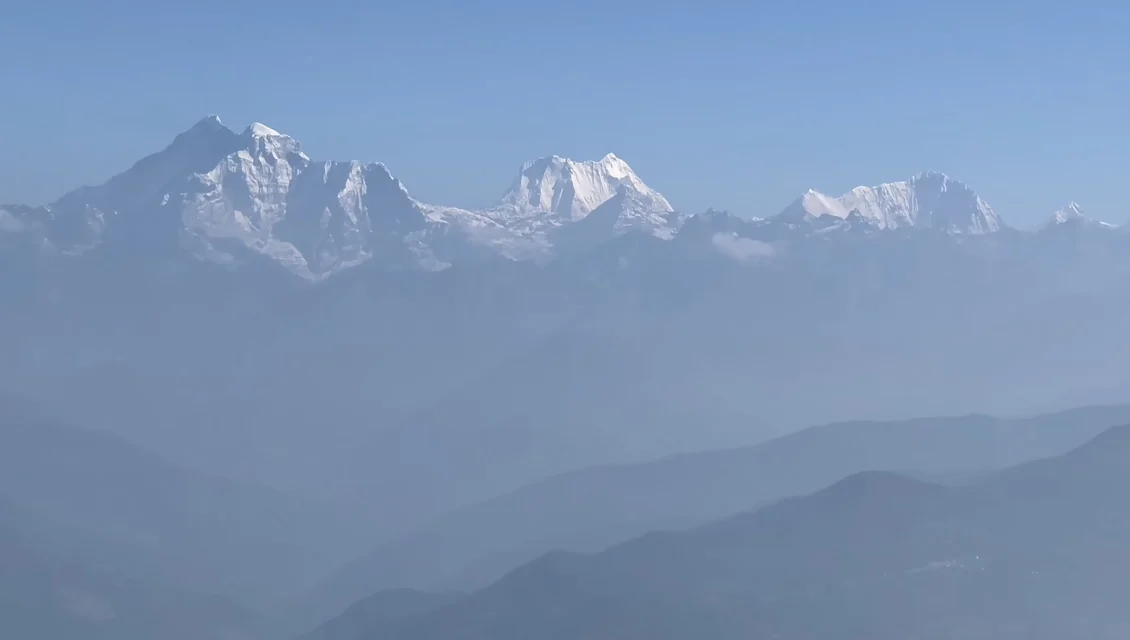
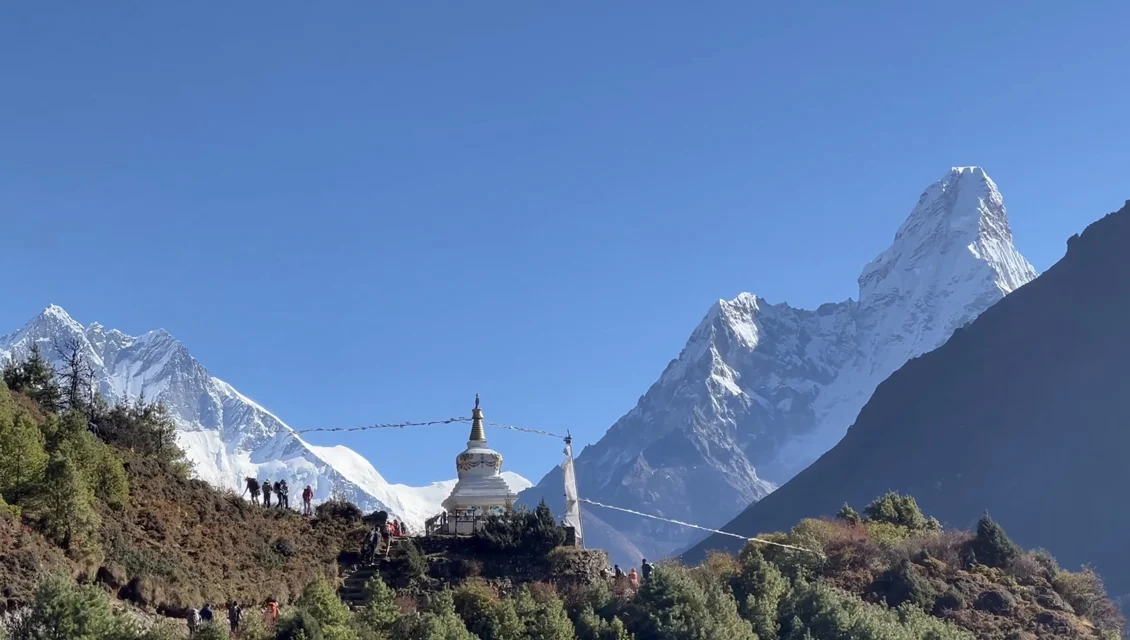
The expedition begins with a scenic flight from Kathmandu to Lukla, the gateway to the Everest region. From Lukla, the trail passes through famous Sherpa villages including Namche Bazaar, Tengboche, and Pangboche before reaching Ama Dablam Base Camp.
All logistics, including domestic flights and ground transportation, are organized by the expedition team. Flight schedules may be affected by weather conditions in the Himalayan region.
Safety and Altitude
Ama Dablam is a highly technical expedition that requires strict safety protocols. The itinerary is carefully designed with gradual acclimatization rotations between camps to reduce altitude-related risks.
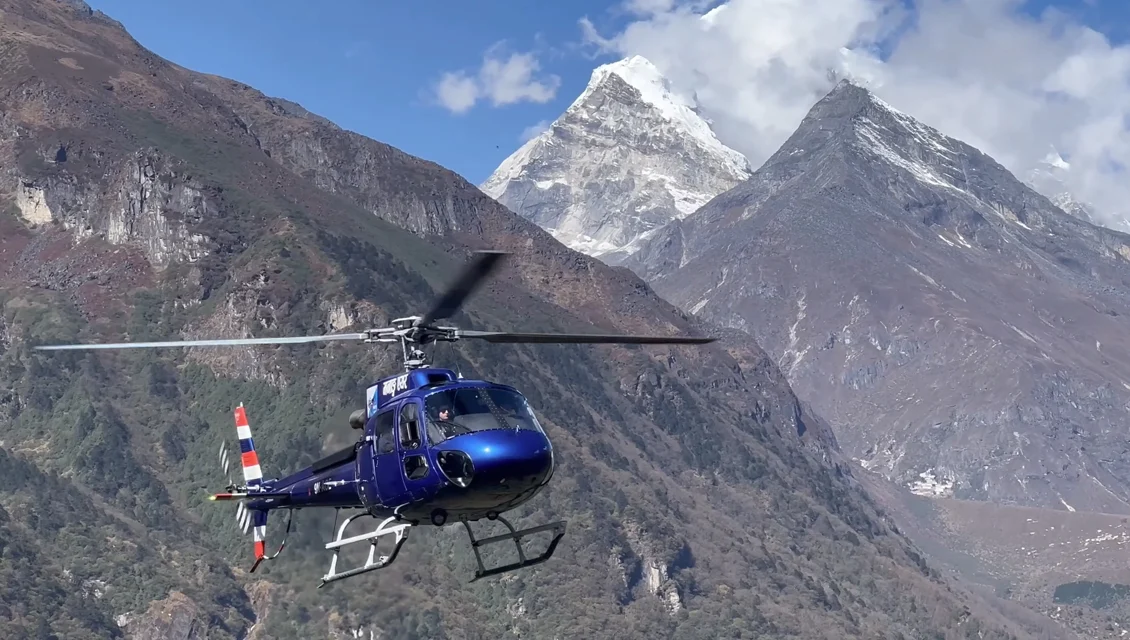
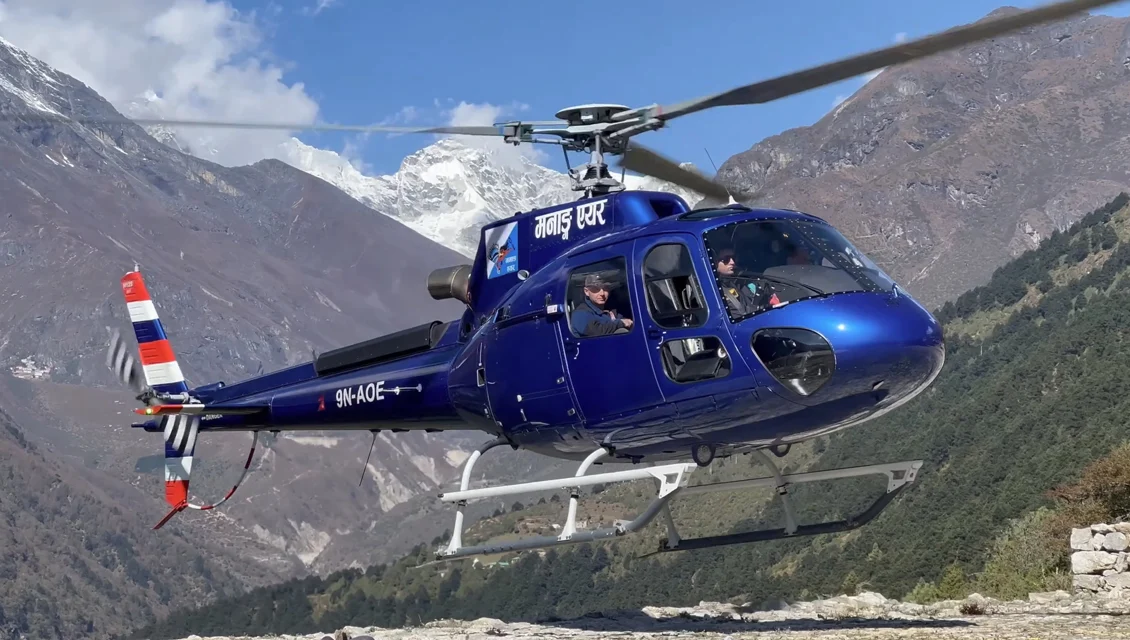
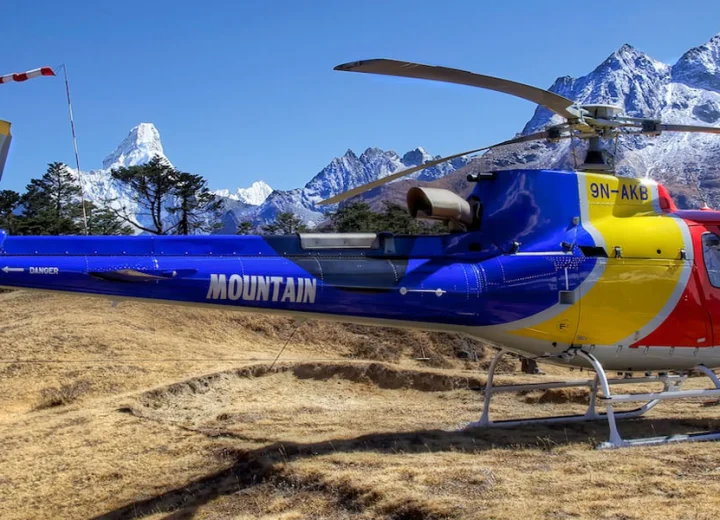
Experienced climbing guides manage route fixing, rope installation, and safety systems throughout the mountain. Regular health monitoring is conducted using pulse oximeters, and climbers are closely observed for signs of altitude sickness. Emergency evacuation plans, including helicopter rescue support, are available if required.
Travel and High Altitude Insurance
Comprehensive travel insurance is mandatory for all climbers. The insurance must cover:
- High-altitude climbing up to at least 7,000 meters
- Emergency helicopter evacuation
- Medical treatment and emergency rescue operations
- Trip cancellation and interruption coverage
Proper insurance ensures safety and financial protection in extreme mountain conditions.