Government-licensed operator · Sherpa-owned since day one
Lhasa – EBC Overland Tour

Overland Tour Tibet · Tibet

Lhasa – EBC Overland Tour

9 Days 5,200 m
Download trip PDF
  • Duration9 Days
  • DifficultyModerate
  • Max altitude5,200 m
  • Group size17 People
  • Best seasonAll the Year
  • Start / finishKathmandu

Trip overview

The Lhasa – Everest Base Camp – Kathmandu Cultural Overland Tour is a professionally curated high-altitude Himalayan expedition that seamlessly connects Nepal and Tibet through one of the most iconic trans-Himalayan routes in the world.

This journey begins in Kathmandu and follows the historic Kyirong border crossing into Tibet, continuing through the legendary city of Lhasa, across the vast Tibetan Plateau, and onward to Everest Base Camp (5,200m) before returning to Nepal via Kyirong.

Designed for culturally curious travelers and Himalayan explorers, this itinerary combines UNESCO World Heritage monasteries, sacred pilgrimage sites, dramatic alpine landscapes, and the world’s highest mountain environment into a single, well-paced overland experience.

Geography and Landscape

This expedition traverses three distinct Himalayan geographical zones: the lush mid-hill valleys of Nepal, the high alpine borderlands of Kyirong, and the vast elevated Tibetan Plateau.

From Kathmandu, the route ascends through river valleys and forested terrain before crossing into Tibet at Kyirong (2,700m), a transitional ecological zone framed by deep gorges and snow-draped peaks.

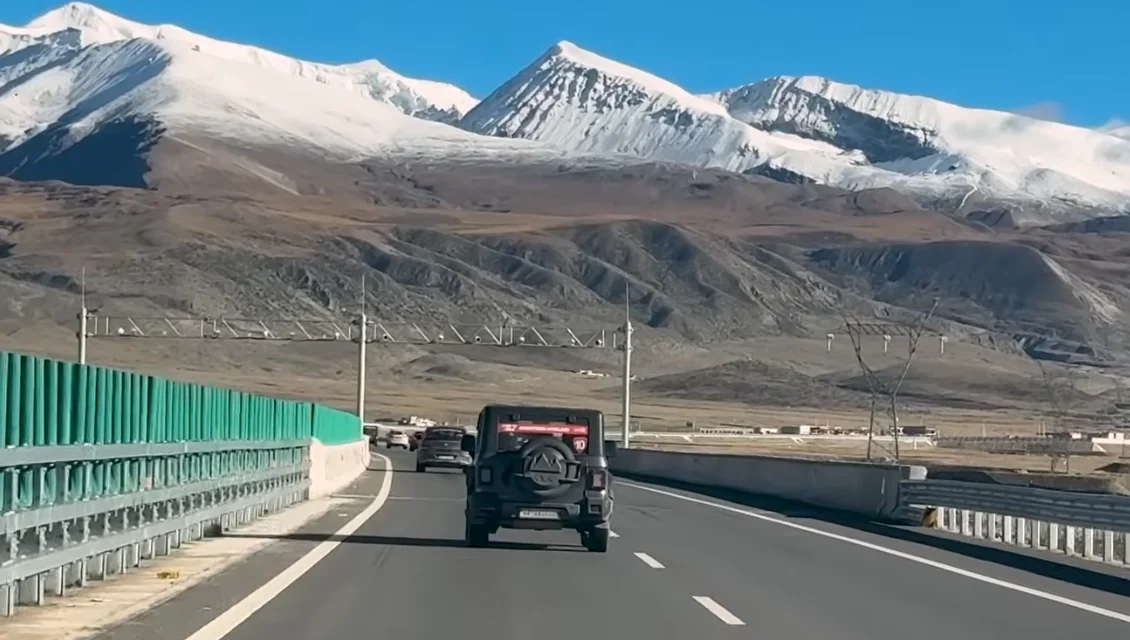
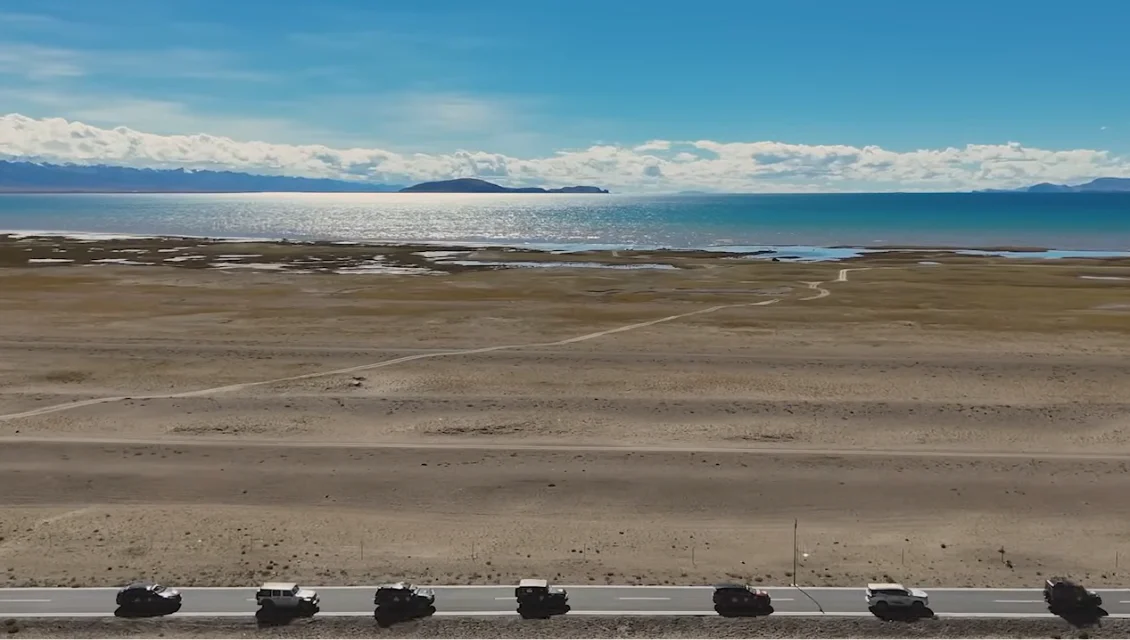
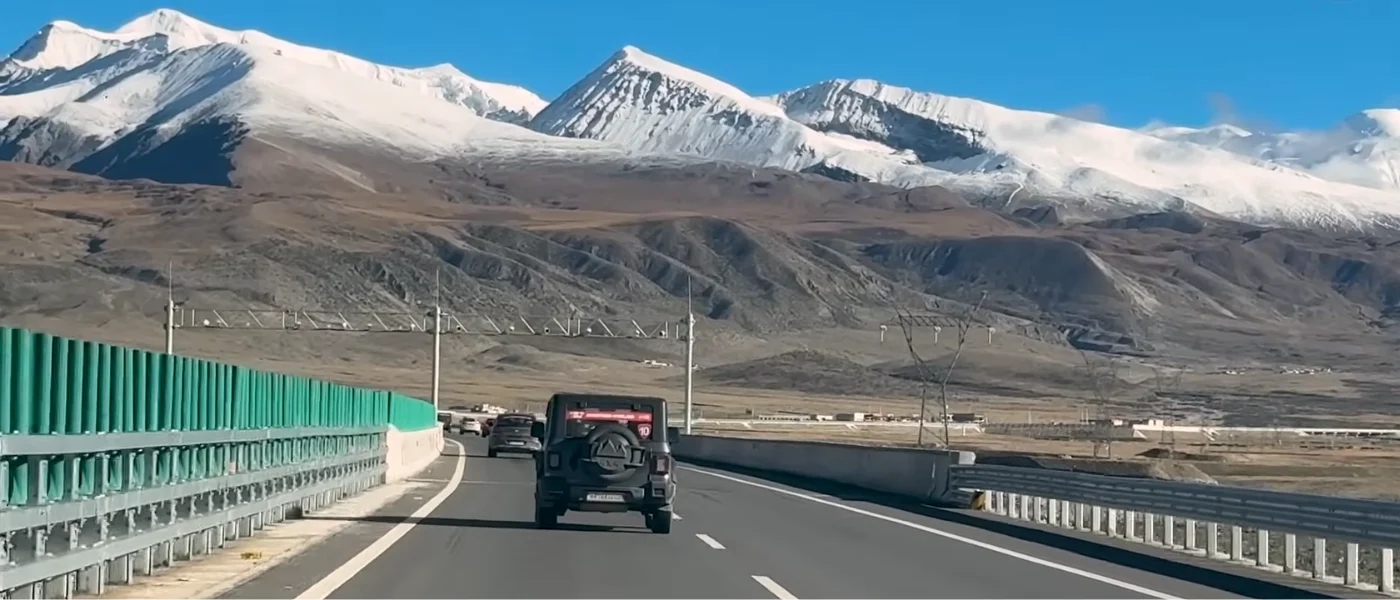
Beyond Kyirong, the landscape transforms dramatically into the Tibetan Plateau—an immense high-altitude desert averaging 4,000–5,000 meters above sea level. This region is defined by open grasslands, glacial rivers, salt lakes, and distant Himalayan silhouettes.

Key natural highlights include Yamdrok Lake, the dramatic Karo La Glacier (5,010m), and the sweeping Himalayan panorama from Gawula Pass, featuring Mount Everest, Lhotse, Makalu, and Cho Oyu.

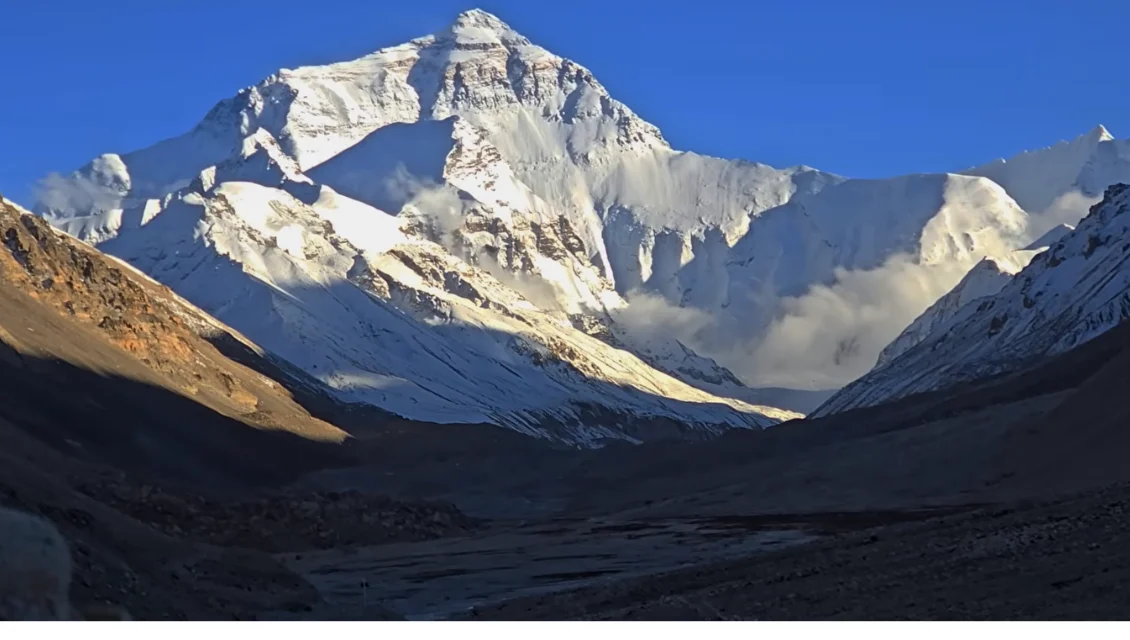
The journey culminates at Everest Base Camp, located at the foot of the world’s highest peak, offering one of the most powerful mountain landscapes on Earth.

Cultural and Historical Significance

Tibet is one of the world’s most spiritually preserved regions, where Tibetan Buddhism remains deeply integrated into daily life, architecture, and landscape.

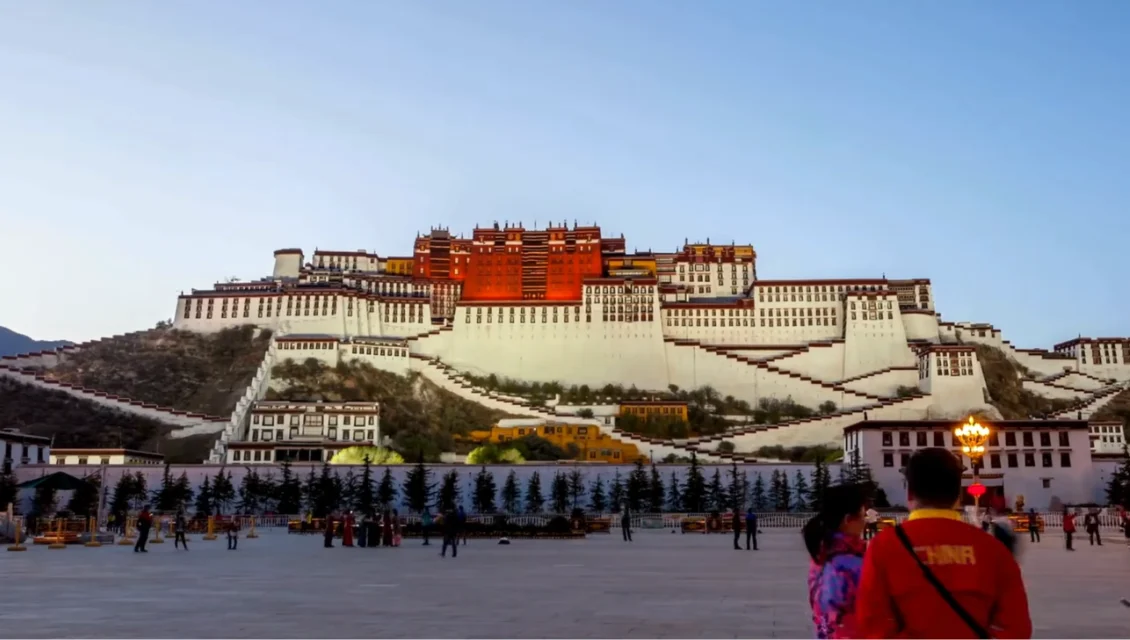
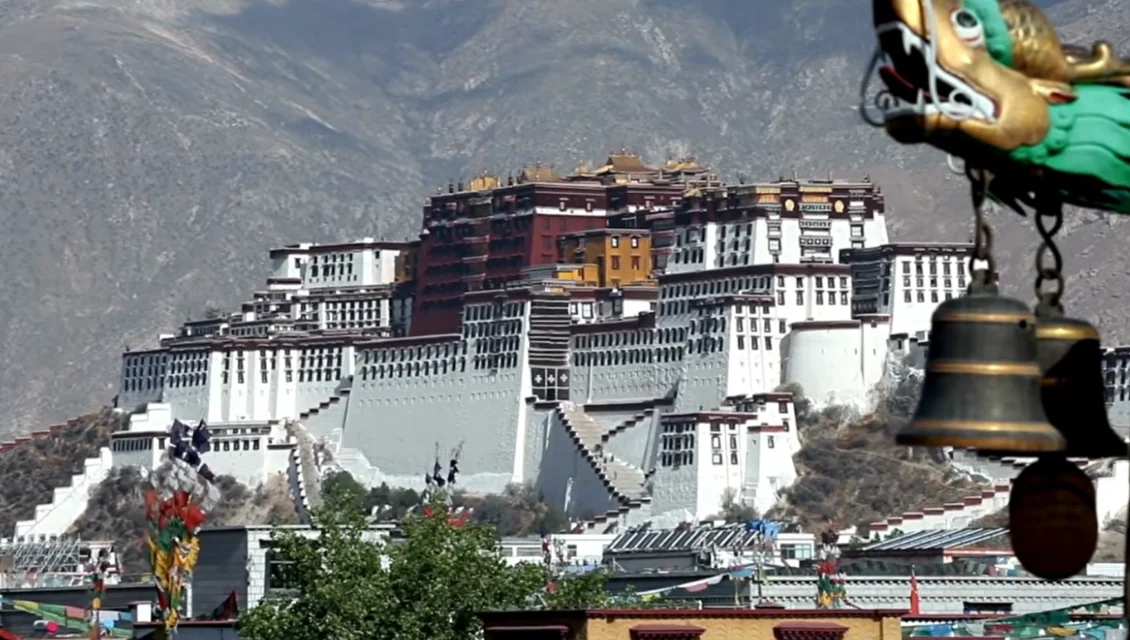
In Lhasa, the sacred capital of Tibet, travelers explore the monumental Potala Palace—the former residence of the Dalai Lama and a UNESCO World Heritage Site representing centuries of Tibetan governance and spirituality.

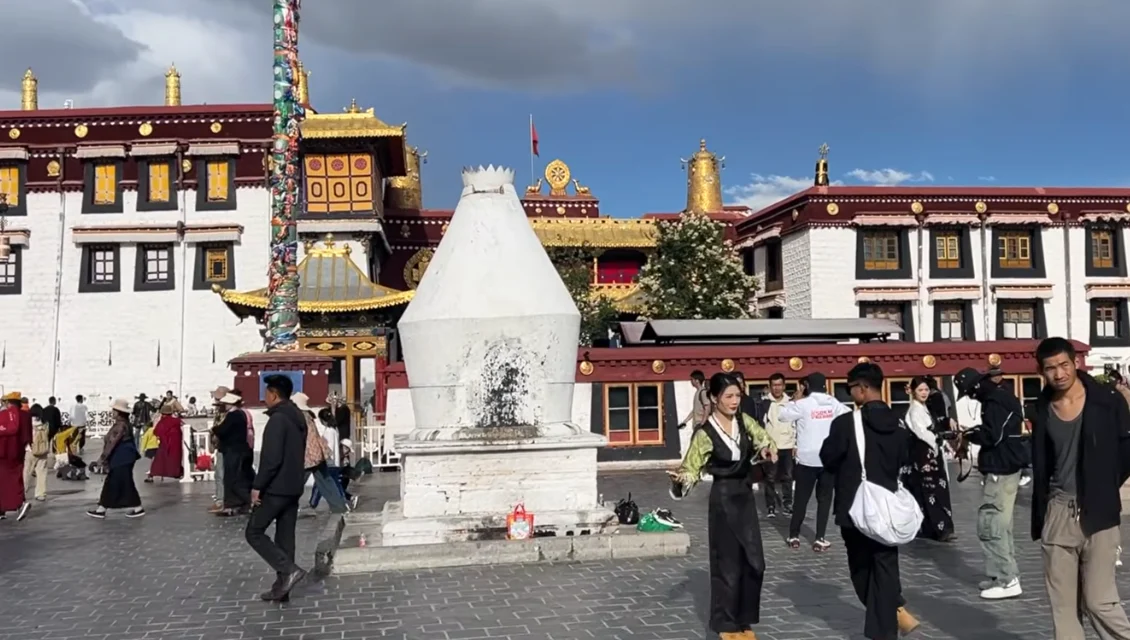
Equally important is the Jokhang Temple, the spiritual nucleus of Tibetan Buddhism, where pilgrims from across the plateau perform devotional circumambulation throughout the year.

Monastic institutions such as Drepung and Sera Monasteries provide a living insight into Tibetan Buddhist education, philosophical debate traditions, and monastic discipline that have remained largely unchanged for centuries.

Beyond Lhasa, historic centers such as Gyantse and Shigatse reflect Tibet’s role as a former trade and religious hub along ancient Himalayan routes.

Climate and Best Travel Season

Tibet features a high-altitude continental climate characterized by intense sunlight, low humidity, and significant day-night temperature variation.

Spring (April–May): Clear atmosphere, moderate temperatures, and fewer travelers 

Summer (June–August): Peak travel season with stable road conditions and active pilgrimage activity 

Autumn (September–October): Best visibility, stable weather, and ideal photography conditions 

Winter (November–March): Extremely cold with limited accessibility in high regions 

Recommended Travel Window

May to October, with September and October considered the most favorable months for clear Himalayan views and stable overland conditions.

Highlights

  • Seamless overland expedition from Kathmandu to Tibet and return 
  • Exploration of UNESCO-listed cultural landmarks in Lhasa 
  • Guided visits to Potala Palace, Jokhang Temple, Sera, and Drepung Monasteries 
  • Scenic drive across the Tibetan Plateau via Friendship Highway 
  • Crossing high-altitude Himalayan passes above 5,000 meters 
  • Visit to Gyantse Kumbum Stupa and Shigatse cultural centers 
  • Panoramic experience of Yamdrok Lake and Karo La Glacier 
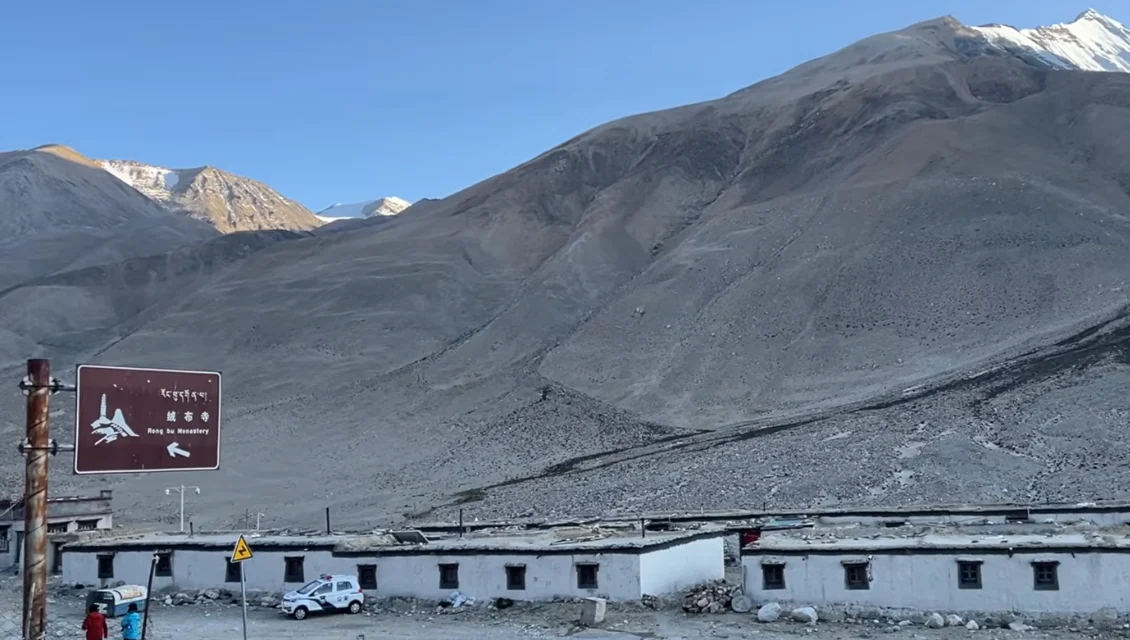
  • Exploration of Rongbuk Monastery, the world’s highest monastery 
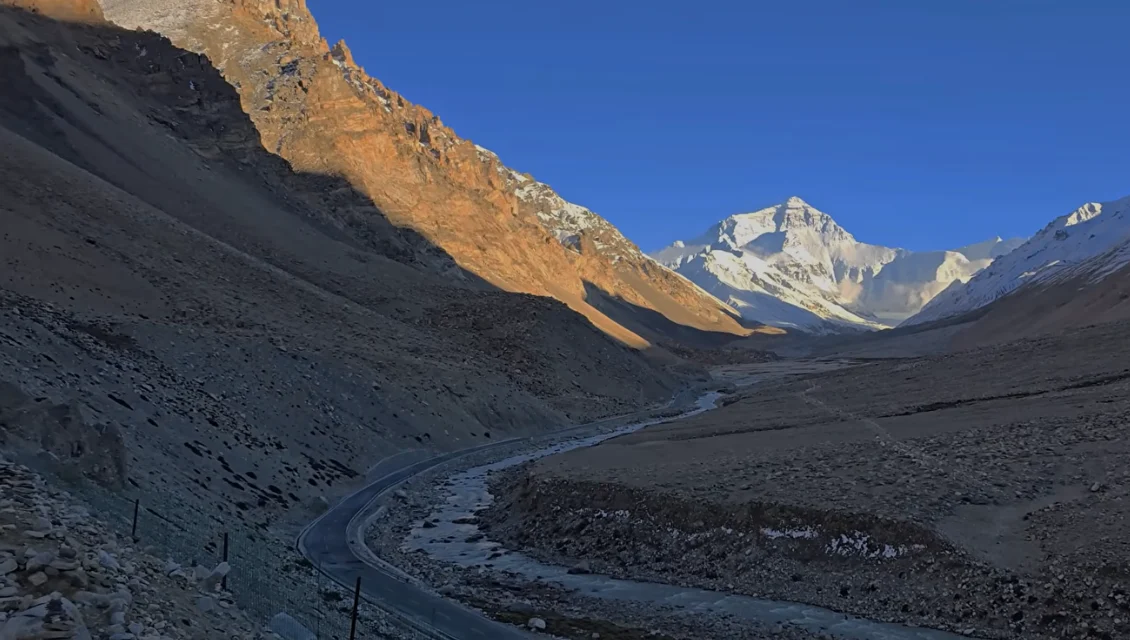
  • Arrival at Everest Base Camp (5,200m) with north face views of Everest 
  • Sunrise and sunset Himalayan photography opportunities 
  • Fully guided cultural and overland Himalayan experience 

Day-by-day itinerary

Download PDF
Altitude & temperatureHow high you sleep each night, with the typical daytime and night temperature below each day.
1,000 m1,500 m2,000 m2,500 m3,000 m3,500 m4,000 m4,500 m5,000 mDayDaytimeNight131°19°231°19°331°19°424°11°520°5°620°5°720°5°931°19°Day 1: Arrival in Kathmandu — 1,400 m. Daytime about 31 °C, night about 19 °CDay 2: Tibet Visa Processing & Cultural Orientation — 1,400 m. Daytime about 31 °C, night about 19 °CDay 3: Kathmandu – Kyirong — 1,400 m. Daytime about 31 °C, night about 19 °CDay 4: Kyirong – Lhasa — 2,700 m. Daytime about 24 °C, night about 11 °CDay 5: Lhasa Cultural Exploration — 3,650 m. Daytime about 20 °C, night about 5 °CDay 6: Lhasa Monasteries & Heritage Tour — 3,650 m. Daytime about 20 °C, night about 5 °CDay 7: Lhasa – Shigatse / Everest Region — 3,650 m. Daytime about 20 °C, night about 5 °CDay 9: Final Departure — 1,400 m. Daytime about 31 °C, night about 19 °CHighest: 3,650 m · Day 5

Temperatures are typical for the best travel months (April–June and September–October) and can change with the weather.

    • StayHotel
    • VisitNepal
    • MealsDinner

    Upon arrival at Tribhuvan International Airport in Kathmandu, you will be welcomed by our representative and transferred to your hotel. The day is reserved for rest and preparation. A detailed briefing will be provided in the evening regarding the tour, permits, and border procedures.

What the price covers

What’s included

Transportation

  • Private airport pickup and drop-off service in Lhasa and Kathmandu
  • Comfortable Tibetan tourist vehicle for the entire Tibet overland journey
  • All ground transportation from Lhasa – Everest Base Camp – Kyirong – Kathmandu as per itinerary
  • All fuel, parking fees, tolls, and road taxes within Tibet

Accommodation & Meals

  • 3 nights hotel accommodation in Lhasa (bed & breakfast basis)
  • Standard hotels in Shigatse, Xegar (Shegar), and Kyirong on twin-sharing basis
  • Basic guesthouse accommodation at or near Everest Base Camp (Rongbuk area)
  • Daily breakfast throughout the trip
  • Full-board meals (breakfast, lunch & dinner with tea/coffee) during Tibet overland section (except Lhasa and Kathmandu)

Permits & Documentation

  • Tibet Travel Permit (TTP)
  • Military / Restricted Area Permit for Tibet overland route
  • Chinese Group Visa arrangement support (processed in Kathmandu)
  • All required permits for Everest Base Camp travel route

Guide & Support Services

  • Professional English-speaking Tibetan guide throughout Tibet section
  • Experienced local Tibetan driver for overland journey
  • Assistance during border crossing (Kyirong / Nepal–Tibet border)
  • Basic first aid kit and emergency oxygen support for high-altitude areas
  • Full tour coordination and logistics support

Sightseeing & Entry Fees

  • Entry fees for monasteries and monuments as per itinerary
  • Guided visits to Potala Palace, Jokhang Temple, Drepung Monastery, Sera Monastery, Tashilhunpo Monastery, and others
  • Everest Base Camp and Rongbuk Monastery entry arrangements

Government Taxes & Service Charges

  • All applicable Tibet government taxes and local service charges
  • Agency handling fees and operational coordination costs

Not included

International Flights

  • Airfare from home country to Kathmandu (arrival)
  • Airfare from Kathmandu to home country (departure)

Visa Fees

  • Nepal entry visa fee (on arrival or prior arrangement)
  • China Group Visa fee (payable separately as per arrangement)

Travel Insurance (Mandatory)

  • Comprehensive travel insurance covering high-altitude travel up to 5,200m+
  • Emergency medical treatment
  • Helicopter evacuation and rescue
  • Trip cancellation, delay, or interruption

Personal Expenses

  • Tips for guide, driver, and support staff
  • Personal items and souvenirs
  • Hot showers, Wi-Fi, charging, and laundry in Tibet
  • Extra hotel nights due to weather or delays
  • Any additional services not mentioned in itinerary

Meals & Beverages

  • Lunch and dinner in Kathmandu and Lhasa
  • Any meals not mentioned in the itinerary
  • Bottled water, soft drinks, alcohol, snacks, and personal beverages
  • Special dietary requests outside standard group meals

Best time for Lhasa – EBC Overland Tour

The best time for the Lhasa – EBC Overland Tour is April–June and September–October, with July–August and November also good. Typical daytime temperatures at Lhasa (3,650 m) in those months are around 20 °C, with colder nights at higher camps.

Jan: Possible, with some limitsJanFeb: Not recommendedFebMar: Not recommendedMarApr: Best time to goAprMay: Best time to goMayJun: Best time to goJunJul: Also goodJulAug: Also goodAugSep: Best time to goSepOct: Best time to goOctNov: Also goodNovDec: Possible, with some limitsDecBEST TIMEApr–JunSep–Oct
  • Best time to goApril–June and September–October
  • Also goodJuly–August and November
  • Possible, with some limitsDecember–January
  • Not recommendedFebruary–March

April to October is the main travel season. May, June, September and October are ideal for Everest base camp (north side) views; Tibet is usually closed to foreign visitors from February to March, and winters on the plateau are very cold.

Month-by-month weather guide for the Lhasa – EBC Overland Tour
MonthConditionsDayNight
JanuaryPossible — very cold, snow on high passes8 °C-9 °C
FebruaryNot recommended — severe cold, passes and lodges may close10 °C-6 °C
MarchNot recommended — severe cold, passes and lodges may close13 °C-2 °C
AprilBest time — stable weather and clear views16 °C1 °C
MayBest time — stable weather and clear views20 °C5 °C
JuneBest time — stable weather and clear views24 °C9 °C
JulyGood — green landscapes, some rain23 °C10 °C
AugustGood — green landscapes, some rain22 °C9 °C
SeptemberBest time — stable weather and clear views21 °C7 °C
OctoberBest time — stable weather and clear views17 °C1 °C
NovemberGood — mostly fine weather, fewer crowds12 °C-5 °C
DecemberPossible — very cold, snow on high passes9 °C-8 °C

Average day and night temperatures at Lhasa (3,650 m). Higher camps are colder.

What to bring

Download PDF

Your packing checklist for Lhasa – EBC Overland Tour. Tick items off as you pack — down jackets and sleeping bags can also be rented in Kathmandu.

Clothing

  • Moisture-wicking base layers (top and bottom)
  • Fleece or light insulated mid-layer
  • Down jacket (−10 °C rated for high trails)
  • Waterproof, breathable shell jacket and trousers
  • 2–3 trekking shirts and 2 pairs of trekking trousers
  • Warm hat, sun hat or cap and buff
  • Light liner gloves and warm insulated gloves
  • Underwear and sports bras

Footwear

  • Broken-in waterproof trekking boots with ankle support
  • Camp shoes or sandals for teahouse evenings
  • Hiking socks (4–5 pairs) and warm wool socks for nights

Equipment

  • Daypack 30–35 L with rain cover
  • Sleeping bag rated to −10 °C (we can provide one)
  • Trekking poles
  • Sunglasses with UV protection
  • Duffel bag for the porter (provided by Nord Extreme)

Health & personal

  • Personal medication and a small first-aid kit
  • Altitude medicine (Diamox) after consulting your doctor
  • Water bottles or a 2–3 L hydration bladder, purification tablets or filter
  • Sunscreen SPF 50, lip balm with SPF
  • Hand sanitiser, wet wipes, quick-dry towel
  • Headlamp with spare batteries, power bank

Documents & money

  • Passport valid for 6+ months, plus copies
  • Travel insurance policy (covering helicopter evacuation)
  • 4 passport photos for permits
  • Cash in USD / Nepali rupees for tips, snacks and extras
  • Credit or debit card

Dates & prices

StartEndStatusPriceAction
02 Mar 2027 10 Mar 2027 Available USD 1,750 Book
16 Mar 2027 24 Mar 2027 Available USD 1,750 Book
06 Apr 2027 14 Apr 2027 Available USD 1,750 Book
20 Apr 2027 28 Apr 2027 Available USD 1,750 Book
04 May 2027 12 May 2027 Available USD 1,750 Book

Private departures run on any date. Pick the start date that suits you and we will build the trip around it — same price, your own guide and team.

Good to know

Essential information

Accommodation

Accommodation along the Lhasa to Everest Base Camp overland route is provided in a mix of comfortable hotels in cities and basic guesthouses in remote high-altitude regions.

In Lhasa, travelers stay in well-established 3–4 star hotels with modern facilities. Along the route through Shigatse, Gyantse, and Tingri, accommodation is generally in standard hotels or local guesthouses with essential amenities.

At Rongbuk (Everest Base Camp – Tibet side), accommodation is very basic, typically in simple monastery guesthouses or tented lodges depending on season. Rooms are usually twin-sharing with basic bedding and shared bathroom facilities.

Meals

A full-board meal system (Breakfast, Lunch, and Dinner) is available throughout the journey.

Meals are a mix of Tibetan, Chinese, and simple international dishes, depending on location.

Typical food options include:

  • Fried rice, noodles, and vegetable dishes 
  • Tibetan bread, soups, and momos (dumplings) 
  • Eggs, pancakes, and toast 
  • Dal Bhat-style meals in some guesthouses 
  • Tea, coffee, and hot beverages 

Food variety becomes more limited in higher altitude regions due to remoteness.

Difficulty & Physical Requirements

The Lhasa to Everest Base Camp overland tour is considered moderate in terms of travel difficulty, but physically challenging due to high altitude.

The main challenge is not trekking distance but altitude exposure, as the journey reaches elevations above 5,200m at Everest Base Camp (Tibet side).

Travelers should be comfortable with:

  • Long driving days (4–8 hours on some sections) 
  • High-altitude adaptation 
  • Cold and dry mountain conditions 
  • No trekking or technical climbing is required.

Permits

Required permits for Tibet overland travel include:

  • Tibet Travel Permit (TTB) 
  • Alien Travel Permit (PSB) 
  • Military Permit (for restricted areas) 

All permits must be arranged through a licensed Tibetan tour operator and cannot be applied for individually.

Best Season

  • April–June: Clear skies, stable weather, excellent visibility 
  • September–November: Best overall season with crisp mountain views 
  • December–February: Very cold, fewer tourists, limited access to some areas 
  • July–August: Monsoon season in Nepal side but generally dry in Tibet, though cloud cover may affect views 

Transportation & Route

The journey is conducted by private 4WD vehicle with an experienced Tibetan driver and guide.

Typical route:

Lhasa → Gyantse → Shigatse → Tingri → Rongbuk (Everest Base Camp) → Return or exit via Kerung/Nepal border

Travel includes:

  • Scenic high plateau drives 
  • Crossings of high passes such as Karo La and Gyatso La 
  • Views of Yamdrok Lake and Himalayan peaks 

Safety & Acclimatization

Proper acclimatization is essential due to extreme altitude.

Key measures include:

  • Gradual ascent from Lhasa (3,650m) 
  • Rest days in Lhasa and Shigatse 
  • Hydration and slow travel pace 
  • Oxygen availability in support vehicle if required 
  • Guides closely monitor altitude symptoms throughout the journey.

Travel Insurance

Travel insurance is mandatory and should include:

  • High-altitude coverage (up to 5,500m or higher) 
  • Emergency medical treatment 
  • Helicopter evacuation (from Nepal side if applicable) 
  • Trip cancellation and interruption coverage 
Additional information

Guide Services

A licensed Tibetan guide accompanies the entire journey, providing:

  • Cultural and historical interpretation 
  • Permit management 
  • Safety monitoring 
  • Communication assistance 

Cultural & Natural Highlights

This overland journey offers some of the most dramatic landscapes on earth:

  • Potala Palace and Jokhang Temple in Lhasa 
  • Yamdrok Lake turquoise waters 
  • Gyantse Kumbum Stupa 
  • Vast Tibetan Plateau landscapes 
  • Panoramic views of Mt. Everest (Chomolungma) from Tibet side 
  • Rongbuk Monastery – highest monastery in the world 
  • Unique Tibetan Buddhist culture and nomadic lifestyle 

Essential Equipment

Recommended items include:

  • Warm layered clothing system (very important) 
  • Down jacket and thermal base layers 
  • Windproof and waterproof outer shell 
  • Sunglasses with UV protection 
  • Gloves, hat, and buff 
  • Comfortable walking shoes 
  • Personal medications (especially for altitude) 
  • Small daypack for daily use 

Communication & Connectivity

  • Mobile network is available in Lhasa and major towns 
  • Coverage becomes limited or unavailable in remote high-altitude areas 
  • Wi-Fi is available in selected hotels in Lhasa and Shigatse 
  • Connectivity at Everest Base Camp is very limited 

Why Choose the Lhasa – Everest Base Camp Overland Tour?

This journey is one of the most iconic overland adventures in the Himalayas:

  • Direct overland access to Everest Base Camp from Tibet side 
  • Stunning high-altitude plateau landscapes 
  • Rich Tibetan Buddhist culture and heritage 
  • Comfortable overland travel without trekking requirements 
  • Panoramic views of Everest from North Base Camp 
  • Unique combination of culture, nature, and adventure 
  • One of the best ways to experience the Tibetan Himalayas in a short time

Frequently asked questions

How difficult is the Lhasa – EBC Overland Tour?

The Lhasa – EBC Overland Tour is graded Moderate — suitable for most active travellers. Expect 5–7 hours of walking on most days on mountain trails with plenty of ascents and descents. Regular cardio training — hiking, running, cycling or stair climbing — for 6–8 weeks before departure makes the trip far more enjoyable.

What is the best time for the Lhasa – EBC Overland Tour?

For the Tibet region the best months are April–June and September–October. April to October is the main travel season. May, June, September and October are ideal for Everest base camp (north side) views; Tibet is usually closed to foreign visitors from February to March, and winters on the plateau are very cold.

What permits do I need for the Lhasa – EBC Overland Tour?

You need your Chinese group visa and the Tibet Travel Permit (plus the Alien’s Travel Permit outside Lhasa). Nord Extreme arranges every permit for you before the trip starts — check the "Includes" section above for exactly what is covered in the price. Just bring your passport and a few passport-size photos.

What is the accommodation like on the Lhasa – EBC Overland Tour?

In Kathmandu you stay in a comfortable hotel; on the trail we use the best available family-run teahouses and lodges with twin-share rooms, shared or attached bathrooms and a warm dining room. Upgrades to luxury lodges are possible on popular routes such as Everest and Annapurna.

Can I book the Lhasa – EBC Overland Tour as a private trip or join a group?

Both. You can join one of the fixed departures listed under "Dates & Prices", or book a private trip for just you, your family or friends on any date. Solo travellers are welcome — you will always have your own licensed guide.

Do I need travel insurance for the Lhasa – EBC Overland Tour?

Yes, travel insurance is compulsory. It must cover medical treatment and emergency helicopter evacuation up to the trip’s highest altitude, plus trip cancellation. Please send us your policy details before departure.

What should I pack for the Lhasa – EBC Overland Tour?

See the "What to bring" checklist on this page for the full list. The essentials are broken-in boots, warm layers, a down jacket, a waterproof shell, sun protection and a daypack. Down jackets and sleeping bags can be rented cheaply in Kathmandu, and a porter carries your main bag (up to 10–12 kg).

Keep exploring

You may also like

More in Tibet
From USD 1,750 Book now