Visa & Fees
- Visa & SDF: Bhutan visa processing and the Sustainable Development Fee (SDF) for tourism in Bhutan.
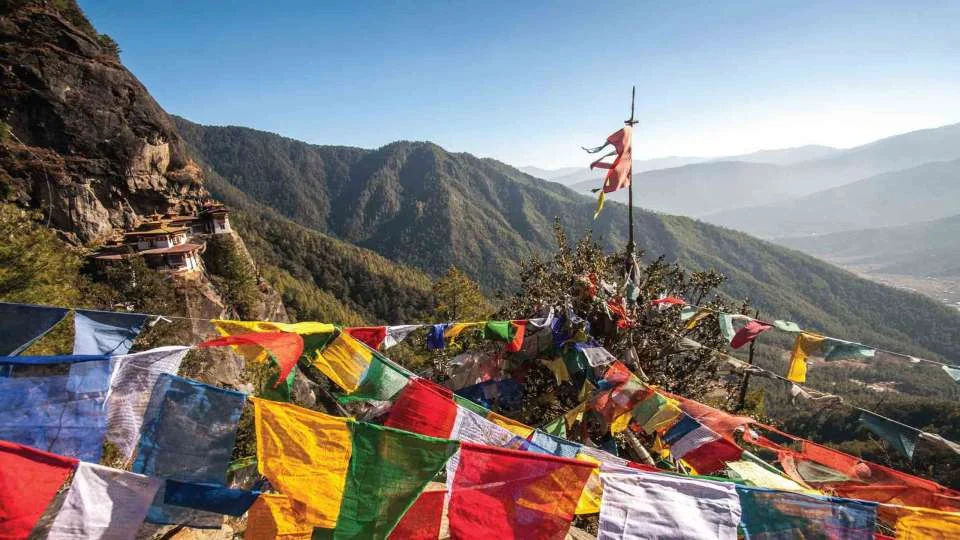
The Bumdra Trek—often called the Bumdra Monastery Trek—is a short yet stunning adventure in the Paro region of western Bhutan. Lasting just 2 days and 1 night, it offers dramatic Himalayan views, peaceful forests, sacred temples, and a rare opportunity to camp above the clouds near one of Bhutan’s most remote monasteries. The trek finishes with a descent to the iconic Tiger’s Nest Monastery (Taktsang), making it a perfect blend of adventure and spiritual discovery. Ideal for those short on time but hungry for meaningful experience, the Bumdra Trek is a hidden gem.
The Bumdra Trek is located in the Paro Valley, starting just outside the town of Paro and climbing steeply into the mountains to reach the Bumdra Monastery (Cave of a Thousand Prayers), situated at approximately 3,800 meters (12,467 feet). The route passes through pine forests, open ridgelines, alpine meadows, and sacred Buddhist sites.
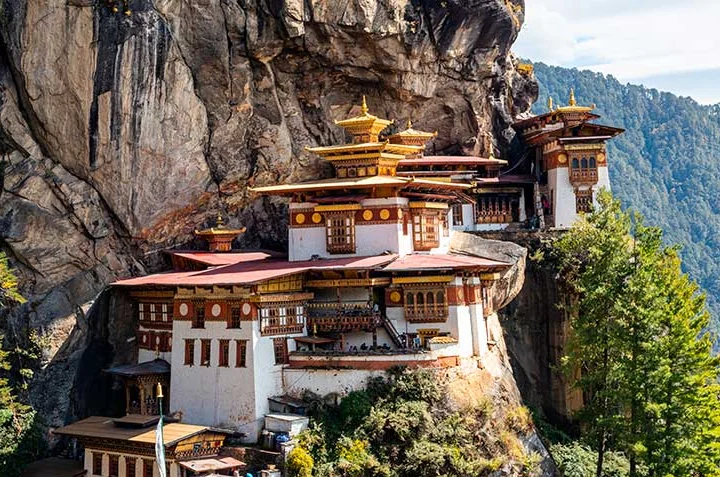
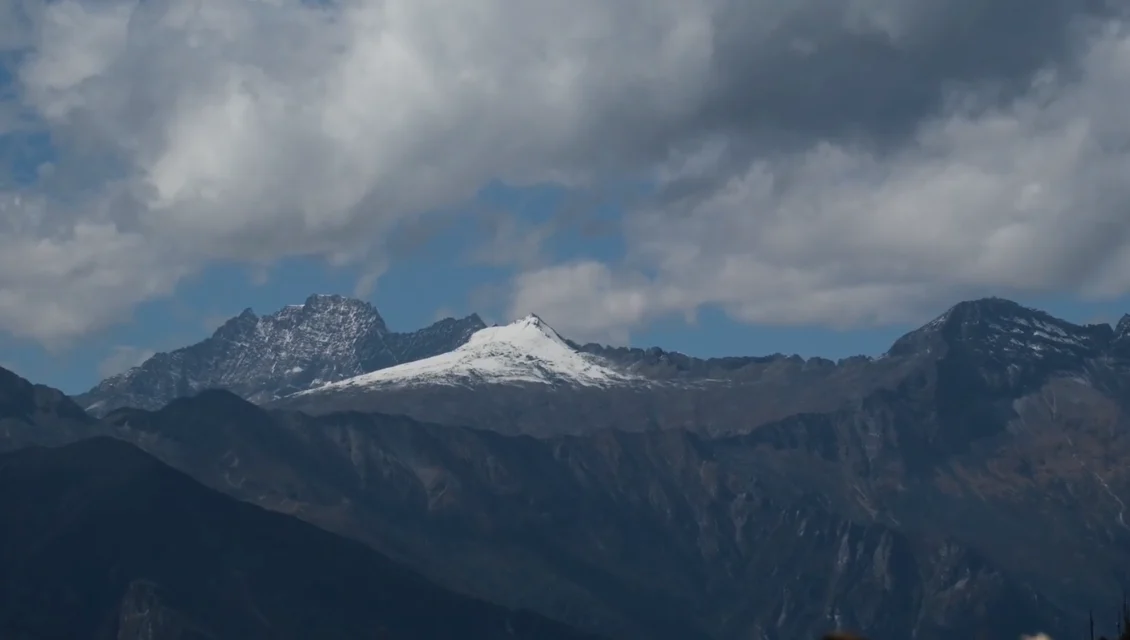
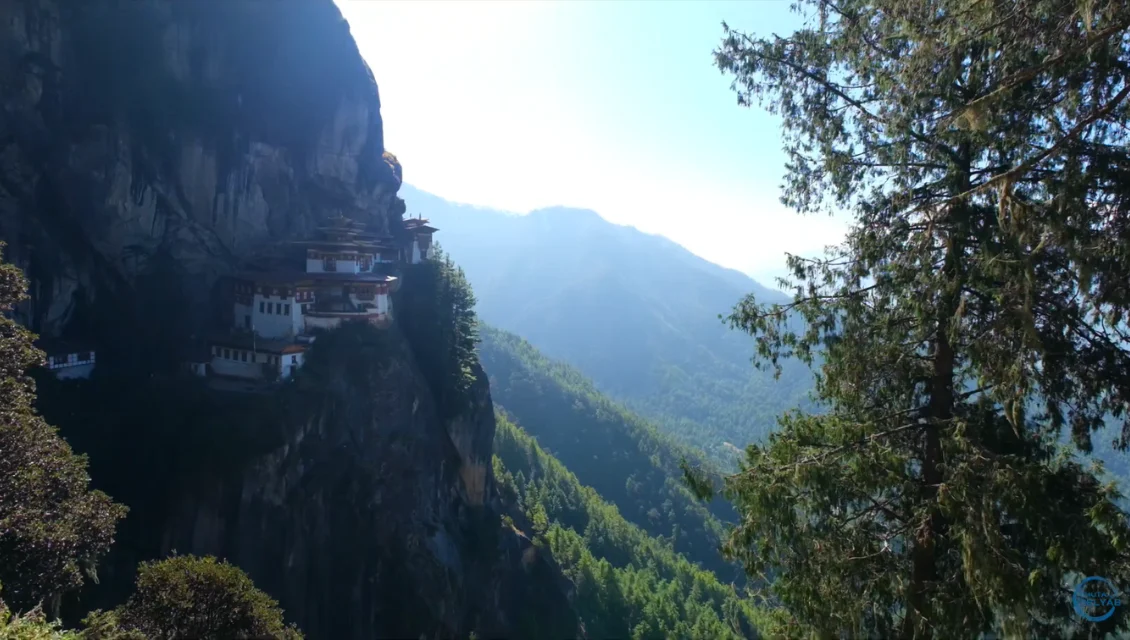
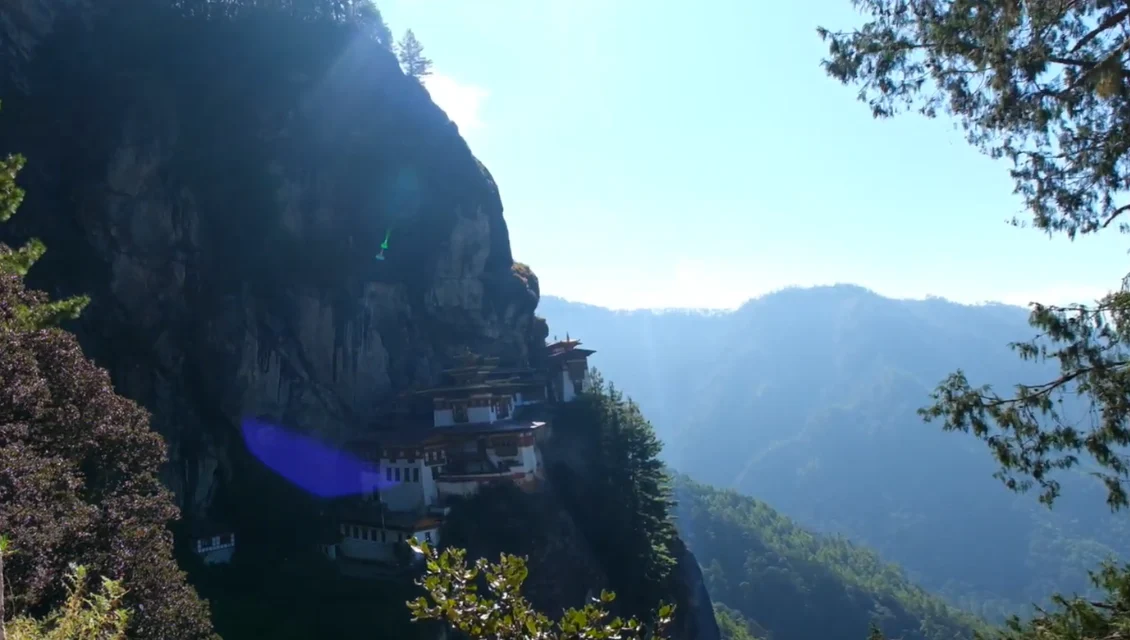
From the Bumdra campsite, trekkers enjoy panoramic views of the Paro Valley and, on clear days, the snow-capped Himalayas. The second day includes a descent through ancient forest trails leading directly to the Tiger’s Nest, Bhutan’s most iconic and revered temple, dramatically perched on a cliffside.
While the trail itself passes few villages, it traverses lands that are deeply spiritual and connected to Bhutanese religious life. You’ll meet your Bhutanese guides and local crew, who bring knowledge of the landscape, legends, and spiritual traditions. The Bumdra Monastery is rarely visited and provides a peaceful space for reflection and meditation.
The people of Paro, like all Bhutanese, are warm, respectful, and deeply rooted in Mahayana Buddhism. Their lives are closely tied to nature and spiritual practice.
The best times to do the Bumdra Trek are spring (March–May) and autumn (September–November), when skies are clear and the weather is pleasant. Spring brings blooming rhododendrons, while autumn offers crisp air and panoramic views. Daytime temperatures are mild, but nights can be cold at high elevations—especially at the campsite.
The trek starts in Paro, home to Bhutan’s only international airport. Most travelers arrive via flights from Kathmandu, Delhi, or Bangkok. Your tour operator will arrange transportation from the airport to the trailhead.
The hike usually begins with a short drive to Sang Choekhor Monastery, where the trekking route begins. Horses or yaks may be used to carry your gear to the campsite, while you carry a daypack and hike with your guide.
All camping equipment, meals, and support staff are arranged by your tour operator, so you can focus on enjoying the experience.
You will land in the beautiful city of Paro, Bhutan and take in the stunning views of the Himalayas from your flight. Paro is the largest valley in the entire Bhutan. Once you land at Paro International Airport, you will meet our tour operator with cozy welcome, and transfer you to the Hotel in Paro City. You will have the opportunity to enjoy a delicious lunch at the hotel to refresh yourself. After lunch in Paro, our guide will take you to sightseeing around Paro city. During the sightseeing in Paro, you will visit Ta Dzong, which was a watchtower, built to defend Rinpung Dzong during the inter-valley war of the 17th century. Later, during 1968, it was turned into a Bhutan's National Museum. Then, visit Paro Rinpong Dzong, which was built in 1646 by Bhutan’s first spiritual and temporal ruler, Sahbrung Ngawang Namgyal. The Dzong is the seat of district administration, district court and the monastic body. A traditional roofed cantilever bridge known as 'Nemi Zam' is located at its southern section.If you arrive at Paro during weekends, we will get an opportunity to visit Paro weekend Market, where people from surrounding localities come to Paro to sell and buy goods. Sightseeing in Paro city, indubitably is going to familiarize you with the vibrant culture, rich history, mesmerizing arts and reverential religious beliefs of Bhutan. Ending your Paro sightseeing, you will get back to your hotel where you will spend your overnight, and prepare yourself for the next day's trek.
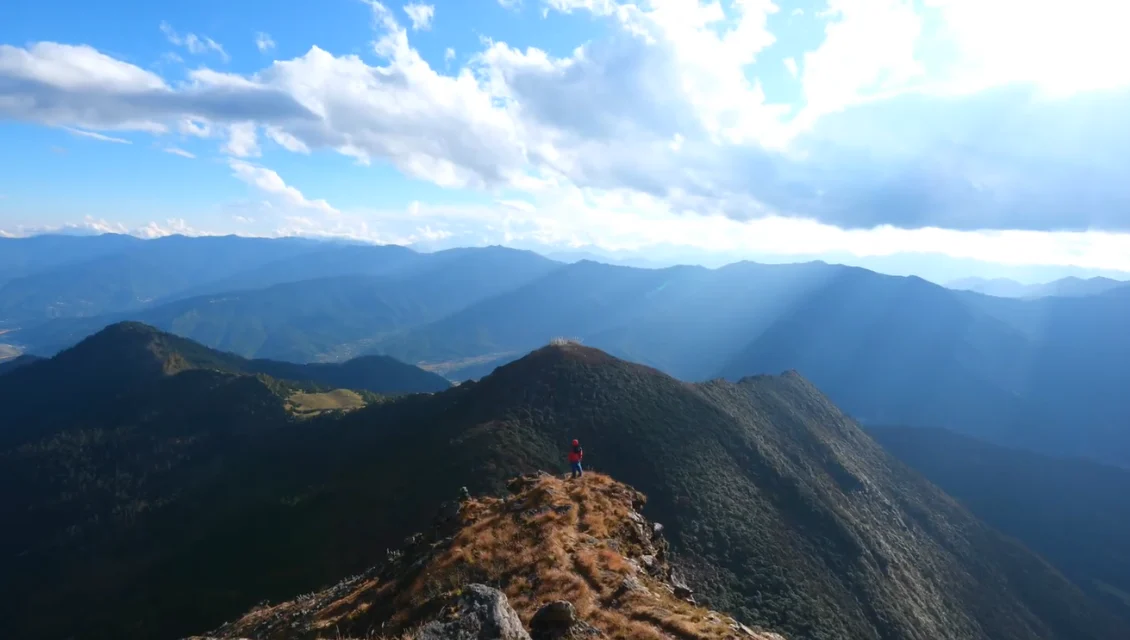
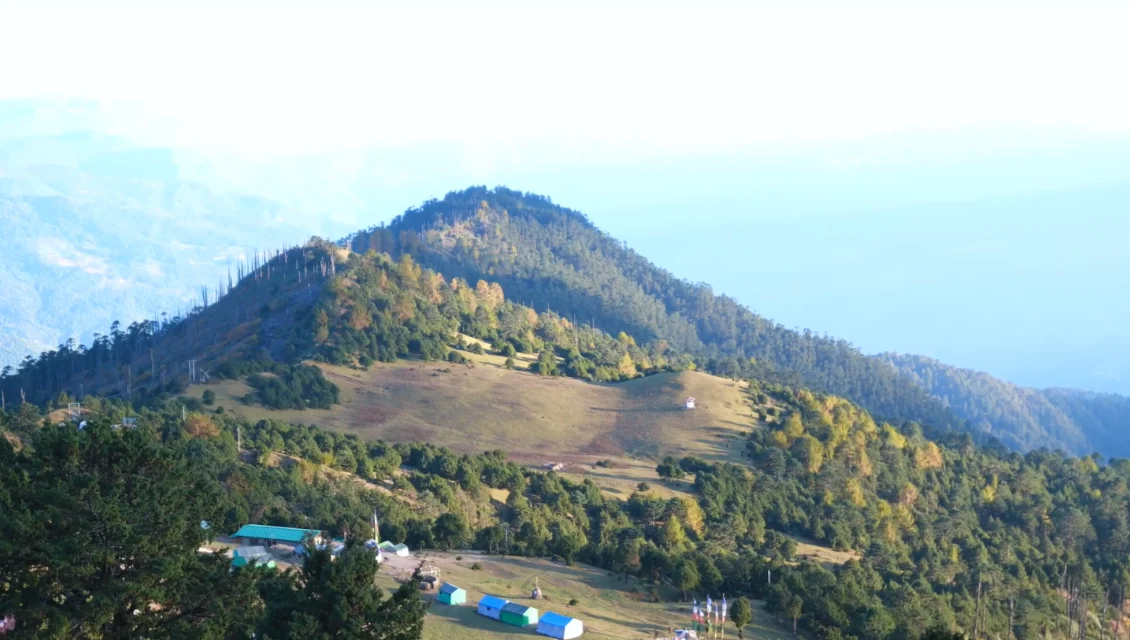
The second day in Bhutan, we wake up in the morning, and will have breakfast and get ready to start Trek, we will be driven to the starting point of the Bumdra Trek, Sangchen Choekhor, is a monastery where monks receive Buddhist philosophy and teachings from the country’s preeminent teachers, and from here we can see a stunning view of the city of Paro and the surrounding terrain. We will pass through steep sections, dense forests of Himalayan blue pine, oak and rhododendron, and Chochong Tse, is a 17th century temple and meditation cave. Leaving Chochong Tse, we will walk along the ridge, from where you will get a panoramic view of mountain peak, surrounding valley and hills. As we ascend to altitudes above treeline, we’ll notice that the vegetation becomes increasingly sparse. By the end of the day, with elevation gain of almost 1,000 m to 3,280 m, we will reach Bumdra Camp site. At Bumdra Camp site, you will spend your night, getting rest and recovering from the tiredness and fatigue caused by an arduous climb of the city.
Today is the excursion day in Bumdra. We will wake up in the morning to see the sunrise from Bumdra Camp Site, the view will be mesmerizing as we see golden sun rise from the horizon and spill its dazzling light all over the terrain. Moreover, we will be trekking on the ridge of Bumdra. We have two options - the first option is the easier option, reaching the Bumdra Sky Burial Platform at 4,200m/13,779ft above sea level. This is a sacred place where departed children under the age of nine are buried. It takes about 3 to 4 hours to reach. The second option is a bit more challenging and has a longer walking time with a higher elevation at 4,600m/15,091 ft. It takes 5 to 6 hours. Either one will give you a spectacular view of the distant surrounding. After reaching the summit you will return and spend the night at Bumdra camp. If we will have enough time then, we go to visit Bumdra Monastery.
Today will be the last day of Bumdra Trek. After breakfast, we will hike down the mountain, will take us through another trail, past the nearby Tiger Cave Temple, as we descend through rocky path, traversing, verdant forest, we reach Paro Taktsang Monastery, one of the most important monasteries with major religious significance. After spending sometime at monastery, we will resume descend to the parking area of Paro Taktsang Monastery, from where our vehicle will pick us up and drive to Paro City, and checked into hotel. We will spend our night at a hotel in Paro.
After breakfast, drive to Paro airport for flight to onward destination.
The best time for the Bhutan –Bumdra Trek is March–May and October–November, with September and December–February also good. Typical daytime temperatures at Paro (2,280 m) in those months are around 17 °C, with colder nights at higher camps.
Spring (March–May) brings rhododendrons and the Paro Tsechu festival; autumn (September–November) has clear Himalayan views and the Thimphu Tsechu. Winter is cold but bright, and the summer monsoon is green with fewer visitors.
| Month | Conditions | Day | Night |
|---|---|---|---|
| January | Good — clear skies, cold nights and fewer trekkers | 9 °C | -5 °C |
| February | Good — clear skies, cold nights and fewer trekkers | 10 °C | -2 °C |
| March | Best time — stable weather and clear views | 14 °C | 1 °C |
| April | Best time — stable weather and clear views | 17 °C | 4 °C |
| May | Best time — stable weather and clear views | 21 °C | 10 °C |
| June | Possible — monsoon showers and cloud | 23 °C | 14 °C |
| July | Possible — monsoon showers and cloud | 24 °C | 15 °C |
| August | Possible — monsoon showers and cloud | 24 °C | 15 °C |
| September | Good — green landscapes, some rain | 22 °C | 13 °C |
| October | Best time — stable weather and clear views | 19 °C | 6 °C |
| November | Best time — stable weather and clear views | 14 °C | 0 °C |
| December | Good — clear skies, cold nights and fewer trekkers | 11 °C | -4 °C |
Average day and night temperatures at Paro (2,280 m). Higher camps are colder.
Your packing checklist for Bhutan –Bumdra Trek. Tick items off as you pack — down jackets and sleeping bags can also be rented in Kathmandu.
Private departures run on any date. Pick the start date that suits you and we will build the trip around it — same price, your own guide and team.
Duration
The Bumdra Trek is a rewarding short Himalayan adventure that typically requires 2–3 days of trekking, while the complete tour, including arrival, sightseeing in Paro, and departure, generally lasts 5–7 days. This trek is perfect for travelers with limited time who wish to experience Bhutan's spectacular mountain scenery and rich Buddhist heritage.
Trek Grade
The trek is graded as Moderate, with a steady ascent through pine and rhododendron forests to the high alpine campsite at Bumdra. Daily walking averages 5–7 hours, involving well-maintained mountain trails, forest paths, and moderate uphill sections. Although physically demanding in places, the trek requires no technical climbing experience and is suitable for active travelers with a reasonable level of fitness.
Altitude
The highest point of the trek is Bumdra Camp (approximately 3,800 metres / 12,470 feet). The gradual ascent allows trekkers to adapt comfortably to the altitude while enjoying magnificent views of the Paro Valley and surrounding Himalayan peaks. Although altitude sickness is uncommon on this trek, participants should walk at a steady pace, remain well hydrated, and follow the advice of their guide.
Trekking Distance
The total trekking distance is approximately 20–25 kilometres, with daily walking distances ranging from 8 to 12 kilometres. The trail winds through dense forests, open alpine meadows, and sacred mountain landscapes before descending dramatically to the iconic Tiger's Nest Monastery.
Accommodation
Accommodation during the trek is provided in fully serviced camping sites at Bumdra. Comfortable sleeping tents, dining tents, kitchen facilities, and toilet tents are arranged by the professional camp crew. Hotel accommodation is provided before and after the trek in Paro, offering a comfortable combination of camping and hotel stays.
Meals
Freshly prepared breakfasts, lunches, and dinners are served throughout the trek. Meals include a selection of Bhutanese, Asian, and Continental dishes prepared by experienced camp cooks using fresh local ingredients. Vegetarian and special dietary requirements can be accommodated with advance notice.
Transportation
Private transportation is provided throughout the journey, including airport transfers, sightseeing excursions, and transfers between Paro and the trekking trailhead. Comfortable tourist vehicles ensure convenient and safe travel.
Best Time to Visit
The best seasons for the Bumdra Trek are March to May and September to November. Spring offers blooming rhododendron forests, colourful wildflowers, and pleasant temperatures, while autumn provides clear skies, stable weather, and exceptional mountain views. These seasons offer the most comfortable trekking conditions and the finest opportunities for photography.
Permits and Visa
All international visitors require a valid passport, a Bhutan tourist visa, and the necessary trekking permits. Bhutan's tourism regulations require all visitors to travel with a licensed Bhutanese guide through an authorized tour operator. All permits and visa arrangements are completed before your arrival.
Travel Insurance
Comprehensive travel insurance covering trekking activities, emergency medical treatment, helicopter evacuation, trip cancellation, and personal belongings is strongly recommended for all participants.
Scenic Highlights
The Bumdra Trek is renowned for its breathtaking mountain scenery and spiritual atmosphere. The trail passes through pristine pine and rhododendron forests, alpine meadows, and high ridgelines that provide panoramic views of the Paro Valley and surrounding Himalayan mountains. The highlight of the journey is the dramatic descent to the world-famous Tiger's Nest Monastery (Paro Taktsang), one of Bhutan's most sacred and iconic landmarks.
Culture and Heritage
The trek offers a unique opportunity to explore Bhutan's rich Buddhist traditions. Along the route, trekkers encounter ancient temples, meditation caves, prayer flags, chortens, and sacred pilgrimage sites. Spending a night at Bumdra, often referred to as the "Cave of a Thousand Prayers," allows visitors to experience the peaceful spiritual atmosphere that has attracted Buddhist practitioners for centuries.
Flora and Fauna
The trail passes through forests of blue pine, fir, oak, juniper, and rhododendron before reaching open alpine pastures. Wildlife commonly seen includes Himalayan monals, blood pheasants, Himalayan griffons, squirrels, and grazing yaks. During spring, colourful rhododendrons and wildflowers transform the mountainsides into vibrant landscapes, making the trek especially rewarding for photographers and nature lovers.
Weather and Climate
Weather conditions vary according to season and elevation. During spring and autumn, daytime temperatures generally range between 10°C and 18°C, while nighttime temperatures at Bumdra Camp can fall below 0°C. Warm layered clothing, a quality sleeping bag, and waterproof outerwear are essential for comfort during the trek.
Communication and Electricity
Mobile phone coverage is available in Paro but becomes limited in the higher mountain areas. Electricity is not available at the campsite, so trekkers should carry a fully charged power bank and spare batteries for cameras and electronic devices.
Health and Safety
The trek is led by experienced, government-licensed guides trained in mountain safety and first aid. A comprehensive first-aid kit is carried throughout the journey, and guides carefully monitor the health and well-being of participants. Although the trek reaches moderate altitude, maintaining good hydration and walking at a comfortable pace are important for an enjoyable trekking experience.
Responsible Tourism
Bhutan's tourism policy emphasizes environmental protection and cultural preservation. Visitors are encouraged to minimize waste, avoid single-use plastics, respect local customs and religious sites, and help preserve the pristine mountain environment by following responsible trekking practices.
Packing Recommendations
Recommended equipment includes sturdy trekking boots, warm layered clothing, a down jacket, waterproof jacket and trousers, thermal base layers, gloves, a warm hat, sunglasses, sunscreen, trekking poles, a reusable water bottle, a sleeping bag rated to at least –10°C, a headlamp, personal medications, toiletries, and a power bank for charging electronic devices.
Why Choose the Bumdra Trek?
The Bumdra Trek is one of Bhutan's most rewarding short trekking adventures, combining spectacular Himalayan scenery, peaceful mountain camping, ancient Buddhist heritage, and the unforgettable experience of descending to the legendary Tiger's Nest Monastery. Ideal for travelers with limited time, this trek offers the perfect balance of adventure, culture, spirituality, and natural beauty while showcasing some of Bhutan's most iconic landscapes.
The Bhutan –Bumdra Trek is graded Moderate — suitable for most active travellers. Expect 5–7 hours of walking on most days on mountain trails with plenty of ascents and descents. Regular cardio training — hiking, running, cycling or stair climbing — for 6–8 weeks before departure makes the trip far more enjoyable.
For the Bhutan region the best months are March–May and October–November. Spring (March–May) brings rhododendrons and the Paro Tsechu festival; autumn (September–November) has clear Himalayan views and the Thimphu Tsechu. Winter is cold but bright, and the summer monsoon is green with fewer visitors.
You need your Bhutan visa and the Sustainable Development Fee (SDF), which must be arranged through a licensed operator. Nord Extreme arranges every permit for you before the trip starts — check the "Includes" section above for exactly what is covered in the price. Just bring your passport and a few passport-size photos.
In Kathmandu you stay in a comfortable hotel; on the trail we use the best available family-run teahouses and lodges with twin-share rooms, shared or attached bathrooms and a warm dining room. Upgrades to luxury lodges are possible on popular routes such as Everest and Annapurna.
Both. You can join one of the fixed departures listed under "Dates & Prices", or book a private trip for just you, your family or friends on any date. Solo travellers are welcome — you will always have your own licensed guide.
Yes, travel insurance is compulsory. It must cover medical treatment and emergency helicopter evacuation up to the trip’s highest altitude, plus trip cancellation. Please send us your policy details before departure.
See the "What to bring" checklist on this page for the full list. The essentials are broken-in boots, warm layers, a down jacket, a waterproof shell, sun protection and a daypack. Down jackets and sleeping bags can be rented cheaply in Kathmandu, and a porter carries your main bag (up to 10–12 kg).
Keep exploring
Namaste! 🙏
Welcome to Nord Extreme Himalaya. Questions about Bhutan –Bumdra Trek? Send us a message — a Sherpa trip expert in Kathmandu will reply on WhatsApp.
Mr. Sonam G. SherpaOpens WhatsApp · +9779851078748