Transportations
- Private/tourist vehicles for airport pickup and drop-off in Kathmandu.
- Private/tourist vehicles transfer as per itinerary to access the trailheads.
- Domestic flight included for access to the trekking starting & ending point.
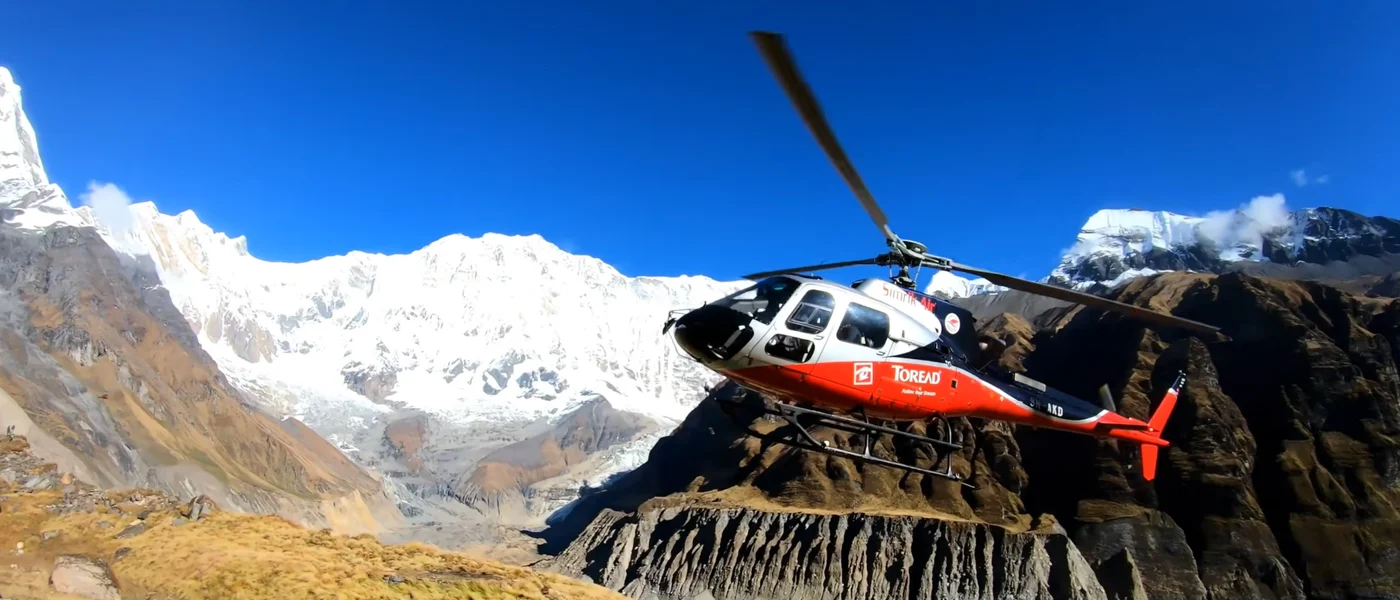
The Annapurna Base Camp with Heli Return Trek is a premium Himalayan adventure that combines the classic Annapurna Base Camp trekking experience with a scenic helicopter flight back from the heart of the Annapurna Sanctuary. This itinerary is designed for trekkers who want to fully experience the beauty of the Himalayas while saving time and reducing the physical demands of the return journey.
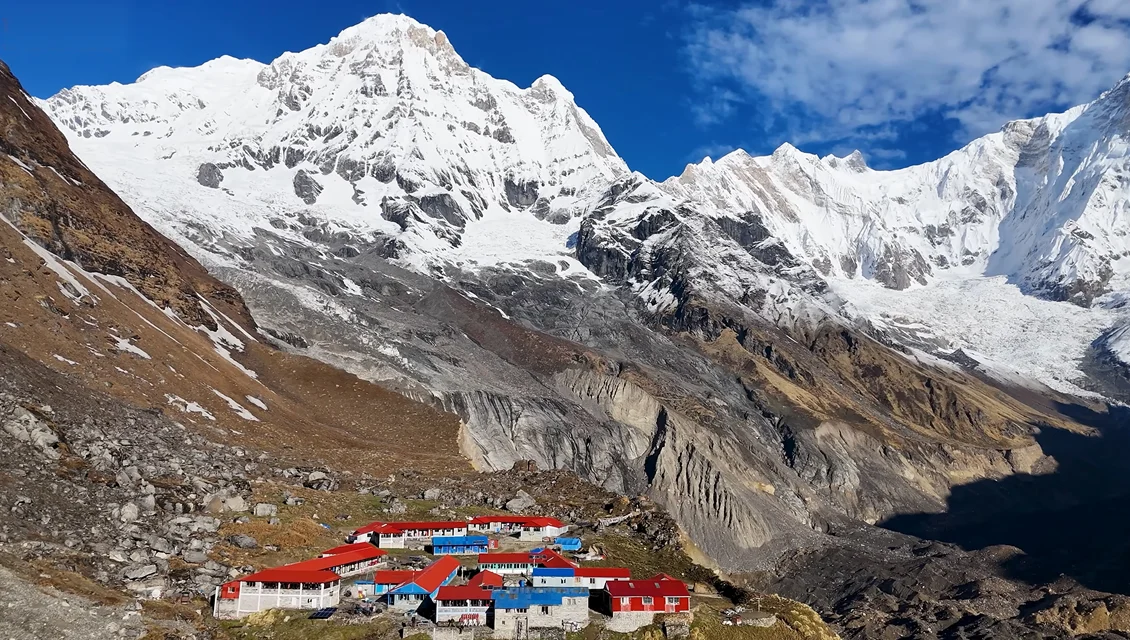
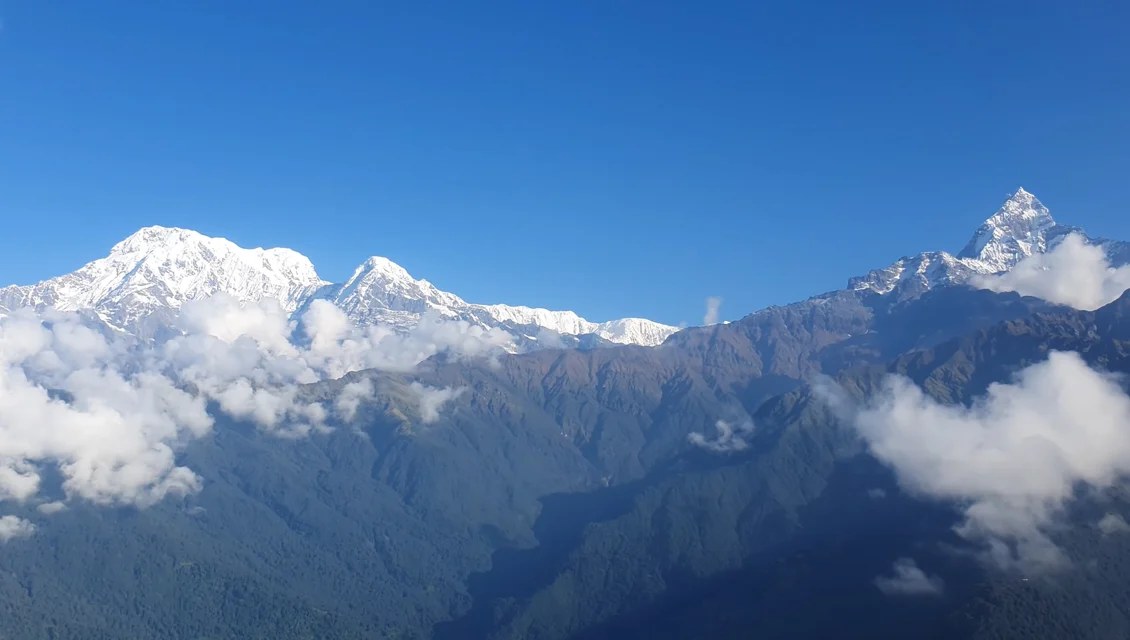
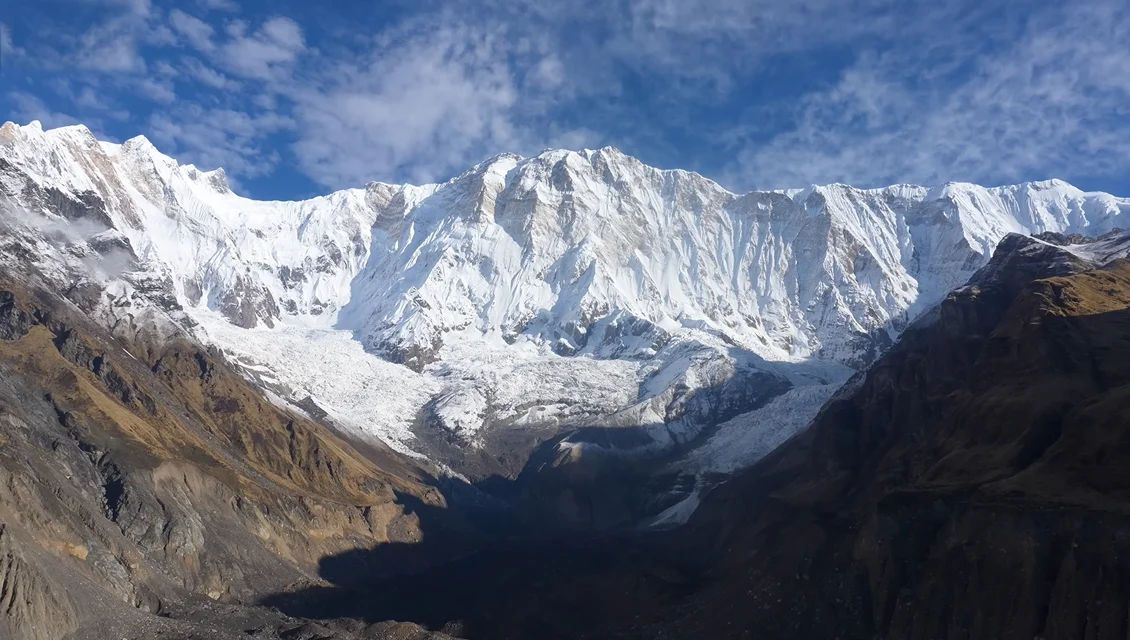
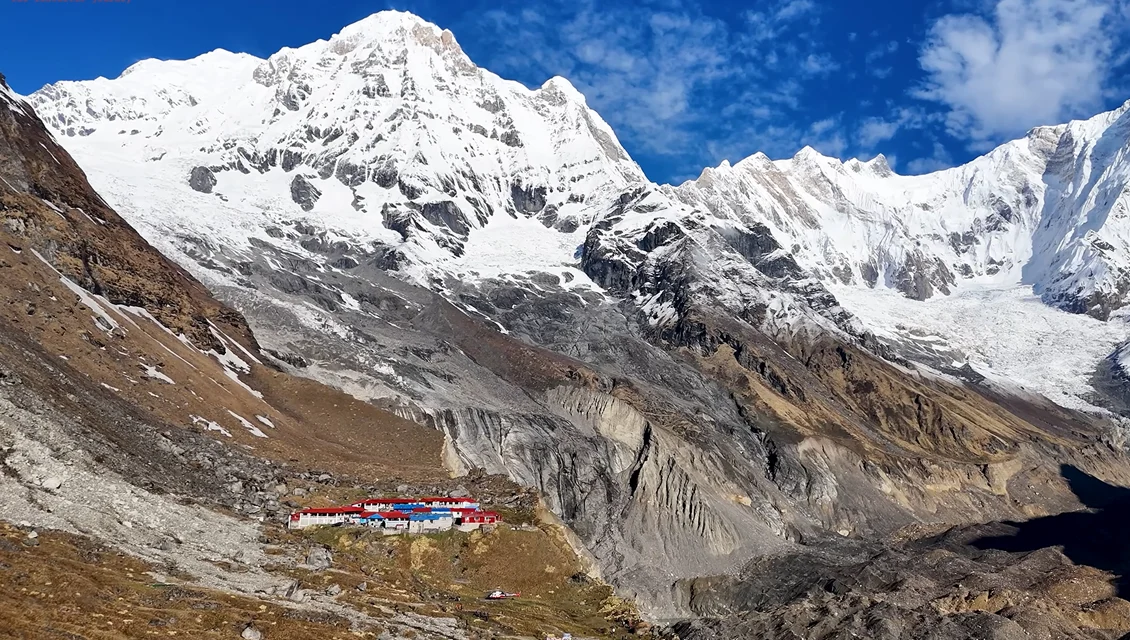
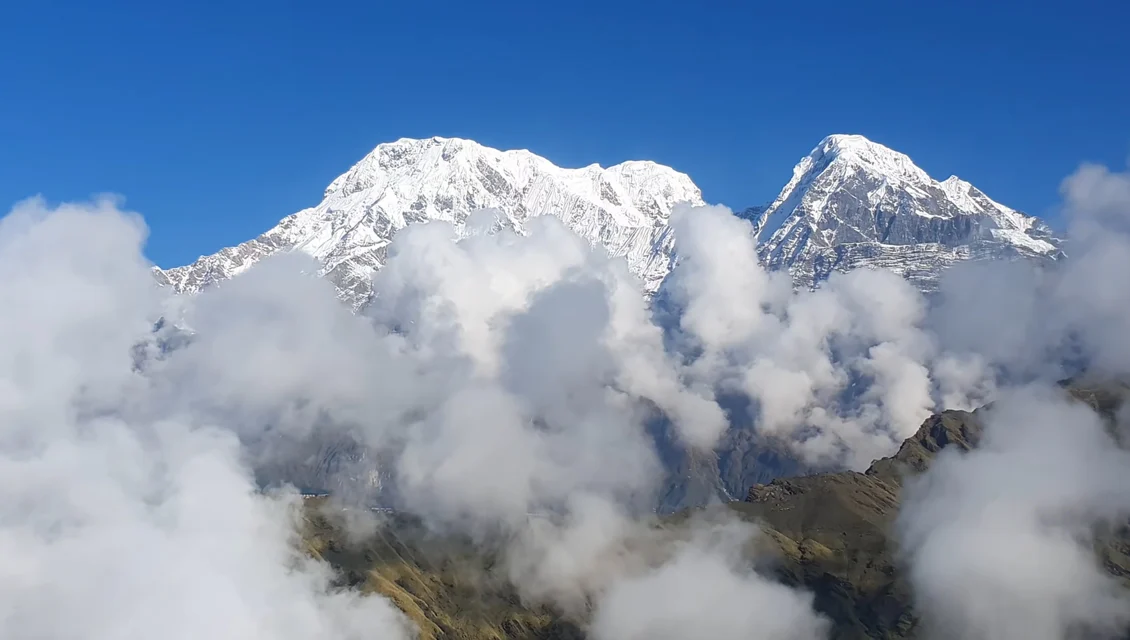
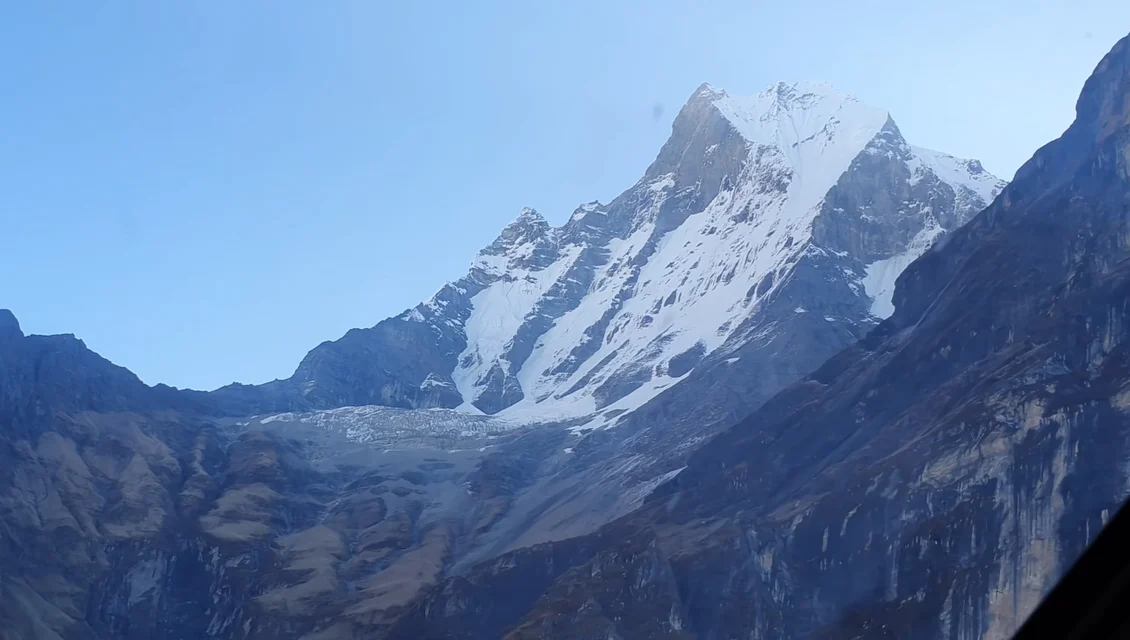
The trek leads through traditional villages, lush forests, river valleys, and high alpine landscapes before reaching Annapurna Base Camp (4,130 m). From this spectacular natural amphitheater, trekkers are surrounded by towering Himalayan peaks including Annapurna I, Machhapuchhre, Hiunchuli, and Annapurna South. After enjoying sunrise views at base camp, the journey concludes with a thrilling helicopter flight offering aerial views of glaciers, valleys, and snow-covered peaks.
This trek is ideal for luxury travelers, photographers, and adventure seekers who want a complete Annapurna Base Camp experience with added comfort and efficiency.
The Annapurna Base Camp with Heli Return Trek is located in the Annapurna region within Annapurna Conservation Area. The route typically begins from Pokhara and follows the Modi Khola valley through terraced farmland, dense forests, and traditional settlements.
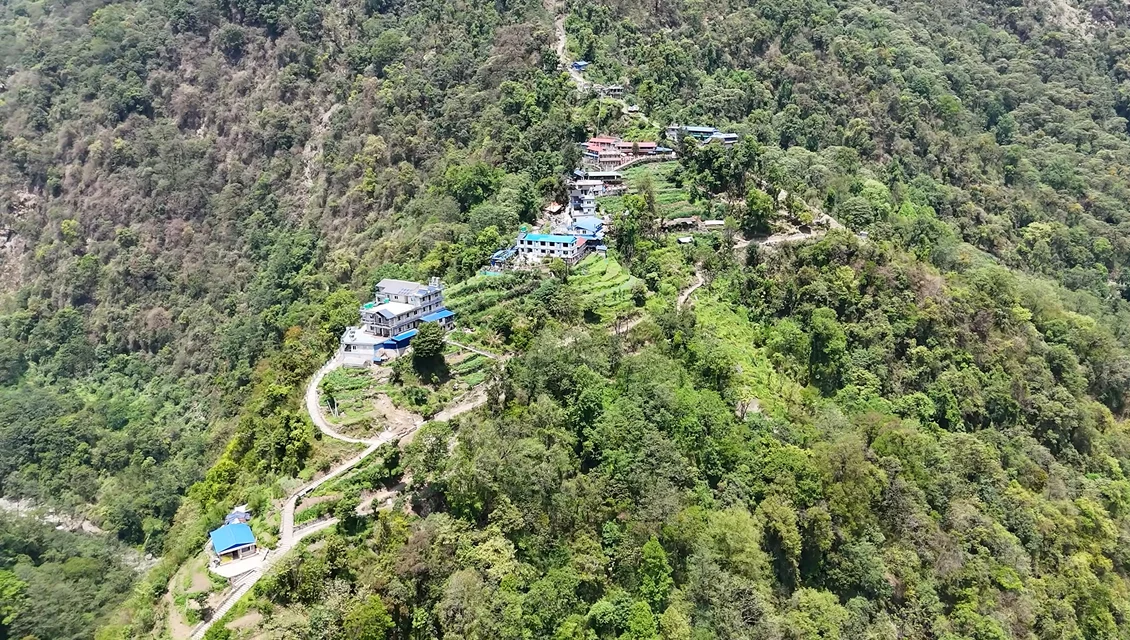
The landscape is highly diverse and changes dramatically with elevation. Lower sections feature subtropical forests, waterfalls, suspension bridges, and terraced rice fields. As the trail ascends, rhododendron and bamboo forests dominate the scenery, creating a lush and vibrant trekking environment.
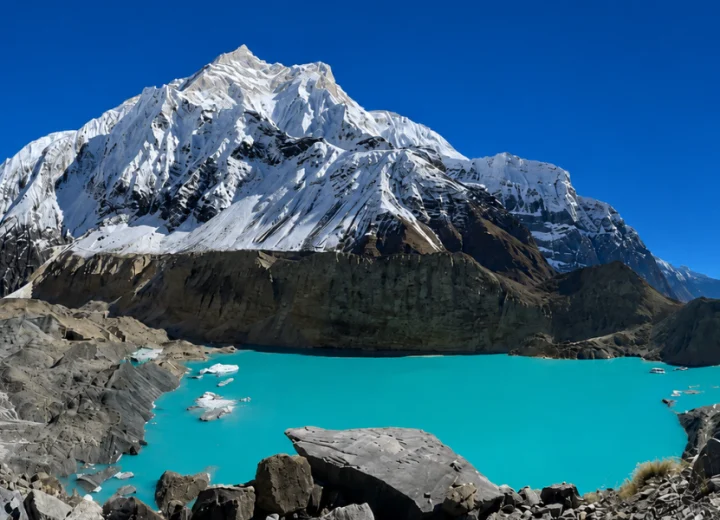
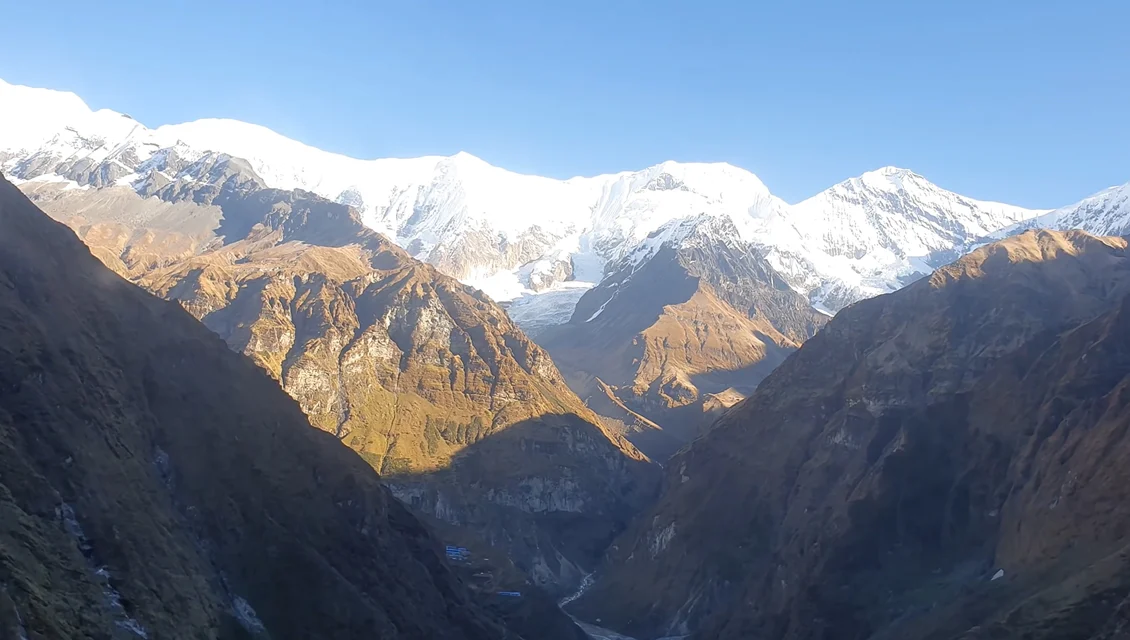
Higher up, the terrain becomes alpine and rugged, with glacial valleys and dramatic mountain walls surrounding the Annapurna Sanctuary. Key stops include Chhomrong, Bamboo, Deurali, and Machhapuchhre Base Camp, each offering increasingly close views of the Himalayan giants.
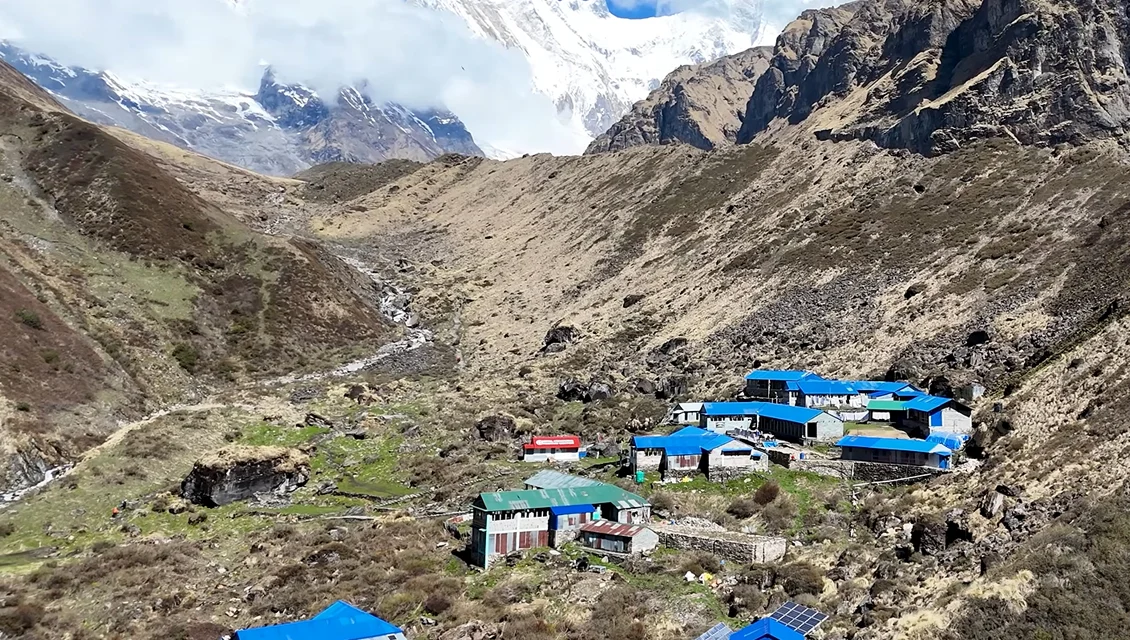
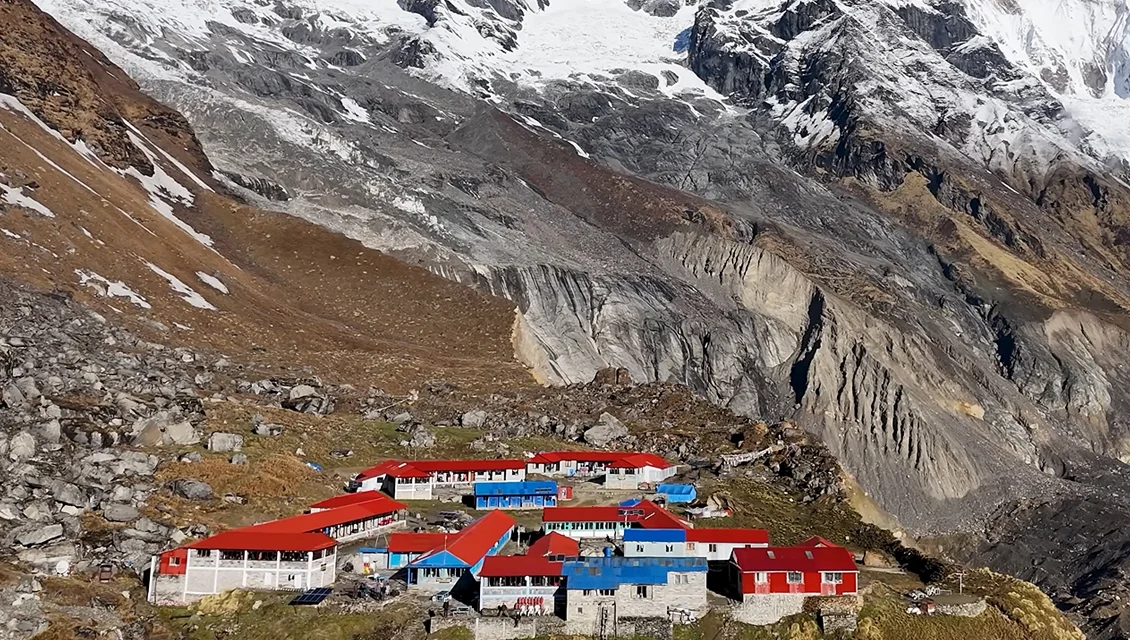
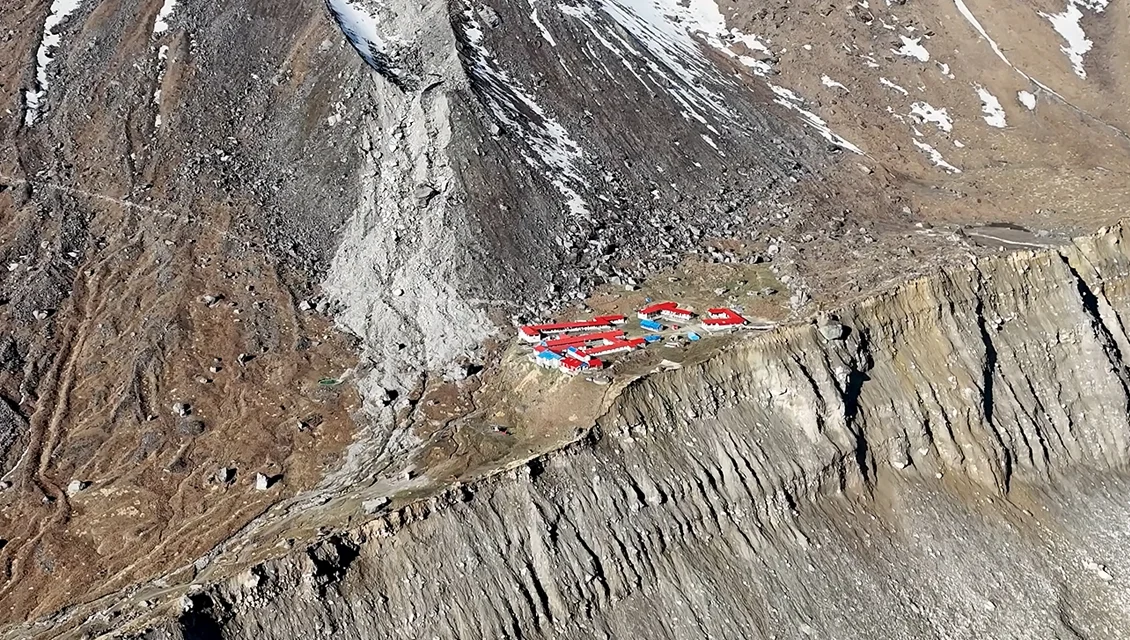
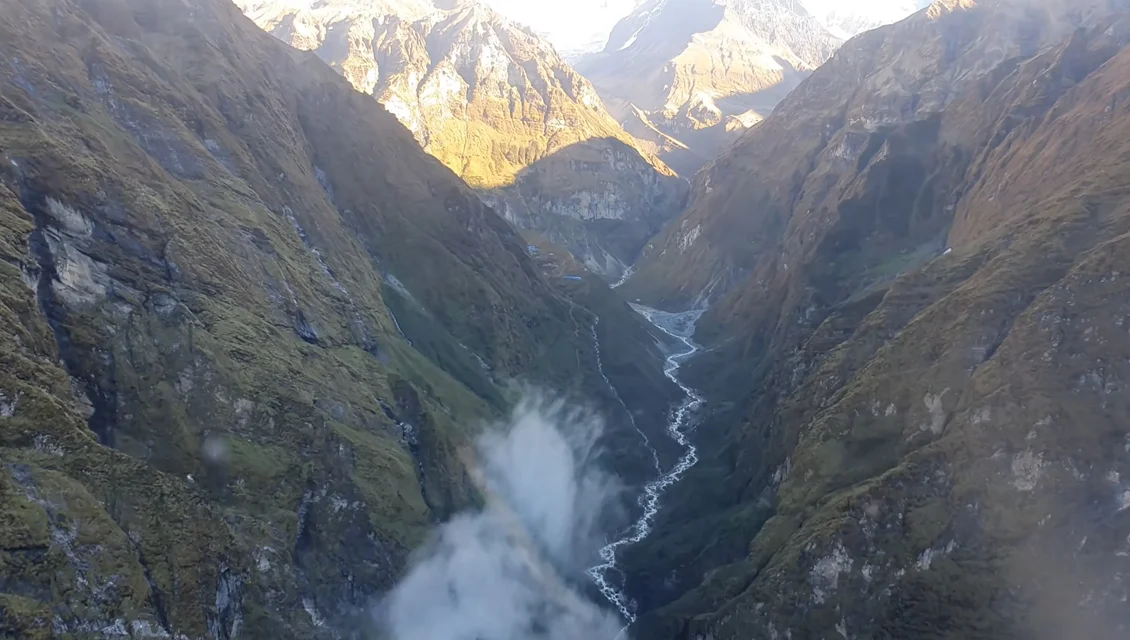
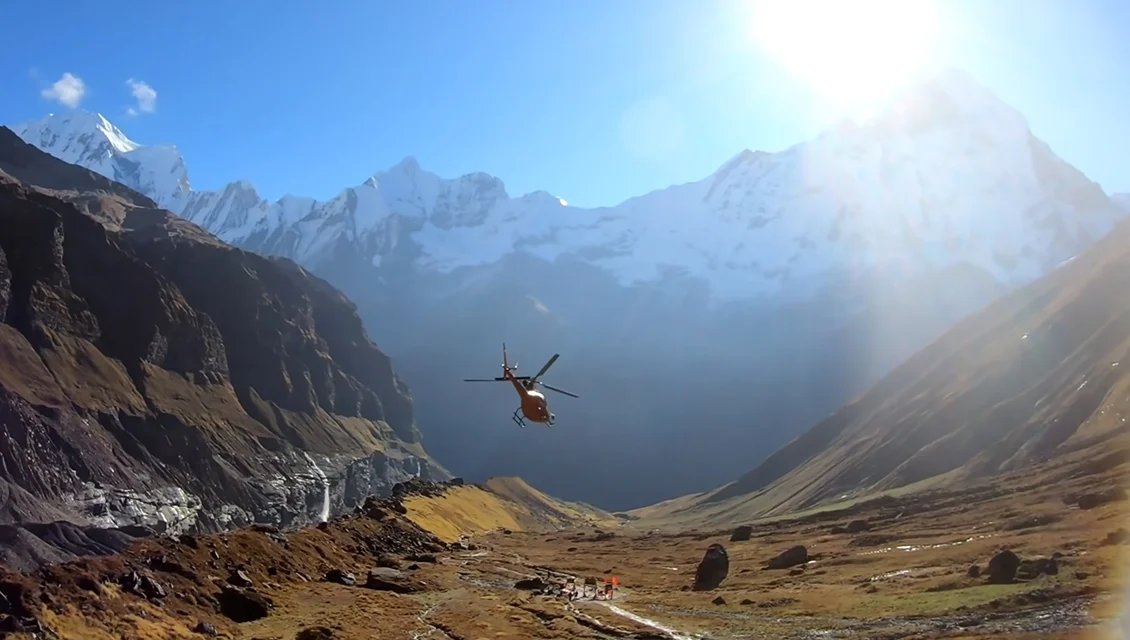
The final destination, Annapurna Base Camp, is a breathtaking natural basin surrounded by towering peaks. The sense of scale and isolation creates one of the most powerful mountain experiences in Nepal. The return helicopter flight provides a unique aerial perspective of the entire sanctuary, including glaciers, deep valleys, and remote mountain landscapes.
The best seasons for the Annapurna Base Camp with Heli Return Trek are spring (March–May) and autumn (September–November). These periods offer stable weather, clear skies, and excellent mountain visibility, which is especially important for helicopter operations.
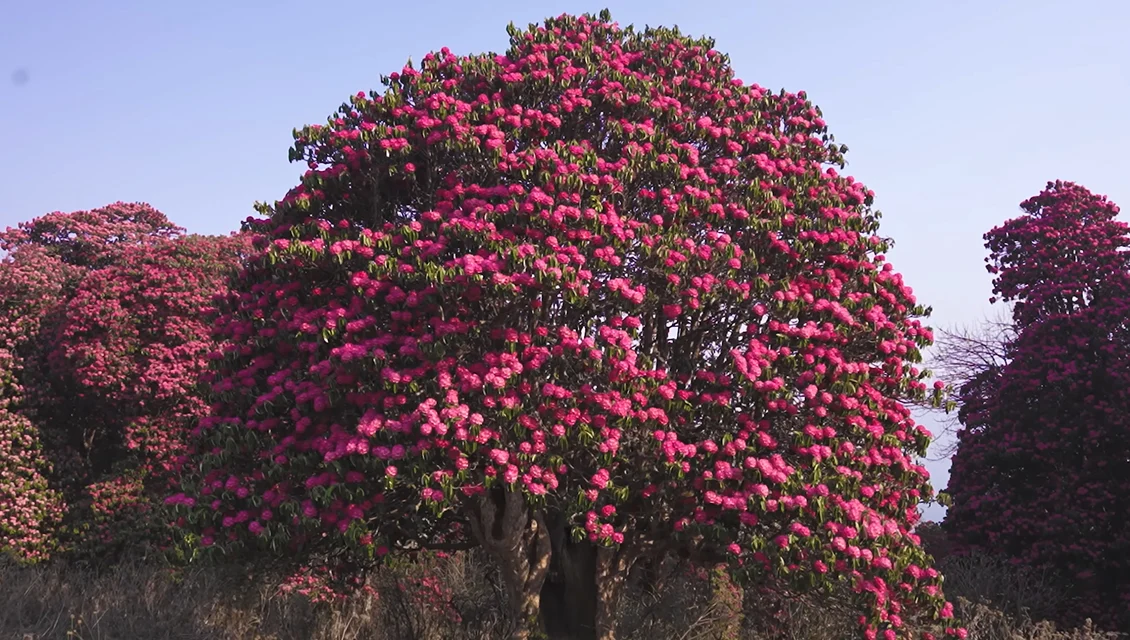
Spring provides mild temperatures and blooming rhododendron forests, adding color and beauty to the trekking trails. Autumn is considered the best season due to its crisp air, stable weather, and exceptional visibility after the monsoon season.
Winter (December–February) is colder but still possible, especially for experienced trekkers, though snowfall may affect higher sections. The monsoon season (June–August) is generally not recommended due to heavy rainfall, slippery trails, and flight disruptions.
Overall, autumn is the most reliable season for combining trekking and helicopter return safely and comfortably.
The Annapurna Base Camp region is home to Gurung and Magar communities, known for their hospitality, resilience, and strong cultural traditions. These communities have lived in the Himalayan foothills for generations, maintaining a lifestyle closely connected to nature and agriculture.
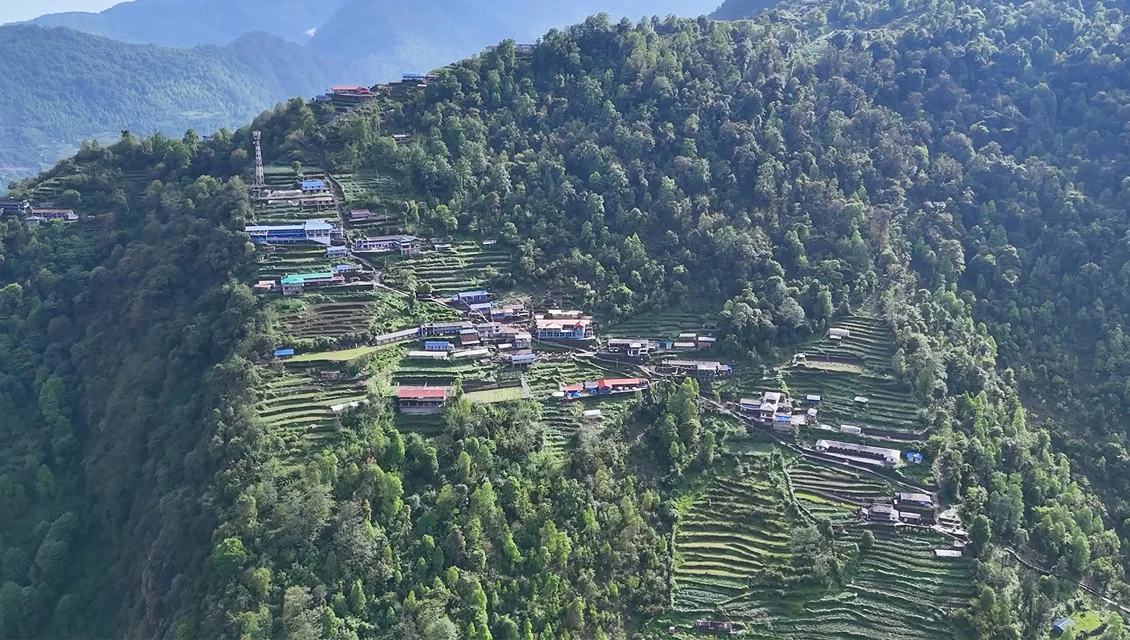
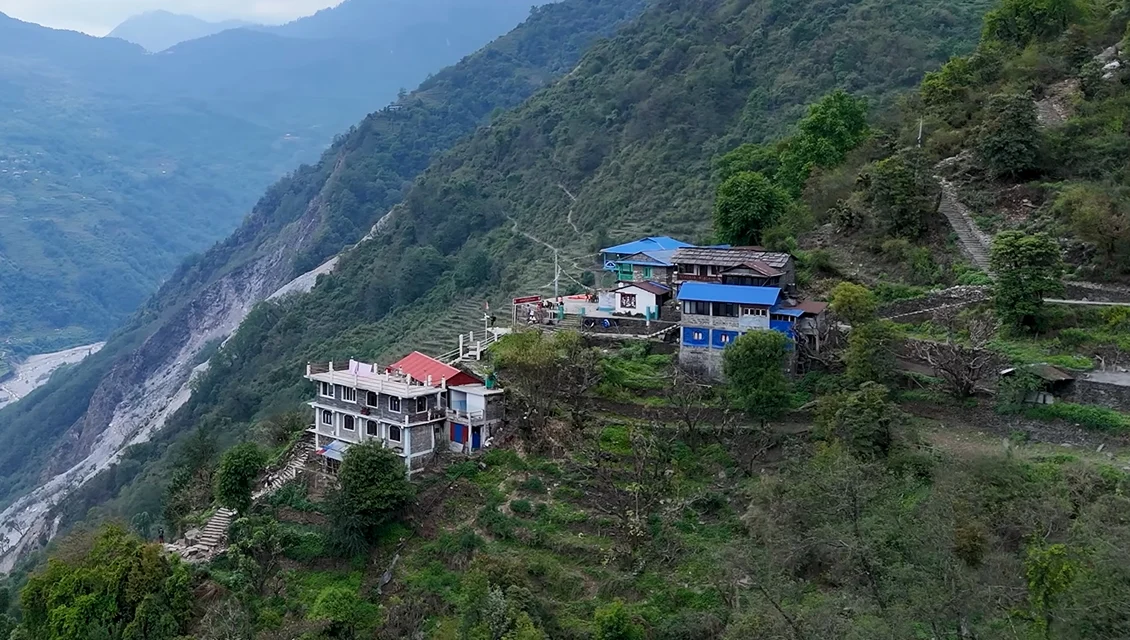
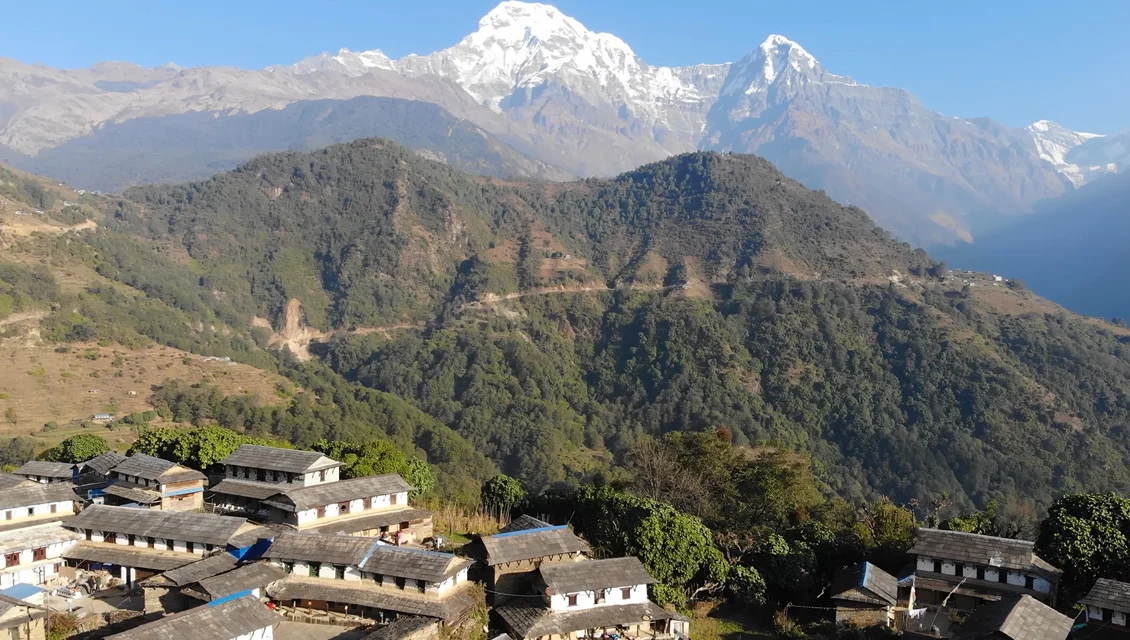
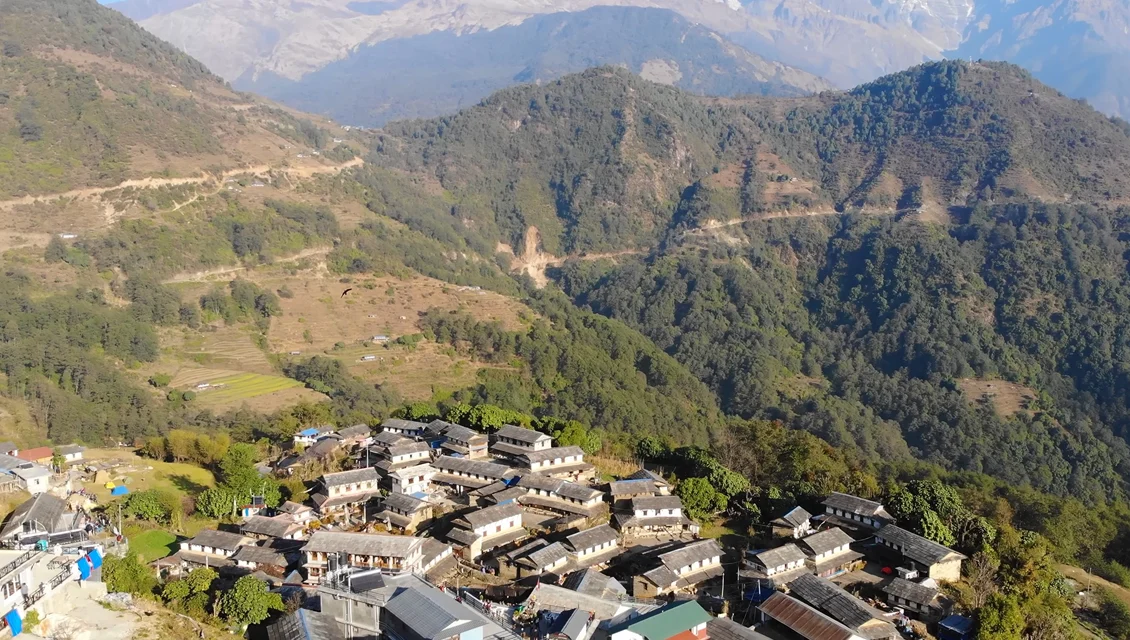
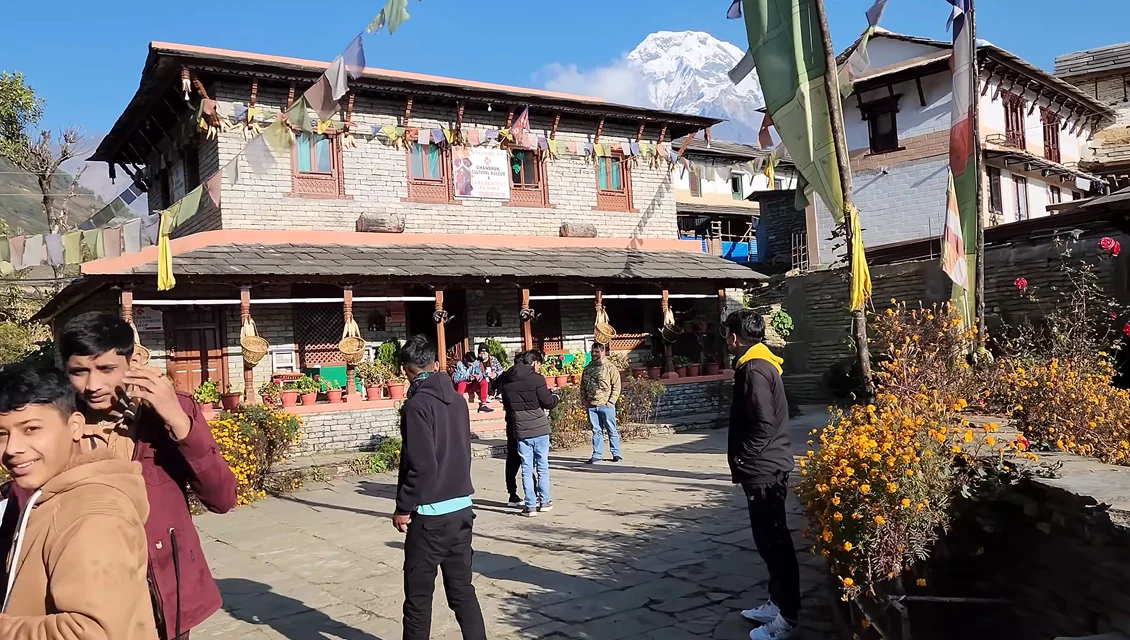
Villages such as Chhomrong, Ghandruk, and Landruk offer authentic cultural experiences with traditional stone houses, terraced fields, prayer flags, and small monasteries. Among them, Ghandruk is particularly well known for its cultural museum and panoramic mountain views.
Trekkers experience warm hospitality in local teahouses, where families serve traditional Nepali meals and share insights into mountain life. The influence of both Hindu and Buddhist traditions is visible throughout the region.
The combination of dramatic Himalayan scenery, cultural richness, and a luxurious helicopter return makes the Annapurna Base Camp with Heli Return Trek one of the most comfortable and unforgettable trekking experiences in Nepal.
Temperatures are typical for the best travel months (March–April and October–November) and can change with the weather.
Arrive at Tribhuvan International Airport in Kathmandu, where you will be warmly welcomed by a representative from Nord Extreme and transferred to your hotel in Thamel, the lively tourist district of the city.
After check-in and some rest, you may explore the nearby streets filled with cafés, trekking shops, local markets, and ancient temples.
In the evening, meet your trekking guide for a short introductory orientation about the journey ahead. If time permits, enjoy a traditional Nepali dinner and experience the vibrant atmosphere of Kathmandu. Overnight in Kathmandu.
Today is dedicated to final trekking preparation and official permit arrangements for the Annapurna region. Our Nord Extreme team will assist with all required documentation, including trekking permits and entry procedures.
You will attend a detailed trek briefing covering the itinerary, altitude awareness, trail conditions, weather expectations, and important safety guidelines.
A complete gear check will also be conducted to ensure you are fully prepared for the trek. If any equipment is missing, you will have time to rent or purchase it in Thamel. The remainder of the day is free for relaxation, sightseeing, or café visits around Kathmandu.
After breakfast, travel to Pokhara, the gateway to the Annapurna region. You may choose a scenic domestic flight with breathtaking views of the Annapurna and Langtang ranges, or enjoy a beautiful overland drive along the Prithvi Highway passing rivers, terraced hillsides, and rural settlements.
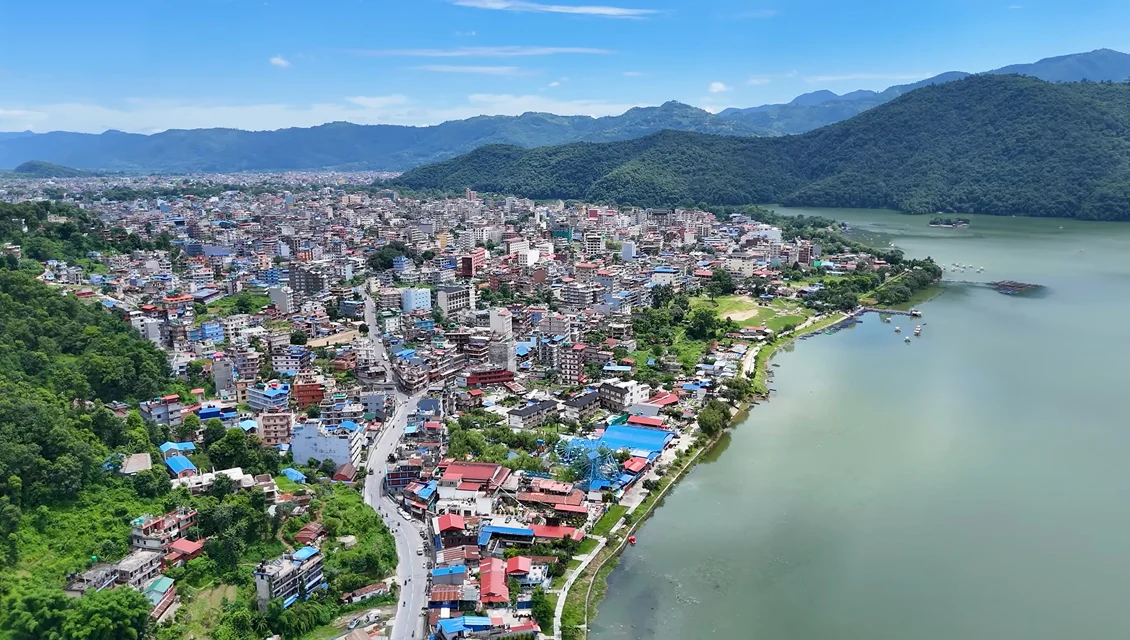
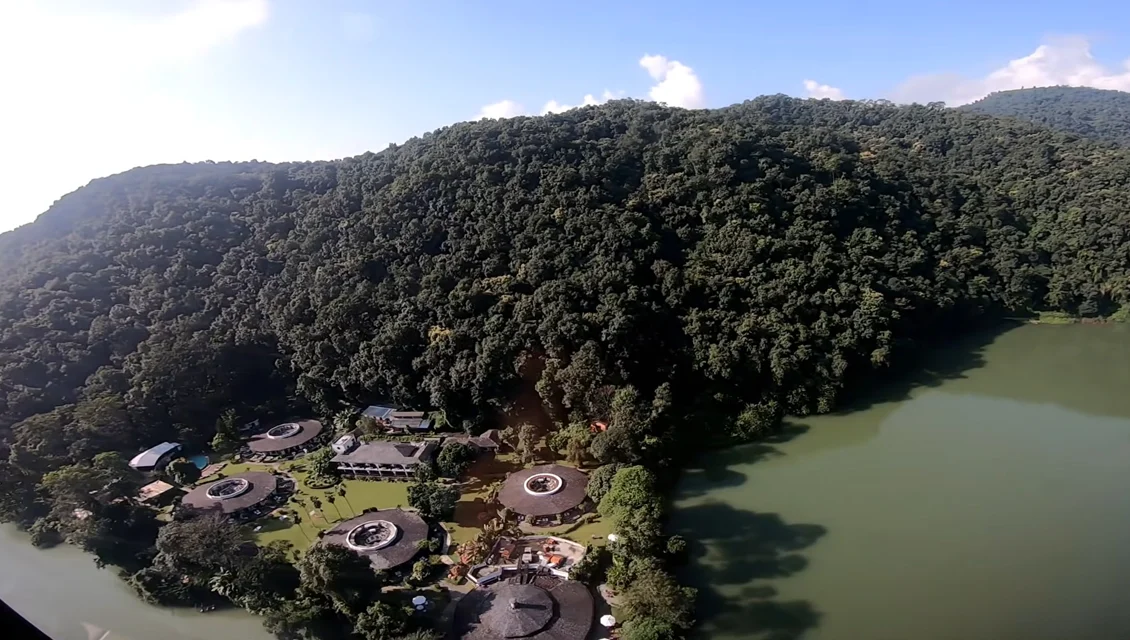
Upon arrival in Pokhara, check into your lakeside hotel and enjoy free time exploring Phewa Lake, cafés, and the peaceful atmosphere of the city. Overnight in Pokhara.
After breakfast, drive approximately 1.5 hours to Nayapul, the starting point of your trek. Begin walking through the lively village of Birethanti, crossing rivers and passing terraced fields, waterfalls, and traditional hillside settlements.
The trail gradually ascends to Tikhedhunga or Ulleri, depending on the pace of the group. Overnight at a traditional teahouse.
Today involves a steady climb through stone staircases and charming Magar villages. The trail passes through dense rhododendron forests, especially beautiful during the spring blooming season.
Arrive at Ghorepani, a scenic mountain village known for panoramic views of the Annapurna and Dhaulagiri ranges. Overnight at teahouse in Ghorepani.
Begin before dawn with a short uphill hike to Poon Hill, one of Nepal’s most famous viewpoints. Witness a spectacular sunrise over Dhaulagiri, Annapurna I, Machapuchare, and surrounding peaks.
After returning to Ghorepani for breakfast, continue trekking through forested ridges, streams, and rhododendron forests toward Tadapani. Overnight at teahouse in Tadapani.
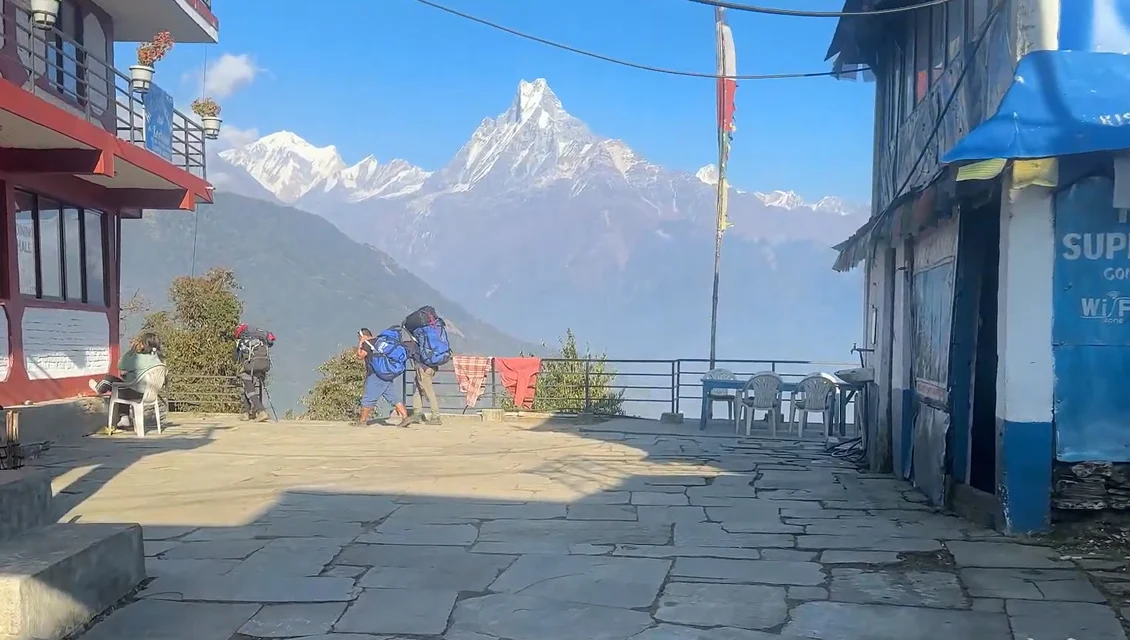
Descend through beautiful forest trails to Kimrong Khola before climbing gradually to Chhomrong, a picturesque Gurung village overlooking Annapurna South and Machapuchare.
The village offers stunning mountain scenery and a great cultural atmosphere. Overnight at teahouse in Chhomrong.
Today’s trail descends steeply to Chhomrong Khola before ascending through thick bamboo and rhododendron forests.
The peaceful forest environment, waterfalls, and cool mountain air make this section especially enjoyable. Overnight at teahouse in Bamboo.
Continue gradually uphill through bamboo forests and narrow river valleys. Pass through Dovan and climb higher toward Himalaya Hotel beneath towering cliffs and dramatic alpine scenery.
The landscape becomes increasingly rugged as you move deeper into the Annapurna Sanctuary. Overnight at teahouse in Himalaya.
Today is one of the most rewarding days of the trek. Pass Hinku Cave and Machapuchare Base Camp before entering the spectacular Annapurna Sanctuary.
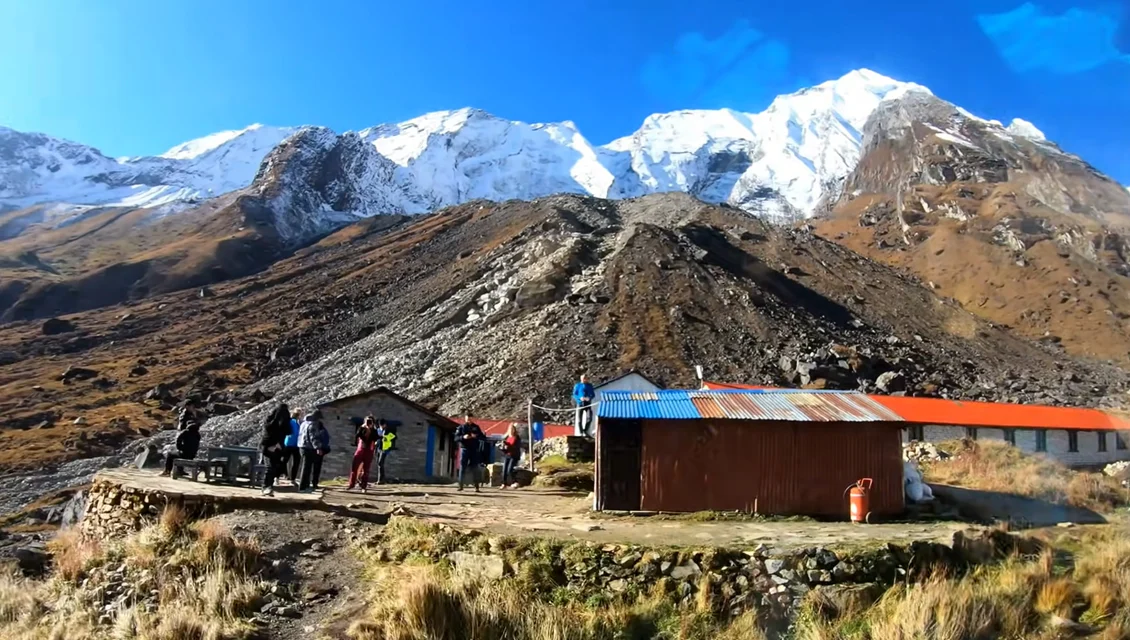
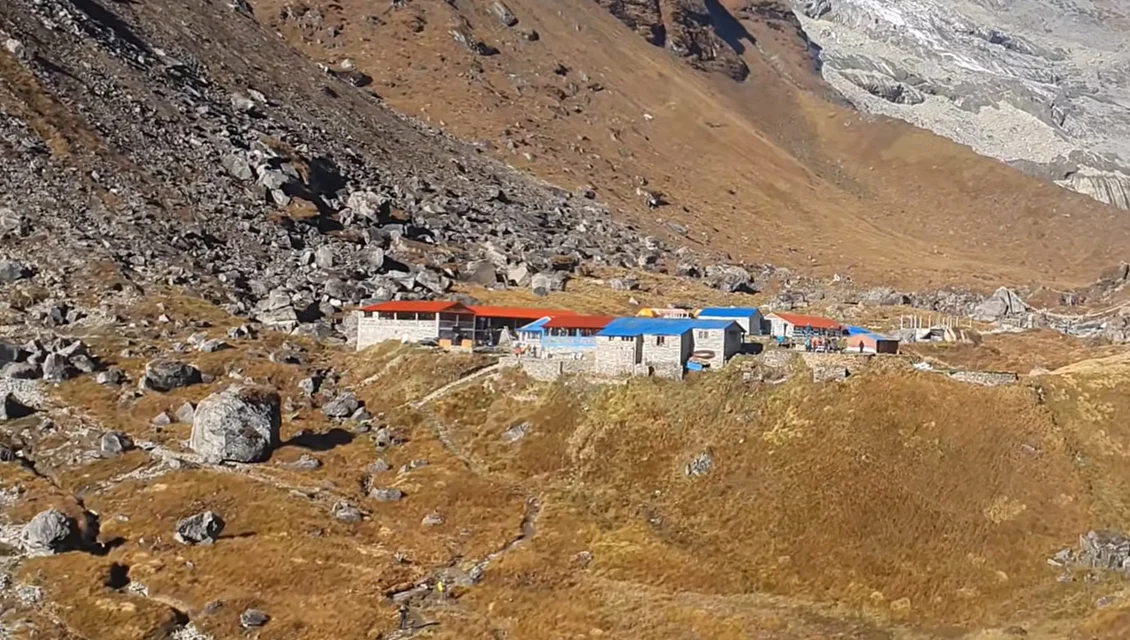
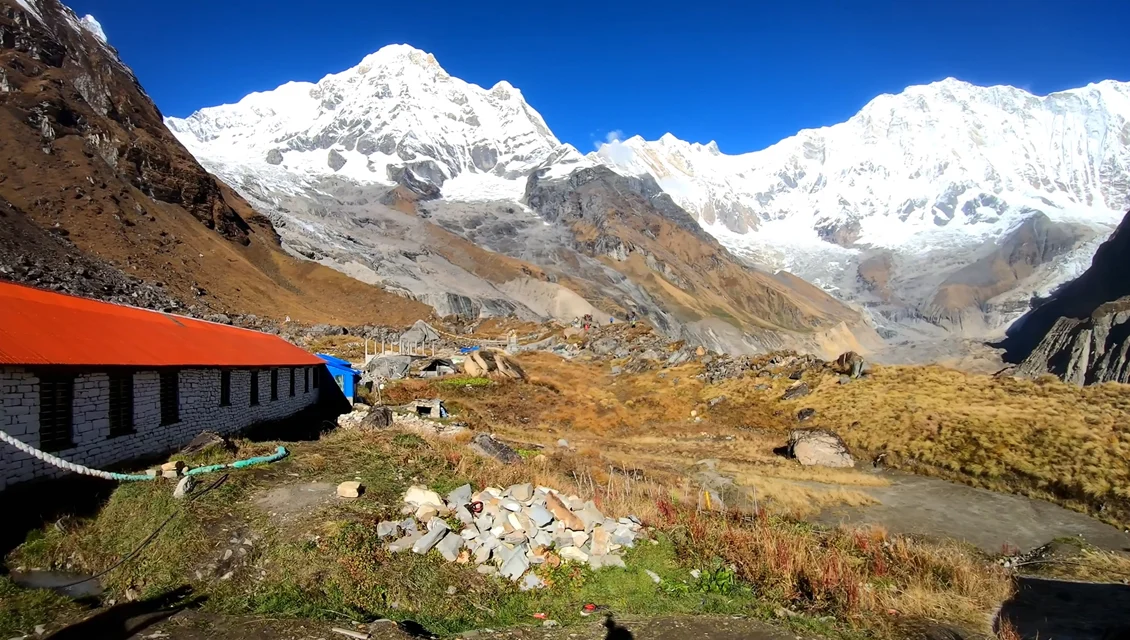
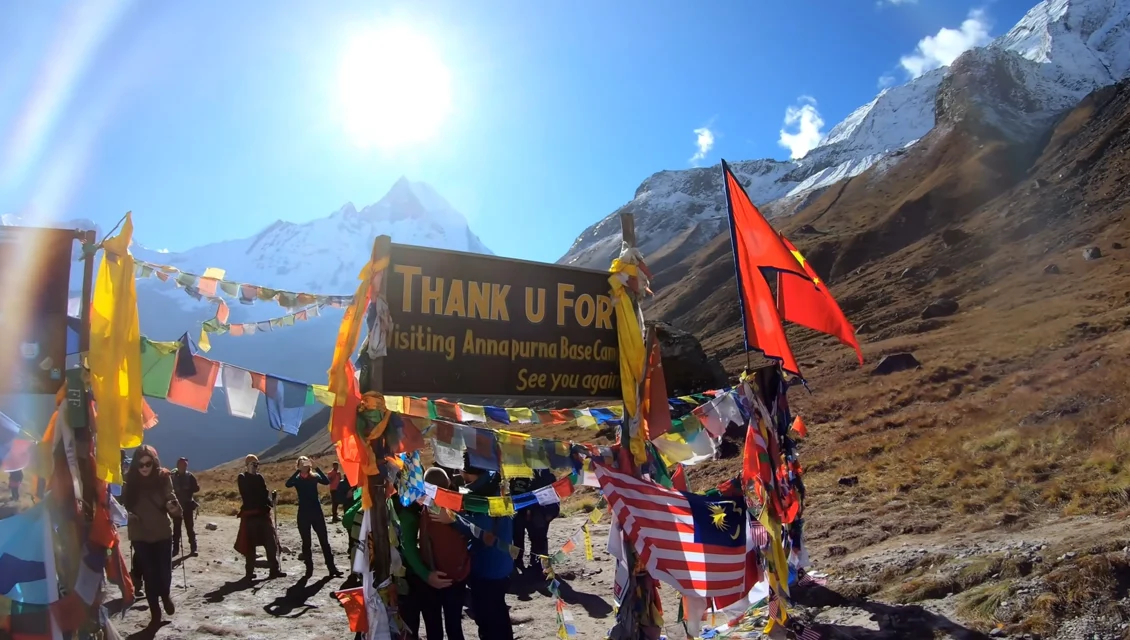
Surrounded by towering Himalayan peaks, glaciers, and ice-covered walls, you finally reach Annapurna Base Camp. Enjoy unforgettable views of Annapurna I, Annapurna South, Hiunchuli, Tent Peak, and Glacier Dome. Sunset from base camp is truly breathtaking. Overnight at teahouse in ABC.
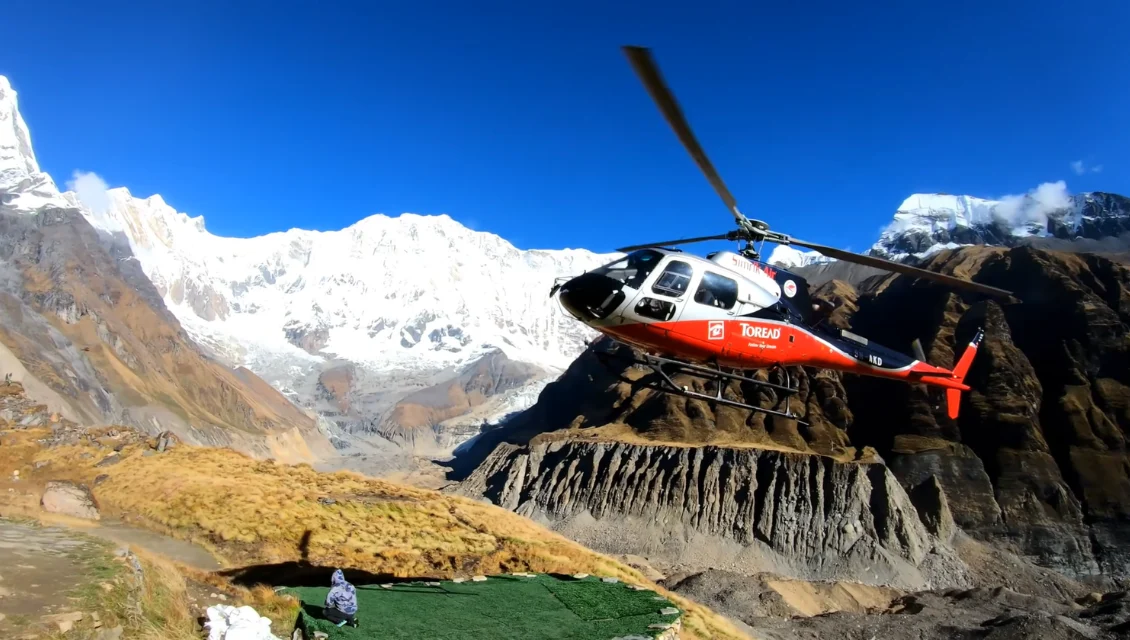
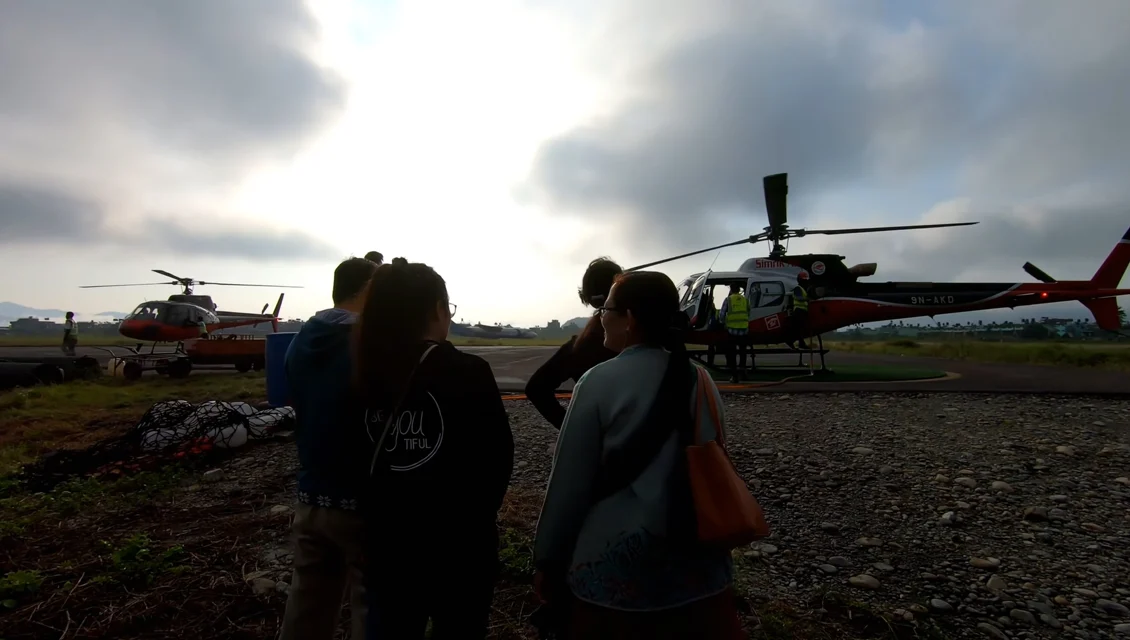
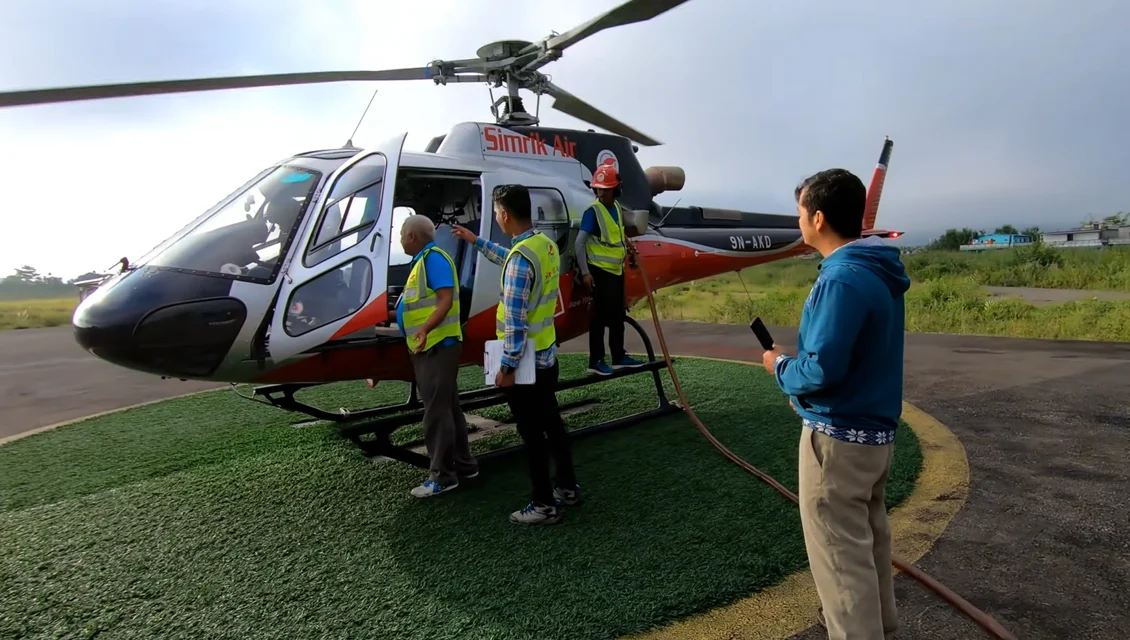
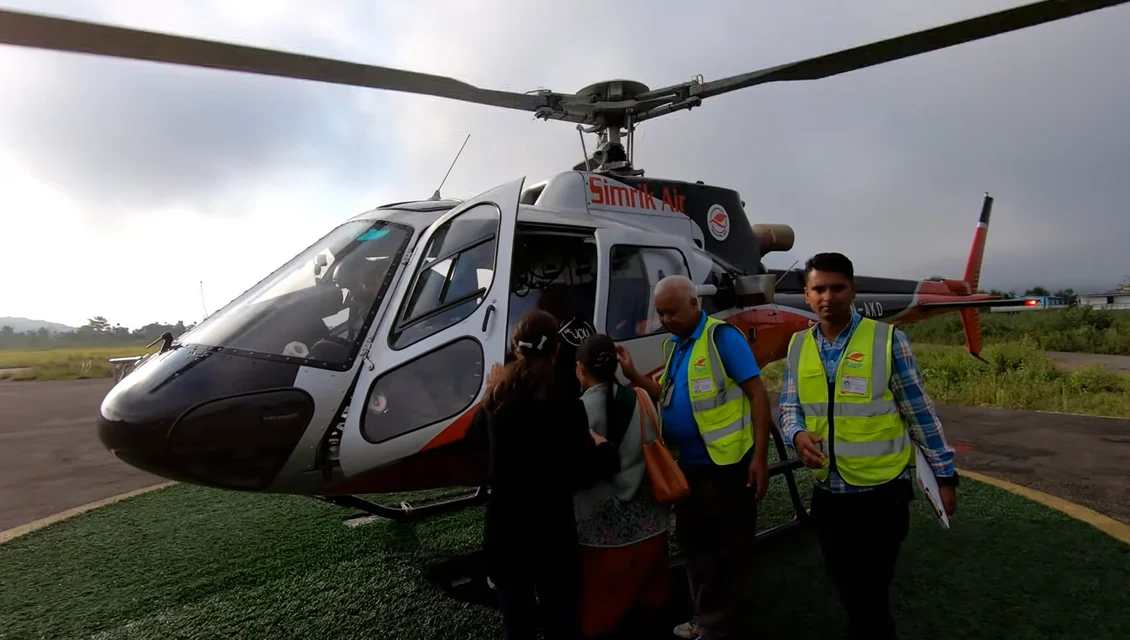
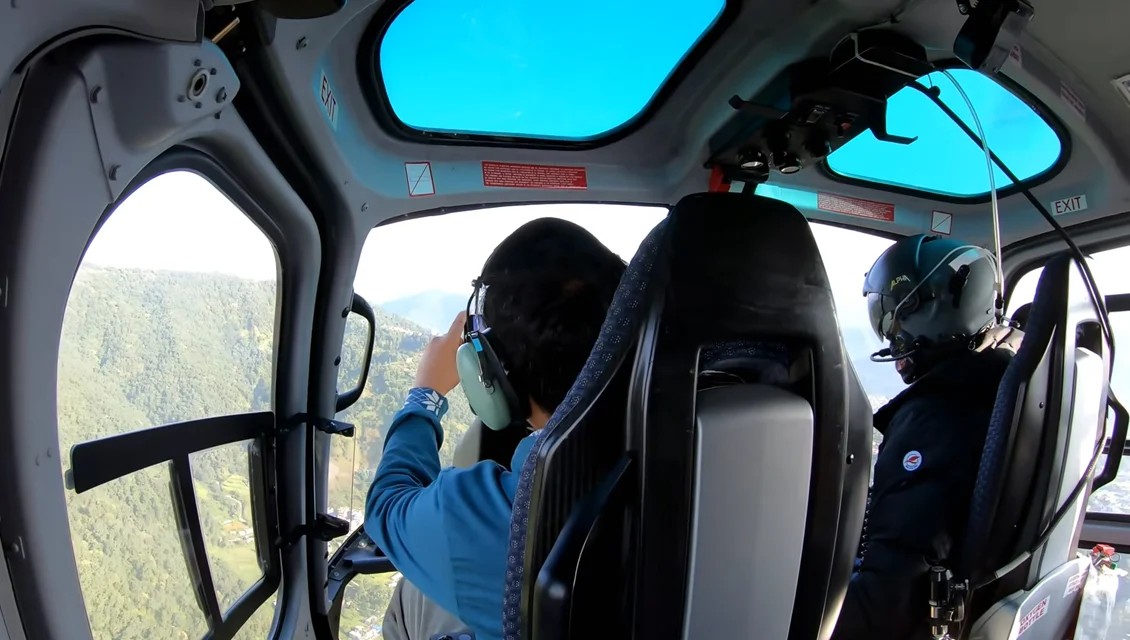
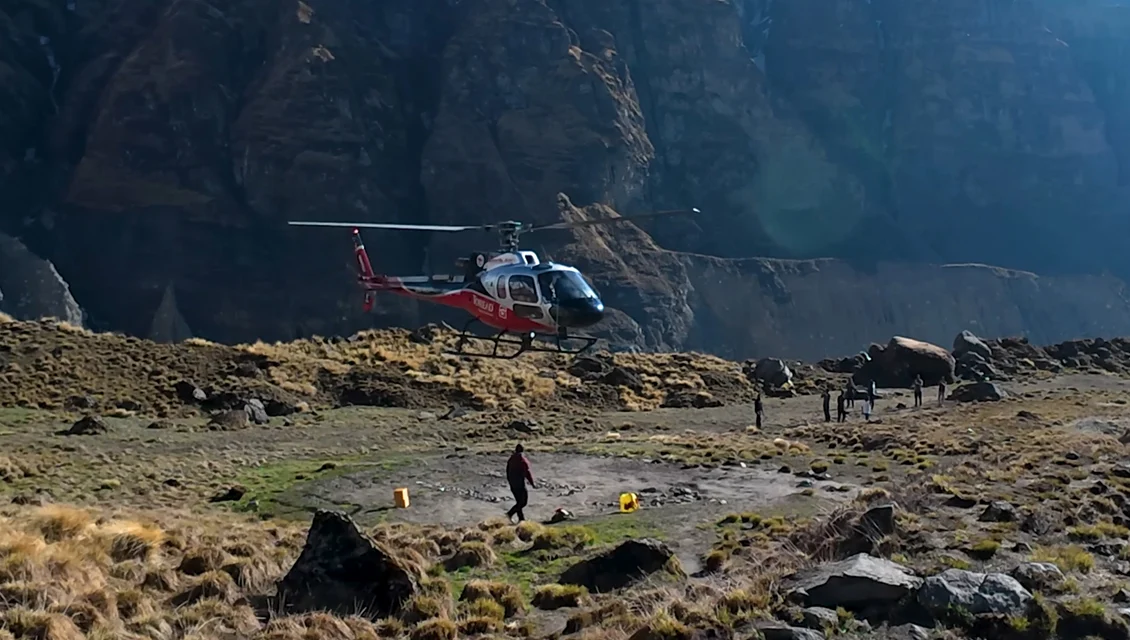
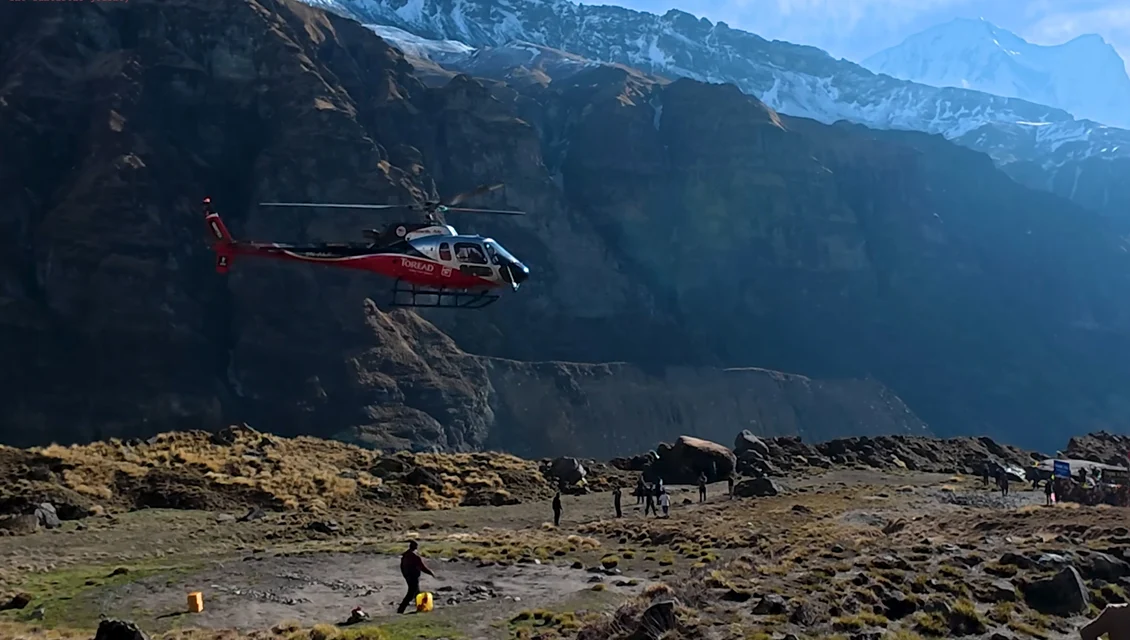
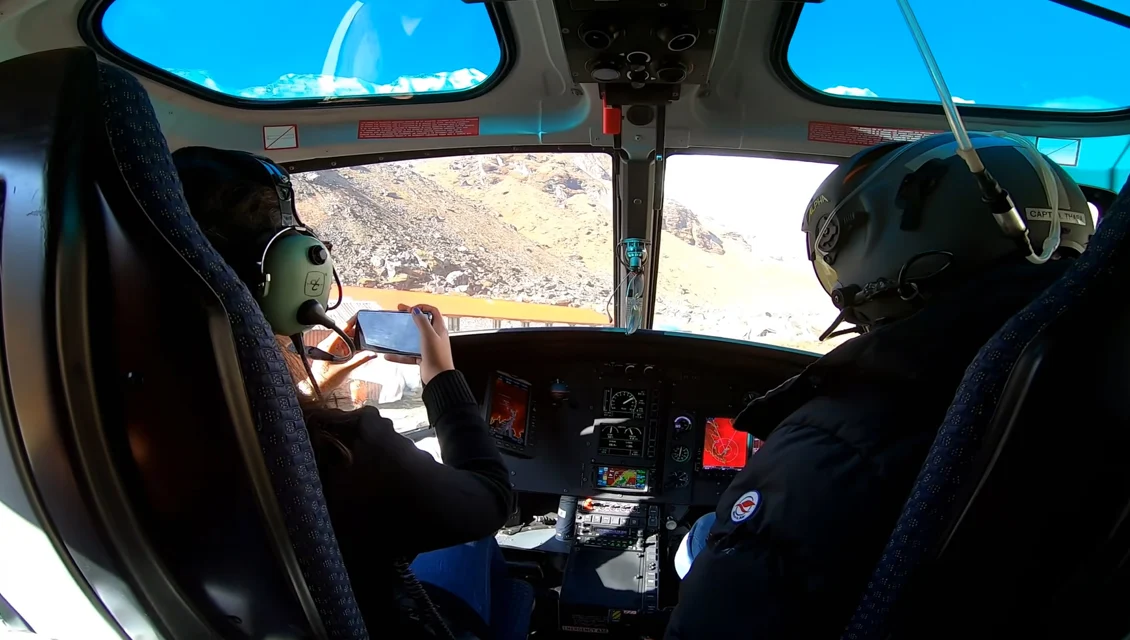
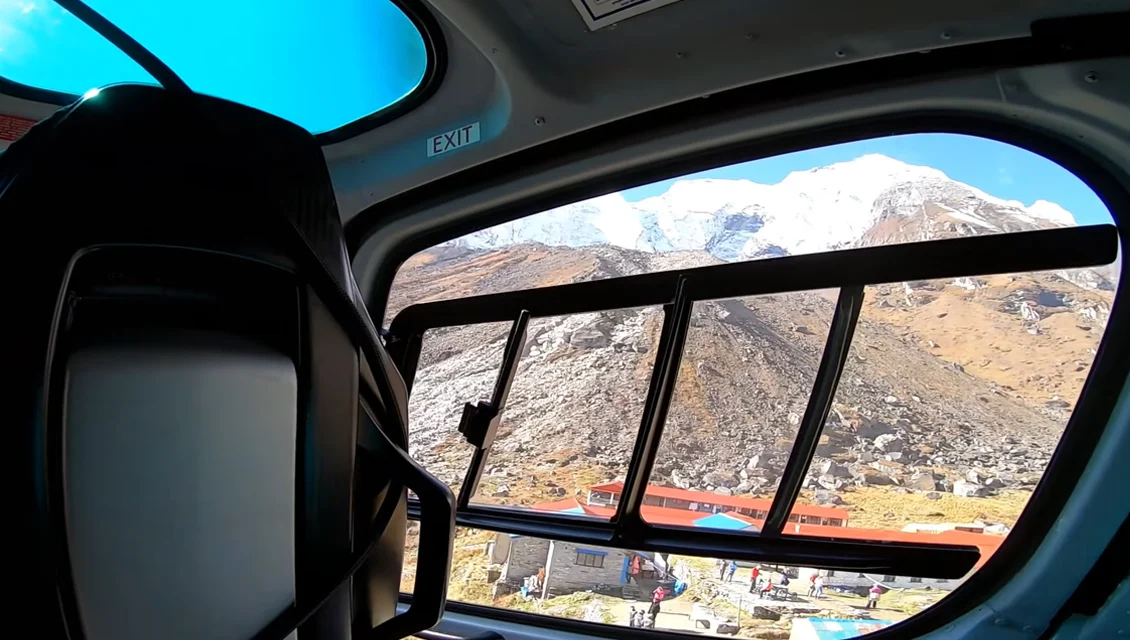
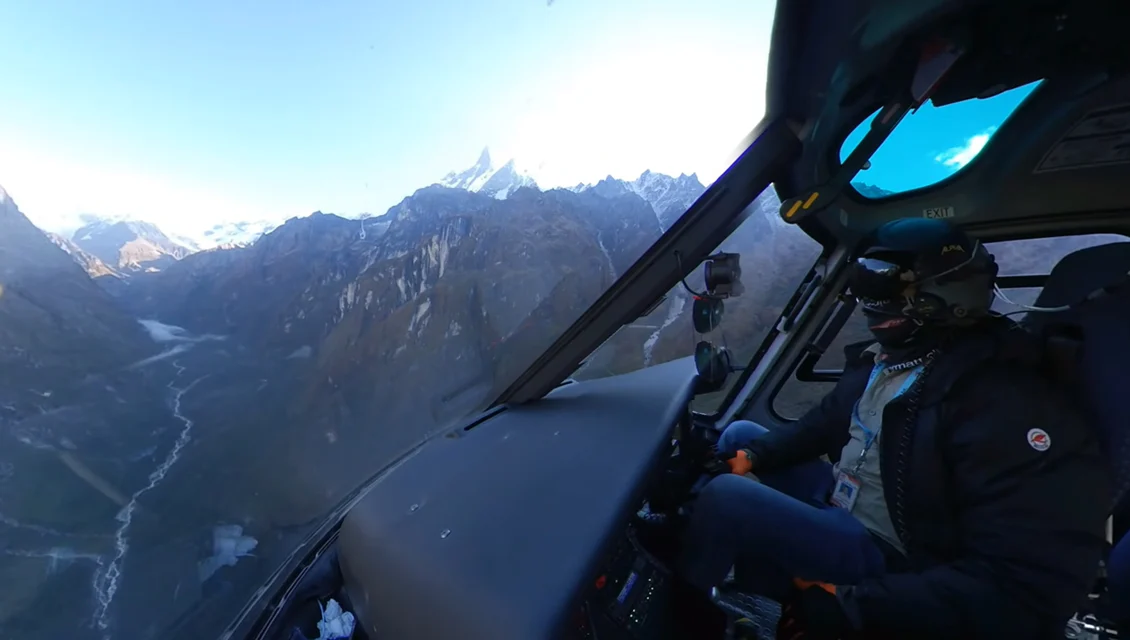
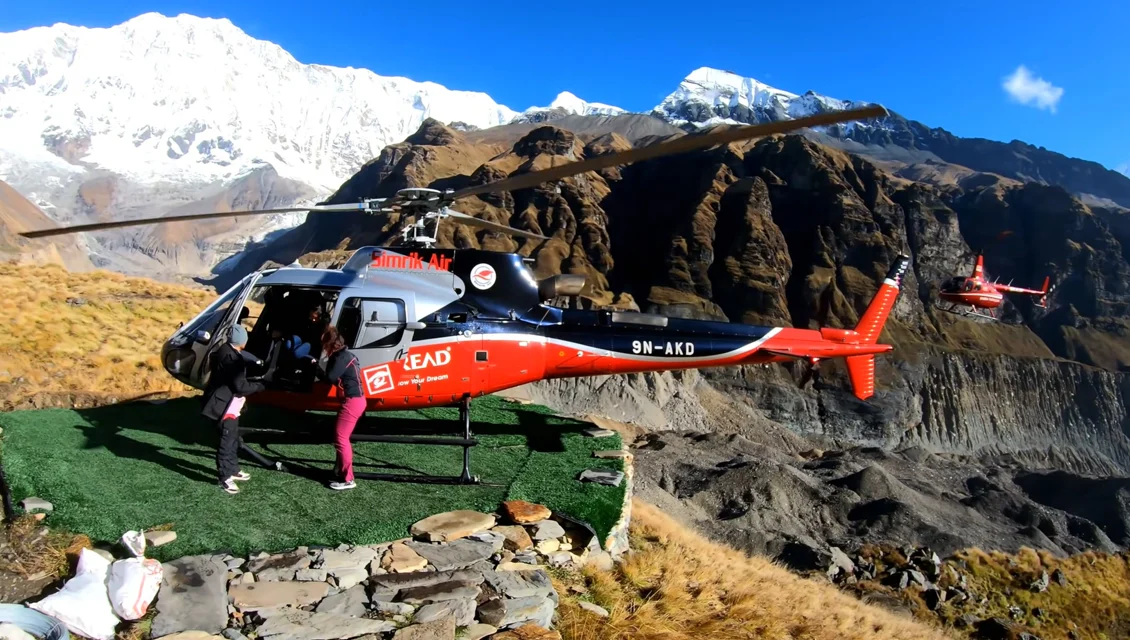
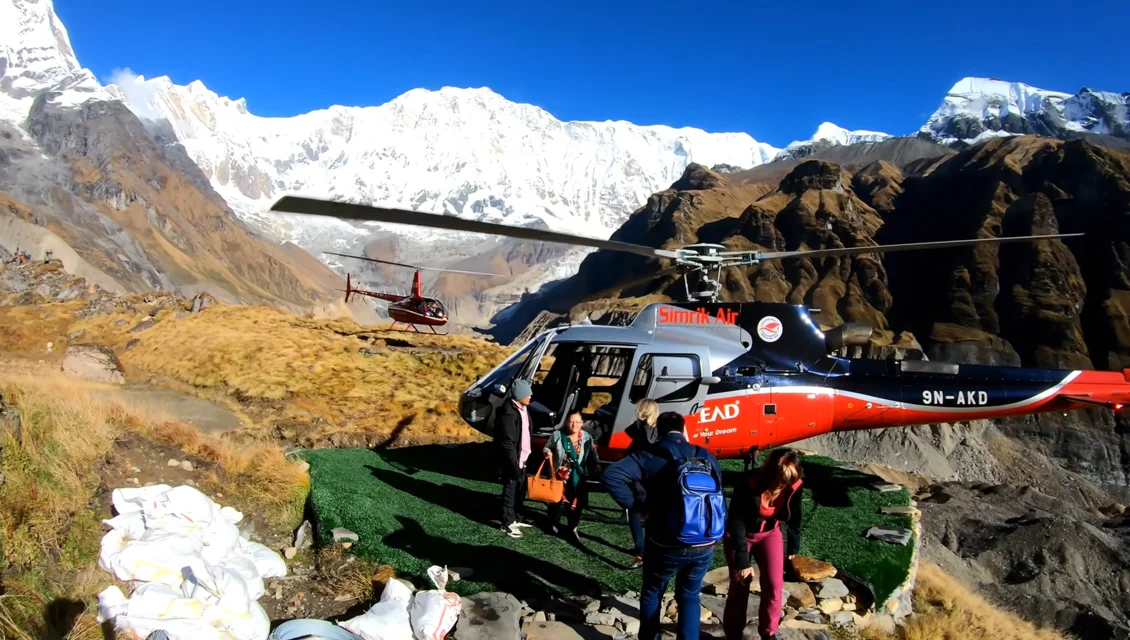
Wake early for a magical sunrise over the Annapurna range from base camp. After breakfast, board a helicopter for a scenic return flight to Pokhara, flying above deep valleys, remote villages, forests, and terraced hillsides.
Upon arrival in Pokhara, transfer to your hotel and enjoy a relaxing afternoon by the lakeside. Overnight in Pokhara.
Enjoy a free day to relax and explore Pokhara at your own pace. Optional activities include boating on Phewa Lake, visiting the World Peace Pagoda, Davis Falls, Gupteshwor Cave, or Tibetan refugee settlements.
You may also enjoy spa treatments, café hopping, or shopping for souvenirs around Lakeside Pokhara. Overnight in Pokhara.
Return to Kathmandu either by scenic flight or overland drive along Nepal’s beautiful river valleys and hillsides.
After arriving in Kathmandu, enjoy free time for shopping, sightseeing, or visiting famous heritage sites such as Pashupatinath Temple, Boudhanath Stupa, or Kathmandu Durbar Square. Farewell dinner can be arranged in the evening. Overnight in Kathmandu.
Depending on your flight schedule, enjoy breakfast and some final moments in Kathmandu before being transferred to Tribhuvan International Airport for your onward journey.
Your unforgettable Himalayan adventure comes to an end with memories of stunning mountain landscapes, rich culture, and warm Nepalese hospitality.
The best time for the Annapurna Base Camp with Helicopter Return is March–April and October–November, with May, September and December–February also good. Typical daytime temperatures at Ghorepani / Chhomrong (≈2,500–2,900 m) in those months are around 14 °C, with colder nights at higher camps.
October and November offer crystal-clear views of Annapurna and Machhapuchhre; March to May is warm with blooming rhododendron forests. Lower Annapurna treks such as Poon Hill are possible in winter, while Thorong La and high passes may close after heavy snow.
| Month | Conditions | Day | Night |
|---|---|---|---|
| January | Good — clear skies, cold nights and fewer trekkers | 8 °C | -4 °C |
| February | Good — clear skies, cold nights and fewer trekkers | 9 °C | -3 °C |
| March | Best time — stable weather and clear views | 13 °C | 0 °C |
| April | Best time — stable weather and clear views | 16 °C | 4 °C |
| May | Good — mostly fine weather, fewer crowds | 18 °C | 7 °C |
| June | Possible — monsoon showers and cloud | 19 °C | 10 °C |
| July | Not recommended — monsoon rain, cloud and slippery trails | 19 °C | 11 °C |
| August | Possible — monsoon showers and cloud | 19 °C | 11 °C |
| September | Good — green landscapes, some rain | 18 °C | 9 °C |
| October | Best time — stable weather and clear views | 16 °C | 4 °C |
| November | Best time — stable weather and clear views | 12 °C | 0 °C |
| December | Good — clear skies, cold nights and fewer trekkers | 9 °C | -3 °C |
Average day and night temperatures at Ghorepani / Chhomrong (≈2,500–2,900 m). Higher camps are colder.
Your packing checklist for Annapurna Base Camp with Helicopter Return. Tick items off as you pack — down jackets and sleeping bags can also be rented in Kathmandu.
Private departures run on any date. Pick the start date that suits you and we will build the trip around it — same price, your own guide and team.
Accommodation
Accommodation is provided in well-established teahouses and mountain lodges along the trekking route.
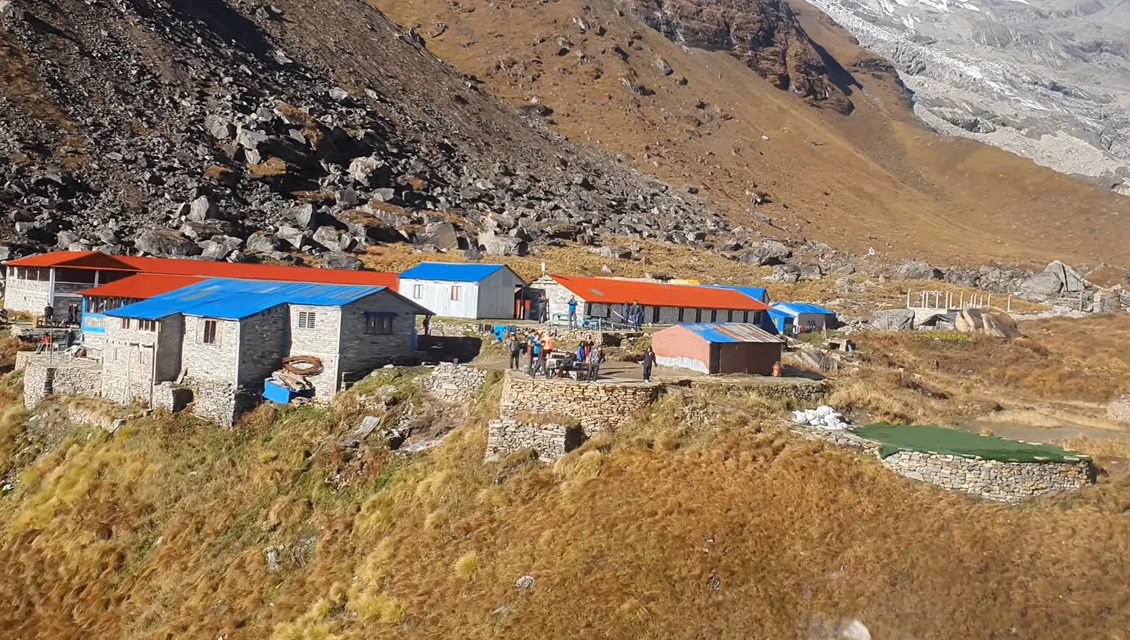
Lower villages such as Ghandruk, Chhomrong, Sinuwa, and Bamboo offer relatively comfortable lodges with good facilities. Higher sections near Deurali, Machhapuchhre Base Camp, and Annapurna Base Camp are more basic due to altitude and remoteness.
Rooms are typically twin-sharing with simple bedding and shared bathroom facilities.
Meals
A full-board meal system (Breakfast, Lunch, and Dinner) is provided throughout the trek. Meals are freshly prepared and designed for high-energy trekking in mountain conditions.
Typical menu options include:
Food availability remains consistent throughout the route.
Difficulty & Physical Requirements
The Annapurna Base Camp with Helicopter Return Trek is classified as moderate, suitable for trekkers with a reasonable fitness level.
Daily trekking ranges from 5 to 7 hours, with steady ascents, stone steps, and some steep sections, especially between Chhomrong and Machhapuchhre Base Camp.
No technical climbing is required.
Permits
Required permits include:
All permits are arranged by the trekking agency.
Best Season
Transportation & Access
The trek begins with a drive from Pokhara to Nayapul or Siwai, followed by trekking through traditional villages toward Annapurna Base Camp.
The return journey is completed by a scenic helicopter flight from Annapurna Base Camp to Pokhara, offering aerial views of glaciers, peaks, and the Annapurna Sanctuary.
Safety & Acclimatization
Proper acclimatization and pacing are important due to altitude gain above 4,000m.
Key safety considerations include:
Helicopter evacuation is available in case of emergencies.
Travel Insurance
Recommended travel insurance should include:
Guide & Porter Services
Licensed trekking guides provide navigation, safety management, and cultural interpretation throughout the journey.
Porters are available to carry luggage, ensuring trekkers can enjoy the journey comfortably.
Cultural & Natural Highlights
The Annapurna Base Camp with Helicopter Return Trek offers a complete Himalayan experience:
Essential Equipment
Recommended trekking gear includes:
Communication & Connectivity
Mobile network coverage is available in lower and mid sections of the route but becomes weaker near higher camps like Deurali and Annapurna Base Camp.
Wi-Fi is available in some teahouses, but connectivity is limited in high-altitude zones.
Why Choose the Annapurna Base Camp Helicopter Trek?
This trek is ideal for travelers seeking adventure with comfort and time efficiency:
The Annapurna Base Camp with Helicopter Return is graded Moderate — suitable for most active travellers. Expect 5–7 hours of walking on most days on mountain trails with plenty of ascents and descents. Regular cardio training — hiking, running, cycling or stair climbing — for 6–8 weeks before departure makes the trip far more enjoyable.
For the Annapurna region the best months are March–April and October–November. October and November offer crystal-clear views of Annapurna and Machhapuchhre; March to May is warm with blooming rhododendron forests. Lower Annapurna treks such as Poon Hill are possible in winter, while Thorong La and high passes may close after heavy snow.
You need the Annapurna Conservation Area Permit (ACAP) and the trekkers’ TIMS card. Nord Extreme arranges every permit for you before the trip starts — check the "Includes" section above for exactly what is covered in the price. Just bring your passport and a few passport-size photos.
In Kathmandu you stay in a comfortable hotel; on the trail we use the best available family-run teahouses and lodges with twin-share rooms, shared or attached bathrooms and a warm dining room. Upgrades to luxury lodges are possible on popular routes such as Everest and Annapurna.
Both. You can join one of the fixed departures listed under "Dates & Prices", or book a private trip for just you, your family or friends on any date. Solo travellers are welcome — you will always have your own licensed guide.
Yes, travel insurance is compulsory. It must cover medical treatment and emergency helicopter evacuation up to the trip’s highest altitude, plus trip cancellation. Please send us your policy details before departure.
See the "What to bring" checklist on this page for the full list. The essentials are broken-in boots, warm layers, a down jacket, a waterproof shell, sun protection and a daypack. Down jackets and sleeping bags can be rented cheaply in Kathmandu, and a porter carries your main bag (up to 10–12 kg).
Keep exploring

Namaste! 🙏
Welcome to Nord Extreme Himalaya. Questions about Annapurna Base Camp with Helicopter Return? Send us a message — a Sherpa trip expert in Kathmandu will reply on WhatsApp.
Mr. Sonam G. SherpaOpens WhatsApp · +9779851078748