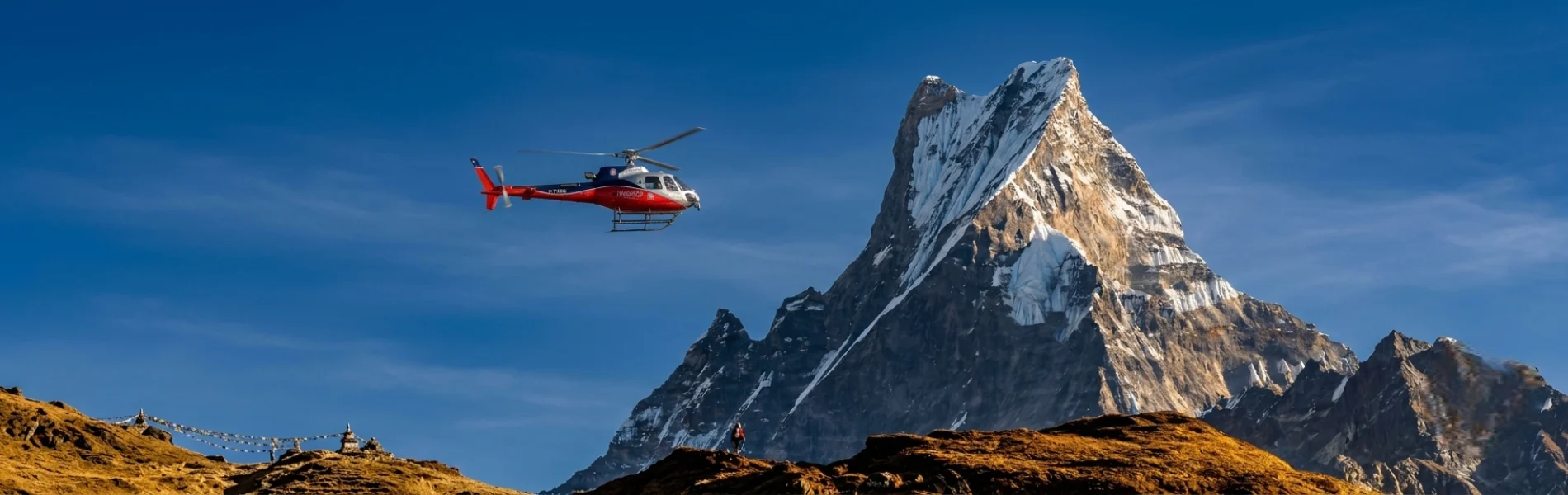
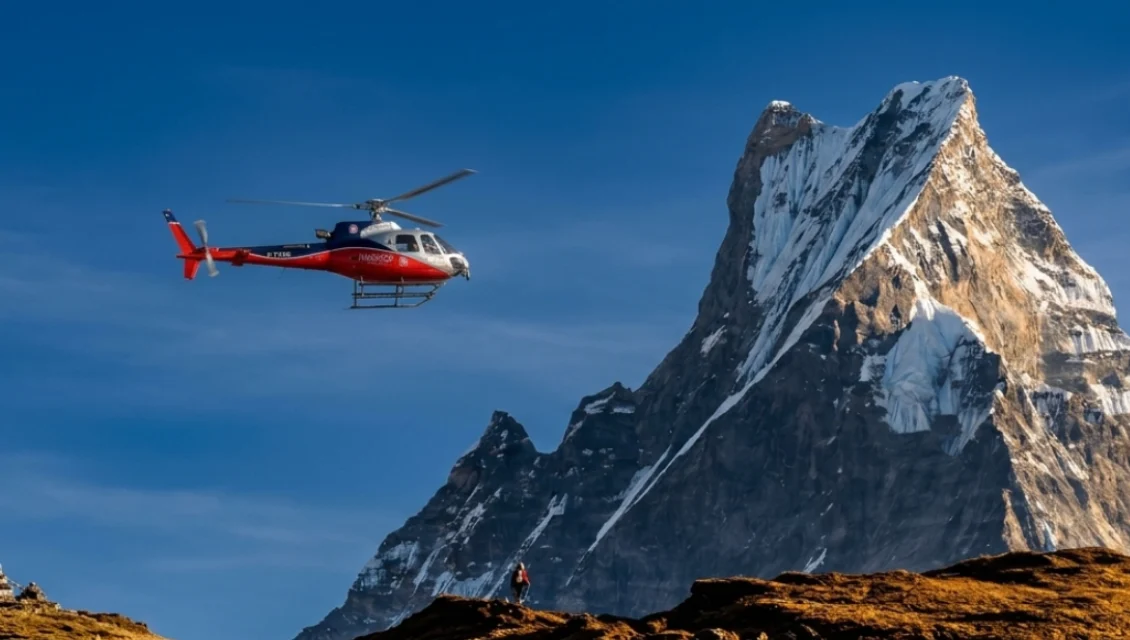
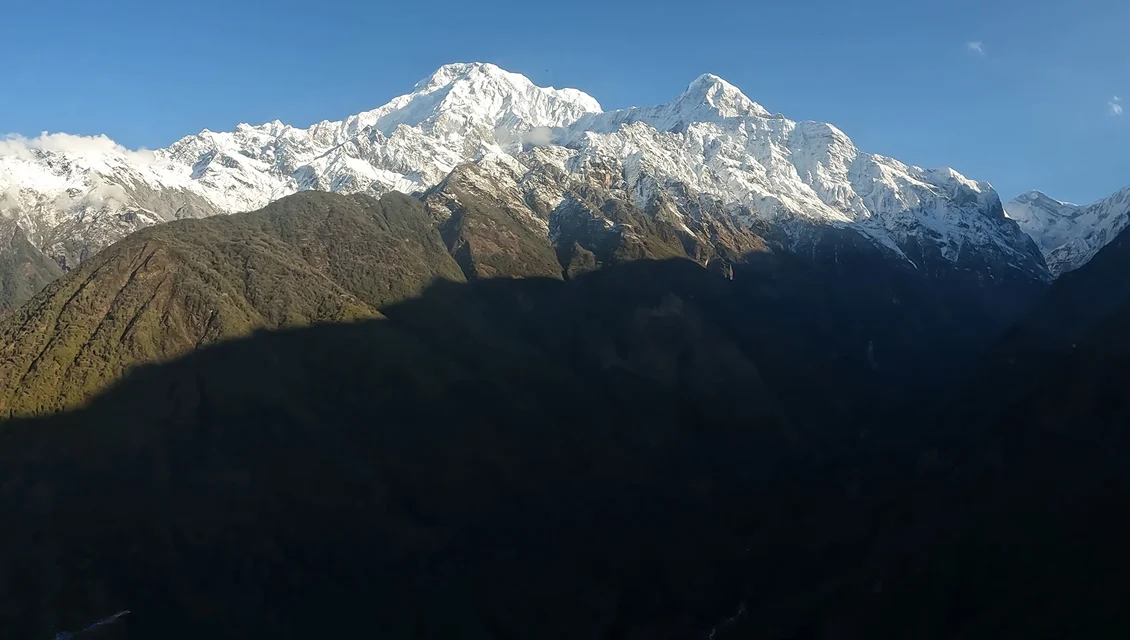
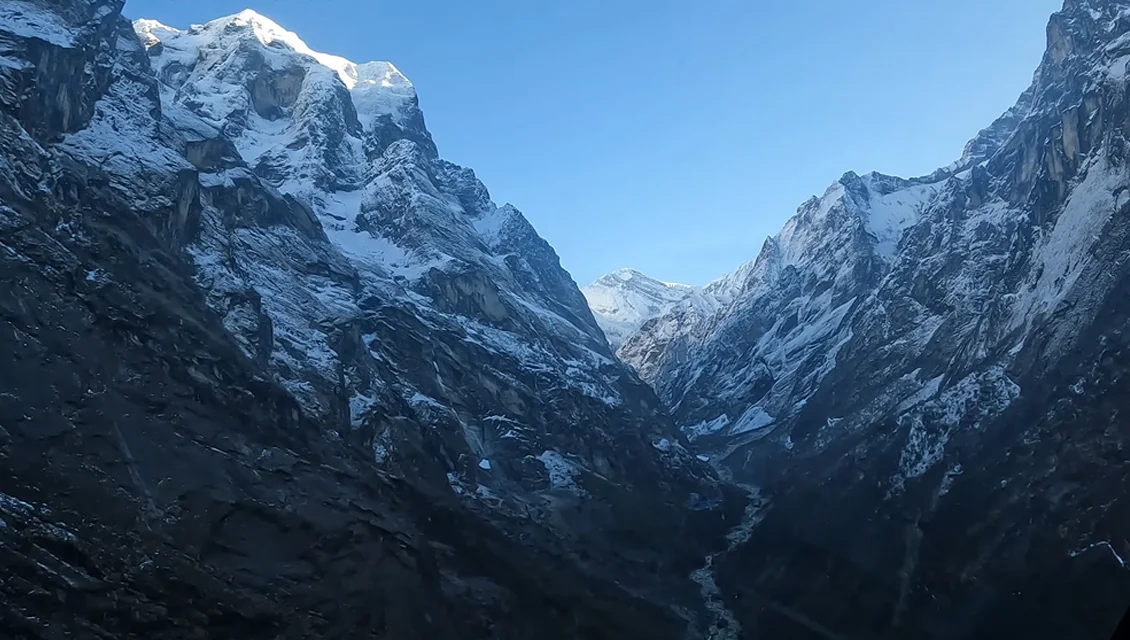
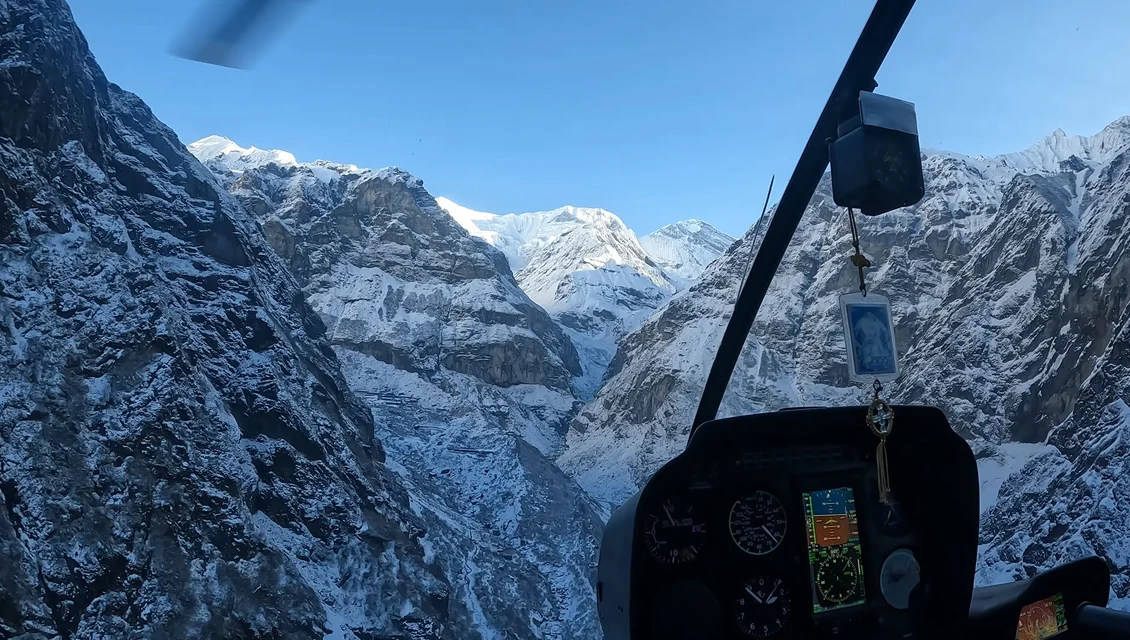
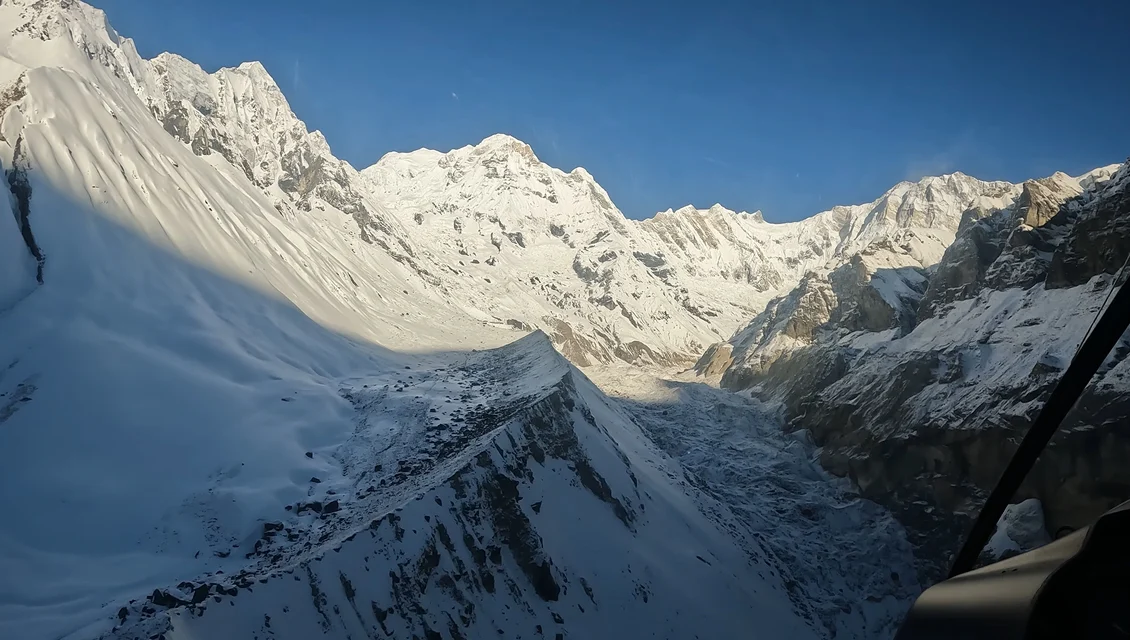
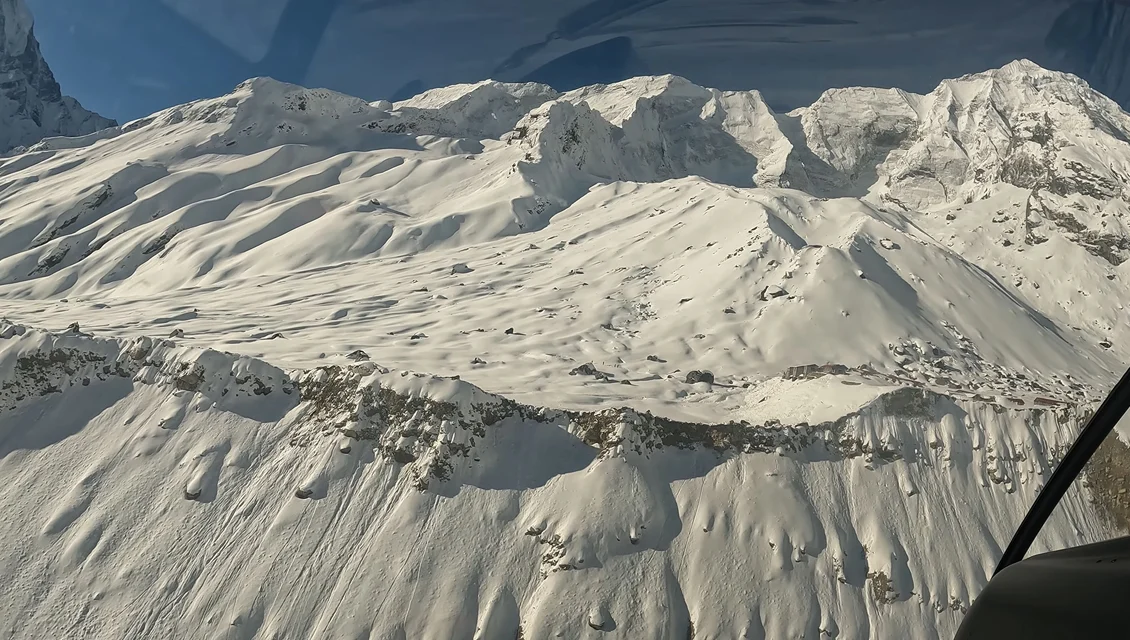
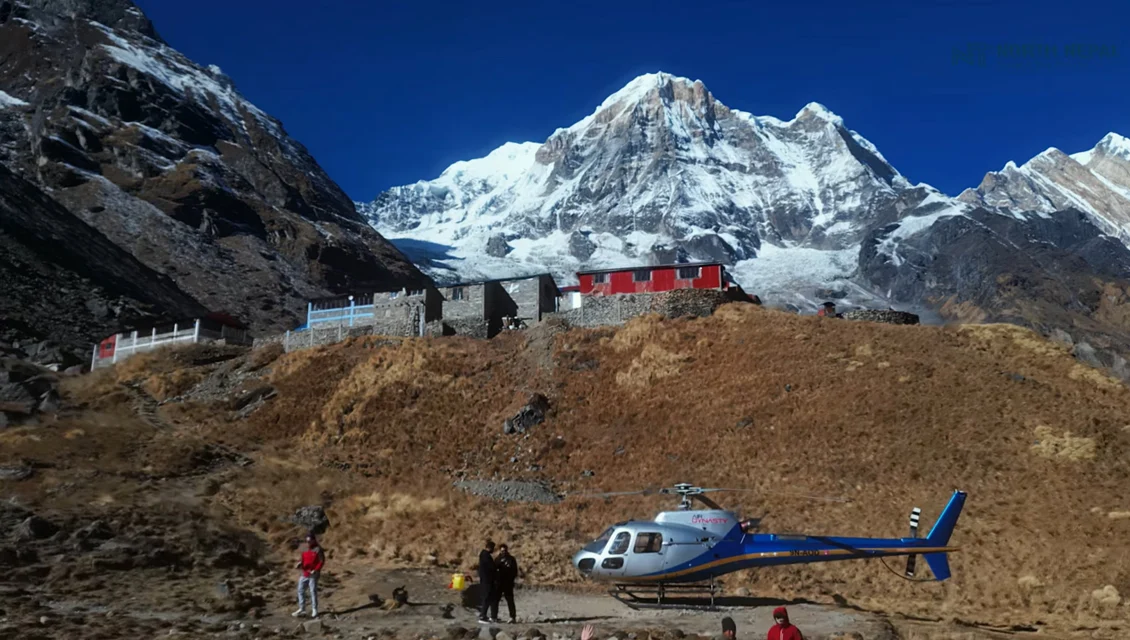
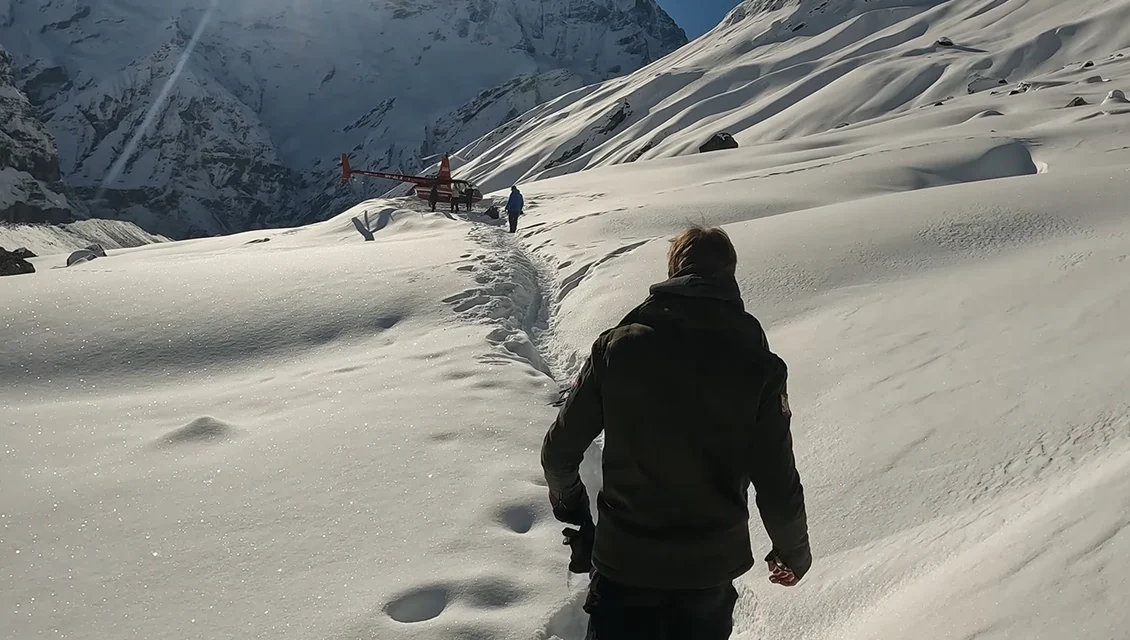
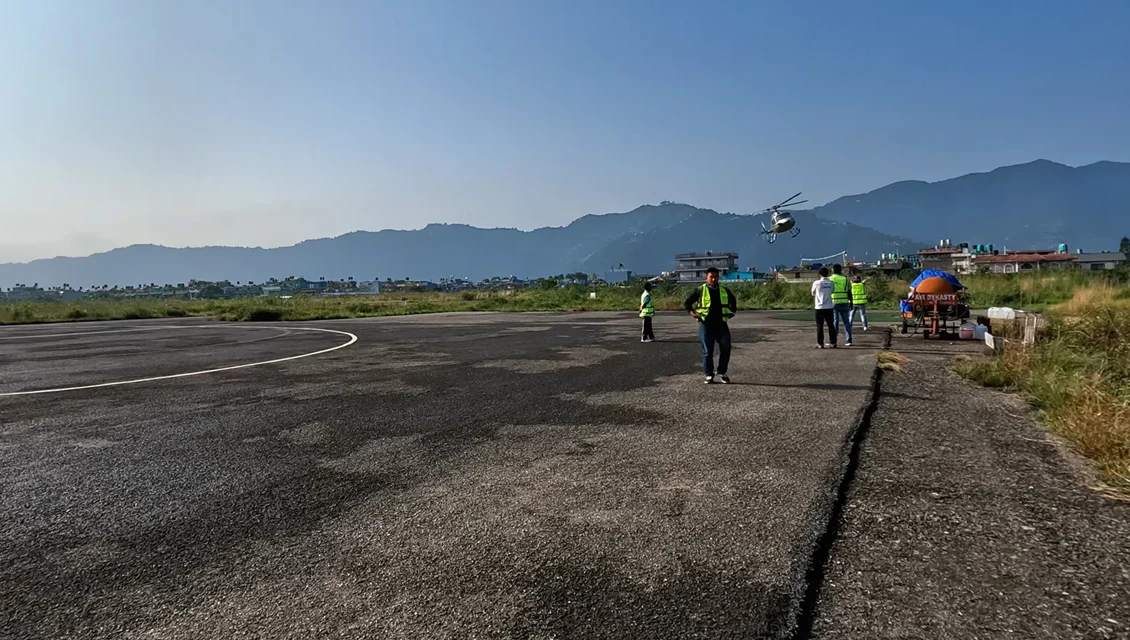
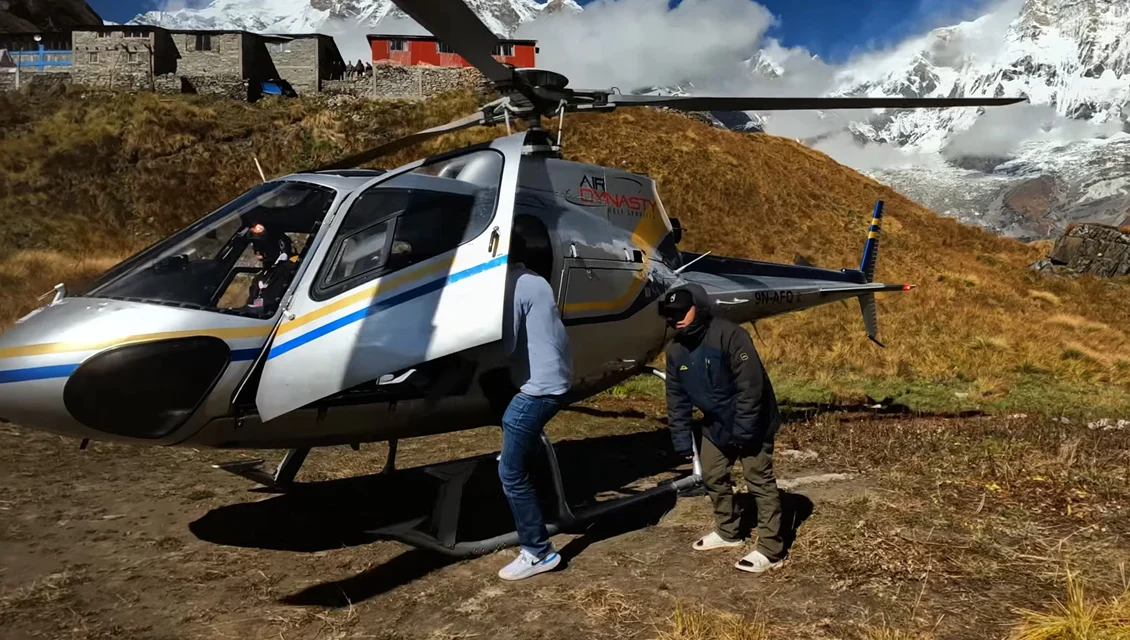
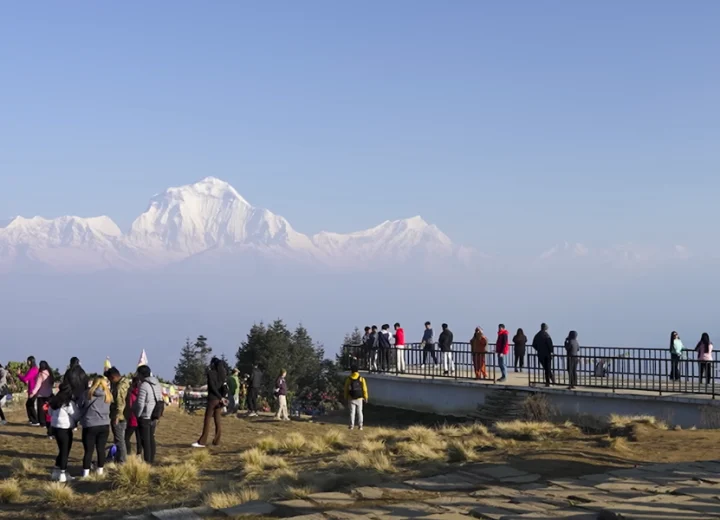
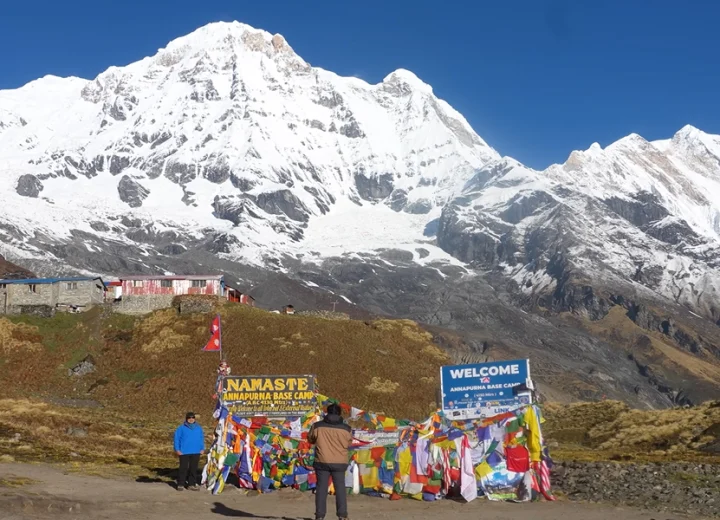
The Annapurna Mountain Flight by Helicopter is a luxurious and time-efficient aerial journey that offers breathtaking views of the Annapurna Himalayan range, including some of the most iconic peaks in Nepal such as Annapurna I (8,091 m), Machhapuchhre (Fishtail), Dhaulagiri, and Manaslu. This exclusive helicopter experience is designed for travelers who wish to witness the grandeur of the Himalayas without undertaking long trekking routes.
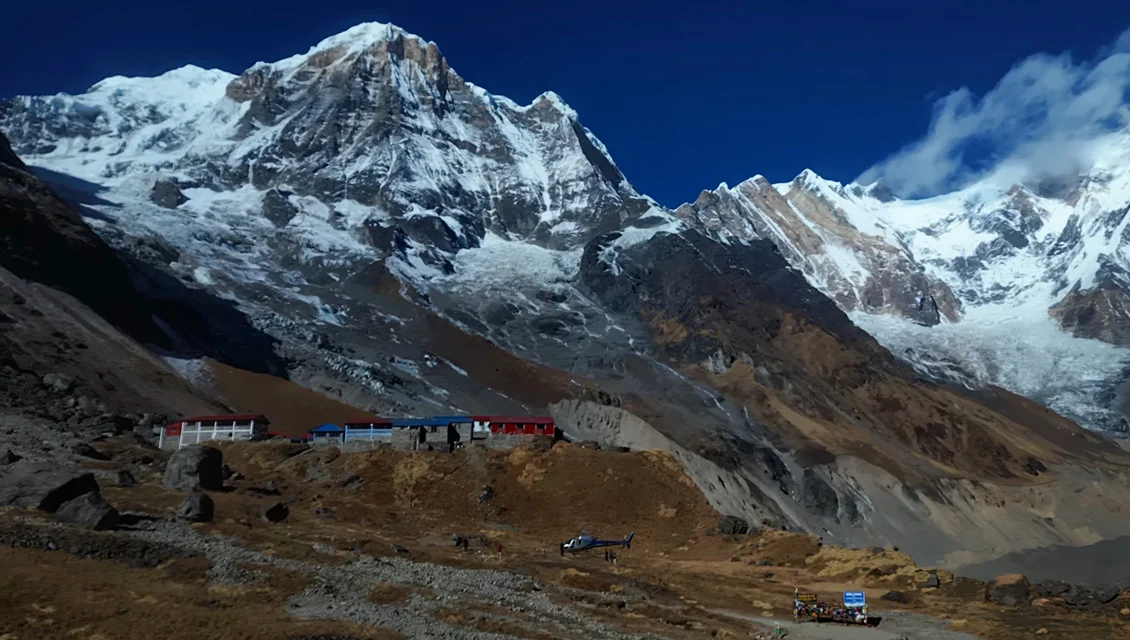
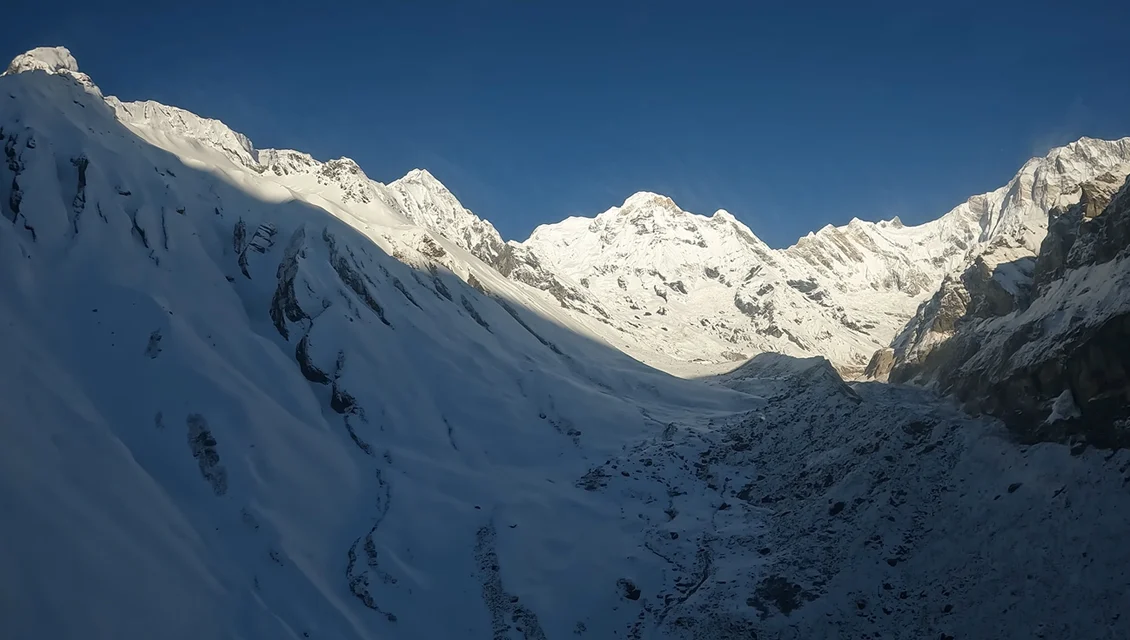
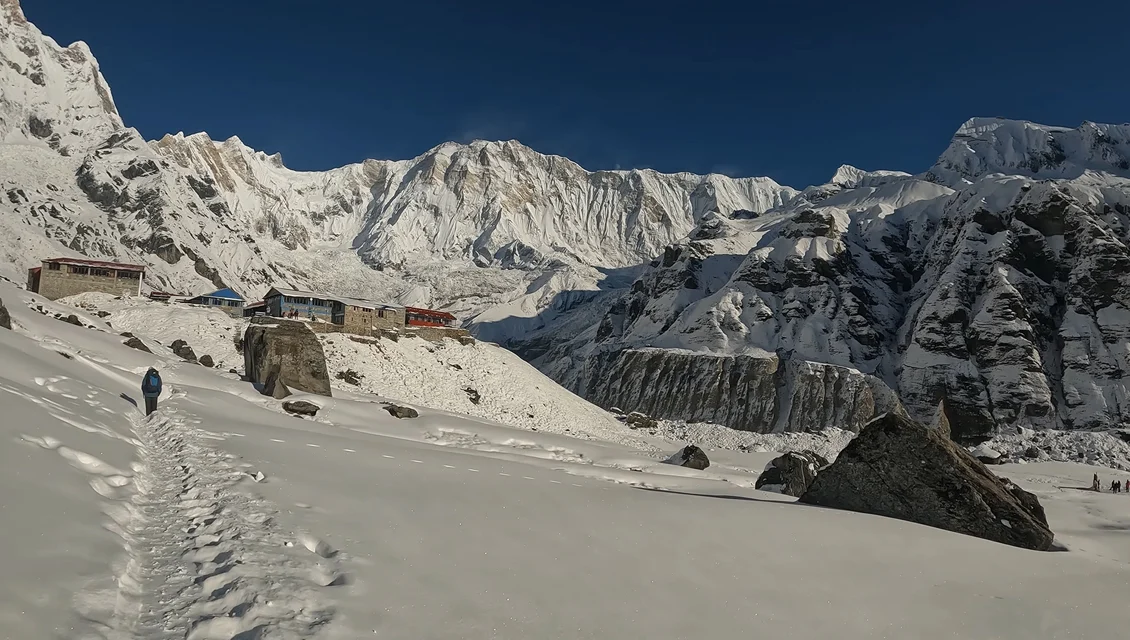
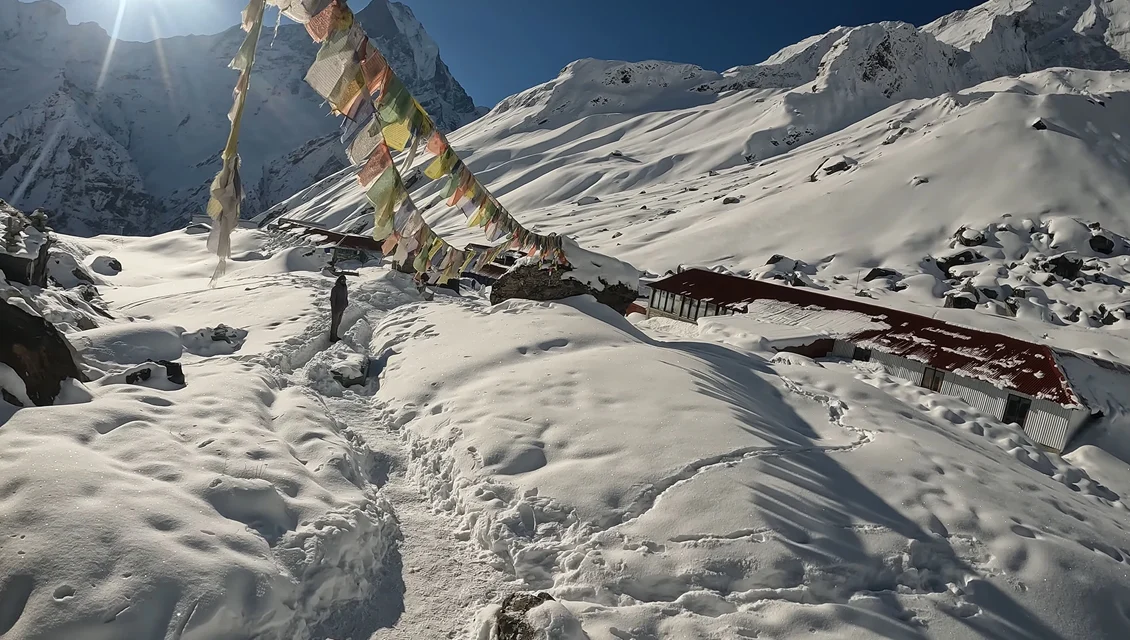
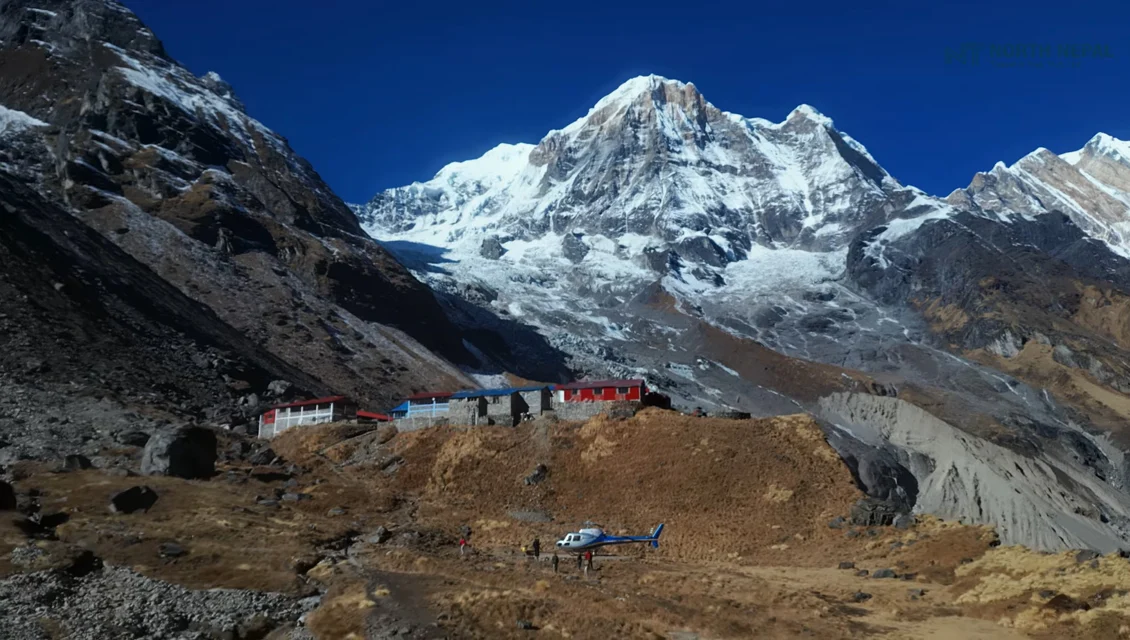
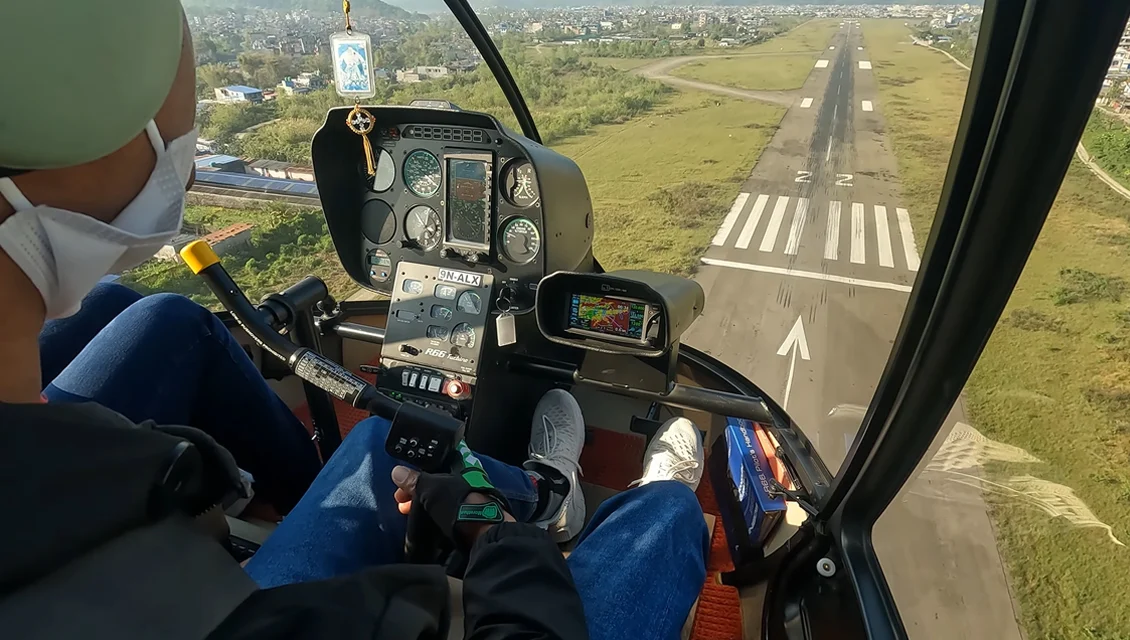
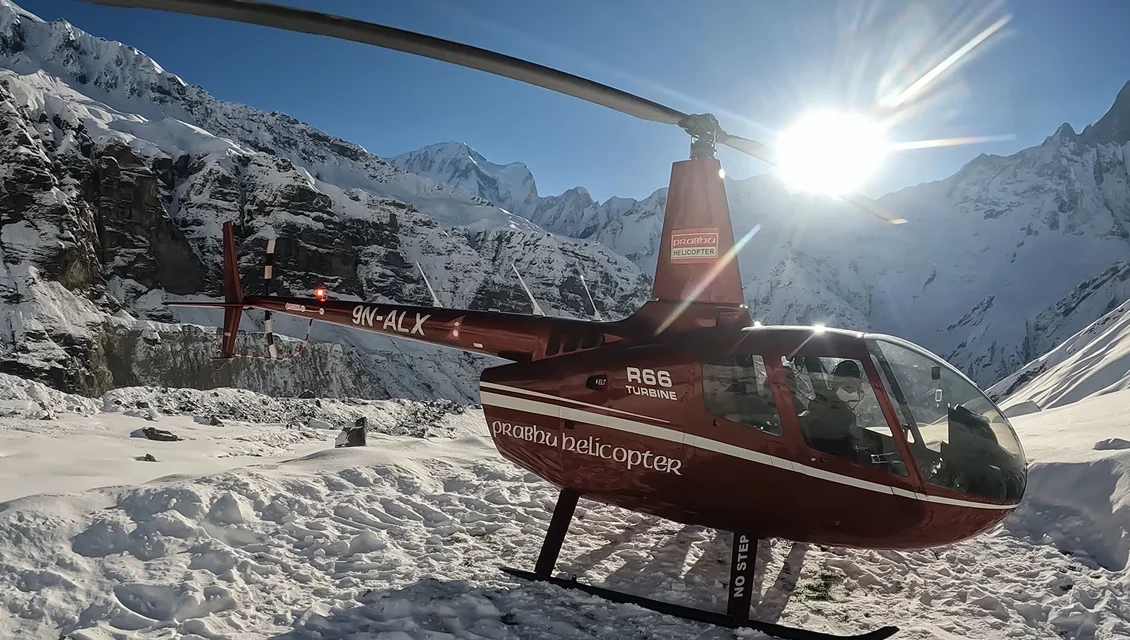
Departing from Pokhara or Kathmandu (depending on package availability), the helicopter flight takes passengers over lush valleys, deep river gorges, traditional villages, and alpine landscapes before reaching the heart of the Annapurna region. Depending on weather conditions and flight permissions, the helicopter may land at Annapurna Base Camp (4,130 m), allowing travelers to experience a 360-degree Himalayan amphitheater surrounded by towering snow peaks.
This tour is ideal for luxury travelers, photographers, families, honeymooners, senior travelers, and adventure seekers who want a short yet powerful Himalayan experience. The combination of comfort, safety, and extraordinary scenery makes this one of the most popular helicopter experiences in Nepal.
Geography and Landscape
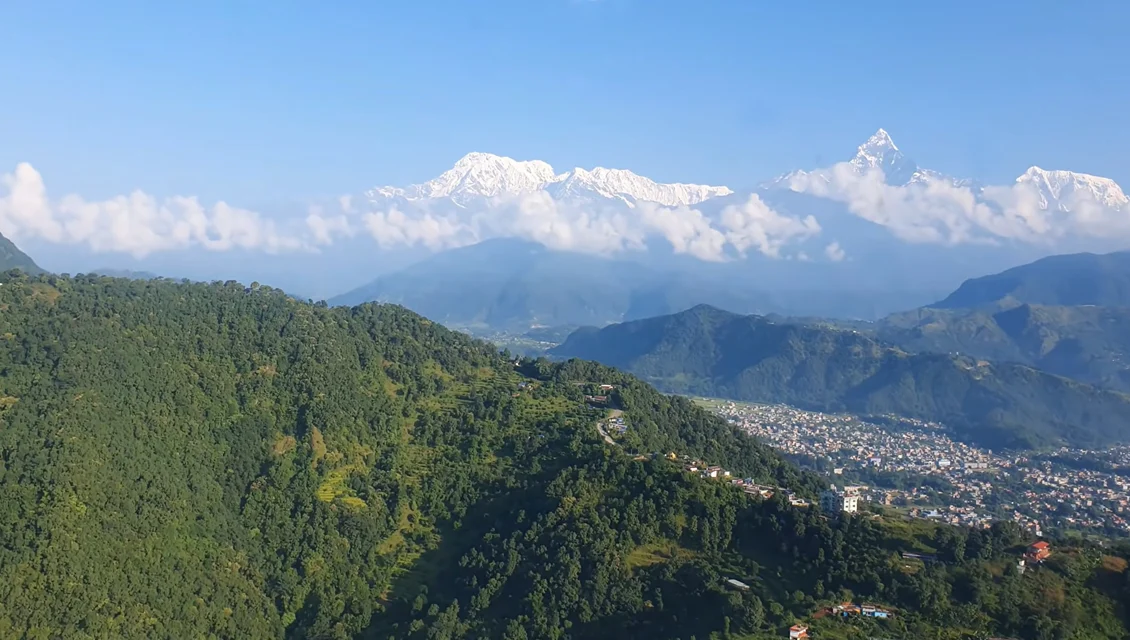
The Annapurna helicopter flight covers one of the most diverse and visually striking regions in Nepal. The journey begins either from Kathmandu Valley (1,400 m) or Pokhara Valley (820 m), both surrounded by green hills, terraced farmland, rivers, and traditional settlements.
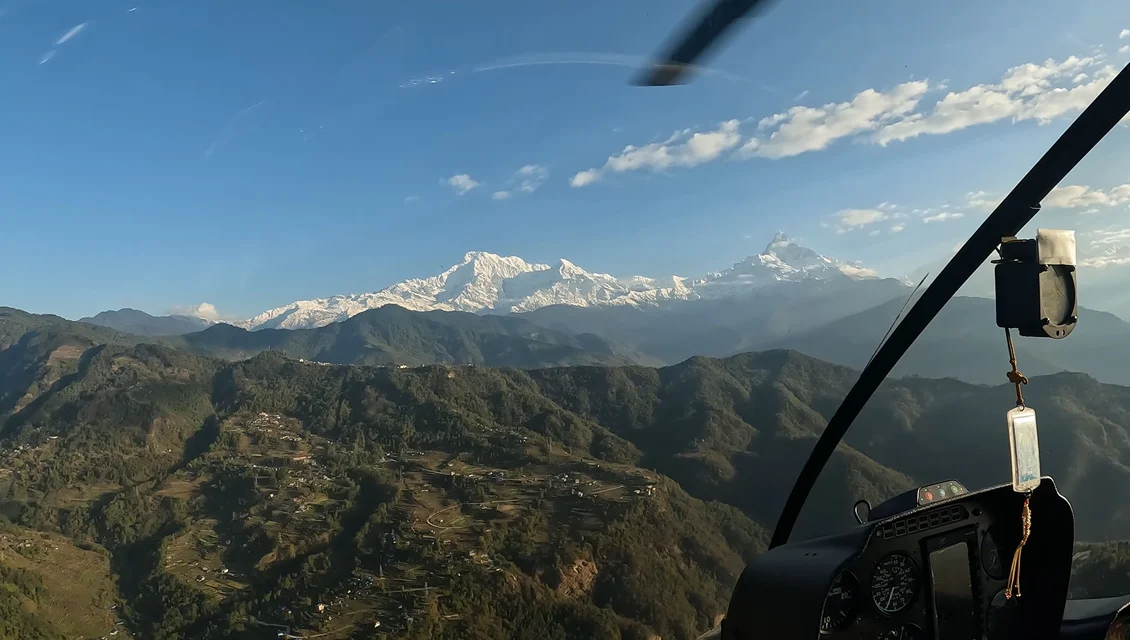
As the helicopter ascends, the landscape quickly transforms into deep river valleys carved by the Seti, Modi, and Kali Gandaki rivers. These river systems create some of the world’s deepest gorges and dramatic mountain landscapes.
Flying over the Annapurna Conservation Area, Nepal’s largest protected region, passengers witness a rich combination of biodiversity, alpine forests, glacial valleys, and traditional mountain villages. This UNESCO-protected region is home to rare wildlife, including Himalayan tahr, musk deer, and various bird species.
As the flight approaches the high Himalayas, the scenery becomes more dramatic. Snow-covered peaks rise sharply above rugged cliffs and glaciers. The highlight of the journey is the Annapurna range itself, featuring:
- Annapurna I (8,091 m)
- Annapurna South
- Machhapuchhre (6,993 m)
- Dhaulagiri (8,167 m)
- Hiunchuli and Gangapurna
The Annapurna Base Camp area forms a natural amphitheater surrounded by towering peaks on all sides, creating one of the most spectacular mountain landscapes in the world.
Climate and Weather Conditions
The Annapurna region experiences a wide range of climatic conditions due to its varied elevation, from subtropical valleys to high alpine zones.
In lower elevations such as Pokhara, the climate is generally warm and humid, especially in summer. As the helicopter climbs toward higher altitudes, temperatures drop significantly, becoming cold and windy near Annapurna Base Camp.
Clear weather conditions are essential for safe helicopter operations and optimal mountain views. Early morning flights are preferred as the skies are generally calm, with minimal wind and better visibility.
Weather in the Himalayas is highly unpredictable, and flights may be delayed or rescheduled due to sudden changes in cloud cover or wind conditions.
Best Time for Annapurna Helicopter Flight
The Annapurna Helicopter Mountain Flight operates throughout the year, but certain seasons provide significantly better visibility and scenic quality.
Spring Season (March – May)
Spring is one of the best times for helicopter flights in the Annapurna region. The weather is stable, skies are generally clear, and rhododendron forests bloom in vibrant colors across the hills. Visibility of Annapurna and Machhapuchhre is excellent.
Autumn Season (September – November)
Autumn is the peak season for Annapurna helicopter tours. After the monsoon rains, the air becomes crystal clear, offering the sharpest views of snow-covered peaks. This is the best time for photography and uninterrupted mountain visibility.
Winter Season (December – February)
Winter offers extremely clear skies and stunning views of snow-covered peaks. Although temperatures are cold, especially at higher altitudes, visibility is often excellent with minimal atmospheric haze.
Monsoon Season (June – August)
Monsoon is generally not recommended due to heavy rainfall, cloud cover, and reduced visibility. Flights are often subject to delays or cancellations during this period.