- Duration4 Days
- DifficultyModerate
- Max altitude1441m
- Group size13 People
- Best seasonSEP-NOV, MAR-MAY
- Start / finishKathmandu
Trip overview
The Bardiya National Park 4 Days / 3 Nights Safari Tour is one of Nepal’s most authentic and least crowded jungle experiences, offering a true wilderness adventure in the remote western Terai region. Unlike more commercial safari destinations, Bardiya provides a raw and untouched natural environment where wildlife moves freely through vast grasslands, riverine forests, and dense sal woodlands.
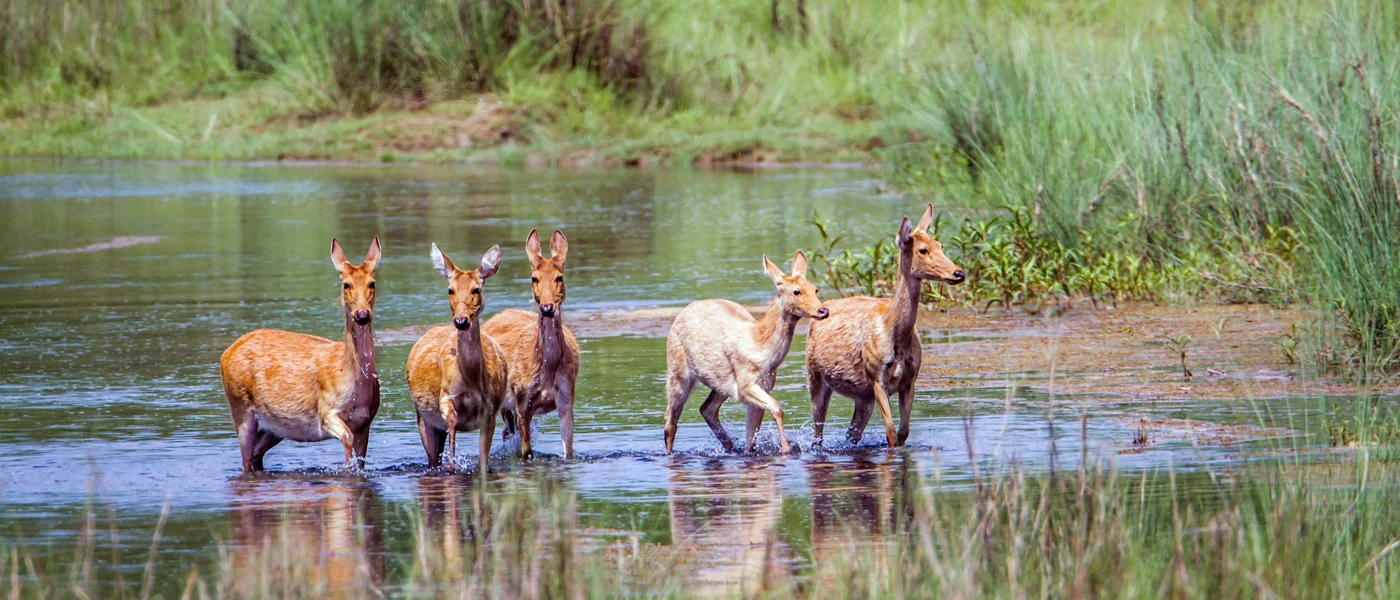
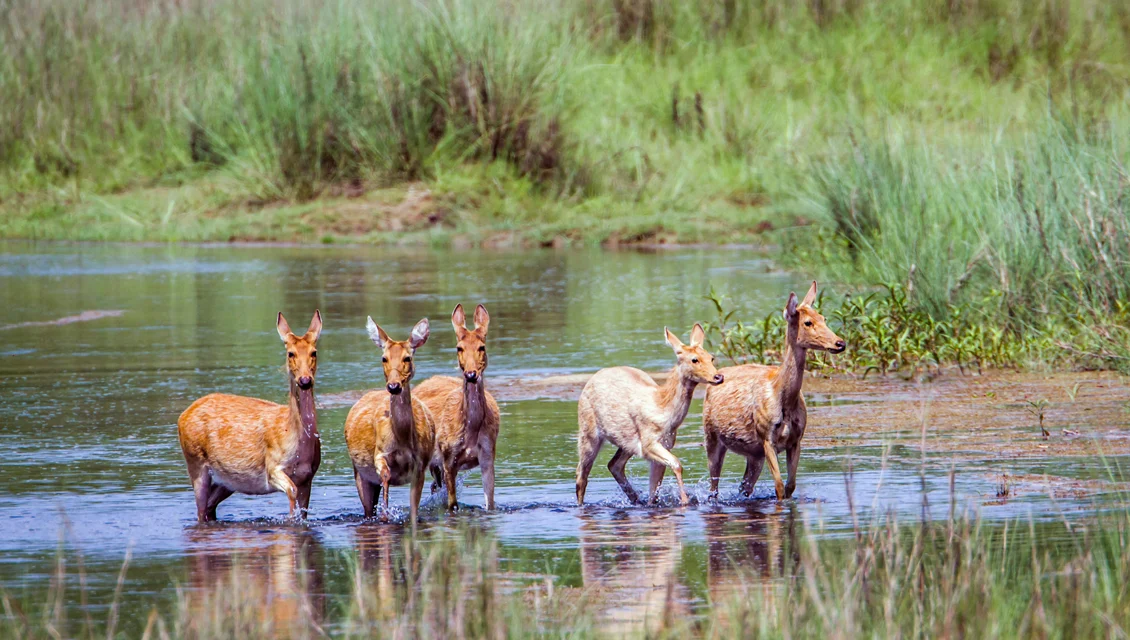
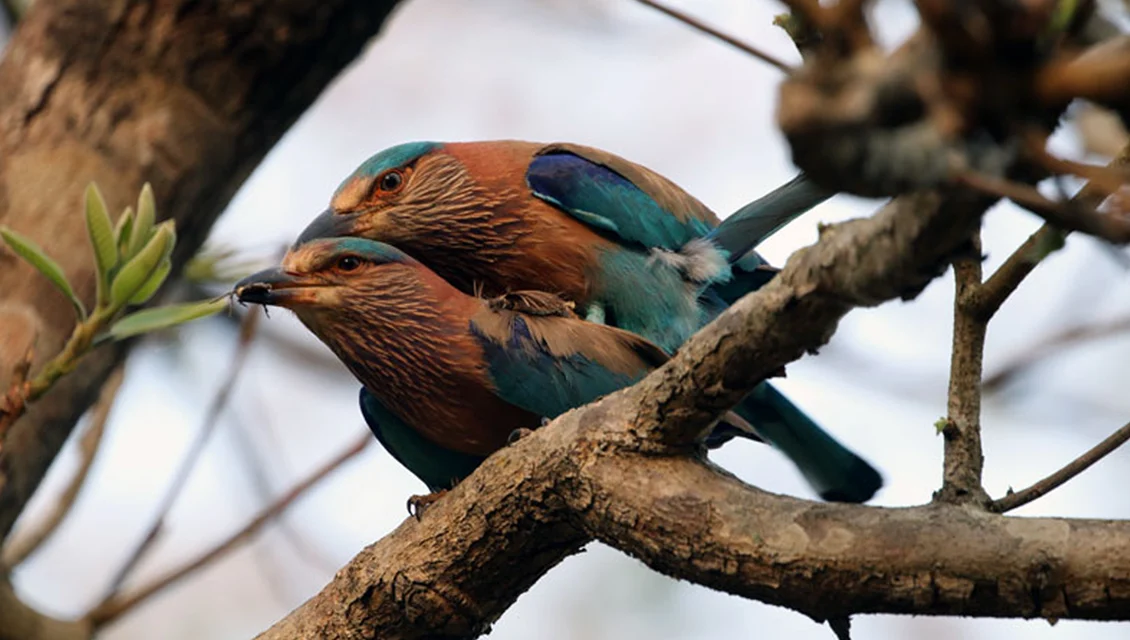
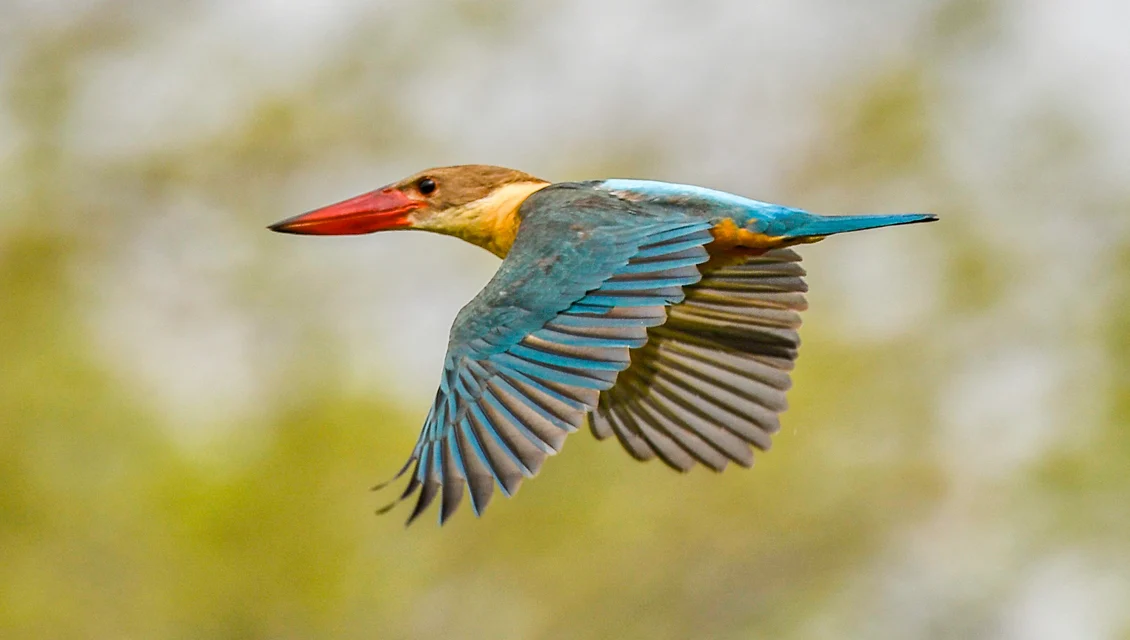
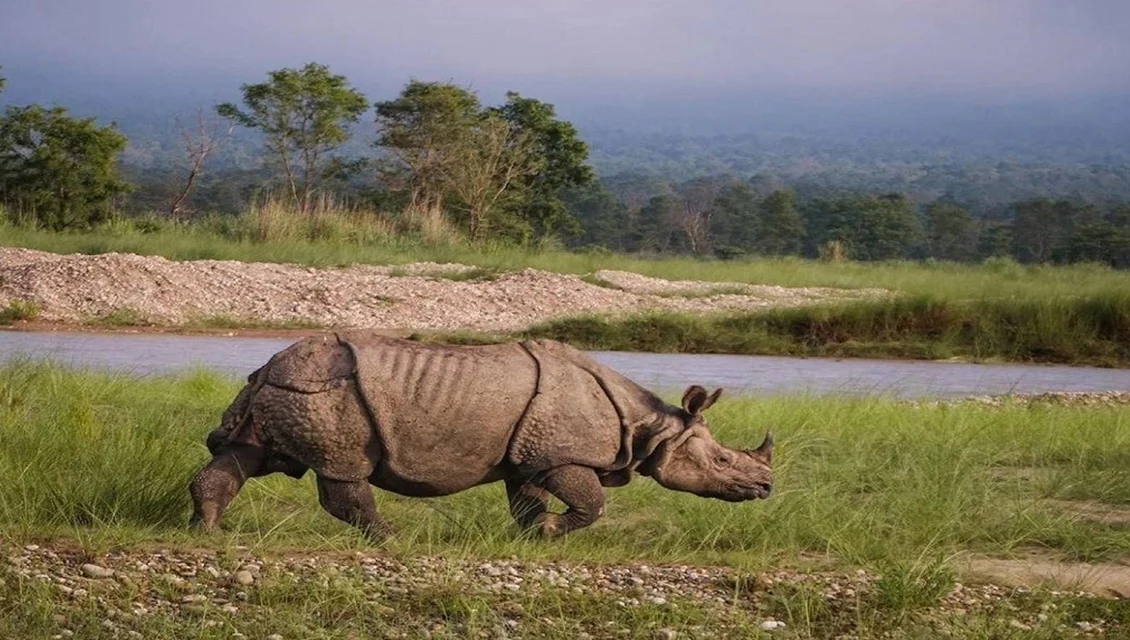
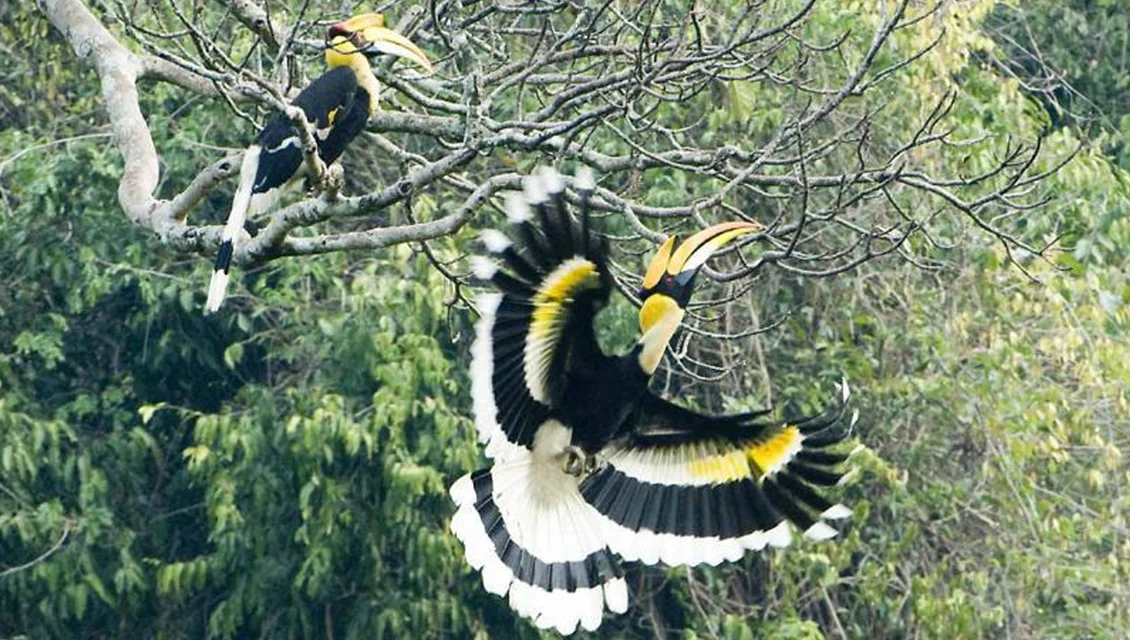
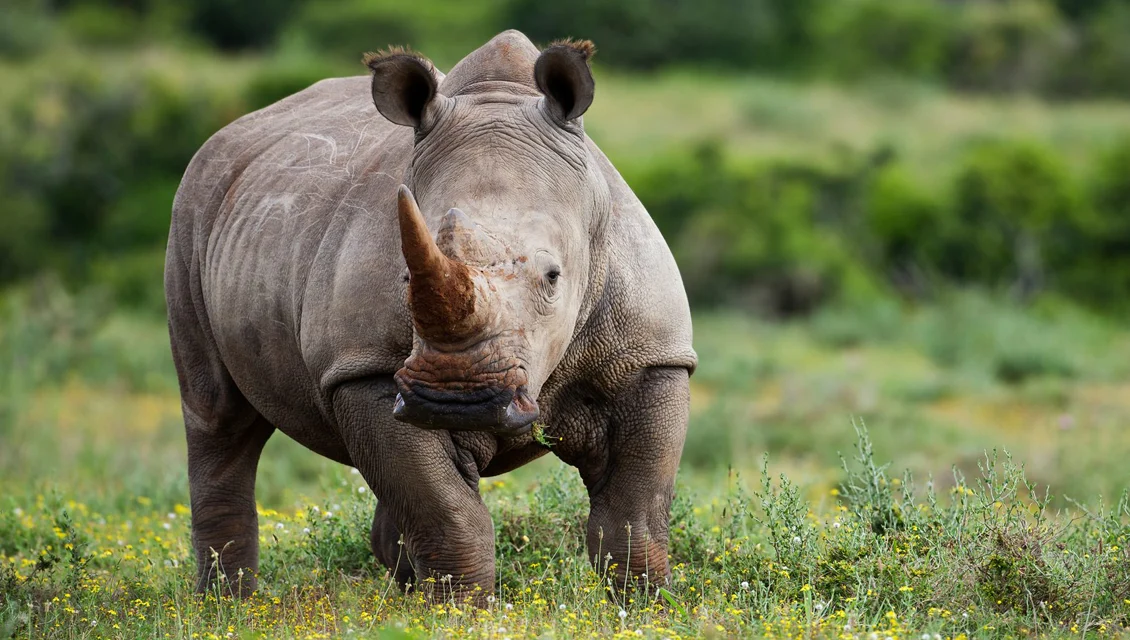
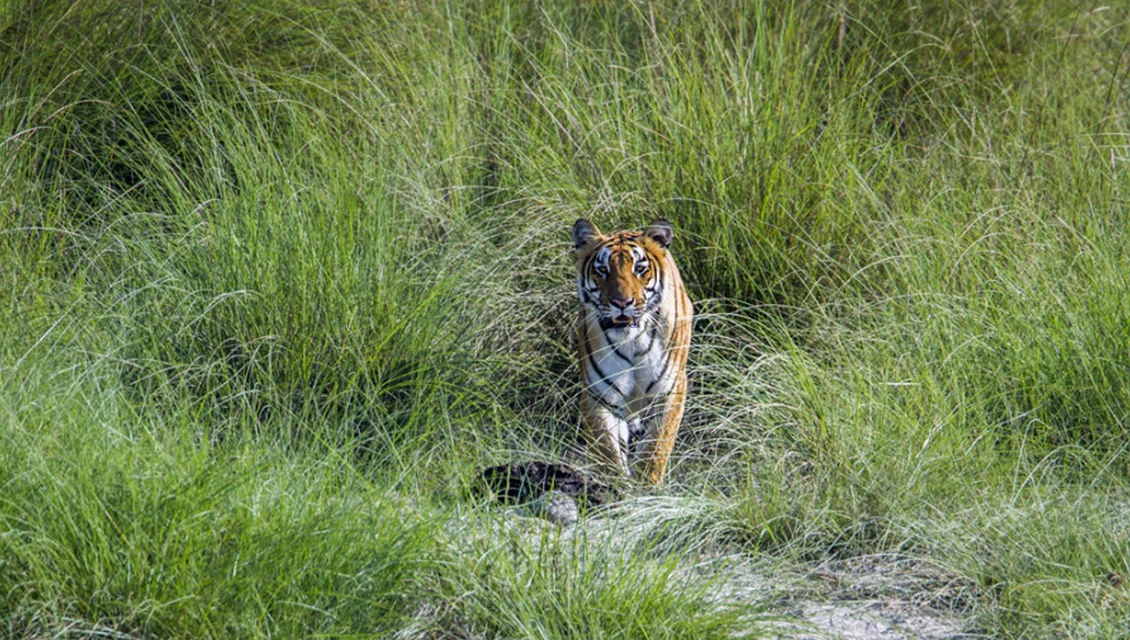
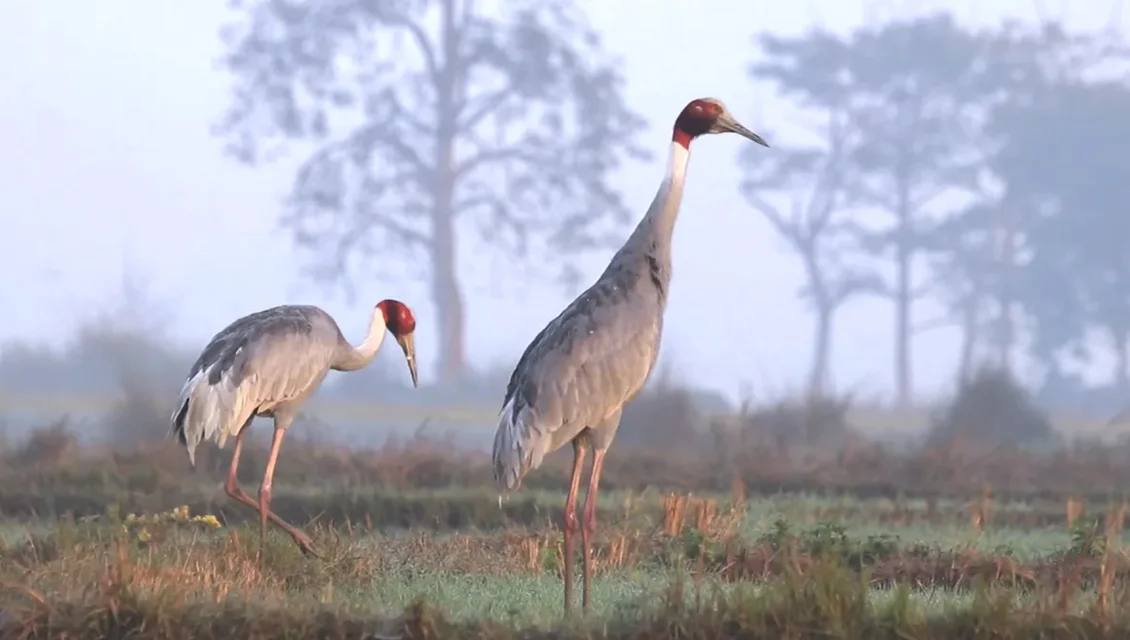
This national park is one of the best places in Nepal for Bengal tiger sightings, along with one-horned rhinoceros, wild elephants, swamp deer, gharial crocodiles, and over 400 species of birds. The low tourist density makes Bardiya ideal for travelers seeking a deeper, more exclusive wildlife experience.
The 4-day itinerary allows time for multiple jungle safaris, river exploration, and cultural interaction with the indigenous Tharu community.
Geography and Landscape
Bardiya National Park is located in the western Terai region of Nepal, in the Bardiya district near the Karnali River basin. Covering a vast area of protected wilderness, it is one of the largest and most undisturbed national parks in Nepal.
The landscape consists of:
- Dense sal forests and mixed deciduous jungle
- Open floodplain grasslands ideal for tiger and deer sightings
- Riverine ecosystems along the Karnali and Babai rivers
- Wetlands and seasonal marshes supporting migratory birds
- Remote buffer zone villages with traditional Tharu settlements
Compared to Chitwan, Bardiya is more remote, less commercialized, and significantly quieter, offering a deeper sense of wilderness.
Climate and Best Time to Visit
Bardiya National Park experiences a subtropical climate with distinct seasonal variations.
Best Seasons
- Autumn (September–November): Best overall wildlife viewing, clear weather, and active animal movement
- Spring (March–May): Warm temperatures and good chances of tiger sightings near water sources
- Winter (December–February): Cool and pleasant, ideal for jeep safaris and birdwatching
Off Season
- Monsoon (June–August): Heavy rain, dense vegetation, and limited safari access; not recommended
- Autumn is the most favorable season for tiger tracking and clear jungle visibility.
People and Culture
The Bardiya region is home to the indigenous Tharu community, who have lived in close harmony with the forest for generations. Their lifestyle, traditions, and agricultural practices are deeply connected to the jungle ecosystem.
Cultural highlights include:
- Traditional Tharu stick dance performances
- Village walks through rural settlements
- Cultural storytelling and local lifestyle demonstrations
- Organic farming and river-based livelihoods
- Warm hospitality in remote jungle communities
The cultural experience in Bardiya is more authentic and less commercialized compared to other safari regions.
Highlights
- Excellent destination for spotting Bengal tigers.
- Home to one-horned rhinos, elephants, deer, and other wildlife.
- Karnali River offers chances to see rare Gangetic dolphins and gharials.
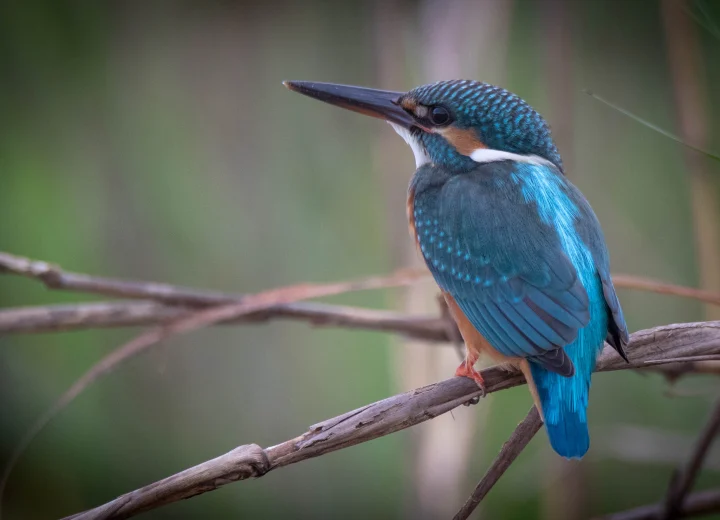
- Rich birdlife with hundreds of bird species.
- Beautiful sal forests, grasslands, and river ecosystems.
- Popular activities include jeep safaris, jungle walks, and birdwatching.
- Opportunity to experience traditional Tharu culture.
Day-by-day itinerary
Download PDF-
- StayHotel
- VisitNepal
- MealsBreakfast
Arrival via flight or long drive from Kathmandu/Nepalgunj
Transfer to jungle lodge or eco-resort
Welcome briefing and refreshment
Tharu village walk and cultural interaction
Evening Tharu cultural dance performance
-
- StayHotel
- VisitNepal
- MealsBreakfast
Early morning birdwatching walk
Breakfast at lodge
Jeep safari inside Bardiya National Park
Wildlife tracking: rhino, deer, monkeys, elephants, and possible tiger sightings Lunch at lodge or jungle picnic
Nature walk with experienced naturalist guide
Sunset viewing near riverbank
Overnight at jungle lodge
-
- StayHotel
- VisitNepal
- MealsBreakfast
Early morning jungle walk or birding tour
Breakfast at lodge
Extended jeep safari into remote core zones
Optional river exploration along Karnali or Babai River
Wildlife observation from watchtowers or riverbanks
Relaxation and photography time
Evening nature discussion with guide
Overnight at jungle lodge
-
- StayHotel
- VisitNepal
- MealsBreakfast
Morning breakfast
Short birdwatching or nature walk (optional)
Transfer to Nepalgunj airport or drive onward to next destination
Best time for Bardiya National Park Safari Tour
The best time for the Bardiya National Park Safari Tour is October–March, with April also good. Typical daytime temperatures at Chitwan (≈150 m) in those months are around 27 °C, with colder nights at higher camps.
- Best time to goOctober–March
- Also goodApril
- Possible, with some limitsMay and September
- Not recommendedJune–August
October to March is the best wildlife season: comfortable temperatures and, from February, short grass that makes rhinos and tigers easier to spot. April–May is very hot, and some parks restrict access during the monsoon.
Month-by-month weather guide for the Bardiya National Park Safari Tour
| Month | Conditions | Day | Night |
|---|---|---|---|
| January | Best time — stable weather and clear views | 23 °C | 8 °C |
| February | Best time — stable weather and clear views | 26 °C | 10 °C |
| March | Best time — stable weather and clear views | 32 °C | 14 °C |
| April | Good — mostly fine weather, fewer crowds | 35 °C | 19 °C |
| May | Possible — some weather limits | 35 °C | 23 °C |
| June | Not recommended — monsoon rain, cloud and slippery trails | 34 °C | 25 °C |
| July | Not recommended — monsoon rain, cloud and slippery trails | 33 °C | 25 °C |
| August | Not recommended — monsoon rain, cloud and slippery trails | 33 °C | 25 °C |
| September | Possible — monsoon showers and cloud | 32 °C | 24 °C |
| October | Best time — stable weather and clear views | 31 °C | 19 °C |
| November | Best time — stable weather and clear views | 28 °C | 13 °C |
| December | Best time — stable weather and clear views | 24 °C | 9 °C |
Average day and night temperatures at Chitwan (≈150 m). Higher camps are colder.
What to bring
Download PDFYour packing checklist for Bardiya National Park Safari Tour. Tick items off as you pack — down jackets and sleeping bags can also be rented in Kathmandu.
Clothing
- Moisture-wicking base layers (top and bottom)
- Fleece or light insulated mid-layer
- Down jacket (−10 °C rated for high trails)
- Waterproof, breathable shell jacket and trousers
- 2–3 trekking shirts and 2 pairs of trekking trousers
- Warm hat, sun hat or cap and buff
- Light liner gloves and warm insulated gloves
- Underwear and sports bras
Footwear
- Broken-in waterproof trekking boots with ankle support
- Camp shoes or sandals for teahouse evenings
- Hiking socks (4–5 pairs) and warm wool socks for nights
Equipment
- Daypack 30–35 L with rain cover
- Sleeping bag rated to −10 °C (we can provide one)
- Trekking poles
- Sunglasses with UV protection
- Duffel bag for the porter (provided by Nord Extreme)
Health & personal
- Personal medication and a small first-aid kit
- Altitude medicine (Diamox) after consulting your doctor
- Water bottles or a 2–3 L hydration bladder, purification tablets or filter
- Sunscreen SPF 50, lip balm with SPF
- Hand sanitiser, wet wipes, quick-dry towel
- Headlamp with spare batteries, power bank
Documents & money
- Passport valid for 6+ months, plus copies
- Travel insurance policy (covering helicopter evacuation)
- 4 passport photos for permits
- Cash in USD / Nepali rupees for tips, snacks and extras
- Credit or debit card
Photos & video
Dates & prices
Private departures run on any date. Pick the start date that suits you and we will build the trip around it — same price, your own guide and team.
Good to know
Essential information
Accommodation
Accommodation is provided in eco-lodges and jungle resorts located near or within the Bardiya buffer zone.
Facilities include:
- Comfortable twin or double rooms with attached bathrooms
- Jungle-facing views and natural surroundings
- Full-board meal system (breakfast, lunch, dinner)
- Outdoor seating and nature observation areas
- Evening cultural programs and storytelling sessions
Luxury jungle lodges may offer private villas, upgraded dining, and personalized safari services.
Meals
A full-board meal system is included during the safari.
Typical menu options include:
- Nepali Dal Bhat set meals
- Rice, noodles, pasta, and soups
- Fresh vegetables, chicken, and local dishes
- Breakfast items: eggs, toast, porridge, fruits
- Herbal tea and hot beverages
- Occasional Tharu-style traditional cuisine
- Meals are freshly prepared using local ingredients.
Difficulty & Physical Requirements
The Bardiya Safari Tour is classified as very easy, suitable for all travelers.
- No trekking or physical fitness required
- Light walking during jungle activities
- Suitable for families, seniors, and wildlife photographers
- Comfortable travel throughout the program
Permits
Required permits include:
- Bardiya National Park Entry Permit
- Buffer zone and conservation fees (if applicable)
- All permits arranged by the tour operator
Guide & Naturalist Services
Experienced naturalist guides are included throughout the tour.
They provide:
- Wildlife tracking and interpretation
- Tiger tracking expertise and jungle navigation
- Bird identification and ecological insights
- Safety management in jungle environments
- Cultural explanation of Tharu lifestyle
Cultural & Natural Highlights
The Bardiya Safari Tour offers one of Nepal’s most pristine wildlife experiences:
- High chance of Bengal tiger sightings
- One-horned rhinoceros and wild elephant habitats
- Dense and untouched sal forest ecosystems
- Karnali and Babai river ecosystems
- Over 400 bird species
- Remote and peaceful jungle environment
- Authentic Tharu cultural villages
- Minimal tourist crowds for exclusive experience
Essential Equipment
Recommended items include:
- Lightweight cotton clothing in neutral colors
- Comfortable walking shoes or boots
- Hat and sunglasses
- Insect repellent
- Binoculars for wildlife viewing
- Camera with zoom lens
- Light jacket for mornings and evenings
- Sunscreen and personal essentials
Communication & Connectivity
- Mobile network available in main lodge areas
- Limited or no connectivity inside deep jungle zones
- Wi-Fi available in selected eco-lodges
Why Choose Bardiya National Park 4 Days / 3 Nights Safari?
This safari is ideal for travelers seeking a truly wild and authentic jungle experience:
- One of the best tiger habitats in Nepal
- Far less crowded than Chitwan National Park
- Deep wilderness and untouched natural environment
- High-quality birdwatching and biodiversity
- Authentic Tharu cultural immersion
- Extended safari time for better wildlife chances
- Perfect for photographers and nature enthusiasts
- Remote and peaceful safari experience away from tourism hubs
Frequently asked questions
How difficult is the Bardiya National Park Safari Tour?
The Bardiya National Park Safari Tour is graded Moderate — suitable for most active travellers. Expect 5–7 hours of walking on most days on mountain trails with plenty of ascents and descents. Regular cardio training — hiking, running, cycling or stair climbing — for 6–8 weeks before departure makes the trip far more enjoyable.
What is the best time for the Bardiya National Park Safari Tour?
For the Terai lowlands & national parks region the best months are October–March. October to March is the best wildlife season: comfortable temperatures and, from February, short grass that makes rhinos and tigers easier to spot. April–May is very hot, and some parks restrict access during the monsoon.
What permits do I need for the Bardiya National Park Safari Tour?
You need the national park entry permit. Nord Extreme arranges every permit for you before the trip starts — check the "Includes" section above for exactly what is covered in the price. Just bring your passport and a few passport-size photos.
What is the accommodation like on the Bardiya National Park Safari Tour?
In Kathmandu you stay in a comfortable hotel; on the trail we use the best available family-run teahouses and lodges with twin-share rooms, shared or attached bathrooms and a warm dining room. Upgrades to luxury lodges are possible on popular routes such as Everest and Annapurna.
Can I book the Bardiya National Park Safari Tour as a private trip or join a group?
Both. You can join one of the fixed departures listed under "Dates & Prices", or book a private trip for just you, your family or friends on any date. Solo travellers are welcome — you will always have your own licensed guide.
Do I need travel insurance for the Bardiya National Park Safari Tour?
Yes, travel insurance is compulsory. It must cover medical treatment and emergency helicopter evacuation up to the trip’s highest altitude, plus trip cancellation. Please send us your policy details before departure.
What should I pack for the Bardiya National Park Safari Tour?
See the "What to bring" checklist on this page for the full list. The essentials are broken-in boots, warm layers, a down jacket, a waterproof shell, sun protection and a daypack. Down jackets and sleeping bags can be rented cheaply in Kathmandu, and a porter carries your main bag (up to 10–12 kg).
Keep exploring