Government-licensed operator · Sherpa-owned since day one
Everest Base Camp Luxury Trek

Trekking in Nepal · Everest Region

Everest Base Camp Luxury Trek

16 Days 5545m 6 reviews
Download trip PDF
  • Duration16 Days
  • DifficultyEasy
  • Max altitude5545m
  • Group size17 People
  • Best seasonSEP-NOV, MAR-MAY
  • Start / finishKathmandu

Trip overview

The Everest Base Camp Luxury Trek is a premium Himalayan adventure designed for travelers who want to experience the world’s most iconic trekking route with maximum comfort, safety, and personalized service. This carefully crafted journey combines the legendary Everest Base Camp trail with high-end lodges, luxury hotels in lower elevations, and professionally managed logistics throughout the entire itinerary.

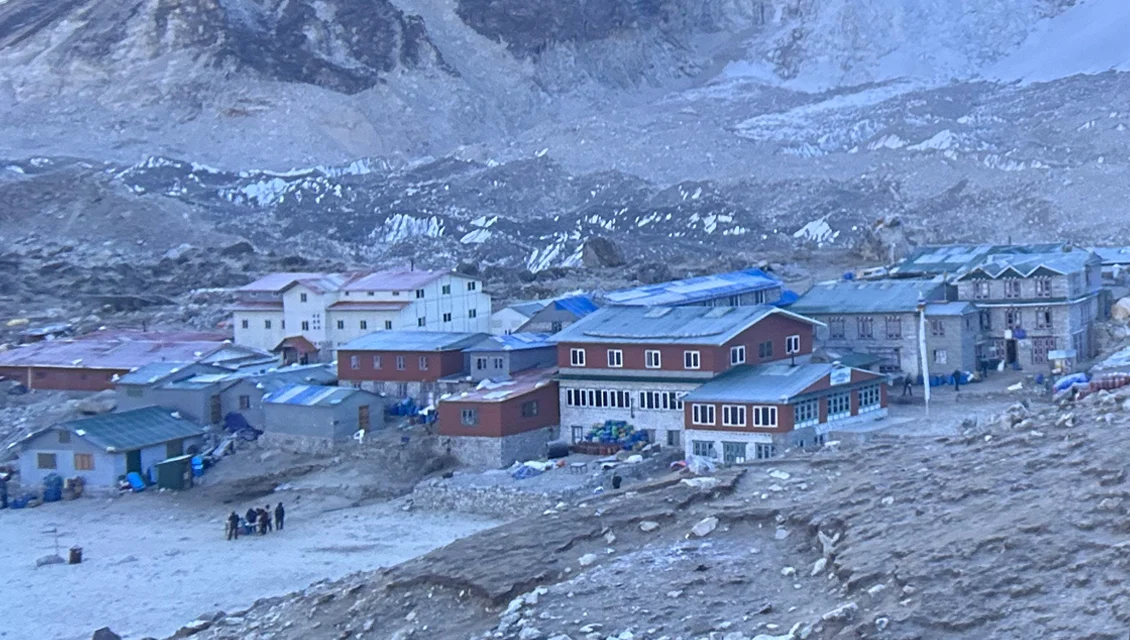
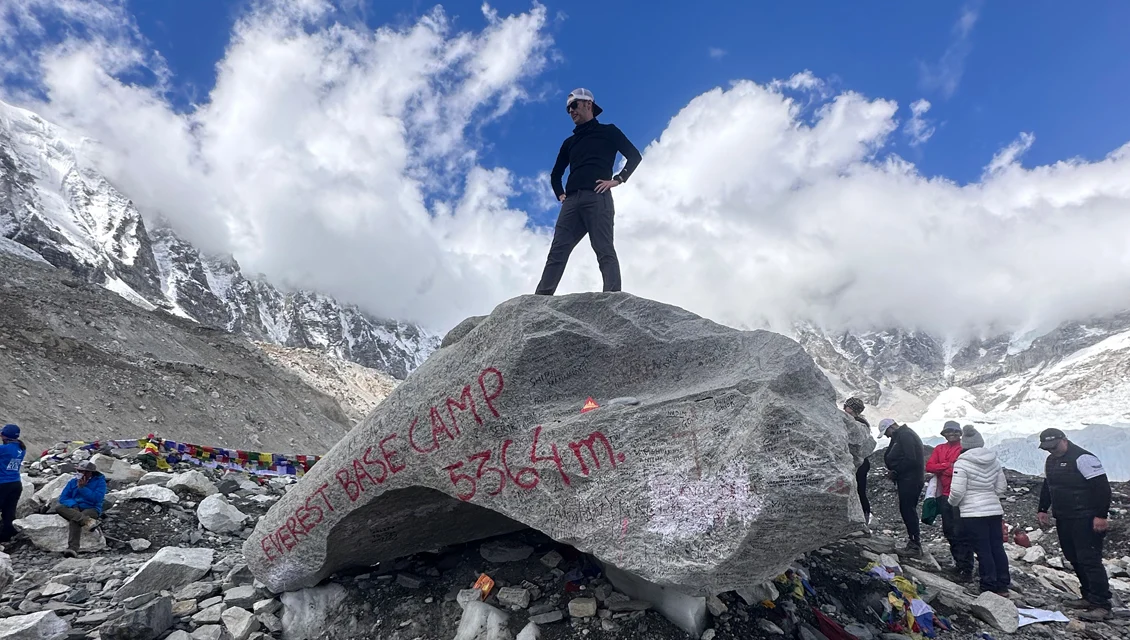
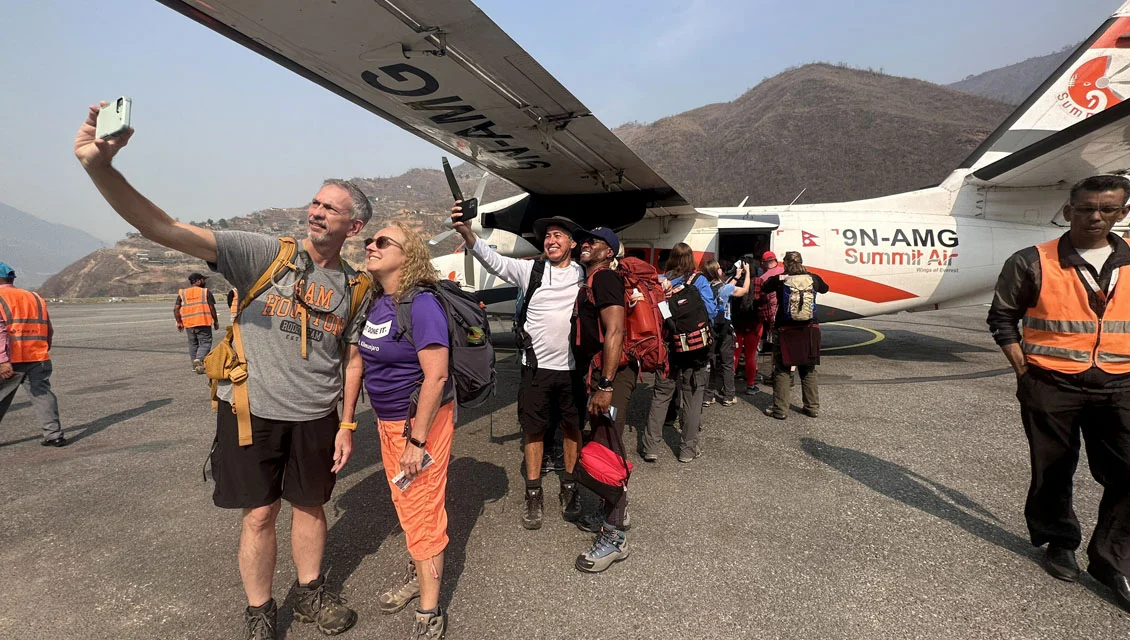
The trek begins with a warm welcome in Kathmandu, followed by a scenic flight to Lukla, the gateway to the Everest region. From here, the trail passes through traditional Sherpa villages, ancient monasteries, alpine forests, and dramatic high-altitude landscapes leading all the way to Everest Base Camp (5,364 m). Along the way, trekkers enjoy carefully selected luxury and premium accommodations in key locations such as Namche Bazaar, Deboche, Dingboche, Lobuche, and Gorakshep.

This luxury itinerary is designed with proper acclimatization days, experienced guides, and full support services to ensure safety and comfort at high altitude. The return journey follows the classic Everest route, ending with a smooth descent back to Lukla and a flight to Kathmandu.

Ideal for discerning travelers, this trek offers a perfect blend of adventure, cultural immersion, and high-end Himalayan hospitality.

Geography and Landscape

The Everest Base Camp Luxury Trek lies within the Khumbu region of northeastern Nepal, inside the protected boundaries of Sagarmatha National Park, a UNESCO World Heritage Site known for its dramatic alpine scenery and towering Himalayan peaks.

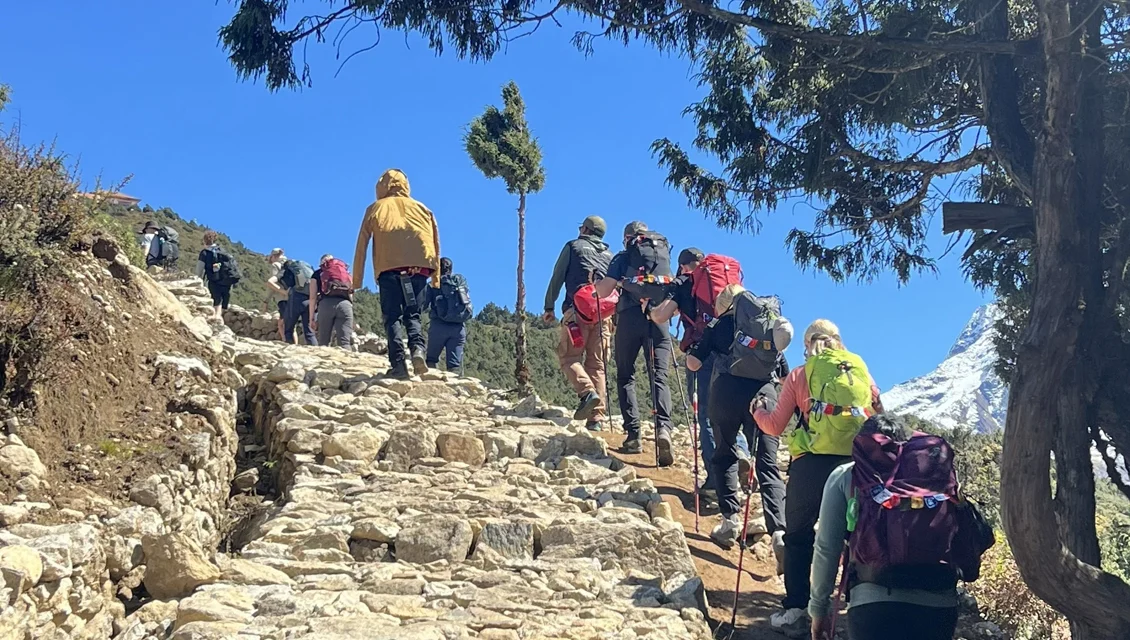
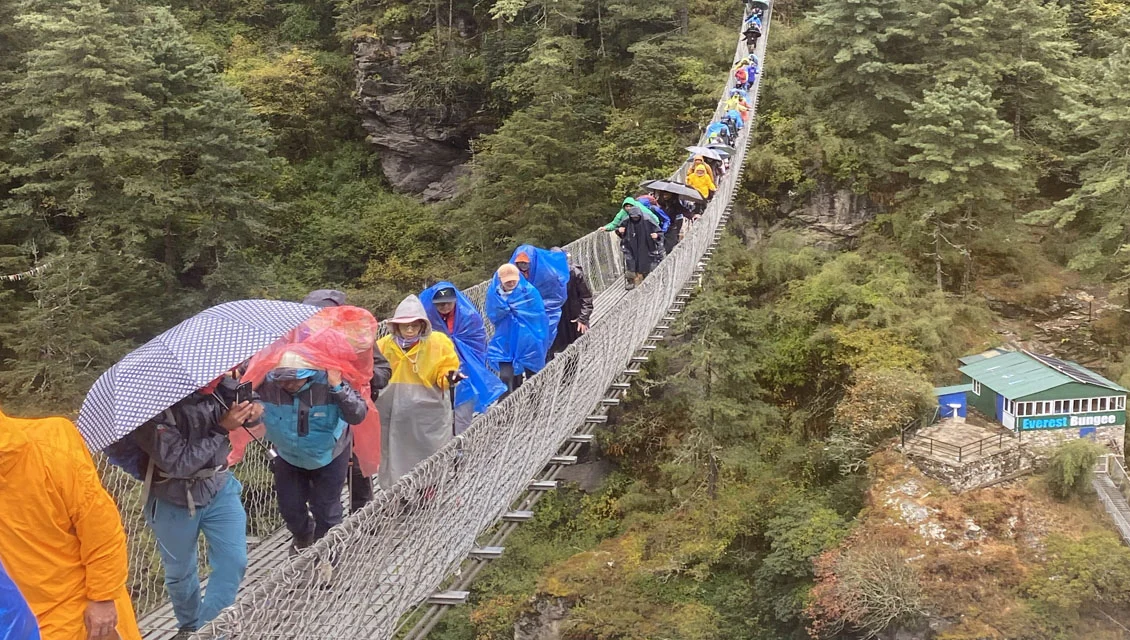
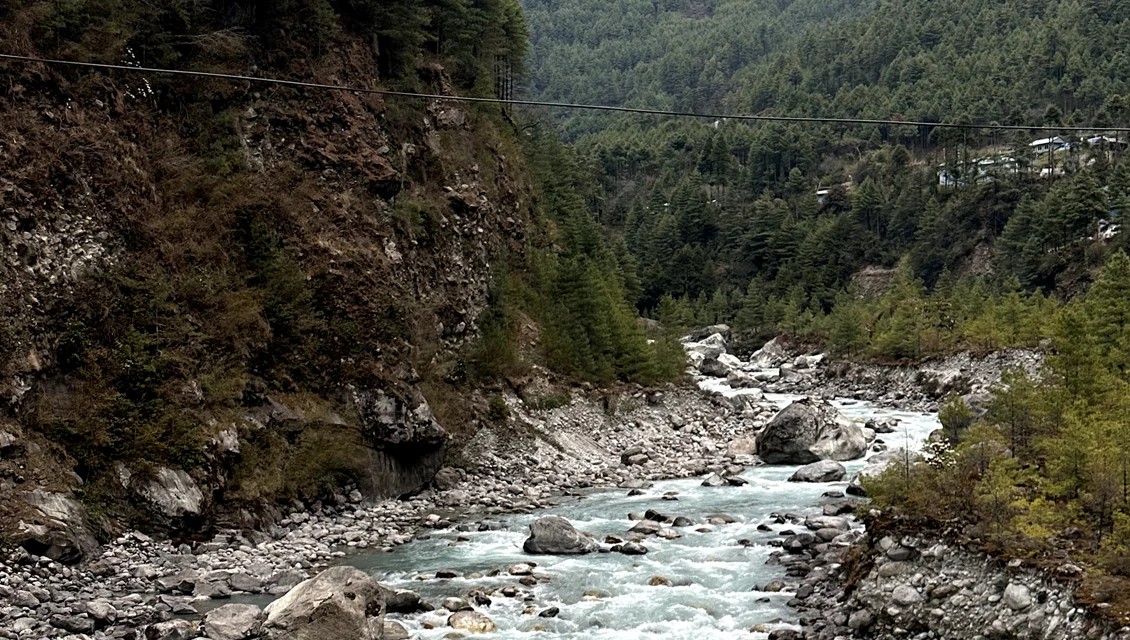
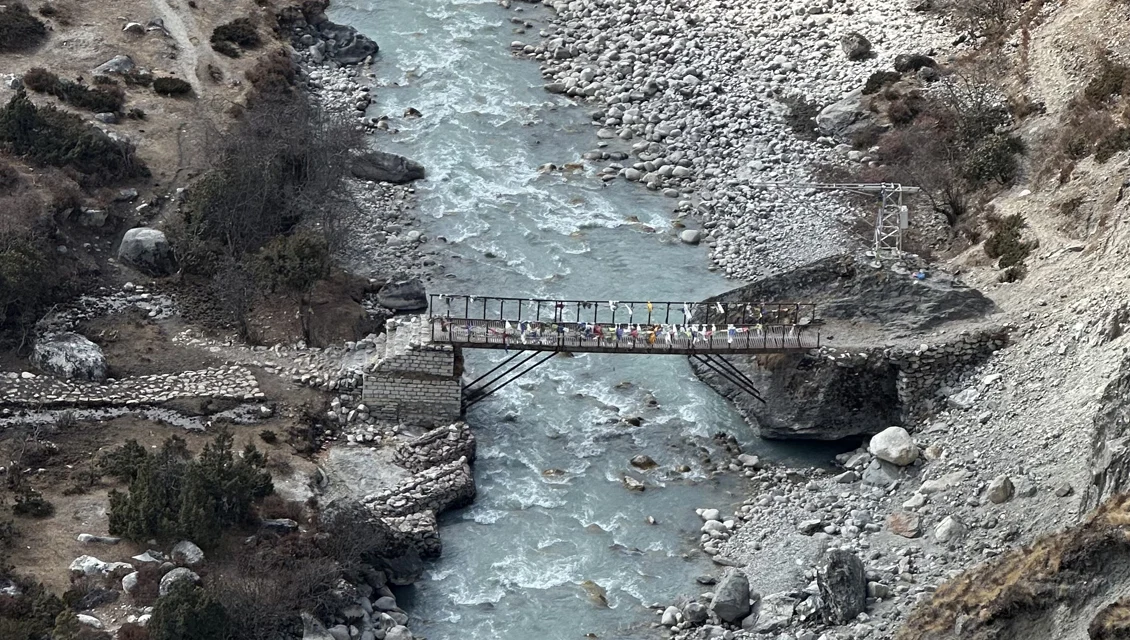
The journey begins in Lukla and follows the Dudh Koshi River valley through lush forests of pine and rhododendron. As the trail ascends, the landscape transforms into deep valleys, suspension bridges, traditional Sherpa settlements, and eventually into stark alpine terrain and glacial moraine.

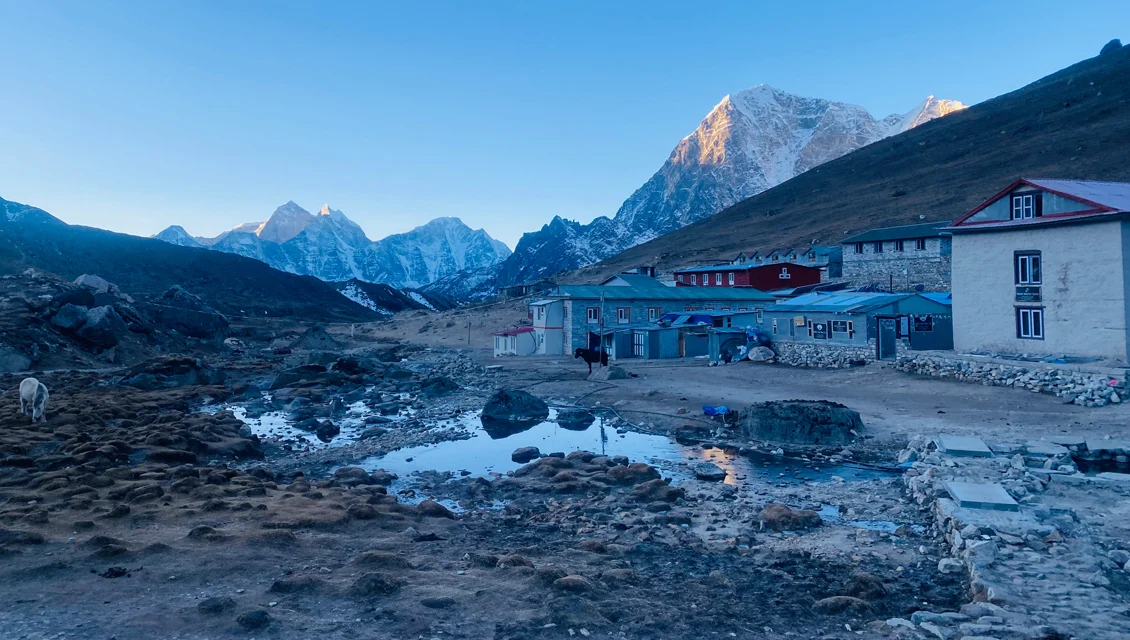
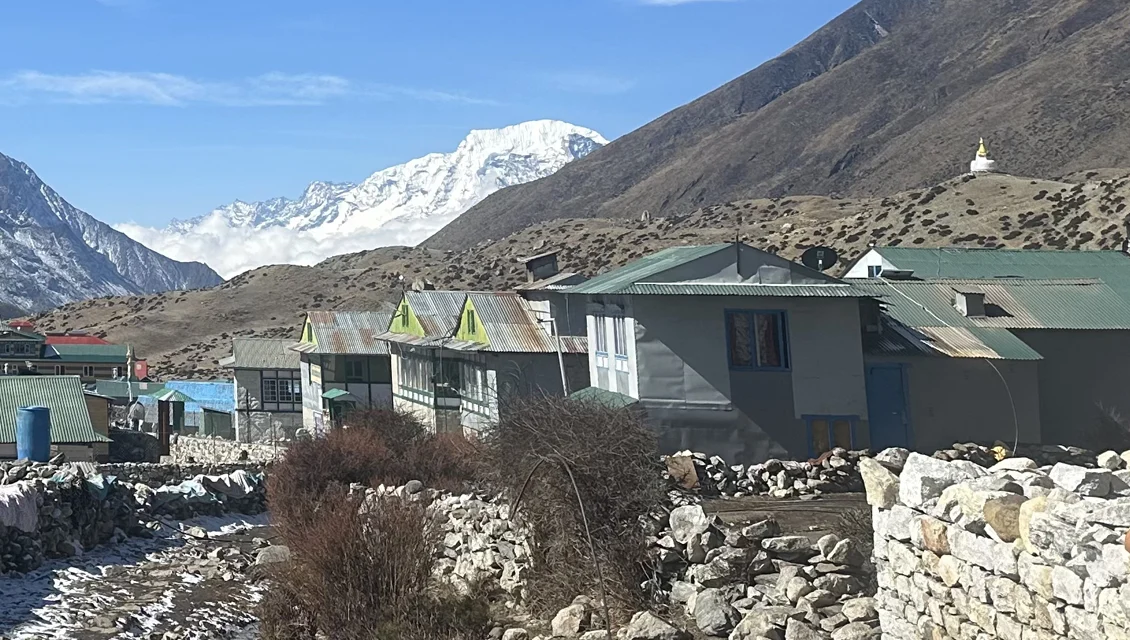
Key villages along the route include Phakding, Namche Bazaar, Tengboche, Deboche, Dingboche, Lobuche, and Gorakshep. Each offers unique mountain perspectives and cultural experiences.

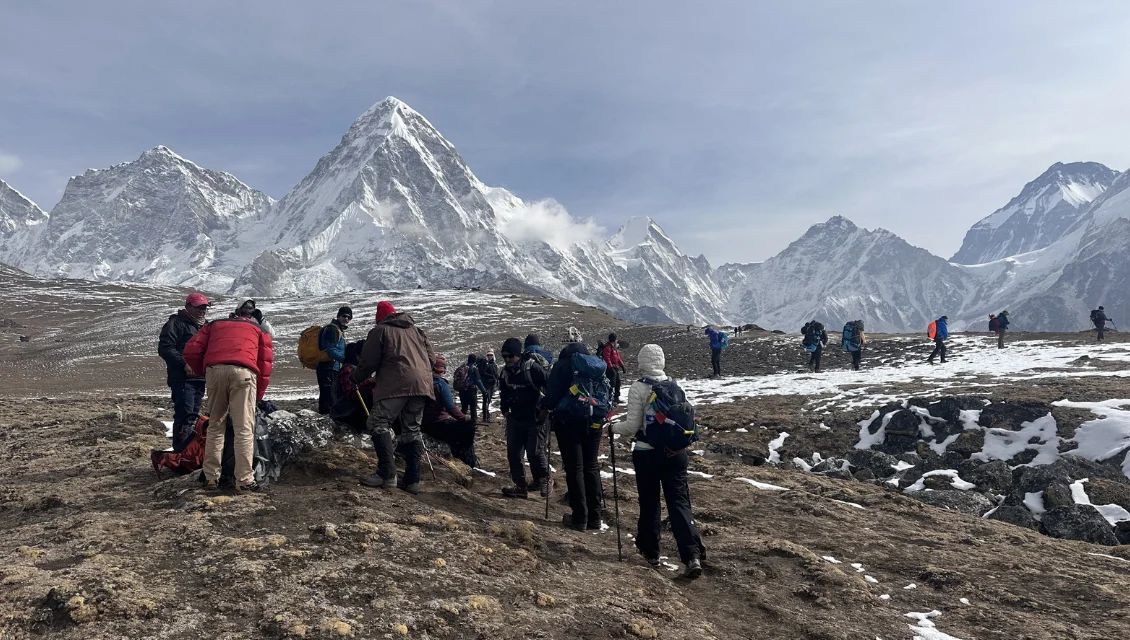
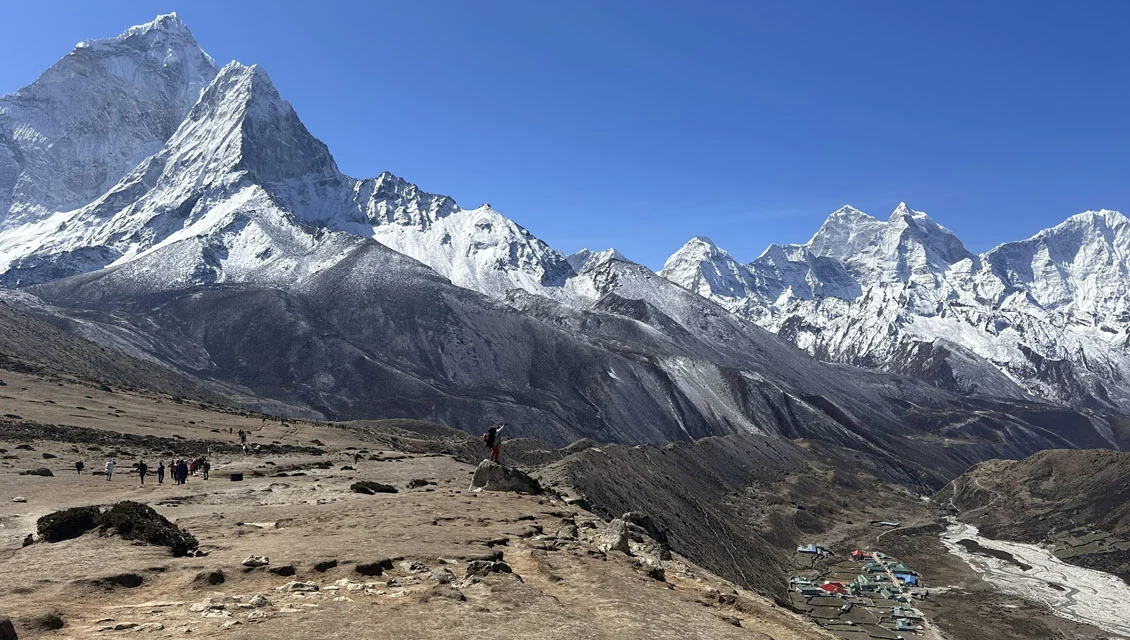
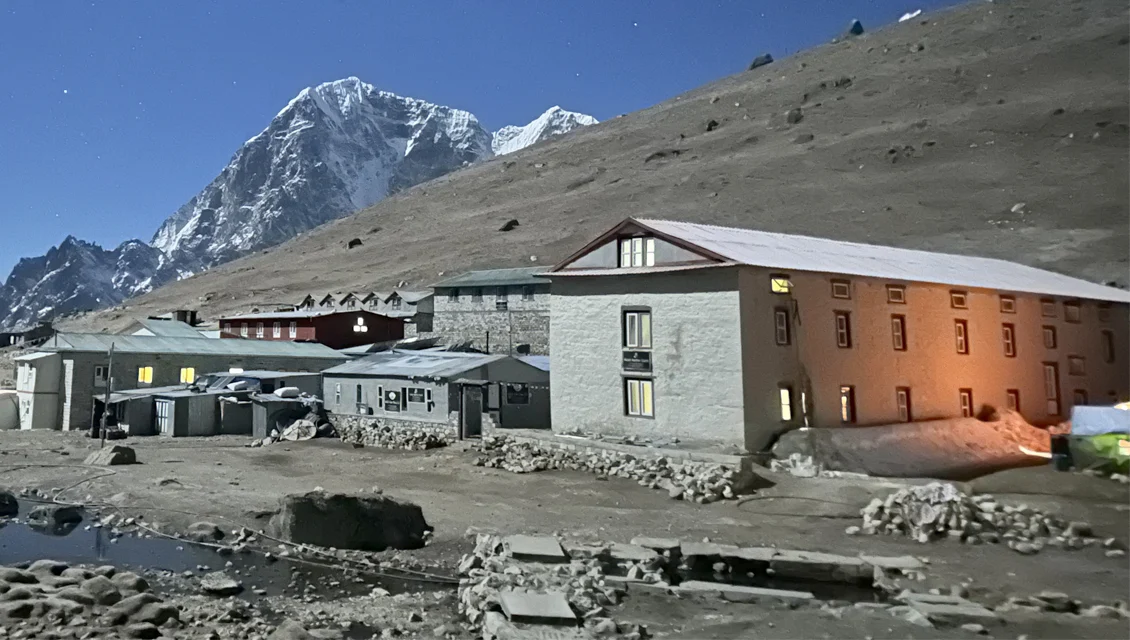
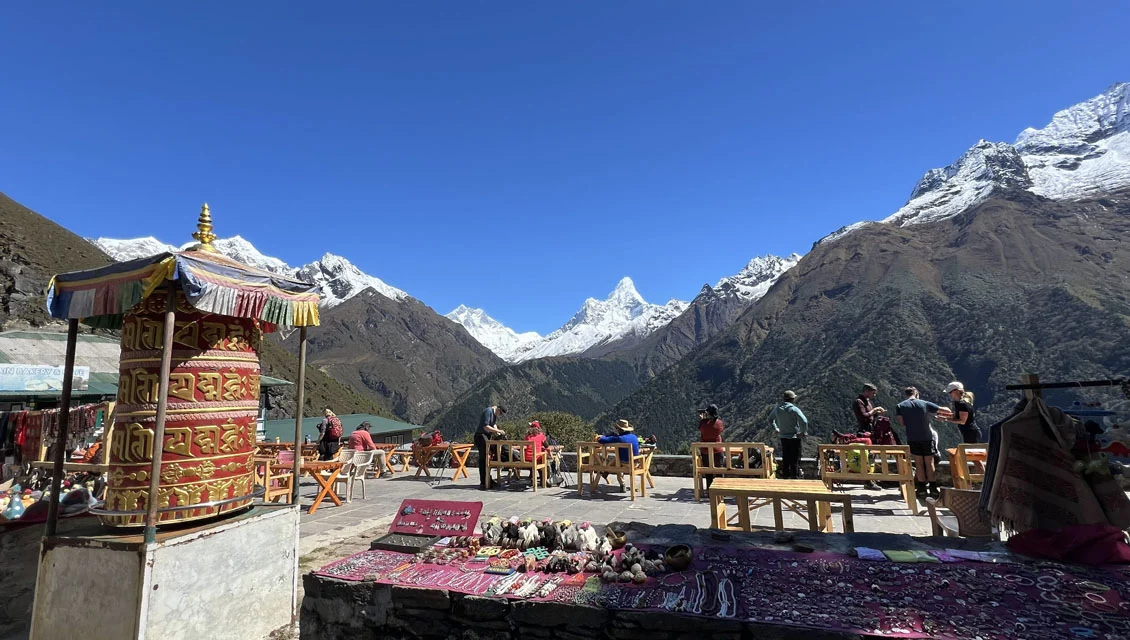
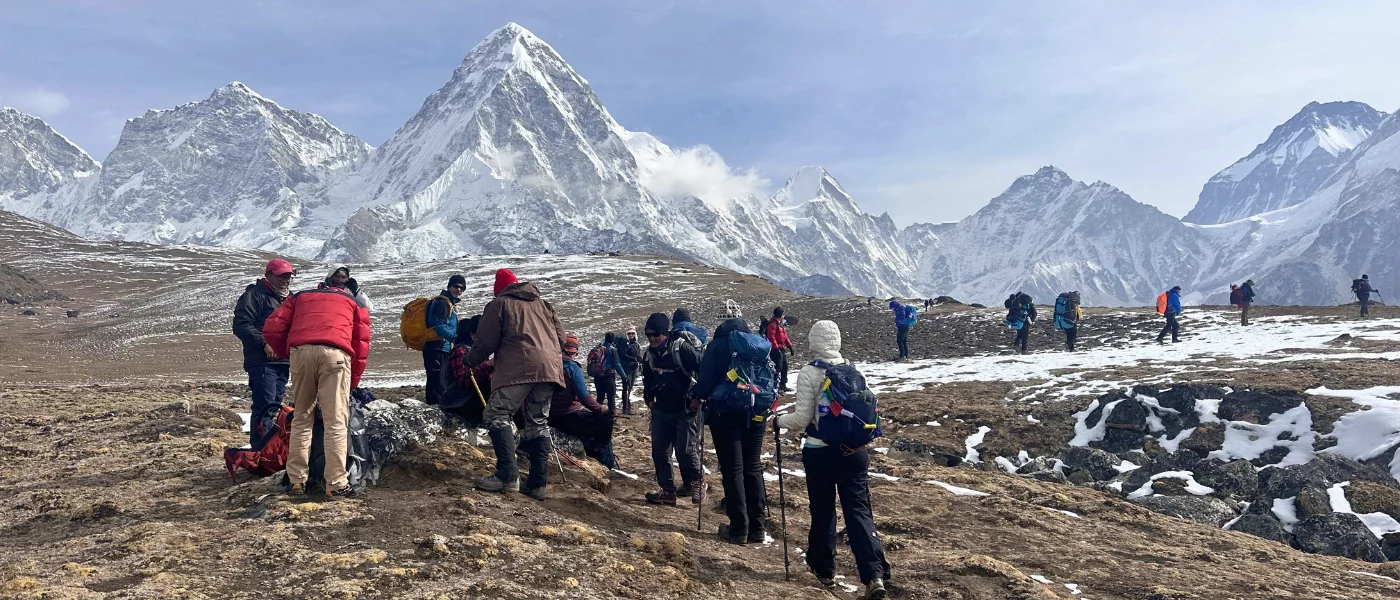
At higher elevations, trekkers approach the Khumbu Glacier and Everest Base Camp, surrounded by iconic peaks such as Mount Everest, Lhotse, Nuptse, Ama Dablam, and Pumori. The region offers one of the most dramatic and inspiring mountain landscapes on Earth.

Climate and Best Time to Trek

The best time for the Everest Base Camp Luxury Trek is during spring (March–May) and autumn (September–November).

Spring offers stable weather, warmer temperatures, and blooming rhododendron forests, making the trail especially scenic. It also coincides with Everest climbing expeditions, adding a vibrant atmosphere in the region.

Autumn is considered the most favorable season due to clear skies, excellent visibility, and stable weather conditions following the monsoon.

Winter (December–February) provides quieter trails and crystal-clear views but extremely cold temperatures at higher elevations. The monsoon season (June–August) is less suitable due to rainfall, cloud cover, and flight delays.

People and Culture

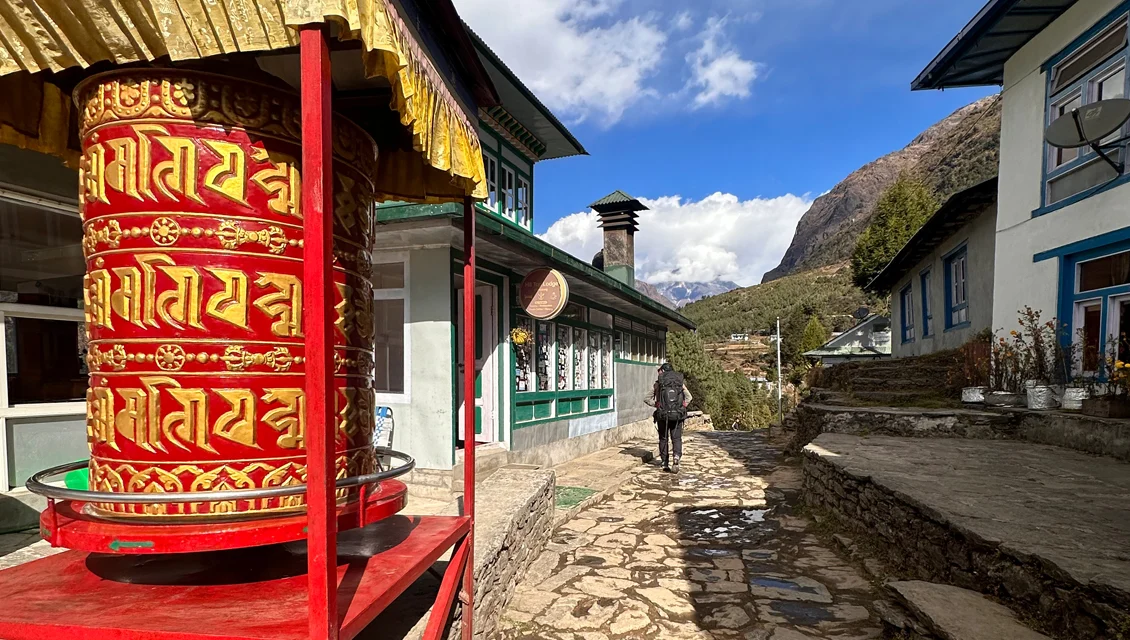
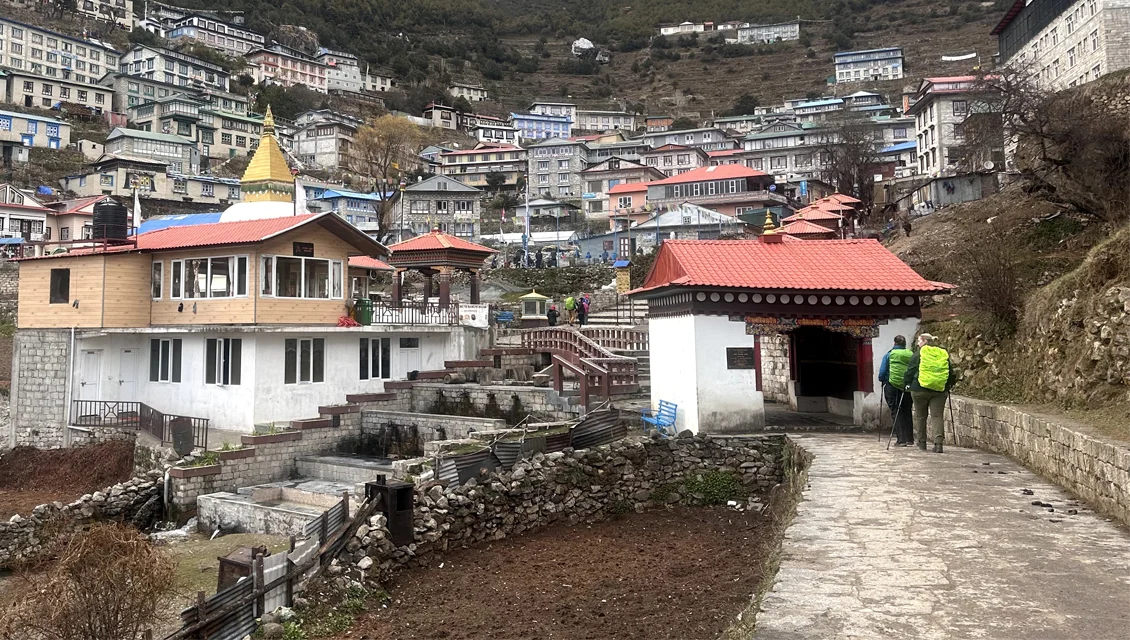
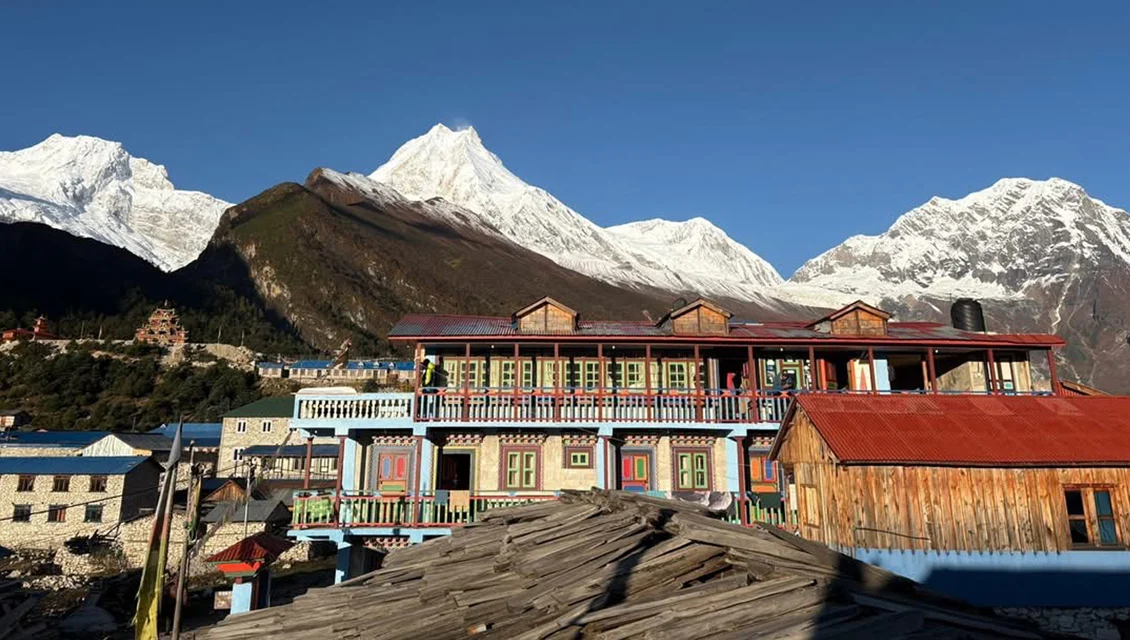
The Everest region is home to the Sherpa community, globally respected for their mountaineering expertise, resilience, and hospitality. Their culture is deeply rooted in Tibetan Buddhism, visible throughout the journey in prayer flags, mani walls, stupas, and monasteries.

Villages such as Namche Bazaar, Tengboche, and Pangboche provide authentic cultural encounters, where travelers can observe traditional lifestyles and spiritual practices.

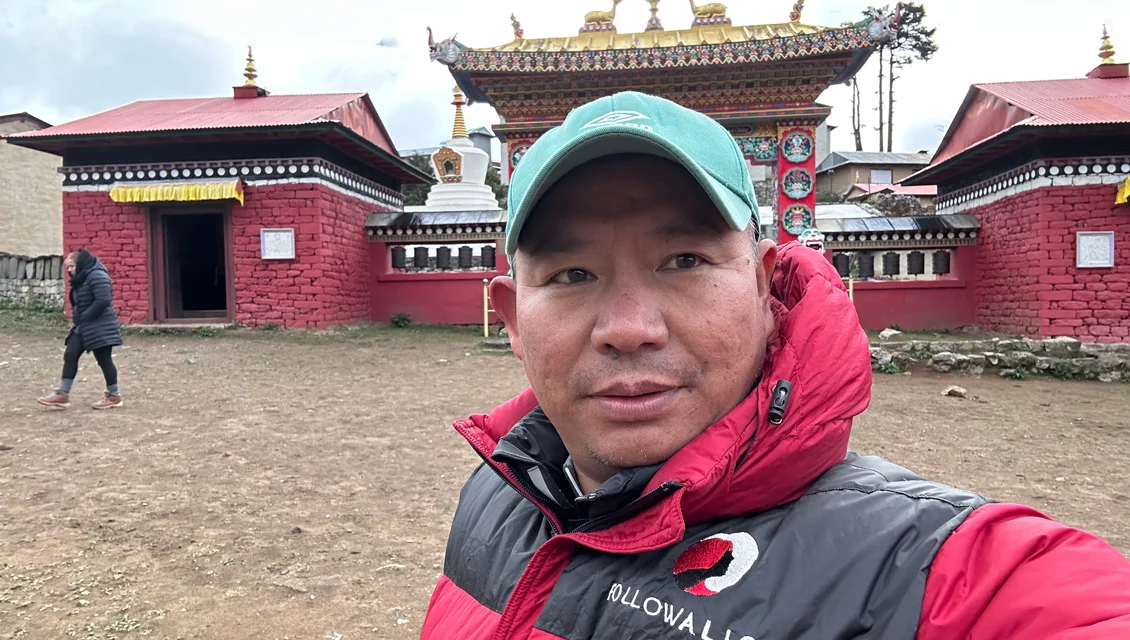
Tengboche Monastery, one of the most significant religious sites in the Khumbu region, offers a peaceful spiritual atmosphere surrounded by breathtaking Himalayan views.

The combination of Sherpa culture and high mountain landscapes makes this journey both spiritually enriching and visually unforgettable.

Highlights

  • Scenic flight between Kathmandu and Lukla 
  • Luxury hotel stay in Kathmandu and Lukla 
  • Premium lodges throughout key trekking destinations 
  • Explore Namche Bazaar, the Sherpa capital of Everest 
  • Visit Tengboche Monastery with panoramic mountain views 
  • Proper acclimatization in Namche and Dingboche 
  • Reach Everest Base Camp (5,364 m) 
  • Optional sunrise hike to Kala Patthar (5,545 m) 
  • Comfortable trekking with professional support team 
  • Return via scenic descent through Sherpa villages 
  • Perfect balance of luxury, culture, and adventure

Day-by-day itinerary

Download PDF
Altitude & temperatureHow high you sleep each night, with the typical daytime and night temperature below each day.
1,000 m2,000 m3,000 m4,000 m5,000 m6,000 mDayDaytimeNight121°11°221°11°315°3°411°−2°511°−2°69°−4°76°−8°86°−8°93°−12°101°−15°110°−16°1211°−2°1314°2°1413°2°1521°11°1621°11°Day 1: Arrival in Kathmandu — 1,400 m. Daytime about 21 °C, night about 11 °CDay 2: Trek Preparation & Kathmandu Valley Leisure — 1,400 m. Daytime about 21 °C, night about 11 °CDay 3: Fly to Lukla – Trek to Phakding — 2,610 m. Daytime about 15 °C, night about 3 °CDay 4: Trek to Namche Bazaar — 3,440 m. Daytime about 11 °C, night about -2 °CDay 5: Acclimatization Day in Namche Bazaar — 3,440 m. Daytime about 11 °C, night about -2 °CDay 6: Trek to Deboche via Tengboche — 3,820 m. Daytime about 9 °C, night about -4 °CDay 7: Trek to Dingboche — 4,410 m. Daytime about 6 °C, night about -8 °CDay 8: Acclimatization Day in Dingboche — 4,410 m. Daytime about 6 °C, night about -8 °CDay 9: Trek to Lobuche — 4,910 m. Daytime about 3 °C, night about -12 °CDay 10: Trek to Gorakshep – Everest Base Camp — 5,364 m. Daytime about 1 °C, night about -15 °CDay 11: Kala Patthar Sunrise – Trek to Pheriche — 5,545 m. Daytime about 0 °C, night about -16 °CDay 12: Trek to Namche Bazaar — 3,440 m. Daytime about 11 °C, night about -2 °CDay 13: Trek to Monjo — 2,835 m. Daytime about 14 °C, night about 2 °CDay 14: Trek to Lukla — 2,860 m. Daytime about 13 °C, night about 2 °CDay 15: Flight to Kathmandu — 1,400 m. Daytime about 21 °C, night about 11 °CDay 16: Departure — 1,400 m. Daytime about 21 °C, night about 11 °CHighest: 5,545 m · Day 11

Temperatures are typical for the best travel months (March–April and October–November) and can change with the weather.

    • StayLuxury Hotel
    • VisitNepal
    • MealsDinner

    Upon arrival at Tribhuvan International Airport, you will be warmly welcomed by our representative and transferred to a carefully selected luxury hotel in Kathmandu.

    After check-in, you will have time to rest and recover from your journey. In the evening, a detailed trek briefing will be conducted by your guide, covering the route, altitude plan, safety protocols, and final preparation checklist.

    You may also enjoy a relaxed walk around Thamel or dine at a premium restaurant.

What the price covers

What’s included

Transportation

  • Private tourist vehicles for airport pick-up and drop-off in Kathmandu
  • All required ground transfers as per itinerary
  • Scheduled domestic flights: Kathmandu – Lukla – Kathmandu
  • Helicopter transfer from Everest region (Gorakshep/Lobuche area) to Lukla as per itinerary (if included in package)

Accommodation & Meals

  • 3 nights luxury hotel accommodation in Kathmandu (bed & breakfast)
  • Premium luxury lodges / high-standard teahouses during trekking period
  • Full board meals (Breakfast, Lunch & Dinner) during trek
  • Tea & coffee during trekking days

Permits & Entry Fees

  • Sagarmatha National Park Entry Permit
  • Khumbu Pasang Lhamu Rural Municipality Permit
  • TIMS Card (if required)

Guide & Staff Services

  • Experienced licensed English-speaking trekking guide
  • Porter service (1 porter for 2 trekkers basis)
  • Guide and porter salary, insurance, meals, and equipment
  • First aid medical kit carried by guide
  • Emergency coordination and evacuation support assistance

Not included

International Flights

  • Airfare from home country to Nepal (Kathmandu)
  • Return international flight from Nepal to home country

Visa Fees

  • Nepal entry visa fee (payable on arrival or embassy)

Travel Insurance (Mandatory)

  • High-altitude trekking coverage up to 6,000 m
  • Emergency helicopter evacuation
  • Medical treatment and hospitalization
  • Trip cancellation, delays, and unforeseen events

Personal Expenses

  • Personal trekking equipment (boots, clothing, sleeping bag, down jacket, etc.)
  • Tips for guide and porter
  • Wi-Fi, hot showers, charging, and laundry services during trek
  • Personal snacks, bottled water, soft drinks, and beverages
  • Souvenirs and personal shopping

Meals & Beverages (Outside Trek Package)

  • Lunch and dinner in Kathmandu (unless included in package plan)
  • Alcoholic drinks, energy drinks, and extra snacks not included in set meals

Best time for Everest Base Camp Luxury Trek

The best time for the Everest Base Camp Luxury Trek is March–April and October–November, with February, May, September and December also good. Typical daytime temperatures at Namche Bazaar (3,440 m) in those months are around 11 °C, with colder nights at higher camps.

Jan: Possible, with some limitsJanFeb: Also goodFebMar: Best time to goMarApr: Best time to goAprMay: Also goodMayJun: Not recommendedJunJul: Not recommendedJulAug: Not recommendedAugSep: Also goodSepOct: Best time to goOctNov: Best time to goNovDec: Also goodDecBEST TIMEMar–AprOct–Nov
  • Best time to goMarch–April and October–November
  • Also goodFebruary, May, September and December
  • Possible, with some limitsJanuary
  • Not recommendedJune–August

Autumn (October–November) brings the clearest mountain views and stable weather; spring (March–May) is warmer, with rhododendrons in bloom and the Everest climbing season at base camp. Winter is quiet and very cold at night, while the June–August monsoon brings cloud, rain and frequent Lukla flight delays.

Month-by-month weather guide for the Everest Base Camp Luxury Trek
MonthConditionsDayNight
JanuaryPossible — very cold, snow on high passes5 °C-9 °C
FebruaryGood — clear skies, cold nights and fewer trekkers6 °C-8 °C
MarchBest time — stable weather and clear views9 °C-4 °C
AprilBest time — stable weather and clear views12 °C0 °C
MayGood — mostly fine weather, fewer crowds14 °C3 °C
JuneNot recommended — monsoon rain, cloud and slippery trails15 °C6 °C
JulyNot recommended — monsoon rain, cloud and slippery trails16 °C7 °C
AugustNot recommended — monsoon rain, cloud and slippery trails16 °C7 °C
SeptemberGood — green landscapes, some rain14 °C5 °C
OctoberBest time — stable weather and clear views12 °C0 °C
NovemberBest time — stable weather and clear views9 °C-4 °C
DecemberGood — clear skies, cold nights and fewer trekkers6 °C-8 °C

Average day and night temperatures at Namche Bazaar (3,440 m). Higher camps are colder.

What to bring

Download PDF

Your packing checklist for Everest Base Camp Luxury Trek. Tick items off as you pack — down jackets and sleeping bags can also be rented in Kathmandu.

Clothing

  • Moisture-wicking base layers (top and bottom)
  • Fleece or light insulated mid-layer
  • Down jacket (−10 °C rated for high trails)
  • Waterproof, breathable shell jacket and trousers
  • 2–3 trekking shirts and 2 pairs of trekking trousers
  • Warm hat, sun hat or cap and buff
  • Light liner gloves and warm insulated gloves
  • Underwear and sports bras

Footwear

  • Broken-in waterproof trekking boots with ankle support
  • Camp shoes or sandals for teahouse evenings
  • Hiking socks (4–5 pairs) and warm wool socks for nights

Equipment

  • Daypack 30–35 L with rain cover
  • Sleeping bag rated to −10 °C (we can provide one)
  • Trekking poles
  • Sunglasses with UV protection
  • Duffel bag for the porter (provided by Nord Extreme)

Health & personal

  • Personal medication and a small first-aid kit
  • Altitude medicine (Diamox) after consulting your doctor
  • Water bottles or a 2–3 L hydration bladder, purification tablets or filter
  • Sunscreen SPF 50, lip balm with SPF
  • Hand sanitiser, wet wipes, quick-dry towel
  • Headlamp with spare batteries, power bank

Documents & money

  • Passport valid for 6+ months, plus copies
  • Travel insurance policy (covering helicopter evacuation)
  • 4 passport photos for permits
  • Cash in USD / Nepali rupees for tips, snacks and extras
  • Credit or debit card

Dates & prices

StartEndStatusPriceAction
02 Mar 2027 17 Mar 2027 Available USD 1,000 Book
16 Mar 2027 31 Mar 2027 Available USD 1,000 Book
06 Apr 2027 21 Apr 2027 Available USD 1,000 Book
20 Apr 2027 05 May 2027 Available USD 1,000 Book
04 May 2027 19 May 2027 Available USD 1,000 Book

Private departures run on any date. Pick the start date that suits you and we will build the trip around it — same price, your own guide and team.

Good to know

Essential information

Accommodation

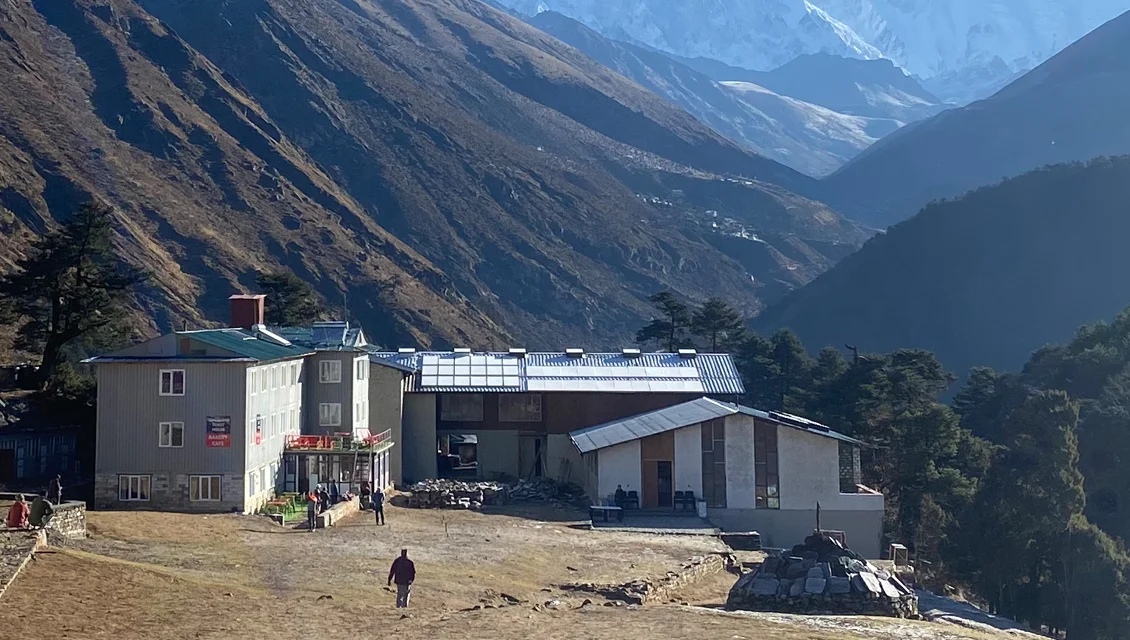
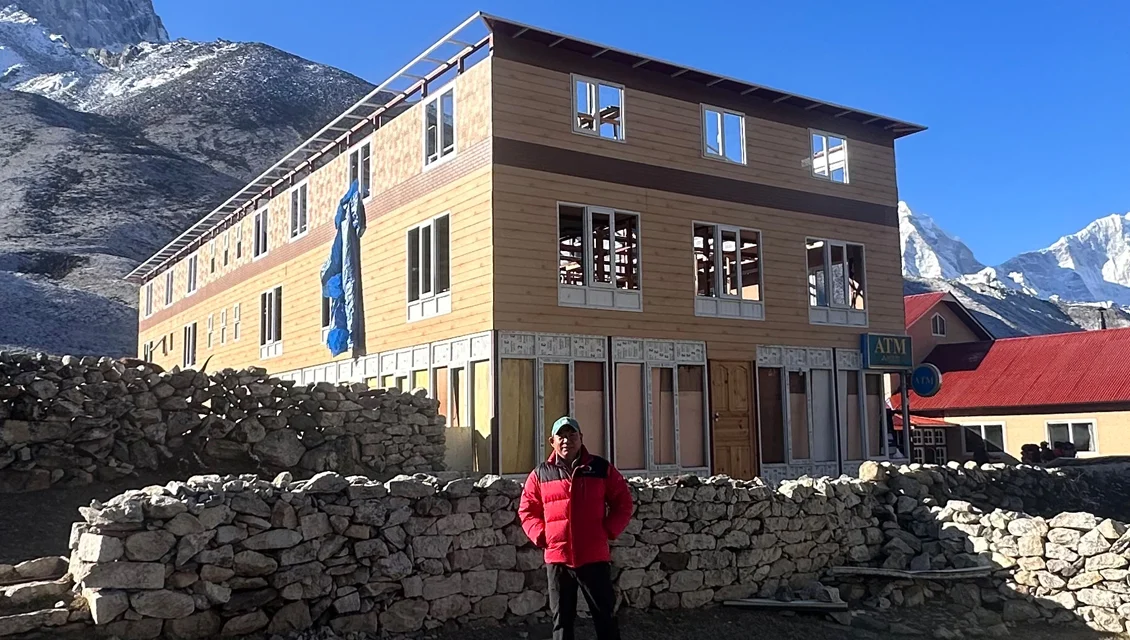
Accommodation is provided in a combination of luxury hotels in Kathmandu and premium mountain lodges during the trekking period.

Lower regions such as Lukla, Phakding, and Namche Bazaar offer comfortable rooms with better facilities, while higher-altitude settlements like Dingboche, Lobuche, and Gorakshep provide clean, warm, and well-managed trekking lodges suitable for high-altitude conditions.

Meals

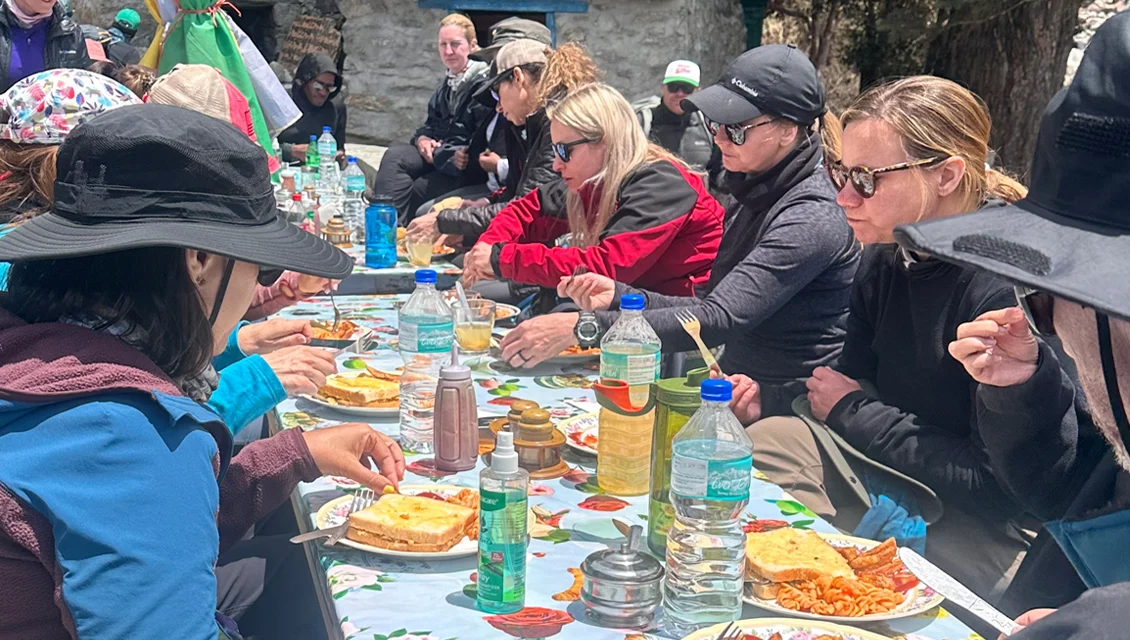
A full-board meal plan (Breakfast, Lunch, and Dinner) is provided during the trekking period.

Typical menu includes:

  • Traditional Nepali Dal Bhat set
  • Soups, noodles, pasta, fried rice
  • Potatoes, eggs, bread, pancakes
  • Seasonal vegetables and local organic dishes
  • Tea, coffee, and hot beverages

Meals are freshly prepared daily to maintain energy and altitude performance.

Difficulty & Physical Requirements

This trek is considered moderate to challenging and is suitable for trekkers with good fitness levels.

Daily walking time ranges from 5 to 8 hours depending on terrain and altitude. The highest overnight point is Gorakshep (5,164 m), and the maximum elevation reached is Everest Base Camp (5,364 m).

Proper acclimatization and steady walking pace are essential for safety and success.

Permits

Required permits include:

  • Sagarmatha National Park Permit
  • Khumbu Pasang Lhamu Rural Municipality Permit
  • TIMS Card (if applicable)

All permits are arranged before the trek begins.

Best Season

  • Spring (March–May): Clear weather, blooming rhododendrons
  • Autumn (September–November): Best visibility and stable conditions
  • Winter (December–February): Cold but fewer crowds
  • Monsoon (June–August): Rainy season, limited visibility, flight delays possible

Transportation & Access

The journey begins with a scenic flight from Kathmandu to Lukla.

Route:

Kathmandu → Lukla → Phakding → Namche Bazaar → Tengboche → Dingboche → Lobuche → Gorakshep → Everest Base Camp

Return journey includes trekking descent or optional helicopter return to Lukla, followed by a flight to Kathmandu.

Safety & Acclimatization

The itinerary includes well-planned acclimatization days in Namche Bazaar and Dingboche to reduce altitude sickness risk.

Experienced guides continuously monitor health conditions, ensure proper pacing, and coordinate emergency evacuation if required.

Travel Insurance

Mandatory insurance must cover:

  • High-altitude trekking up to 6,000 m
  • Helicopter evacuation coverage
  • Medical treatment and emergency hospitalization
  • Trip interruption or cancellation

Guide & Porter Services

Professional licensed guides accompany the trek, ensuring safety, navigation, and cultural interpretation.

Porters assist with luggage carrying, allowing trekkers to enjoy the journey with a light daypack.

Essential Equipment

Recommended items:

  • Trekking boots
  • Warm layered clothing
  • Down jacket
  • Waterproof jacket & pants
  • Gloves, hat, sunglasses
  • Trekking poles
  • Headlamp
  • Personal first aid kit
  • Daypack & reusable water bottle

Communication & Connectivity

Mobile networks are available in lower regions, while Wi-Fi is accessible in most lodges at an additional cost.

Connectivity becomes limited at higher altitudes but remains available in key villages like Namche and Dingboche.

Why Choose Everest Base Camp Luxury Trek?

  • Combination of adventure and luxury comfort
  • Premium lodges in key trekking points
  • Carefully designed acclimatization schedule
  • Experienced professional guides and support team
  • Safe and well-managed high-altitude journey
  • Option of helicopter return for time-saving
  • Stunning Himalayan scenery throughout the route
  • One of the world’s most iconic trekking experiences

Frequently asked questions

How difficult is the Everest Base Camp Luxury Trek?

The Everest Base Camp Luxury Trek is graded Moderate — suitable for most active travellers. Expect 5–7 hours of walking on most days on mountain trails with plenty of ascents and descents. Regular cardio training — hiking, running, cycling or stair climbing — for 6–8 weeks before departure makes the trip far more enjoyable.

What is the best time for the Everest Base Camp Luxury Trek?

For the Everest & Khumbu region the best months are March–April and October–November. Autumn (October–November) brings the clearest mountain views and stable weather; spring (March–May) is warmer, with rhododendrons in bloom and the Everest climbing season at base camp. Winter is quiet and very cold at night, while the June–August monsoon brings cloud, rain and frequent Lukla flight delays.

What permits do I need for the Everest Base Camp Luxury Trek?

You need the Sagarmatha National Park entry permit and the Khumbu Pasang Lhamu Rural Municipality permit. Nord Extreme arranges every permit for you before the trip starts — check the "Includes" section above for exactly what is covered in the price. Just bring your passport and a few passport-size photos.

What is the accommodation like on the Everest Base Camp Luxury Trek?

In Kathmandu you stay in a comfortable hotel; on the trail we use the best available family-run teahouses and lodges with twin-share rooms, shared or attached bathrooms and a warm dining room. Upgrades to luxury lodges are possible on popular routes such as Everest and Annapurna.

Can I book the Everest Base Camp Luxury Trek as a private trip or join a group?

Both. You can join one of the fixed departures listed under "Dates & Prices", or book a private trip for just you, your family or friends on any date. Solo travellers are welcome — you will always have your own licensed guide.

Do I need travel insurance for the Everest Base Camp Luxury Trek?

Yes, travel insurance is compulsory. It must cover medical treatment and emergency helicopter evacuation up to the trip’s highest altitude, plus trip cancellation. Please send us your policy details before departure.

What should I pack for the Everest Base Camp Luxury Trek?

See the "What to bring" checklist on this page for the full list. The essentials are broken-in boots, warm layers, a down jacket, a waterproof shell, sun protection and a daypack. Down jackets and sleeping bags can be rented cheaply in Kathmandu, and a porter carries your main bag (up to 10–12 kg).

Keep exploring

You may also like

More in Everest Region
From USD 1,000 Book now