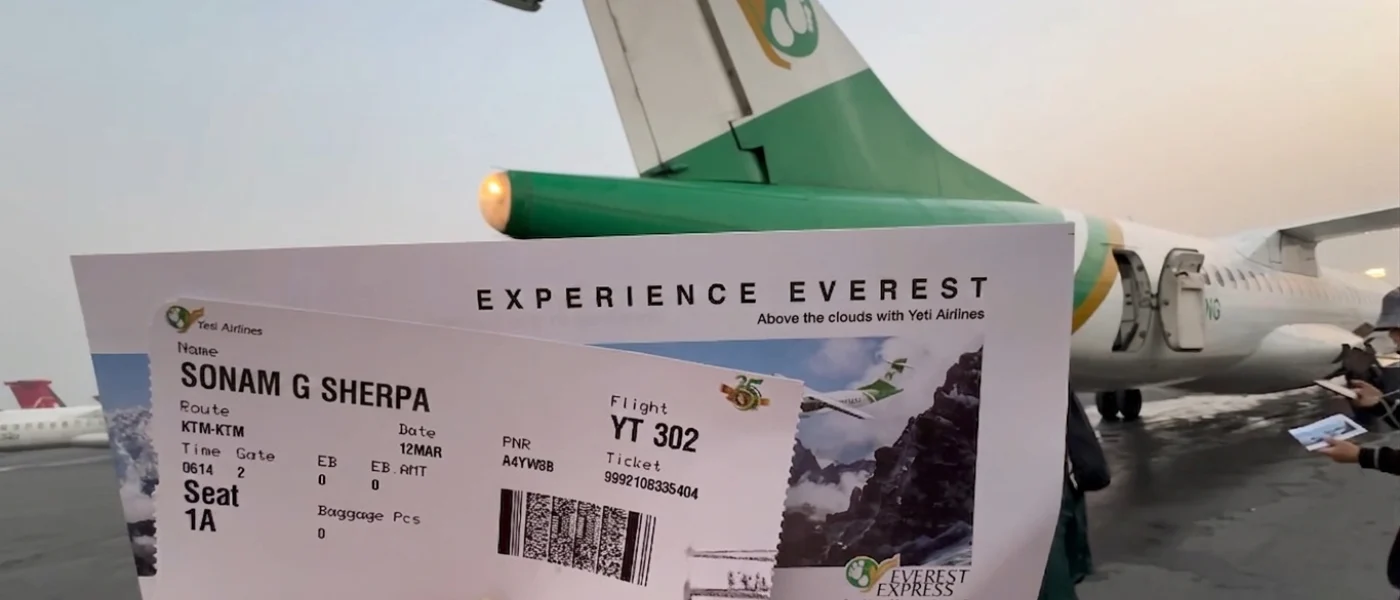
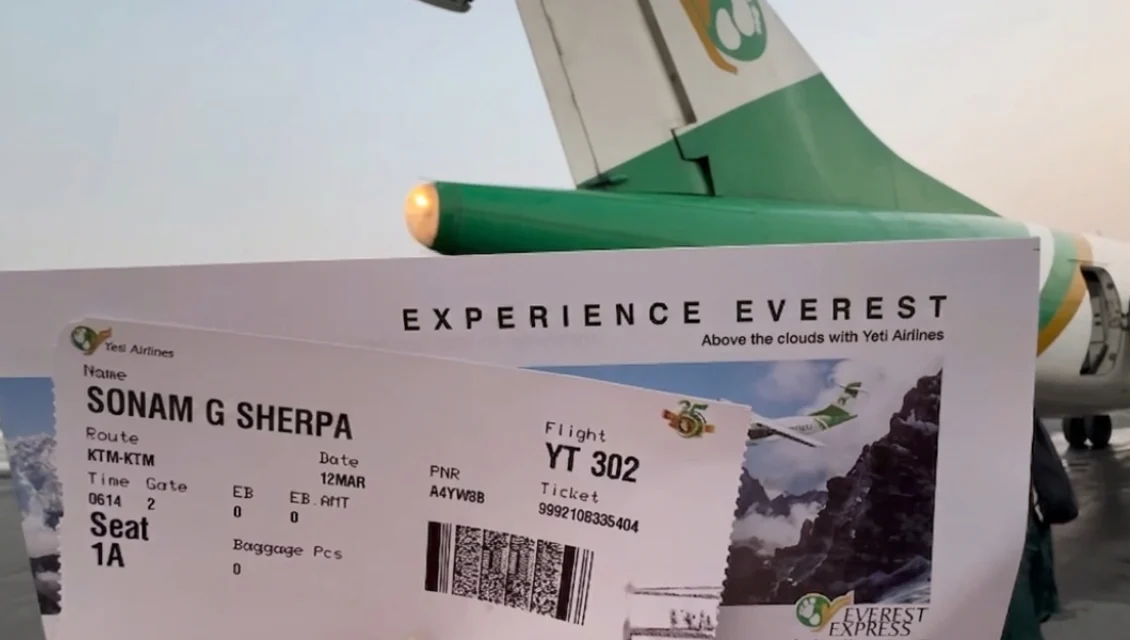
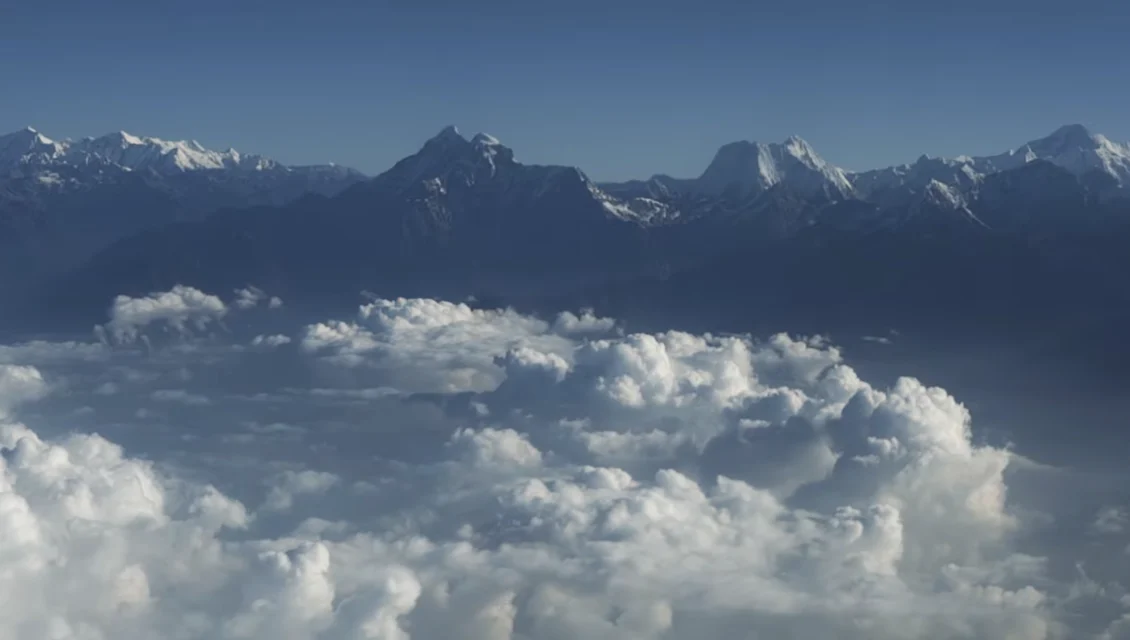
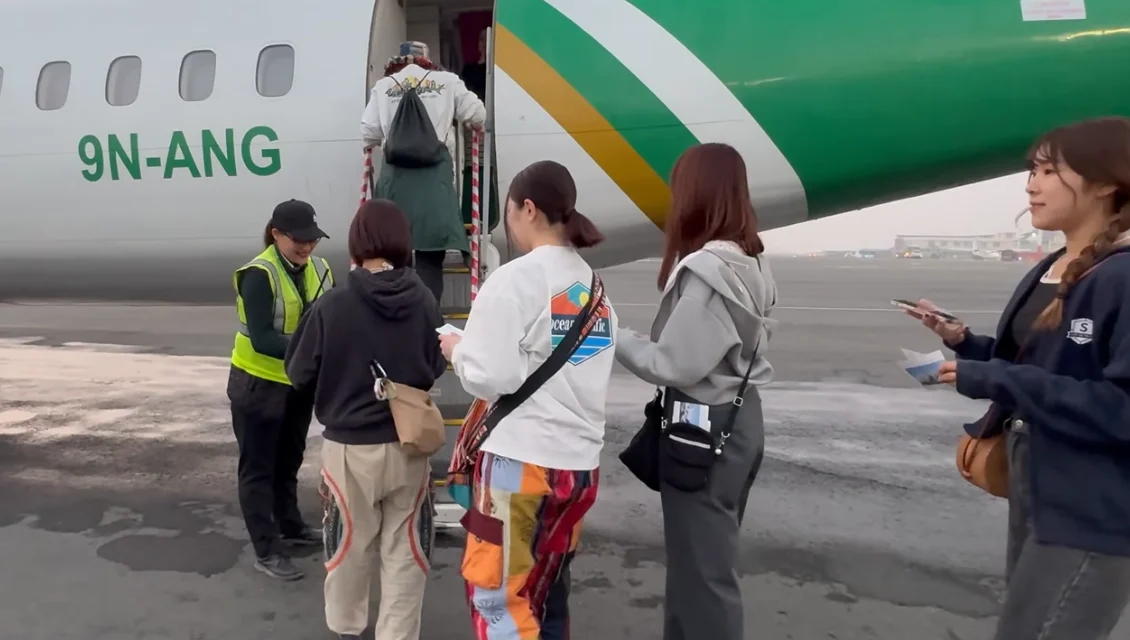
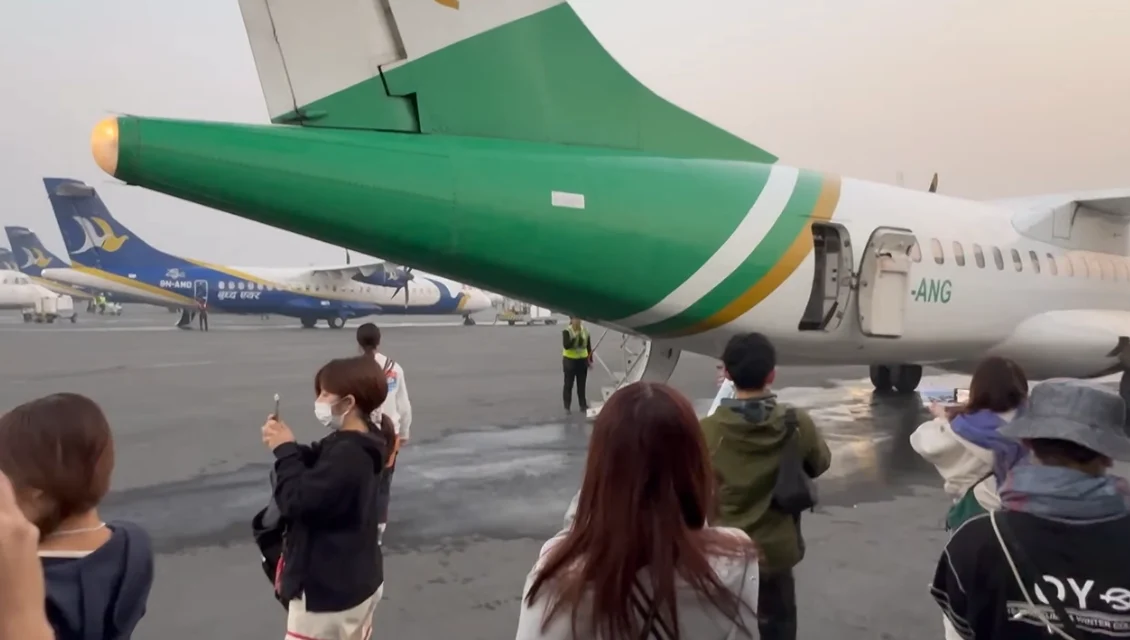
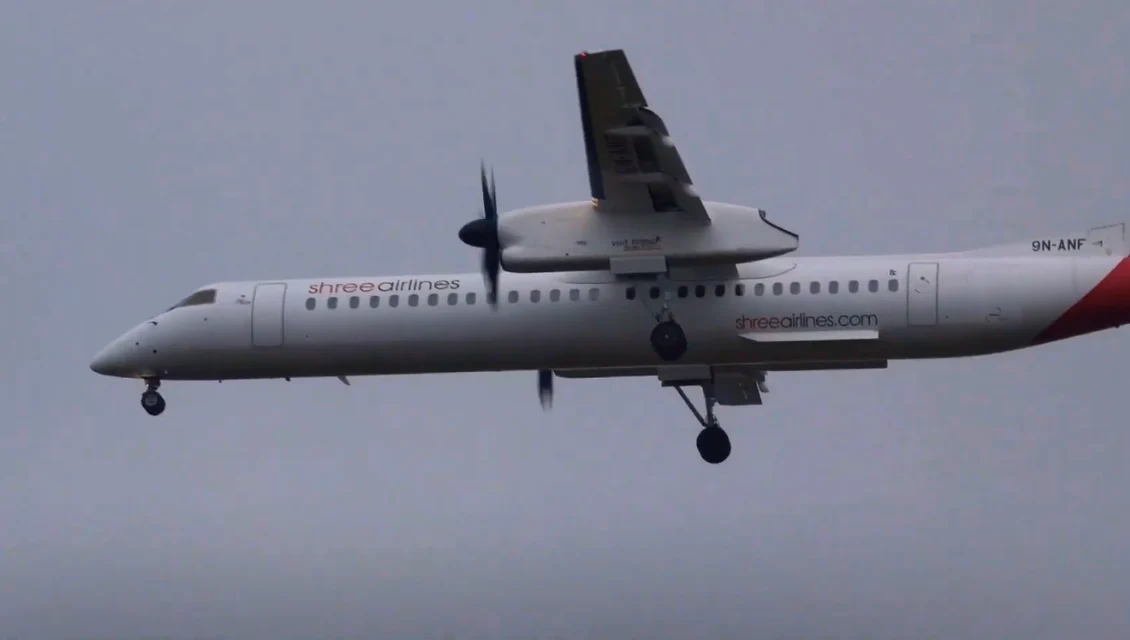
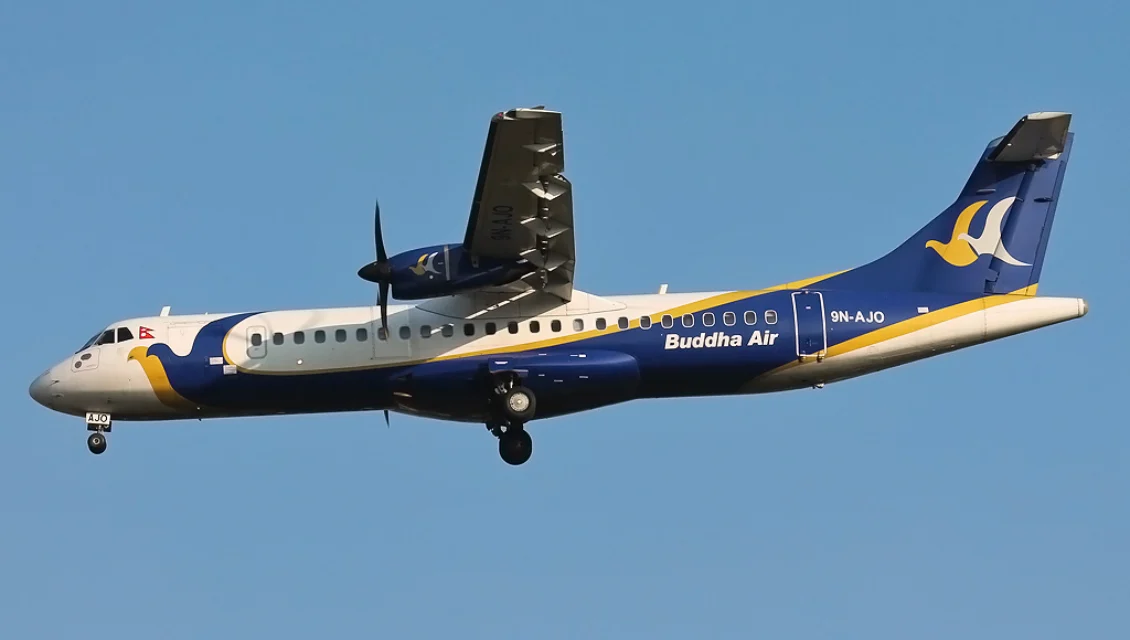
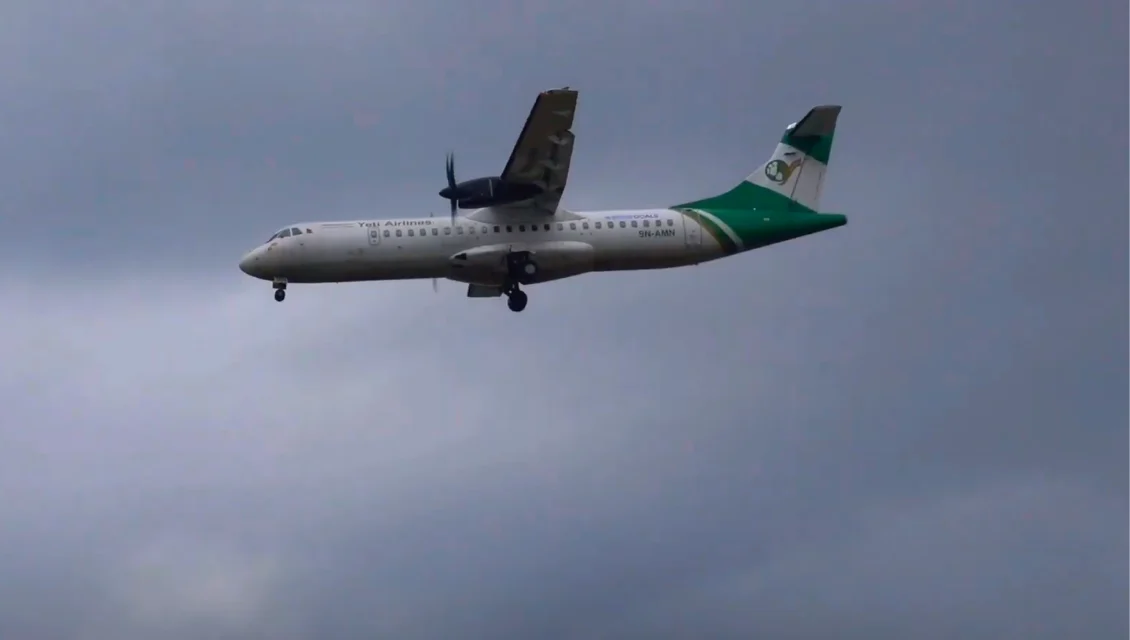
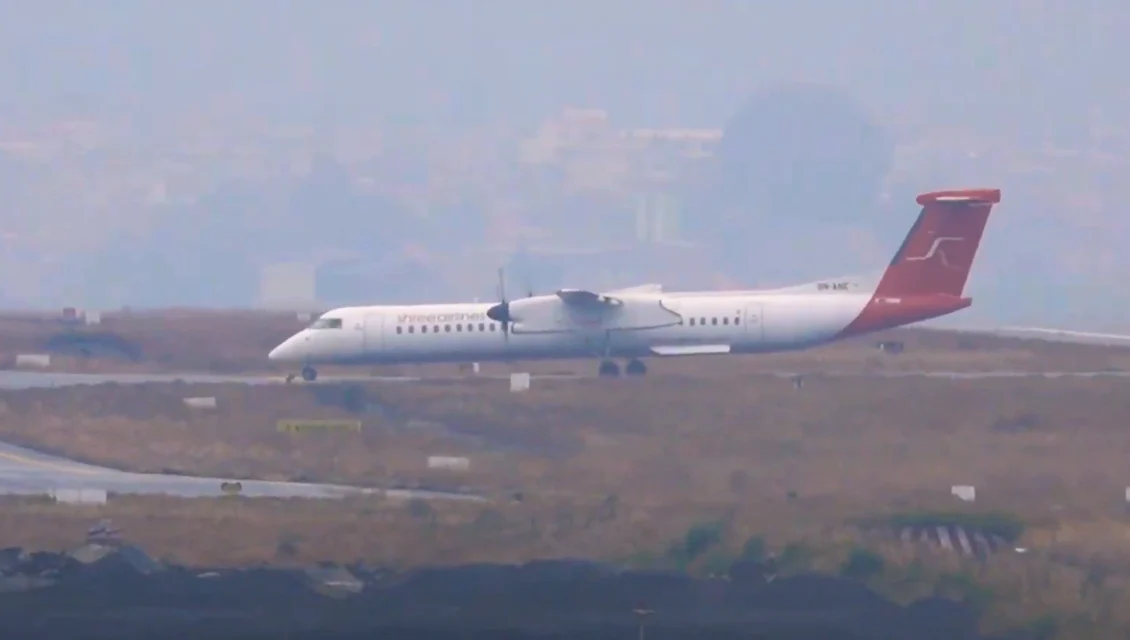
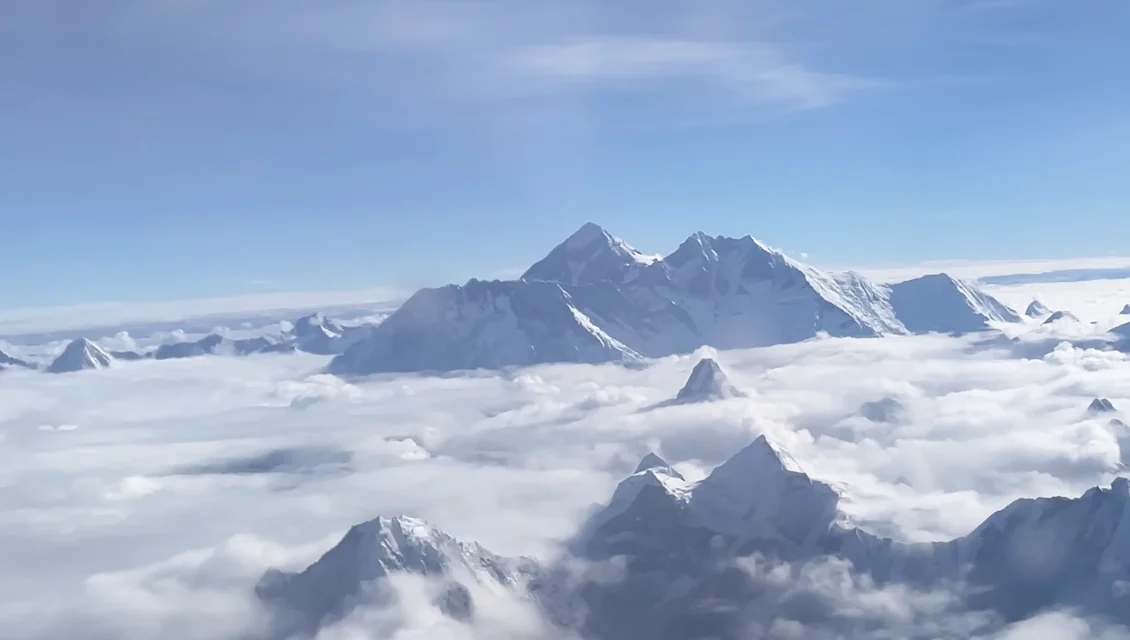
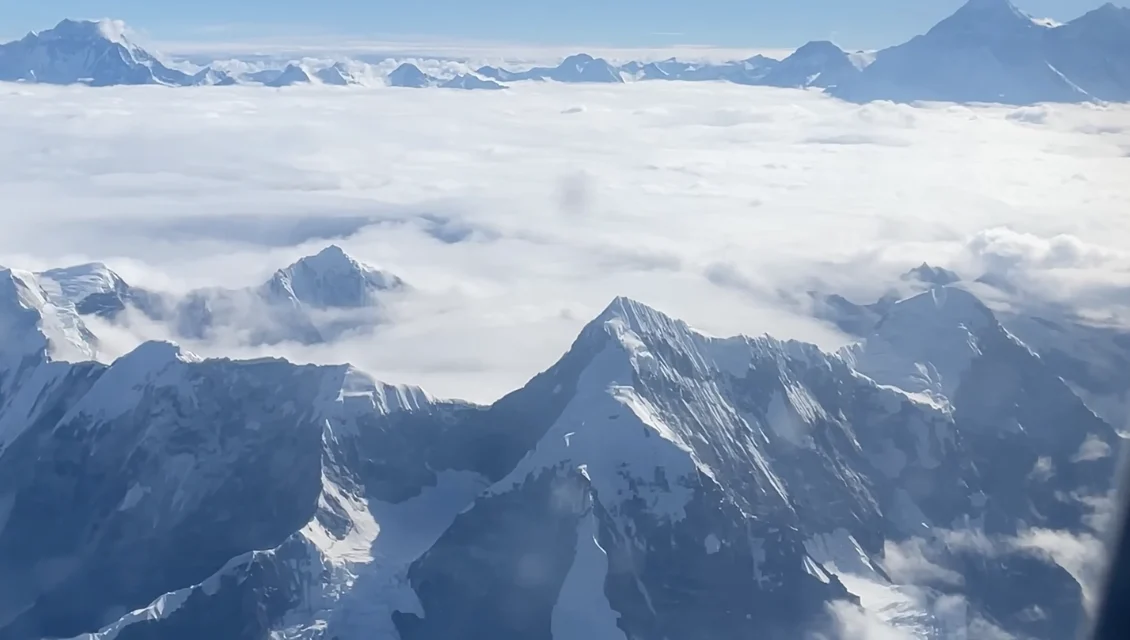
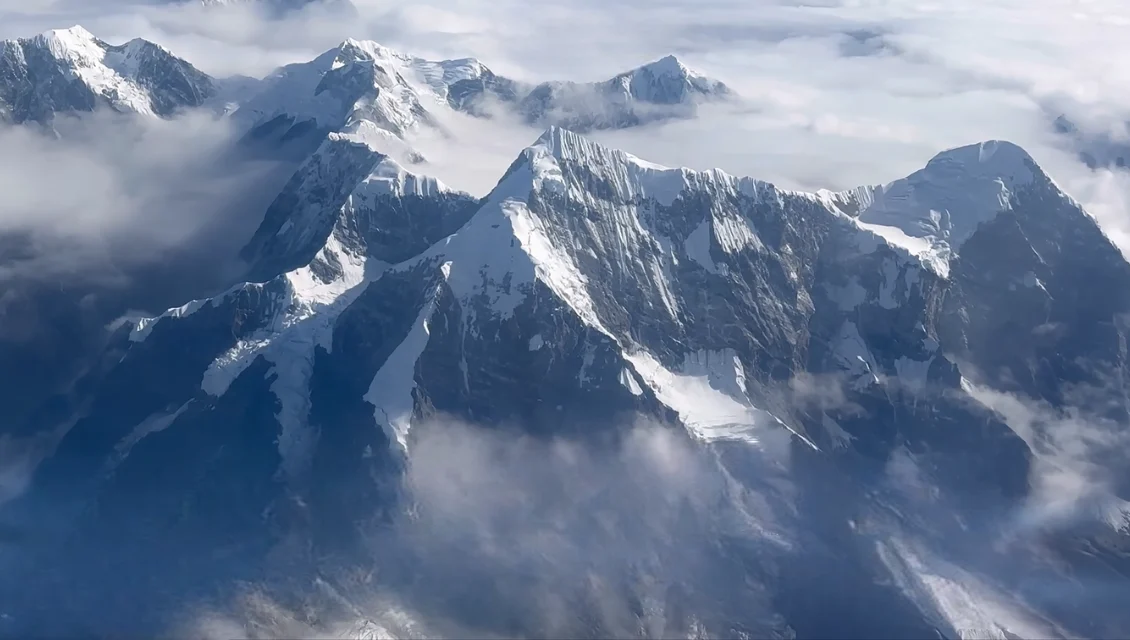
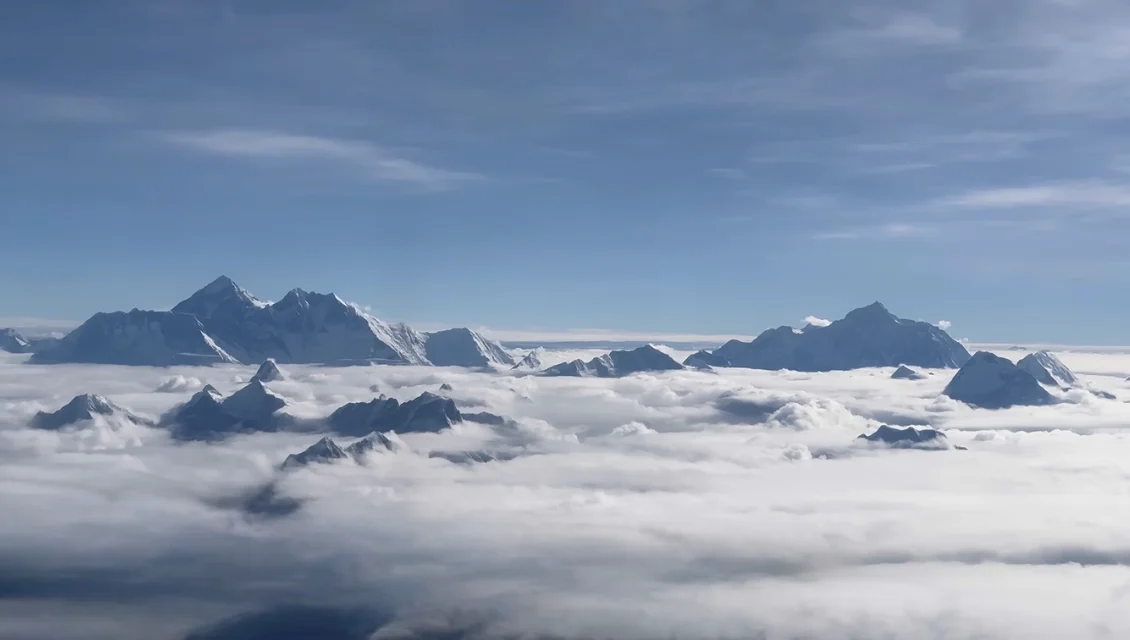
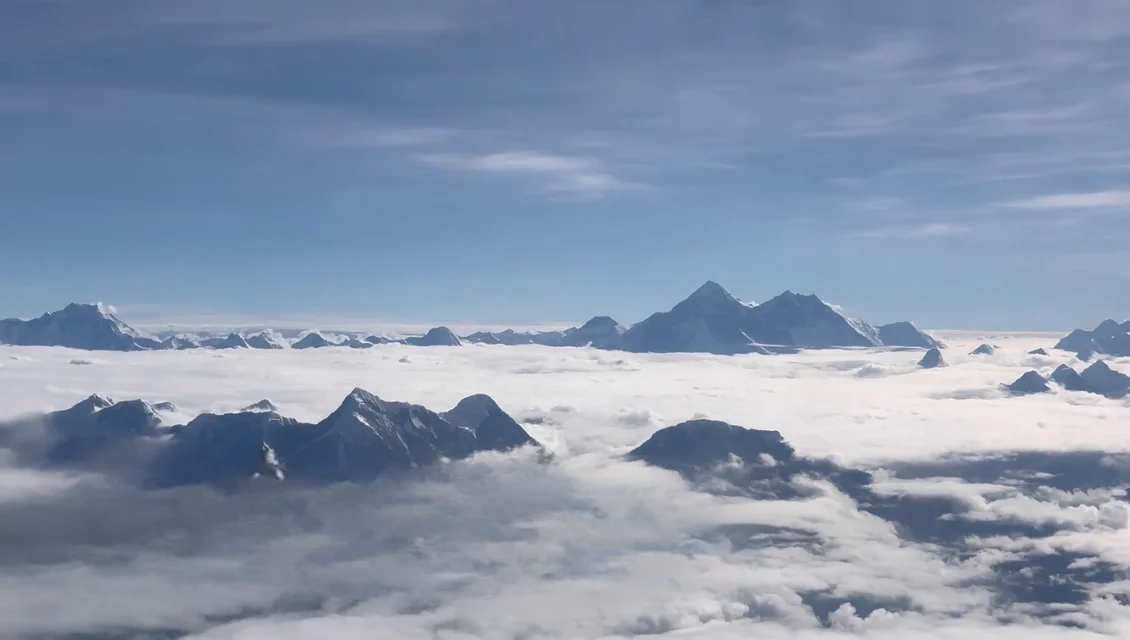
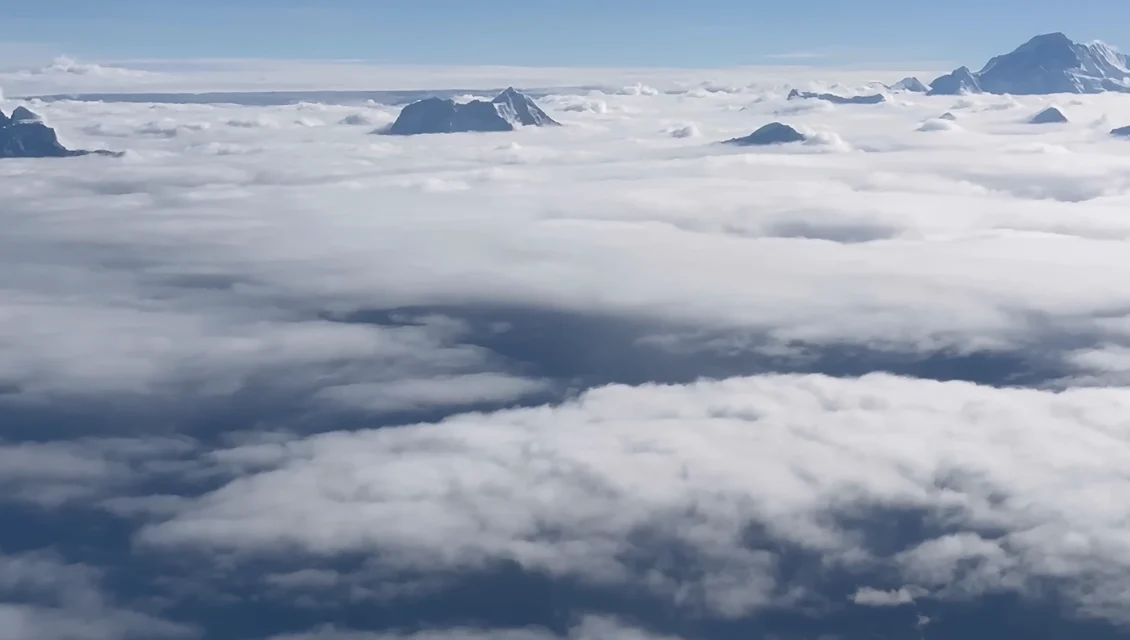
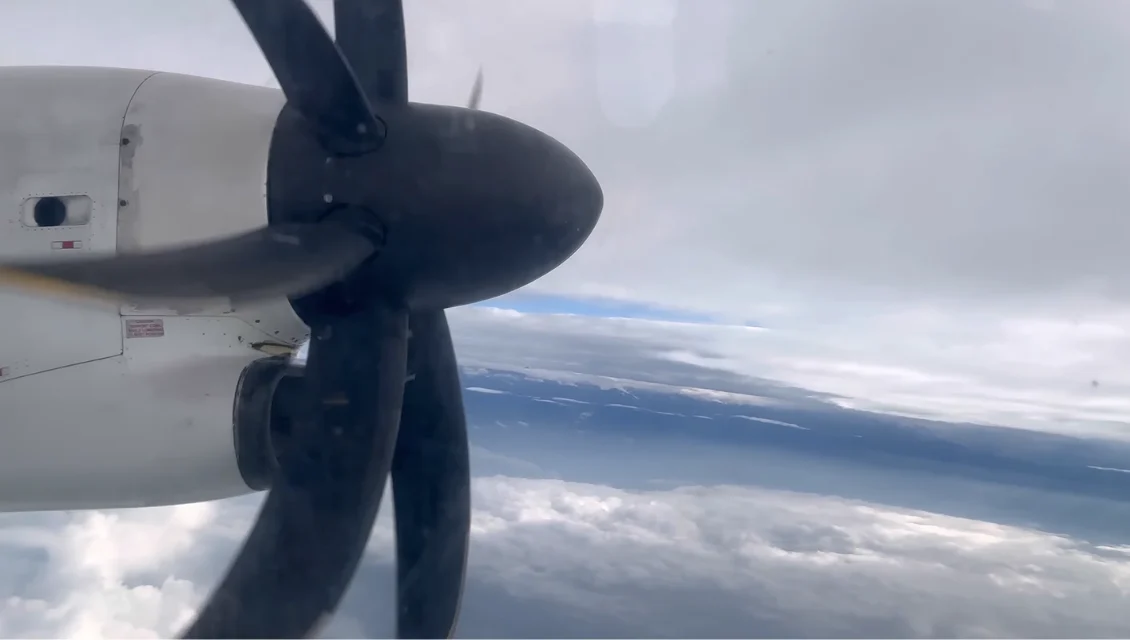
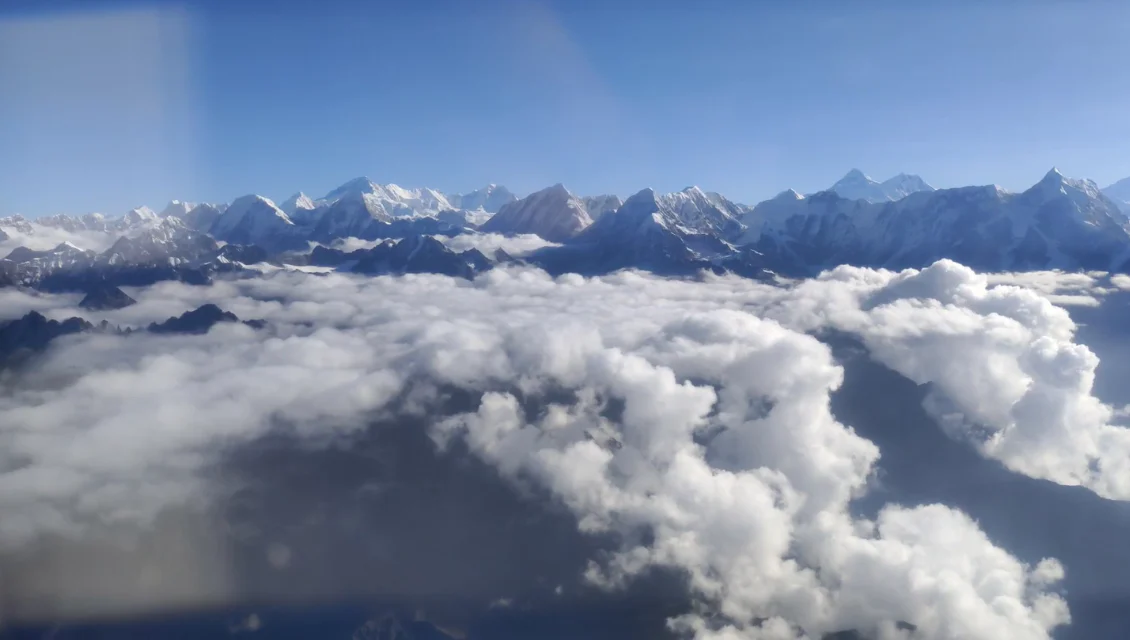
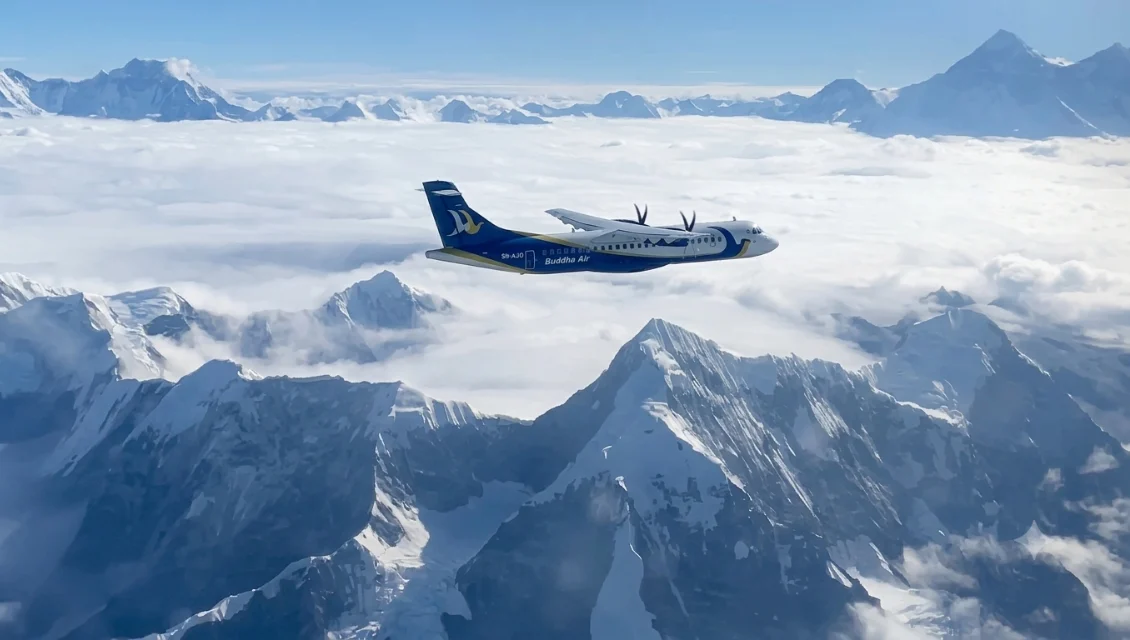
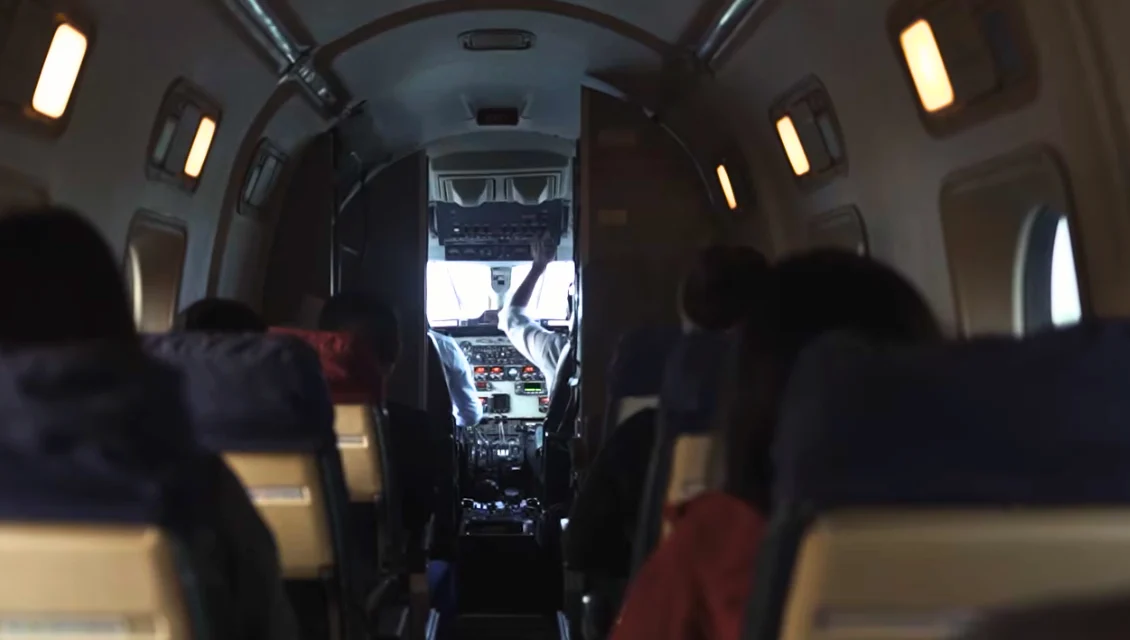
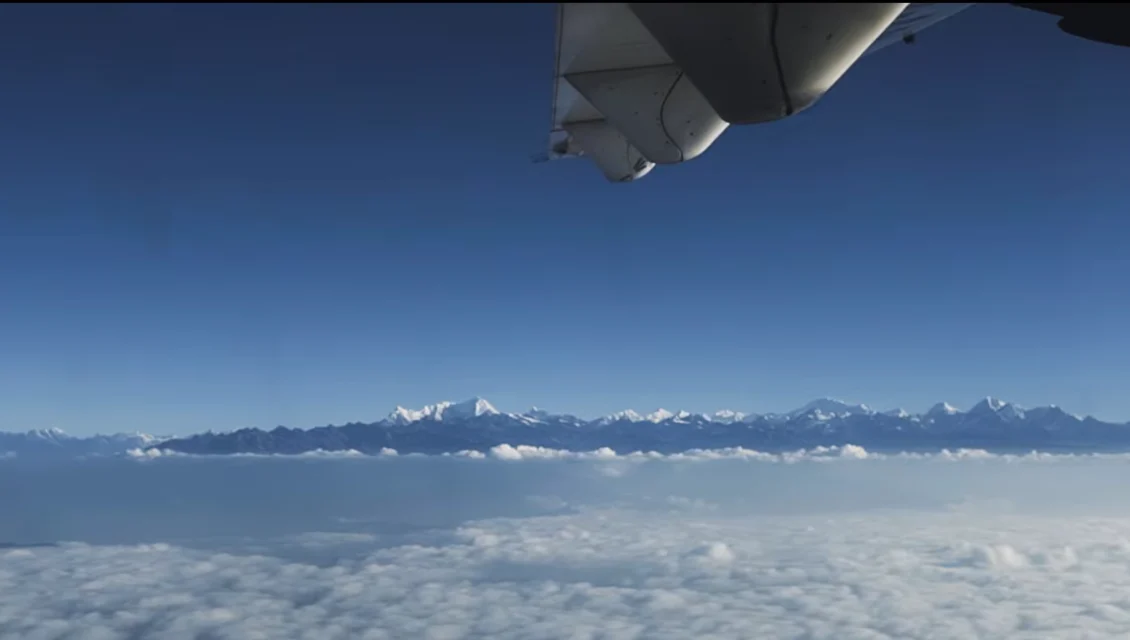
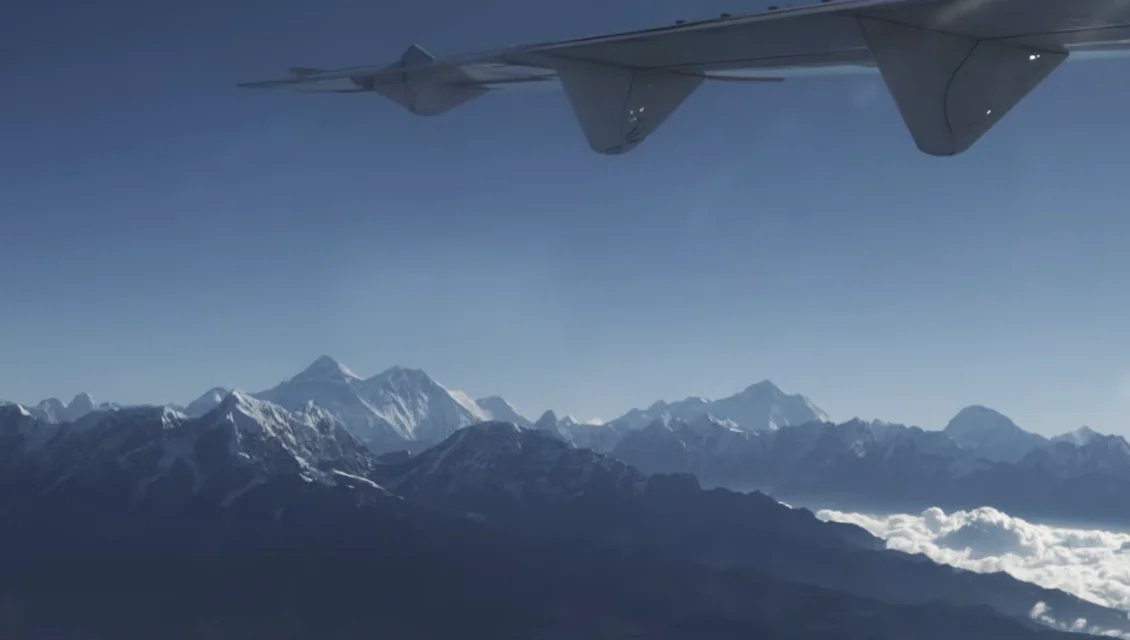
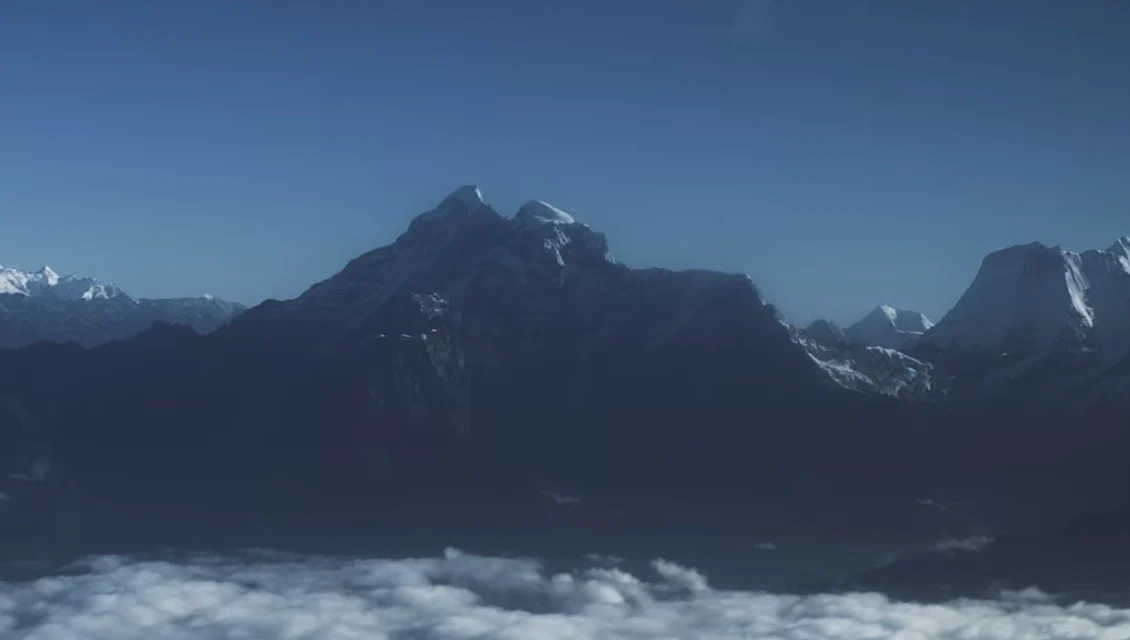
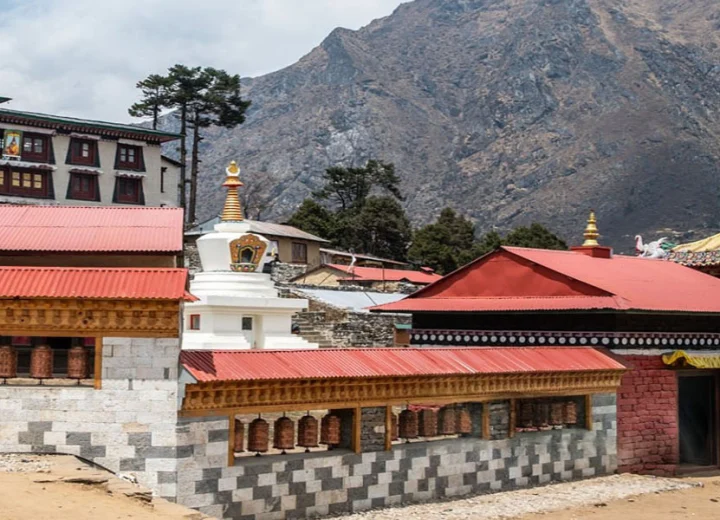
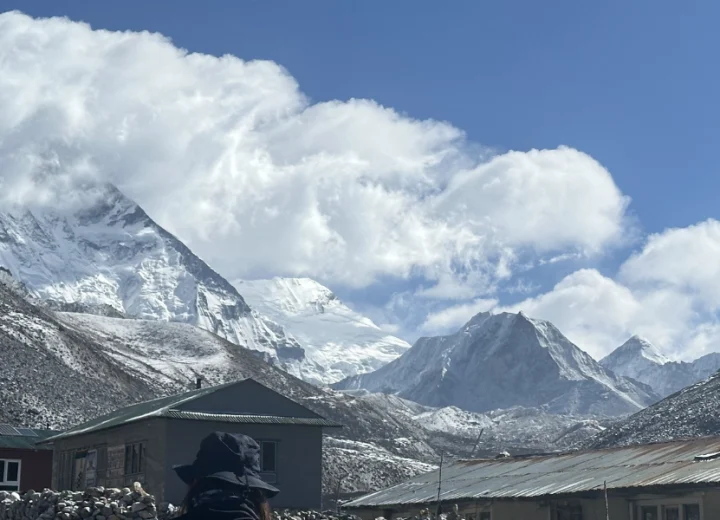
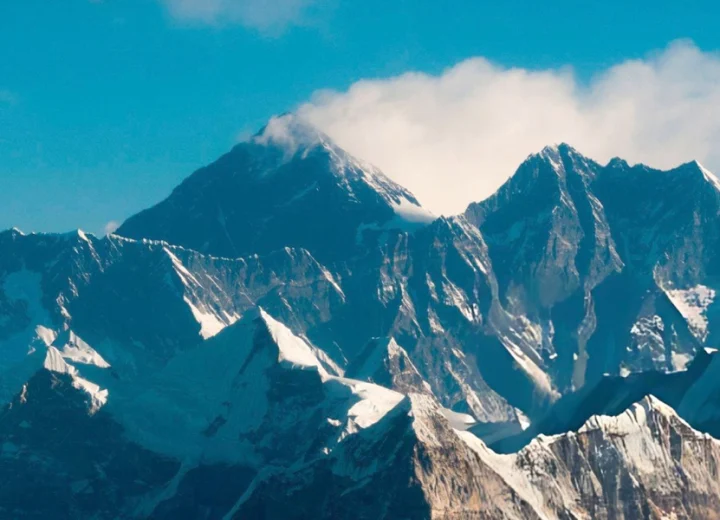
The Everest Scenic Mountain Flight by Plane is one of the most popular and accessible ways to experience the grandeur of the world’s highest peak, Mount Everest (8,848.86 m), along with the breathtaking Himalayan range of Nepal. This short yet unforgettable aerial journey offers panoramic views of snow-capped mountains, deep valleys, glaciers, and remote Himalayan landscapes—all from the comfort of a pressurized aircraft.
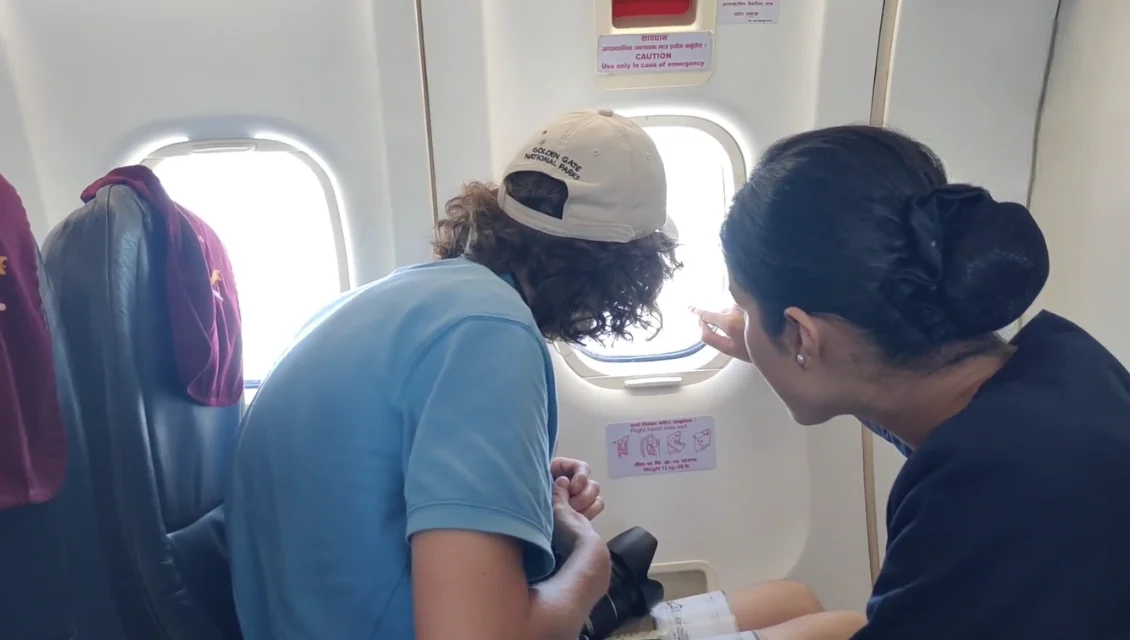
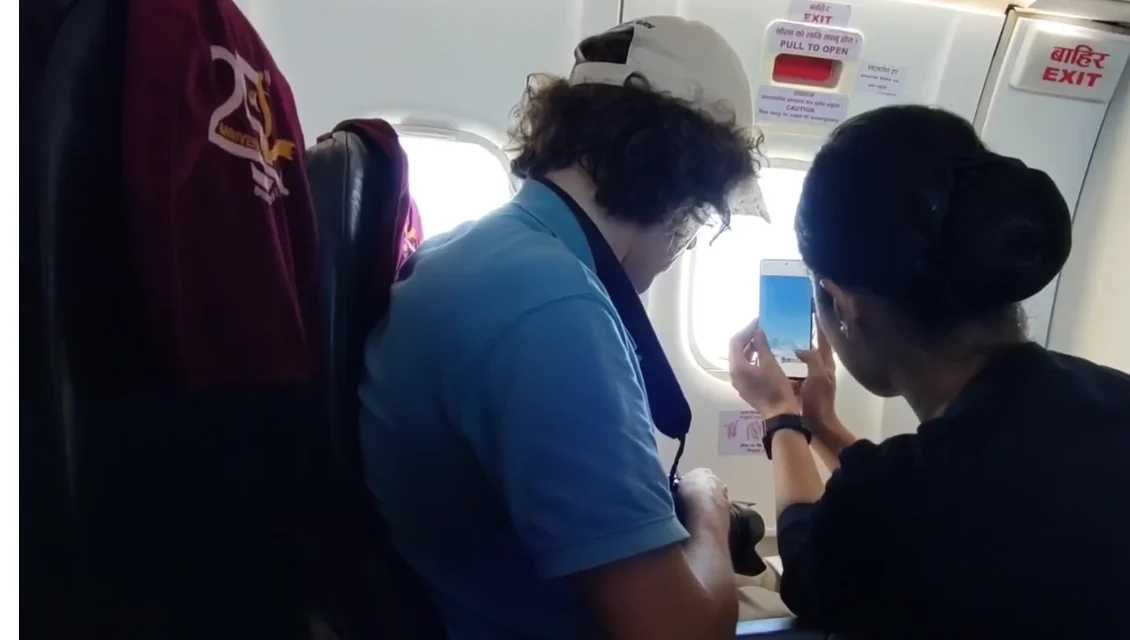
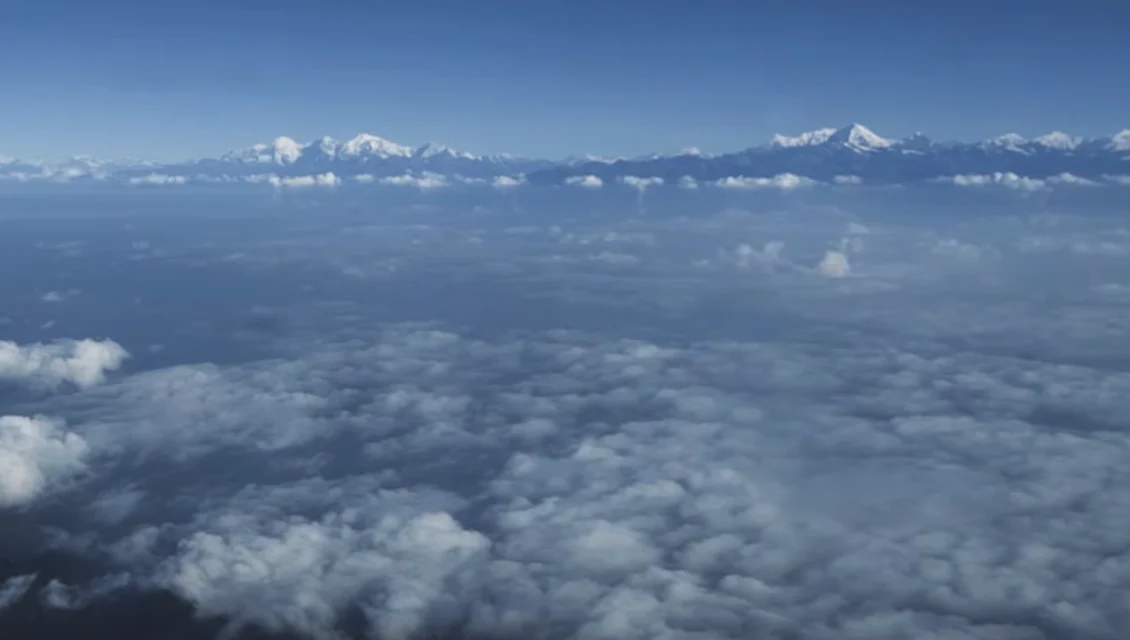
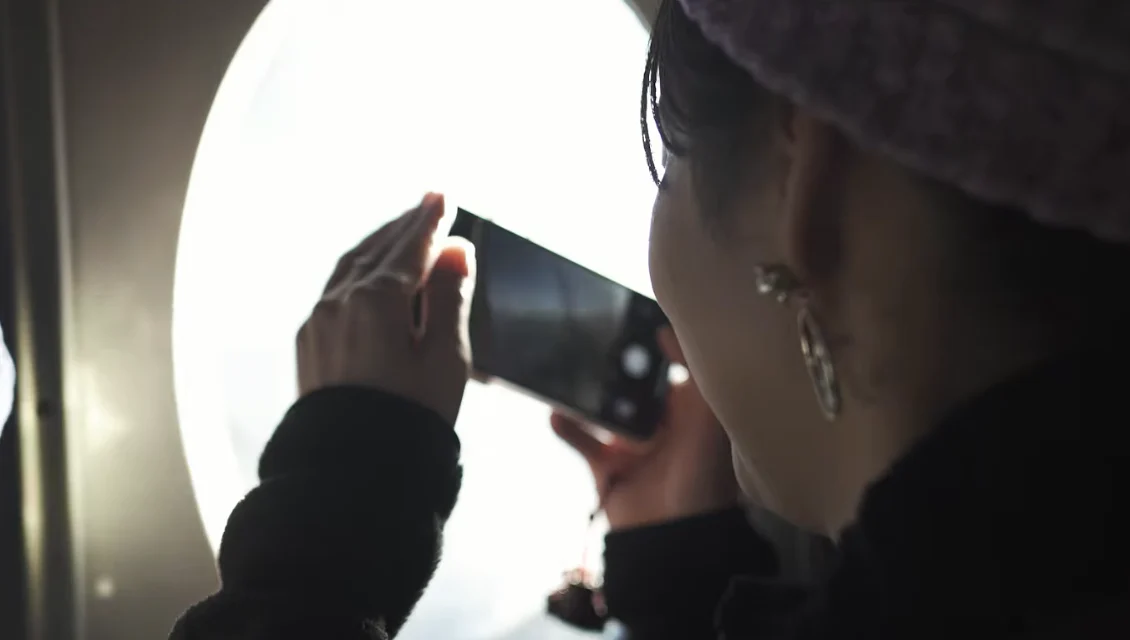
Departing from Kathmandu, the scenic mountain flight follows a carefully designed route along the eastern Himalayas, allowing passengers to witness multiple towering peaks including Everest, Lhotse, Nuptse, Makalu, Cho Oyu, and Kanchenjunga (on clear visibility days). Each passenger is guaranteed a window seat, ensuring uninterrupted views and excellent photography opportunities throughout the flight.
This experience is ideal for travelers with limited time, families, senior visitors, photographers, and those who prefer a safe and comfortable alternative to trekking or helicopter flights. It provides a once-in-a-lifetime opportunity to witness the Himalayas in their purest and most majestic form.
Geography and Landscape
The Everest Scenic Mountain Flight covers one of the most dramatic and diverse geographical regions in the world. The journey begins in the Kathmandu Valley at an elevation of approximately 1,400 meters, surrounded by green hills, terraced farmland, rivers, and traditional settlements.
As the aircraft ascends eastward, the landscape gradually transforms into rolling hills, deep river valleys, and forested ridges formed by ancient geological activity. The flight passes over the Langtang and Rolwaling Himalayan ranges, offering spectacular aerial views of peaks such as Langtang Lirung, Dorje Lakpa, Gauri Shankar, and Ganesh Himal.
Entering the Khumbu region, the terrain becomes increasingly rugged and alpine. This area lies within Sagarmatha National Park, a UNESCO World Heritage Site known for its glaciers, icefalls, and high-altitude ecosystems. Deep valleys carved by glacial rivers and vast snow-covered ridgelines dominate the scenery.
The highlight of the journey is the Everest region itself, where legendary peaks rise dramatically above the clouds. These include:
- Mount Everest (8,848.86 m)
- Lhotse (8,516 m)
- Nuptse (7,861 m)
- Makalu (8,485 m)
- Cho Oyu (8,188 m)
- Ama Dablam (6,812 m)
The contrast between rugged cliffs, icy glaciers, and towering peaks creates one of the most breathtaking landscapes on Earth.
Climate and Weather Conditions
The Himalayan climate plays a crucial role in the success of scenic mountain flights. Weather conditions directly affect visibility, safety, and overall experience.
In Kathmandu, conditions are generally mild and comfortable, but as the flight ascends toward the high Himalayas, temperatures drop significantly and the environment becomes cold and dry. Above 3,000 meters, weather conditions can change rapidly.
Clear visibility is essential for mountain flights. Early morning departures are strongly recommended as skies are usually calm, winds are lighter, and cloud formation is minimal. Flights are carefully monitored and may be rescheduled in case of poor weather conditions to ensure passenger safety and optimal viewing experience.
Best Time for Everest Scenic Mountain Flight
Spring Season (March – May)
- One of the best seasons for mountain visibility
- Stable weather and clear morning skies
- Blooming rhododendrons in lower hills
- Excellent panoramic views of Everest and surrounding peaks
Autumn Season (September – November)
- Peak season for scenic mountain flights
- Crystal-clear skies after monsoon
- Sharp and uninterrupted Himalayan visibility
- Best photography conditions
Winter Season (December – February)
- Extremely clear skies and excellent visibility
- Cold temperatures but minimal atmospheric haze
- Stunning snow-covered Himalayan landscapes
Monsoon Season (June – August)
- Generally not recommended
- Heavy cloud cover and rainfall
- Frequent visibility issues and possible flight delays or cancellations