Transportations
- Private/tourist vehicles for sightseeing tour in Kathmandu.
The Kathmandu Cultural Heritage Day Tour is a carefully designed full-day journey through the historic heart of Nepal, offering an immersive experience of its ancient civilization, living traditions, and spiritual harmony. Kathmandu Valley, recognized as a UNESCO World Heritage Site, is one of the richest cultural regions in South Asia, where centuries-old temples, royal palaces, and sacred stupas continue to shape everyday life. This tour introduces travelers to the essence of Nepal’s identity through its architecture, religion, people, and traditions in a single enriching day.
The tour covers the most significant cultural landmarks of Kathmandu, each reflecting a different layer of history and belief systems that have evolved over thousands of years. From Hindu temples dedicated to powerful deities to peaceful Buddhist stupas filled with chanting monks, the journey offers a deep understanding of how spirituality is woven into daily life in Nepal.
Kathmandu Valley is home to a diverse population, with the Newar community forming the cultural backbone of the region. Known for their rich heritage, the Newars have preserved ancient traditions, festivals, architecture, and cuisine that date back to the medieval Malla period. Their craftsmanship is visible in the intricate wood carvings, metal statues, and beautifully designed temples found throughout the valley.
Alongside the Newars, other ethnic groups such as Brahmin, Chhetri, Tamang, and Gurung communities contribute to the cultural diversity of Kathmandu. Despite modernization, traditional lifestyles are still visible, especially in the old city areas where people live in centuries-old courtyards and engage in age-old trades such as pottery, weaving, and metalwork.
Festivals play a central role in community life. Major celebrations like Indra Jatra, Dashain, Tihar, and Buddha Jayanti bring people together in colorful processions, masked dances, music, and religious rituals. These festivals reflect the deep connection between culture, spirituality, and community bonding in Nepalese society.
Religion in Kathmandu Valley is a unique blend of Hinduism and Buddhism, coexisting in harmony for centuries. This spiritual coexistence is one of the most distinctive aspects of Nepali culture. It is common to find Hindu temples and Buddhist stupas standing side by side, with shared rituals and overlapping beliefs.
Hinduism plays a major role in daily life, with Lord Shiva, Vishnu, and Goddess Durga being widely worshipped. Sacred rituals, offerings, and temple ceremonies are part of everyday practice, especially at important religious sites.
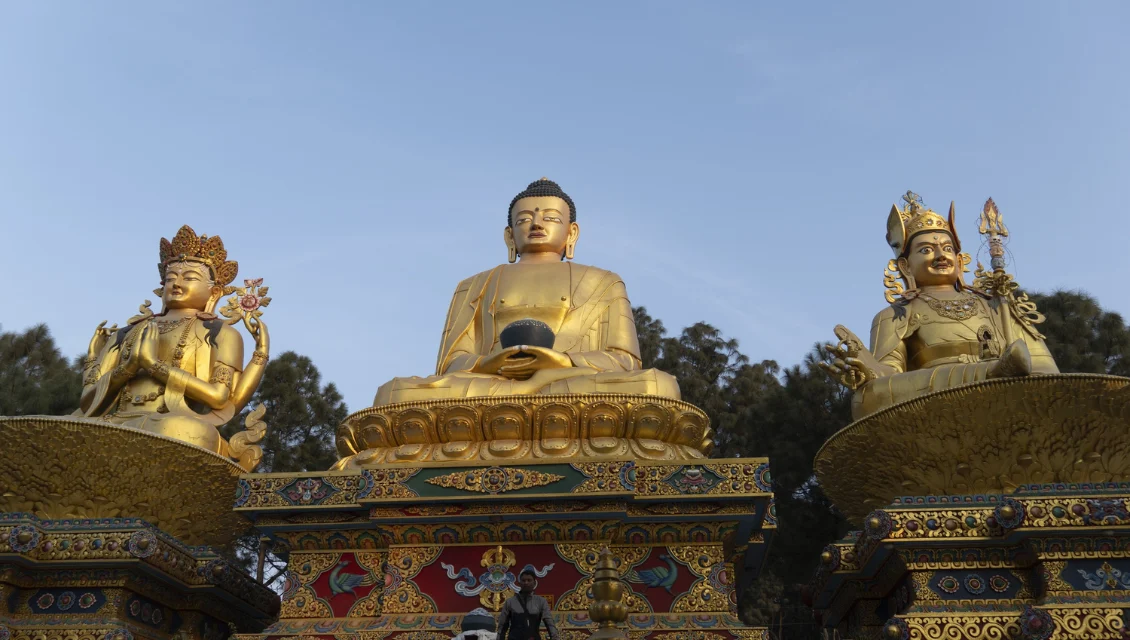
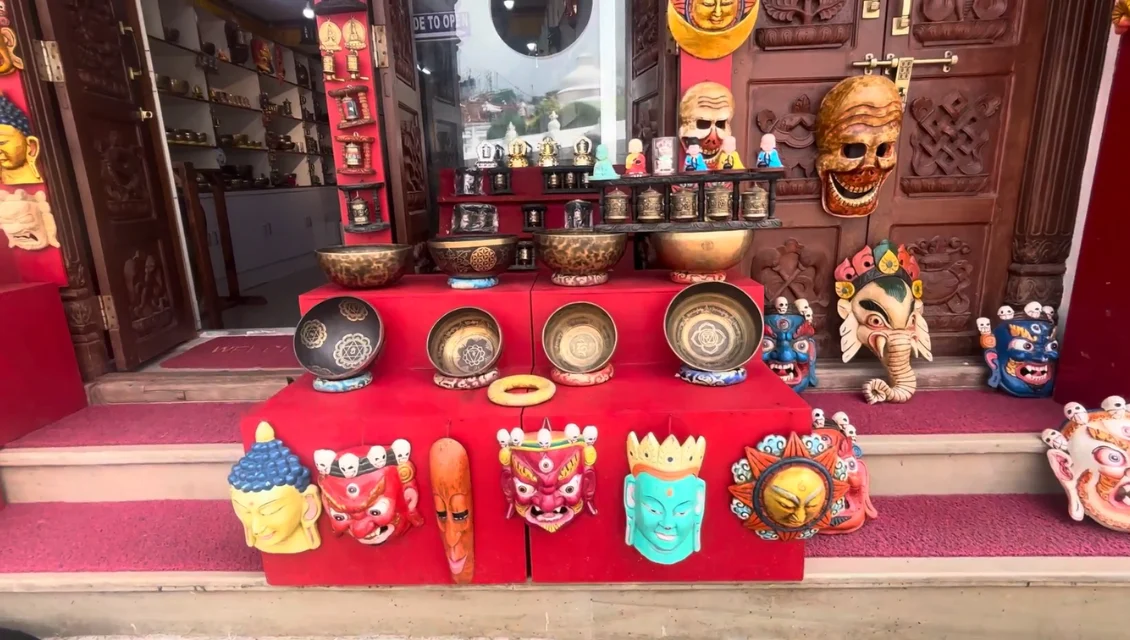
Buddhism, particularly Tibetan Buddhism, is equally significant in the valley. Monasteries, prayer wheels, chanting monks, and meditation practices are common sights. The peaceful atmosphere of Buddhist stupas reflects teachings of compassion, mindfulness, and harmony.
Together, these religions create a spiritual landscape where faith is not separate from life but deeply integrated into it.
Your professional guide and private vehicle will pick you up from your hotel. After a short briefing, the tour begins toward the first destination.
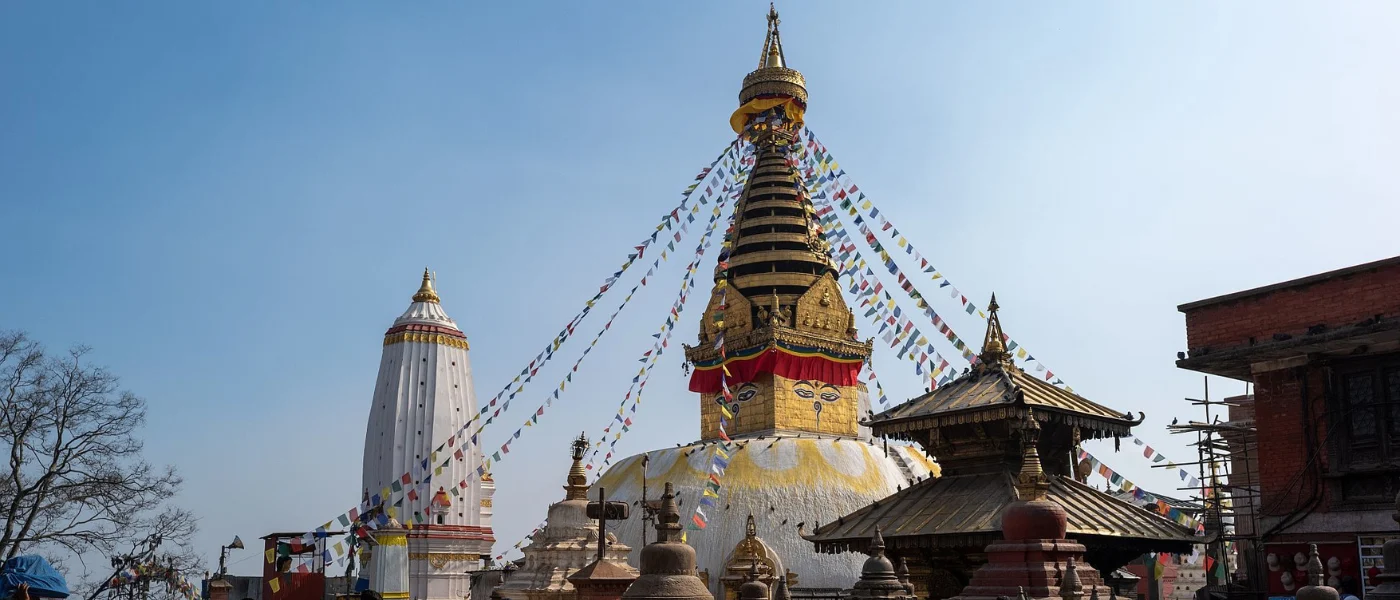
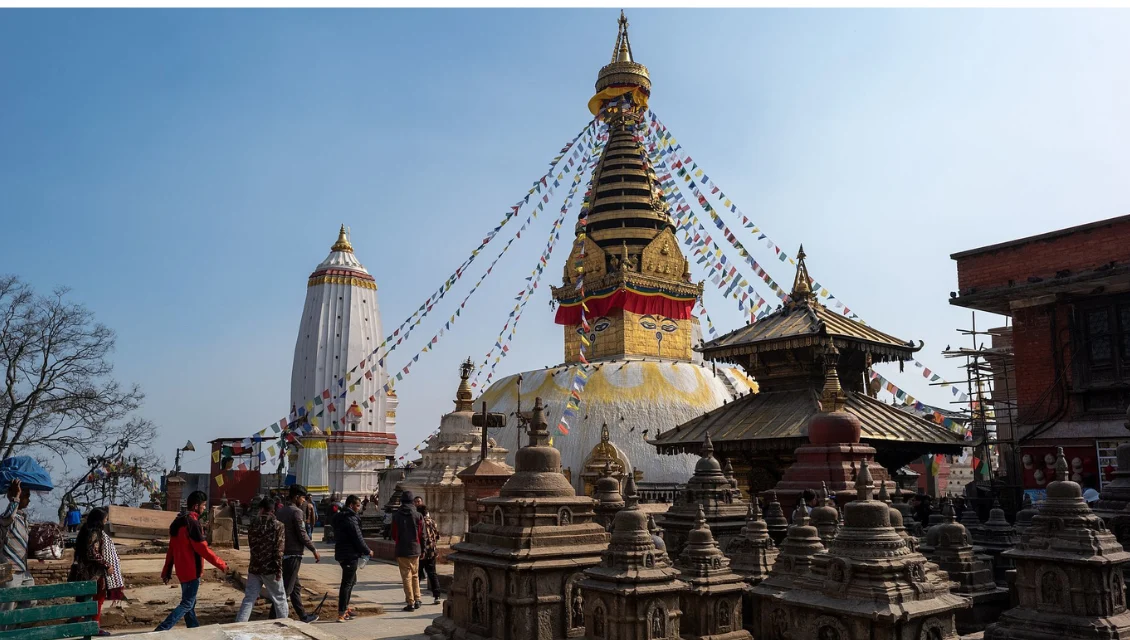
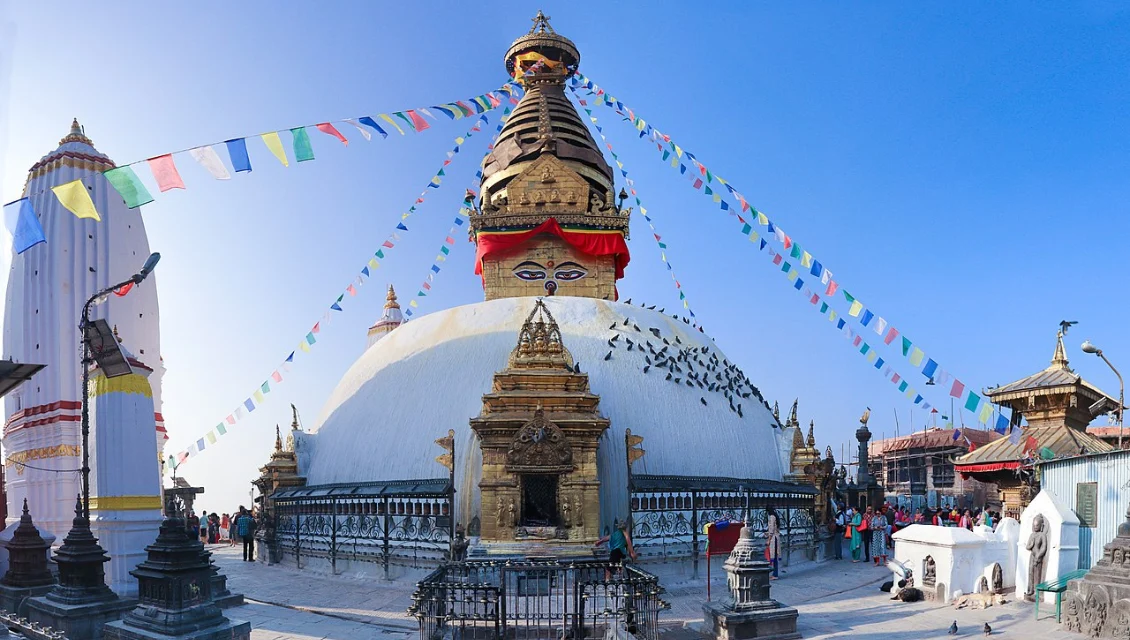
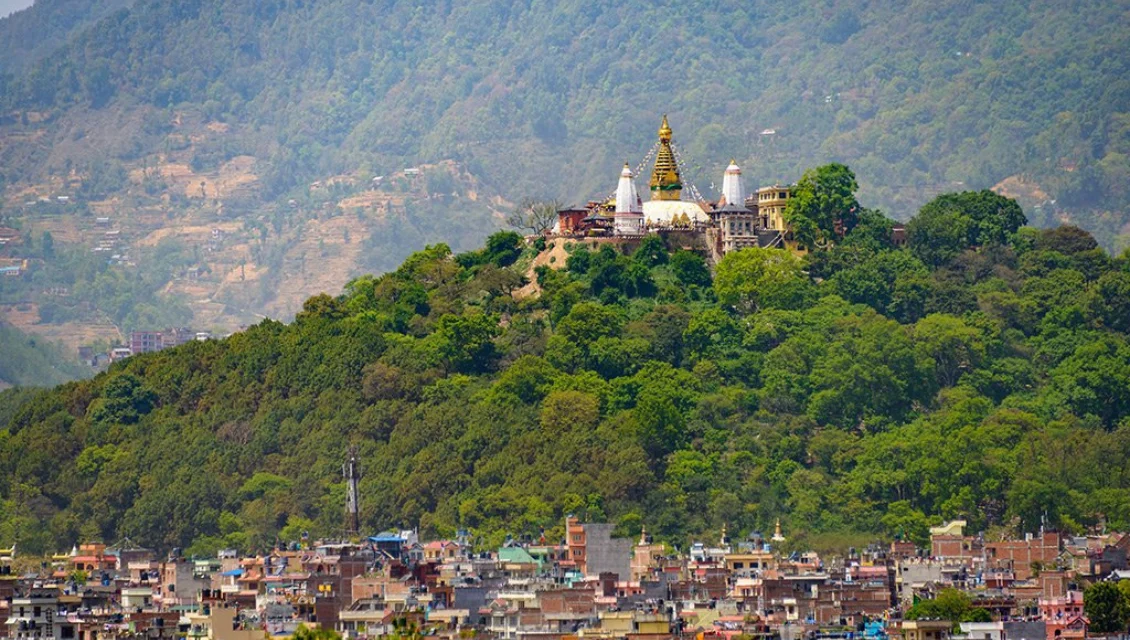
Swayambhunath is one of the oldest and most sacred Buddhist stupas in Nepal, located on a hilltop overlooking Kathmandu Valley. It is famous for its golden spire, Buddha’s eyes, prayer flags, and panoramic city views. The site reflects a perfect blend of Hindu and Buddhist harmony and is a powerful spiritual landmark.
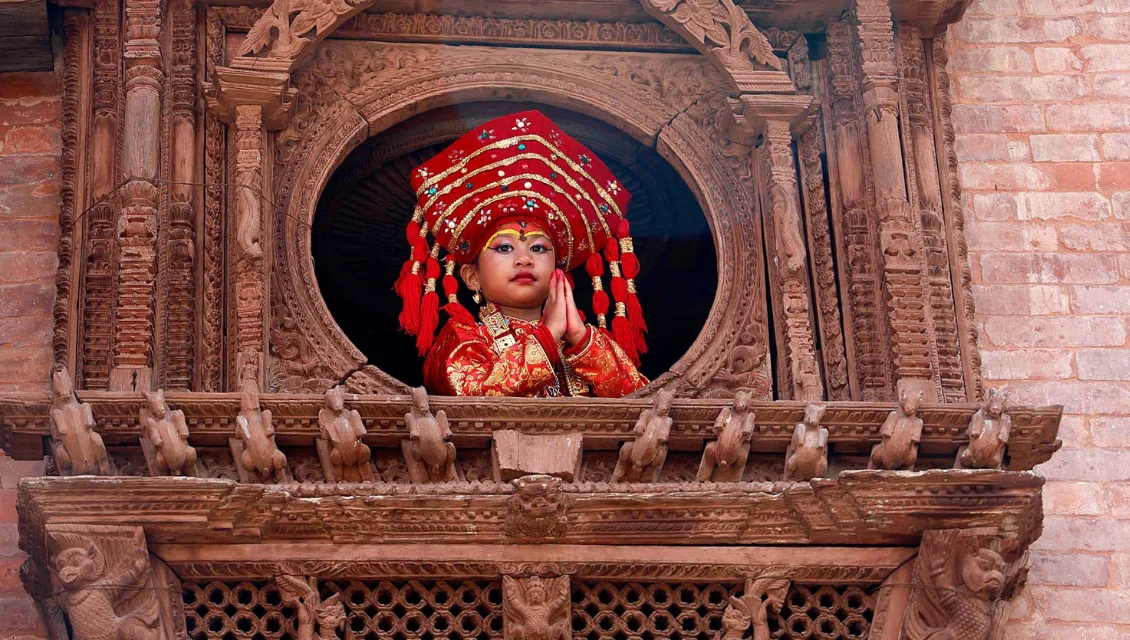
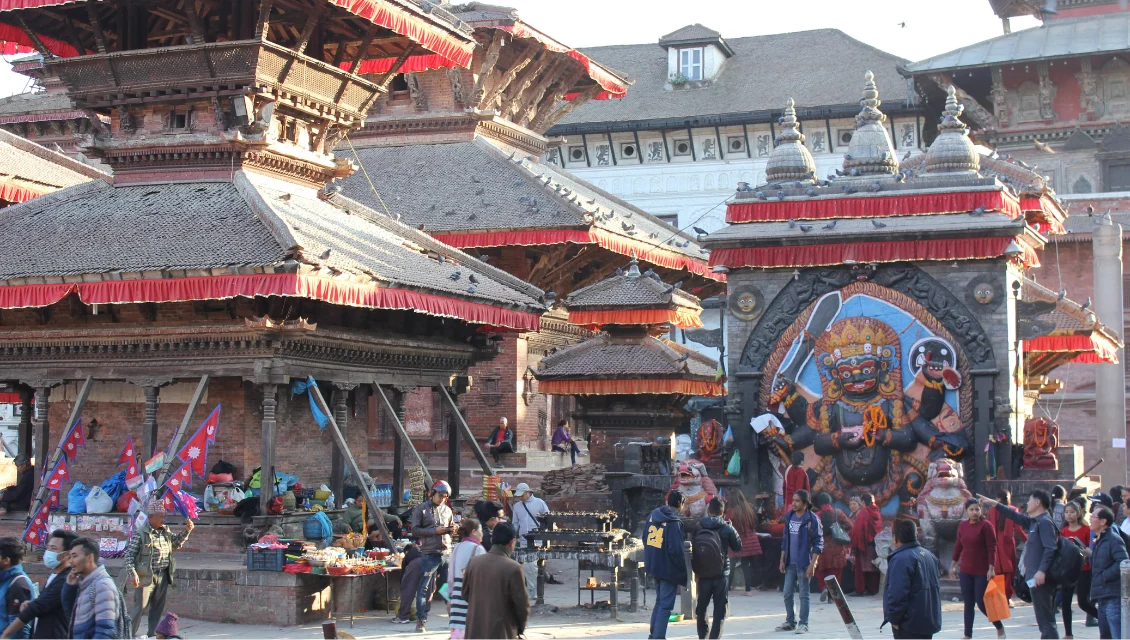
Kathmandu Durbar Square is a historic royal palace complex showcasing ancient Newari architecture, temples, courtyards, and museums. It was once the residence of Nepal’s kings. Visitors can explore Hanuman Dhoka Palace, Taleju Temple, and living goddess Kumari’s residence.
Enjoy traditional Nepali or international cuisine in Thamel, the tourist hub of Kathmandu. This is also a good time for short rest and shopping.
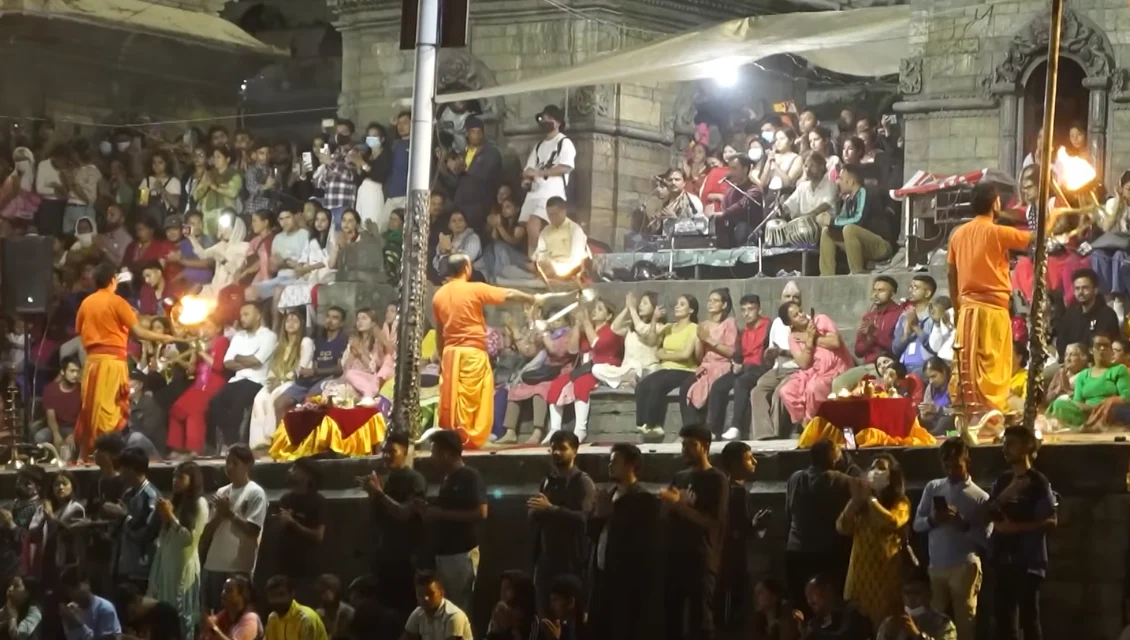
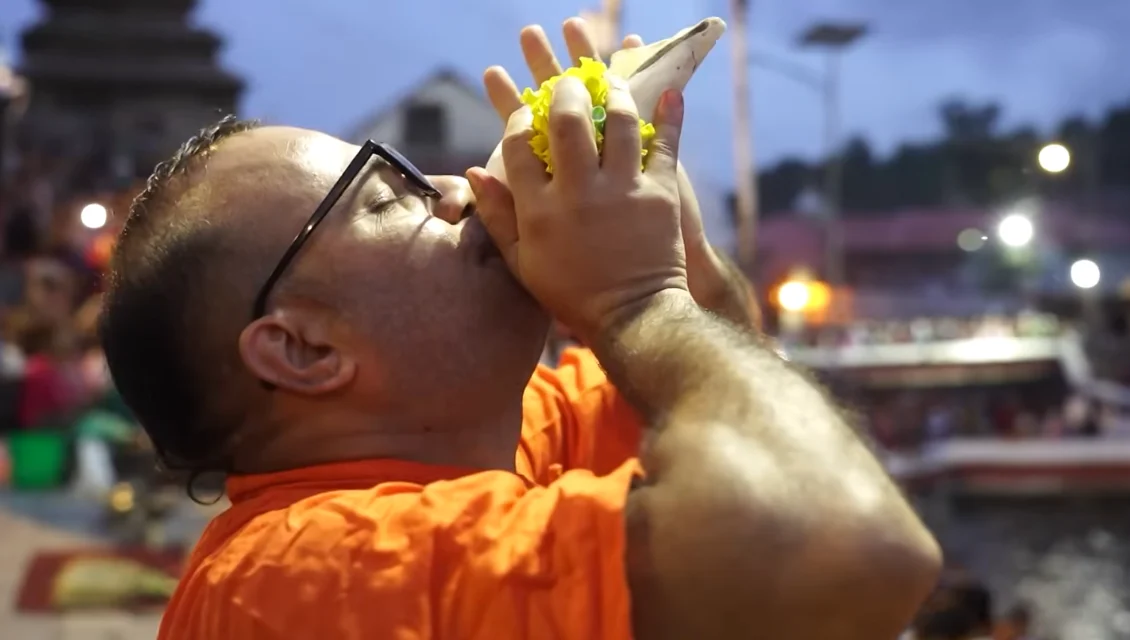
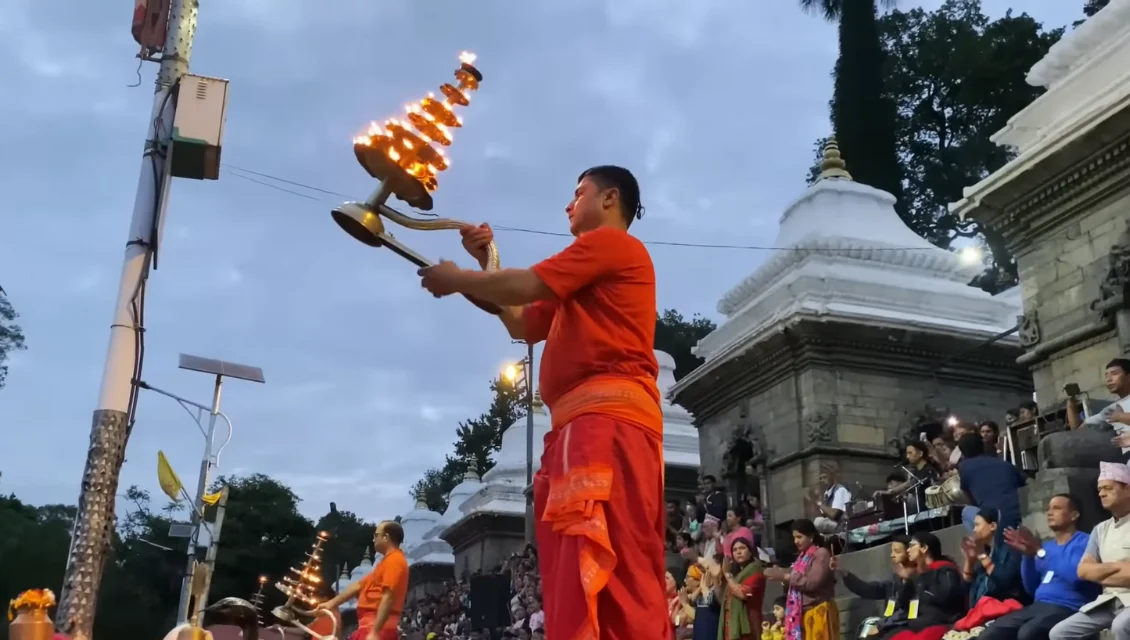
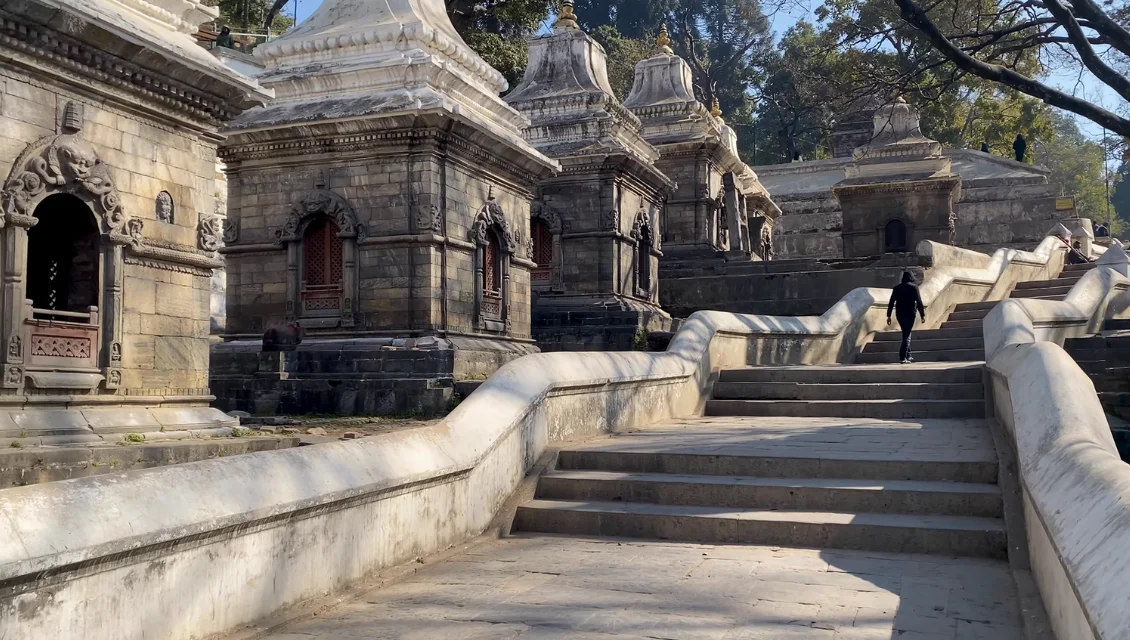
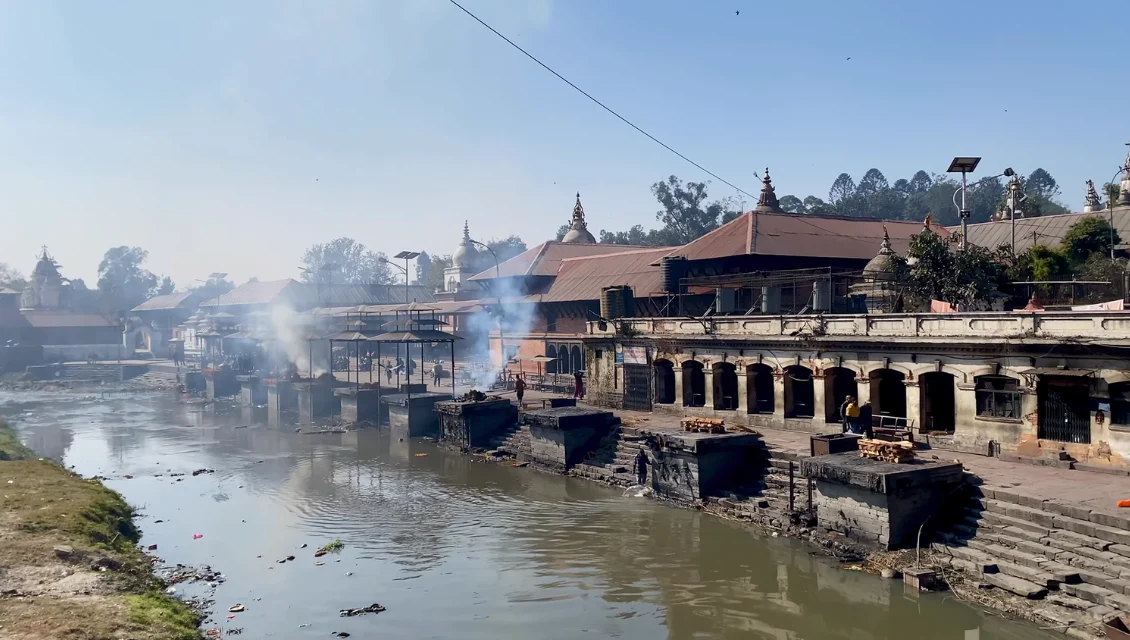
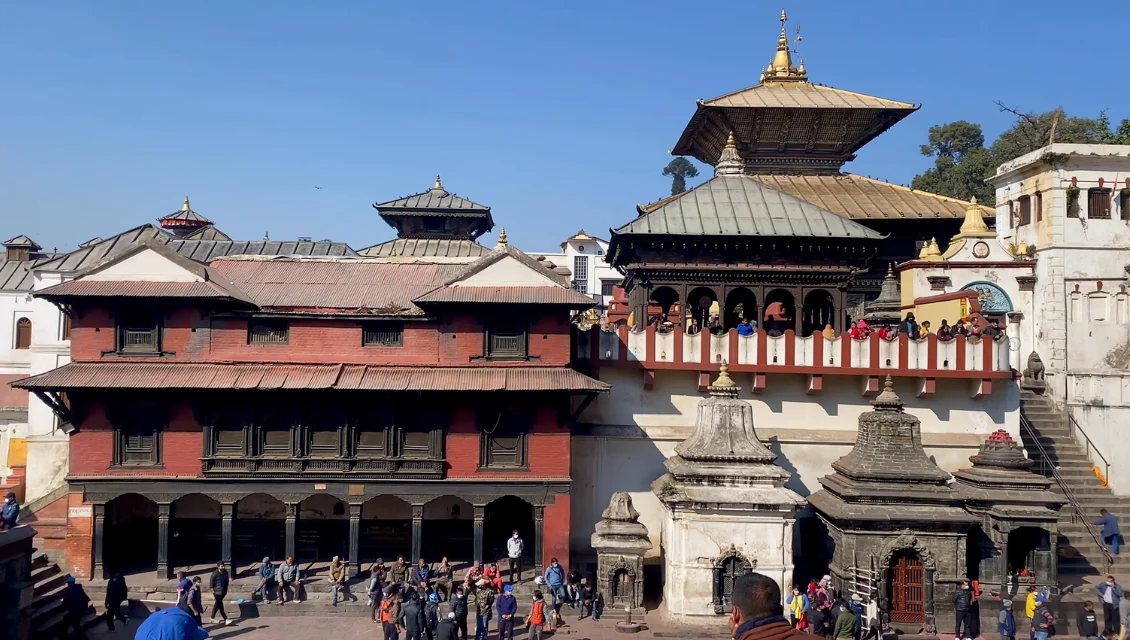
Pashupatinath is Nepal’s most sacred Hindu temple dedicated to Lord Shiva. Located along the Bagmati River, it is an important pilgrimage site and a center for Hindu rituals, cremation ceremonies, and spiritual practices. Non-Hindus can observe temple surroundings and river rituals from designated areas.
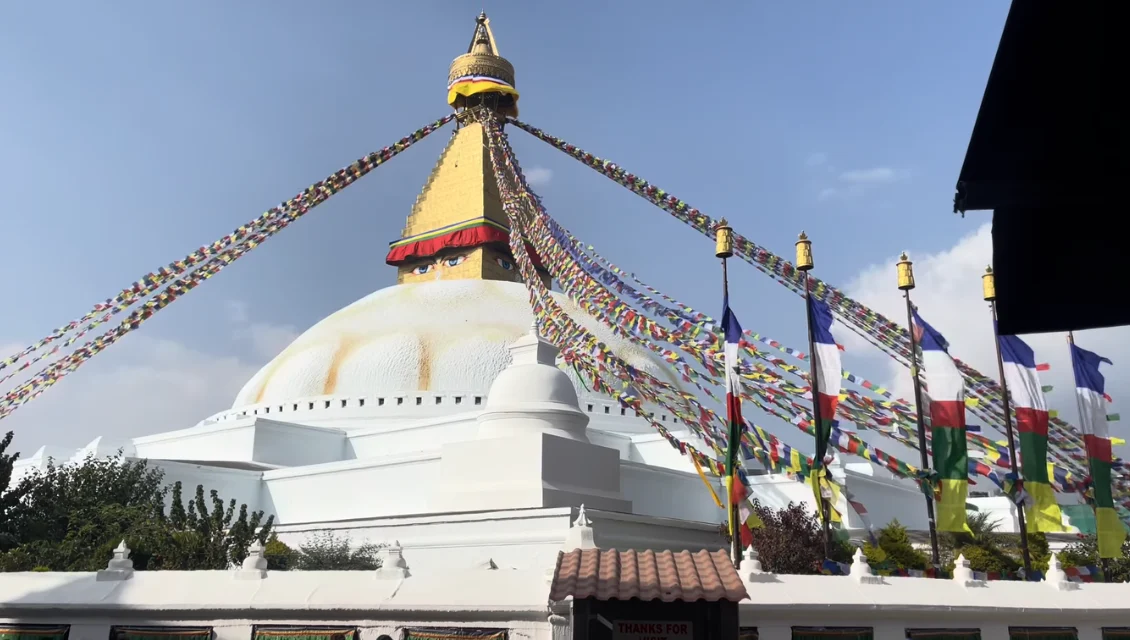
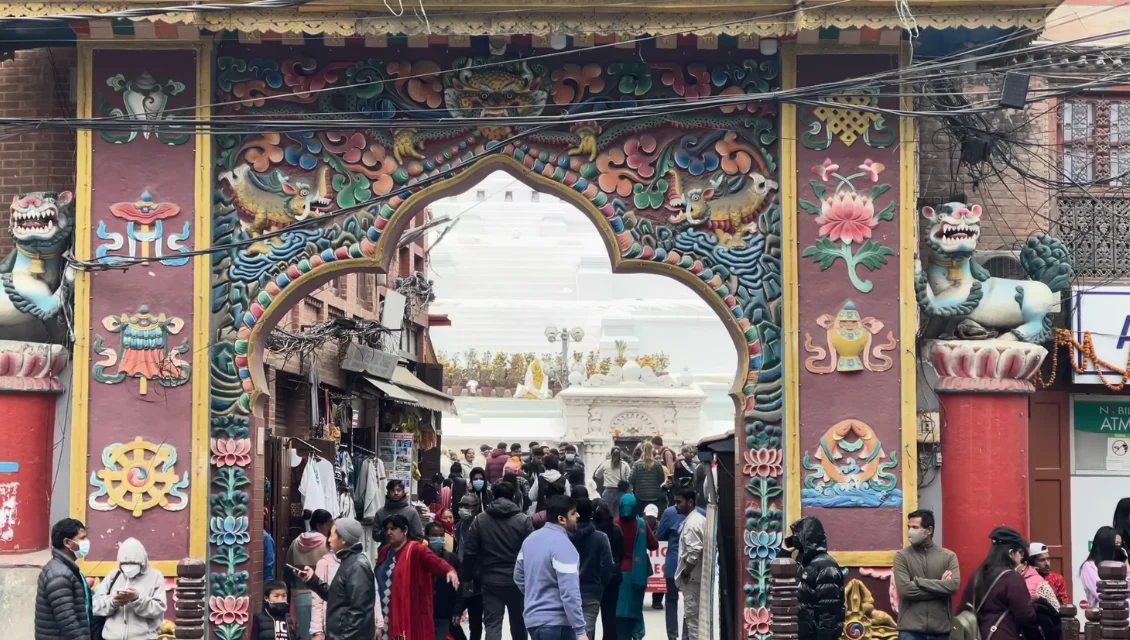
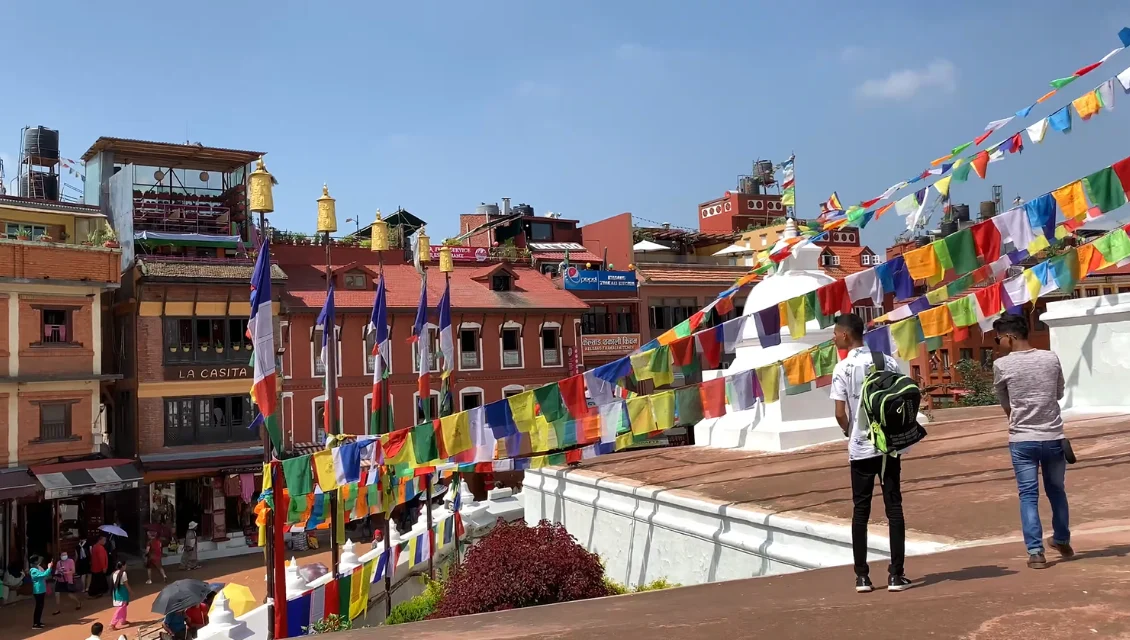
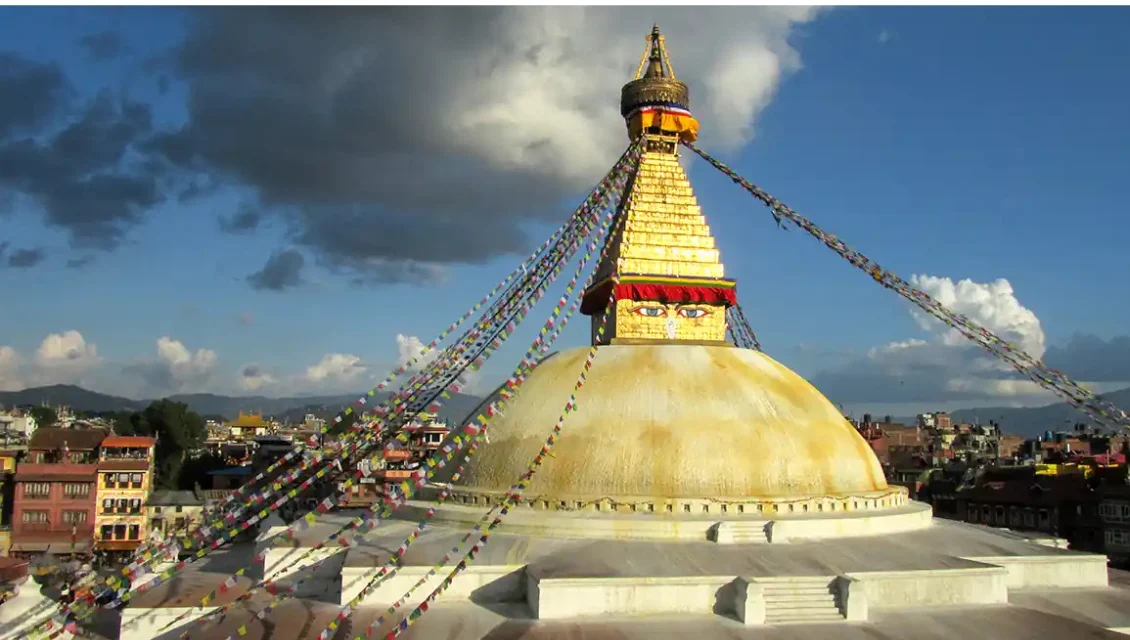
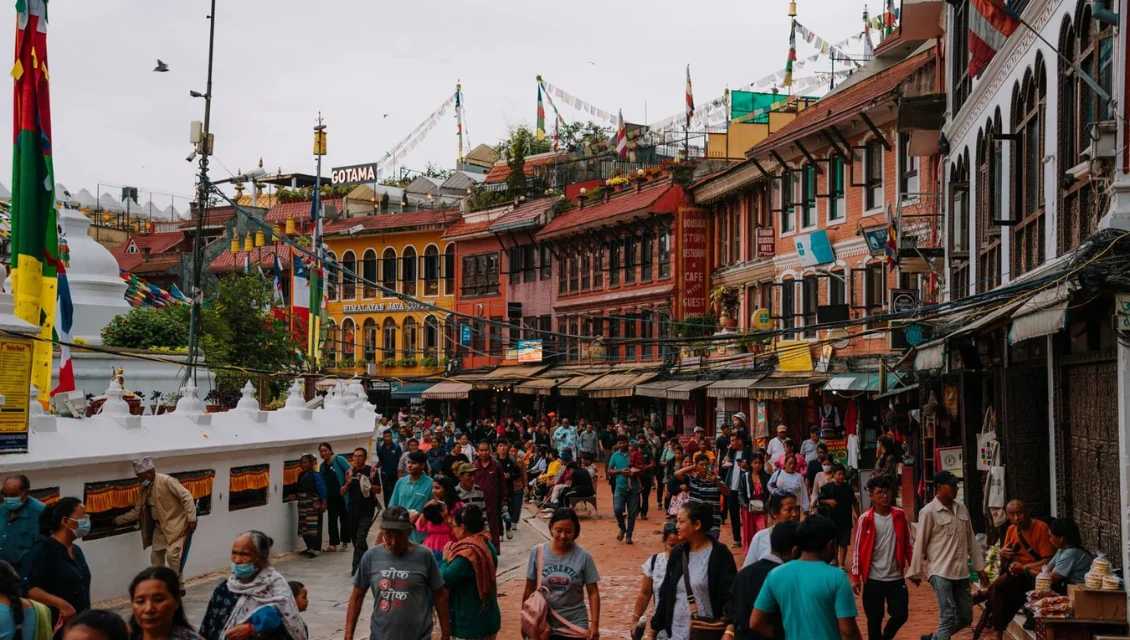
Boudhanath is one of the largest Buddhist stupas in the world and a major center of Tibetan Buddhism. The massive white dome, prayer wheels, monasteries, and chanting monks create a peaceful spiritual atmosphere. It is ideal for meditation, photography, and cultural exploration.
After completing the sightseeing tour, you will be transferred back to your hotel. Evening is free for relaxation or personal exploration.
The best time for the Kathmandu Cultural Heritage Tour is February–April and October–November, with May, September and December–January also good. Typical daytime temperatures at Kathmandu (1,400 m) in those months are around 25 °C, with colder nights at higher camps.
The Kathmandu Valley can be visited all year. October–November and March–April are pleasant and clear; December–February are sunny with cold mornings, and the monsoon brings afternoon showers but green, uncrowded heritage sites.
| Month | Conditions | Day | Night |
|---|---|---|---|
| January | Good — clear skies, cold nights and fewer trekkers | 19 °C | 2 °C |
| February | Best time — stable weather and clear views | 21 °C | 4 °C |
| March | Best time — stable weather and clear views | 25 °C | 8 °C |
| April | Best time — stable weather and clear views | 28 °C | 11 °C |
| May | Good — mostly fine weather, fewer crowds | 29 °C | 16 °C |
| June | Possible — monsoon showers and cloud | 29 °C | 19 °C |
| July | Possible — monsoon showers and cloud | 28 °C | 20 °C |
| August | Possible — monsoon showers and cloud | 28 °C | 20 °C |
| September | Good — green landscapes, some rain | 28 °C | 18 °C |
| October | Best time — stable weather and clear views | 27 °C | 13 °C |
| November | Best time — stable weather and clear views | 23 °C | 7 °C |
| December | Good — clear skies, cold nights and fewer trekkers | 20 °C | 3 °C |
Average day and night temperatures at Kathmandu (1,400 m). Higher camps are colder.
Your packing checklist for Kathmandu Cultural Heritage Tour. Tick items off as you pack — down jackets and sleeping bags can also be rented in Kathmandu.
Private departures run on any date. Pick the start date that suits you and we will build the trip around it — same price, your own guide and team.
Duration
Transportation
Tour Route & Major Sites
Typical itinerary includes:
1. Swayambhunath Stupa (Monkey Temple)
2. Kathmandu Durbar Square
3. Pashupatinath Temple
4. Boudhanath Stupa
Optional Sites (Time Permitting)
Difficulty & Physical Requirements
This is a very easy cultural tour, suitable for all travelers.
Best Season
The tour operates year-round:
Meals
Guide Services
A licensed English-speaking cultural guide accompanies the tour, providing:
Cultural & Natural Highlights
This tour highlights the best of Kathmandu Valley:
Essential Items to Carry
Recommended:
Communication & Connectivity
Why Choose Kathmandu Cultural Heritage Day Tour?
This is the best way to experience Kathmandu in a short time:
The Kathmandu Cultural Heritage Tour is graded Moderate — suitable for most active travellers. Expect 5–7 hours of walking on most days on mountain trails with plenty of ascents and descents. Regular cardio training — hiking, running, cycling or stair climbing — for 6–8 weeks before departure makes the trip far more enjoyable.
For the Kathmandu Valley & mid-hills region the best months are February–April and October–November. The Kathmandu Valley can be visited all year. October–November and March–April are pleasant and clear; December–February are sunny with cold mornings, and the monsoon brings afternoon showers but green, uncrowded heritage sites.
You need entry tickets for the heritage sites you visit. Nord Extreme arranges every permit for you before the trip starts — check the "Includes" section above for exactly what is covered in the price. Just bring your passport and a few passport-size photos.
In Kathmandu you stay in a comfortable hotel; on the trail we use the best available family-run teahouses and lodges with twin-share rooms, shared or attached bathrooms and a warm dining room. Upgrades to luxury lodges are possible on popular routes such as Everest and Annapurna.
Both. You can join one of the fixed departures listed under "Dates & Prices", or book a private trip for just you, your family or friends on any date. Solo travellers are welcome — you will always have your own licensed guide.
Yes, travel insurance is compulsory. It must cover medical treatment and emergency helicopter evacuation up to the trip’s highest altitude, plus trip cancellation. Please send us your policy details before departure.
See the "What to bring" checklist on this page for the full list. The essentials are broken-in boots, warm layers, a down jacket, a waterproof shell, sun protection and a daypack. Down jackets and sleeping bags can be rented cheaply in Kathmandu, and a porter carries your main bag (up to 10–12 kg).
Keep exploring
Namaste! 🙏
Welcome to Nord Extreme Himalaya. Questions about Kathmandu Cultural Heritage Tour? Send us a message — a Sherpa trip expert in Kathmandu will reply on WhatsApp.
Mr. Sonam G. SherpaOpens WhatsApp · +9779851078748