Transportations
- Private/tourist vehicles for airport pickup and drop-off in Kathmandu.
- Private/tourist vehicles transfer as per itinerary to access the trailheads.
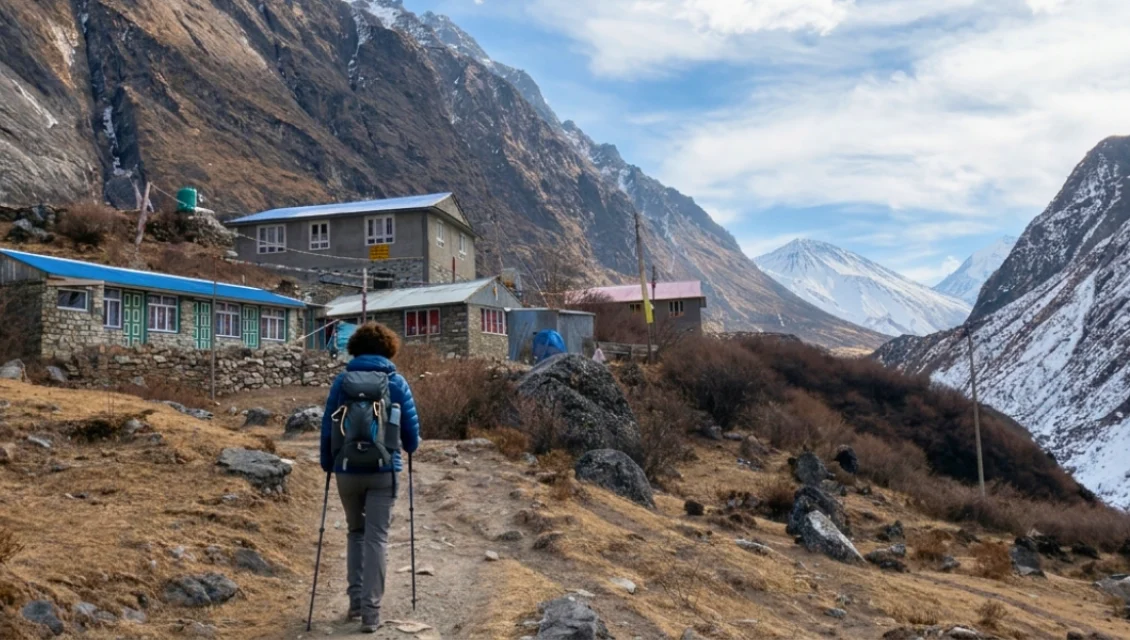
The Langtang Tamang Heritage Trail Trek is a culturally immersive and scenically rewarding Himalayan journey that explores the traditional homeland of the Tamang community in the Langtang region of Nepal. This trek is designed for travelers who want to experience authentic village life, ancient Buddhist heritage, and gentle trekking through beautiful mid-hill landscapes.
Unlike high-altitude expeditions, this route focuses more on culture, lifestyle, and community interaction while still offering excellent views of surrounding Himalayan peaks. The trek is ideal for beginners, cultural explorers, and those seeking a peaceful alternative to busier trekking routes.
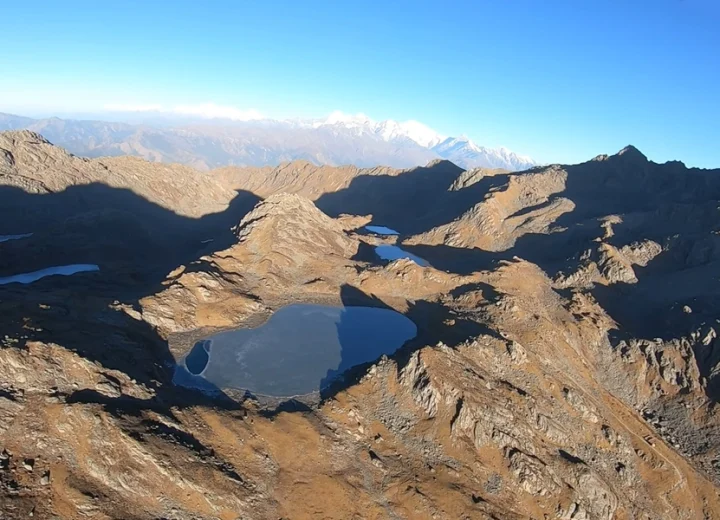
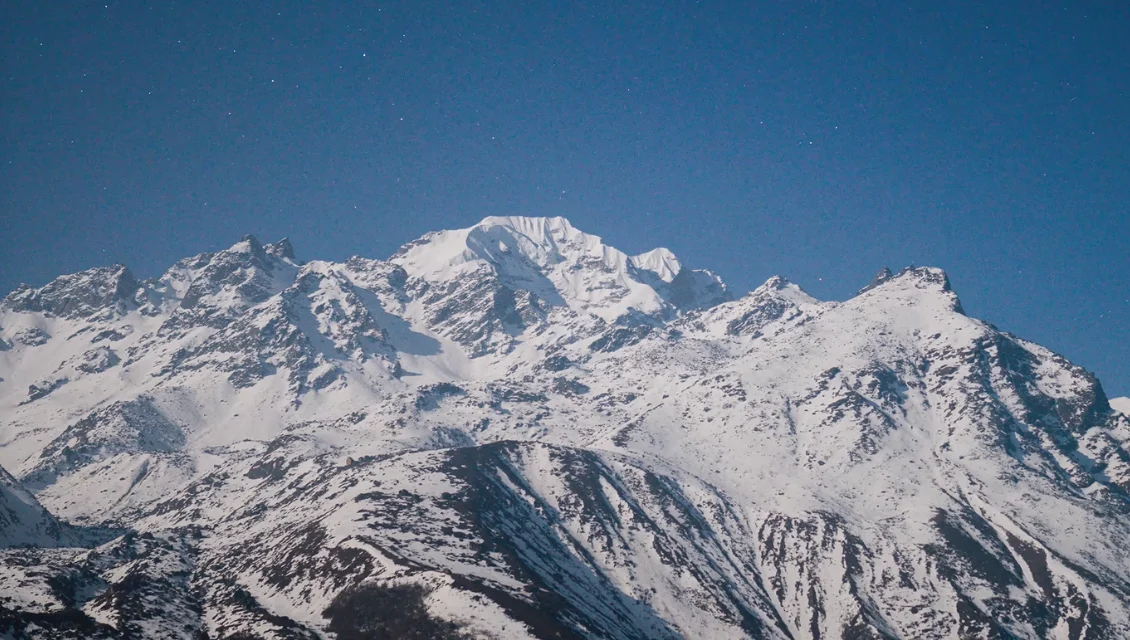
Throughout the journey, trekkers enjoy views of Himalayan ranges including Langtang Lirung, Ganesh Himal, and distant glimpses of the Tibetan border ranges. The combination of cultural richness and mountain scenery makes this trek one of the most meaningful short treks near Kathmandu.
The Langtang Tamang Heritage Trail is located in the northern part of the Langtang region within Langtang National Park. The trek typically begins after a drive from Kathmandu to Syabrubesi or nearby trailheads and follows a scenic loop through traditional Tamang villages.
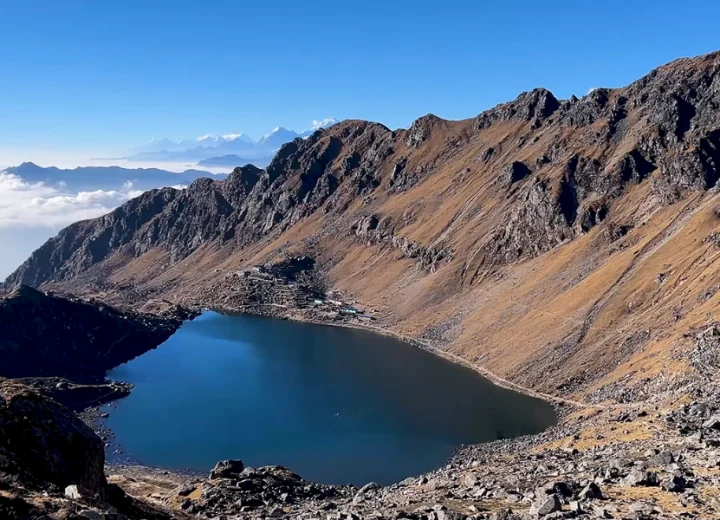
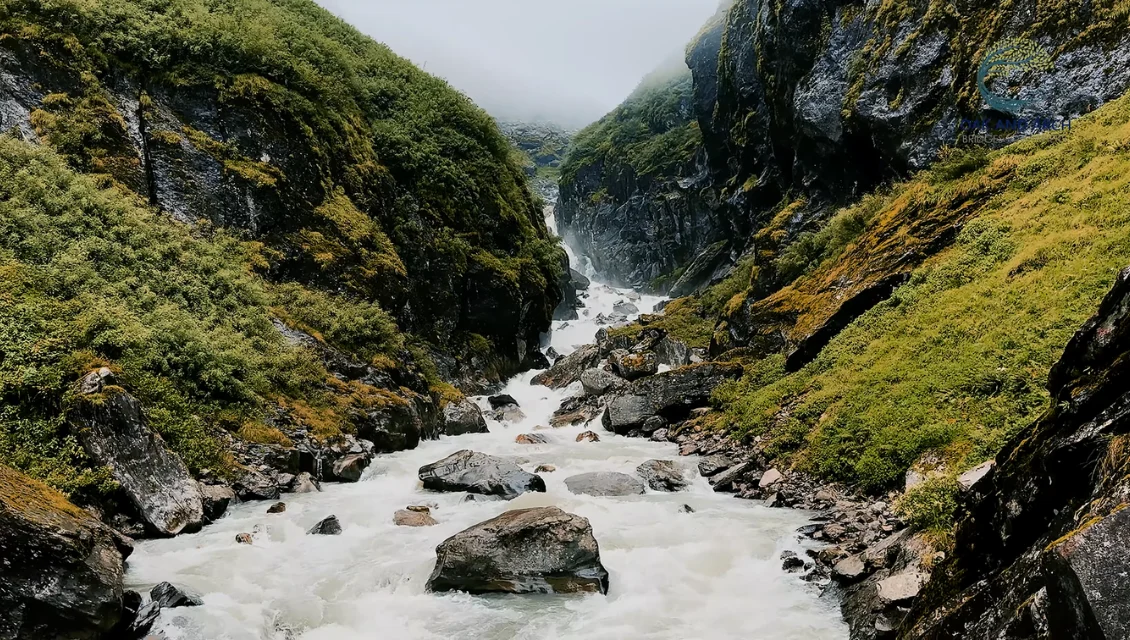
The landscape is characterized by rolling hills, terraced farmland, dense forests, and high ridges offering panoramic Himalayan views. The lower sections of the trail pass through subtropical forests with waterfalls, suspension bridges, and river valleys, creating a lush and vibrant environment.
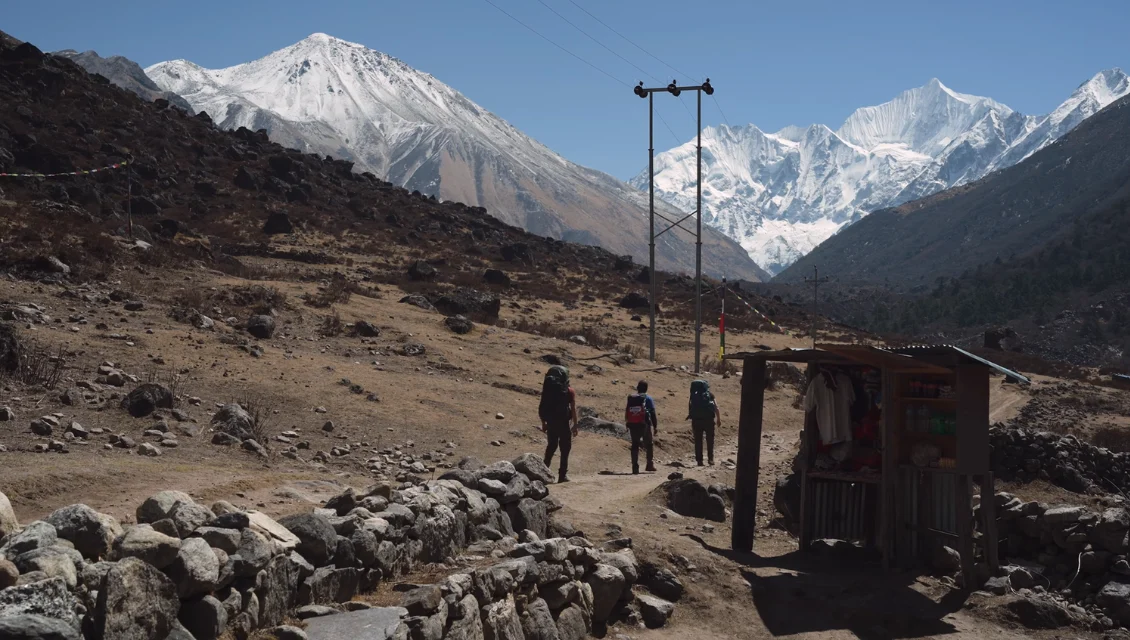
As the trek ascends, the scenery opens into wide ridgelines and alpine viewpoints where trekkers can see snow-capped peaks in the distance. Villages such as Gatlang, Tatopani, Thuman, and Briddim are key cultural highlights along the route.
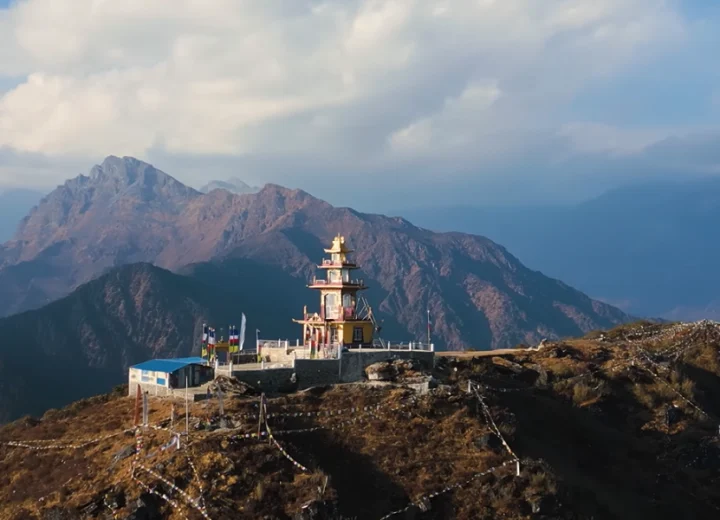
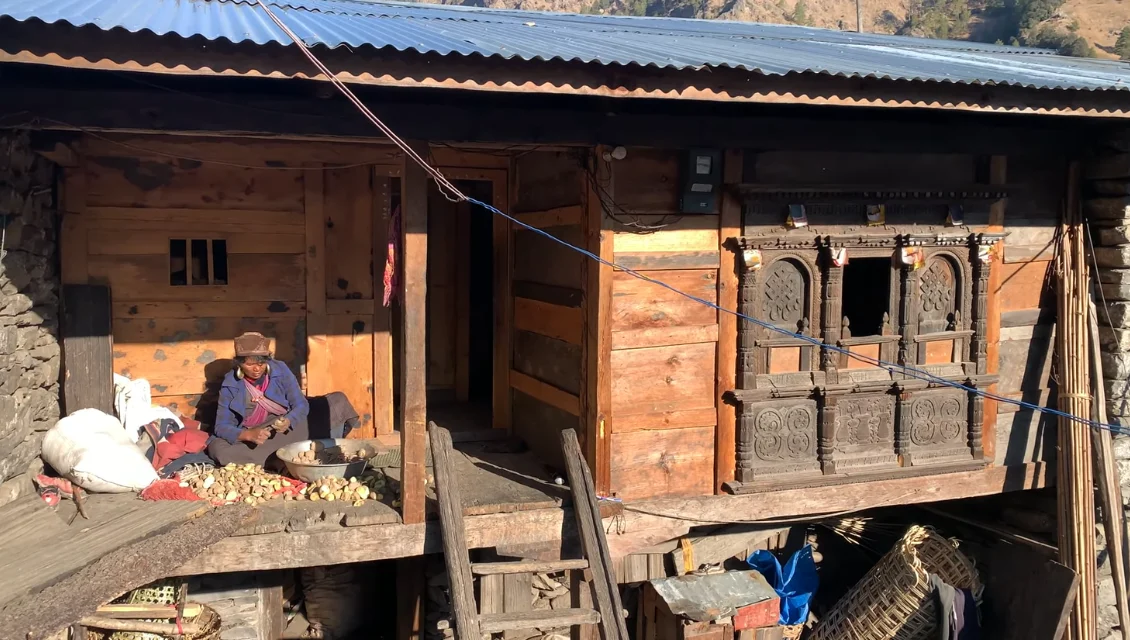
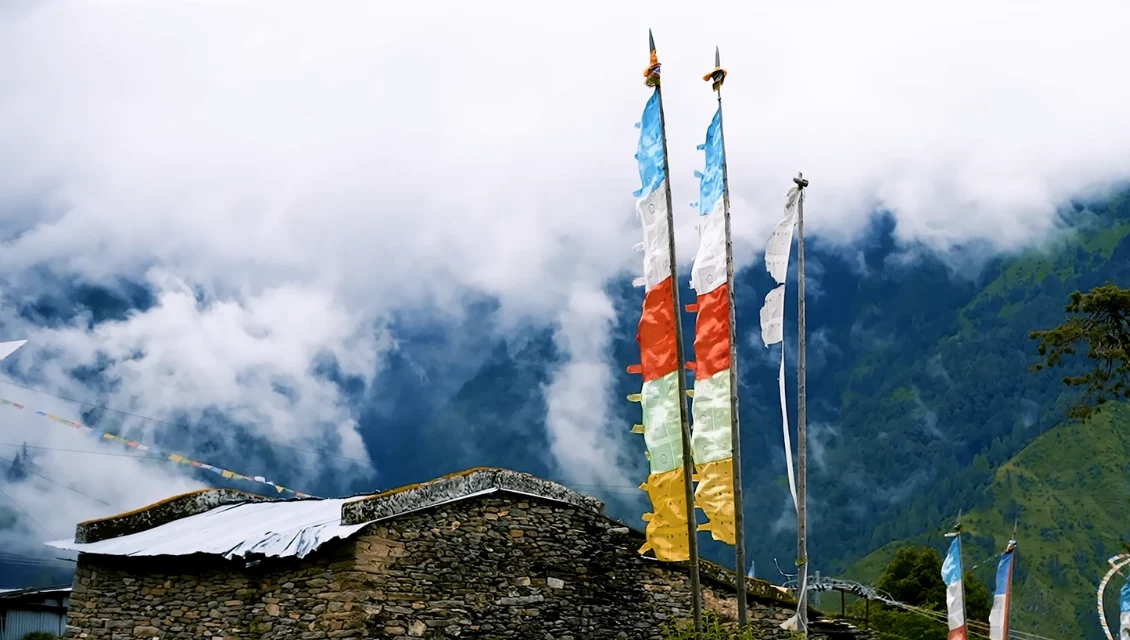
One of the most unique features of this trek is its emphasis on village homestays, allowing trekkers to stay with local families and experience traditional Tamang architecture, lifestyle, and hospitality firsthand. Ancient monasteries, prayer wheels, and mani walls are commonly seen along the trail, reflecting strong Buddhist influence.
The best seasons for the Langtang Tamang Heritage Trail Trek are spring (March–May) and autumn (September–November). These months offer stable weather, clear skies, and comfortable trekking conditions.
Spring brings blooming rhododendrons, warm temperatures, and lush green landscapes, making the trail especially beautiful. Autumn provides crisp air, dry trails, and excellent visibility of the surrounding Himalayan ranges.
Winter (December–February) is colder but still suitable for lower-elevation trekking, offering quiet trails and clear mountain views. The monsoon season (June–August) brings heavy rainfall, slippery paths, and limited visibility, so it is generally less recommended.
Overall, autumn is considered the best season for both cultural experiences and mountain viewing.
The Tamang people are the main inhabitants of the Langtang Tamang Heritage Trail region, and their culture is deeply influenced by Tibetan Buddhism. Their traditions, language, dress, and architecture reflect centuries of cultural continuity and spiritual practice.
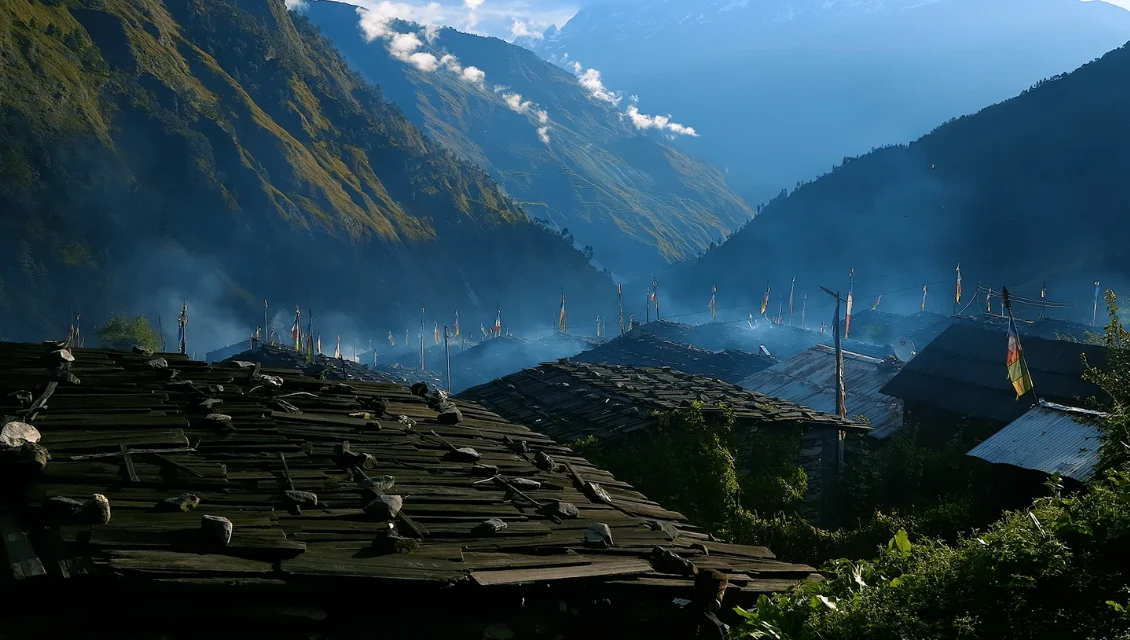
Villages along the route offer rich cultural experiences, including traditional stone houses, local monasteries, prayer flags, and community rituals. The Tamang heritage is strongly connected to nature and ancestral beliefs, with festivals and ceremonies playing an important role in daily life.
One of the highlights of the trek is staying in homestays, where visitors experience authentic hospitality, traditional food, and cultural storytelling. Local people often share folk music, dances, and insights into their rural mountain lifestyle.
The combination of cultural immersion, peaceful landscapes, and accessible Himalayan scenery makes the Langtang Tamang Heritage Trail Trek one of the most enriching cultural trekking experiences in Nepal.
Temperatures are typical for the best travel months (March–April and October–November) and can change with the weather.
We will pick you up from the airport. One of our representatives from Nord Extreme will be there to welcome and assist you upon arrival in Kathmandu. Our team from Nord Extreme will assist you with permit arrangements, trekking briefing, gear checking, and final trip preparation to ensure a safe and comfortable journey ahead.
You will also have free time to explore Thamel for any last-minute shopping or personal preparations before the trek begins.
Activity Duration: 4–6 hours
Today is reserved for final trek preparations and permit processing for the Langtang National Park and Tamang Heritage Trail. You may spend the day exploring Kathmandu’s cultural sites, shopping for trekking essentials in Thamel, or relaxing before your Himalayan adventure begins. Your guide will provide a final briefing regarding trail conditions, accommodation, and safety information.
Drive Duration: 7–8 hours
Your adventure begins with a scenic drive from Kathmandu to the small town of Syabrubesi, the gateway to both Langtang and the Tamang Heritage Trail. The road winds through picturesque hills, terraced farmlands, and river valleys. Along the way, you’ll pass rural villages and enjoy your first glimpses of Himalayan ridgelines.
The trek begins with a steep uphill ascent, passing through terraced fields, oak forests, and Tamang settlements. The trail is peaceful and scenic, offering views of the Ganesh Himal range. Arrive at Gatlang, a beautifully preserved Tamang village with traditional stone houses and vibrant local culture.
Today’s trail descends to the Bhotekoshi River before climbing steadily past mani walls, prayer flags, and alpine vegetation. Reach Tatopani, famous for its natural hot springs and peaceful mountain setting. If operational, you may enjoy a relaxing soak in the hot springs after your trek.
Start with an uphill hike to Nagthali Ghyang, a peaceful meditation retreat offering panoramic views of Langtang Lirung, Ganesh Himal, Shishapangma, and the Tibetan plateau on clear days. After enjoying the spectacular scenery, descend through pine and rhododendron forest to Thuman, a culturally rich village strongly influenced by Tibetan traditions.
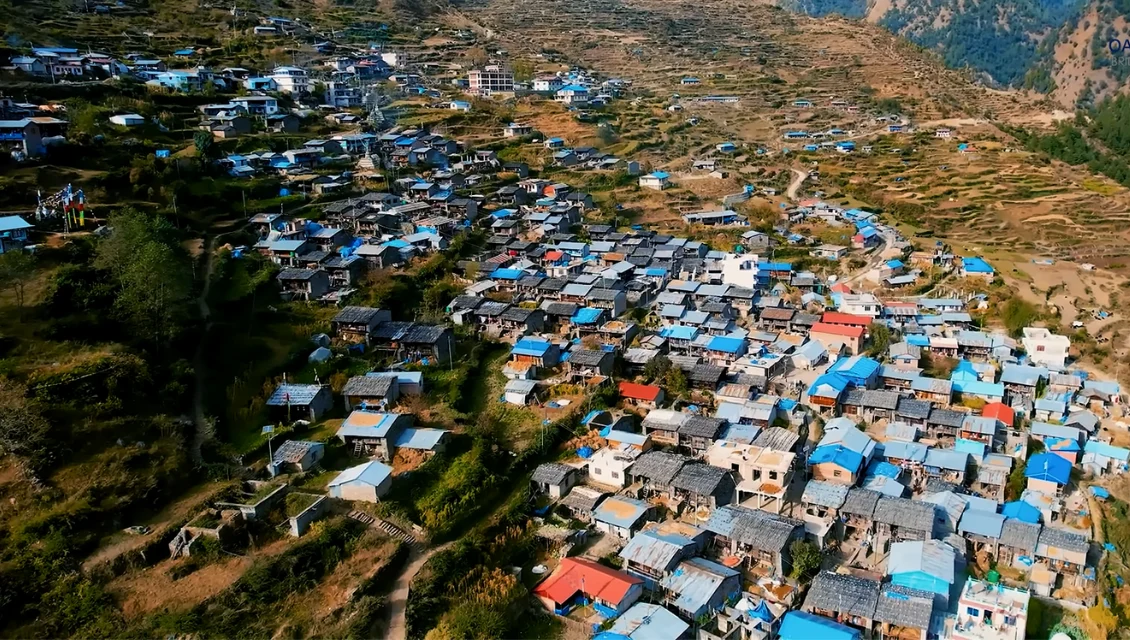
A relatively gentle trekking day leads through peaceful forests and rolling ridges to Briddim, a model Tamang village known for its community-run homestays. This is a wonderful opportunity to experience Tamang family life, traditional food, and warm local hospitality.
Today you join the main Langtang Valley trail. The route descends through dense forest, crosses the Langtang Khola, and gradually climbs along the river valley. The forests are rich in birdlife and wildlife, including langurs and occasional red panda sightings. Lama Hotel offers a peaceful overnight stop surrounded by forest.
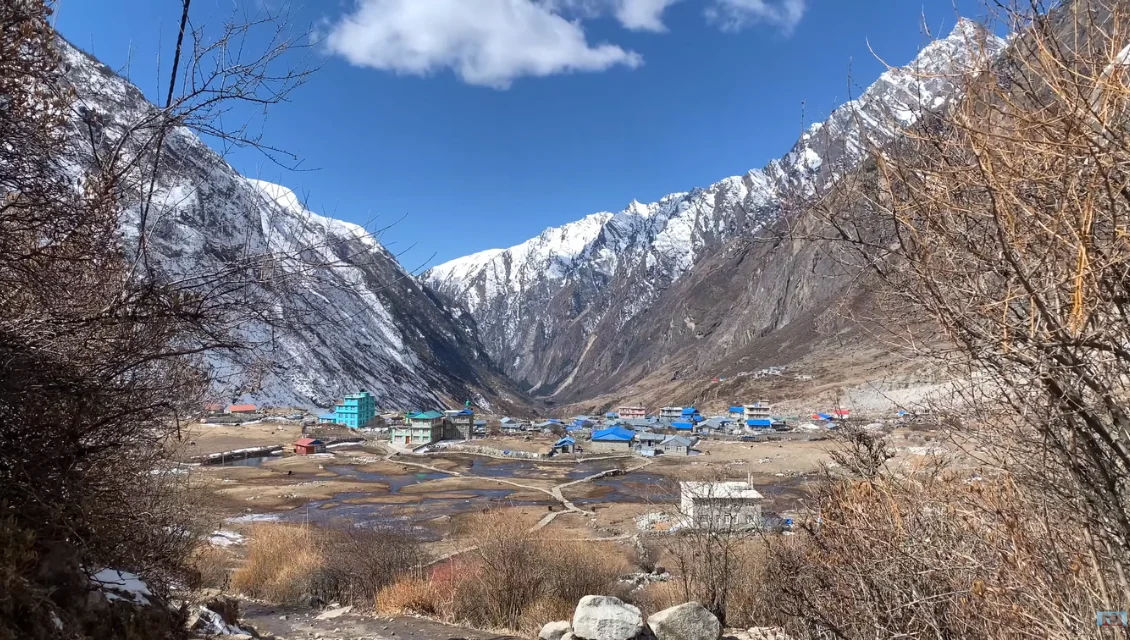
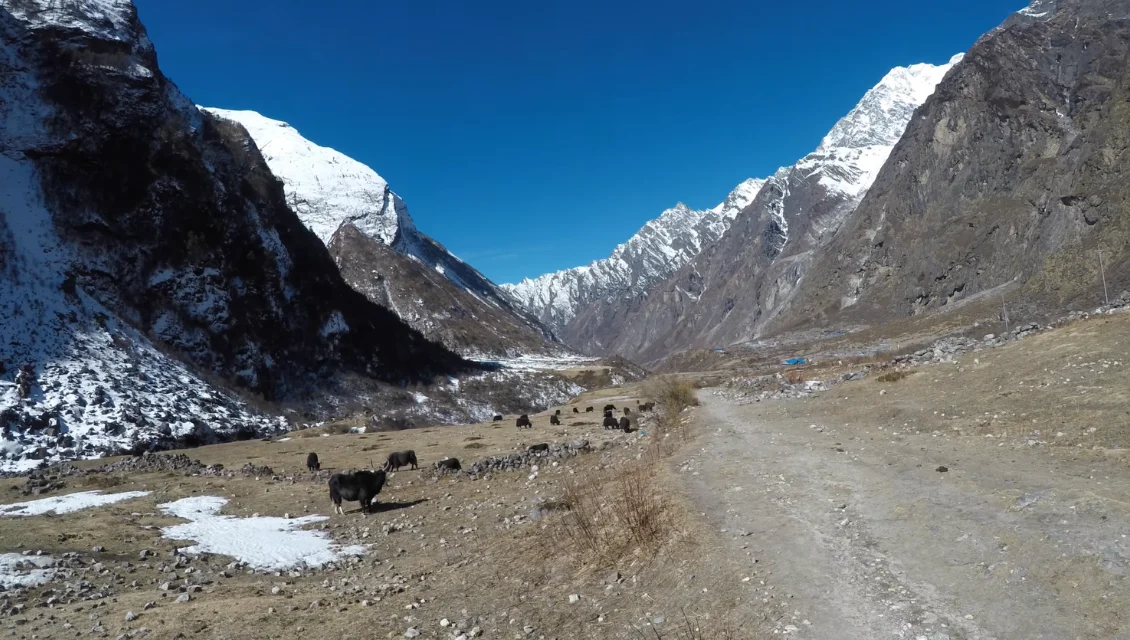
Continue ascending through forests and yak pastures. After passing Ghora Tabela, the valley opens into dramatic alpine scenery with beautiful mountain views. Arrive at the rebuilt Langtang Village, which stands as a symbol of resilience following the 2015 earthquake.
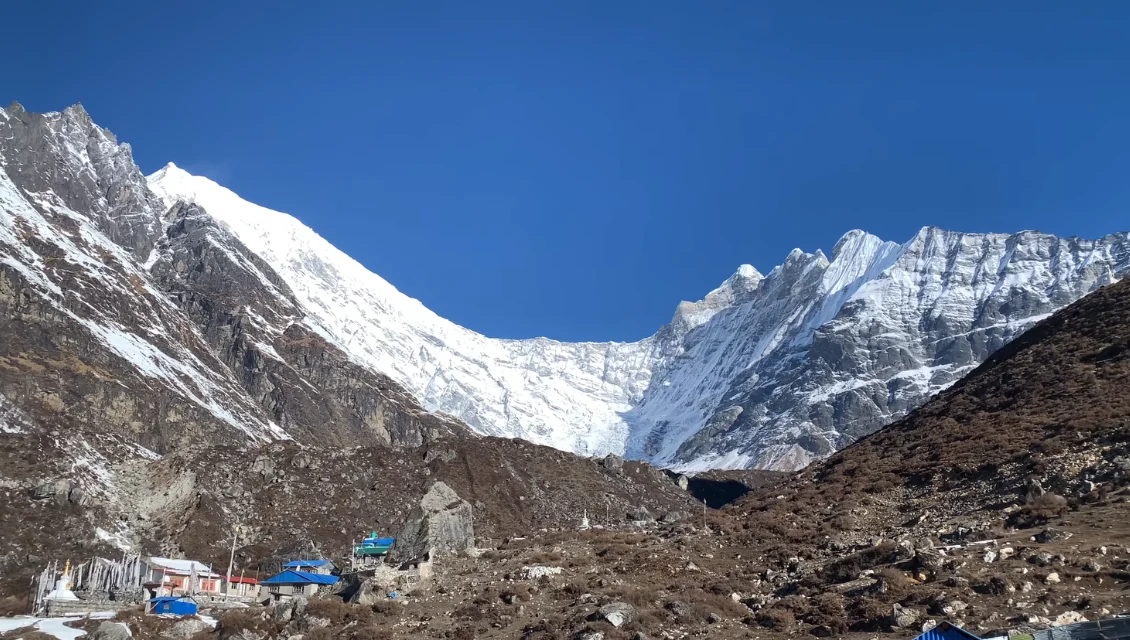
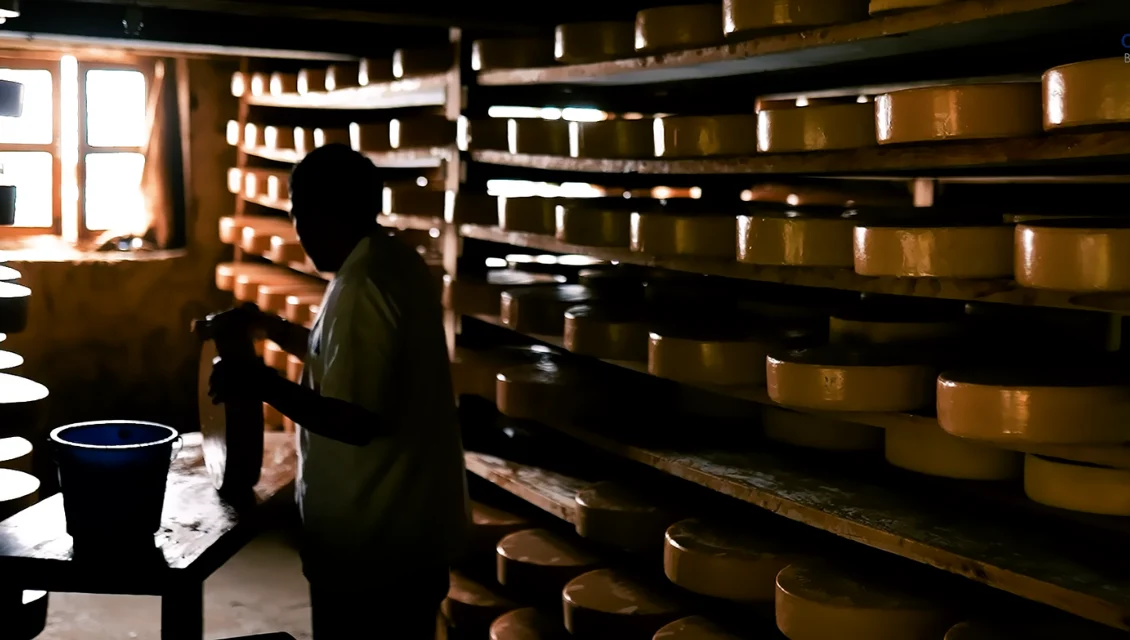
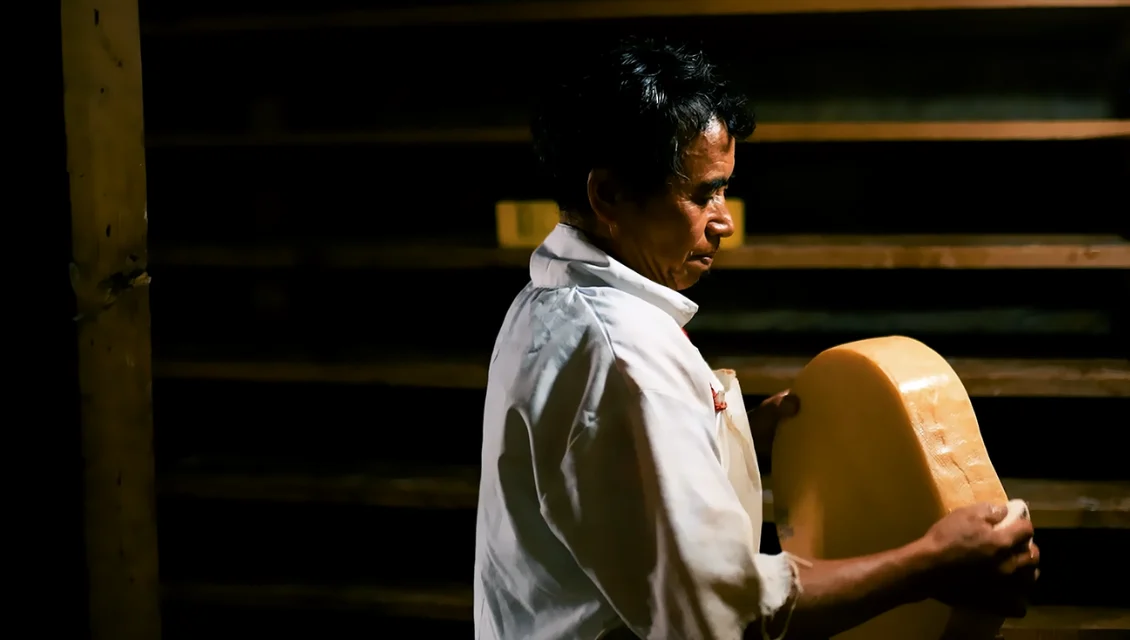
A shorter trekking day brings you to Kyanjin Gompa, the spiritual and scenic center of the Langtang Valley. Visit the ancient monastery and nearby yak cheese factory while enjoying magnificent views of Langtang Lirung and surrounding glaciers.
Hike Duration: 4–6 hours
Choose an optional acclimatization hike to either Kyanjin Ri or Tserko Ri, both offering breathtaking panoramic views of snow-capped peaks, glaciers, and the upper Langtang Valley. Tserko Ri is more challenging but highly rewarding for experienced hikers. Return to Kyanjin Gompa for overnight rest.
Retrace your steps along the Langtang Khola, descending through alpine meadows, forests, and mountain settlements. The downhill journey allows more time to appreciate the beautiful landscapes and peaceful surroundings.
Final day of trekking. Continue descending through woodlands and charming Tamang villages back to Syabrubesi. Celebrate the successful completion of your Tamang Heritage and Langtang Valley adventure.
Drive Duration: 7–8 hours
Return to Kathmandu by public bus or private jeep, reflecting on your immersive journey through the cultural richness and stunning scenery of Langtang and the Tamang Heritage Trail.
Transfer Duration: 30–45 minutes
Today marks the end of your journey in Nepal. After breakfast, our team from Nord Extreme will transfer you to Tribhuvan International Airport for your onward flight.
The best time for the Langtang Tamang Heritage Trail Trek is March–April and October–November, with May, September and December also good. Typical daytime temperatures at Kyanjin Gompa (3,870 m) in those months are around 10 °C, with colder nights at higher camps.
Langtang is close to Kathmandu and at its best in autumn and spring. Winter days are bright but nights are well below freezing; the monsoon brings rain and occasional landslides on the road to Syabrubesi.
| Month | Conditions | Day | Night |
|---|---|---|---|
| January | Possible — very cold, snow on high passes | 4 °C | -10 °C |
| February | Possible — very cold, snow on high passes | 5 °C | -9 °C |
| March | Best time — stable weather and clear views | 8 °C | -5 °C |
| April | Best time — stable weather and clear views | 11 °C | -1 °C |
| May | Good — mostly fine weather, fewer crowds | 13 °C | 2 °C |
| June | Not recommended — monsoon rain, cloud and slippery trails | 14 °C | 5 °C |
| July | Not recommended — monsoon rain, cloud and slippery trails | 15 °C | 6 °C |
| August | Not recommended — monsoon rain, cloud and slippery trails | 15 °C | 6 °C |
| September | Good — green landscapes, some rain | 13 °C | 4 °C |
| October | Best time — stable weather and clear views | 11 °C | -1 °C |
| November | Best time — stable weather and clear views | 8 °C | -5 °C |
| December | Good — clear skies, cold nights and fewer trekkers | 5 °C | -9 °C |
Average day and night temperatures at Kyanjin Gompa (3,870 m). Higher camps are colder.
Your packing checklist for Langtang Tamang Heritage Trail Trek. Tick items off as you pack — down jackets and sleeping bags can also be rented in Kathmandu.
Private departures run on any date. Pick the start date that suits you and we will build the trip around it — same price, your own guide and team.
Accommodation
Accommodation is provided in locally operated teahouses, community lodges, and family-run homestays throughout the trail.
Villages such as Gatlang, Tatopani, Thuman, and Briddim offer comfortable community lodges and homestay facilities that allow trekkers to experience traditional Tamang hospitality. Rooms are generally twin-sharing with basic bedding and shared bathroom facilities.
Facilities are simple yet comfortable and focus on providing an authentic cultural experience.
Meals
A full-board meal system (Breakfast, Lunch, and Dinner) is available throughout the trek.
Meals are freshly prepared using locally sourced ingredients and often include traditional Tamang and Himalayan dishes.
Typical menu options include:
Homestay villages may also offer authentic Tamang cuisine and locally prepared specialties.
Difficulty & Physical Requirements
The Langtang Tamang Heritage Trail Trek is classified as easy to moderate, making it suitable for beginners, families, cultural travelers, and moderately active trekkers.
Daily trekking generally ranges from 4 to 7 hours, with gradual ascents and descents through villages, forests, and hillside trails.
No technical climbing or advanced trekking experience is required.
Permits
Required permits include:
All permits are typically arranged by the trekking operator.
Best Season
Transportation & Access
The trek begins with a scenic drive from Kathmandu to Syabrubesi, the gateway to both the Langtang Valley and Tamang Heritage regions.
The trail follows traditional settlements and cultural villages before returning to Syabrubesi or connecting with the Langtang Valley Trek for a longer itinerary.
Safety & Acclimatization
The trek remains at relatively moderate elevations, making altitude-related issues uncommon.
Key safety considerations include:
Professional guides assist with navigation, cultural interpretation, and safety management.
Travel Insurance
Recommended travel insurance should include:
Guide & Porter Services
Experienced local guides greatly enhance the trekking experience through cultural interpretation, historical insights, and village interactions.
Porters are available for luggage support, allowing trekkers to enjoy the trail comfortably with a light daypack.
Cultural & Natural Highlights
The Langtang Tamang Heritage Trail Trek offers one of Nepal’s finest cultural trekking experiences:
Essential Equipment
Recommended trekking gear includes:
Communication & Connectivity
Mobile network coverage is available in many villages along the route, although signal strength may vary in remote sections.
Wi-Fi services are available in some lodges and community accommodations but may be limited or unreliable.
Why Choose the Langtang Tamang Heritage Trail Trek?
This trek is ideal for travelers seeking a blend of culture, nature, and authentic Himalayan hospitality:
The Langtang Tamang Heritage Trail Trek is graded Moderate — suitable for most active travellers. Expect 5–7 hours of walking on most days on mountain trails with plenty of ascents and descents. Regular cardio training — hiking, running, cycling or stair climbing — for 6–8 weeks before departure makes the trip far more enjoyable.
For the Langtang & Helambu region the best months are March–April and October–November. Langtang is close to Kathmandu and at its best in autumn and spring. Winter days are bright but nights are well below freezing; the monsoon brings rain and occasional landslides on the road to Syabrubesi.
You need the Langtang National Park entry permit and the TIMS card. Nord Extreme arranges every permit for you before the trip starts — check the "Includes" section above for exactly what is covered in the price. Just bring your passport and a few passport-size photos.
In Kathmandu you stay in a comfortable hotel; on the trail we use the best available family-run teahouses and lodges with twin-share rooms, shared or attached bathrooms and a warm dining room. Upgrades to luxury lodges are possible on popular routes such as Everest and Annapurna.
Both. You can join one of the fixed departures listed under "Dates & Prices", or book a private trip for just you, your family or friends on any date. Solo travellers are welcome — you will always have your own licensed guide.
Yes, travel insurance is compulsory. It must cover medical treatment and emergency helicopter evacuation up to the trip’s highest altitude, plus trip cancellation. Please send us your policy details before departure.
See the "What to bring" checklist on this page for the full list. The essentials are broken-in boots, warm layers, a down jacket, a waterproof shell, sun protection and a daypack. Down jackets and sleeping bags can be rented cheaply in Kathmandu, and a porter carries your main bag (up to 10–12 kg).
Keep exploring

Namaste! 🙏
Welcome to Nord Extreme Himalaya. Questions about Langtang Tamang Heritage Trail Trek? Send us a message — a Sherpa trip expert in Kathmandu will reply on WhatsApp.
Mr. Sonam G. SherpaOpens WhatsApp · +9779851078748