
Transportations
- Private/tourist vehicles for airport pickup and drop-off in Kathmandu.
- Private/tourist vehicles transfer as per itinerary to access the trailheads.
- Domestic flight included for access to the trekking starting & ending point.
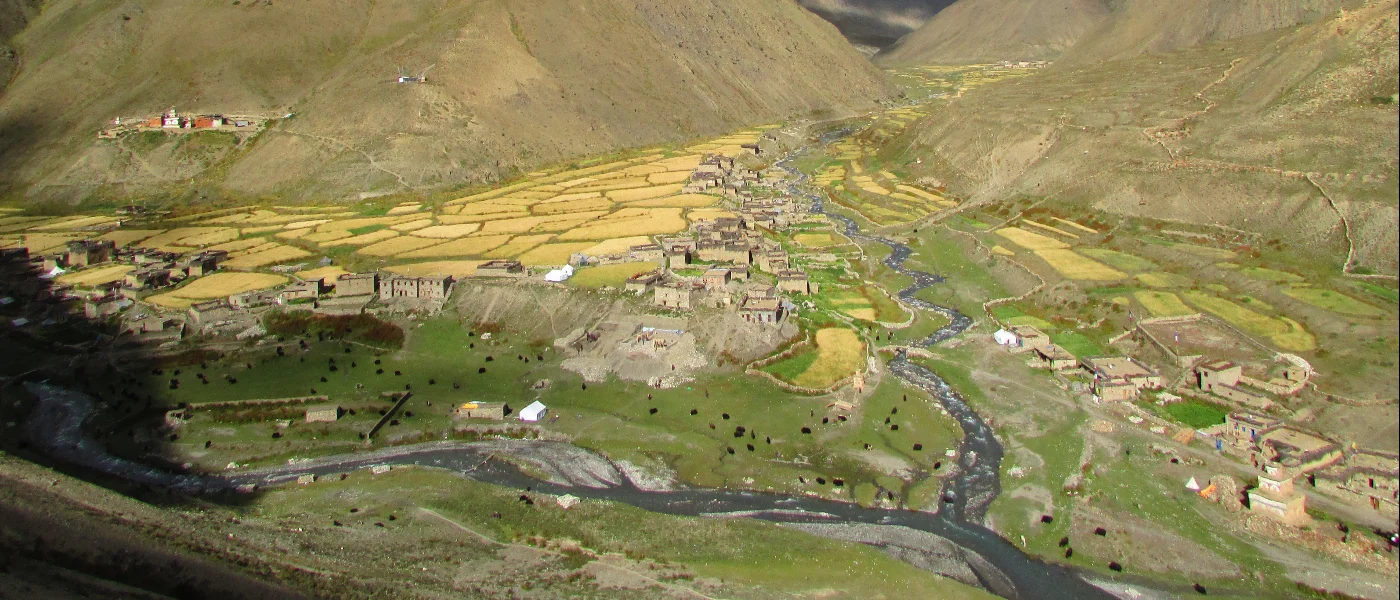
The Lower Dolpo Trek is a remote and culturally rich Himalayan journey in western Nepal that offers an exceptional blend of natural beauty, Tibetan-influenced culture, and high-altitude landscapes. Less extreme than Upper Dolpo but equally rewarding, this trek is ideal for adventurous trekkers seeking isolation, authenticity, and dramatic scenery far from mainstream routes.
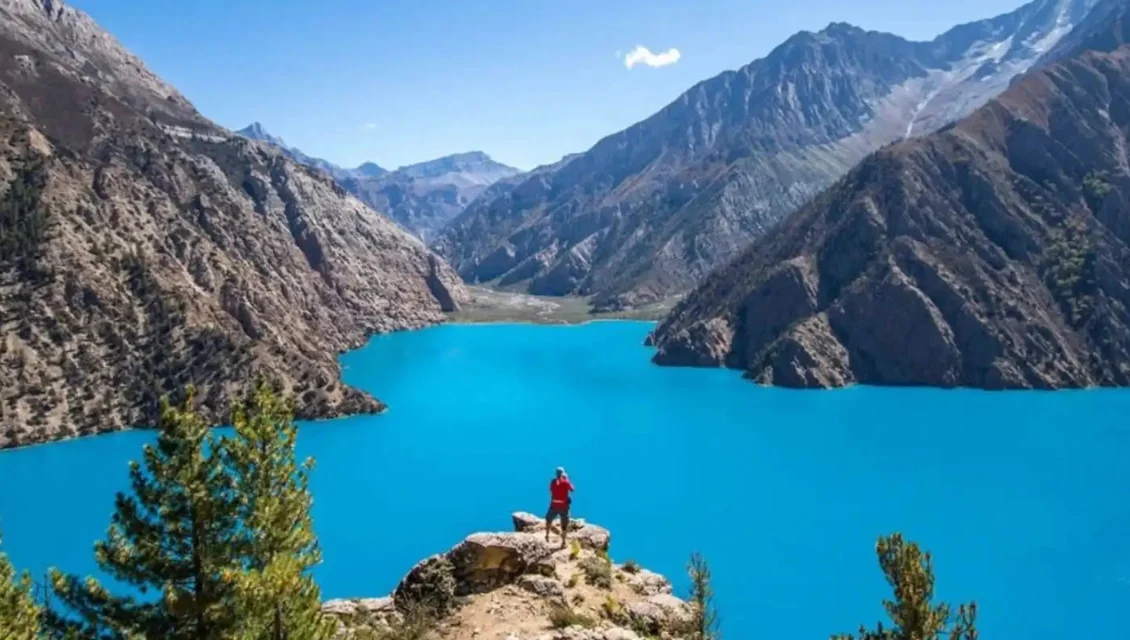
The trek is best known for its access to the stunning Shey Phoksundo Lake area and surrounding valleys, where turquoise waters contrast with rugged cliffs and ancient forests. Along the journey, trekkers may also enjoy distant views of Himalayan ranges including Dhaulagiri and other peaks of western Nepal.
This trek is perfect for experienced trekkers who want a remote wilderness experience combined with deep cultural exploration in one of Nepal’s least developed regions.
The Lower Dolpo Trek is located in western Nepal within Shey Phoksundo National Park, the largest national park in Nepal. The journey typically begins with flights to Nepalgunj and Juphal, followed by trekking through deep river valleys and into high Himalayan terrain.
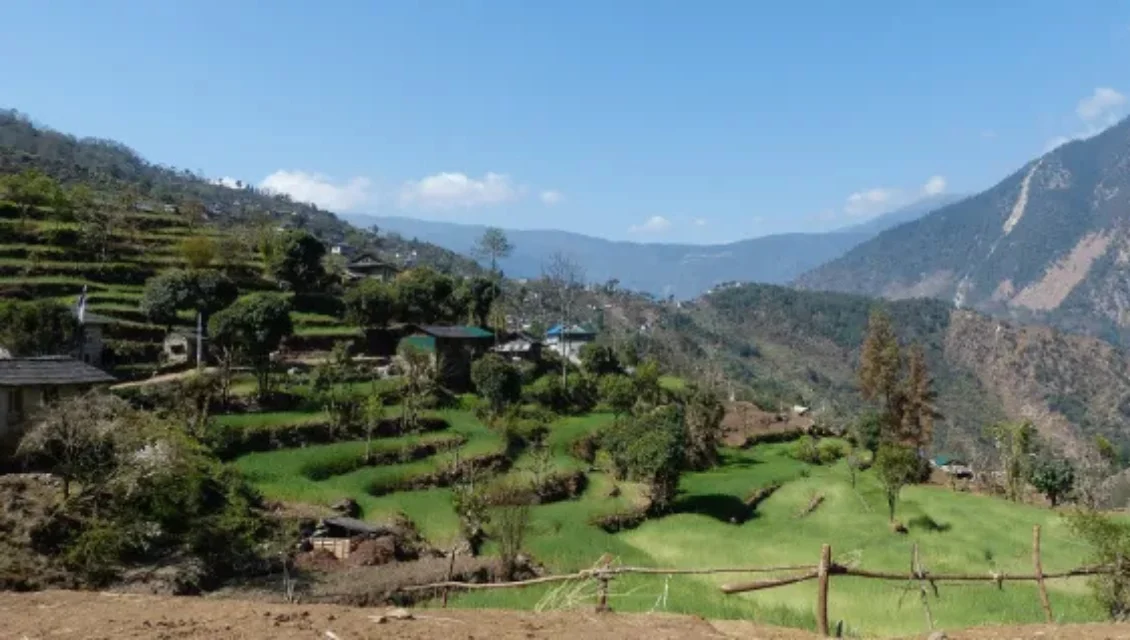
The landscape is extremely diverse, starting with green hills, pine forests, and terraced fields in lower elevations. As the trail ascends, it enters rugged cliffs, narrow gorges, and dry trans-Himalayan landscapes influenced by the Tibetan plateau.
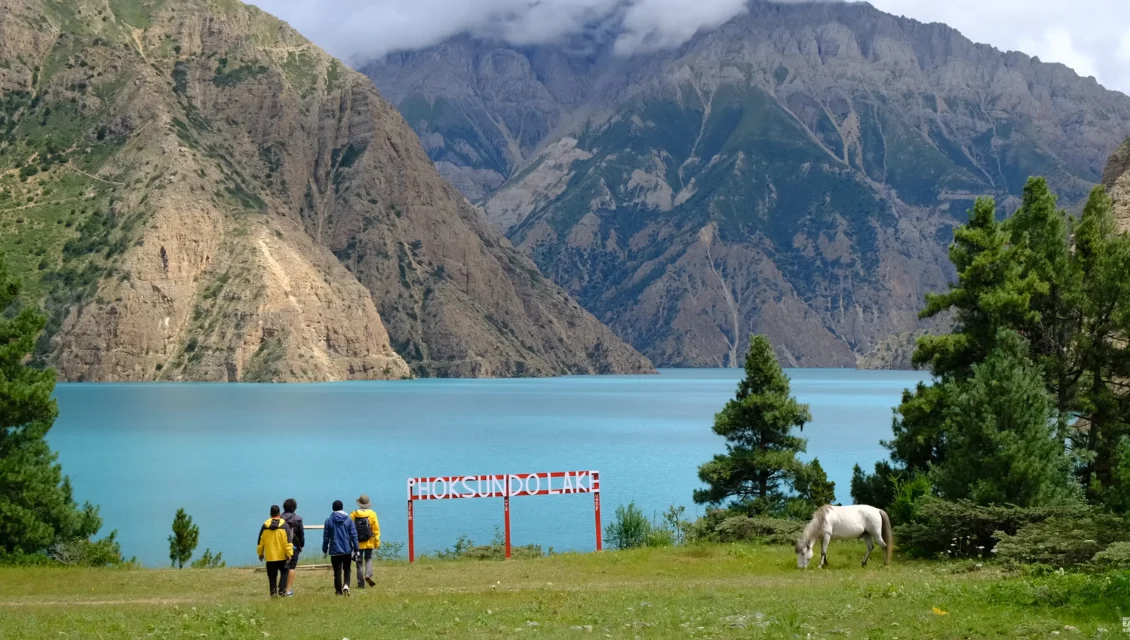
One of the most iconic highlights is Phoksundo Lake (3,612 m), famous for its deep turquoise color and dramatic setting beneath steep cliffs. The lake is considered one of the most beautiful in Nepal and holds strong spiritual significance for local communities.
Beyond Phoksundo, the trail continues through remote valleys such as Tarakot, Dho Tarap, and Ringmo, where landscapes become increasingly arid and high-altitude. The region features ancient trade routes, high passes, and wide open valleys surrounded by snow-capped peaks.
The combination of forested valleys, alpine terrain, and high desert landscapes makes Lower Dolpo one of the most visually diverse trekking regions in Nepal.
The best seasons for the Lower Dolpo Trek are spring (May–June) and autumn (September–October). These periods offer the most stable weather conditions and clear visibility in this remote Himalayan region.
Lower Dolpo lies in a rain-shadow zone, meaning it receives significantly less rainfall than other parts of Nepal during the monsoon season. However, access routes and lower valleys can still be affected by weather conditions.
Spring offers warmer temperatures, blooming vegetation in lower areas, and stable high passes. Autumn provides crisp air, clear skies, and excellent mountain visibility, making it the most popular trekking season.
Winter (November–April) is extremely cold and often inaccessible due to heavy snowfall at high passes. Summer is generally less predictable, though some lower sections remain accessible.
Overall, autumn is considered the safest and most comfortable season for trekking.
The Lower Dolpo region is home to a unique mix of Tibetan-influenced communities who maintain traditional lifestyles closely tied to nature and spirituality. The culture is strongly influenced by Tibetan Buddhism, with elements of the ancient Bon religion still practiced in some areas.
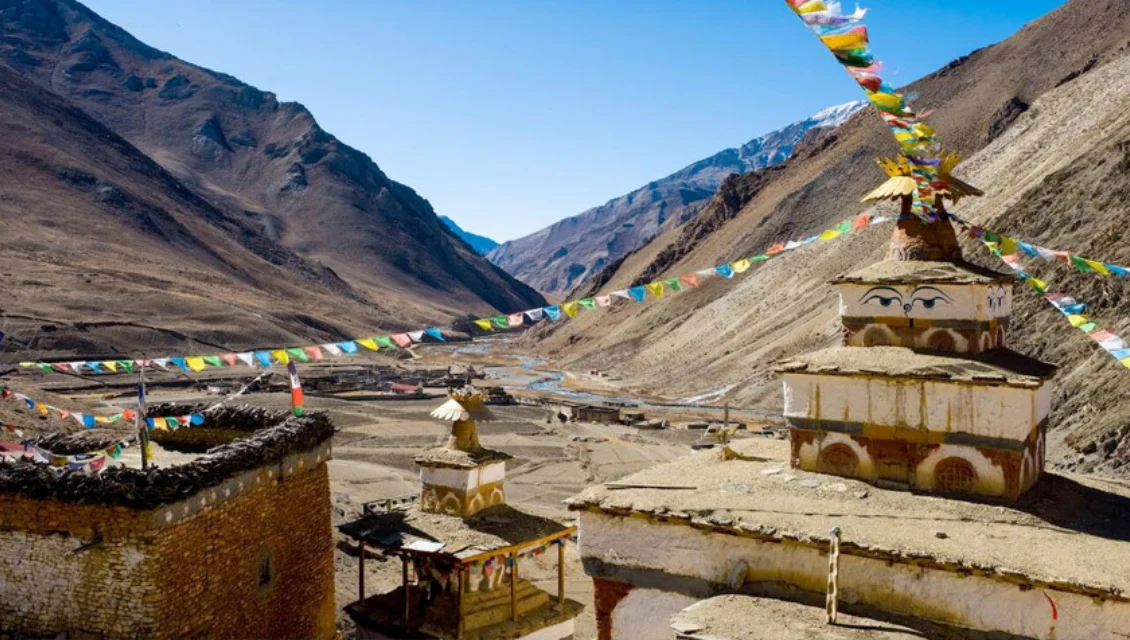
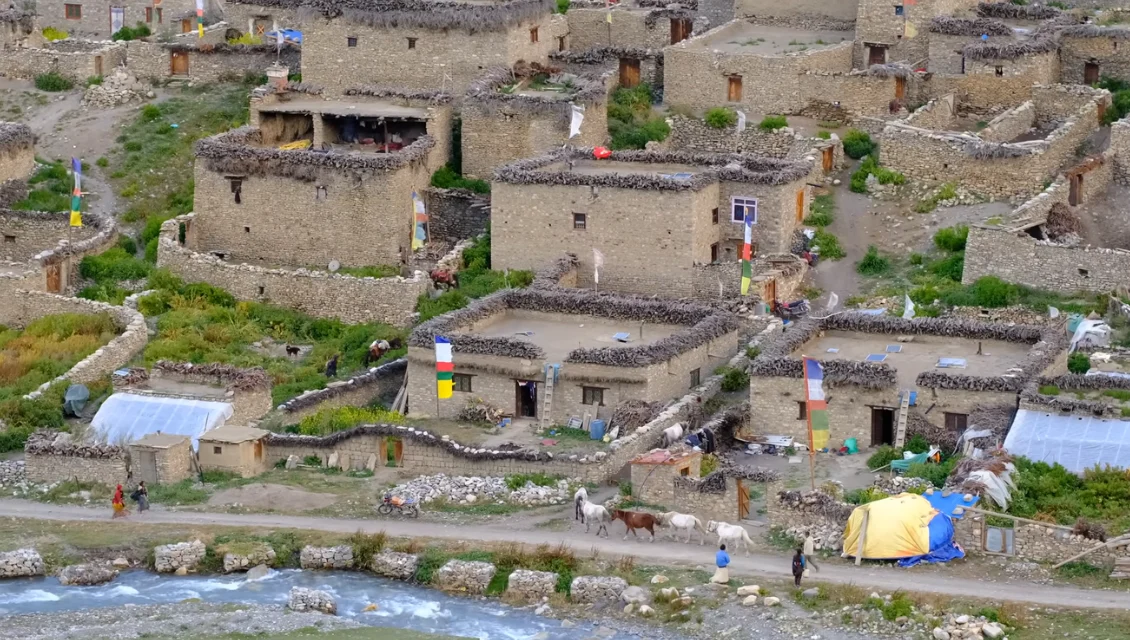
Villages such as Dho Tarap, Tarakot, and Ringmo showcase traditional stone houses, prayer flags, mani walls, and ancient monasteries. These settlements are remote and self-sufficient, relying on yak herding, barley farming, and trade across mountain passes.
Dho Tarap is one of the highest permanent human settlements in Nepal and serves as a cultural highlight of the trek, where trekkers can experience authentic Himalayan Buddhist traditions and warm local hospitality.
The combination of untouched wilderness, ancient culture, and dramatic landscapes makes the Lower Dolpo Trek one of the most rewarding and immersive trekking experiences in Nepal.
Temperatures are typical for the best travel months (May–June and September–October) and can change with the weather.
Welcome to Nepal! Upon arrival at Tribhuvan International Airport, one of our representatives from Nord Extreme will greet and assist you. Our team will help with permit arrangements, trekking briefing, gear checking, and final preparations for your Dolpo adventure.
You will also have free time to explore Thamel for last-minute shopping or personal preparations before the trek begins.
Activity Duration: 4–6 hours
Today is reserved for final trek preparations and special permit processing required for the Lower Dolpo region. Your guide will provide a detailed briefing regarding high-altitude trekking, remote trail conditions, and logistics. You may spend the day exploring Kathmandu’s UNESCO heritage sites or relaxing before the journey westward begins.
Flight Duration: 1 hour
Your journey begins with a scenic flight from Kathmandu to Nepalgunj, a bustling subtropical town near the Indian border. Upon arrival, transfer to your hotel and enjoy time to rest or explore the lively local markets. Nepalgunj serves as the gateway to the remote Dolpo region and offers a striking contrast to the high mountains ahead.
Flight Duration: 35 minutes
Take an early morning mountain flight to Juphal, offering spectacular views of the Dhaulagiri and Annapurna ranges. Upon landing, begin trekking with a gentle descent through terraced fields and traditional villages before reaching Dunai, the administrative center of Dolpo District, located beside the Bheri River.
Follow the Bheri River upstream through pine forests, suspension bridges, and dramatic river gorges. Arrive at Tarakot, an ancient fortress village once controlling the Tibetan trade route. Explore traditional stone houses, monasteries, and mani walls reflecting the region’s rich Tibetan-influenced culture.
Continue ascending along the Tarap Chu River through narrow gorges, juniper forests, and rugged canyons. The trail becomes increasingly remote and wild as you reach Laini, a small seasonal settlement surrounded by dramatic alpine landscapes.
Today’s trail follows winding river paths with rocky outcrops, narrow cliffside sections, and occasional landslide areas. Reach Nawarpani, a peaceful campsite surrounded by cliffs and waterfalls, where colder alpine conditions begin to dominate.
Trek through high-altitude meadows, juniper scrubland, and vast open valleys before arriving at Dho Tarap, one of Nepal’s highest permanent settlements. The village is culturally fascinating, inhabited by Tibetan Buddhists and Bon practitioners, with monasteries, prayer flags, and traditional stone homes scattered across the valley.
Activity Duration: 3–5 hours (optional walks)
Spend the day acclimatizing while exploring the spiritual heart of Dolpo. Visit monasteries such as Ribo Bhumpa and Bon Gompa, interact with local villagers, and learn about the ancient Bon religion and Tibetan Buddhist traditions still preserved here.
Leave Dho Tarap and continue toward the base of Numa La Pass. The route passes through wide grasslands, yak pastures, and seasonal campsites with spectacular views of rugged cliffs and snowy ridges. Overnight at a remote alpine campsite beneath towering rock walls.
Begin early to cross Numa La Pass, the highest point of the trek. The steep ascent rewards you with breathtaking views of the Dhaulagiri range, Norbung Kang, and surrounding Dolpo peaks. Descend carefully over rocky terrain to Danighar for overnight rest.
Another spectacular day crossing Baga La Pass, surrounded by glaciers, snowfields, and dramatic mountain scenery. Descend gradually to Yak Kharka, an open alpine meadow commonly used for yak grazing, with softer landscapes appearing as you approach the Phoksundo region.
A relatively gentle walk leads to the beautiful village of Ringmo beside the stunning turquoise waters of Phoksundo Lake. The lake’s deep-blue color, surrounded by towering cliffs and forests, creates one of the most unforgettable landscapes in Nepal.
Activity Duration: 3–5 hours (optional hikes)
Enjoy a rest day exploring Phoksundo Lake and its surroundings. Visit Tshowa Monastery, hike to viewpoints overlooking Suligad Waterfall, and experience the peaceful atmosphere of this sacred alpine environment.
Begin descending through pine and birch forests, passing waterfalls and rivers as the trail transitions into greener mid-hill terrain. Arrive at Chhepka, a peaceful village surrounded by lush vegetation.
Follow the Suligad River back toward Juphal, crossing wooden bridges and passing traditional Magar villages. Enjoy your final mountain views before reaching the small mountain airstrip town of Juphal.
Flight Duration: 35 minutes + 1 hour
Take an early morning flight from Juphal to Nepalgunj and connect onward to Kathmandu. Upon arrival, transfer to your hotel and enjoy a well-deserved rest after completing your unforgettable Lower Dolpo adventure.
Today marks the end of your journey in Nepal. Our team from Nord Extreme will transfer you to Tribhuvan International Airport for your onward flight.
We hope you leave Nepal with unforgettable memories of Lower Dolpo’s raw beauty, ancient culture, and remote Himalayan wilderness.
The best time for the Lower Dolpo Trek is May–June and September–October, with April, July–August and November also good. Typical daytime temperatures at Lo Manthang (3,840 m) in those months are around 18 °C, with colder nights at higher camps.
Mustang and Dolpo lie in the rain-shadow of the Annapurna and Dhaulagiri ranges, so they are one of the few regions you can trek during the summer monsoon. May–June and September–October are ideal; winters are harsh and many lodges close.
| Month | Conditions | Day | Night |
|---|---|---|---|
| January | Not recommended — severe cold, passes and lodges may close | 3 °C | -14 °C |
| February | Not recommended — severe cold, passes and lodges may close | 5 °C | -11 °C |
| March | Possible — very cold, snow on high passes | 9 °C | -6 °C |
| April | Good — mostly fine weather, fewer crowds | 14 °C | -1 °C |
| May | Best time — stable weather and clear views | 18 °C | 4 °C |
| June | Best time — stable weather and clear views | 21 °C | 8 °C |
| July | Good — green landscapes, some rain | 22 °C | 10 °C |
| August | Good — green landscapes, some rain | 21 °C | 10 °C |
| September | Best time — stable weather and clear views | 18 °C | 6 °C |
| October | Best time — stable weather and clear views | 13 °C | -1 °C |
| November | Good — mostly fine weather, fewer crowds | 8 °C | -7 °C |
| December | Not recommended — severe cold, passes and lodges may close | 4 °C | -12 °C |
Average day and night temperatures at Lo Manthang (3,840 m). Higher camps are colder.
Your packing checklist for Lower Dolpo Trek. Tick items off as you pack — down jackets and sleeping bags can also be rented in Kathmandu.
Private departures run on any date. Pick the start date that suits you and we will build the trip around it — same price, your own guide and team.
Accommodation
Accommodation is available in a combination of basic teahouses, local lodges, homestays, and camping facilities depending on the route and season.
Villages such as Dunai, Tarakot, Ringmo, and other settlements offer simple lodge accommodations with basic facilities. In more remote sections, camping may be required due to limited infrastructure.
Rooms are generally twin-sharing with simple bedding and shared bathroom facilities.
Meals
A full-board meal system (Breakfast, Lunch, and Dinner) is provided throughout the trek.
Meals are prepared either in local lodges or by the camping crew and are designed to provide sufficient energy for long trekking days.
Typical menu options include:
Food variety becomes more limited in remote sections of the trail.
Difficulty & Physical Requirements
The Lower Dolpo Trek is classified as moderate to strenuous, suitable for trekkers with good physical fitness and some previous trekking experience.
Daily trekking generally ranges from 5 to 8 hours, involving continuous ascents and descents through rugged mountain terrain.
The trek includes several high mountain passes, including:
Although no technical climbing is required, strong endurance and proper acclimatization are essential.
Permits
Required permits include:
Trekkers must travel with a registered guide and through an authorized trekking agency.
Best Season
Transportation & Access
The trek usually begins with flights from Kathmandu to Nepalgunj and onward to Juphal Airport.
From Juphal, the trekking route follows remote valleys through Dunai, Tarakot, Ringmo, and Phoksundo before crossing high mountain passes and returning through a circular route.
The journey involves multiple days in isolated mountain terrain.
Safety & Acclimatization
The trek reaches elevations above 5,000 meters and requires careful altitude management.
Important safety considerations include:
Experienced guides play a crucial role in ensuring safety and managing high-altitude risks.
Travel Insurance
Comprehensive travel insurance is mandatory and should include:
Guide & Porter Services
A licensed trekking guide is mandatory for the Lower Dolpo region due to restricted area regulations.
Porters and support staff are highly recommended to assist with luggage transportation and logistical support throughout the trek.
Cultural & Natural Highlights
The Lower Dolpo Trek offers an exceptional combination of wilderness, culture, and mountain adventure:
Essential Equipment
Recommended trekking gear includes:
Communication & Connectivity
Communication facilities are limited throughout the Lower Dolpo region.
Mobile coverage is available only in a few villages, while internet access is extremely limited. Trekkers should expect long periods without reliable communication.
Why Choose the Lower Dolpo Trek?
The Lower Dolpo Trek is perfect for trekkers seeking an authentic and remote Himalayan adventure:
The Lower Dolpo Trek is graded Moderate — suitable for most active travellers. Expect 5–7 hours of walking on most days on mountain trails with plenty of ascents and descents. Regular cardio training — hiking, running, cycling or stair climbing — for 6–8 weeks before departure makes the trip far more enjoyable.
For the Mustang & Dolpo (rain-shadow) region the best months are May–June and September–October. Mustang and Dolpo lie in the rain-shadow of the Annapurna and Dhaulagiri ranges, so they are one of the few regions you can trek during the summer monsoon. May–June and September–October are ideal; winters are harsh and many lodges close.
You need the Annapurna Conservation Area Permit and, for Upper Mustang or Dolpo, the restricted area permit. Nord Extreme arranges every permit for you before the trip starts — check the "Includes" section above for exactly what is covered in the price. Just bring your passport and a few passport-size photos.
In Kathmandu you stay in a comfortable hotel; on the trail we use the best available family-run teahouses and lodges with twin-share rooms, shared or attached bathrooms and a warm dining room. Upgrades to luxury lodges are possible on popular routes such as Everest and Annapurna.
Both. You can join one of the fixed departures listed under "Dates & Prices", or book a private trip for just you, your family or friends on any date. Solo travellers are welcome — you will always have your own licensed guide.
Yes, travel insurance is compulsory. It must cover medical treatment and emergency helicopter evacuation up to the trip’s highest altitude, plus trip cancellation. Please send us your policy details before departure.
See the "What to bring" checklist on this page for the full list. The essentials are broken-in boots, warm layers, a down jacket, a waterproof shell, sun protection and a daypack. Down jackets and sleeping bags can be rented cheaply in Kathmandu, and a porter carries your main bag (up to 10–12 kg).

Namaste! 🙏
Welcome to Nord Extreme Himalaya. Questions about Lower Dolpo Trek? Send us a message — a Sherpa trip expert in Kathmandu will reply on WhatsApp.
Mr. Sonam G. SherpaOpens WhatsApp · +9779851078748