Transportations
- Private/tourist vehicles for airport pickup and drop-off in Kathmandu.
- Private/tourist vehicles transfer as per itinerary to access the trailheads.
- Domestic flight included for access to the trekking starting & ending point.
The Sailung Trek is a short and culturally enriching Himalayan journey located in eastern Nepal, offering one of the best panoramic hilltop views of the Himalayas without requiring high-altitude trekking. Known as the “Land of a Hundred Hills,” Sailung is a peaceful destination ideal for beginners, cultural travelers, and those seeking a quiet escape close to Kathmandu.
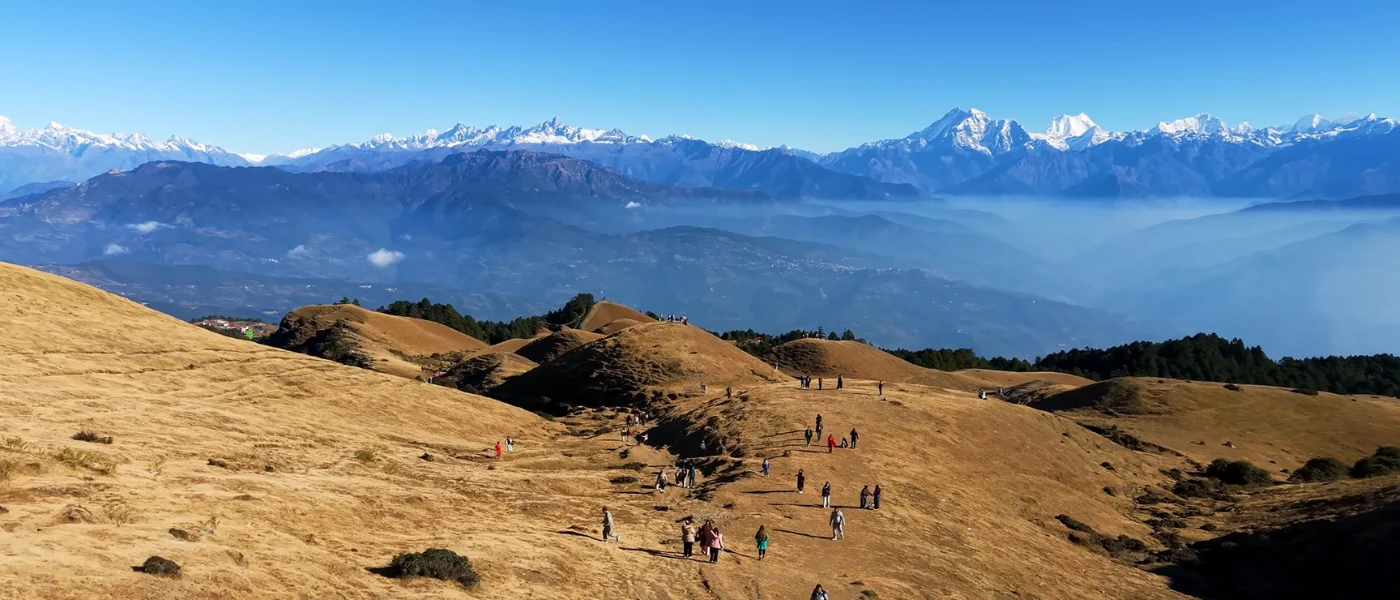
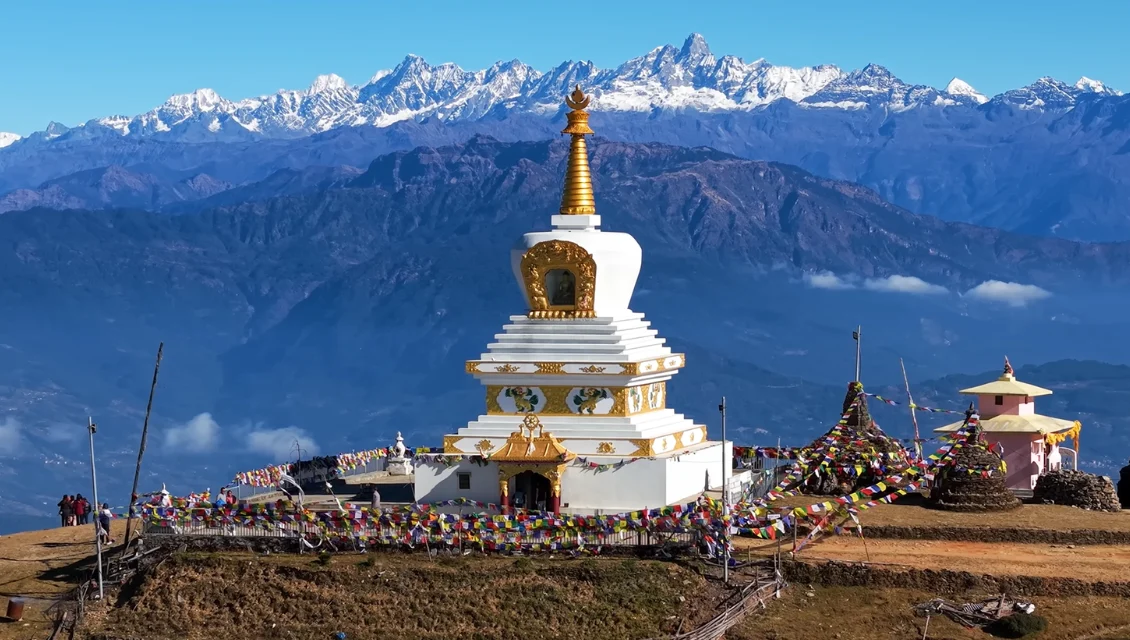
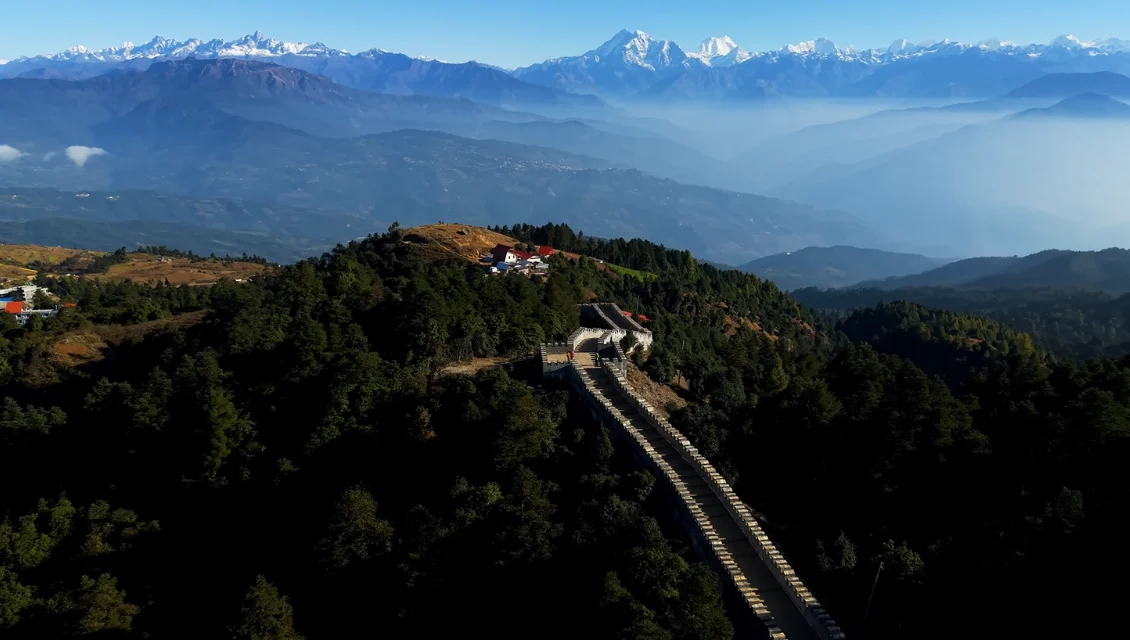
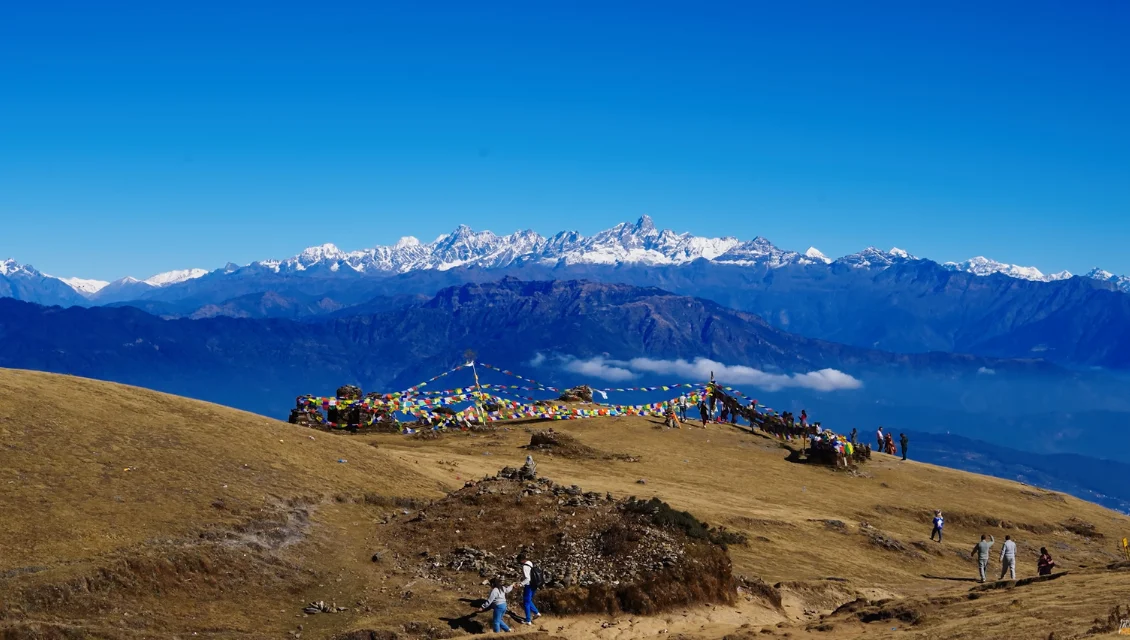
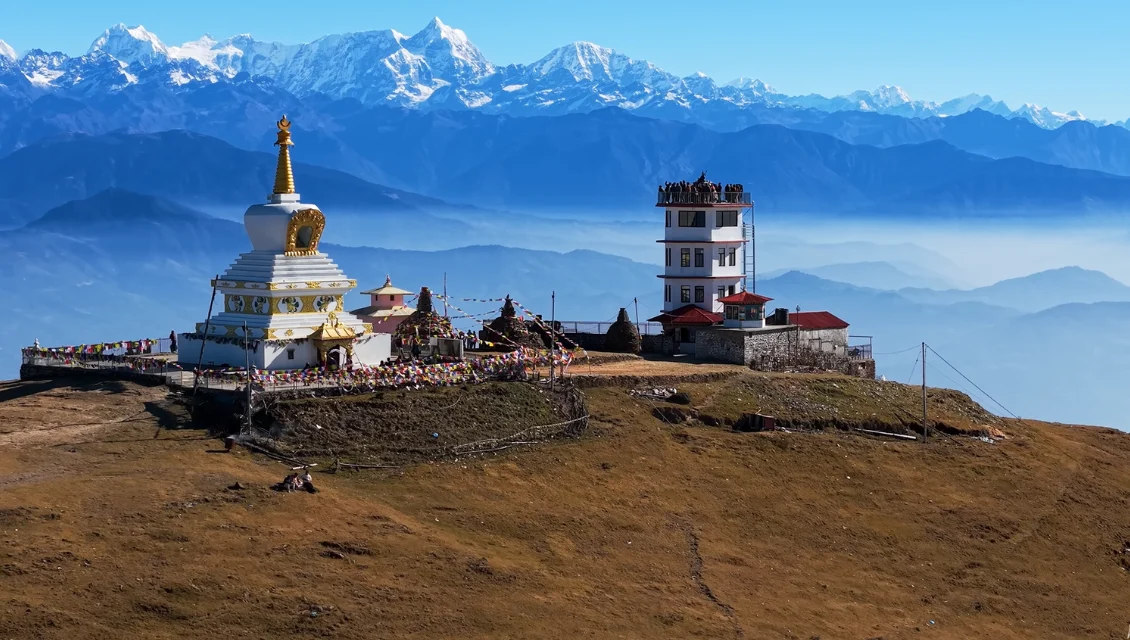
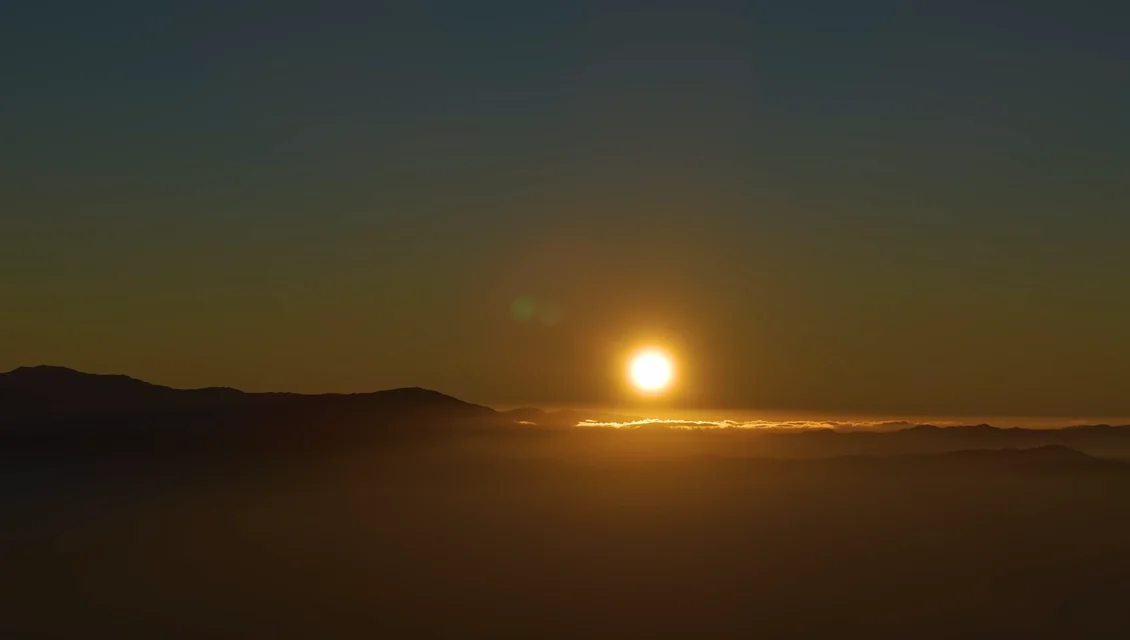
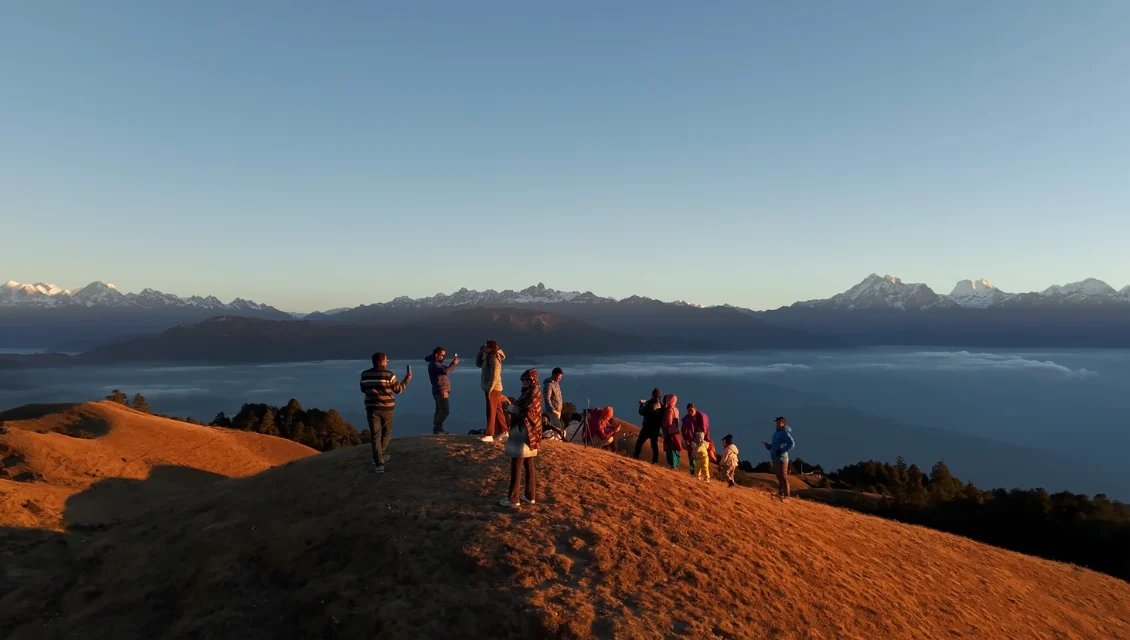
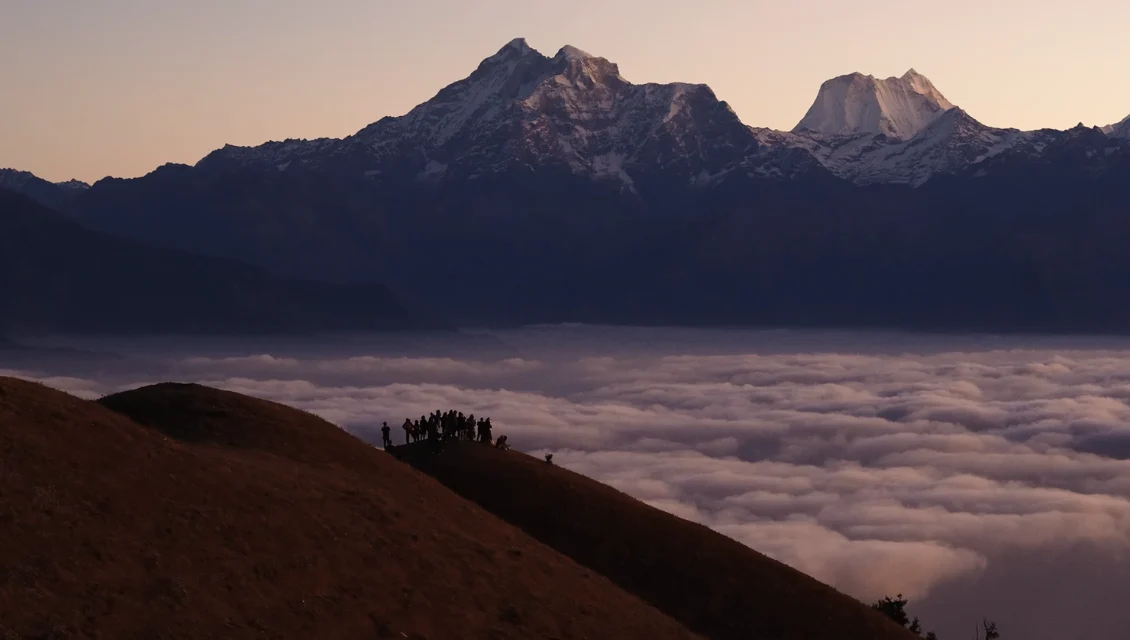
The highlight of the trek is Sailung Hill (around 3,146 m), which provides a spectacular 360-degree view of Himalayan ranges including Gauri Shankar, Langtang Himal, Rolwaling Himal, and even distant views of Everest region peaks on clear days. The sunrise and sunset views from Sailung are especially famous for their golden light over rolling hills and snow-capped mountains.
This trek is perfect for short holidays, spiritual journeys, and cultural exploration in a peaceful natural setting.
The Sailung Trek is located in the Dolakha and Ramechhap districts of eastern Nepal, within a mid-hill region that connects several Himalayan ranges. The area lies between the Langtang, Rolwaling, and Everest regions, making it a natural viewpoint for multiple mountain systems.
The journey typically begins with a drive from Kathmandu to Charikot or nearby trailheads, followed by trekking through rolling green hills, terraced farmlands, and traditional villages. The lower sections are rich in agriculture, forests, and small settlements that reflect rural Nepali life.
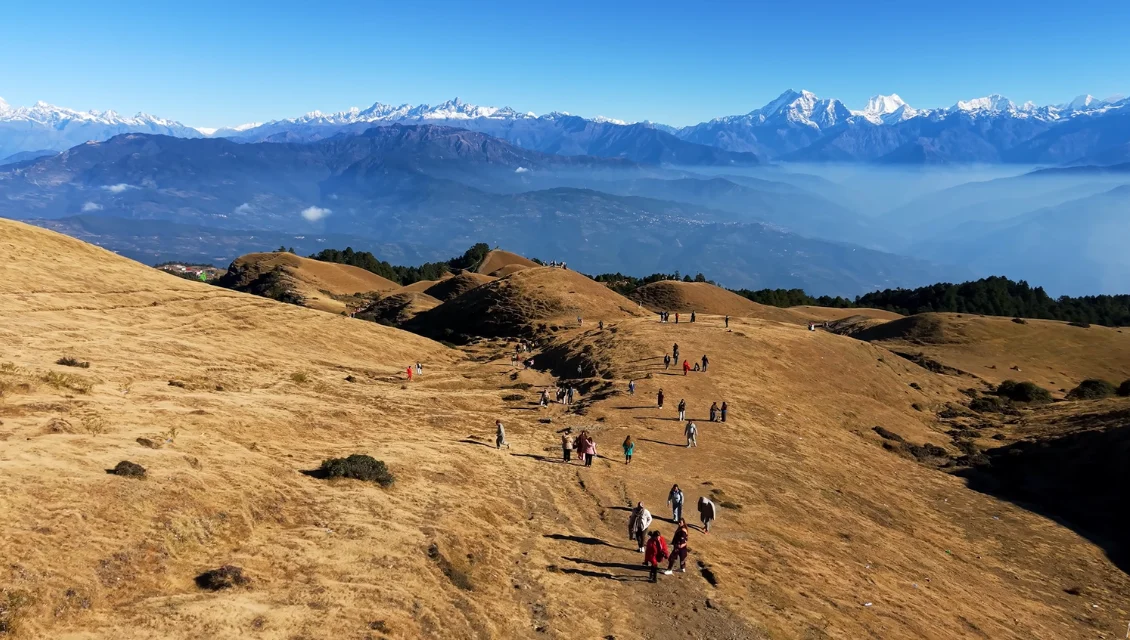
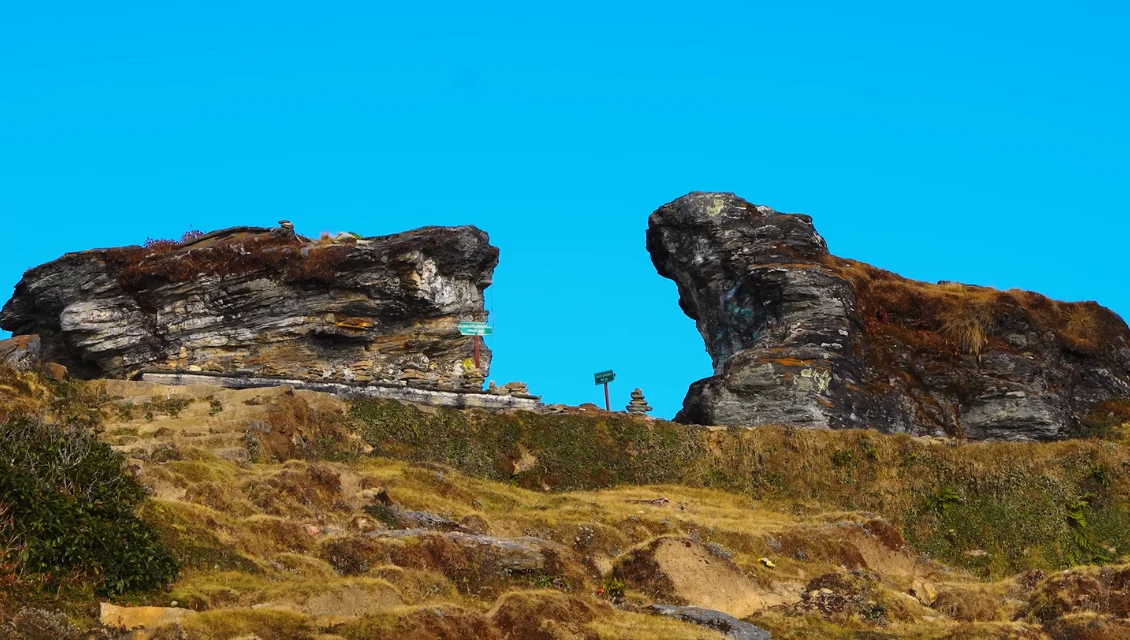
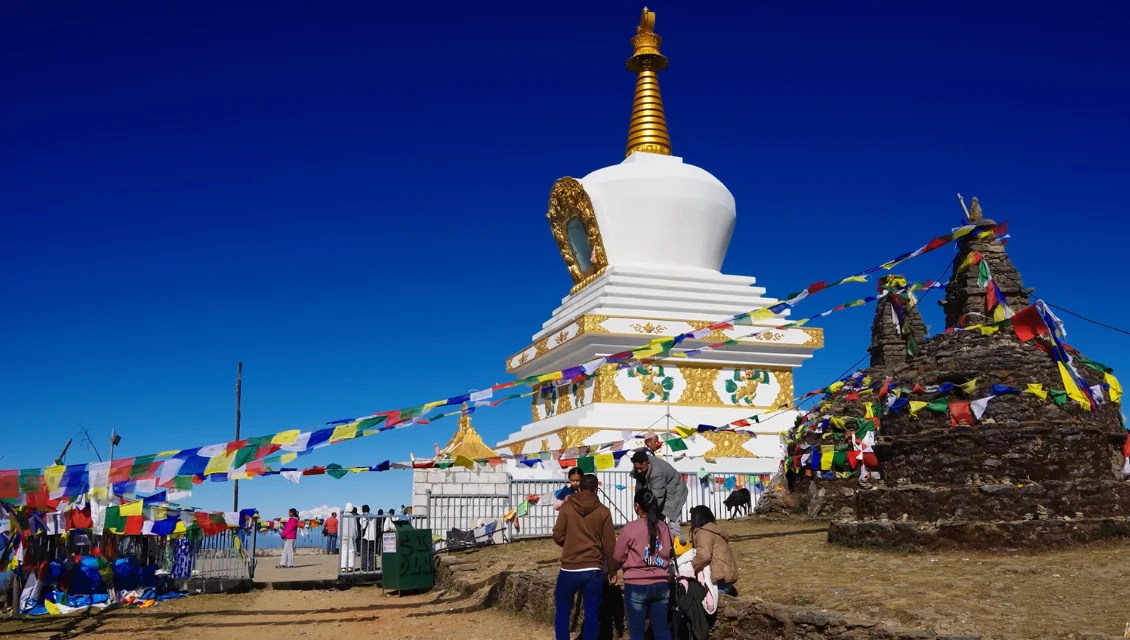
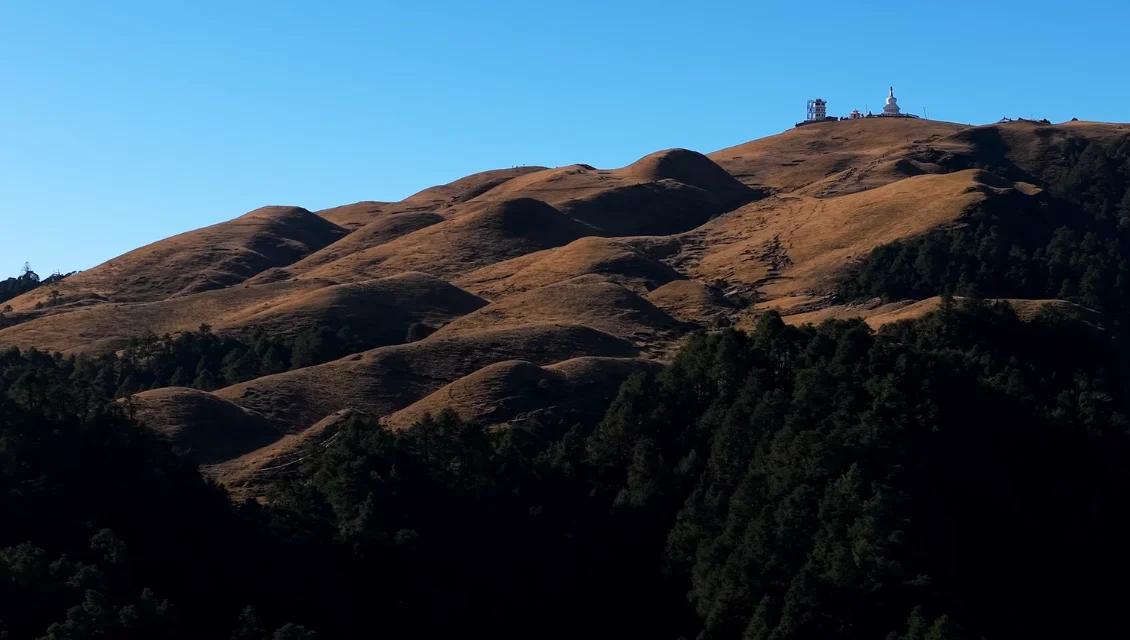
As the trail ascends toward Sailung Hill, the landscape opens into wide grassy ridges, open meadows, and sacred hilltops decorated with prayer flags and small shrines. Unlike high-altitude treks, Sailung remains relatively gentle in elevation, making it accessible and comfortable.
The hilltop itself is a spiritual and natural highlight, offering uninterrupted panoramic views of the Himalayas. The surrounding landscape is peaceful and less commercialized, with a strong sense of natural simplicity and openness.
Sailung is also known for its seasonal flower blooms, birdwatching opportunities, and serene walking trails that pass through forested ridges and traditional grazing lands.
The best seasons for the Sailung Trek are spring (March–May) and autumn (September–November). These months offer clear skies, stable weather, and the best mountain visibility.
Spring brings lush greenery, blooming rhododendrons, and pleasant temperatures, making the hills especially vibrant and colorful. Autumn provides crisp air, dry trails, and some of the clearest Himalayan views after the monsoon season.
Winter (December–February) is cold but still possible, especially for short treks, though early mornings can be foggy and chilly. The monsoon season (June–August) brings heavy rainfall, mist, and reduced visibility, making it less ideal for mountain views.
Overall, autumn is considered the best time for clear panoramic visibility and comfortable trekking conditions.
The Sailung region is home to a diverse mix of ethnic communities, including Tamang, Sherpa, Newar, and Brahmin-Chhetri groups. The cultural diversity of the area adds richness to the trekking experience.
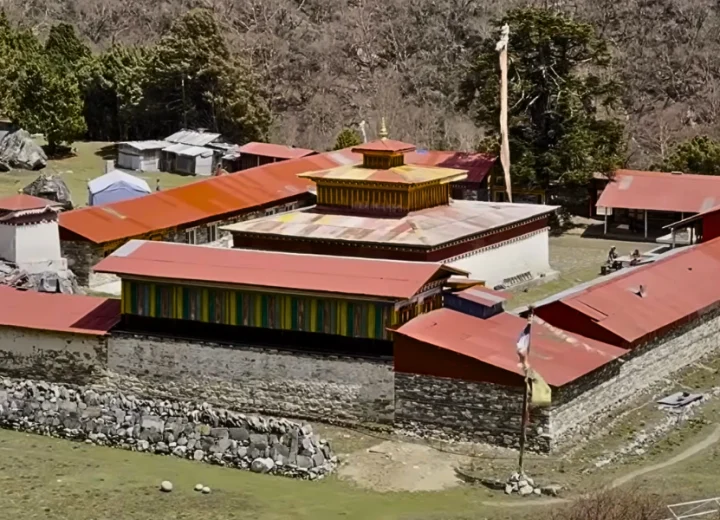
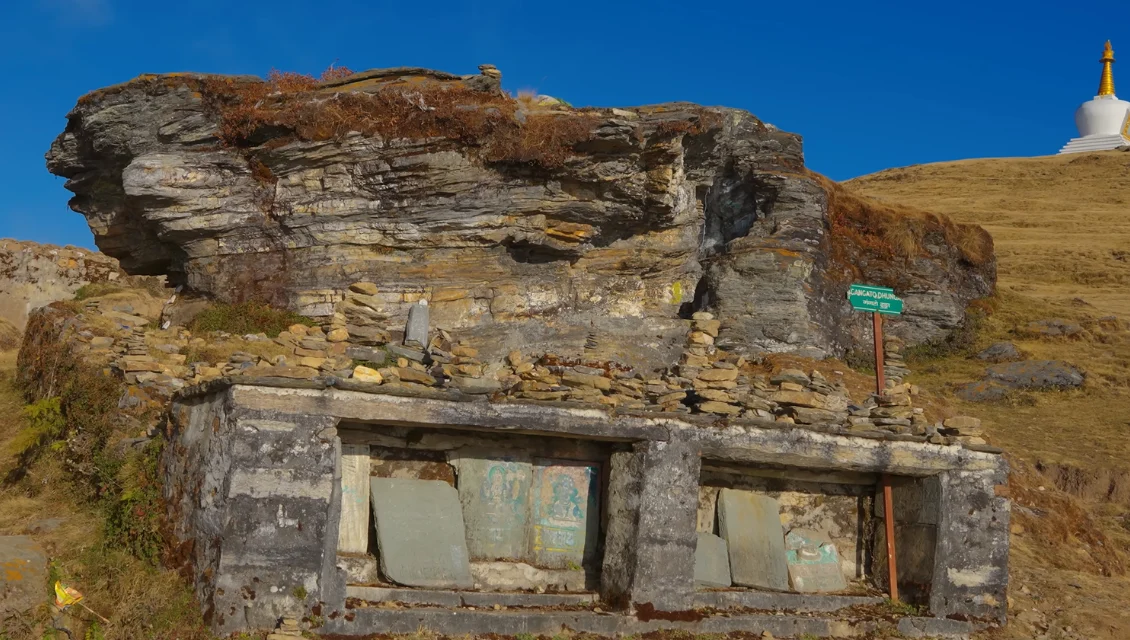
The region is spiritually significant for both Hindu and Buddhist communities. Sailung Hill is considered a sacred site, with temples, stupas, and prayer flags scattered across the ridges. Local legends and religious beliefs are deeply connected to the landscape.
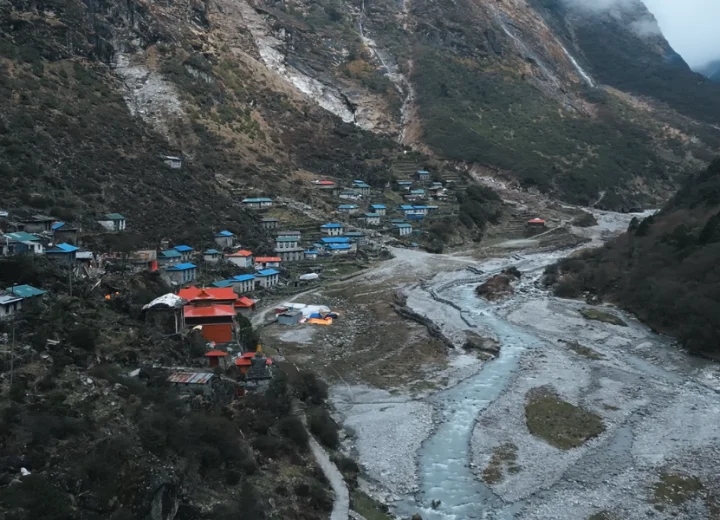
Villages along the trail reflect traditional rural life in Nepal, with stone houses, terraced farming, and strong community bonds. Festivals, rituals, and seasonal farming activities are an important part of daily life.
The Sailung Trek offers a unique combination of spiritual atmosphere, cultural diversity, and Himalayan scenery, making it one of the most peaceful and accessible trekking experiences in Nepal.
Temperatures are typical for the best travel months (February–April and October–November) and can change with the weather.
Arrive at Tribhuvan International Airport in Kathmandu, where you will be welcomed and transferred to your hotel. After check-in, you can rest or explore the vibrant Thamel area depending on your arrival time. This bustling tourist hub is filled with trekking shops, cafés, and cultural shops.
The rest of the day is for relaxation and preparation for your upcoming journey to the hills of Sailung.
Today is dedicated to final preparations for the trek. Your guide will brief you about the route, safety instructions, and what to expect in the coming days. Any necessary permits are arranged, and gear is checked or rented if needed.
You can also explore Kathmandu’s cultural highlights such as Durbar Square or nearby heritage sites if time allows. Overnight stay in Kathmandu.
Early morning departure from Kathmandu begins your journey toward Sailung. The drive follows the Arniko Highway, passing through scenic hills, rivers, and rural settlements. The landscape gradually shifts from urban valleys to peaceful countryside.
Mude Bazaar is a lively hill town and the gateway to the Sailung region. Upon arrival, you can explore the local market and interact with locals before settling into a lodge for the night.
The trekking adventure officially begins. The trail passes through peaceful forests of rhododendron and oak, with occasional open clearings offering mountain glimpses. You may encounter grazing livestock and small rural settlements along the way.
Khola Kharka or Dhunge provides a quiet resting place surrounded by nature, where you will stay overnight in simple teahouse accommodation.
Today you ascend to the sacred Sailung ridge, one of the most scenic highlights of the trek. The trail climbs gradually through alpine hills, becoming more open as you gain height.
From Thulo Sailung, enjoy a breathtaking 360-degree Himalayan panorama, including views of Everest, Langtang, Gaurishankar, and Dhaulagiri ranges on clear days. The ridge is sacred to both Hindu and Buddhist traditions, marked by chortens, prayer flags, and the shrine of Sailung Mahadev.
Wake early to witness a stunning sunrise over the Himalayas. After breakfast, explore the spiritual Sailung ridge, believed to be a sacred land protected by local deities.
Later, begin your descent through rhododendron forests and scenic ridges toward Surke or Chaichap villages. These settlements are home to Sherpa and Tamang communities, offering warm hospitality and cultural experiences including traditional food and local lifestyle.
Today’s trail leads through beautiful hillside villages toward Doramba, a culturally rich Tamang settlement known for its traditions, crafts, and agriculture. The walk is peaceful with gentle descents and scenic views of surrounding hills.
From Doramba or nearby road access, you take a jeep back to Kathmandu. Arrive in the capital by evening and transfer to your hotel.
Final day in Nepal. Depending on your flight schedule, you will be transferred to the airport for your onward journey. If time permits, enjoy last-minute shopping or a relaxed morning in Kathmandu.
Your Sailung trek concludes with unforgettable memories of Himalayan views, spiritual landscapes, and cultural encounters.
The best time for the Sailung Trek is February–April and October–November, with May, September and December–January also good. Typical daytime temperatures at Kathmandu (1,400 m) in those months are around 25 °C, with colder nights at higher camps.
The Kathmandu Valley can be visited all year. October–November and March–April are pleasant and clear; December–February are sunny with cold mornings, and the monsoon brings afternoon showers but green, uncrowded heritage sites.
| Month | Conditions | Day | Night |
|---|---|---|---|
| January | Good — clear skies, cold nights and fewer trekkers | 19 °C | 2 °C |
| February | Best time — stable weather and clear views | 21 °C | 4 °C |
| March | Best time — stable weather and clear views | 25 °C | 8 °C |
| April | Best time — stable weather and clear views | 28 °C | 11 °C |
| May | Good — mostly fine weather, fewer crowds | 29 °C | 16 °C |
| June | Possible — monsoon showers and cloud | 29 °C | 19 °C |
| July | Possible — monsoon showers and cloud | 28 °C | 20 °C |
| August | Possible — monsoon showers and cloud | 28 °C | 20 °C |
| September | Good — green landscapes, some rain | 28 °C | 18 °C |
| October | Best time — stable weather and clear views | 27 °C | 13 °C |
| November | Best time — stable weather and clear views | 23 °C | 7 °C |
| December | Good — clear skies, cold nights and fewer trekkers | 20 °C | 3 °C |
Average day and night temperatures at Kathmandu (1,400 m). Higher camps are colder.
Your packing checklist for Sailung Trek. Tick items off as you pack — down jackets and sleeping bags can also be rented in Kathmandu.
Private departures run on any date. Pick the start date that suits you and we will build the trip around it — same price, your own guide and team.
Accommodation
Accommodation is mainly provided in basic teahouses, homestays, and community lodges along the trekking route.
Villages such as Dhunge, Deurali, and Sailung Danda offer simple lodging facilities with twin-sharing rooms and basic bedding.
Facilities are modest but comfortable, with strong local hospitality from Tamang and Sherpa communities.
Meals
A full-board meal system (Breakfast, Lunch, and Dinner) is provided throughout the trek.
Meals are freshly prepared in local lodges and homestays.
Typical menu options include:
Food is simple, organic, and locally sourced.
Difficulty & Physical Requirements
The Sailung Trek is classified as easy to moderate, making it suitable for beginners, families, and cultural trekkers.
Daily walking generally ranges from 3 to 6 hours, with gentle ascents and well-defined trails through hills and forests.
No technical skills or high-altitude experience are required.
Permits
Required permits include:
All permits are easily arranged through trekking agencies or local operators.
Best Season
Transportation & Access
The trek is easily accessible from Kathmandu via road transport.
Common access points include drives to Charikot or Bhojpur Border Area depending on the itinerary, followed by short hikes into Sailung Danda.
The region is ideal for short trekking and weekend cultural trips from Kathmandu.
Safety & Acclimatization
Sailung reaches moderate elevations (around 3,200–3,300 meters) and does not pose significant altitude risk.
Key safety considerations include:
The trek is generally very safe and suitable for all age groups.
Travel Insurance
Although not high-risk, travel insurance is recommended and should include:
Guide & Porter Services
A guide is optional but recommended for cultural insight and easier navigation through village trails.
Porters are generally not required due to the short and easy nature of the trek.
Local guides can also provide detailed interpretation of cultural and spiritual sites.
Cultural & Natural Highlights
The Sailung Trek offers a peaceful blend of nature and spirituality:
Essential Equipment
Recommended trekking gear includes:
Communication & Connectivity
Mobile network coverage is generally available in most sections of the trail, though signal strength may vary in higher ridges.
Wi-Fi is available in some homestays, but connectivity is not a major concern due to proximity to Kathmandu.
Why Choose the Sailung Trek?
The Sailung Trek is perfect for those seeking a short, scenic, and culturally rich Himalayan experience:
The Sailung Trek offers a refreshing escape into nature and spirituality, making it one of Nepal’s most accessible yet rewarding short trekking destinations.
The Sailung Trek is graded Moderate — suitable for most active travellers. Expect 5–7 hours of walking on most days on mountain trails with plenty of ascents and descents. Regular cardio training — hiking, running, cycling or stair climbing — for 6–8 weeks before departure makes the trip far more enjoyable.
For the Kathmandu Valley & mid-hills region the best months are February–April and October–November. The Kathmandu Valley can be visited all year. October–November and March–April are pleasant and clear; December–February are sunny with cold mornings, and the monsoon brings afternoon showers but green, uncrowded heritage sites.
You need entry tickets for the heritage sites you visit. Nord Extreme arranges every permit for you before the trip starts — check the "Includes" section above for exactly what is covered in the price. Just bring your passport and a few passport-size photos.
In Kathmandu you stay in a comfortable hotel; on the trail we use the best available family-run teahouses and lodges with twin-share rooms, shared or attached bathrooms and a warm dining room. Upgrades to luxury lodges are possible on popular routes such as Everest and Annapurna.
Both. You can join one of the fixed departures listed under "Dates & Prices", or book a private trip for just you, your family or friends on any date. Solo travellers are welcome — you will always have your own licensed guide.
Yes, travel insurance is compulsory. It must cover medical treatment and emergency helicopter evacuation up to the trip’s highest altitude, plus trip cancellation. Please send us your policy details before departure.
See the "What to bring" checklist on this page for the full list. The essentials are broken-in boots, warm layers, a down jacket, a waterproof shell, sun protection and a daypack. Down jackets and sleeping bags can be rented cheaply in Kathmandu, and a porter carries your main bag (up to 10–12 kg).
Keep exploring

Namaste! 🙏
Welcome to Nord Extreme Himalaya. Questions about Sailung Trek? Send us a message — a Sherpa trip expert in Kathmandu will reply on WhatsApp.
Mr. Sonam G. SherpaOpens WhatsApp · +9779851078748