Transportations
- Private/tourist vehicles for airport pickup and drop-off in Kathmandu.
- Private/tourist vehicles transfer as per itinerary to access the trailheads.
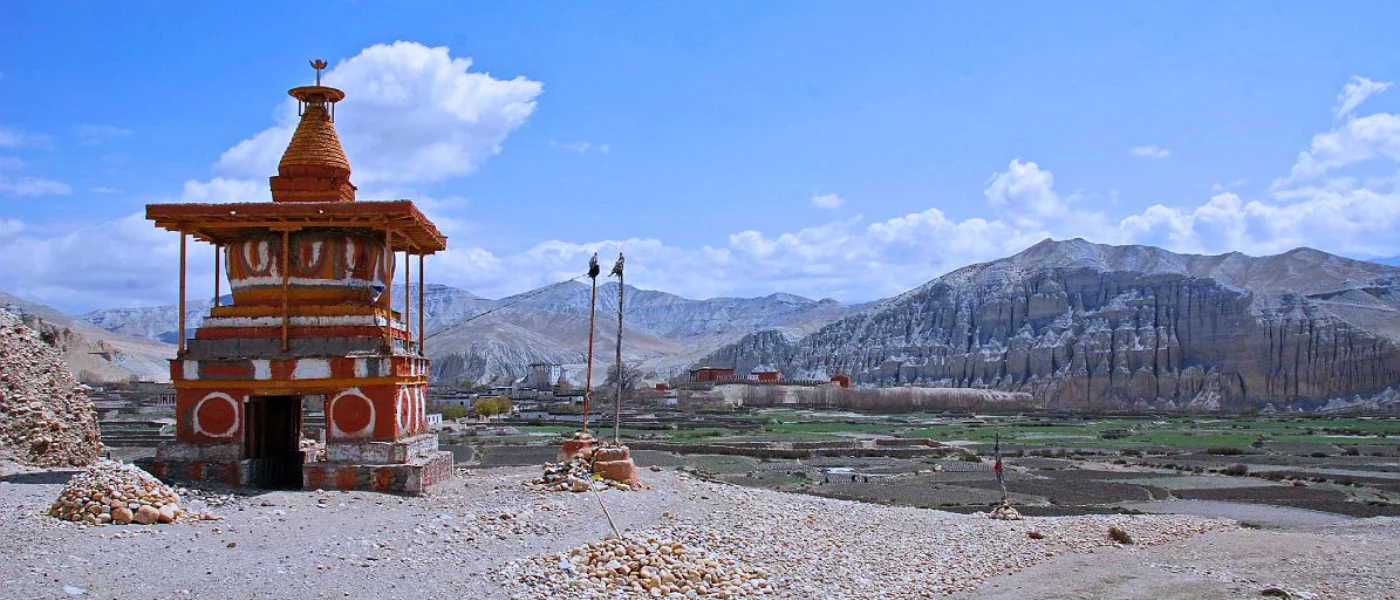
The Upper Mustang Trek is a unique and culturally rich Himalayan journey that takes travelers into the ancient “Forbidden Kingdom of Lo,” a remote trans-Himalayan region of northern Nepal. Once restricted to outsiders, Upper Mustang has preserved its centuries-old Tibetan Buddhist culture, desert-like landscapes, and walled medieval villages, making it one of the most fascinating trekking destinations in Nepal.
Unlike lush Himalayan routes, Upper Mustang lies in a rain-shadow area, offering dramatic arid scenery, colorful cliffs, and deep canyons shaped by wind and time. The trek is ideal for travelers seeking a cultural expedition rather than a forest or glacier-based adventure.
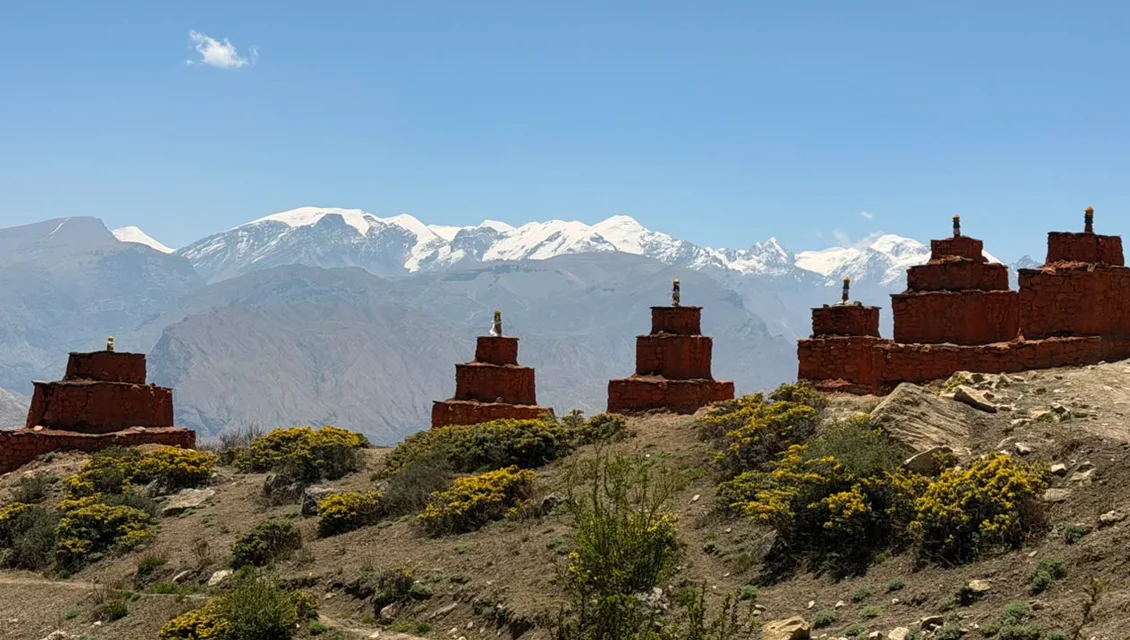
The journey offers spectacular views of the Annapurna and Dhaulagiri ranges, including peaks such as Dhaulagiri and surrounding Himalayan massifs. The highlight of the trek is the ancient capital of Lo Manthang, a historic walled city rich in monasteries, royal palaces, and traditional Tibetan culture.
This trek is perfect for cultural explorers, photographers, and trekkers seeking a high-altitude desert landscape with deep historical significance.
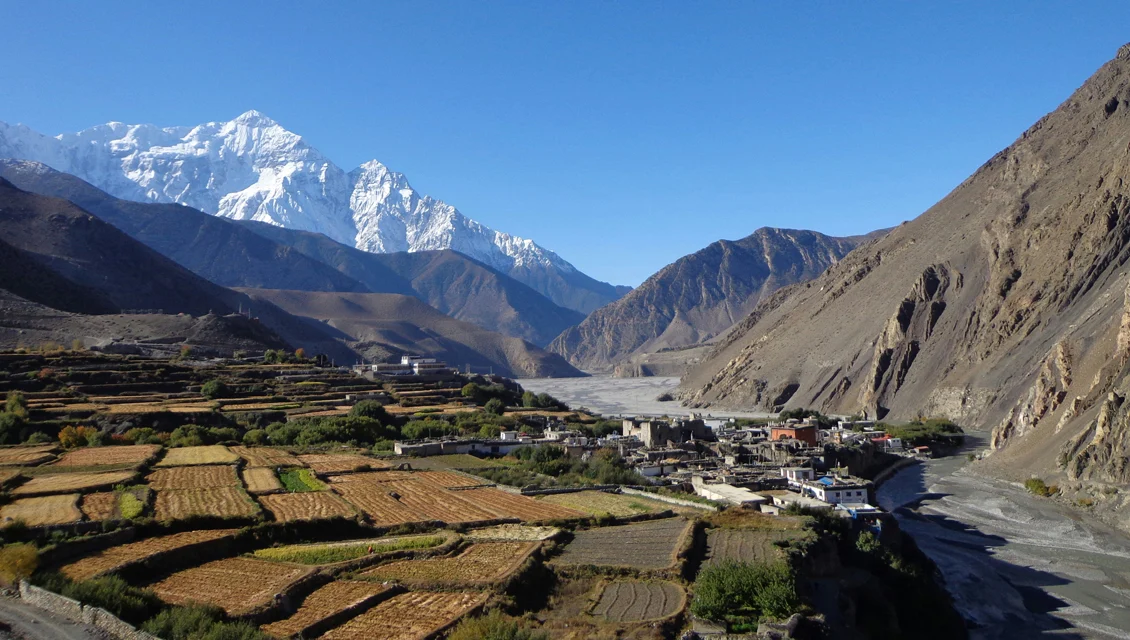
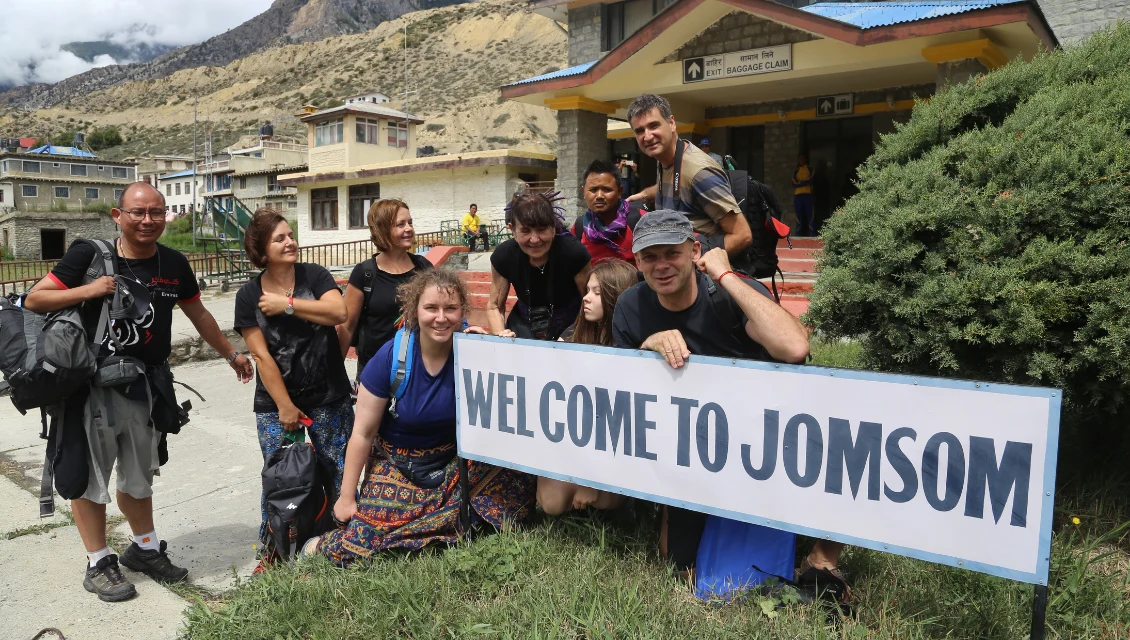
The Upper Mustang Trek is located in north-central Nepal within Annapurna Conservation Area, but lies in a distinct rain-shadow region north of the Annapurna range. The journey typically begins with a flight or drive to Jomsom, followed by trekking through the Kali Gandaki Valley into restricted Upper Mustang territory.
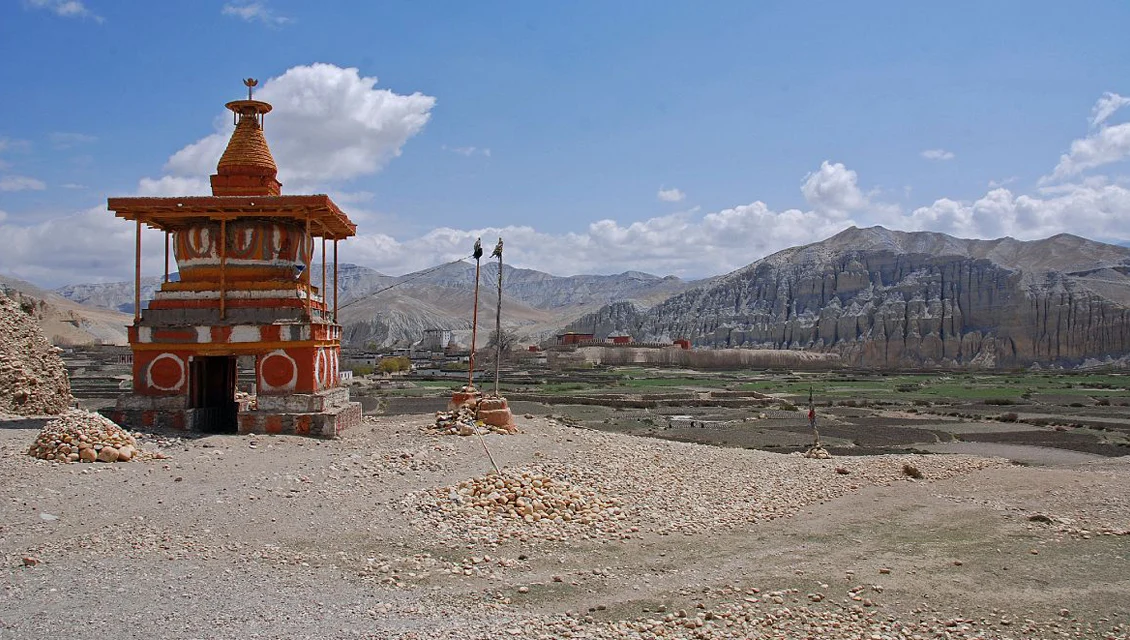
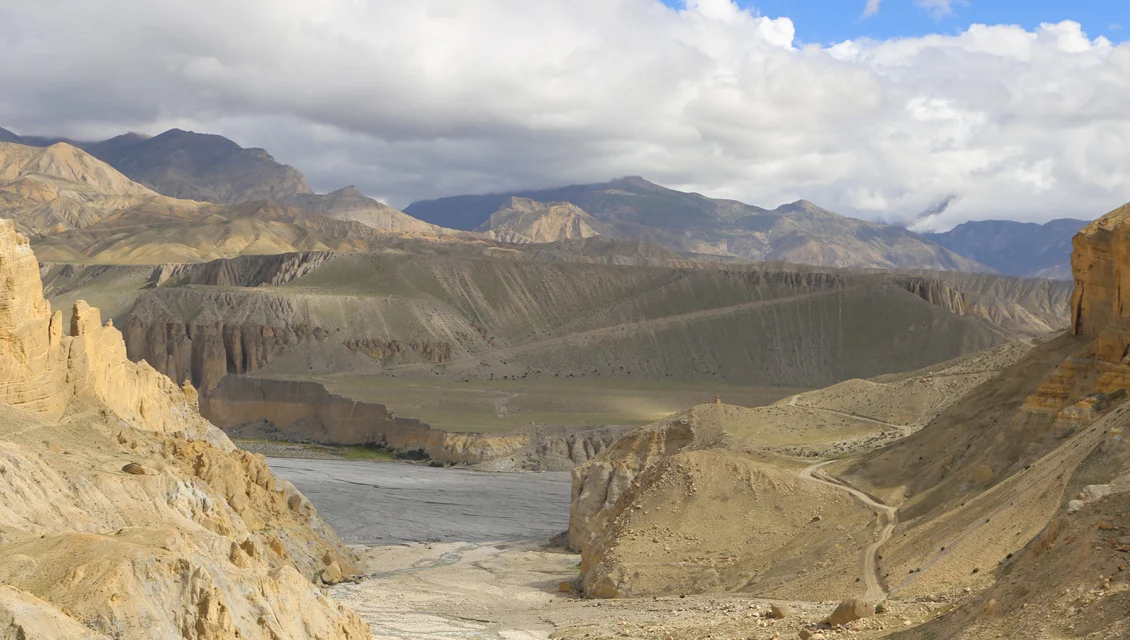
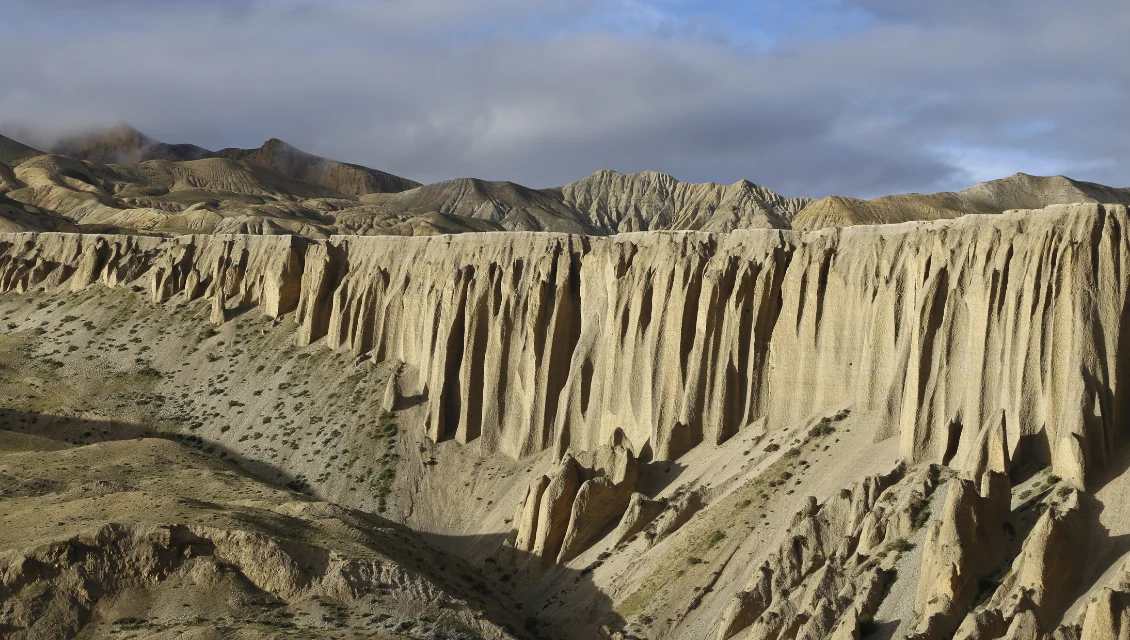
The landscape is starkly different from other parts of Nepal. Instead of lush forests, trekkers encounter dry, barren hills, red and ochre cliffs, wind-eroded canyons, and vast open valleys. The region closely resembles the Tibetan plateau, with strong winds and minimal vegetation.
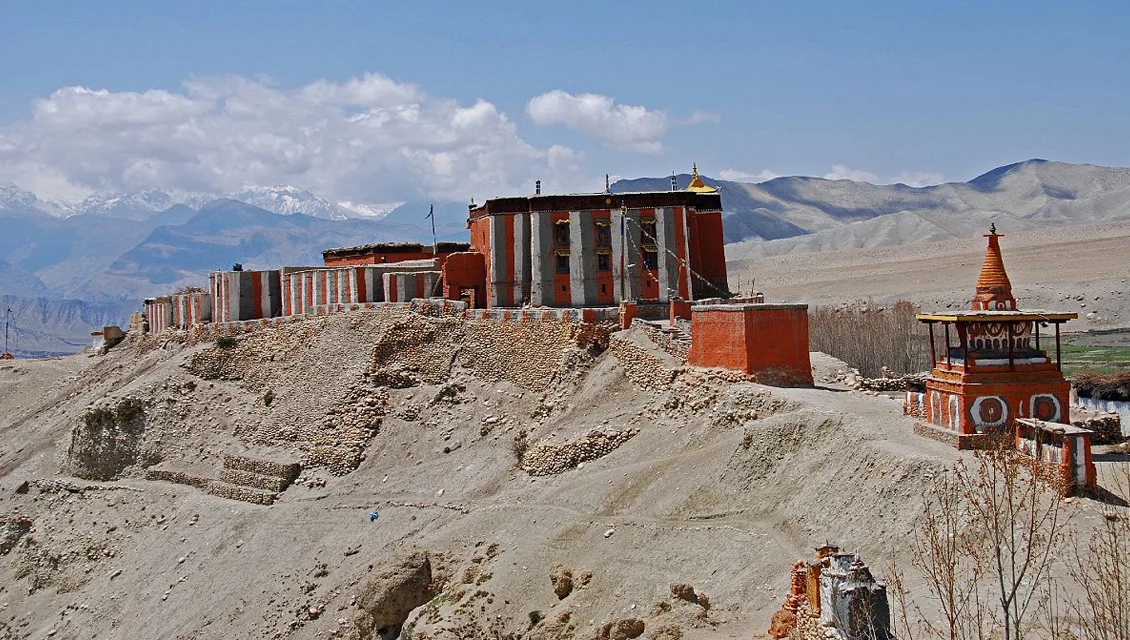
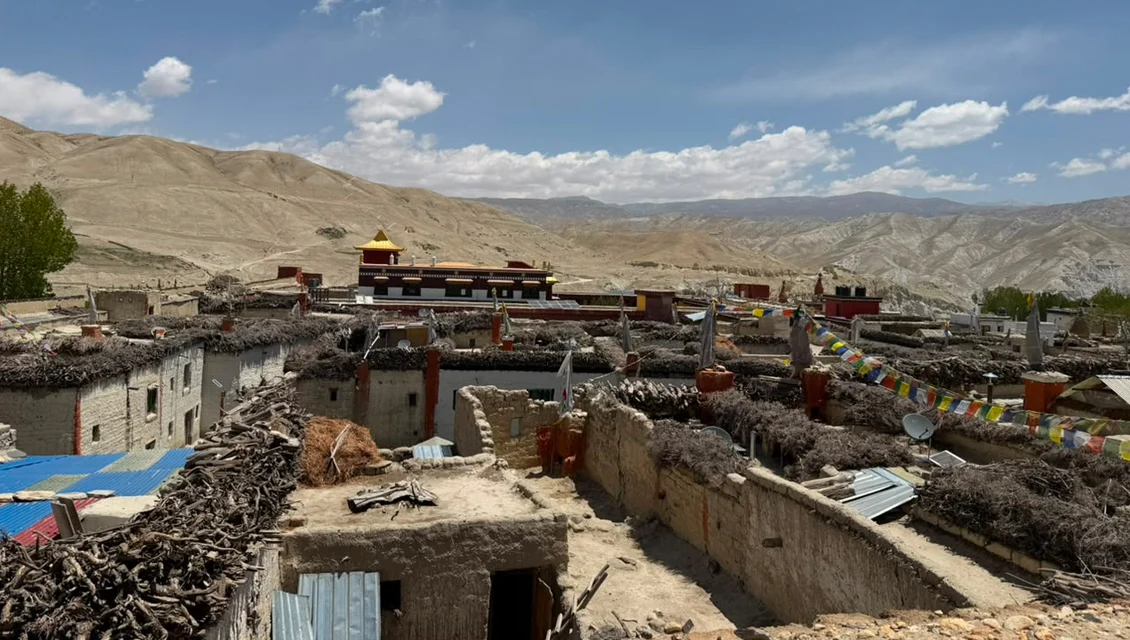
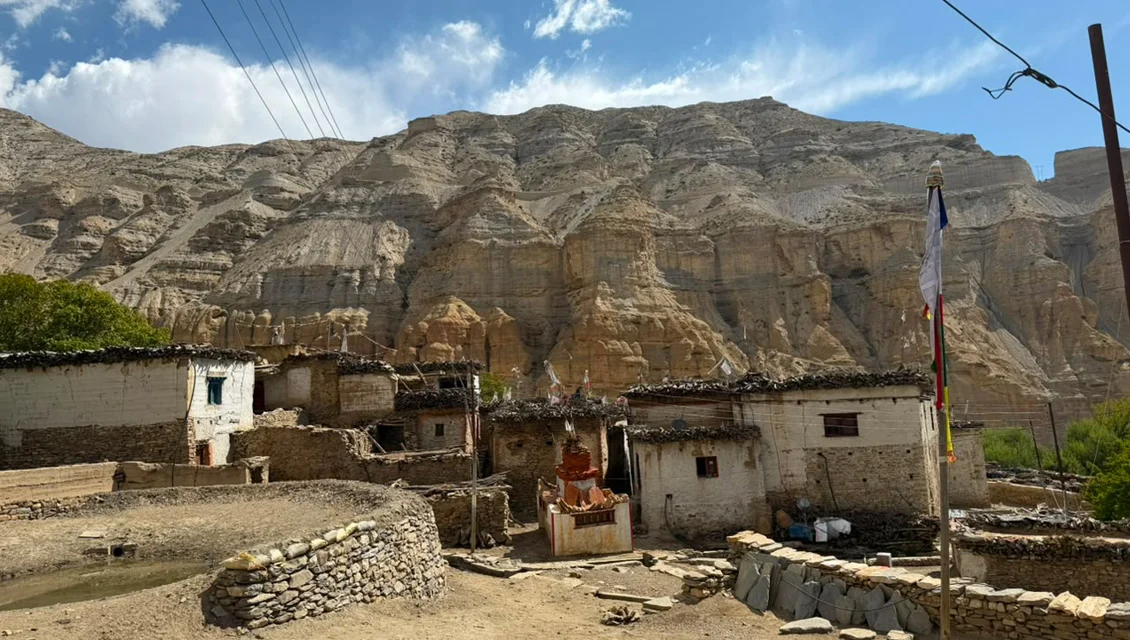
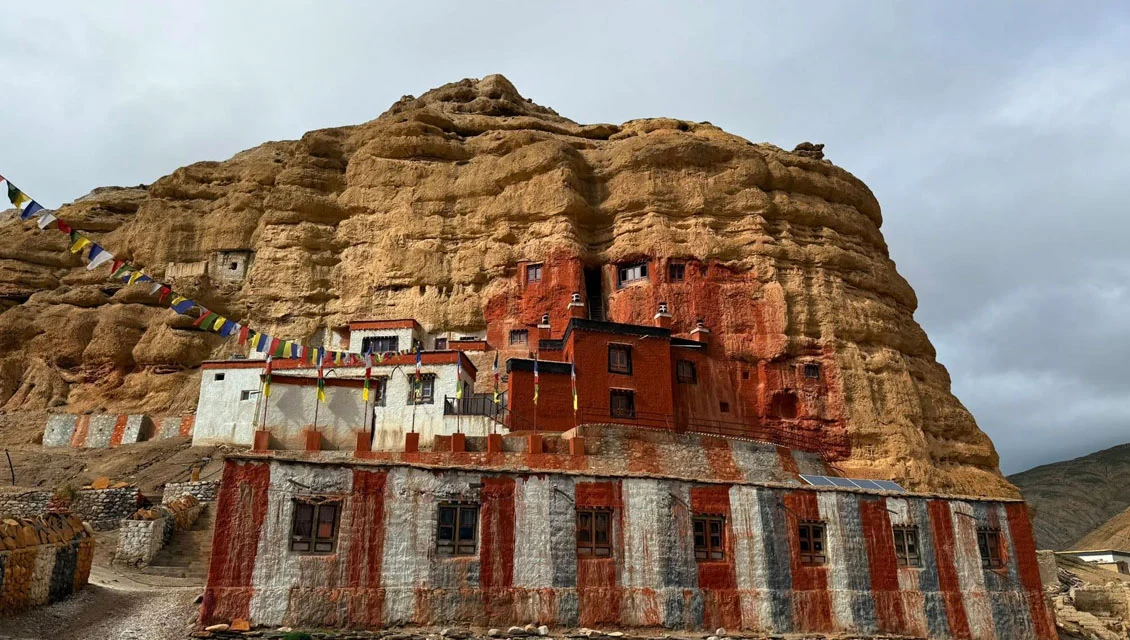
Key stops along the route include Kagbeni, Chele, Syangboche, Ghami, Tsarang, and finally Lo Manthang. Each village is characterized by mud-brick houses, ancient monasteries, and prayer flags fluttering across desert ridges.
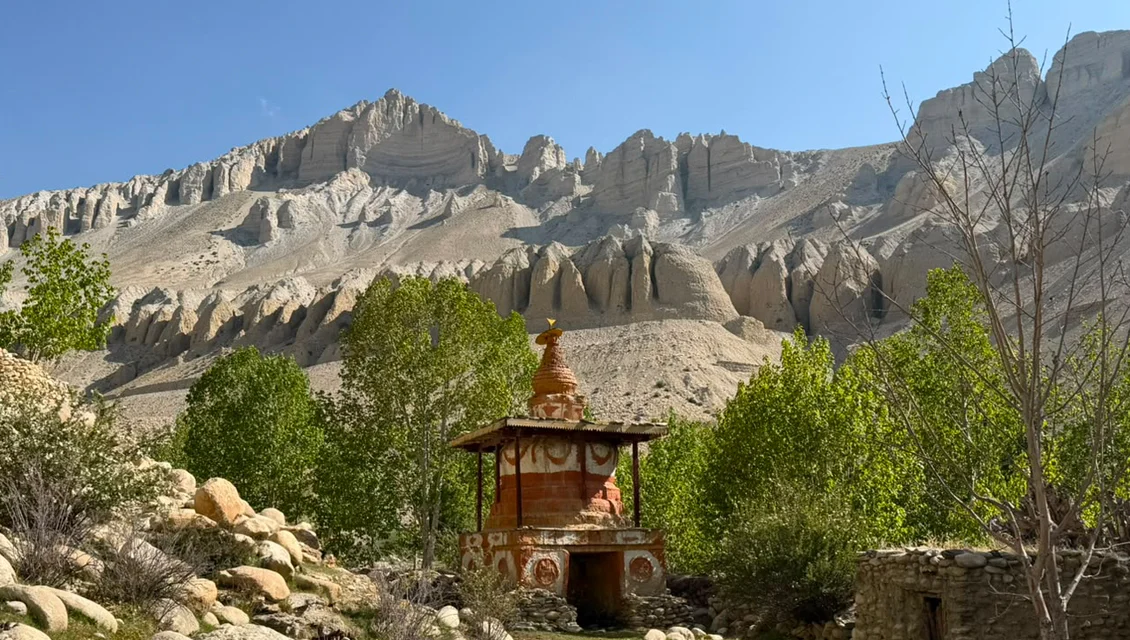
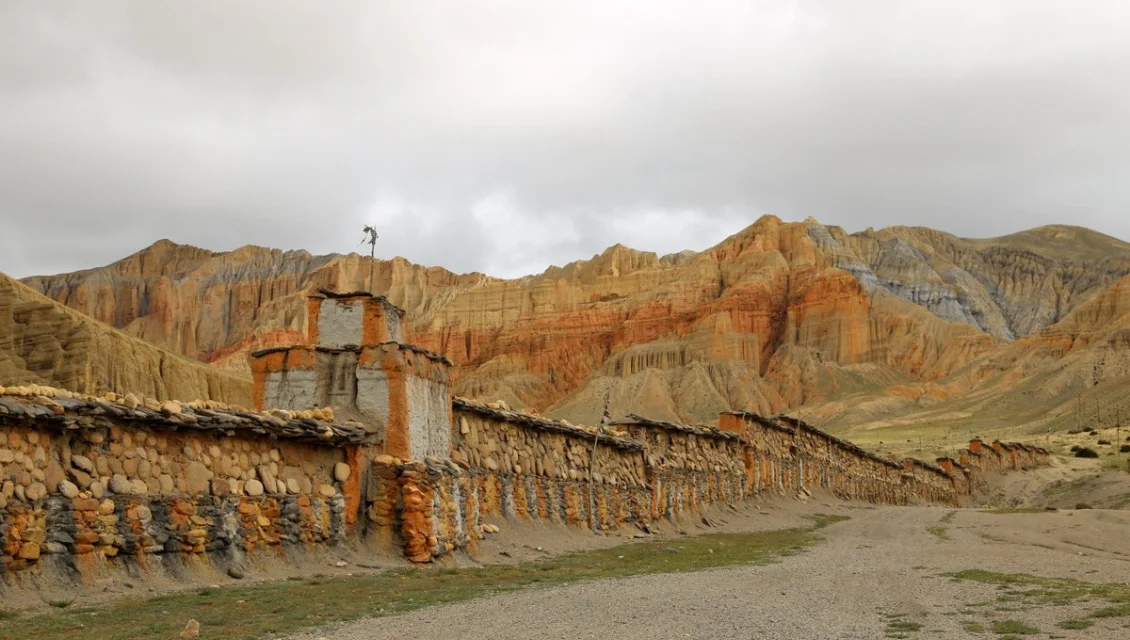
One of the most striking features of Upper Mustang is its dramatic geology. Layers of colorful rock formations create a surreal landscape, especially during sunrise and sunset when the cliffs glow in red, orange, and gold tones. The Kali Gandaki Gorge, one of the deepest gorges in the world, also lies nearby, adding to the region’s geological significance.
The best seasons for the Upper Mustang Trek are spring (March–May) and summer (June–August). Unlike most trekking regions in Nepal, Upper Mustang lies in a rain-shadow zone, meaning it receives very little monsoon rainfall.
Summer is particularly suitable here, as the region remains dry and accessible while other parts of Nepal experience heavy rain. Spring offers clear skies, pleasant temperatures, and excellent visibility of both Mustang’s desert landscapes and distant Himalayan peaks.
Autumn (September–November) is also a good season, offering stable weather and crisp views, although summer remains the most unique advantage of this region.
Winter (December–February) is extremely cold and windy, making trekking difficult and less comfortable due to harsh high-altitude conditions.
Overall, May to October is considered the best window for exploring Upper Mustang safely and comfortably.
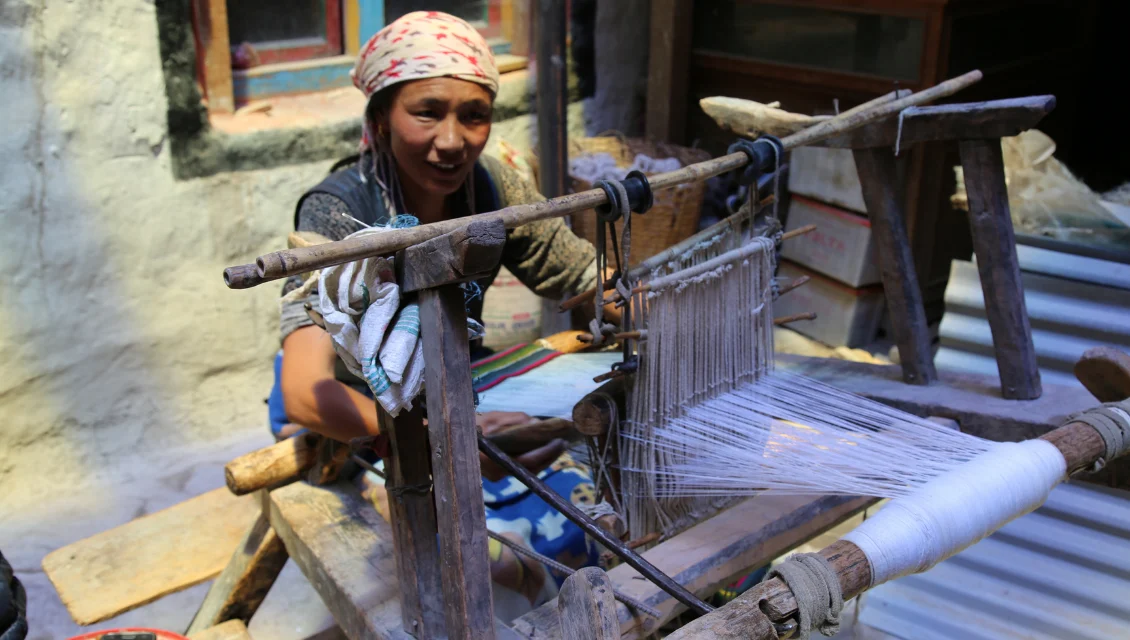
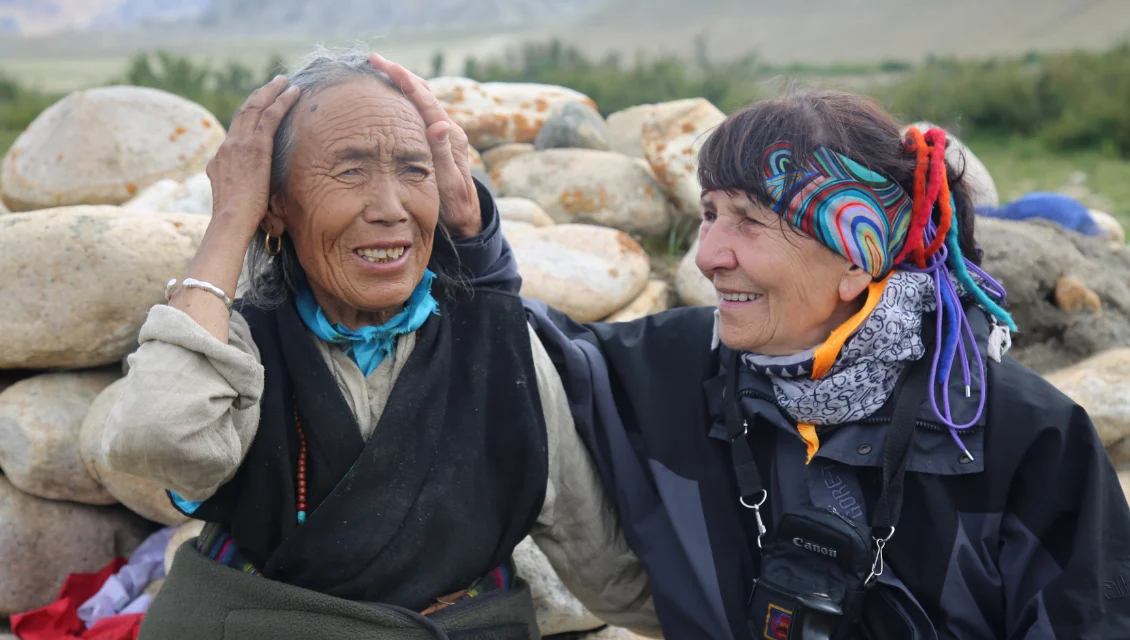
Upper Mustang is one of the most culturally preserved regions in the Himalayas, home to Tibetan-influenced communities who maintain ancient traditions, language, and religious practices. The culture is deeply rooted in Tibetan Buddhism, with strong spiritual connections to monasteries, rituals, and sacred landscapes.
Villages such as Lo Manthang, Tsarang, and Ghami feature centuries-old monasteries, royal palaces, chortens, and cave dwellings carved into cliffs. The region was historically part of the ancient Kingdom of Lo, and many traditions remain unchanged for generations.
Festivals such as Tiji are major cultural highlights, featuring masked dances, rituals, and prayers performed in Lo Manthang’s monasteries. These events attract both locals and limited international visitors, offering a rare glimpse into living Himalayan heritage.
The combination of desert landscapes, ancient culture, and restricted access makes the Upper Mustang Trek one of the most extraordinary and culturally significant trekking experiences in Nepal.
Temperatures are typical for the best travel months (May–June and September–October) and can change with the weather.
Upon your arrival at Tribhuvan International Airport in Kathmandu, our representative will warmly welcome you and transfer you to your hotel. After check-in, you can relax or explore the vibrant streets of Thamel. In the evening, there will be a short briefing about the trek.
Flight Duration: 25 minutes
Today, we complete the necessary trekking permits for the Upper Mustang restricted area. After permit preparation, take a scenic flight to Pokhara, the beautiful lakeside city beneath the Annapurna range.
Enjoy free time around Phewa Lake and prepare for the trek.
Flight Duration: 20–25 minutes
Drive Duration: 3–4 hours
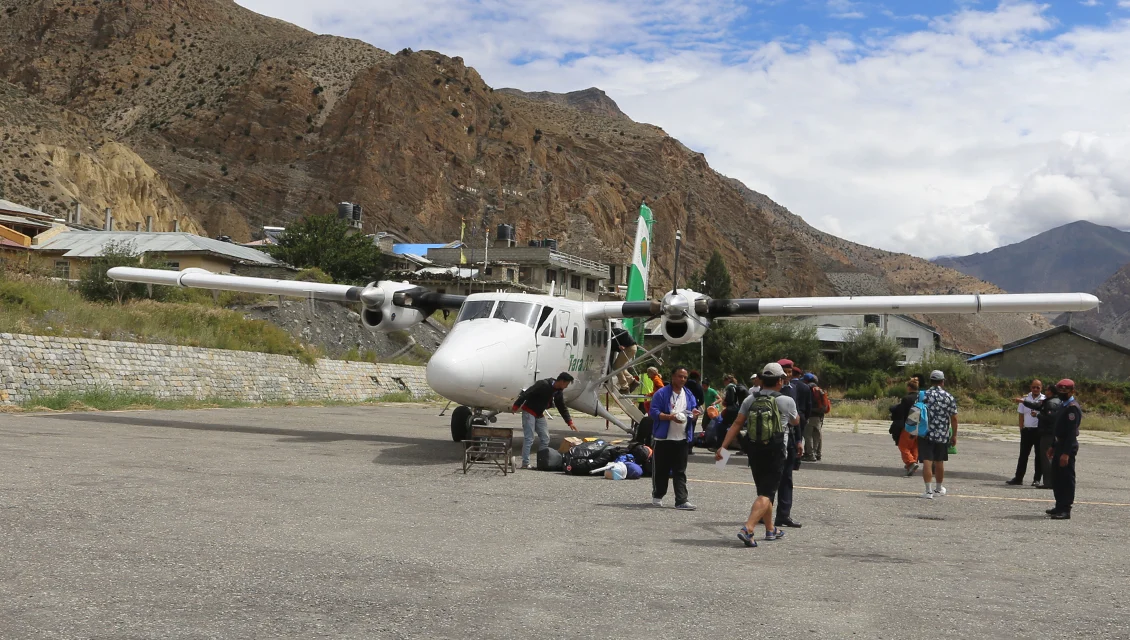
Take an early morning mountain flight to Jomsom. After breakfast, begin an adventurous jeep drive through Kagbeni and the dramatic Kali Gandaki valley toward Chele.
The trail passes ancient villages, colorful cliffs, caves, and Tibetan-influenced settlements.
Begin trekking through the rugged landscapes of Upper Mustang. The trail crosses several small passes and traditional villages with impressive views of dry canyons and Himalayan peaks.
You pass through Samar and beautiful juniper-covered hills and visit the sacred Rangchung Cave before reaching Syangmochen.
Today’s trail passes through Ghiling, Ghami, ancient mani walls, and dramatic red cliffs. The landscapes become increasingly barren and spectacular as you approach Dhakmar, famous for its striking red rock formations and legends connected to Guru Rinpoche.
The route continues across wide plateaus and ancient trade paths toward Tsarang (Charang), one of the most important villages in Upper Mustang.
Explore the impressive red monastery and the old royal palace of Tsarang.
Today is one of the most beautiful days of the trek. Visit the ancient Ghar Gompa, one of the oldest monasteries in Mustang associated with Guru Rinpoche.
Continue trekking through wide open valleys toward the legendary walled city of Lo Manthang, the former kingdom of Mustang.
Exploration Duration: 5–6 hours
Today explore the northern valleys of Upper Mustang by local jeep. Visit the fascinating villages and sacred sites around Chhoser, including:
Tibet border area
Nyphu Monastery
Garphu Monastery
Ancient Jhong Cave
These sites showcase the unique Tibetan Buddhist culture and mysterious cave civilization of Mustang.
Exploration Duration: 5–6 hours
After breakfast, visit the remarkable Konchok Ling Cave and further explore the remote Chonup Valley. The area offers dramatic landscapes, ancient meditation caves, and spectacular Himalayan scenery.
Later, drive back to Lo Manthang.
Exploration Duration: 4–6 hours
Spend a full day exploring the hidden valleys and historical treasures around Lo Manthang. Visit:
Ancient three monasteries
Royal Palace
Traditional Tibetan villages
Local hot springs
This day provides deeper insight into the culture and spiritual heritage of the ancient Mustang Kingdom.
Leave the main Upper Mustang trail and head east toward the remote village of Yara. The route passes isolated valleys, colorful rock formations, and hidden settlements rarely visited by trekkers.
Hike Duration: 5–6 hours
Today is dedicated to exploring the mystical Luri Gompa, an ancient cave monastery decorated with old Buddhist murals and chortens.
Continue to Tashi Kabum before returning to Yara.
A long but rewarding trekking day through isolated desert valleys and dramatic eroded cliffs. Tangge is a beautiful remote village rich in Tibetan culture and traditional stone houses.
Cross remote high passes and descend into the Kali Gandaki valley. The landscapes change dramatically as you rejoin the classic Upper Mustang route near Chhusang.
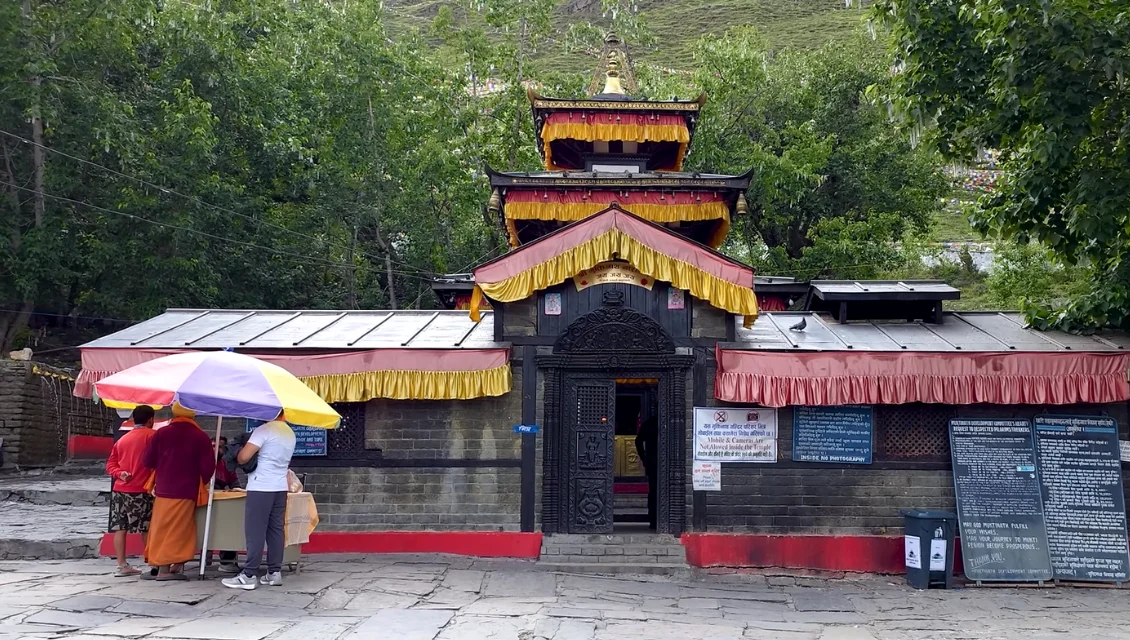
Continue trekking toward the sacred pilgrimage site of Muktinath Temple. The trail offers beautiful mountain scenery and views of Nilgiri and Dhaulagiri.
Muktinath is an important spiritual destination for both Hindus and Buddhists.
Drive Duration: 1–2 hours
Flight Duration: 20–25 minutes
Drive from Muktinath to Jomsom through the Kali Gandaki valley. Depending on weather conditions, take a scenic flight back to Pokhara.
Enjoy a relaxing evening at Lakeside.
Flight Duration: 25 minutes
Take a morning flight back to Kathmandu. After hotel check-in, enjoy free time for shopping or sightseeing around the city.
Activity Duration: Flexible
Free day in Kathmandu for personal activities, sightseeing, or rest. Optional cultural tours can be arranged.
Farewell dinner in the evening.
According to your international flight schedule, transfer to Tribhuvan International Airport for your final departure.
We hope to see you again in Nepal for another unforgettable Himalayan adventure
The best time for the Upper Mustang Trek is May–June and September–October, with April, July–August and November also good. Typical daytime temperatures at Lo Manthang (3,840 m) in those months are around 18 °C, with colder nights at higher camps.
Mustang and Dolpo lie in the rain-shadow of the Annapurna and Dhaulagiri ranges, so they are one of the few regions you can trek during the summer monsoon. May–June and September–October are ideal; winters are harsh and many lodges close.
| Month | Conditions | Day | Night |
|---|---|---|---|
| January | Not recommended — severe cold, passes and lodges may close | 3 °C | -14 °C |
| February | Not recommended — severe cold, passes and lodges may close | 5 °C | -11 °C |
| March | Possible — very cold, snow on high passes | 9 °C | -6 °C |
| April | Good — mostly fine weather, fewer crowds | 14 °C | -1 °C |
| May | Best time — stable weather and clear views | 18 °C | 4 °C |
| June | Best time — stable weather and clear views | 21 °C | 8 °C |
| July | Good — green landscapes, some rain | 22 °C | 10 °C |
| August | Good — green landscapes, some rain | 21 °C | 10 °C |
| September | Best time — stable weather and clear views | 18 °C | 6 °C |
| October | Best time — stable weather and clear views | 13 °C | -1 °C |
| November | Good — mostly fine weather, fewer crowds | 8 °C | -7 °C |
| December | Not recommended — severe cold, passes and lodges may close | 4 °C | -12 °C |
Average day and night temperatures at Lo Manthang (3,840 m). Higher camps are colder.
Your packing checklist for Upper Mustang Trek. Tick items off as you pack — down jackets and sleeping bags can also be rented in Kathmandu.
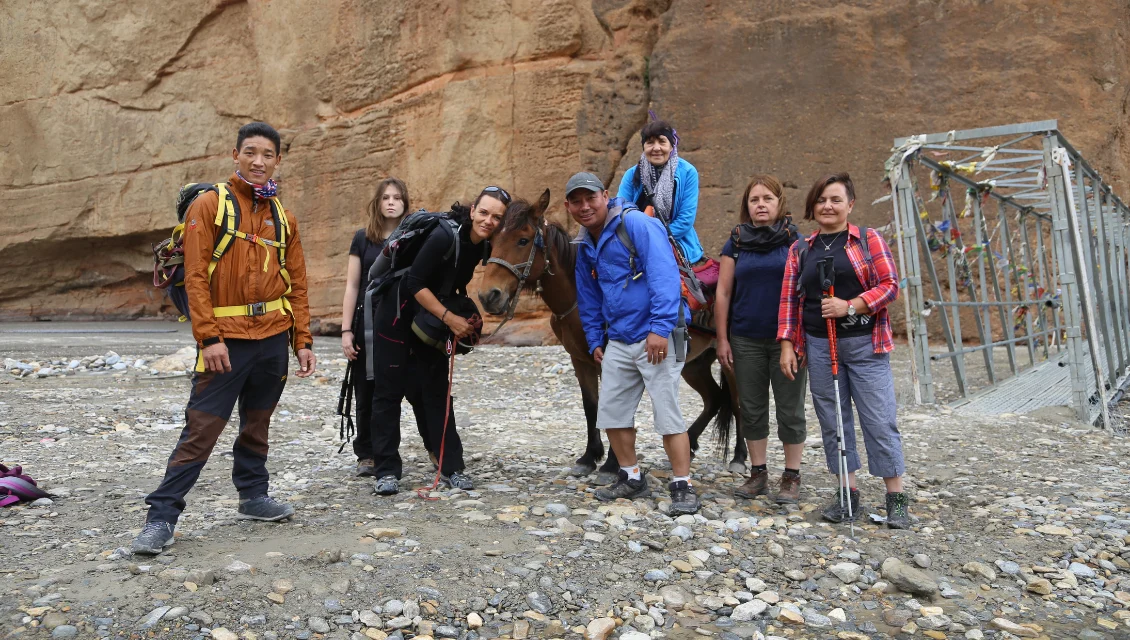
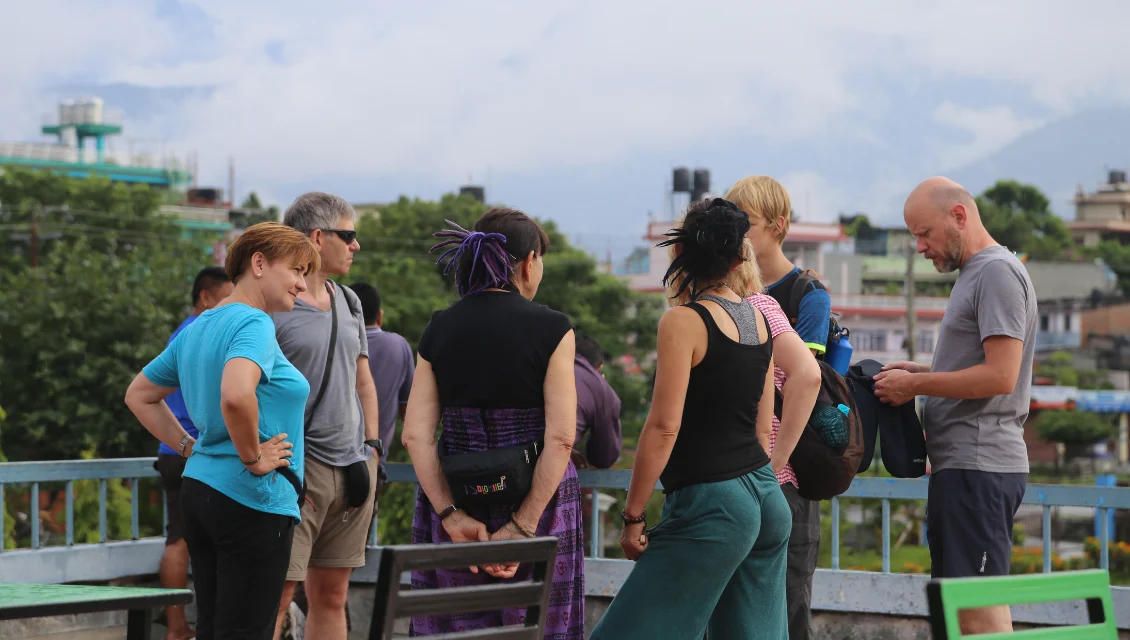
Private departures run on any date. Pick the start date that suits you and we will build the trip around it — same price, your own guide and team.
Accommodation
Accommodation is provided in traditional teahouses, guesthouses, and locally operated lodges throughout the trek.
Villages such as Kagbeni, Chele, Syangboche, Ghami, Tsarang, and Lo Manthang offer comfortable teahouse facilities with twin-sharing rooms and basic amenities. Accommodation standards have improved significantly in recent years, although facilities remain relatively simple in remote areas.
Most lodges provide shared bathrooms, dining halls, and warm hospitality reflective of local Tibetan culture.
Meals
A full-board meal system (Breakfast, Lunch, and Dinner) is available throughout the trek.
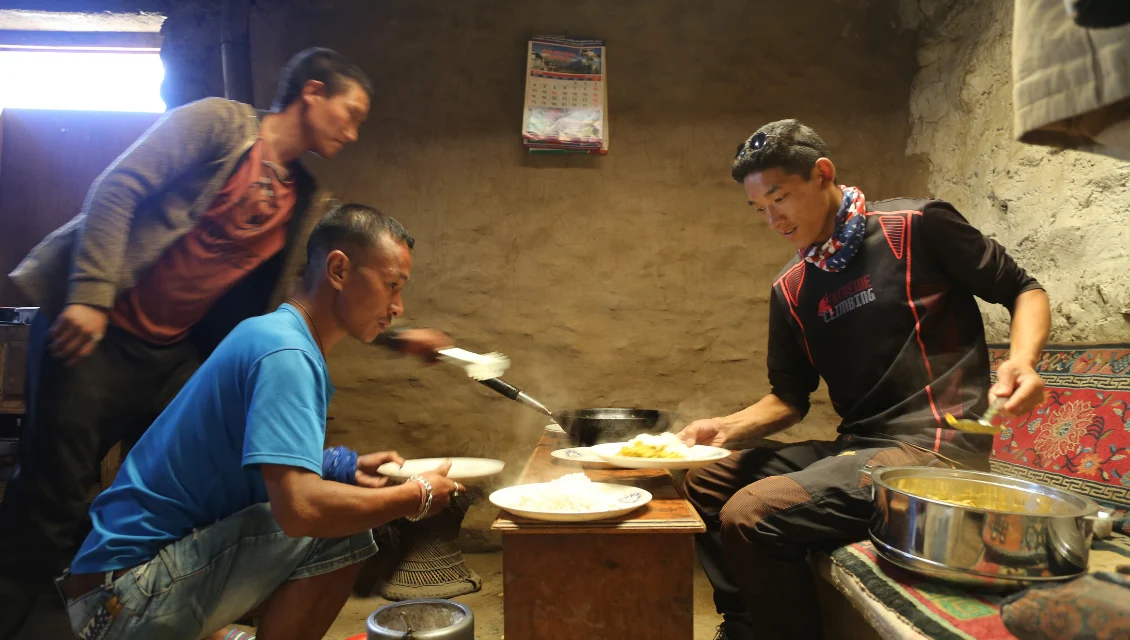
Meals are freshly prepared and offer a mix of Nepali, Tibetan, and basic international dishes.
Typical menu options include:
Food quality is generally good throughout the route, particularly in larger villages and Lo Manthang.
Difficulty & Physical Requirements
The Upper Mustang Trek is classified as moderate, making it suitable for trekkers with reasonable fitness and some hiking experience.
Daily trekking generally ranges from 5 to 7 hours, with gradual ascents and descents through arid valleys, mountain trails, and high desert terrain.
Although the trek reaches elevations above 4,000 meters, the risk of altitude-related illness is lower compared to many Himalayan trekking routes due to the gradual ascent profile.
No technical climbing experience is required.
Permits
Upper Mustang is a restricted trekking area and requires special permits:
A licensed guide is mandatory, and trekking must be arranged through a registered trekking agency.
Best Season
Unlike most trekking regions in Nepal, Upper Mustang remains accessible during the monsoon season.
Transportation & Access
The trek typically begins with a flight or drive from Kathmandu to Pokhara, followed by a flight to Jomsom.
From Jomsom, the trekking route follows the Kali Gandaki Valley through Kagbeni and into the restricted Upper Mustang region before reaching Lo Manthang.
Alternative jeep-supported itineraries are also available for travelers seeking shorter trekking options.
Safety & Acclimatization
The trek reaches elevations of approximately 4,200 meters and requires basic acclimatization.
Important safety considerations include:
Experienced guides provide assistance with route management, safety, and cultural interpretation.
Travel Insurance
Comprehensive travel insurance is highly recommended and should include:
Guide & Porter Services
A licensed guide is mandatory for all Upper Mustang treks due to restricted area regulations.
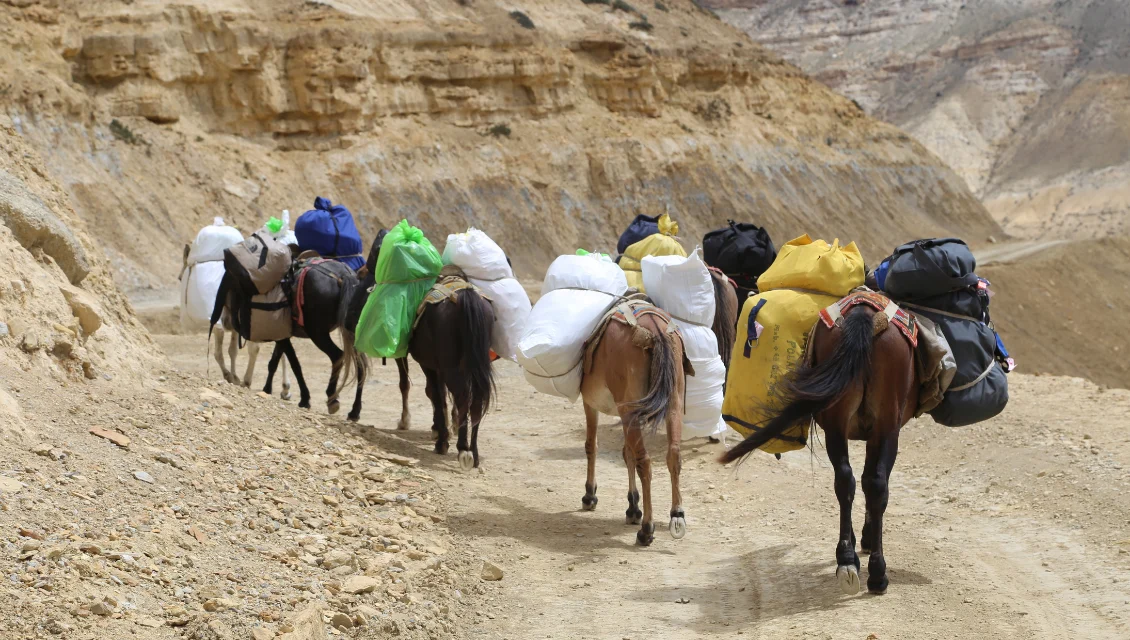
Porters are available to carry luggage, allowing trekkers to enjoy the journey comfortably with a light daypack.
Guides provide valuable insight into the region’s history, culture, religion, and local traditions.
Cultural & Natural Highlights
The Upper Mustang Trek is one of the most culturally significant trekking experiences in the Himalayas:
Essential Equipment
Recommended trekking gear includes:
Communication & Connectivity
Mobile network coverage is available in many villages, including Lo Manthang, though signal strength may vary.
Wi-Fi services are available in some lodges for an additional cost, but internet speeds are generally limited.
Why Choose the Upper Mustang Trek?
The Upper Mustang Trek is perfect for travelers seeking a unique blend of culture, history, and Himalayan adventure:
The Upper Mustang Trek is graded Moderate — suitable for most active travellers. Expect 5–7 hours of walking on most days on mountain trails with plenty of ascents and descents. Regular cardio training — hiking, running, cycling or stair climbing — for 6–8 weeks before departure makes the trip far more enjoyable.
For the Mustang & Dolpo (rain-shadow) region the best months are May–June and September–October. Mustang and Dolpo lie in the rain-shadow of the Annapurna and Dhaulagiri ranges, so they are one of the few regions you can trek during the summer monsoon. May–June and September–October are ideal; winters are harsh and many lodges close.
You need the Annapurna Conservation Area Permit and, for Upper Mustang or Dolpo, the restricted area permit. Nord Extreme arranges every permit for you before the trip starts — check the "Includes" section above for exactly what is covered in the price. Just bring your passport and a few passport-size photos.
In Kathmandu you stay in a comfortable hotel; on the trail we use the best available family-run teahouses and lodges with twin-share rooms, shared or attached bathrooms and a warm dining room. Upgrades to luxury lodges are possible on popular routes such as Everest and Annapurna.
Both. You can join one of the fixed departures listed under "Dates & Prices", or book a private trip for just you, your family or friends on any date. Solo travellers are welcome — you will always have your own licensed guide.
Yes, travel insurance is compulsory. It must cover medical treatment and emergency helicopter evacuation up to the trip’s highest altitude, plus trip cancellation. Please send us your policy details before departure.
See the "What to bring" checklist on this page for the full list. The essentials are broken-in boots, warm layers, a down jacket, a waterproof shell, sun protection and a daypack. Down jackets and sleeping bags can be rented cheaply in Kathmandu, and a porter carries your main bag (up to 10–12 kg).
Keep exploring
Namaste! 🙏
Welcome to Nord Extreme Himalaya. Questions about Upper Mustang Trek? Send us a message — a Sherpa trip expert in Kathmandu will reply on WhatsApp.
Mr. Sonam G. SherpaOpens WhatsApp · +9779851078748