Accommodation
- 3 nights hotel in Kathmandu (3-star standard)
- 1–2 nights hotel in Pokhara
- Teahouse accommodation throughout trekking route (Ghandruk → ABC region)
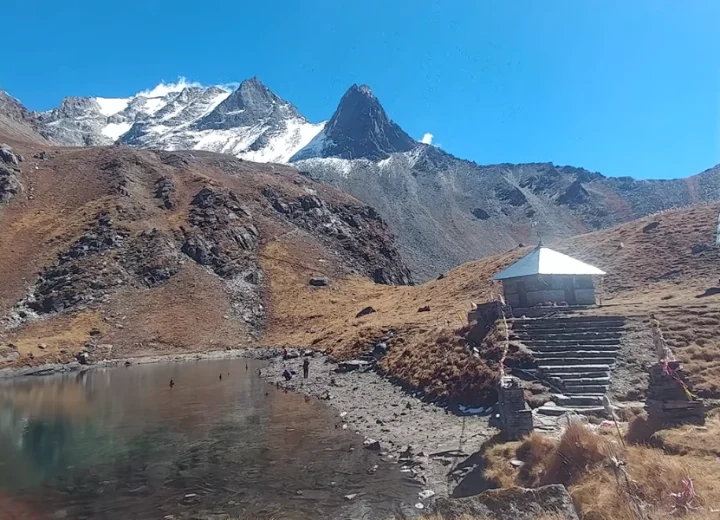
- Tent accommodation at Tent Peak Base Camp and High Camp
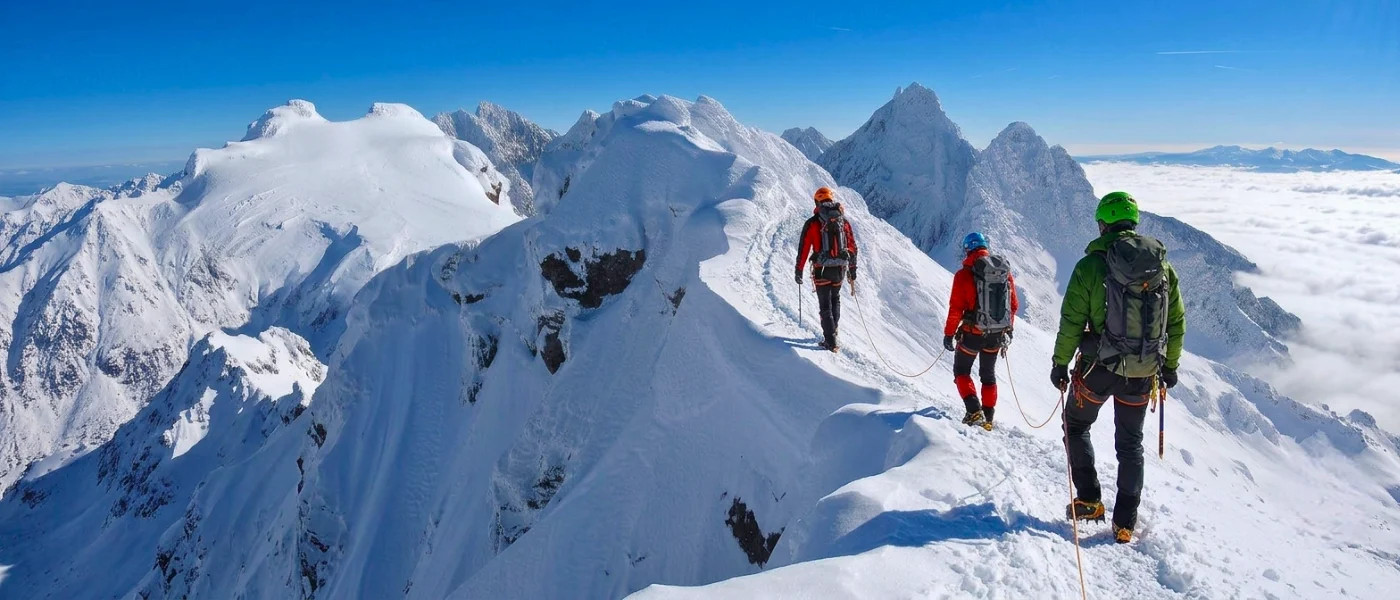
Tent Peak Climbing, also known as Tharpu Chuli, is a popular trekking peak located in the Annapurna region of Nepal. It is considered one of the best introductory climbing peaks in the Annapurna Sanctuary, ideal for trekkers seeking their first Himalayan summit experience.
The journey begins with a drive or flight to Pokhara, followed by a scenic trek through the Annapurna Base Camp route via villages such as Chhomrong, Deurali, and Machhapuchhre Base Camp. The route continues into the Annapurna Sanctuary before reaching Tent Peak Base Camp.
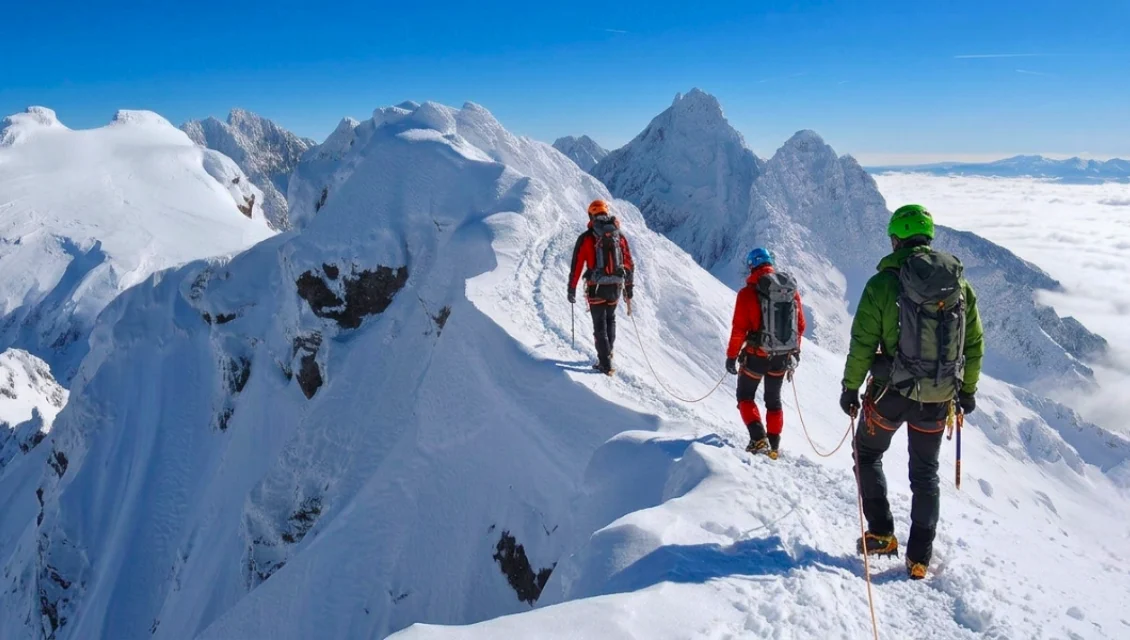
From Base Camp, climbers ascend steep snow slopes and glacier terrain to reach the summit. The climb is non-technical in nature but requires good fitness and basic use of climbing equipment. The summit offers a stunning panoramic view of Annapurna I, Annapurna South, Hiunchuli, and Machhapuchhre (Fishtail).
Tent Peak is located inside the heart of the Annapurna Sanctuary within the protected area of Annapurna Conservation Area.
The region is famous for its dramatic amphitheater-like landscape surrounded by some of the world’s highest mountains. The trail passes through subtropical forests, rhododendron valleys, terraced farmlands, and alpine zones before reaching the glacial basin of Annapurna Base Camp.
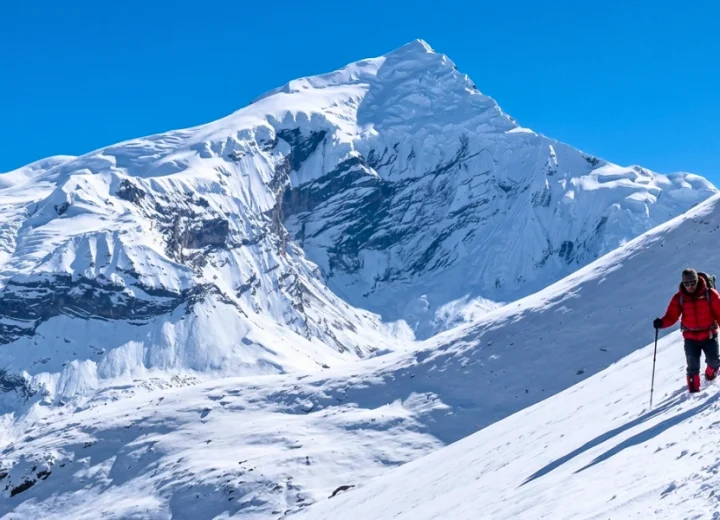
As climbers move higher toward Tent Peak, the environment becomes increasingly rugged, with glaciers, snowfields, and rocky moraine landscapes dominating the scenery. The summit offers one of the most spectacular mountain views in the Annapurna region.
Tent Peak Climbing is conducted under the supervision of experienced Sherpa and mountain guides who ensure safety and proper acclimatization throughout the expedition.
Porters assist with carrying expedition gear up to Base Camp, while guides provide full support during training and summit preparation.
With professional guidance, Tent Peak offers a safe and rewarding introduction to Himalayan climbing in the breathtaking Annapurna Sanctuary.
Temperatures are typical for the best travel months (February–April and October–November) and can change with the weather.
Arrival at Tribhuvan International Airport in Kathmandu. Meet trekking team and transfer to hotel. Evening briefing about route, weather, and equipment check.
Permit processing, gear check, and optional sightseeing (Pashupatinath, Boudhanath, Durbar Square). Final preparation for trek.
Time: 6-7 hours
Scenic drive along rivers and hills or optional flight to Pokhara. Evening at Pokhara Lakeside.
Drive to trailhead and start trek through terraced fields and Gurung villages with views of Annapurna South.
Trail ascends and descends through forest ridges and stone steps with first clear views of the Annapurna massif.
Descend to river and climb into dense bamboo and rhododendron forest.
Steady climb into alpine zone with glacier river valley views.
Enter Annapurna Sanctuary surrounded by 360° Himalayan peaks.
Short but steep climb above ABC into Tent Peak base area. Set up tents and prepare gear.
Basic mountaineering training:
Ascend steep snowy slopes to High Camp. First exposure to glacier climbing conditions.
Time: 10–12 hrs
Midnight summit push from High Camp via snow slopes, fixed ropes, glacier crossing, and final steep ridge to summit.
Summit views include Annapurna I, Machapuchare (Fishtail), Hiunchuli, and Annapurna South.
Reserved for bad weather, rest, or summit retry.
Descend back through the Annapurna Sanctuary to lower forest zones.
Final trekking day with optional hot springs at Jhinu Danda, then drive to Pokhara.
Travel: Flight or drive
Return to Kathmandu by flight or drive. Trip ends with departure or onward travel.
Today marks the end of your journey in Kathmandu. After breakfast, our team from Nord Extreme will transfer you to Tribhuvan International Airport for your final departure.
We hope you had a wonderful trekking experience in Nepal and wish you a safe journey ahead.
The best time for the Tent Peak Climbing is February–April and October–November, with May, September and December–January also good. Typical daytime temperatures at Kathmandu (1,400 m) in those months are around 25 °C, with colder nights at higher camps.
The Kathmandu Valley can be visited all year. October–November and March–April are pleasant and clear; December–February are sunny with cold mornings, and the monsoon brings afternoon showers but green, uncrowded heritage sites.
| Month | Conditions | Day | Night |
|---|---|---|---|
| January | Good — clear skies, cold nights and fewer trekkers | 19 °C | 2 °C |
| February | Best time — stable weather and clear views | 21 °C | 4 °C |
| March | Best time — stable weather and clear views | 25 °C | 8 °C |
| April | Best time — stable weather and clear views | 28 °C | 11 °C |
| May | Good — mostly fine weather, fewer crowds | 29 °C | 16 °C |
| June | Possible — monsoon showers and cloud | 29 °C | 19 °C |
| July | Possible — monsoon showers and cloud | 28 °C | 20 °C |
| August | Possible — monsoon showers and cloud | 28 °C | 20 °C |
| September | Good — green landscapes, some rain | 28 °C | 18 °C |
| October | Best time — stable weather and clear views | 27 °C | 13 °C |
| November | Best time — stable weather and clear views | 23 °C | 7 °C |
| December | Good — clear skies, cold nights and fewer trekkers | 20 °C | 3 °C |
Average day and night temperatures at Kathmandu (1,400 m). Higher camps are colder.
Your packing checklist for Tent Peak Climbing. Tick items off as you pack — down jackets and sleeping bags can also be rented in Kathmandu.
Private departures run on any date. Pick the start date that suits you and we will build the trip around it — same price, your own guide and team.
Accommodation
Accommodation during the Tent Peak (Tharpu Chuli) Climbing expedition includes comfortable 3-star hotel stays in Kathmandu, teahouse accommodation along the Annapurna Base Camp trekking route, and tented accommodation at Tent Peak Base Camp when required. Teahouses offer basic but comfortable facilities, with hot showers, Wi-Fi, and charging services available in many locations for an additional fee.
Meals
The expedition includes full-board meals (Breakfast, Lunch, and Dinner) throughout the trek and climbing period. Meals are freshly prepared to provide the energy required for trekking and climbing at high altitude. Packed lunches and high-energy snacks are provided during summit day.
Difficulty & Fitness
Tent Peak (5,663m), also known as Tharpu Chuli, is considered a moderately challenging trekking peak. Climbers should have good physical fitness and previous trekking experience at high altitude. While less technical than many Everest-region peaks, the climb involves snow slopes, glacier travel, and the use of basic mountaineering equipment.
Permits
The expedition requires the following permits:
All permits and necessary documentation are arranged by the expedition organizer.
Best Time to Climb
The best seasons for Tent Peak are:
Spring (March–May)
Transportation
The journey begins with a scenic drive or flight from Kathmandu to Pokhara, followed by trekking through the Annapurna region via Chhomrong, Deurali, Machhapuchhre Base Camp, and Annapurna Base Camp before reaching Tent Peak Base Camp.
Safety & Altitude
The itinerary includes gradual acclimatization and professional guide support to ensure a safe climbing experience. Experienced climbing guides provide technical assistance, health monitoring, and emergency response support throughout the expedition. Travel insurance covering climbing activities up to 6,000m and emergency helicopter evacuation is mandatory.
Climbing Training
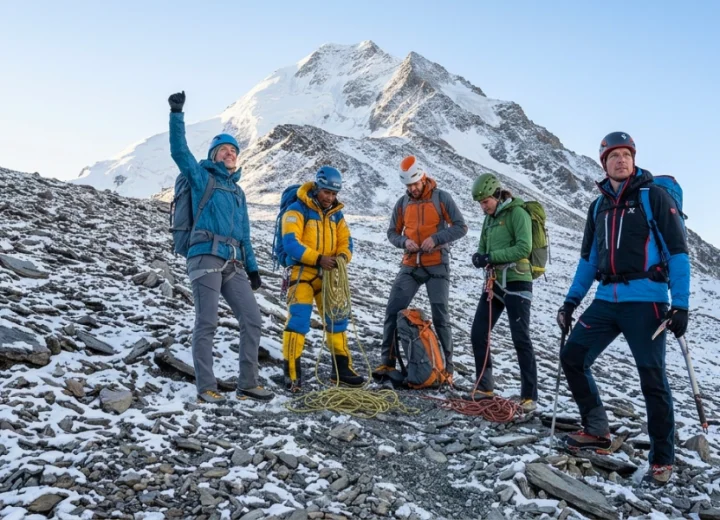
Before the summit attempt, climbers receive practical training in the use of crampons, ice axes, climbing harnesses, ropes, and basic glacier travel techniques. This preparation helps participants gain confidence and improve safety during the ascent.
Essential Equipment
Participants should bring suitable trekking and climbing equipment, including warm clothing, mountaineering boots, crampons, ice axe, climbing harness, helmet, sleeping bag, sunglasses, trekking poles, and personal essentials.
Why Choose Tent Peak?
Tent Peak Climbing offers a rewarding blend of trekking and mountaineering within the spectacular Annapurna Sanctuary, making it an excellent choice for climbers looking to experience a Himalayan summit in a stunning alpine setting.
The Tent Peak Climbing is graded Moderate — suitable for most active travellers. You should be comfortable with long days at altitude; previous use of crampons and ropes helps, and our climbing Sherpas run pre-climb training at base camp. Regular cardio training — hiking, running, cycling or stair climbing — for 6–8 weeks before departure makes the trip far more enjoyable.
For the Kathmandu Valley & mid-hills region the best months are February–April and October–November. The Kathmandu Valley can be visited all year. October–November and March–April are pleasant and clear; December–February are sunny with cold mornings, and the monsoon brings afternoon showers but green, uncrowded heritage sites.
You need entry tickets for the heritage sites you visit, plus the Nepal Mountaineering Association climbing permit. Nord Extreme arranges every permit for you before the trip starts — check the "Includes" section above for exactly what is covered in the price. Just bring your passport and a few passport-size photos.
You stay in hotels in Kathmandu and teahouses on the approach trek, then in quality expedition tents at base camp and high camp. Our team sets up a dining tent, kitchen and toilet tent and cooks fresh, high-energy meals.
Both. You can join one of the fixed departures listed under "Dates & Prices", or book a private trip for just you, your family or friends on any date. Solo travellers are welcome — you will always have your own licensed guide.
Yes, travel insurance is compulsory. It must cover medical treatment and emergency helicopter evacuation up to the trip’s highest altitude, plus trip cancellation. Please send us your policy details before departure.
See the "What to bring" checklist on this page for the full list. The essentials are broken-in boots, warm layers, a down jacket, a waterproof shell, sun protection and a daypack. Down jackets and sleeping bags can be rented cheaply in Kathmandu, and a porter carries your main bag (up to 10–12 kg).
Keep exploring
Namaste! 🙏
Welcome to Nord Extreme Himalaya. Questions about Tent Peak Climbing? Send us a message — a Sherpa trip expert in Kathmandu will reply on WhatsApp.
Mr. Sonam G. SherpaOpens WhatsApp · +9779851078748