Transportations
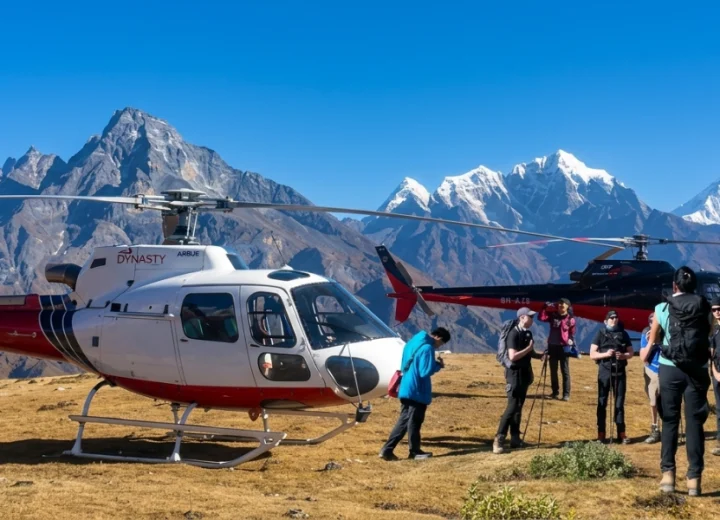
- Private/tourist vehicles for airport pickup and drop-off in Kathmandu.
- Private/tourist vehicles transfer as per itinerary to access the trailheads.
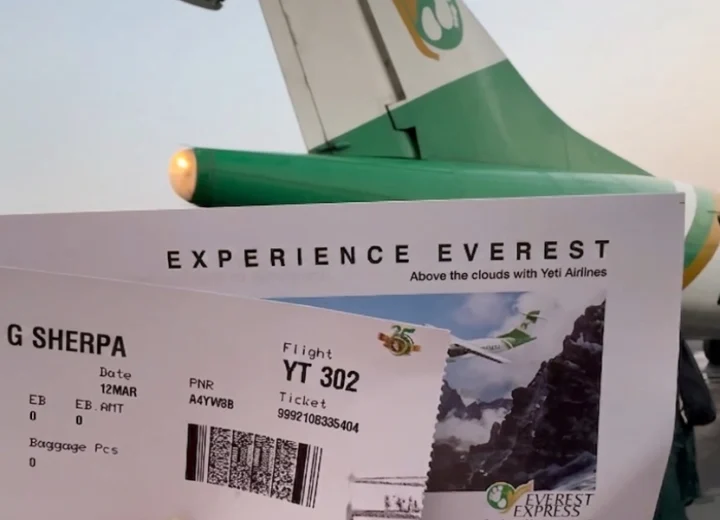
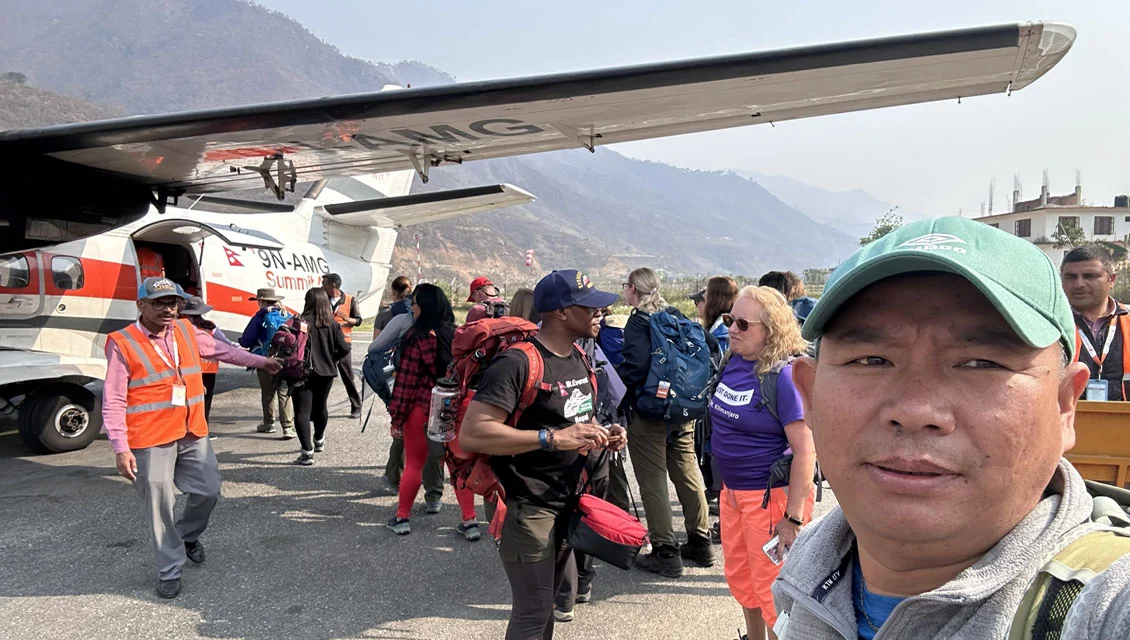
- Domestic flight included for access to the trekking starting & ending point.
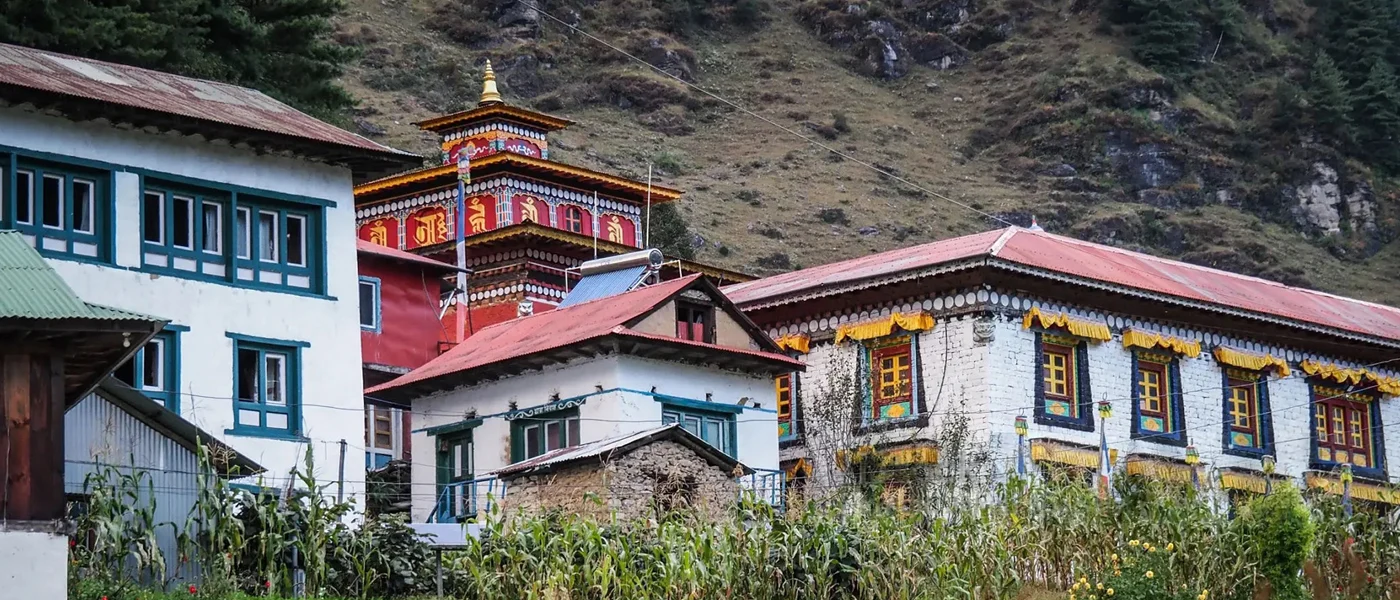
The Everest Heritage Trail Trek is a classic Himalayan journey that explores the cultural heart of the Khumbu region while offering spectacular views of the world’s highest mountains. Unlike the more direct Everest Base Camp route, this trek focuses on heritage, culture, and scenic village-to-village exploration, making it ideal for trekkers who want a deeper understanding of Sherpa life and Himalayan traditions.
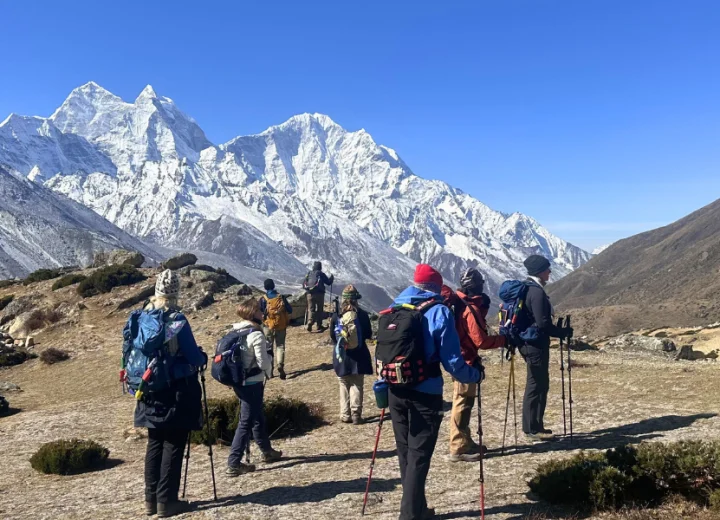
The trail follows ancient pathways used by local communities for generations, passing through traditional Sherpa settlements, Buddhist monasteries, terraced hillsides, and alpine valleys. Along the way, trekkers enjoy breathtaking views of Mount Everest, Lhotse, Ama Dablam, and other iconic peaks of the Everest region. The Everest Heritage Trail Trek is perfect for those seeking a culturally rich, less crowded, and more immersive Himalayan experience.
The Everest Heritage Trail Trek is located in the Khumbu region of northeastern Nepal within Sagarmatha National Park. The journey begins with a scenic flight to Lukla and follows the Dudh Koshi River valley through forests, ridges, and traditional mountain villages.
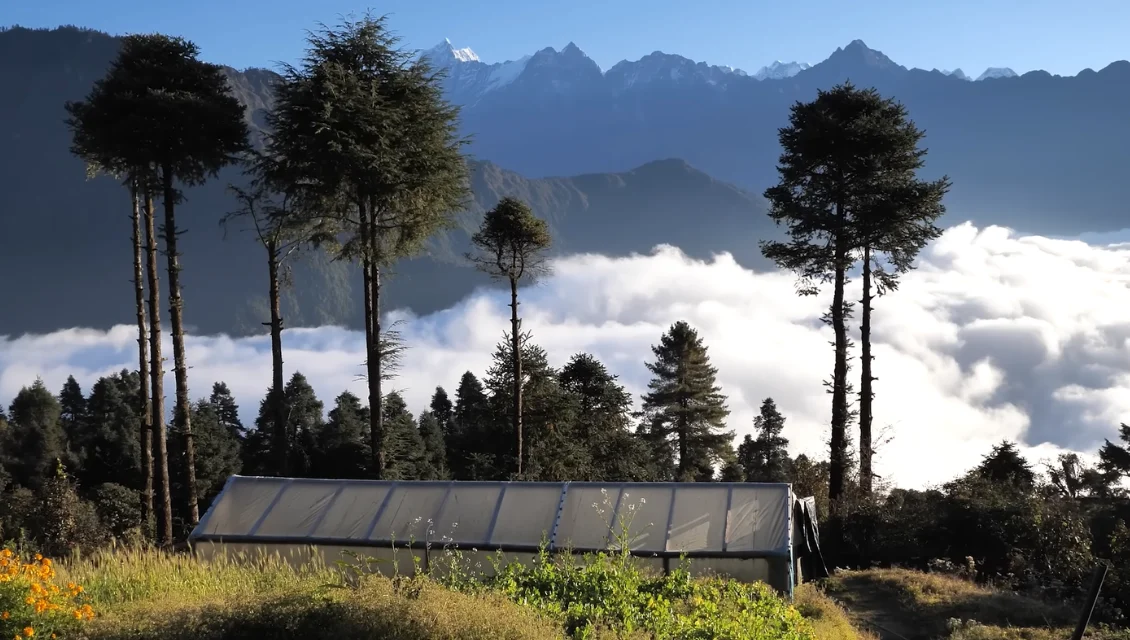
The landscape is highly diverse, starting from lush rhododendron and pine forests at lower elevations and gradually transitioning into alpine terrain with dramatic cliffs, glacial valleys, and high-altitude viewpoints. The trail offers stunning panoramas of Everest, Thamserku, Kangtega, and Ama Dablam throughout the journey.
Key highlights include panoramic ridge walks, suspension bridge crossings, glacier-fed rivers, and viewpoints overlooking the entire Khumbu Valley. The region’s natural beauty is complemented by its peaceful environment, making it an excellent alternative to busier trekking routes.
The best seasons for the Everest Heritage Trail Trek are spring (March to May) and autumn (September to November). These periods offer stable weather, clear skies, and excellent visibility of the Himalayan peaks.
Spring brings blooming rhododendron forests and mild temperatures, while autumn provides crisp air and some of the clearest mountain views of the year. Winter (December to February) is colder but offers quiet trails and excellent visibility for experienced trekkers. The monsoon season (June to August) is generally not recommended due to rain, slippery trails, and limited mountain views.
Overall, spring and autumn are the most favorable times for a safe and rewarding trekking experience.
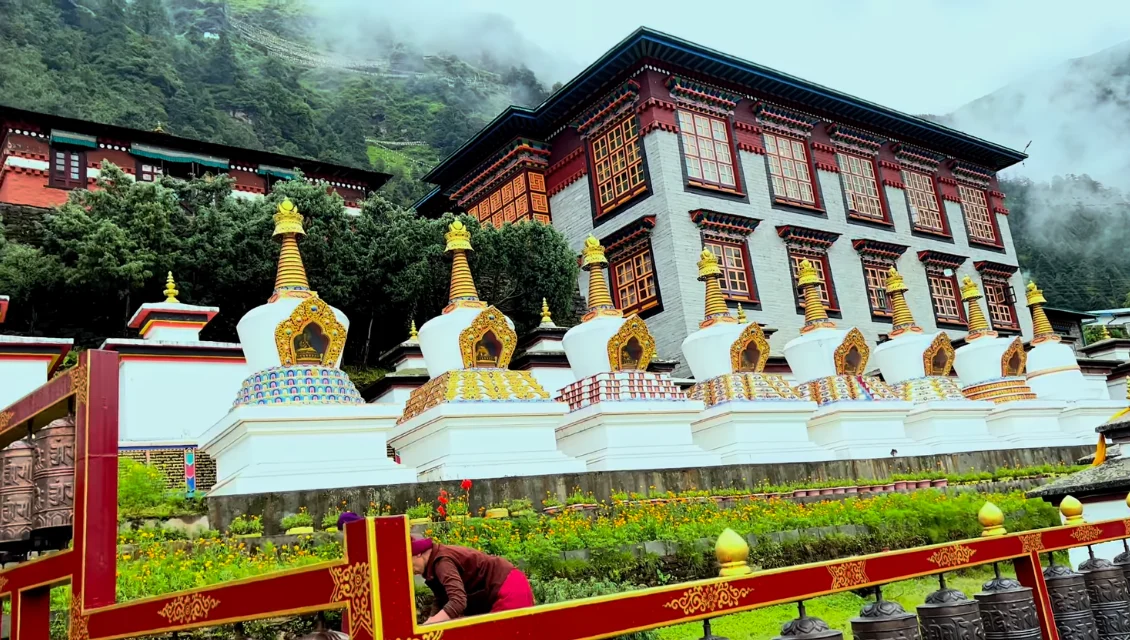
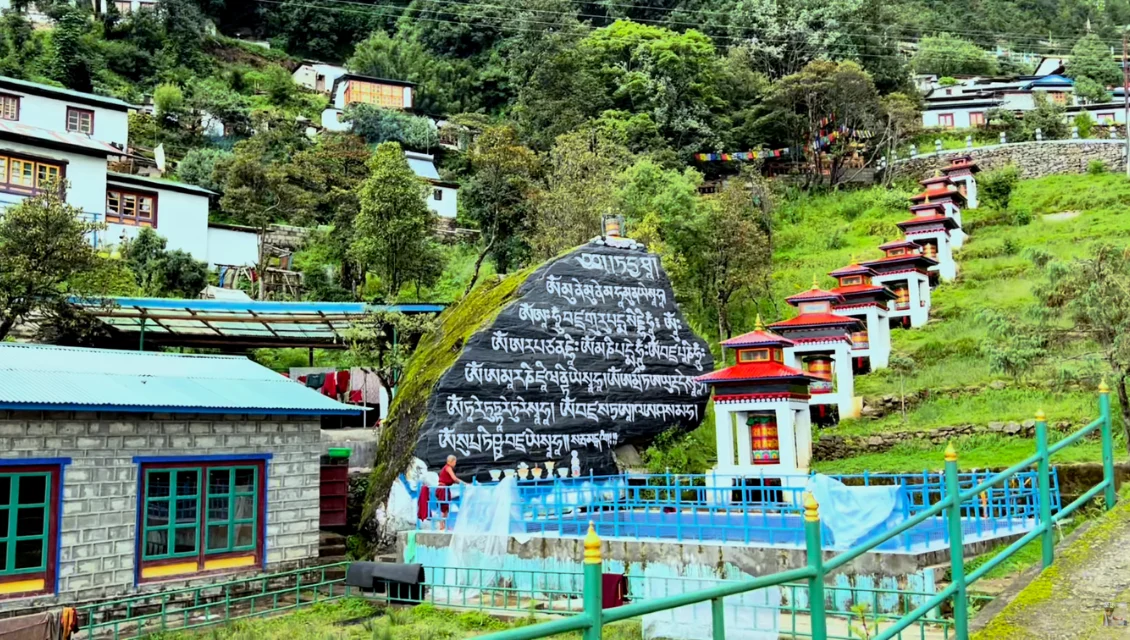
The Everest Heritage Trail Trek is deeply rooted in Sherpa culture, offering an authentic insight into the traditions, lifestyle, and spirituality of the Himalayan people. The region is strongly influenced by Tibetan Buddhism, reflected in prayer flags, mani walls, chortens, and centuries-old monasteries along the route.
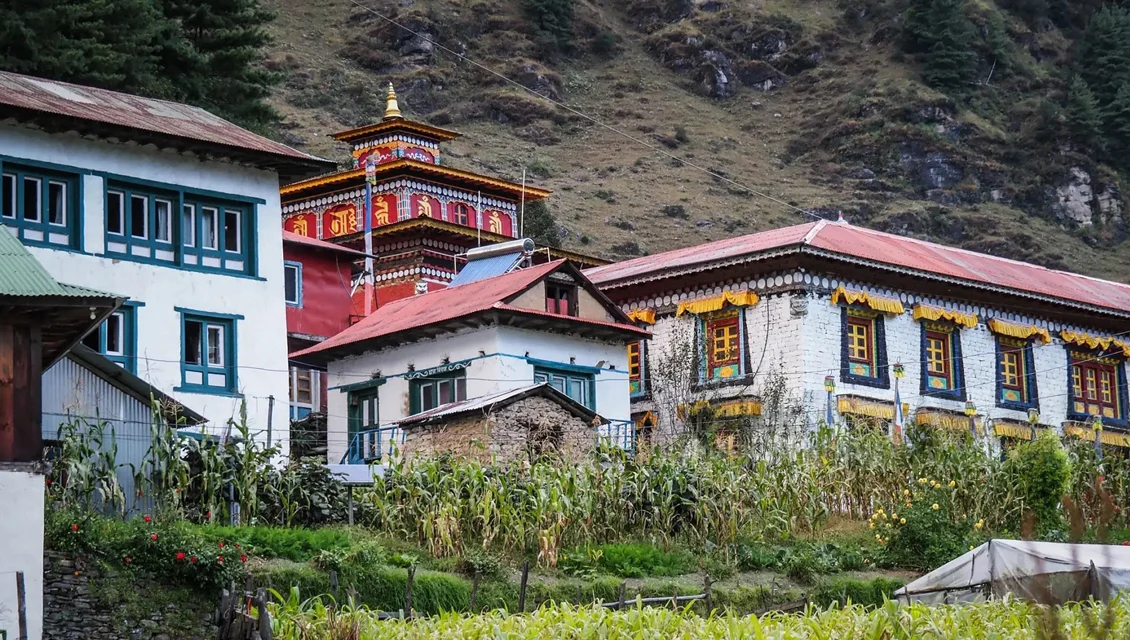
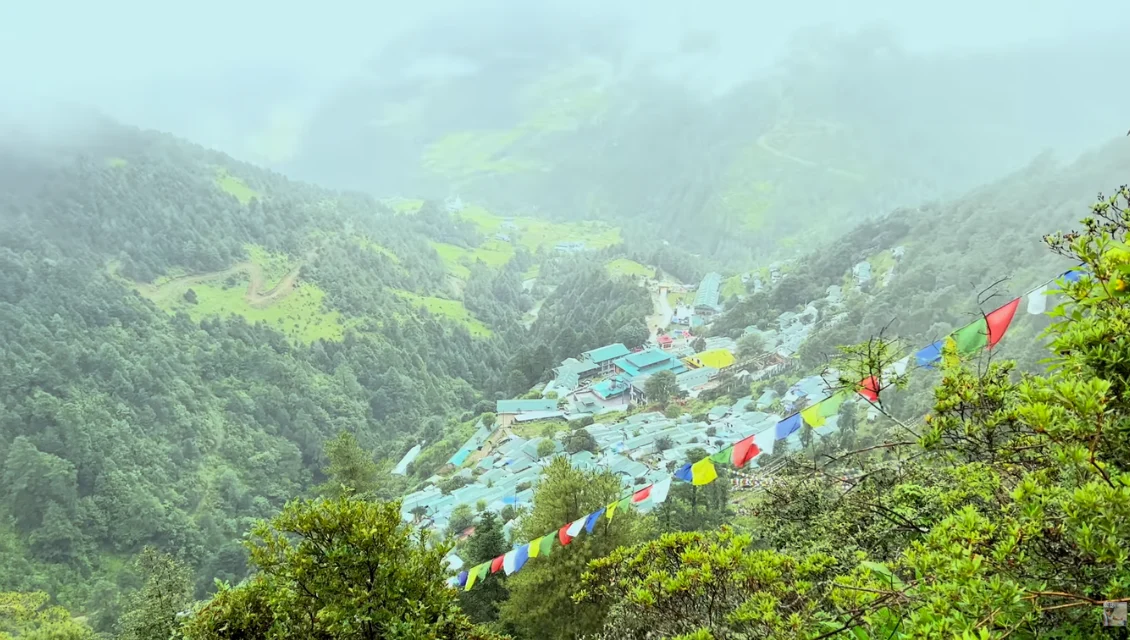
Trekkers pass through culturally rich villages such as Namche Bazaar, Khumjung, Khunde, and Pangboche, where traditional stone houses and terraced fields define the landscape. A major cultural highlight is Tengboche Monastery, one of the most important spiritual centers in the Everest region, offering stunning views of Ama Dablam and Everest.
This trek provides meaningful interactions with local communities, allowing visitors to experience Sherpa hospitality, traditional farming practices, and Buddhist rituals. The combination of cultural depth, natural beauty, and Himalayan scenery makes the Everest Heritage Trail Trek a truly enriching and memorable journey.
Temperatures are typical for the best travel months (March–April and October–November) and can change with the weather.
Upon your arrival at Tribhuvan International Airport in Kathmandu, you will be warmly welcomed by our representative and transferred to your hotel. After check-in, you can relax or explore the vibrant streets, temples, and local markets of Nepal’s capital city. In the evening, you will meet your trekking guide for a detailed briefing and preparation for the journey ahead.
Today is dedicated to trek preparation and final arrangements before heading into the mountains. You can check and organize your trekking equipment, complete permit preparations, and meet your trekking team. If time permits, explore cultural landmarks, traditional markets, and local restaurants around Kathmandu while experiencing the lively atmosphere of the city.
Travel Duration - 35 minutes flight / 8-9 hours drive
After breakfast, begin your journey to the Solu region either by a scenic mountain flight or a picturesque drive through hills, rivers, terraced farmland, and traditional villages. Upon arrival in Phaplu, you can enjoy the peaceful mountain atmosphere and beautiful surroundings of the lower Everest region.
Your first trekking day begins with a gradual ascent through pine forests, traditional Sherpa villages, and peaceful mountain trails decorated with prayer flags. Along the route, you will enjoy beautiful Himalayan scenery and experience the local culture of the Solu region. If time permits, you may also visit the historic Taksindu Monastery overlooking the valley.
The trail to Junbesi passes through rhododendron and fir forests, scenic ridges, and traditional mountain settlements with stunning views of the Everest region. Junbesi is one of the most culturally rich Sherpa villages in the area, known for its stone-paved paths, monasteries, and traditional wooden houses.
Today is an acclimatization and cultural exploration day. You will hike to the famous Thuptencholing Monastery, home to hundreds of monks and nuns practicing Tibetan Buddhism. The peaceful surroundings, prayer ceremonies, and mountain atmosphere provide a unique cultural and spiritual experience before returning to Junbesi.
The trail descends through forests, terraced farmland, and traditional villages while crossing the Dudh Koshi River. Along the route, you can enjoy views of Everest and Thamserku on clear days while experiencing the unique blend of Rai and Sherpa cultures in the mountain communities.
The trail follows scenic ridges, forested hills, and beautiful farmland while passing traditional villages of the lower Everest region. Along the way, you will experience local mountain culture, peaceful landscapes, and stunning views of the surrounding valleys and hills.
Continue trekking through alpine forests, yak pastures, and peaceful mountain trails toward Surke or Chaurikharka. The route offers a quieter alternative path before connecting with the main Everest Base Camp trail near Lukla.
Today you join the famous Everest Base Camp trail, where the path becomes more lively with trekkers, yaks, and porters. Cross suspension bridges over the Dudh Koshi River and walk through pine forests before reaching the beautiful riverside village of Phakding.
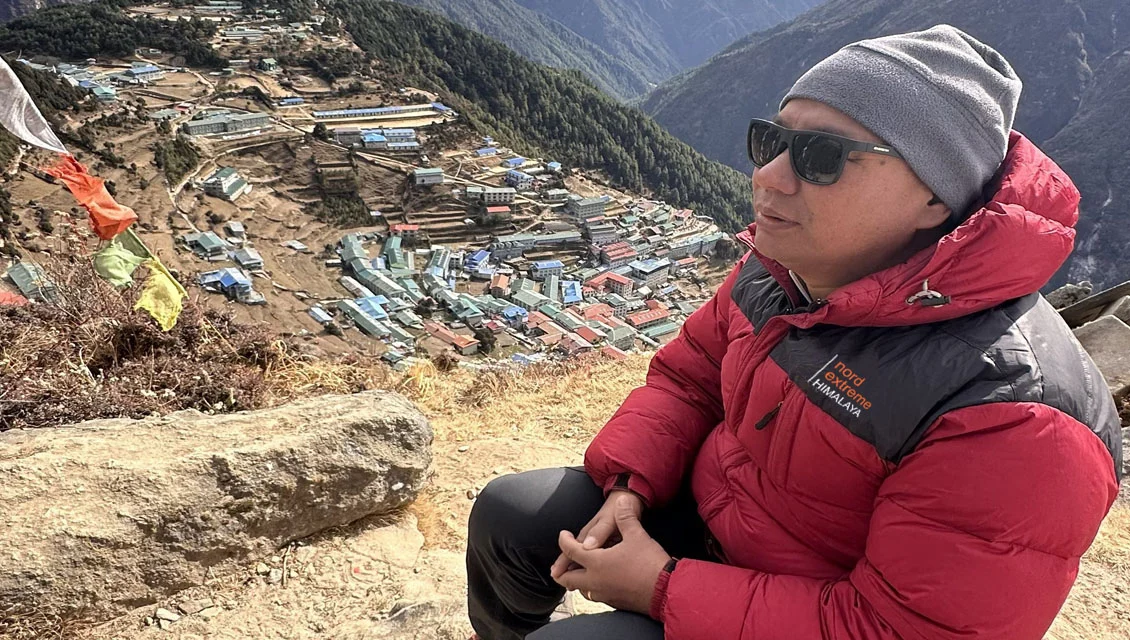
One of the most exciting trekking days, the trail crosses several suspension bridges including the famous Hillary Bridge before ascending through pine forests toward Namche Bazaar. Along the way, you may catch your first clear view of Mount Everest. Namche is the vibrant trading hub of the Everest region with cafes, bakeries, shops, and stunning mountain views.
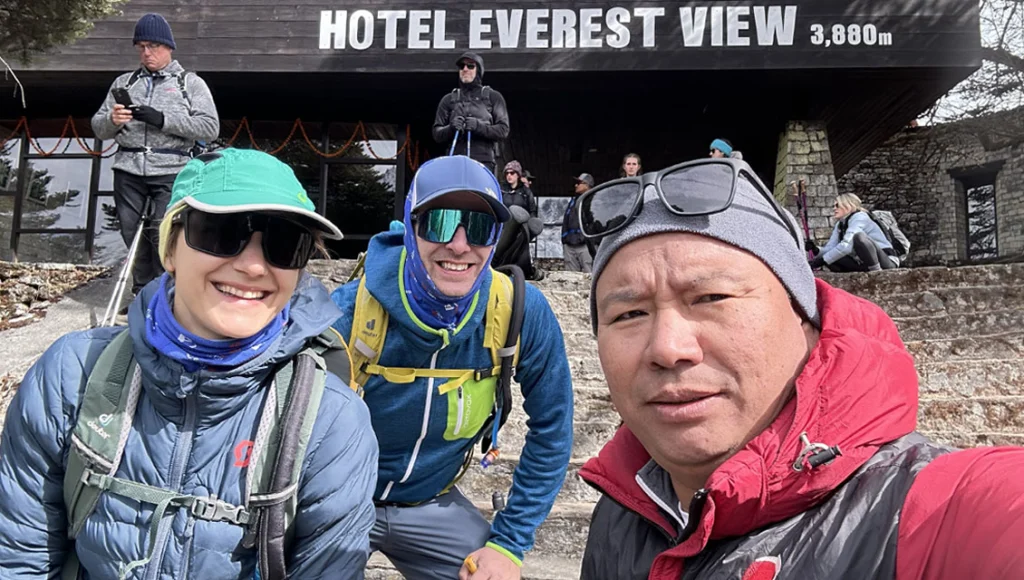
Today is reserved for acclimatization and exploration around Namche Bazaar. You may hike to the famous Everest View Hotel for breathtaking panoramic views of Everest, Ama Dablam, and surrounding peaks. You can also explore local monasteries, museums, cafes, and traditional Sherpa culture in Namche.
Retrace your steps through forests, rivers, suspension bridges, and traditional villages as you make your way back to Lukla. This final trekking day offers a chance to reflect on the incredible Himalayan adventure and celebrate the successful journey with your trekking team.
Travel Duration - 35 minutes flight
Take a scenic mountain flight back to Kathmandu while enjoying spectacular aerial views of the Himalayas. Upon arrival, transfer to your hotel and spend the rest of the day relaxing, shopping, or exploring the city.
This day is reserved as a buffer in case of flight delays from Lukla due to weather conditions. If everything goes according to schedule, you may enjoy sightseeing around Kathmandu Valley, explore Bhaktapur or Patan, or do some last-minute shopping before your international departure.
The best time for the Everest Heritage Trail is March–April and October–November, with February, May, September and December also good. Typical daytime temperatures at Namche Bazaar (3,440 m) in those months are around 11 °C, with colder nights at higher camps.
Autumn (October–November) brings the clearest mountain views and stable weather; spring (March–May) is warmer, with rhododendrons in bloom and the Everest climbing season at base camp. Winter is quiet and very cold at night, while the June–August monsoon brings cloud, rain and frequent Lukla flight delays.
| Month | Conditions | Day | Night |
|---|---|---|---|
| January | Possible — very cold, snow on high passes | 5 °C | -9 °C |
| February | Good — clear skies, cold nights and fewer trekkers | 6 °C | -8 °C |
| March | Best time — stable weather and clear views | 9 °C | -4 °C |
| April | Best time — stable weather and clear views | 12 °C | 0 °C |
| May | Good — mostly fine weather, fewer crowds | 14 °C | 3 °C |
| June | Not recommended — monsoon rain, cloud and slippery trails | 15 °C | 6 °C |
| July | Not recommended — monsoon rain, cloud and slippery trails | 16 °C | 7 °C |
| August | Not recommended — monsoon rain, cloud and slippery trails | 16 °C | 7 °C |
| September | Good — green landscapes, some rain | 14 °C | 5 °C |
| October | Best time — stable weather and clear views | 12 °C | 0 °C |
| November | Best time — stable weather and clear views | 9 °C | -4 °C |
| December | Good — clear skies, cold nights and fewer trekkers | 6 °C | -8 °C |
Average day and night temperatures at Namche Bazaar (3,440 m). Higher camps are colder.
Your packing checklist for Everest Heritage Trail. Tick items off as you pack — down jackets and sleeping bags can also be rented in Kathmandu.
Private departures run on any date. Pick the start date that suits you and we will build the trip around it — same price, your own guide and team.
Accommodation
Accommodation is provided in comfortable teahouses, family-run lodges, and community-based guesthouses throughout the route. Facilities are generally better than higher-altitude trekking zones due to lower elevation and stronger village infrastructure.
Key villages such as Namche Bazaar, Khumjung, Thame, and Phortse offer warm hospitality, clean rooms, and culturally rich homestay-style experiences.
Meals
A full-board meal system (Breakfast, Lunch, and Dinner) is provided throughout the trek. Meals are freshly prepared using locally sourced ingredients where possible.
Typical food options include:
The culinary experience also reflects Sherpa culture, with simple but nourishing mountain cuisine.
Difficulty & Physical Requirements
The Everest Heritage Trails Trek is classified as easy to moderate, making it suitable for beginners, families, and cultural trekkers.
Daily walking ranges from 3 to 6 hours, mostly on well-established trails with gradual ascents and descents. No technical climbing or high-pass crossing is involved.
Basic fitness and comfort with walking at altitude are sufficient for this trek.
Permits
The following permits are required:
All permits are typically arranged by the trekking operator prior to departure.
Best Season
Transportation & Access
The journey typically begins with a scenic mountain flight from Kathmandu to Lukla, followed by trekking through culturally significant Sherpa villages.
The route is flexible and may include circular itineraries connecting Namche, Khumjung, Thame, Phortse, and surrounding heritage settlements.
Safety & Acclimatization
Although this is a lower-altitude trekking route, some sections still exceed 3,800 meters. Proper acclimatization is naturally integrated into the itinerary, particularly around Namche Bazaar.
Basic altitude awareness and slow pacing are recommended, though the risk of severe altitude sickness is significantly lower compared to high passes or base camp treks.
Travel Insurance
Travel insurance is recommended and should include:
Guide & Porter Services
Experienced local Sherpa guides lead the trek, offering cultural interpretation, historical insight, and logistical support. Porters are available to carry luggage, ensuring a comfortable and relaxed trekking experience.
Guides play a key role in explaining local traditions, monasteries, and community heritage throughout the journey.
Cultural Experience & Highlights
This trek is strongly focused on heritage and cultural immersion:
Essential Equipment
Recommended gear includes:
Heavy expedition gear is not required for this trek.
Communication & Connectivity
Mobile networks (Nepal Telecom and Ncell) are widely available in most villages along the route, especially in Namche Bazaar and surrounding settlements.
Wi-Fi is available in lodges at an additional cost, and connectivity is generally more stable compared to higher-altitude trekking routes.
Why Choose the Everest Heritage Trails Trek?
This trek is ideal for travelers seeking a deeper understanding of Himalayan culture and lifestyle without extreme physical demands:
The Everest Heritage Trail is graded Moderate — suitable for most active travellers. Expect 5–7 hours of walking on most days on mountain trails with plenty of ascents and descents. Regular cardio training — hiking, running, cycling or stair climbing — for 6–8 weeks before departure makes the trip far more enjoyable.
For the Everest & Khumbu region the best months are March–April and October–November. Autumn (October–November) brings the clearest mountain views and stable weather; spring (March–May) is warmer, with rhododendrons in bloom and the Everest climbing season at base camp. Winter is quiet and very cold at night, while the June–August monsoon brings cloud, rain and frequent Lukla flight delays.
You need the Sagarmatha National Park entry permit and the Khumbu Pasang Lhamu Rural Municipality permit. Nord Extreme arranges every permit for you before the trip starts — check the "Includes" section above for exactly what is covered in the price. Just bring your passport and a few passport-size photos.
In Kathmandu you stay in a comfortable hotel; on the trail we use the best available family-run teahouses and lodges with twin-share rooms, shared or attached bathrooms and a warm dining room. Upgrades to luxury lodges are possible on popular routes such as Everest and Annapurna.
Both. You can join one of the fixed departures listed under "Dates & Prices", or book a private trip for just you, your family or friends on any date. Solo travellers are welcome — you will always have your own licensed guide.
Yes, travel insurance is compulsory. It must cover medical treatment and emergency helicopter evacuation up to the trip’s highest altitude, plus trip cancellation. Please send us your policy details before departure.
See the "What to bring" checklist on this page for the full list. The essentials are broken-in boots, warm layers, a down jacket, a waterproof shell, sun protection and a daypack. Down jackets and sleeping bags can be rented cheaply in Kathmandu, and a porter carries your main bag (up to 10–12 kg).
Keep exploring

Namaste! 🙏
Welcome to Nord Extreme Himalaya. Questions about Everest Heritage Trail? Send us a message — a Sherpa trip expert in Kathmandu will reply on WhatsApp.
Mr. Sonam G. SherpaOpens WhatsApp · +9779851078748