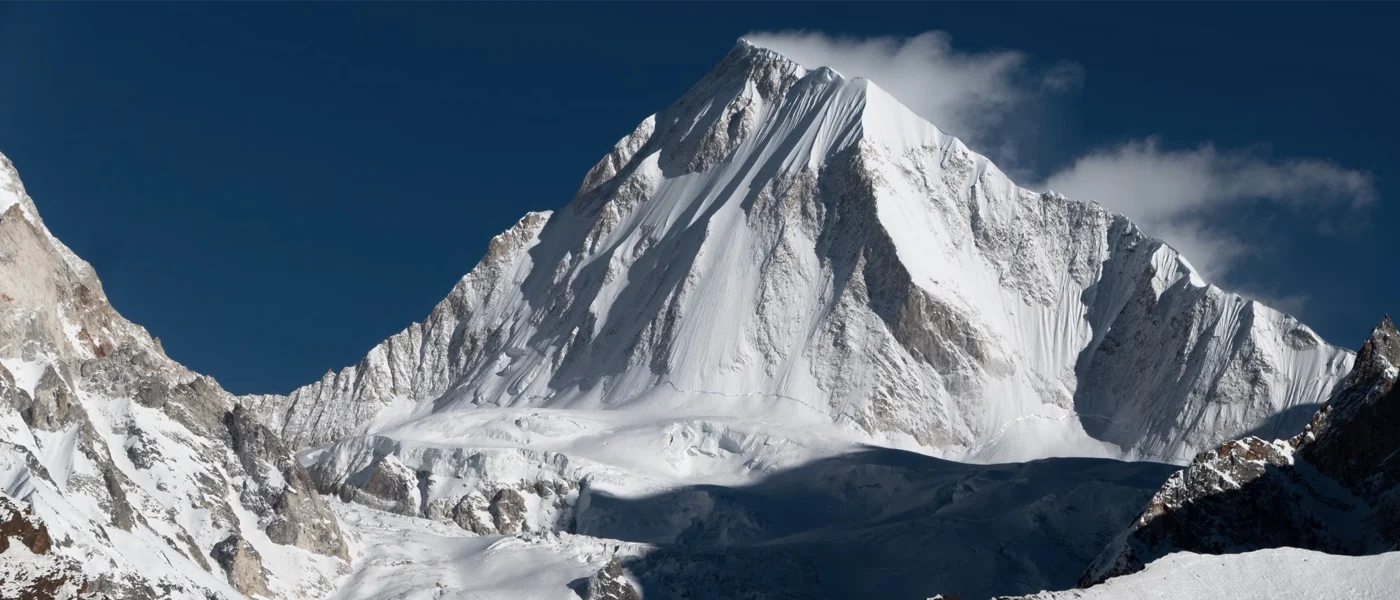
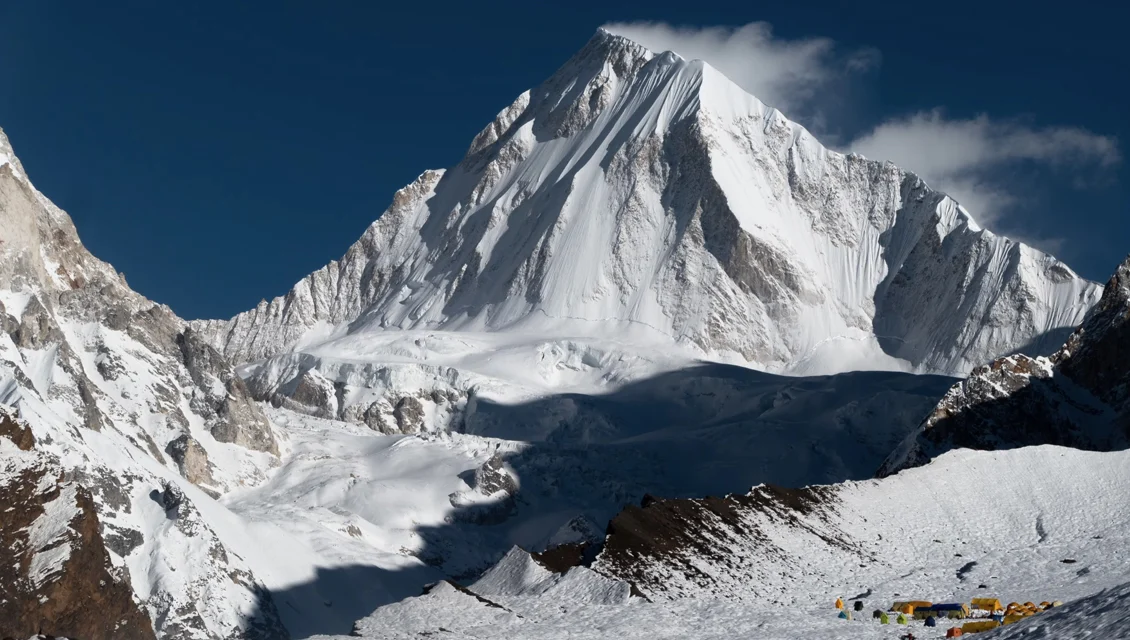
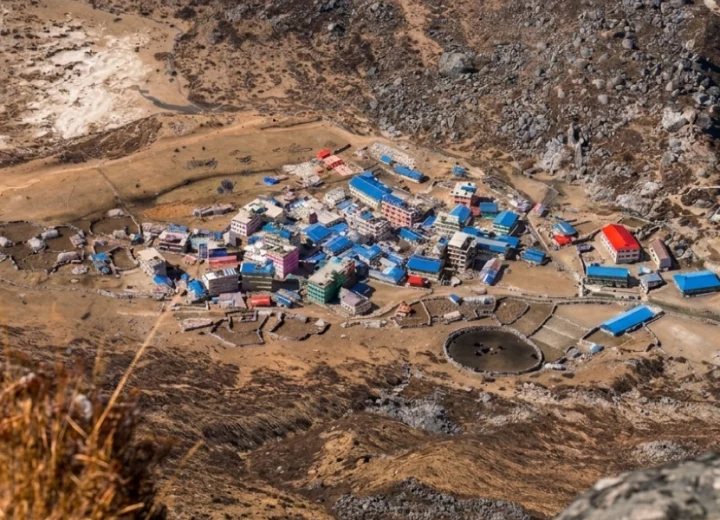
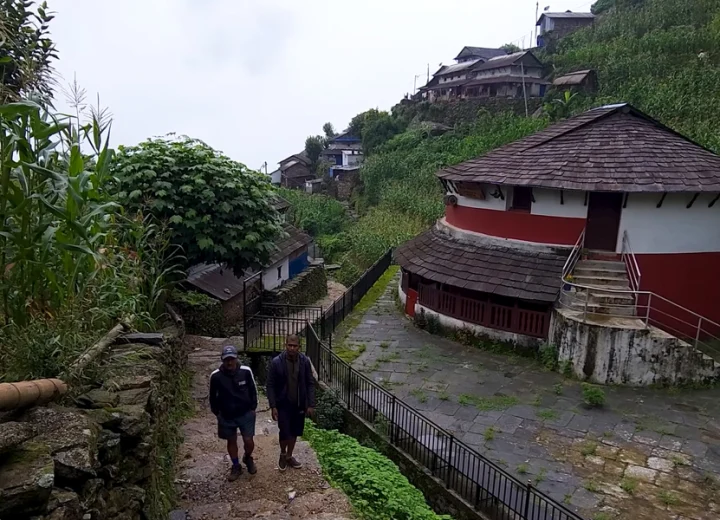
The Himlung Himal Expedition is a remote and highly rewarding 7,000-meter climbing adventure located in the restricted Nar-Phu Valley of the Annapurna region in northern Nepal. Situated close to the Tibetan border, Himlung is known for its stable weather conditions, moderate technical difficulty, and excellent success rate compared to other Himalayan 7,000m peaks.
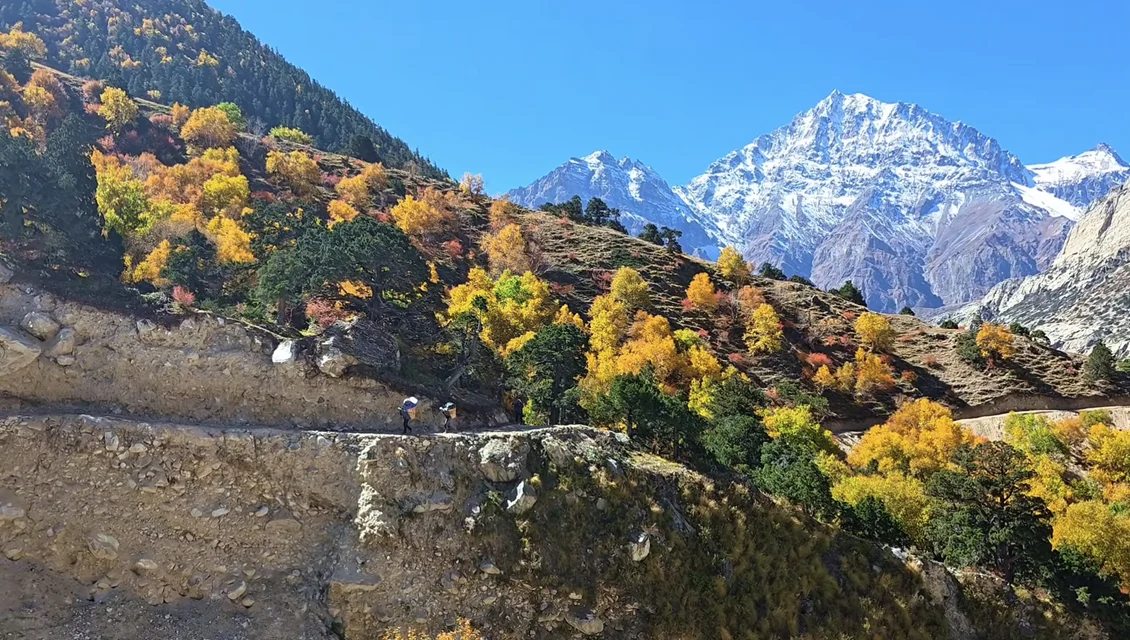
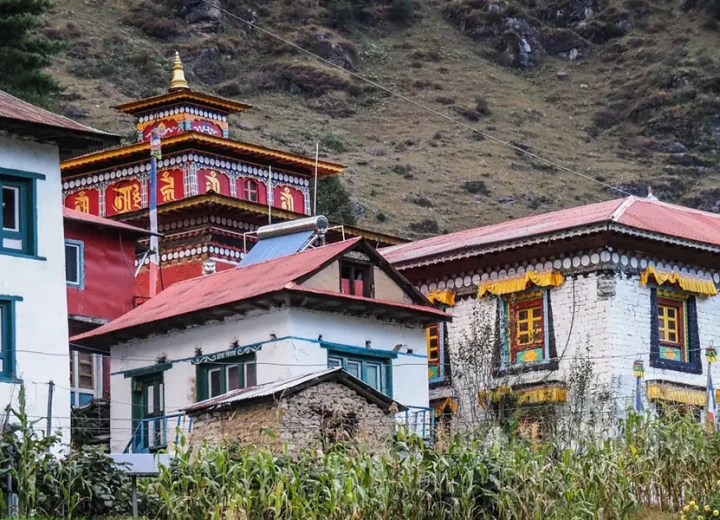
The expedition begins with a scenic drive from Kathmandu to Koto via Besisahar, followed by a long trekking approach through the culturally rich and isolated Nar-Phu Valley. The trail passes through traditional Tibetan-influenced villages, narrow gorges, alpine landscapes, and high mountain deserts before reaching Himlung Base Camp.
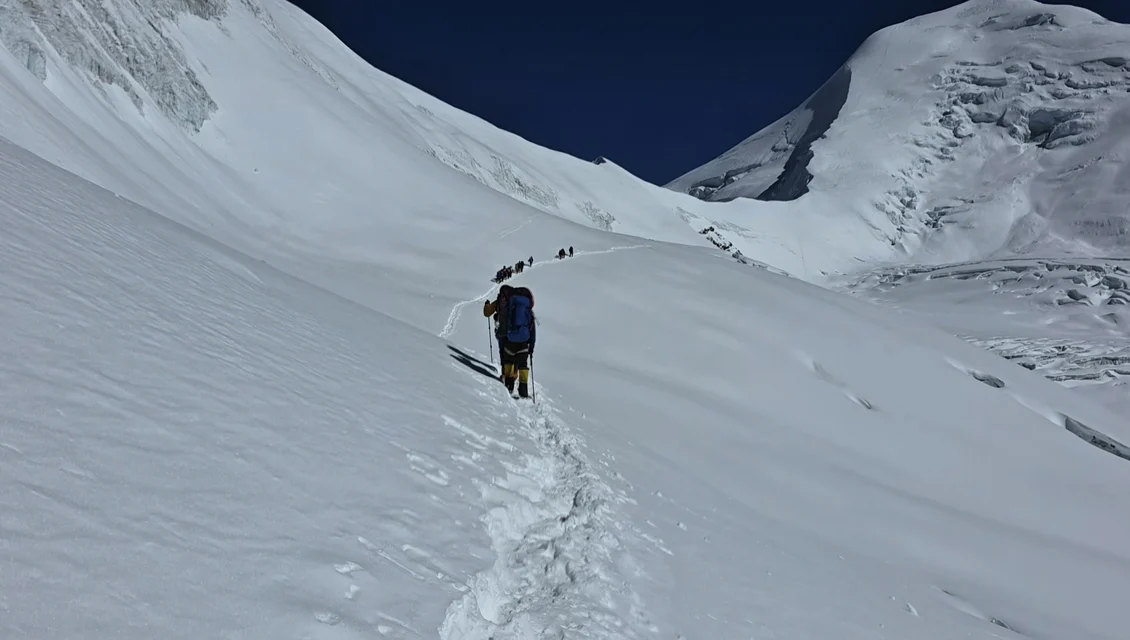
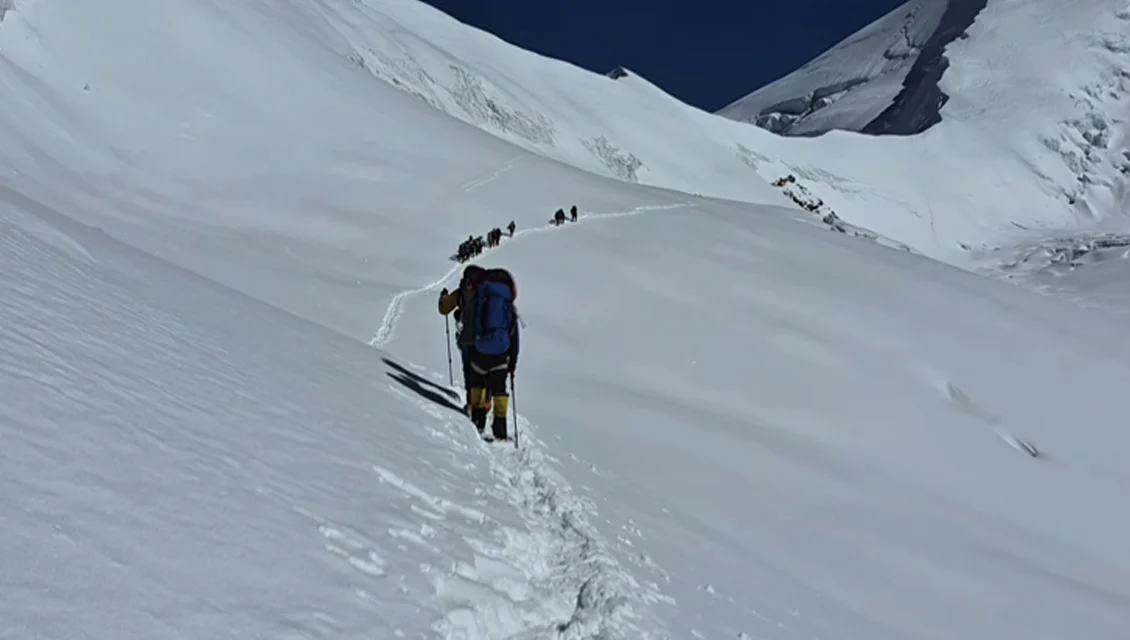
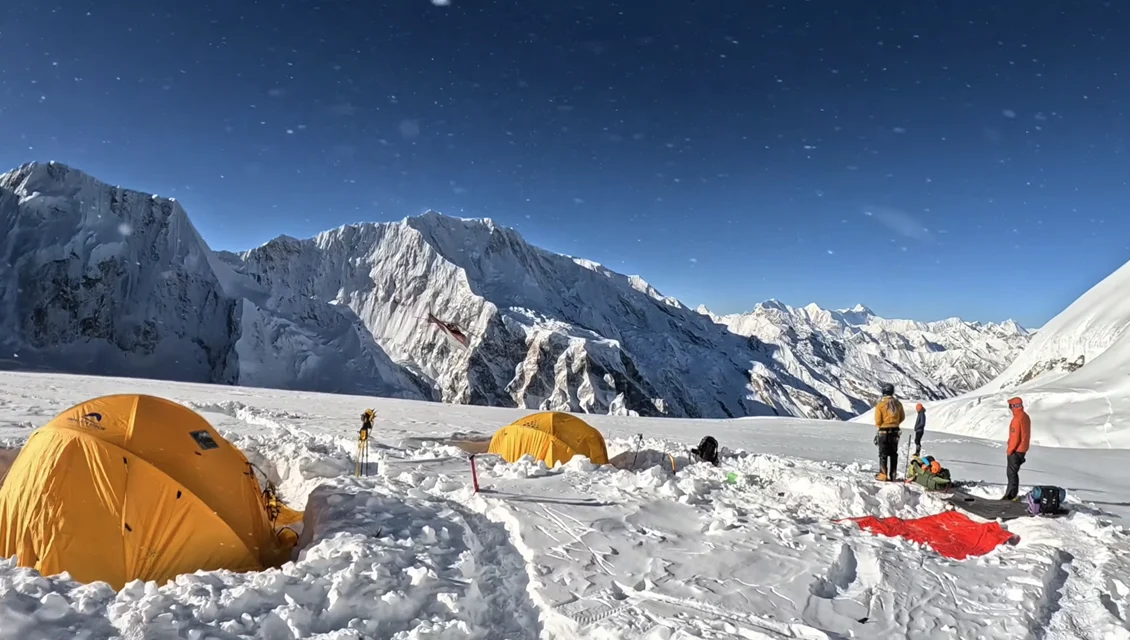
From Base Camp, climbers undertake gradual acclimatization rotations through Camp I, Camp II, and Camp III before making the summit attempt. The route involves glacier travel, moderate snow slopes, and fixed rope sections in the upper mountain. Himlung is often chosen as an ideal preparation peak for 8,000-meter expeditions such as Manaslu, Everest, and Cho Oyu due to its balanced challenge and relatively predictable climbing conditions.
The summit offers breathtaking views of Annapurna II, Manaslu range, Kang Guru, and Tibetan peaks across the border, making it one of the most scenic climbs in Nepal.
Geography and Landscape
Himlung Himal lies within the restricted Nar-Phu region, a hidden Himalayan valley influenced heavily by Tibetan geography and culture. The area is part of the protected zone of Annapurna Conservation Area, one of Nepal’s largest and most diverse conservation regions.
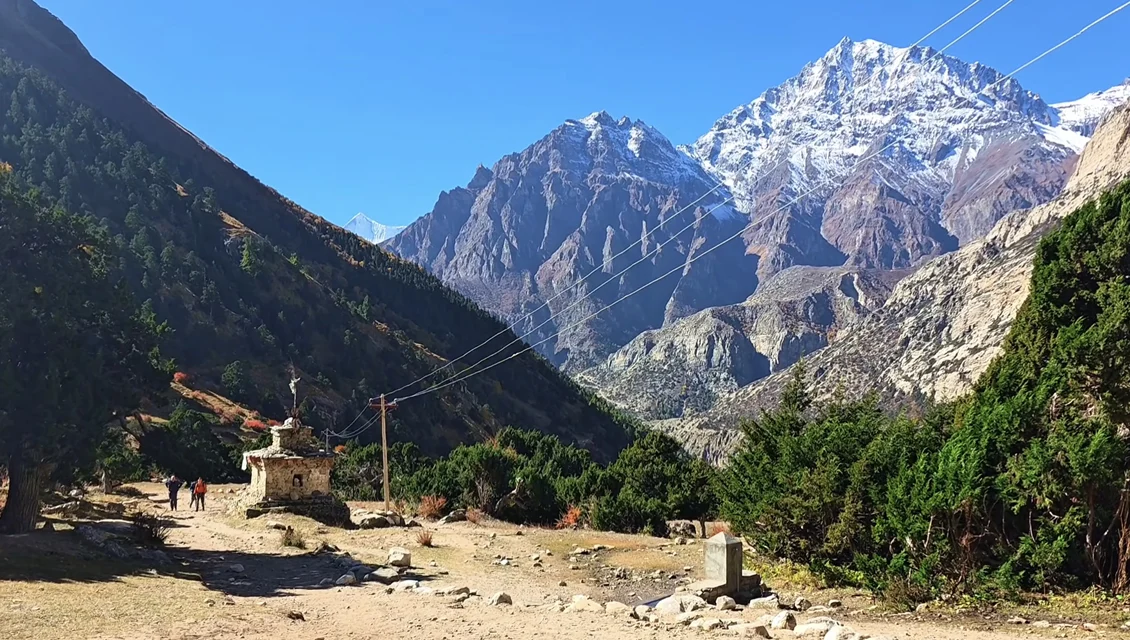
The landscape of the approach is extremely varied. It begins with lush forests, terraced hills, and river valleys in the lower region. As climbers move higher, the environment transforms into deep gorges, dry alpine terrain, and high-altitude desert-like landscapes influenced by the rain shadow of the Annapurna and Manaslu ranges.
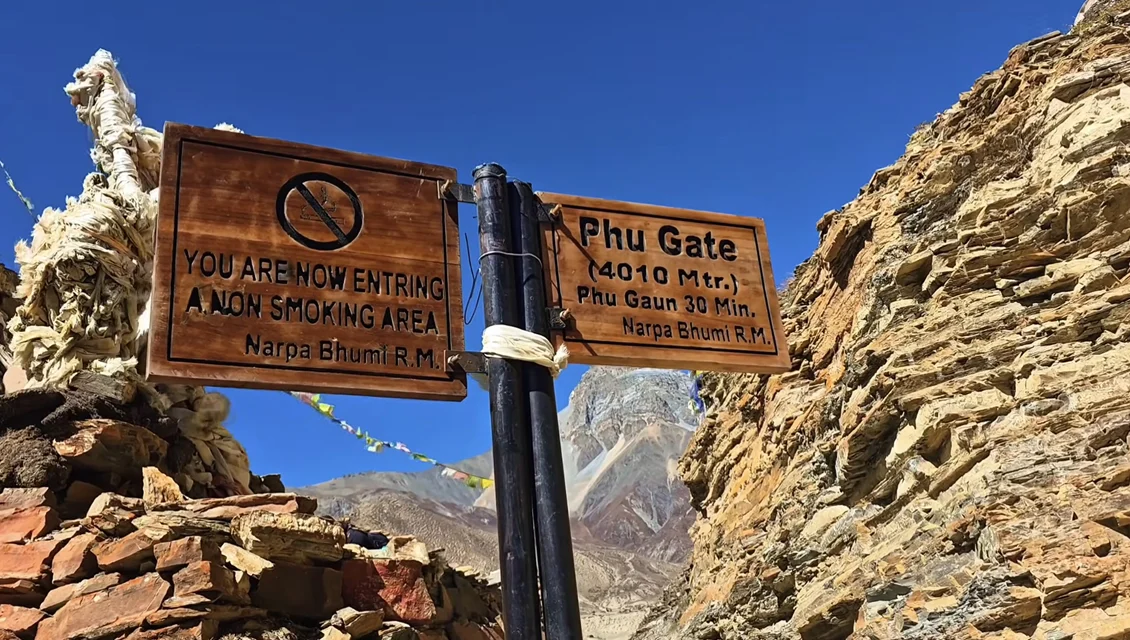
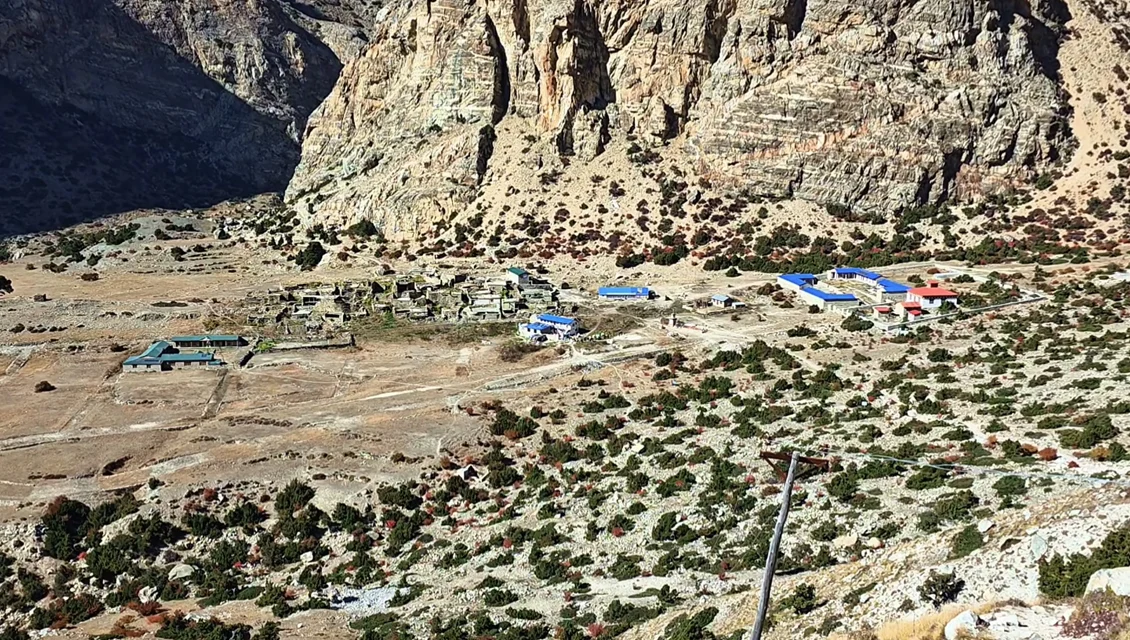
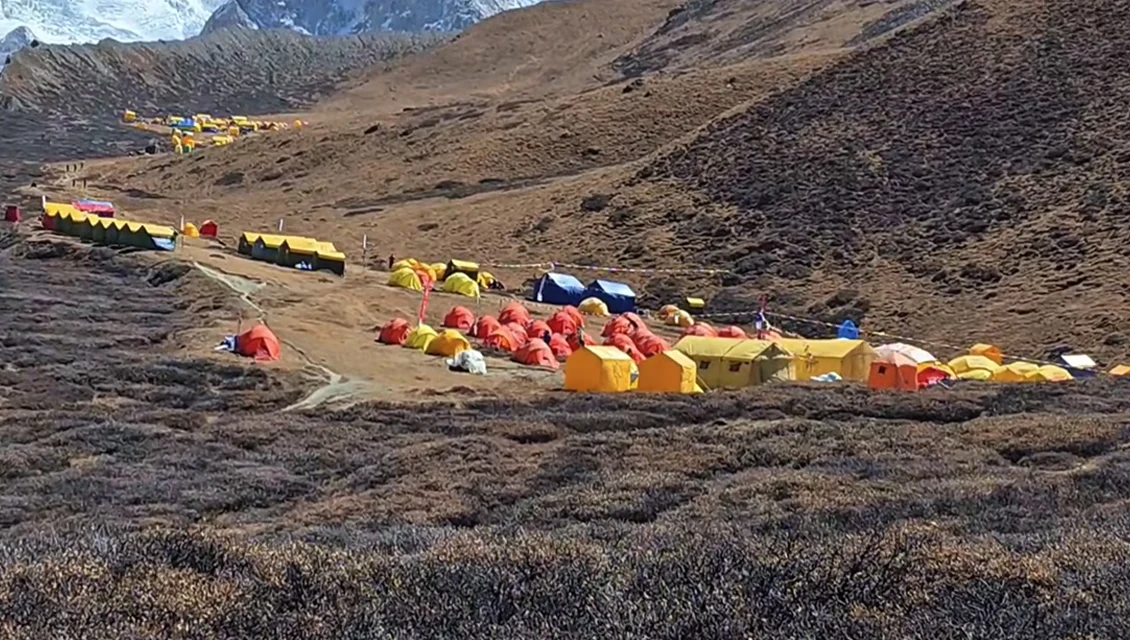
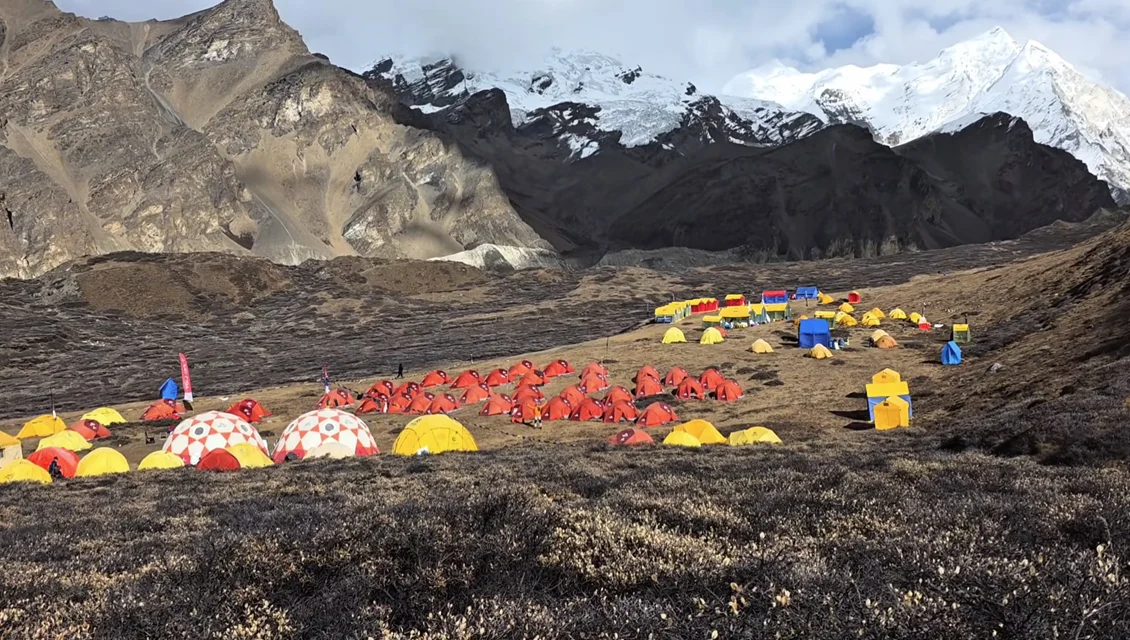
Above Phu village and Meta, the terrain becomes increasingly barren and rugged, with dramatic rock formations and glacial valleys. Near Base Camp, the landscape is dominated by ice fields, moraines, and snow-covered peaks, creating a true high-altitude expedition environment.
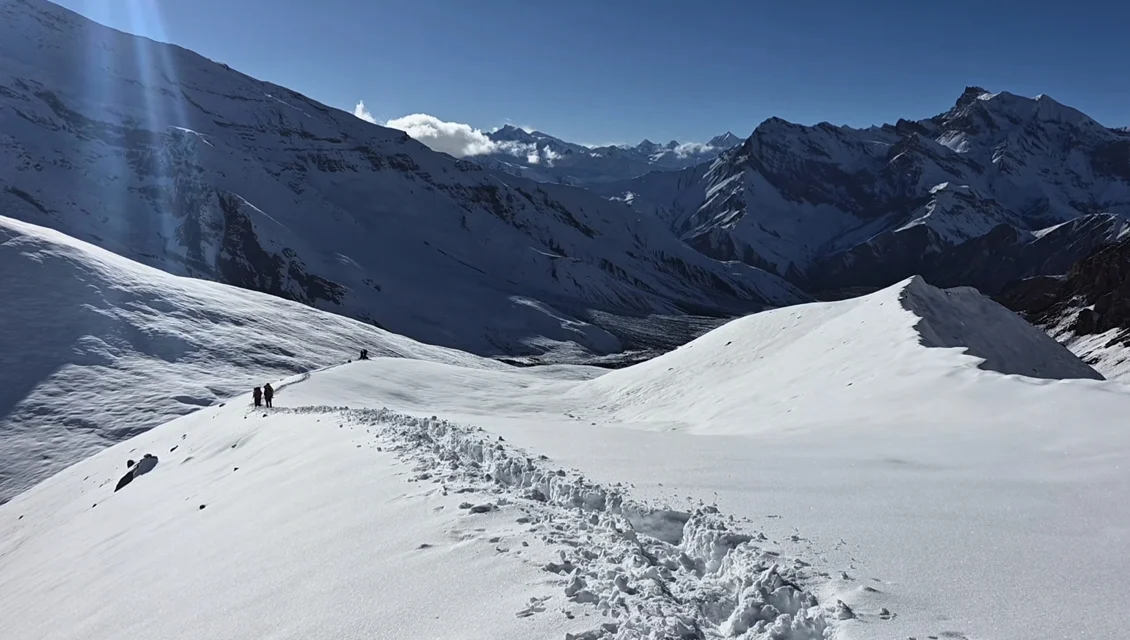
The upper climbing route consists of long glacier walks, exposed snow slopes, and technical sections requiring fixed rope assistance. The remoteness of the region enhances the feeling of isolation, making Himlung a true wilderness expedition experience.
Sherpa Guide & Support
The Himlung Himal Expedition is led by highly experienced Sherpa climbing guides who provide full technical, logistical, and safety support throughout the journey. Their expertise is essential due to the remote nature and high-altitude conditions of the Nar-Phu Valley.
Sherpa guides are responsible for route setting, fixing ropes on steep sections, and guiding climbers safely across glacier terrain. They provide hands-on instruction in the use of essential climbing equipment such as crampons, ice axes, harnesses, and ascenders.
Acclimatization is carefully managed through staged rotations between Base Camp and higher camps. Guides continuously monitor climbers’ health, oxygen levels, and overall physical condition to ensure safe progression toward the summit.
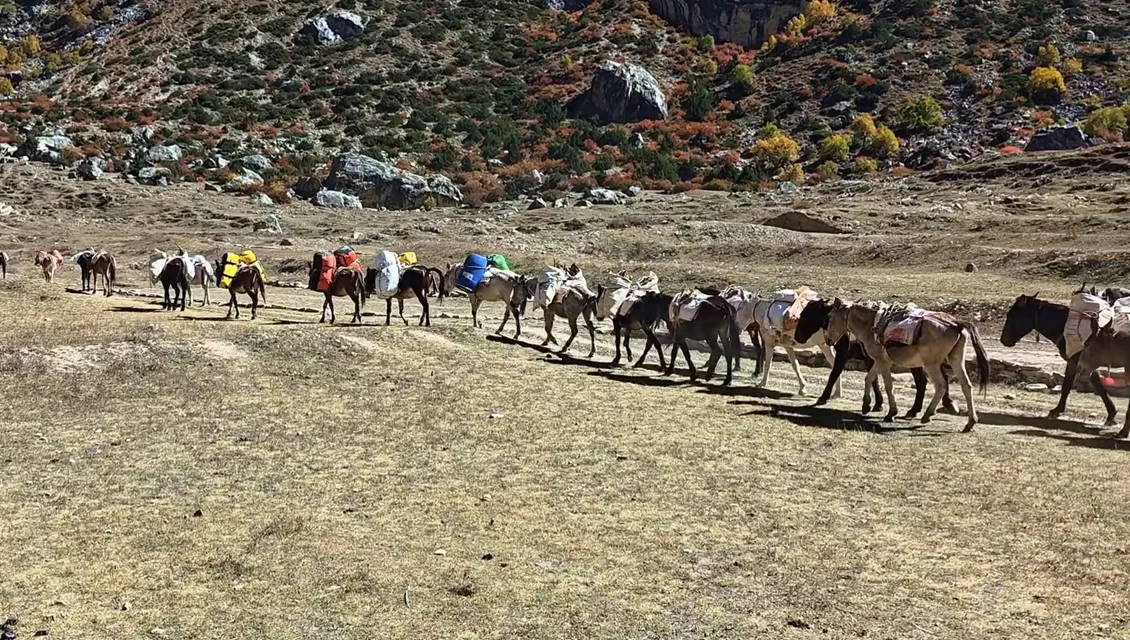
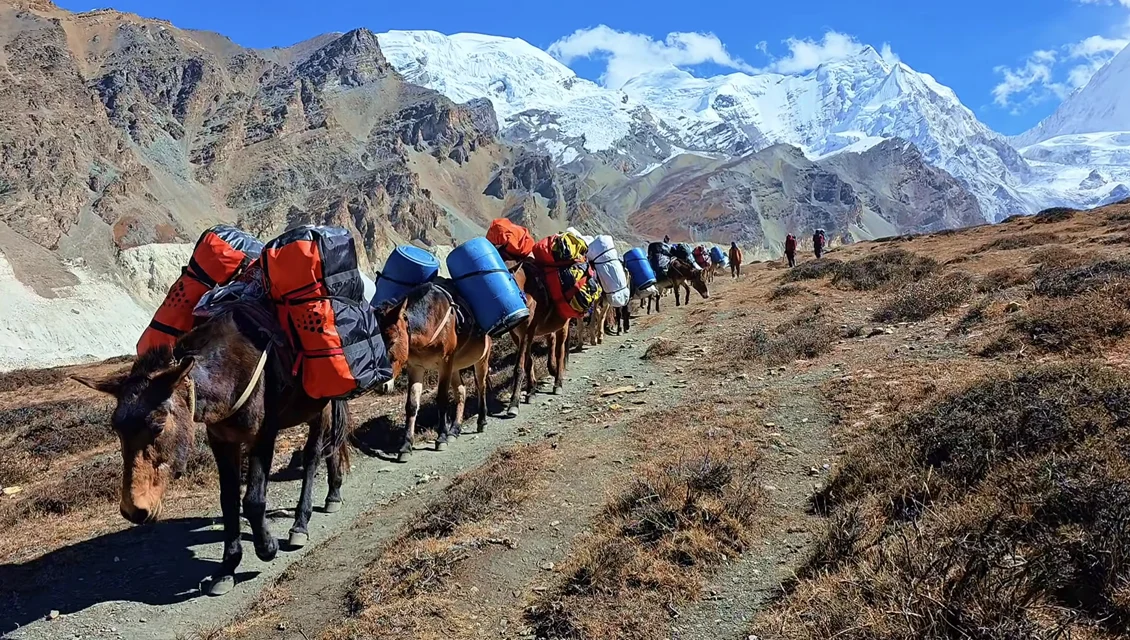
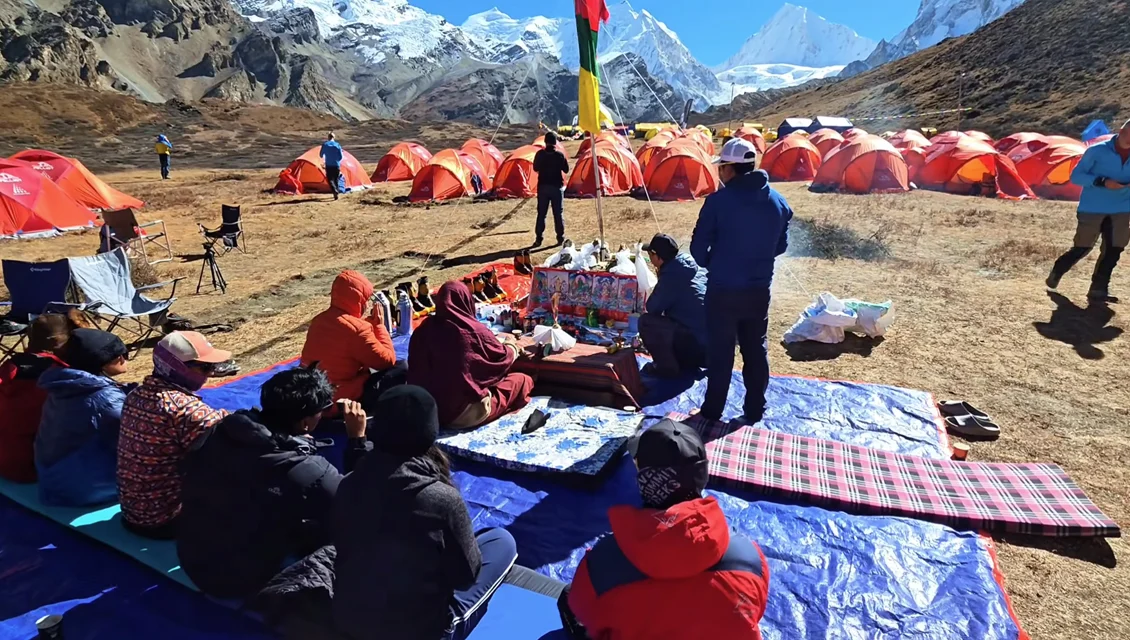
In addition to climbing support, Sherpa teams manage logistics at Base Camp, including tent setup, kitchen operations, food supply, and communication systems. Porters assist in carrying loads up to Base Camp due to the remote and rugged approach route.
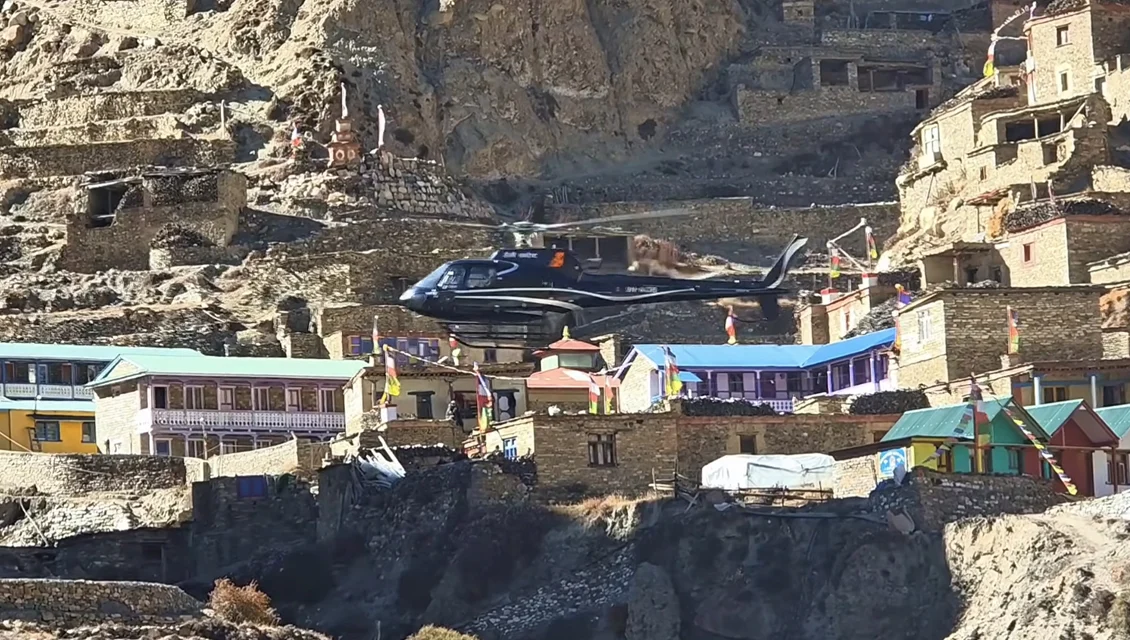
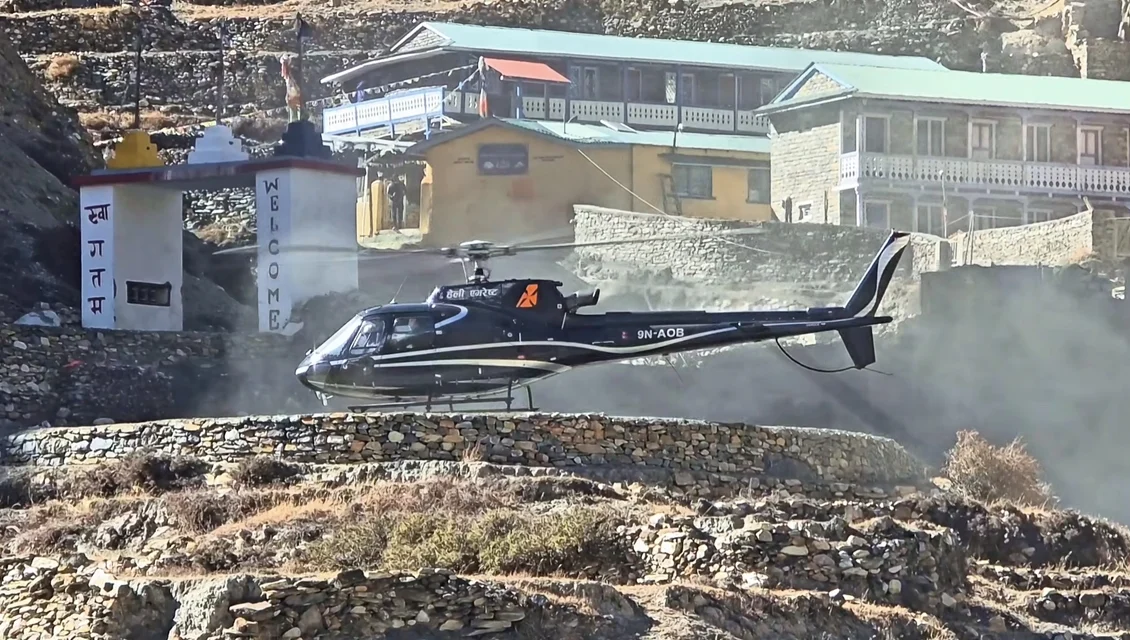
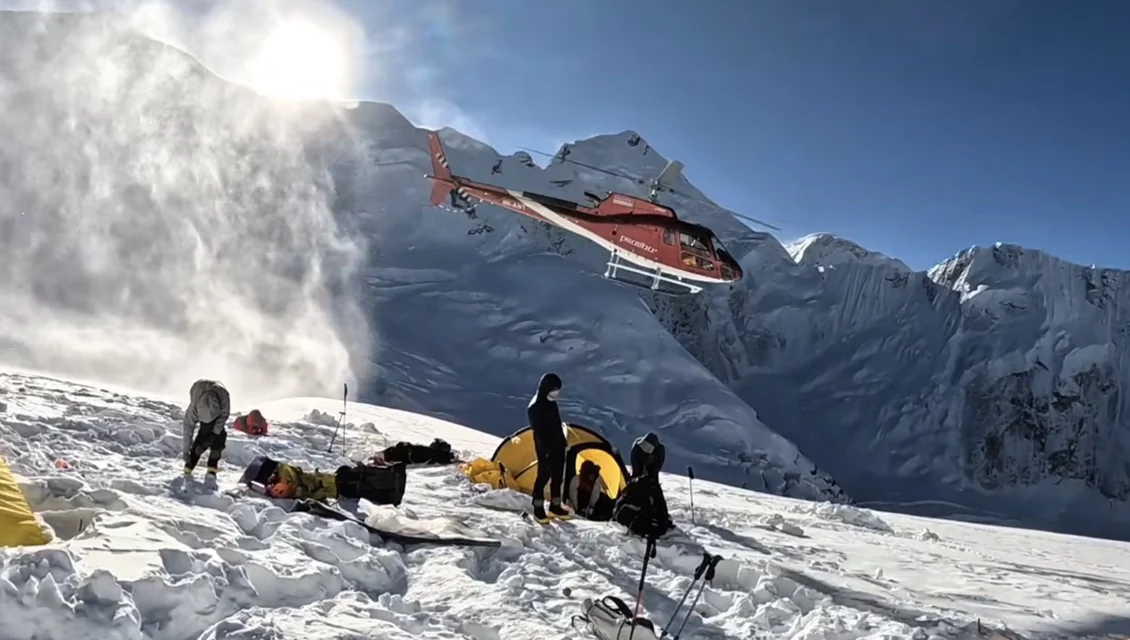
Emergency preparedness is an important part of the expedition. Helicopter evacuation support is available from lower sections when required, ensuring a strong safety system even in this isolated region.