The Kathmandu – Pokhara – Lumbini Tour is one of Nepal’s most rewarding cultural and scenic journeys, offering travelers a comprehensive introduction to the country’s rich heritage, spiritual traditions, natural beauty, and historical significance. This carefully crafted tour connects three of Nepal’s most iconic destinations: Kathmandu, the cultural and historical heart of the nation; Pokhara, the picturesque gateway to the Himalayas; and Lumbini, the sacred birthplace of Lord Buddha.
Designed for travelers seeking a balanced blend of culture, nature, and spirituality, the tour showcases Nepal’s remarkable diversity within a single journey. Visitors explore ancient temples, royal palaces, sacred stupas, serene lakes, breathtaking mountain landscapes, and internationally renowned pilgrimage sites. Whether you are a history enthusiast, spiritual seeker, photographer, or cultural explorer, this tour provides an unforgettable experience that captures the essence of Nepal.
The journey offers a unique opportunity to discover UNESCO World Heritage Sites, vibrant local communities, and landscapes that range from Himalayan foothills to subtropical plains. Along the way, travelers gain valuable insight into Nepal’s traditions, religions, architecture, and way of life.
Geography and Landscape
One of the most fascinating aspects of the Kathmandu – Pokhara – Lumbini Tour is the incredible geographical diversity experienced throughout the journey. Nepal may be relatively small in size, but it contains some of the most varied landscapes in the world.
Kathmandu Valley lies at an elevation of approximately 1,400 meters and is surrounded by forested hills and fertile farmland. Historically regarded as the cultural center of Nepal, the valley features ancient cities, terraced fields, and traditional settlements set against a backdrop of green ridges and distant Himalayan peaks.
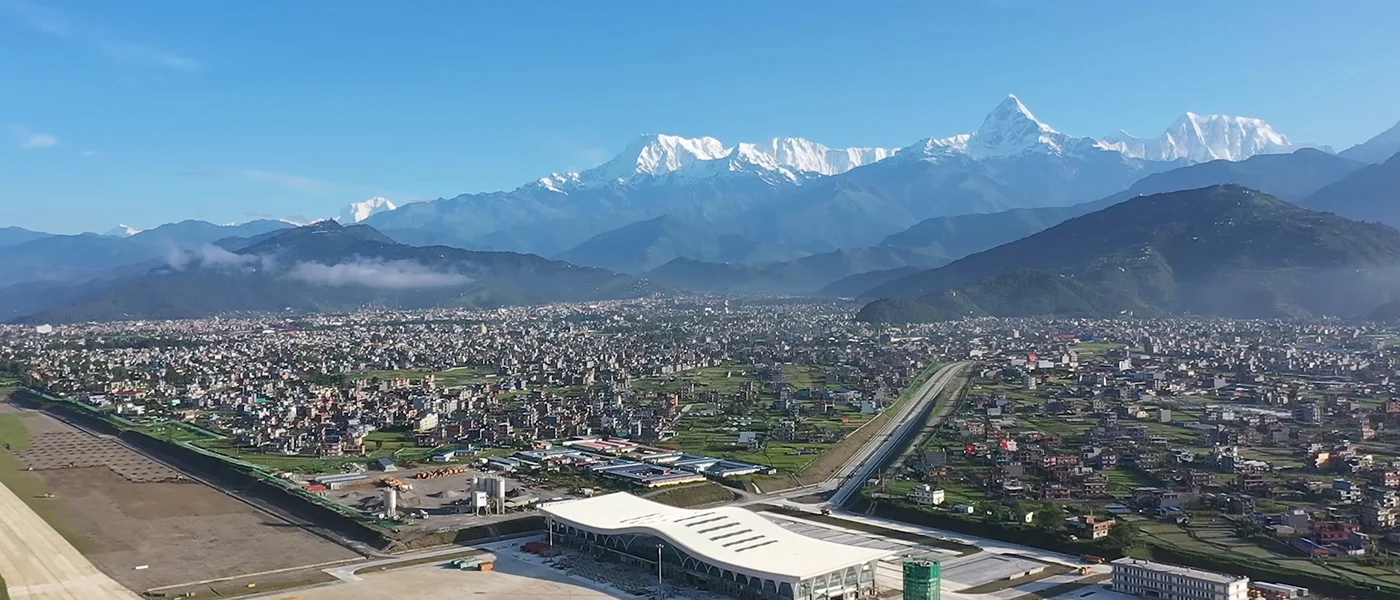
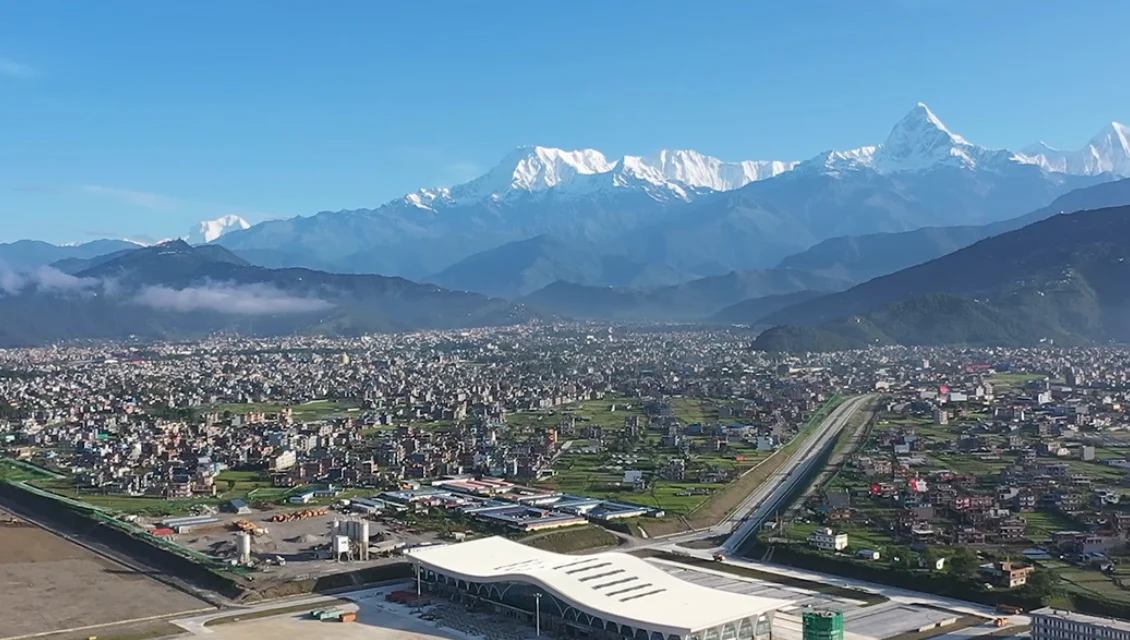
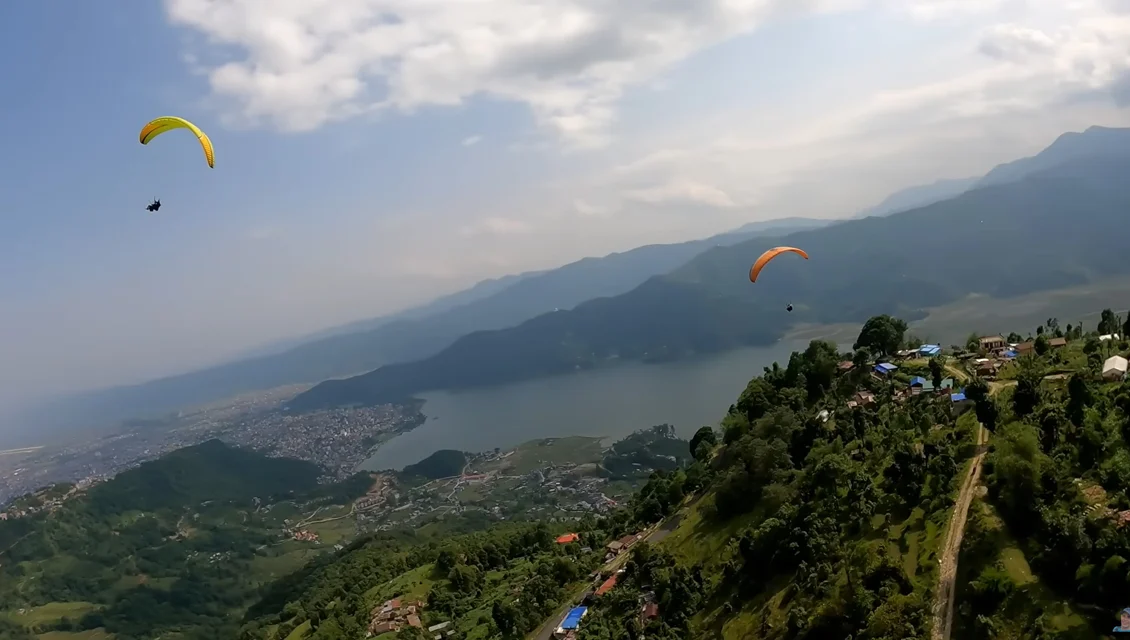
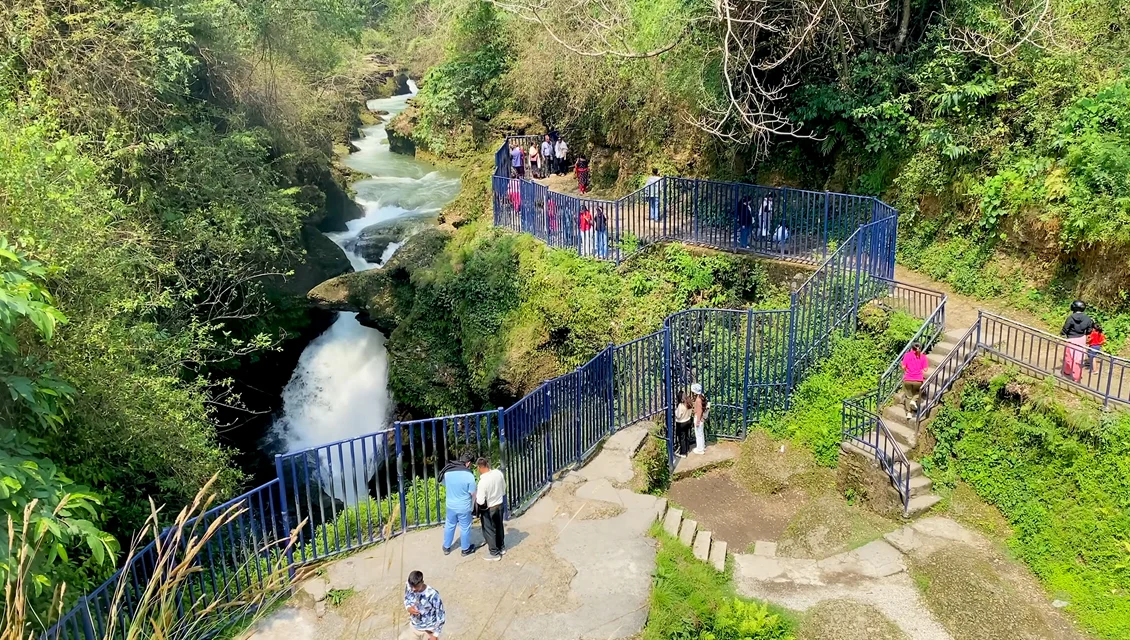
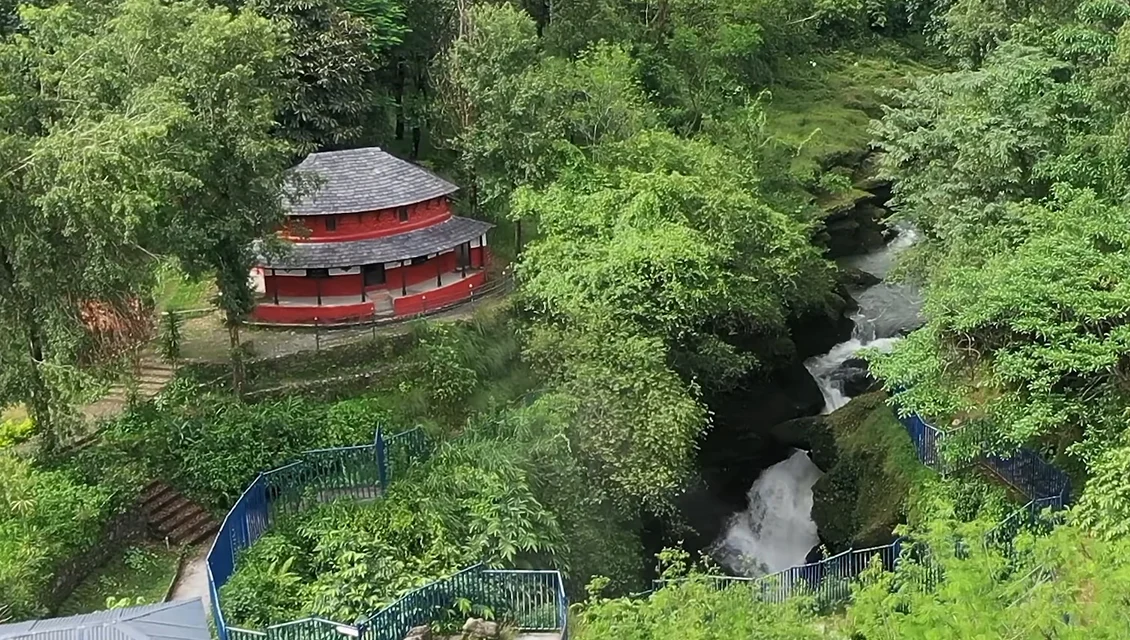
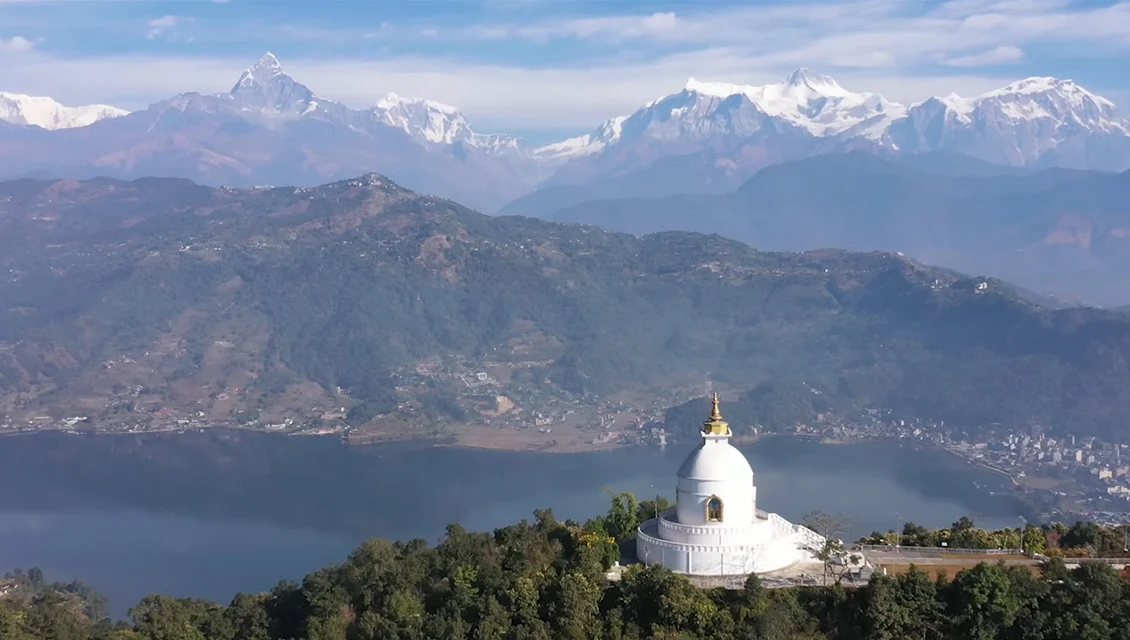
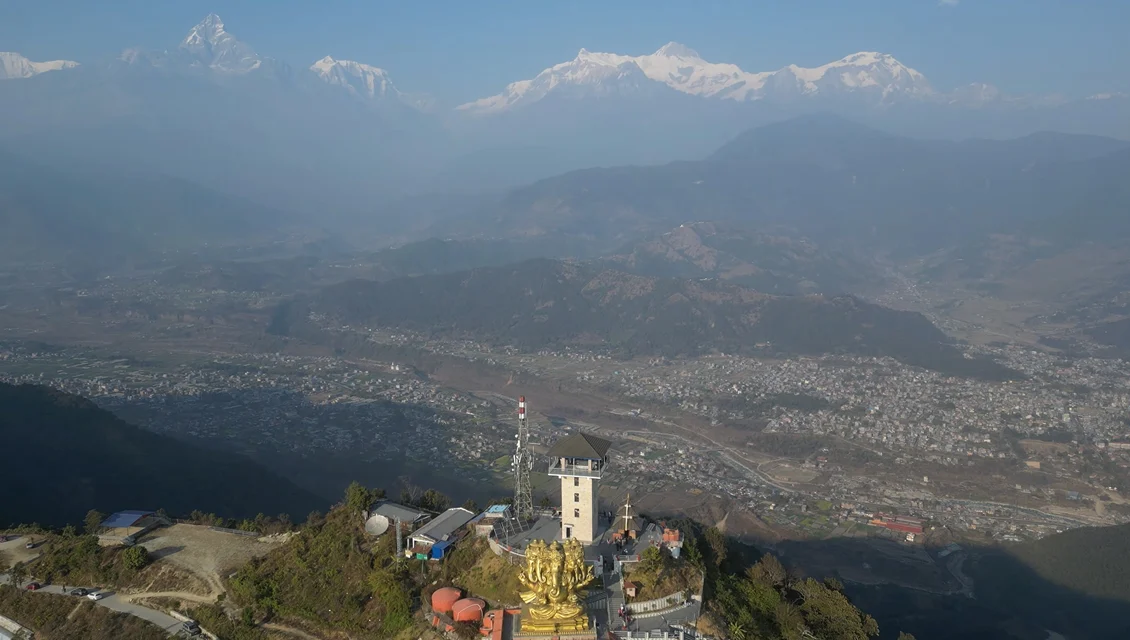
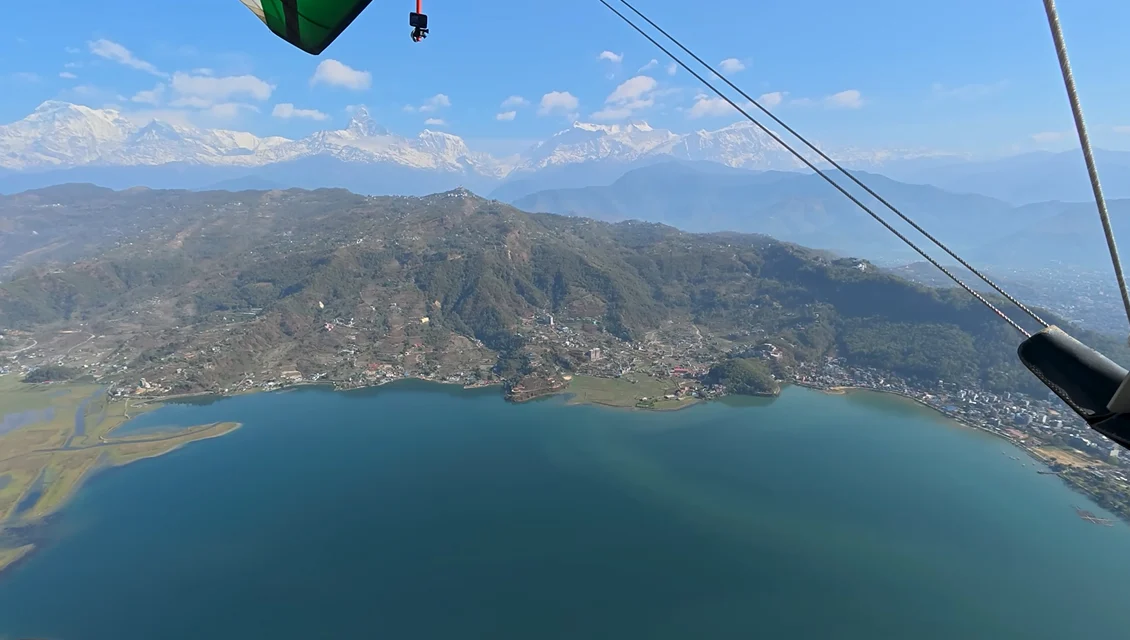
Pokhara, located at an elevation of around 820 meters, is famous for its spectacular natural setting beneath the Annapurna and Machhapuchhre (Fishtail) mountain ranges. The city is blessed with pristine lakes, waterfalls, caves, rivers, and lush green hills. Phewa Lake, reflecting the snow-capped Himalayas, creates one of Nepal’s most iconic and photographed landscapes. The surrounding mountains provide stunning panoramic views and contribute to Pokhara’s reputation as one of the most beautiful destinations in South Asia.
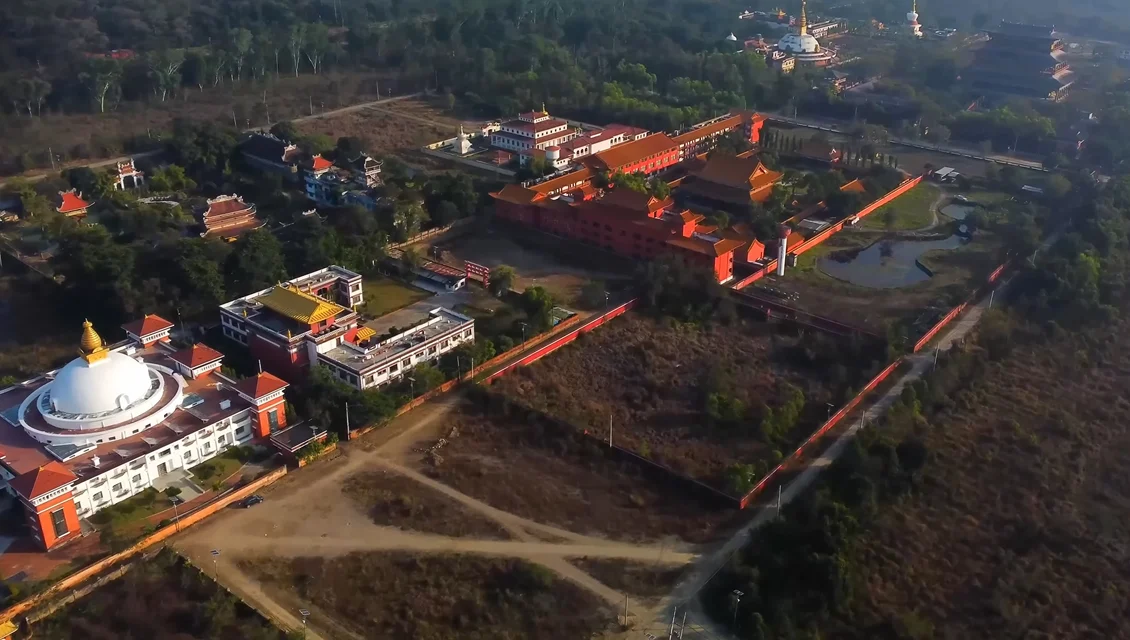
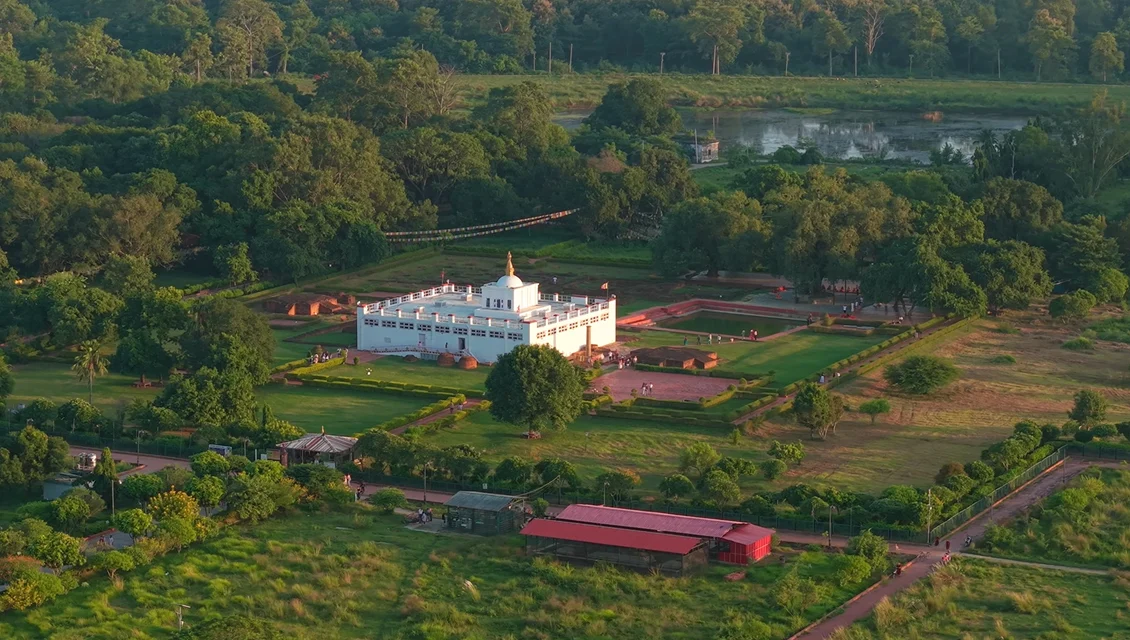
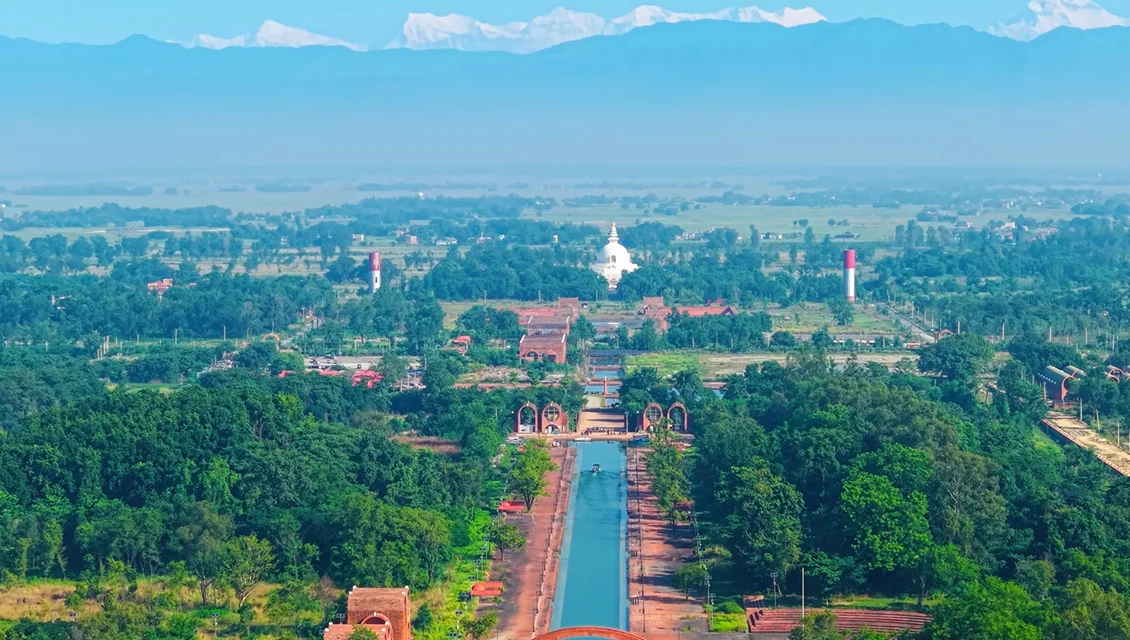
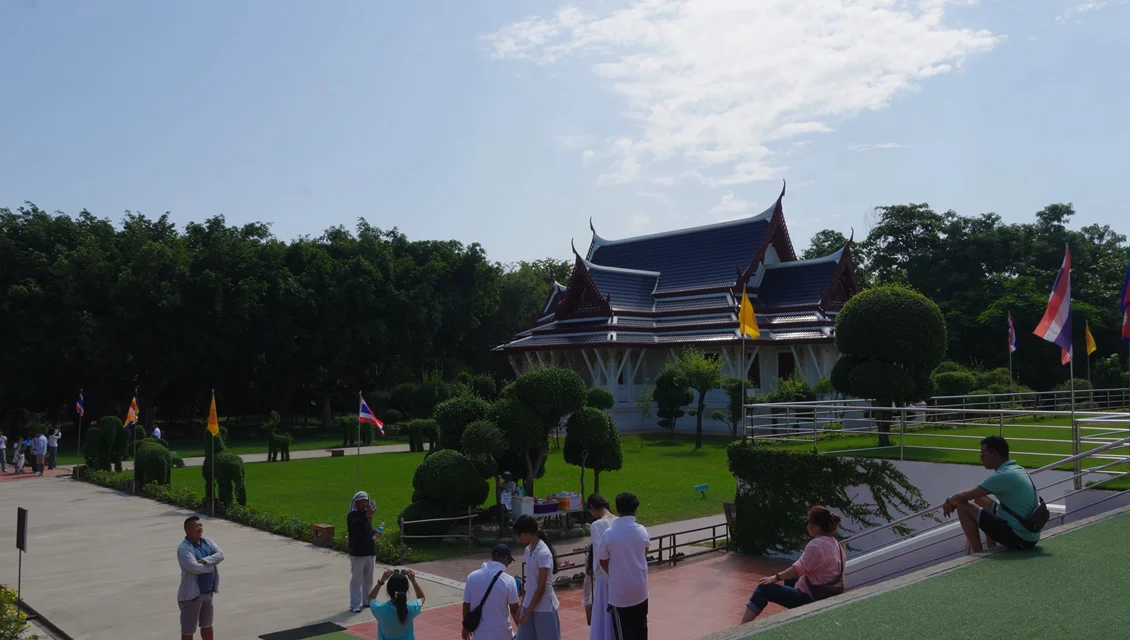
Further south, the landscape changes dramatically as the route descends into Nepal’s Terai region. Lumbini, situated at approximately 150 meters above sea level, lies within the fertile plains bordering India. This peaceful region is characterized by agricultural fields, wetlands, monasteries, and subtropical vegetation. The calm atmosphere of Lumbini provides a striking contrast to the mountainous scenery of central Nepal.
Together, these diverse geographical regions allow travelers to experience Nepal’s extraordinary natural beauty, from Himalayan vistas and tranquil lakes to sacred gardens and fertile lowlands.
Culture and People
Nepal is home to a remarkable diversity of ethnic groups, languages, customs, and traditions. Throughout this tour, travelers encounter a rich cultural mosaic that reflects centuries of history and cultural exchange.
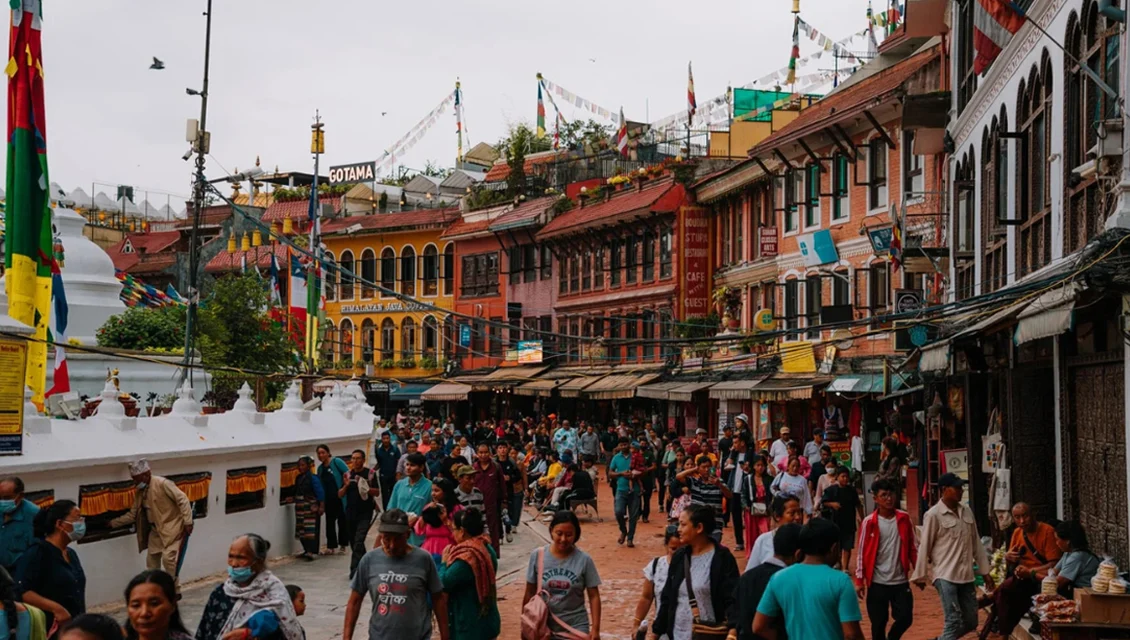
Kathmandu Valley is strongly influenced by the Newar community, whose artistic achievements, architecture, festivals, and traditions have shaped Nepalese civilization for generations. Ancient courtyards, intricately carved temples, and bustling traditional markets reflect the enduring legacy of Newar culture.
In Pokhara, visitors experience the traditions of Gurung, Magar, and other indigenous hill communities. These groups are known for their warm hospitality, traditional dances, agricultural lifestyles, and deep connection to the Himalayan environment. The relaxed atmosphere and friendly local culture create a welcoming environment for visitors.
Lumbini is home to diverse communities including Tharu, Madhesi, and other ethnic groups of Nepal’s southern plains. The region reflects a unique blend of Nepali and South Asian cultural influences, creating a peaceful and multicultural environment for pilgrims and travelers alike.
Throughout the journey, visitors have opportunities to sample traditional cuisine, interact with local communities, observe daily life, and gain a deeper appreciation of Nepal’s cultural richness.
Religion and Spiritual Heritage
Religion plays a central role in Nepalese society, and this tour provides a remarkable opportunity to explore both Hindu and Buddhist traditions.
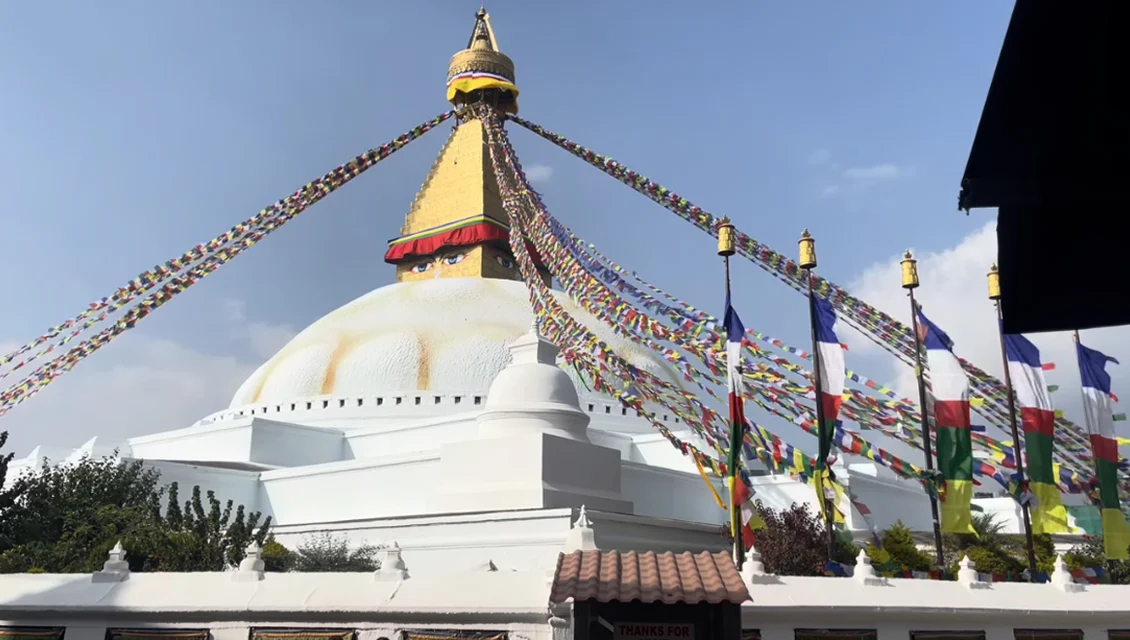
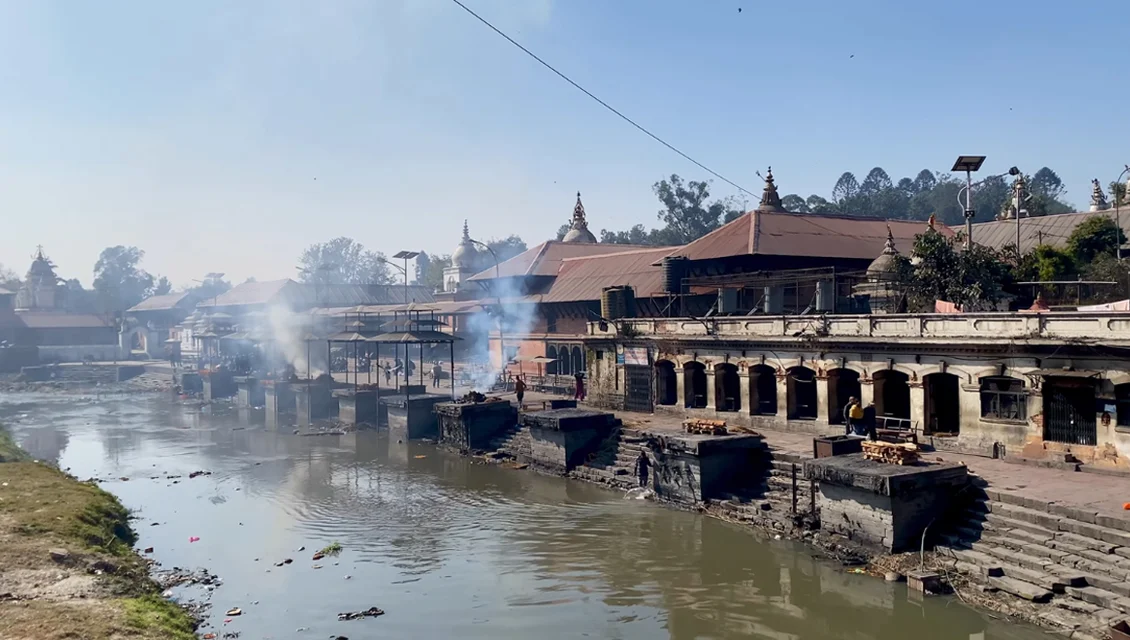
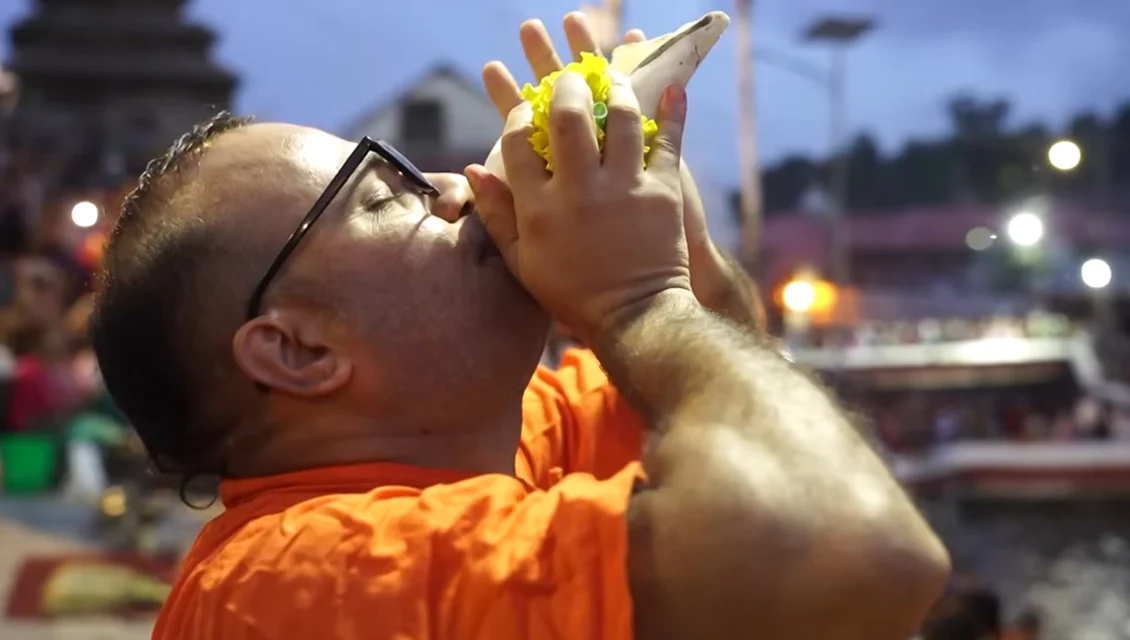
Kathmandu is renowned for its sacred temples and stupas, where Hinduism and Buddhism have coexisted harmoniously for centuries. Ancient rituals, prayer ceremonies, and festivals continue to shape daily life throughout the valley.
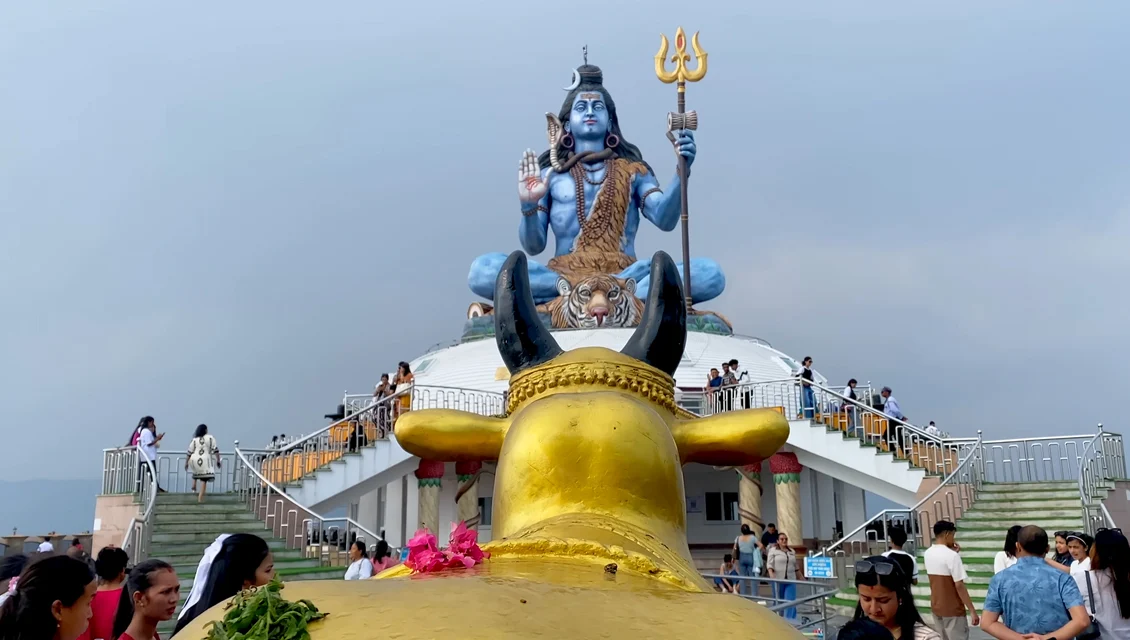
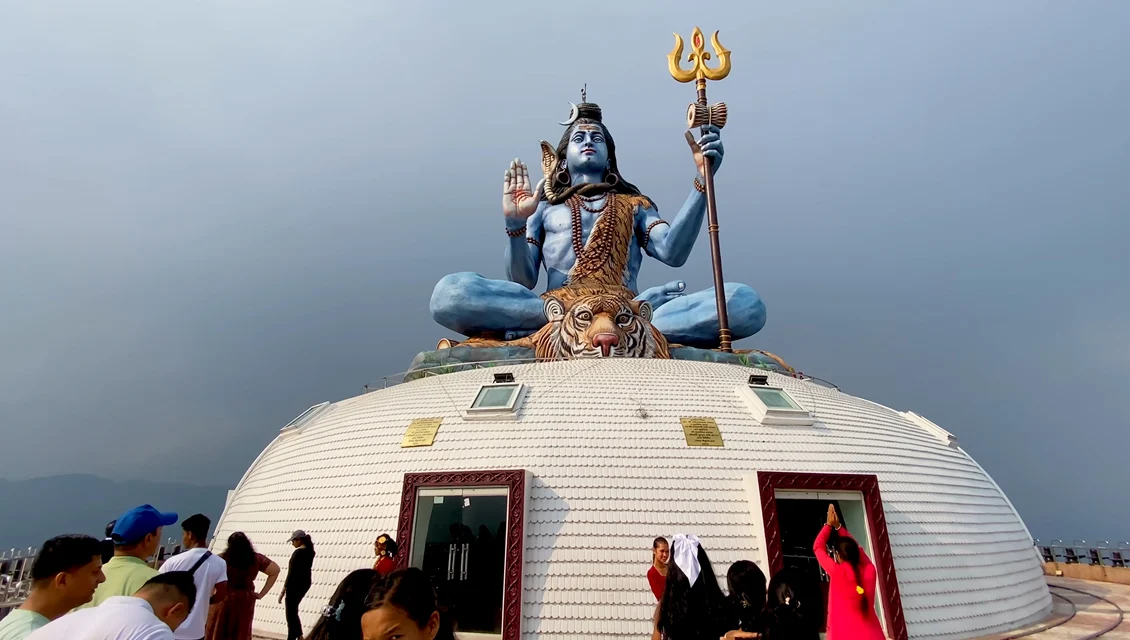
Pokhara combines natural beauty with spiritual significance. Numerous temples, monasteries, and sacred caves can be found throughout the region, while the surrounding Himalayan peaks are revered in both Hindu and Buddhist traditions.
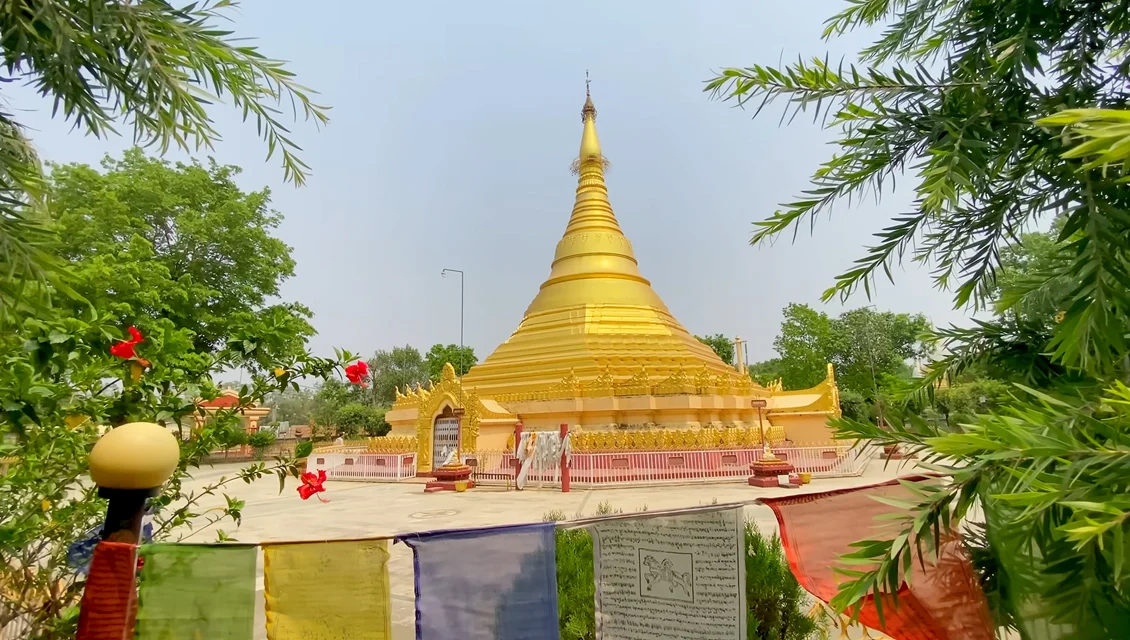
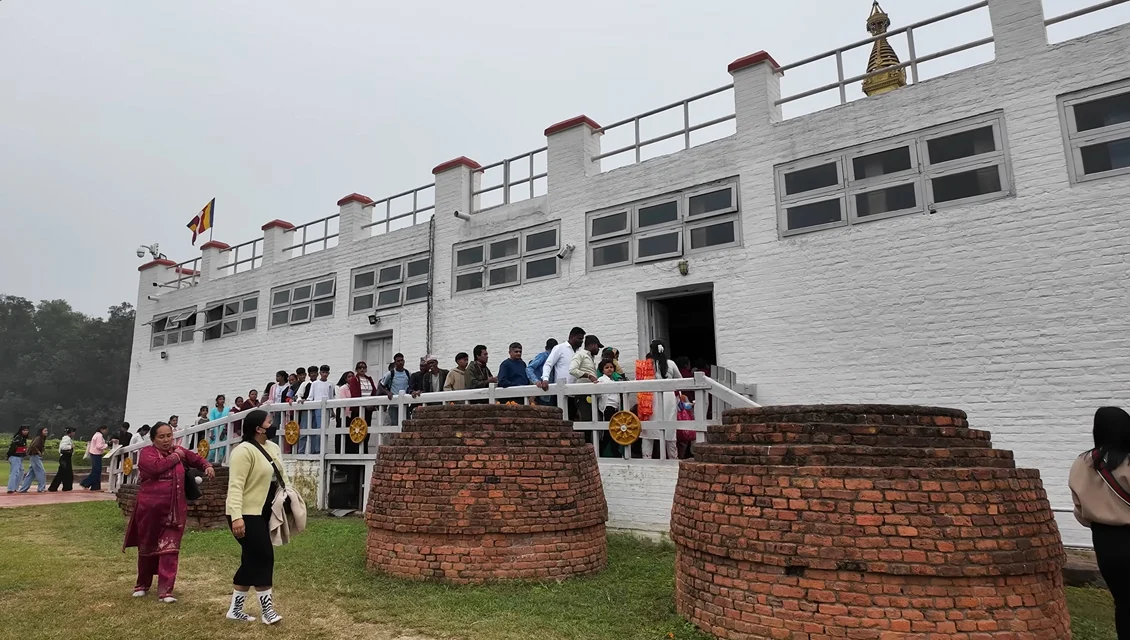
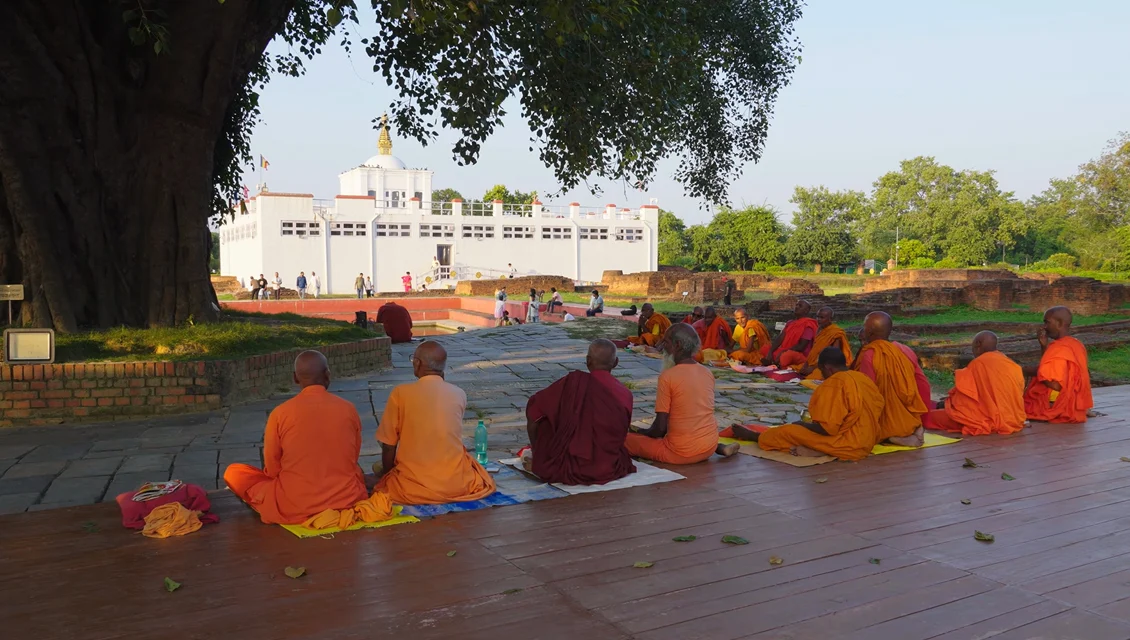
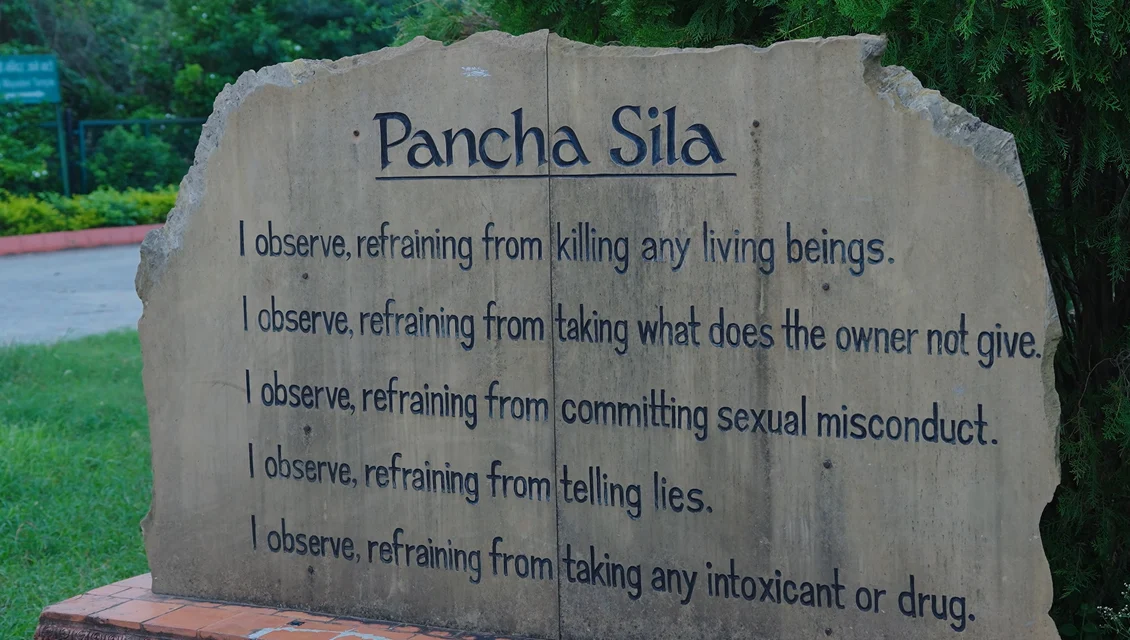
Lumbini is one of the most important Buddhist pilgrimage destinations in the world. As the birthplace of Lord Buddha, it attracts pilgrims, monks, scholars, and spiritual seekers from across the globe. Sacred gardens, meditation centers, monasteries, and historical monuments create an atmosphere of peace, reflection, and spiritual inspiration.