Transportations
- Private/tourist vehicles for airport pickup and drop-off in Kathmandu.
- Private/tourist vehicles transfer as per itinerary to access the trailheads.
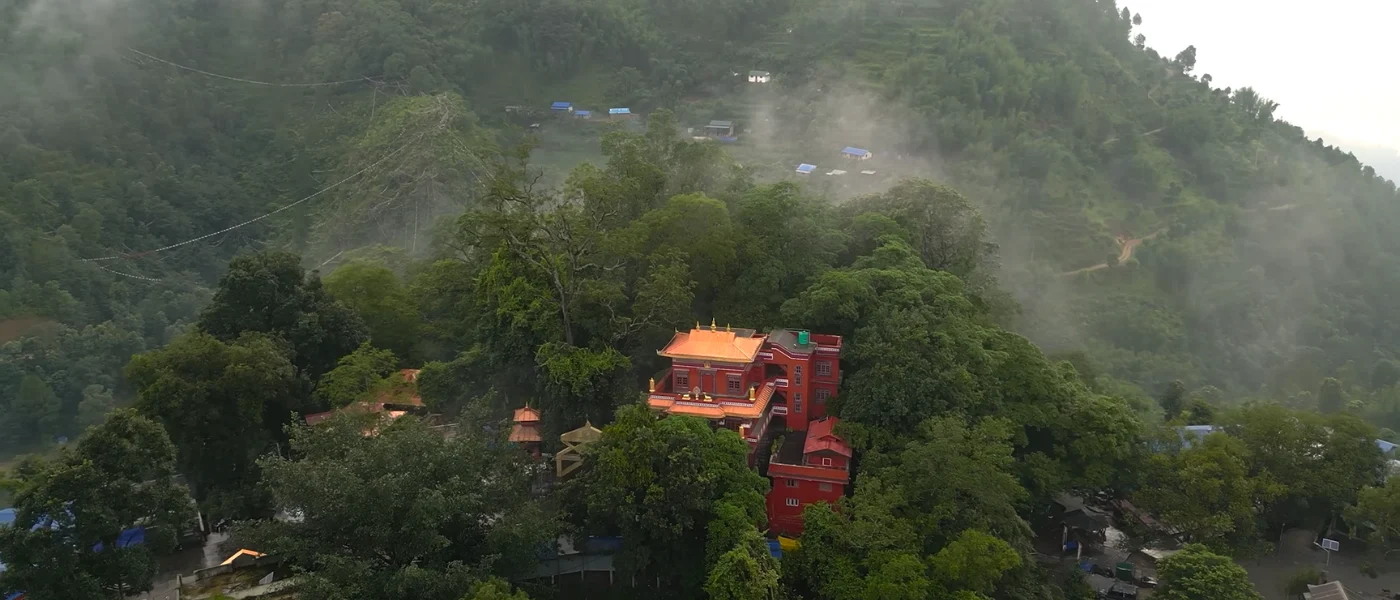
The Khotang Haleshi Trek is a culturally and spiritually significant journey in eastern Nepal that combines peaceful mid-hill trekking with one of the most sacred pilgrimage sites in the country. This trek is ideal for travelers seeking a blend of nature, local culture, and religious heritage away from the crowded mainstream trekking routes.
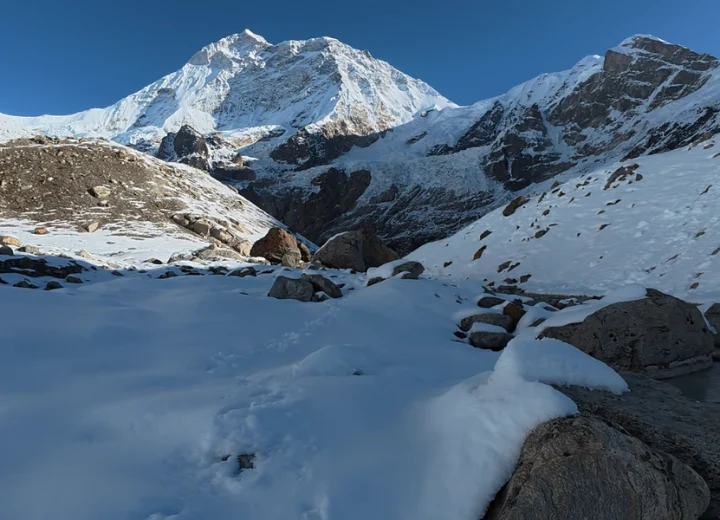
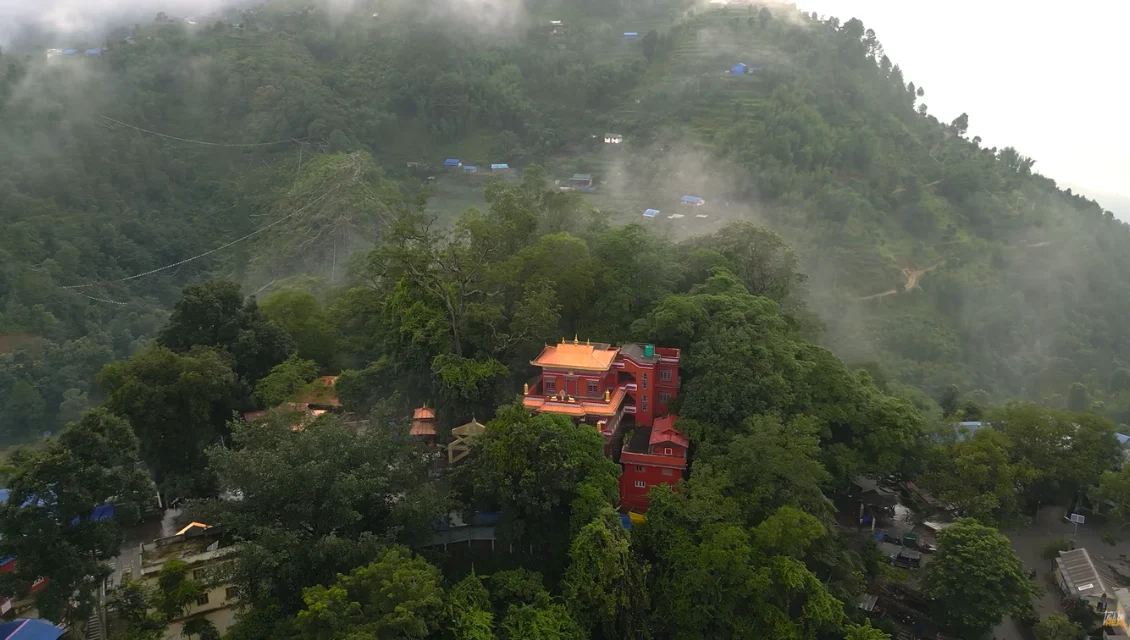
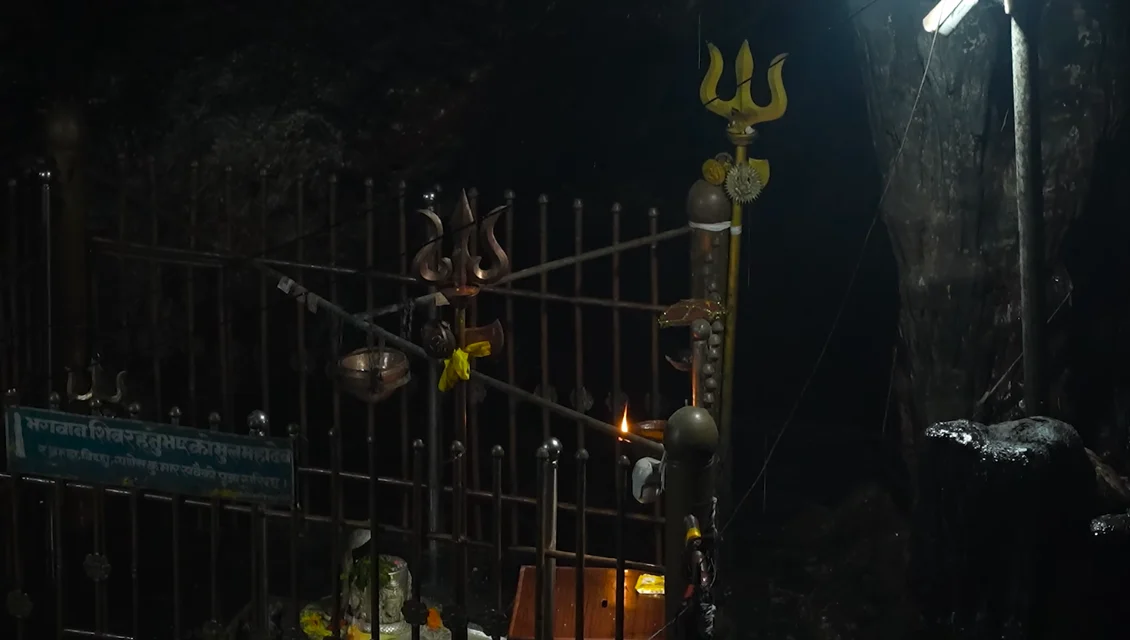
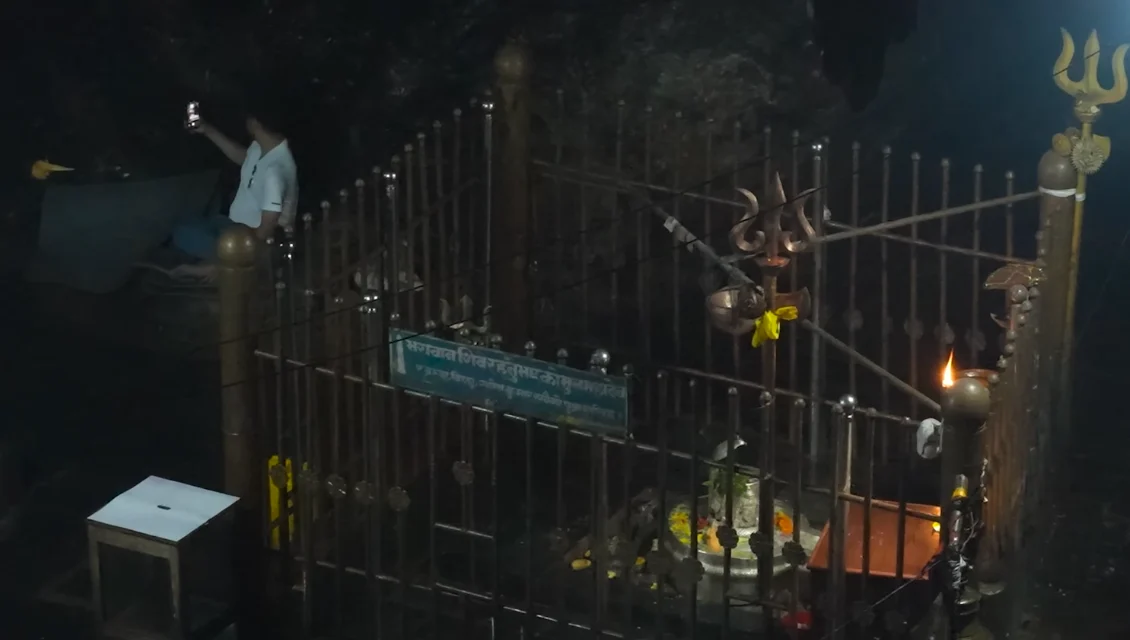
The main highlight of the trek is the sacred Haleshi Mahadev Temple, a unique pilgrimage site revered by Hindus, Buddhists, and Kirat followers alike. Often referred to as the “Pashupatinath of the East,” the site attracts devotees throughout the year for prayer, meditation, and religious rituals. The journey also offers scenic views of Himalayan peaks such as Makalu, Everest, and surrounding eastern Himalayan ranges on clear days.
This trek is suitable for cultural travelers, pilgrims, researchers, and trekkers looking for a relaxed yet meaningful Himalayan experience focused on spirituality and rural life.
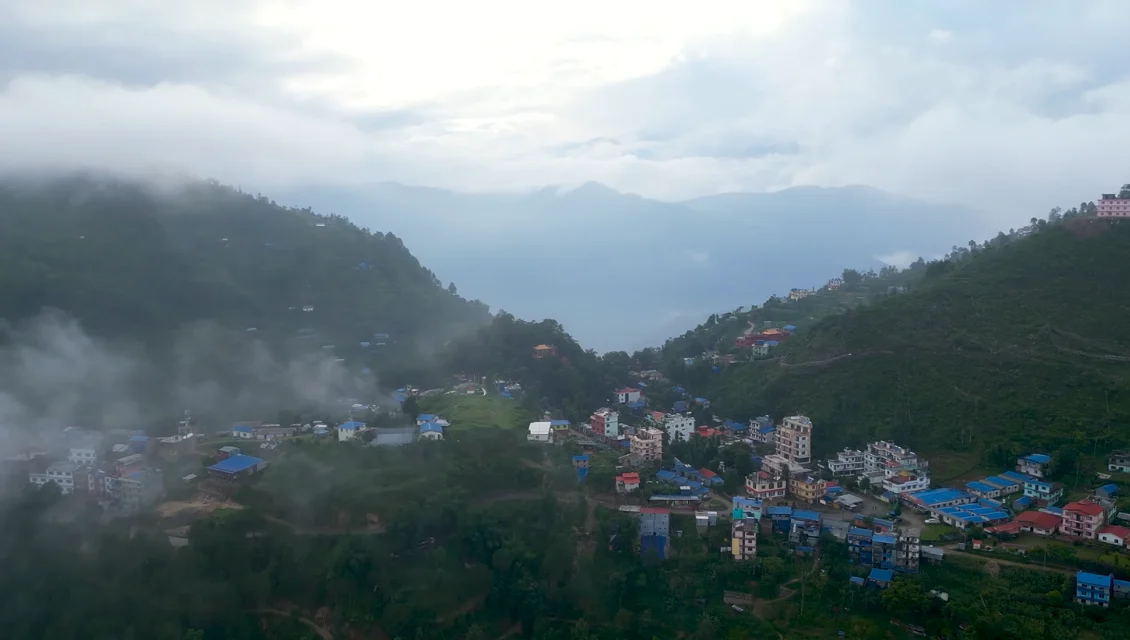
The Khotang Haleshi Trek is located in eastern Nepal within the Khotang district, part of the lower Himalayan mid-hill region. The route is not part of a major trekking circuit, making it a peaceful and less commercialized experience.
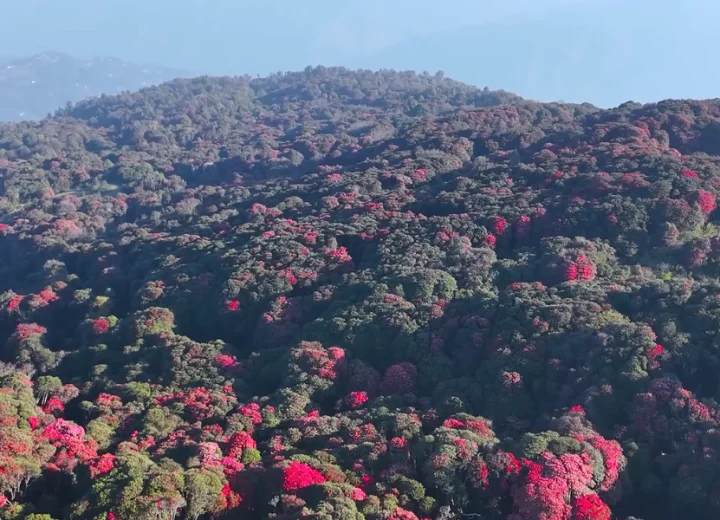
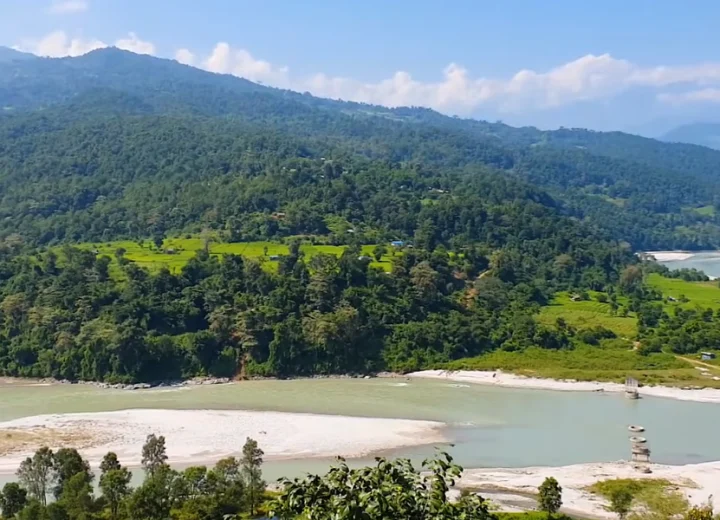
The landscape is characterized by rolling hills, terraced farmland, dense forests, and traditional villages. The trails pass through lush green hills covered with rhododendron, sal, and oak forests, offering a refreshing natural environment throughout the journey.
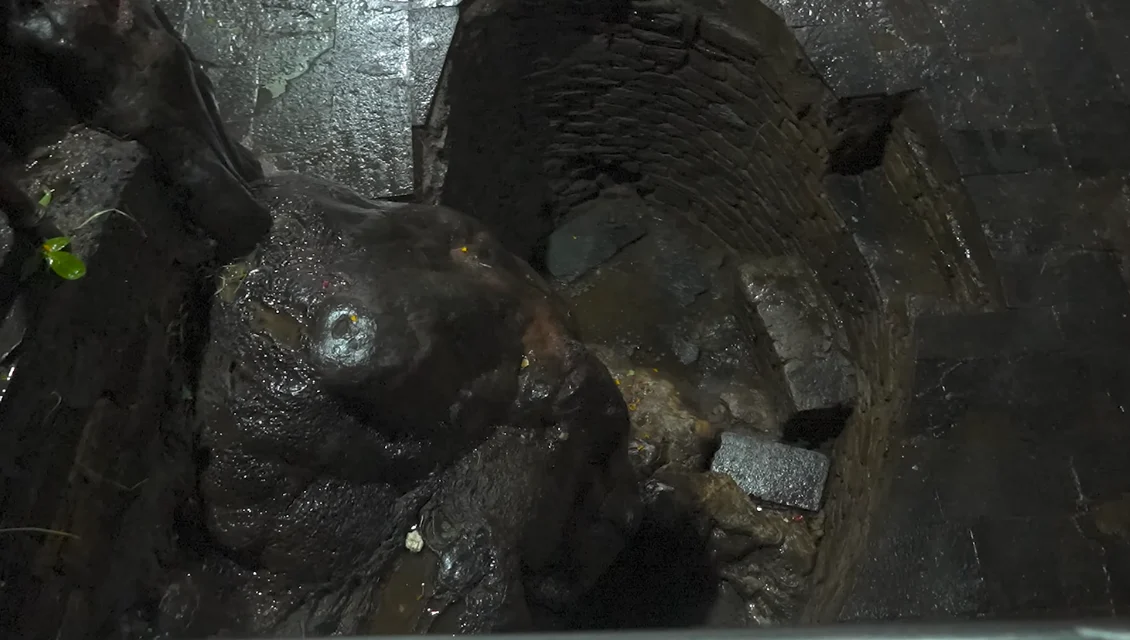
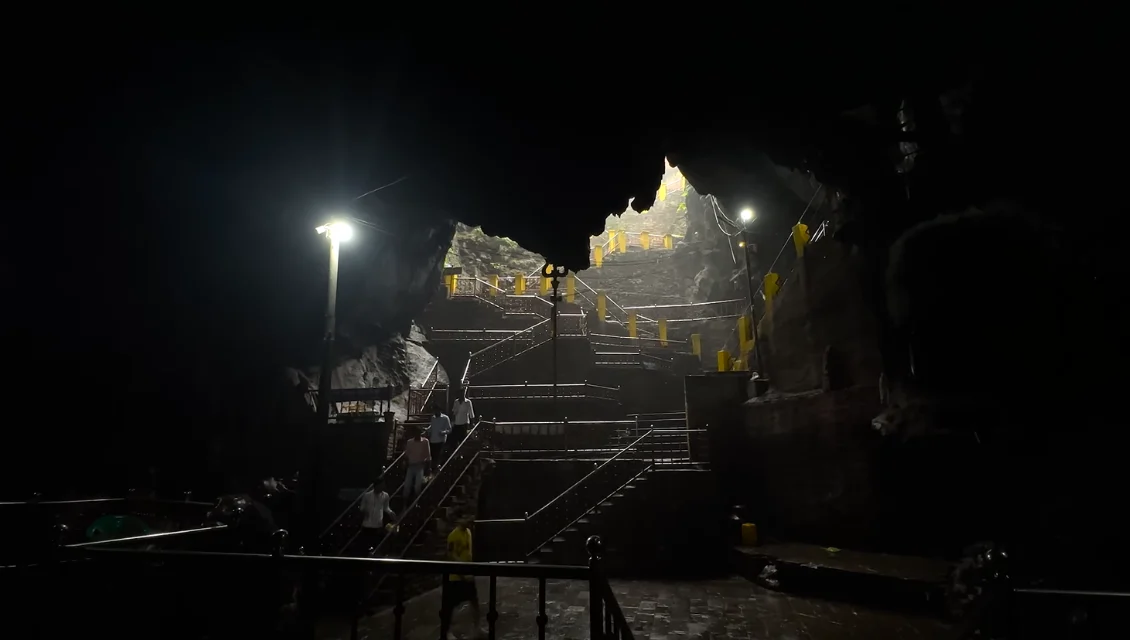
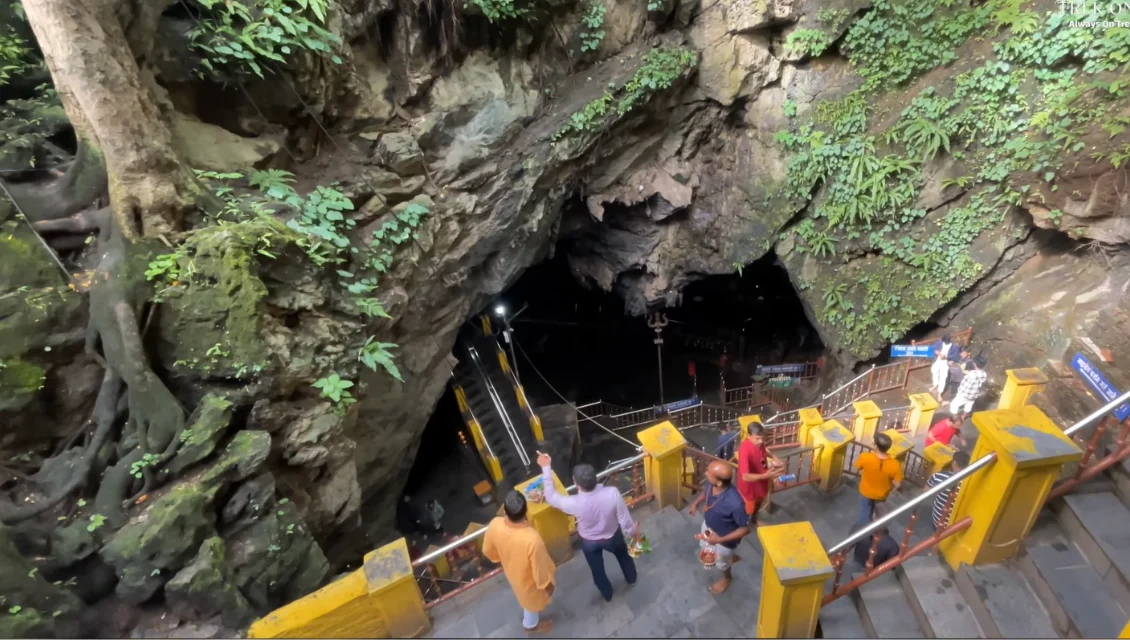
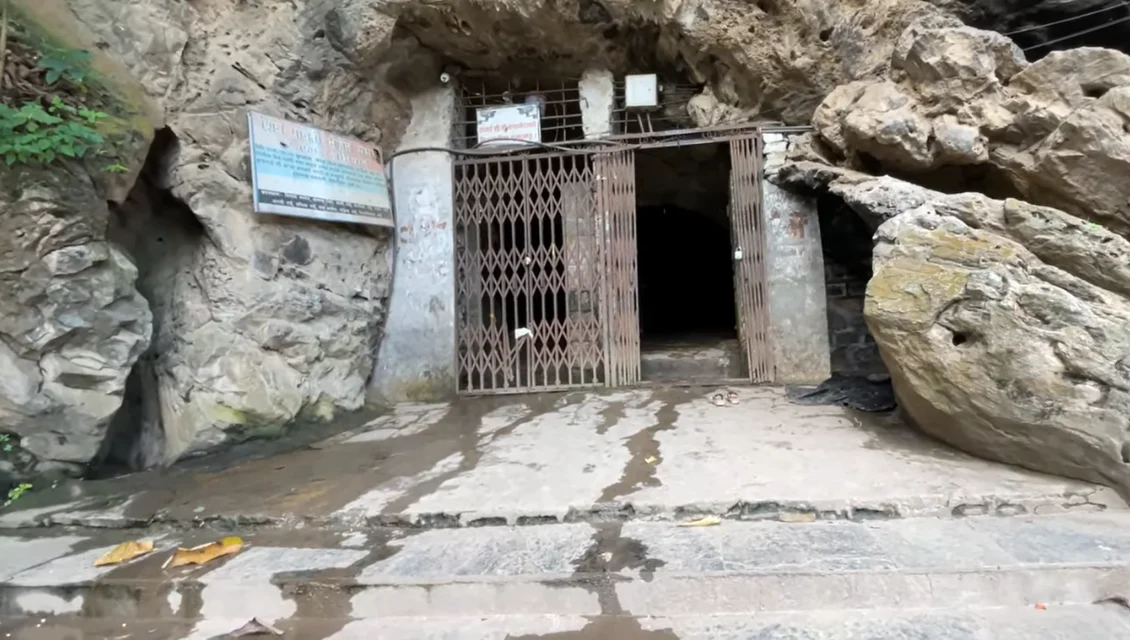
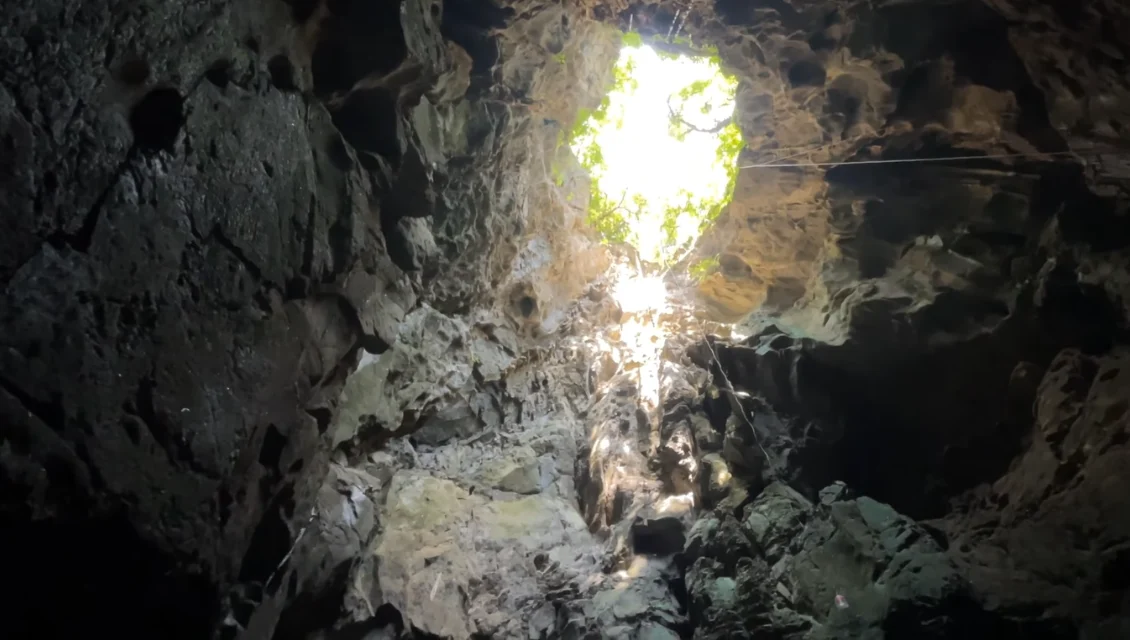
As trekkers approach Haleshi, the terrain becomes more rugged with limestone caves, rocky cliffs, and sacred natural formations surrounding the temple complex. The Haleshi caves themselves are a major geological and spiritual attraction, believed to be meditation sites used by ancient sages.
The region also provides occasional panoramic views of the eastern Himalayas, especially during clear weather conditions, where distant snow-capped peaks can be seen rising above the hills.
The best seasons for the Khotang Haleshi Trek are spring (March–May) and autumn (September–November). These periods offer pleasant weather, clear skies, and comfortable trekking conditions.
Spring brings warm temperatures and blooming forests, making the trails especially beautiful. Autumn offers crisp air, stable weather, and better visibility of both hills and distant Himalayan peaks.
Winter (December–February) is cooler but still suitable for trekking in lower elevations, while the monsoon season (June–August) brings heavy rainfall, slippery trails, and reduced visibility, making it less favorable.
Overall, autumn is the most recommended season for both pilgrimage visits and trekking comfort.
The Khotang Haleshi region is culturally diverse, home to Kirat, Rai, Magar, and Brahmin-Chhetri communities. The cultural harmony of the region is one of its most distinctive features, especially around the Haleshi area, where multiple religions coexist peacefully.
The sacred Haleshi Mahadev Temple is central to the cultural identity of the region. It holds deep significance for Hindus as a manifestation of Lord Shiva, for Buddhists as a meditation site associated with Guru Rinpoche, and for Kirat communities as a sacred ancestral place.
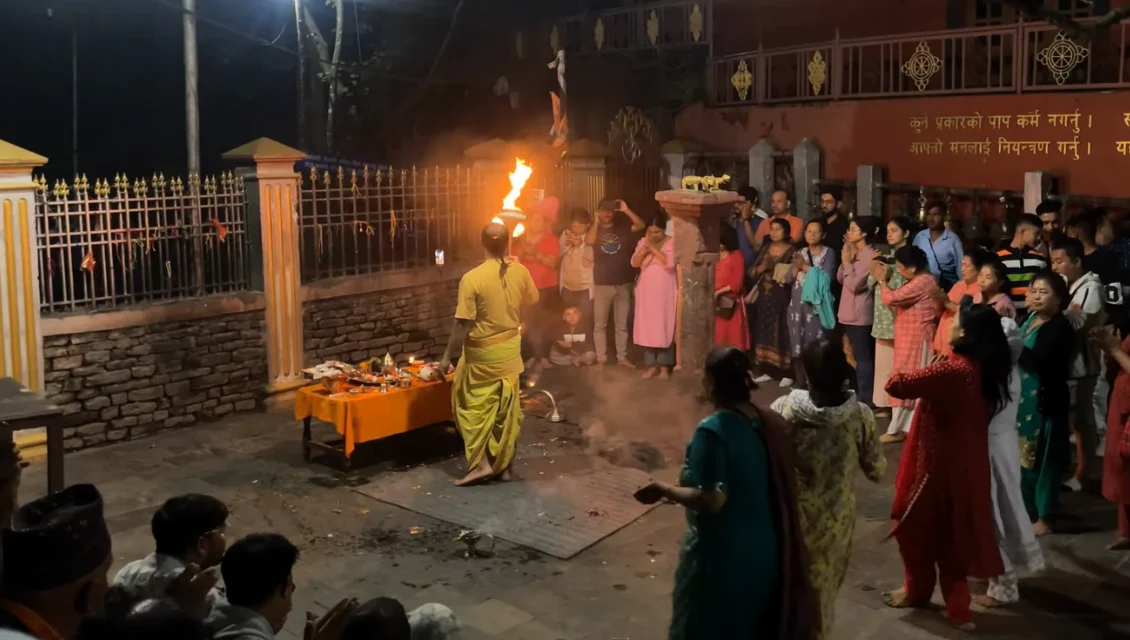
Villages along the trail preserve traditional lifestyles, including agriculture, animal husbandry, and forest-based livelihoods. Visitors can experience warm hospitality, local festivals, traditional foods, and spiritual rituals that reflect the deep cultural roots of eastern Nepal.
The combination of sacred pilgrimage, peaceful landscapes, and rich cultural diversity makes the Khotang Haleshi Trek a unique and meaningful journey in the Himalayas.
Temperatures are typical for the best travel months (February–April and October–November) and can change with the weather.
Welcome to Nepal! Upon arrival at Tribhuvan International Airport, Kathmandu, you will be warmly greeted by your trekking representative. Transfer to your hotel in the vibrant tourist district of Thamel. Enjoy free time exploring the city and relaxing after your journey. Overnight stay in Kathmandu.
Today is dedicated to trek preparation. Obtain the necessary trekking permits, complete final gear checks, and attend a detailed briefing session with your guide regarding the route, accommodations, and local culture. In the evening, enjoy a traditional Nepali welcome dinner. Overnight stay in Kathmandu.
Travel Duration: 35-minute flight or 10 to 12 hours drive + short trek/drive
Take a scenic flight from Kathmandu to Lamidanda Airport. If flights are unavailable due to weather conditions, a long but scenic drive via Okhaldhunga and Ghurmi is possible. From Lamidanda, continue by jeep or on foot to Diktel, the district headquarters of Khotang. Explore the town and prepare for the trekking days ahead.
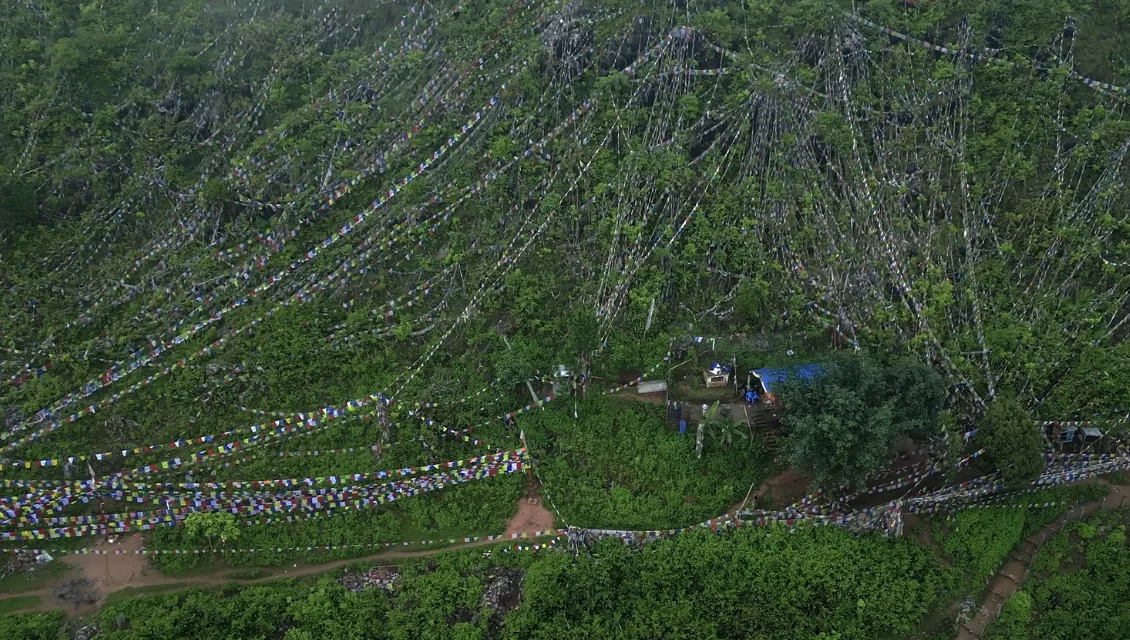
Begin trekking through peaceful pine forests, terraced farmlands, and quaint Rai villages. Observe prayer flags fluttering in the breeze and experience the traditional rural lifestyle of eastern Nepal. Overnight stay in a local teahouse or homestay.
Trek downhill crossing rivers via suspension bridges while passing terraced fields and forested hillsides. Arrive at Halesi Bazaar, a bustling market town and spiritual center visited by thousands of pilgrims every year. Overnight stay in a lodge or guesthouse.
Activity Duration: Full day exploration
Spend the day exploring the sacred Halesi Mahadev Cave Temple, an important pilgrimage site for Hindus, Buddhists, and Kirati followers. Witness local rituals, visit meditation caves, and hike to nearby viewpoints offering panoramic scenery of the surrounding hills.
Leave Halesi behind and trek westward through tranquil forests, terraced hillsides, and traditional villages. Experience authentic local culture and enjoy the peaceful natural surroundings. Overnight stay in a local homestay or teahouse.
Retrace your route or follow a loop trail back toward Diktel or Lamidanda, passing through different villages and landscapes that provide new cultural perspectives. Enjoy a relaxing final evening in the hills.
Travel Duration: 35-minute flight or 10 to 12 hours drive
Take a morning flight from Lamidanda to Kathmandu, weather permitting, or travel by road through scenic hill landscapes. Upon arrival in Kathmandu, enjoy free time for shopping, sightseeing, or relaxing at your hotel.
After breakfast, transfer to Tribhuvan International Airport for your onward international flight. Reflect on your enriching spiritual and cultural journey through the sacred landscapes of eastern Nepal.
The best time for the Khotang Halesi Trek is February–April and October–November, with May, September and December–January also good. Typical daytime temperatures at Kathmandu (1,400 m) in those months are around 25 °C, with colder nights at higher camps.
The Kathmandu Valley can be visited all year. October–November and March–April are pleasant and clear; December–February are sunny with cold mornings, and the monsoon brings afternoon showers but green, uncrowded heritage sites.
| Month | Conditions | Day | Night |
|---|---|---|---|
| January | Good — clear skies, cold nights and fewer trekkers | 19 °C | 2 °C |
| February | Best time — stable weather and clear views | 21 °C | 4 °C |
| March | Best time — stable weather and clear views | 25 °C | 8 °C |
| April | Best time — stable weather and clear views | 28 °C | 11 °C |
| May | Good — mostly fine weather, fewer crowds | 29 °C | 16 °C |
| June | Possible — monsoon showers and cloud | 29 °C | 19 °C |
| July | Possible — monsoon showers and cloud | 28 °C | 20 °C |
| August | Possible — monsoon showers and cloud | 28 °C | 20 °C |
| September | Good — green landscapes, some rain | 28 °C | 18 °C |
| October | Best time — stable weather and clear views | 27 °C | 13 °C |
| November | Best time — stable weather and clear views | 23 °C | 7 °C |
| December | Good — clear skies, cold nights and fewer trekkers | 20 °C | 3 °C |
Average day and night temperatures at Kathmandu (1,400 m). Higher camps are colder.
Your packing checklist for Khotang Halesi Trek. Tick items off as you pack — down jackets and sleeping bags can also be rented in Kathmandu.
Private departures run on any date. Pick the start date that suits you and we will build the trip around it — same price, your own guide and team.
Accommodation
Accommodation is provided in basic teahouses, pilgrimage lodges, and local homestays along the route.
Lower trail sections offer simple but comfortable guesthouses, while areas near Halesi Mahadev Temple provide more accommodation options due to its religious significance.
Rooms are generally twin-sharing or shared family-style lodging with basic facilities.
Meals
A full-board meal system (Breakfast, Lunch, and Dinner) is available throughout the trek, prepared in local lodges and homestays.
Typical food includes:
Food is simple, hygienic, and based on local hill cuisine.
Difficulty & Physical Requirements
The Khotang Halesi Trek is classified as easy to moderate, suitable for beginners, families, and religious pilgrims.
Daily walking ranges from 3 to 6 hours, with gradual ascents through hill trails and rural settlements.
No technical climbing or high-altitude risk is involved.
Permits
Required permits include:
Permits are usually arranged by trekking operators or local authorities.
Best Season
Transportation & Access
The trek is accessed via eastern Nepal travel routes:
The journey passes through scenic mid-hill landscapes, terraced fields, and rural settlements.
Safety & Acclimatization
This is a low-altitude trek, making it safe for most travelers.
Key considerations include:
Guides are helpful for cultural interpretation and route assistance.
Travel Insurance
Recommended travel insurance should include:
Guide & Porter Services
Local guides are highly recommended for cultural insight, pilgrimage explanation, and route navigation.
Porters are optional due to the moderate difficulty of the trek.
Cultural & Natural Highlights
The Khotang Halesi Trek is best known for its deep spiritual and cultural importance:
Essential Equipment
Recommended trekking gear includes:
Communication & Connectivity
Mobile network coverage is available in most parts of the route, especially near settlements and Halesi area.
Wi-Fi is available in some lodges but may be limited in remote stretches.
Why Choose the Khotang Halesi Trek?
This trek is ideal for spiritual travelers and cultural explorers:
The Khotang Halesi Trek is graded Moderate — suitable for most active travellers. Expect 5–7 hours of walking on most days on mountain trails with plenty of ascents and descents. Regular cardio training — hiking, running, cycling or stair climbing — for 6–8 weeks before departure makes the trip far more enjoyable.
For the Kathmandu Valley & mid-hills region the best months are February–April and October–November. The Kathmandu Valley can be visited all year. October–November and March–April are pleasant and clear; December–February are sunny with cold mornings, and the monsoon brings afternoon showers but green, uncrowded heritage sites.
You need entry tickets for the heritage sites you visit. Nord Extreme arranges every permit for you before the trip starts — check the "Includes" section above for exactly what is covered in the price. Just bring your passport and a few passport-size photos.
In Kathmandu you stay in a comfortable hotel; on the trail we use the best available family-run teahouses and lodges with twin-share rooms, shared or attached bathrooms and a warm dining room. Upgrades to luxury lodges are possible on popular routes such as Everest and Annapurna.
Both. You can join one of the fixed departures listed under "Dates & Prices", or book a private trip for just you, your family or friends on any date. Solo travellers are welcome — you will always have your own licensed guide.
Yes, travel insurance is compulsory. It must cover medical treatment and emergency helicopter evacuation up to the trip’s highest altitude, plus trip cancellation. Please send us your policy details before departure.
See the "What to bring" checklist on this page for the full list. The essentials are broken-in boots, warm layers, a down jacket, a waterproof shell, sun protection and a daypack. Down jackets and sleeping bags can be rented cheaply in Kathmandu, and a porter carries your main bag (up to 10–12 kg).
Keep exploring

Namaste! 🙏
Welcome to Nord Extreme Himalaya. Questions about Khotang Halesi Trek? Send us a message — a Sherpa trip expert in Kathmandu will reply on WhatsApp.
Mr. Sonam G. SherpaOpens WhatsApp · +9779851078748