Transportations
- Private/tourist vehicles for airport pickup and drop-off in Kathmandu.
- Private/tourist (Jeep) vehicles transfer as per itinerary to access the trailheads.
- Domestic flight included for access to the trekking starting & ending point.
The Makalu Base Camp Trek is a remote and adventurous Himalayan journey that leads to the base of Mount Makalu, the fifth-highest mountain in the world. Known for its wild terrain, pristine nature, and low trekking traffic, this trek offers one of the most authentic and untouched wilderness experiences in Nepal.
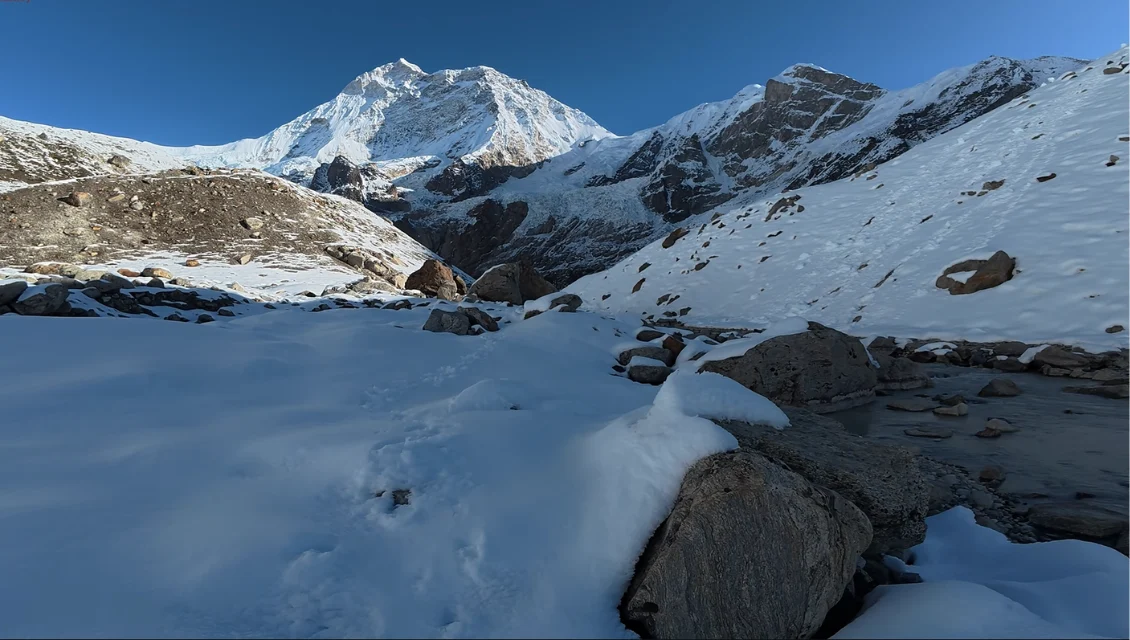
The route takes trekkers deep into the eastern Himalayas, where dramatic landscapes, diverse ecosystems, and traditional mountain communities create a powerful sense of isolation and discovery. The highlight of the trek is Makalu Base Camp (4,870 m), surrounded by towering peaks including Makalu, Baruntse, Chamlang, and nearby Himalayan ranges.
This trek is ideal for experienced trekkers seeking a challenging, remote, and less-commercialized alternative to Everest or Annapurna routes.
The Makalu Base Camp Trek is located in eastern Nepal within Makalu Barun National Park, one of the most biodiverse protected areas in the Himalayas. The journey typically begins with a flight to Tumlingtar, followed by a long trekking route through the Arun River Valley and into high alpine terrain.
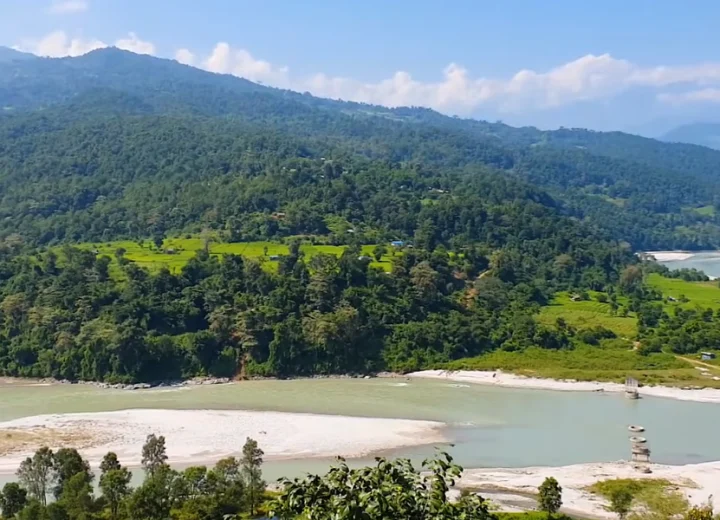
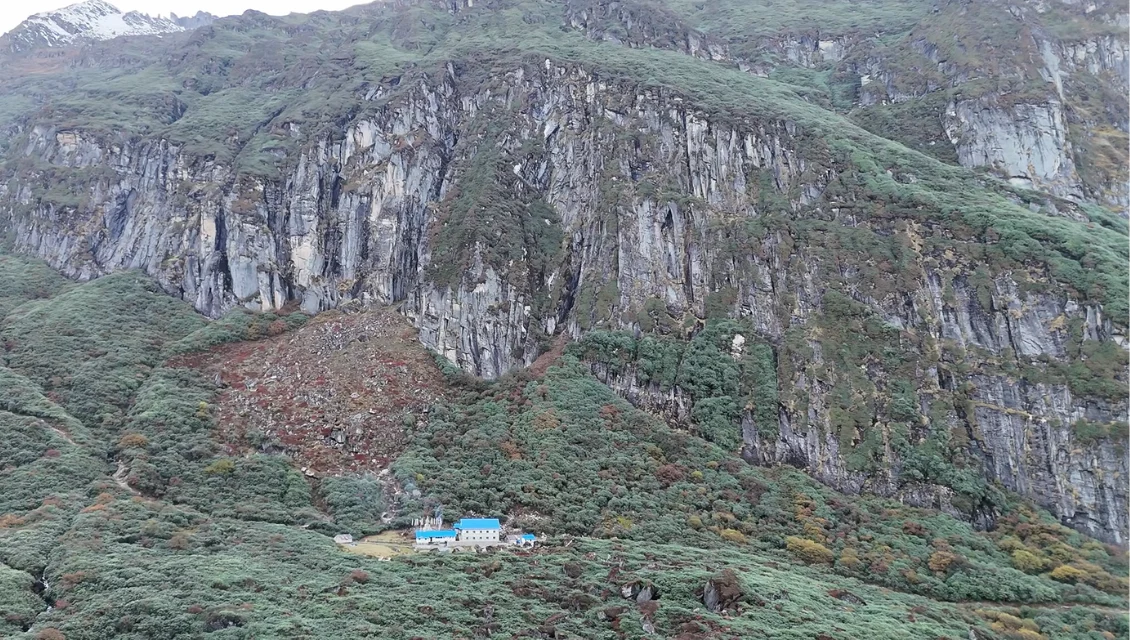
The landscape is extremely diverse, ranging from subtropical forests and terraced fields in lower elevations to dense rhododendron and bamboo forests, waterfalls, and steep river valleys. As the trek ascends, the environment becomes increasingly rugged and isolated, with rocky cliffs, glacial moraines, and high-altitude wilderness dominating the scenery.
One of the defining features of the trek is its dramatic elevation gain and remoteness. The trail passes through nearly untouched ecosystems where wildlife such as red pandas, Himalayan thar, and diverse bird species can often be spotted.
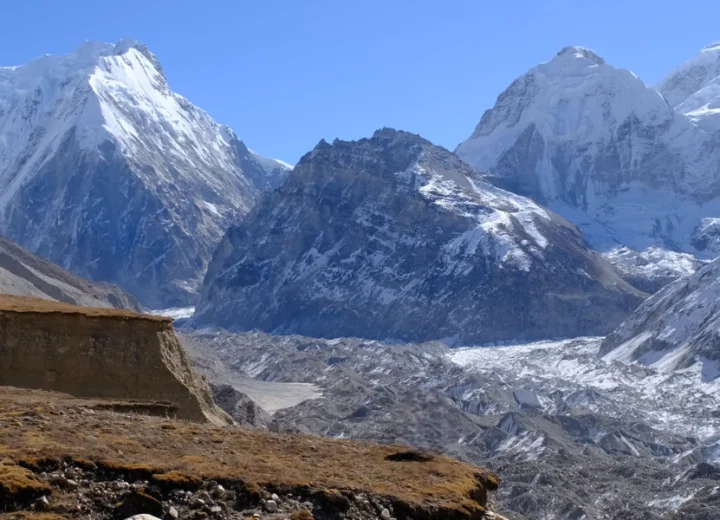
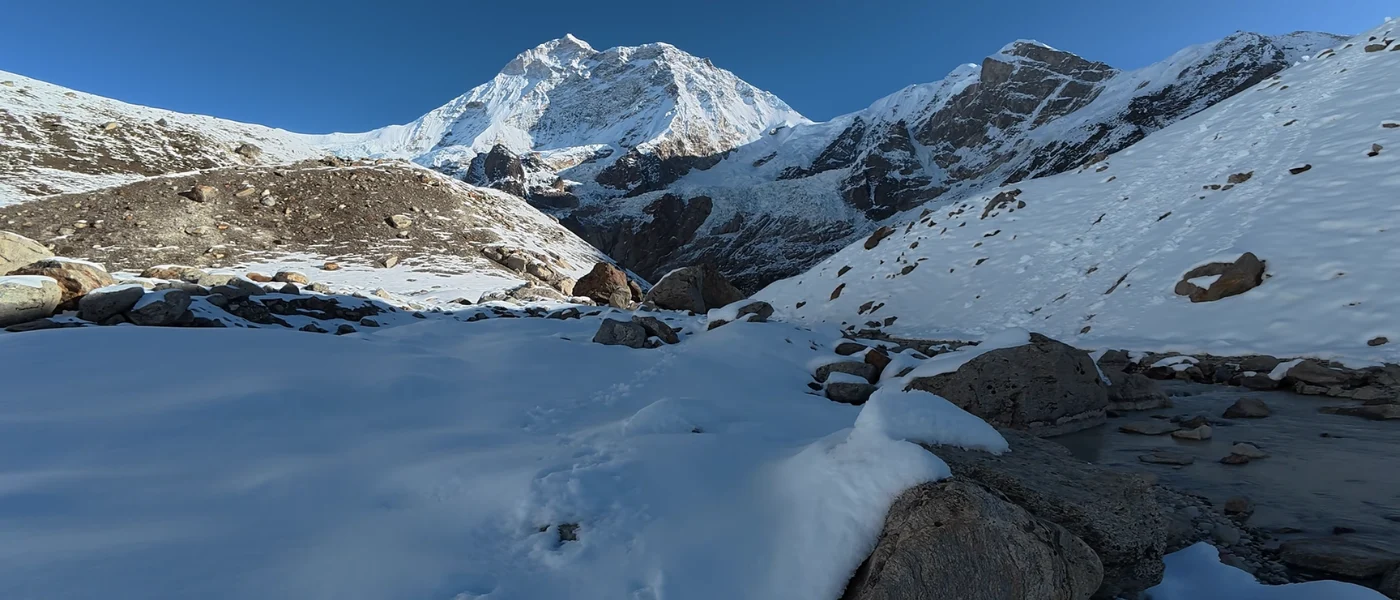
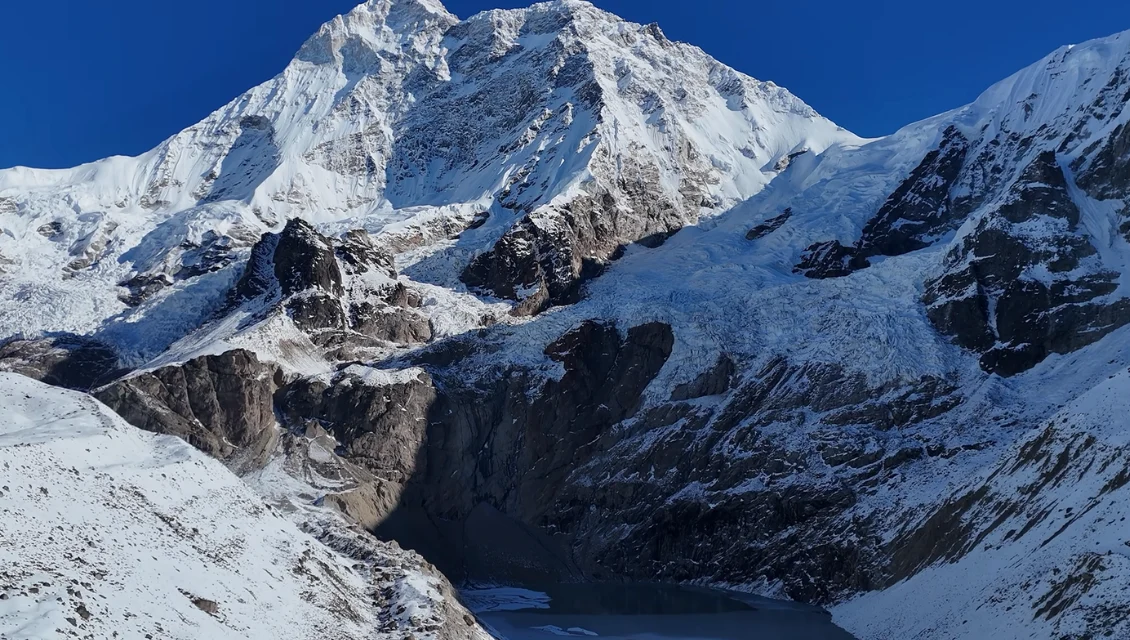
At Makalu Base Camp, trekkers are rewarded with a stunning amphitheater of snow-covered peaks and glaciers, with close-up views of the massive south face of Makalu and surrounding Himalayan giants. The raw, untouched beauty of this region makes it one of the most dramatic trekking destinations in Nepal.
The best seasons for the Makalu Base Camp Trek are spring (March–May) and autumn (September–November). These months offer the most stable weather conditions, clear skies, and the best visibility of the Himalayan peaks.
Spring brings blooming rhododendrons and lush vegetation in lower regions, while autumn provides crisp air and excellent post-monsoon clarity, making it the most favorable trekking season.
Winter (December–February) is extremely cold and snowy at higher elevations, making the trek more difficult and suitable only for highly experienced trekkers. The monsoon season (June–August) is not recommended due to heavy rainfall, landslides, and limited visibility.
Overall, autumn is considered the best time for safety, comfort, and clear mountain views.
The Makalu region is home to diverse ethnic communities, including Rai, Sherpa, and other indigenous groups who maintain traditional lifestyles closely connected to nature and the Himalayan environment.
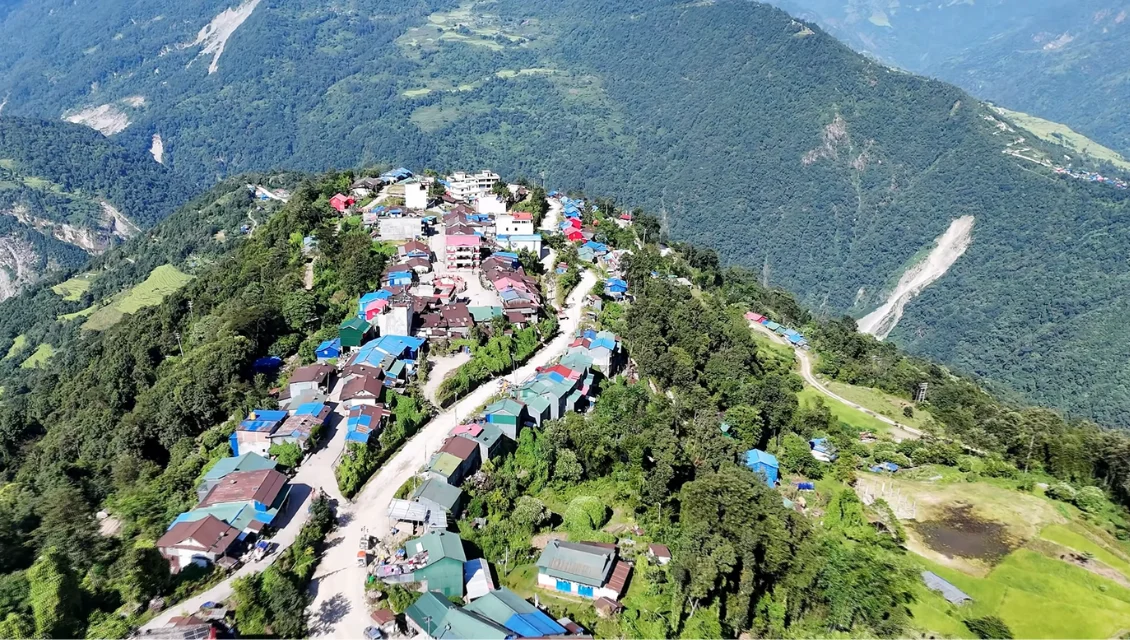
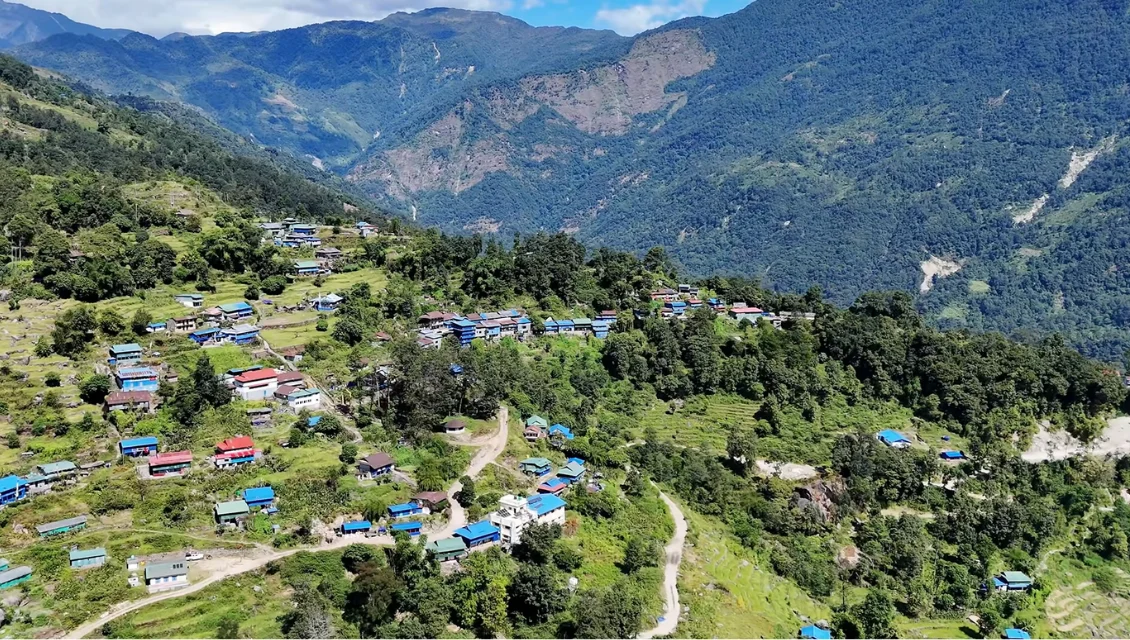
Villages along the route are small and remote, with stone houses, terraced fields, and simple agricultural practices. Cultural life is deeply influenced by both animist traditions and Tibetan Buddhism, especially in higher-altitude settlements.
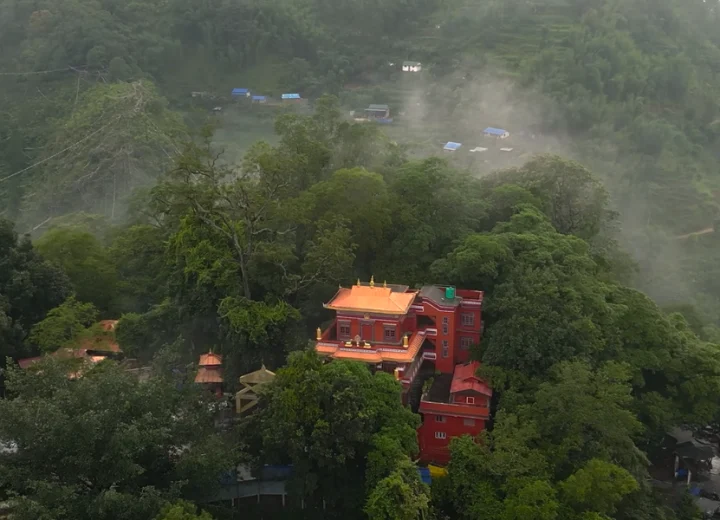
In the lower Arun Valley, trekkers experience rich cultural diversity with Rai communities known for their oral traditions, rituals, and festivals. As the trek progresses higher, Sherpa-influenced Buddhist culture becomes more prominent, with prayer flags, chortens, and small monasteries.
The combination of extreme wilderness, cultural diversity, and close-up views of Makalu makes the Makalu Base Camp Trek one of the most rewarding and adventurous trekking experiences in Nepal.
Temperatures are typical for the best travel months (March–April and October–November) and can change with the weather.
Travel Duration: Airport transfer only
Arrive in Kathmandu, the vibrant capital of Nepal. Transfer to your hotel and enjoy free time exploring the lively streets of Thamel or nearby cultural landmarks. Overnight stay in Kathmandu.
Activity Duration: Full day preparation
Today is dedicated to trek preparation. Obtain the necessary permits for the Makalu Barun National Park and restricted area, complete final gear checks, and attend a trek briefing with your guide. Overnight stay in Kathmandu.
Travel Duration: 35–45 minute flight + 4 to 5 hours drive
Your journey begins with a scenic flight from Kathmandu to Tumlingtar, located in the low hills of eastern Nepal. Upon arrival, meet your trekking crew and drive by jeep along winding forested roads to Chichila, a small Gurung village perched on a ridge. Enjoy your first views of the surrounding hills and distant snow-capped peaks. Overnight at a local teahouse or camp.
The trek officially begins as you set off on a trail passing through small settlements, terraced farmland, and mixed forests. The path gently undulates before a final ridge descent to Num, a picturesque village located on a narrow spur above the Arun River. Overnight in a teahouse.
Today’s trek is physically demanding. Descend steeply through dense forest to reach the Arun River, then cross a suspension bridge before climbing through bamboo and rhododendron forests to Seduwa. Register at the Makalu Barun National Park check-post. Overnight at a teahouse.
Continue trekking through terraced fields, cardamom plantations, and scattered villages. The trail steadily gains altitude before reaching Tashigaon, the last permanent settlement on the route. Overnight in a teahouse or camp.
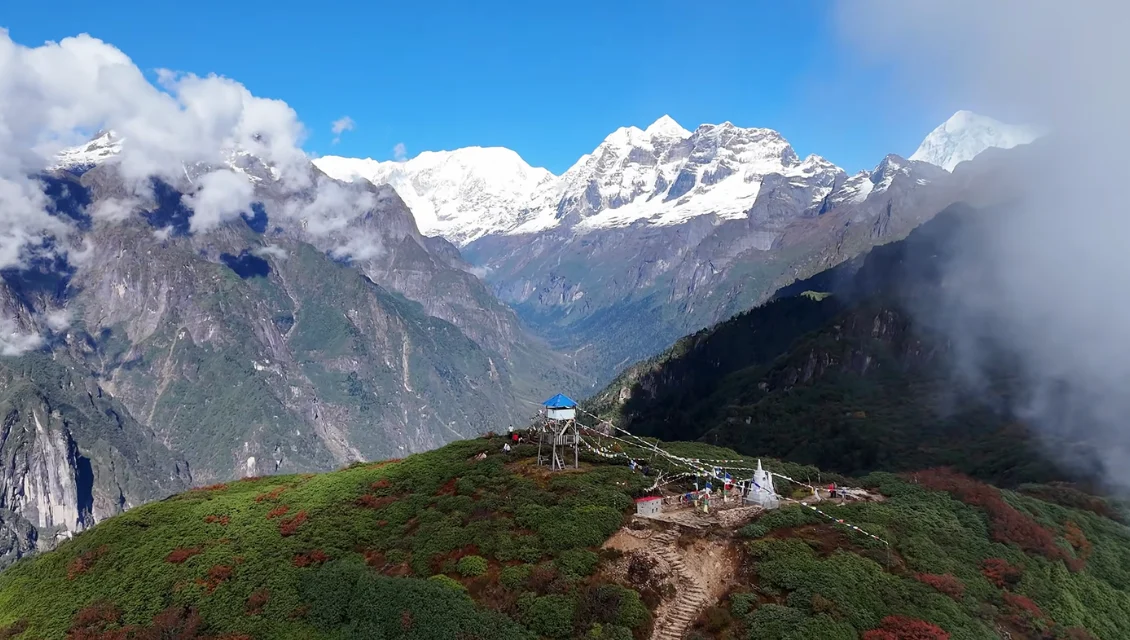
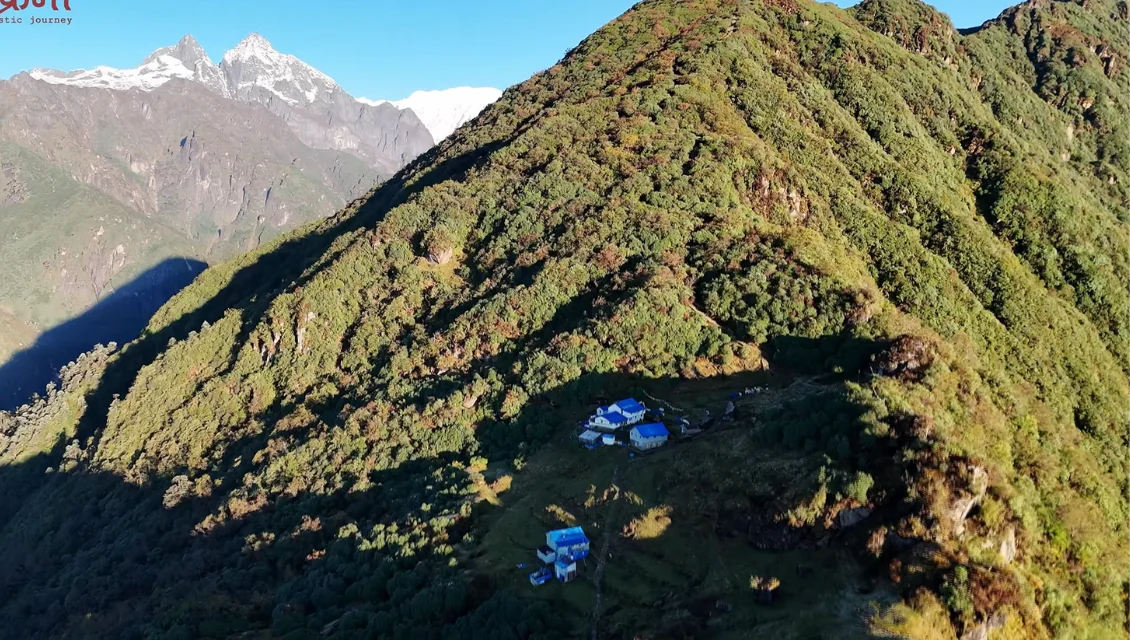
Prepare for a challenging uphill climb through dense rhododendron and oak forests, eventually reaching the scenic ridge of Khongma Danda. Enjoy expansive mountain views as you enter the alpine region. Overnight in a tented camp or basic lodge.
Activity Duration: Optional hikes 3 to 4 hours
Spend the day acclimatizing to the increasing altitude. Optional hikes to nearby ridges offer spectacular views of Makalu, Kanchenjunga, and the Arun Valley. Overnight at the same camp or lodge.
A long and rewarding day crossing multiple high passes including Keke La (4,170m) and Shipton La (4,200m). The dramatic alpine scenery features rocky ridges, cliffs, and glacial lakes before descending through rhododendron forests to Dobate. Overnight in camp or teahouse.
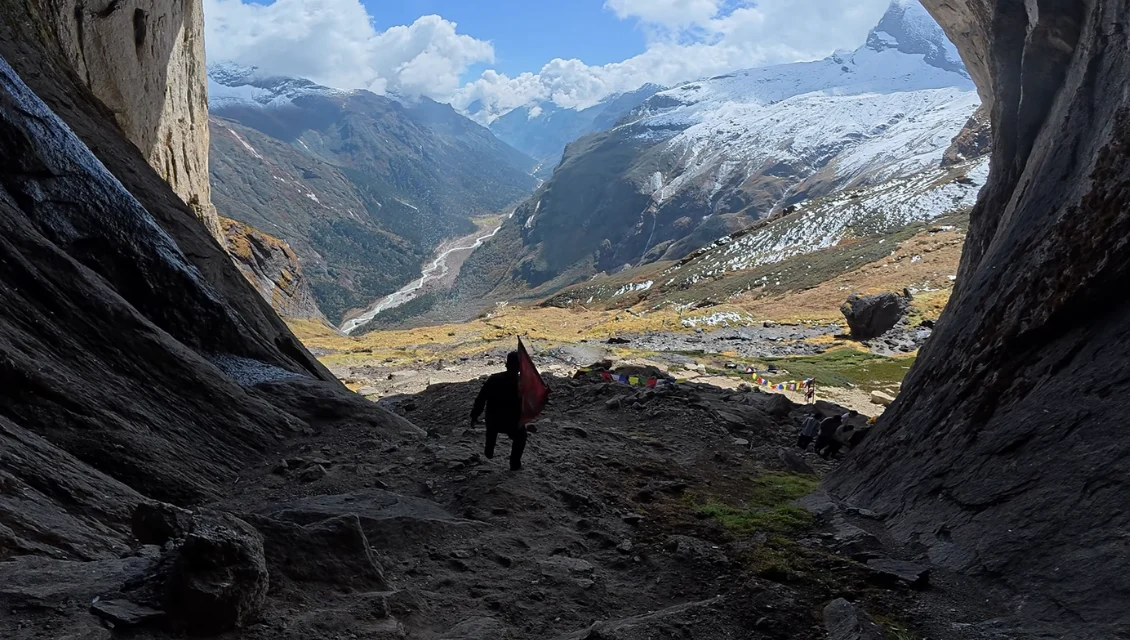
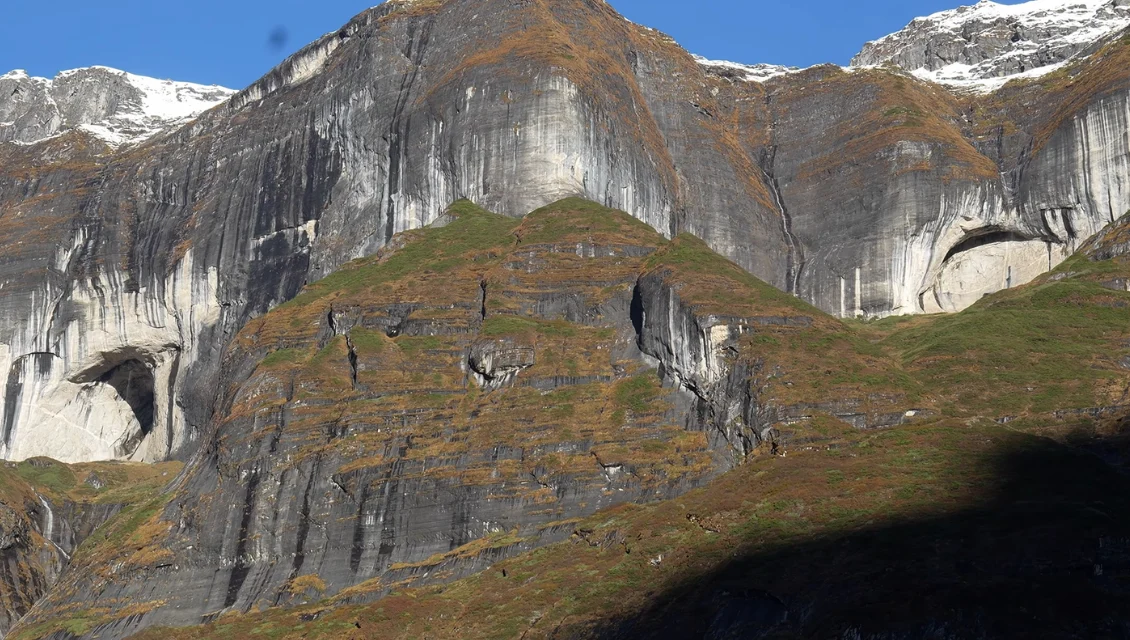
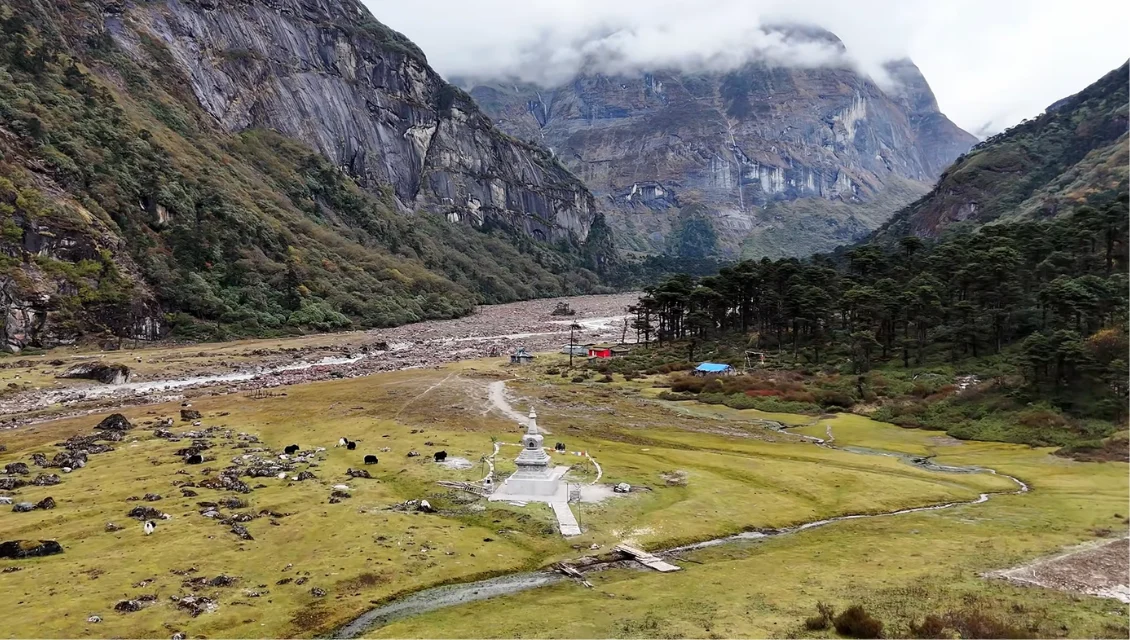
Descend through moss-covered forests to the Barun River, then follow a gradual trail through a spectacular valley of waterfalls and hanging glaciers. Arrive at Yangri Kharka, a broad yak grazing meadow beneath towering cliffs. Overnight in camp or basic teahouse.
The trail climbs gradually through yak pastures and alpine terrain with increasingly dramatic views of snow-covered peaks. Reach the serene campsite of Langmale Kharka surrounded by glacial moraine and panoramic mountain vistas. Overnight in camp.
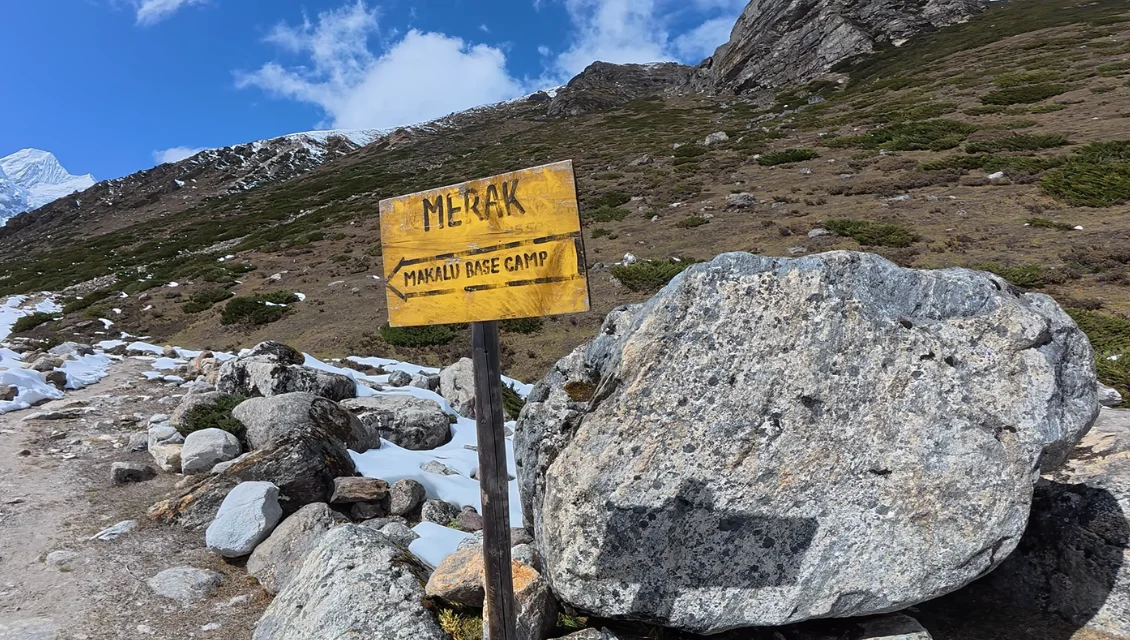
Today you reach your destination. Trek alongside the Barun Glacier as the massive south face of Makalu rises dramatically ahead. Arrive at Makalu Base Camp, surrounded by Himalayan giants including Makalu, Baruntse, and Peak 6 & 7. Overnight in camp.
Activity Duration: Optional hikes 3 to 5 hours
Spend a full day exploring the base camp surroundings. Optional hikes to nearby viewpoints reveal breathtaking panoramas of Everest, Lhotse, Chamlang, and the surrounding glaciers. Overnight in camp.
Begin your return journey, descending through Langmale Kharka and following the Barun Valley back to Yangri Kharka. Overnight in camp or teahouse.
Retrace your steps through forests and river valleys to Dobate. Enjoy changing perspectives of the dramatic landscapes along the return trail. Overnight in camp or teahouse.
Climb back over Shipton La and Keke La passes before descending to Khongma Danda. This is one of the most physically demanding days of the return trek. Overnight in lodge or camp.
Descend through rhododendron forests and alpine terrain to Tashigaon, then continue onward to Seduwa. Overnight in a teahouse.
From Seduwa, continue trekking through Num back to Chichila. Meet your vehicle and drive to Tumlingtar through lush hills and terraced farmland. Overnight in a guesthouse.
Travel Duration: 35–45 minute flight
Board your scenic flight back to Kathmandu. Upon arrival, transfer to your hotel and enjoy a relaxing evening in the city. Overnight stay in Kathmandu.
Travel Duration: Airport transfer only
Transfer to Tribhuvan International Airport for your onward flight, bringing your unforgettable Makalu Base Camp adventure to a close.
The best time for the Makalu Base Camp Trek is March–April and October–November, with May and September also good. Typical daytime temperatures at Ghunsa / Tashigaon (≈3,500 m) in those months are around 11 °C, with colder nights at higher camps.
These remote eastern treks are best in autumn and spring. High passes can be snowbound from December to February, and the monsoon makes trails slippery and leech-prone from June to August.
| Month | Conditions | Day | Night |
|---|---|---|---|
| January | Not recommended — severe cold, passes and lodges may close | 5 °C | -9 °C |
| February | Possible — very cold, snow on high passes | 6 °C | -8 °C |
| March | Best time — stable weather and clear views | 9 °C | -4 °C |
| April | Best time — stable weather and clear views | 12 °C | 0 °C |
| May | Good — mostly fine weather, fewer crowds | 14 °C | 3 °C |
| June | Not recommended — monsoon rain, cloud and slippery trails | 15 °C | 6 °C |
| July | Not recommended — monsoon rain, cloud and slippery trails | 16 °C | 7 °C |
| August | Not recommended — monsoon rain, cloud and slippery trails | 16 °C | 7 °C |
| September | Good — green landscapes, some rain | 14 °C | 5 °C |
| October | Best time — stable weather and clear views | 12 °C | 0 °C |
| November | Best time — stable weather and clear views | 9 °C | -4 °C |
| December | Possible — very cold, snow on high passes | 6 °C | -8 °C |
Average day and night temperatures at Ghunsa / Tashigaon (≈3,500 m). Higher camps are colder.
Your packing checklist for Makalu Base Camp Trek. Tick items off as you pack — down jackets and sleeping bags can also be rented in Kathmandu.
Private departures run on any date. Pick the start date that suits you and we will build the trip around it — same price, your own guide and team.
Accommodation
Accommodation is very basic and primarily consists of teahouses in lower regions and tented camping in higher and remote sections.
Lower villages along the Arun Valley and Num–Seduwa route provide simple lodges with limited facilities. As the trail enters the higher elevations of Makalu Base Camp, accommodation is mostly camping due to lack of permanent settlements.
Rooms (where available) are basic, and camping support is required for most of the journey.
Meals
A full-board meal system (Breakfast, Lunch, and Dinner) is provided during the trek. In remote sections, meals are prepared by the support crew.
Typical food includes:
Food variety is limited due to the remote and expedition-style nature of the trek.
Difficulty & Physical Requirements
The Makalu Base Camp Trek is classified as strenuous to very strenuous, suitable only for experienced trekkers with excellent physical fitness.
Daily trekking ranges from 6 to 9 hours, with steep ascents, remote terrain, river crossings, and long wilderness sections.
No technical climbing is required, but endurance, mental strength, and prior high-altitude experience are strongly recommended.
Permits
Required permits include:
All permits are arranged by the trekking agency.
Best Season
Transportation & Access
The trek typically begins with a flight or drive from Kathmandu to Tumlingtar, followed by a long trek through the Arun Valley.
The route passes through Num, Seduwa, Tashigaon, and higher alpine zones before reaching Makalu Base Camp.
Access is remote and requires multiple days of approach trekking.
Safety & Acclimatization
Due to extreme remoteness and altitude, careful acclimatization and planning are essential.
Key safety considerations include:
Experienced guides are essential, and emergency evacuation plans must be in place.
Travel Insurance
Comprehensive travel insurance is mandatory and must include:
Guide & Porter Services
A licensed guide is mandatory due to the restricted and remote nature of the region.
Porters and full expedition support staff are strongly recommended, especially for camping-based sections.
Cultural & Natural Highlights
The Makalu Base Camp Trek is famous for its extreme wilderness and biodiversity:
Essential Equipment
Recommended trekking gear includes:
Communication & Connectivity
Mobile network coverage is extremely limited or unavailable throughout most of the trek.
Satellite communication is recommended for safety. Expect long periods without connectivity.
Why Choose the Makalu Base Camp Trek?
This trek is ideal for serious adventurers seeking a true wilderness expedition:
The Makalu Base Camp Trek is graded Moderate — suitable for most active travellers. Expect 5–7 hours of walking on most days on mountain trails with plenty of ascents and descents. Regular cardio training — hiking, running, cycling or stair climbing — for 6–8 weeks before departure makes the trip far more enjoyable.
For the Kanchenjunga & Makalu region the best months are March–April and October–November. These remote eastern treks are best in autumn and spring. High passes can be snowbound from December to February, and the monsoon makes trails slippery and leech-prone from June to August.
You need the conservation-area / national park permit and the restricted area permit required for this remote region. Nord Extreme arranges every permit for you before the trip starts — check the "Includes" section above for exactly what is covered in the price. Just bring your passport and a few passport-size photos.
In Kathmandu you stay in a comfortable hotel; on the trail we use the best available family-run teahouses and lodges with twin-share rooms, shared or attached bathrooms and a warm dining room. Upgrades to luxury lodges are possible on popular routes such as Everest and Annapurna.
Both. You can join one of the fixed departures listed under "Dates & Prices", or book a private trip for just you, your family or friends on any date. Solo travellers are welcome — you will always have your own licensed guide.
Yes, travel insurance is compulsory. It must cover medical treatment and emergency helicopter evacuation up to the trip’s highest altitude, plus trip cancellation. Please send us your policy details before departure.
See the "What to bring" checklist on this page for the full list. The essentials are broken-in boots, warm layers, a down jacket, a waterproof shell, sun protection and a daypack. Down jackets and sleeping bags can be rented cheaply in Kathmandu, and a porter carries your main bag (up to 10–12 kg).
Keep exploring

Namaste! 🙏
Welcome to Nord Extreme Himalaya. Questions about Makalu Base Camp Trek? Send us a message — a Sherpa trip expert in Kathmandu will reply on WhatsApp.
Mr. Sonam G. SherpaOpens WhatsApp · +9779851078748