Transportations
- Private/tourist vehicles for airport pickup and drop-off in Kathmandu.
- Private/tourist vehicles transfer as per itinerary to access the trailheads.
- Domestic flight included for access to the trekking starting & ending point.
The Mundum Trails Trek is a newly developed cultural trekking route in eastern Nepal that offers an authentic blend of indigenous heritage, pristine nature, and panoramic Himalayan views. This off-the-beaten-path journey takes travelers through the homeland of the Rai communities, where ancient traditions, sacred landscapes, and spiritual practices known as “Mundum” (oral scriptures) are still actively preserved.
Unlike the crowded trekking routes of central Nepal, the Mundum Trails Trek provides a peaceful and immersive experience focused on culture, spirituality, and untouched natural beauty. The trek is ideal for those seeking meaningful travel, local interaction, and a deeper understanding of eastern Nepal’s indigenous identity.
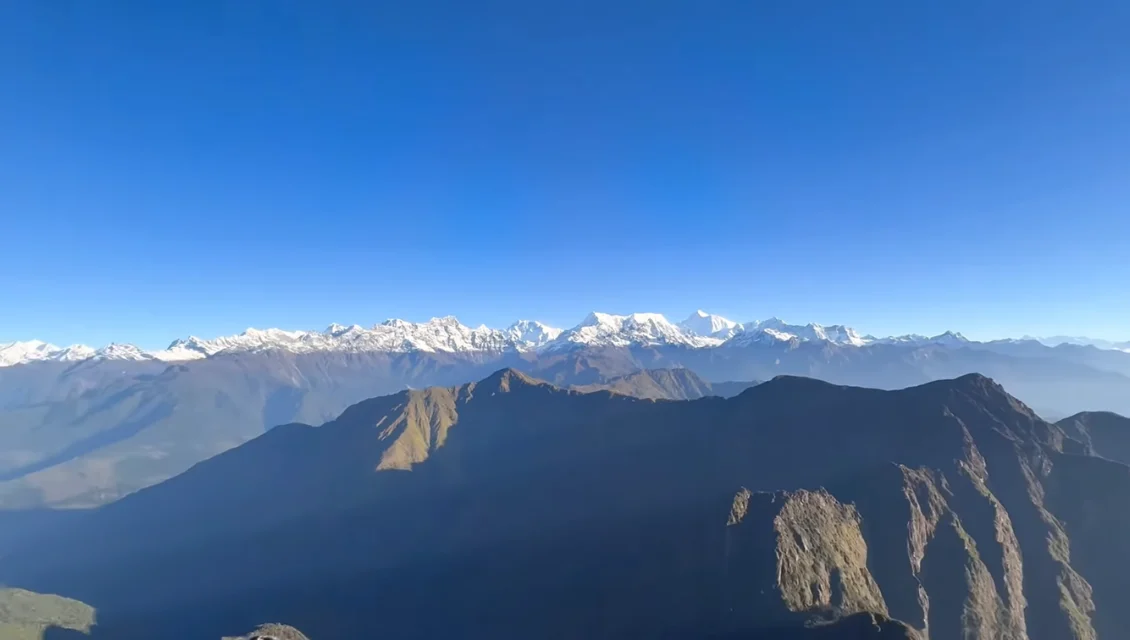
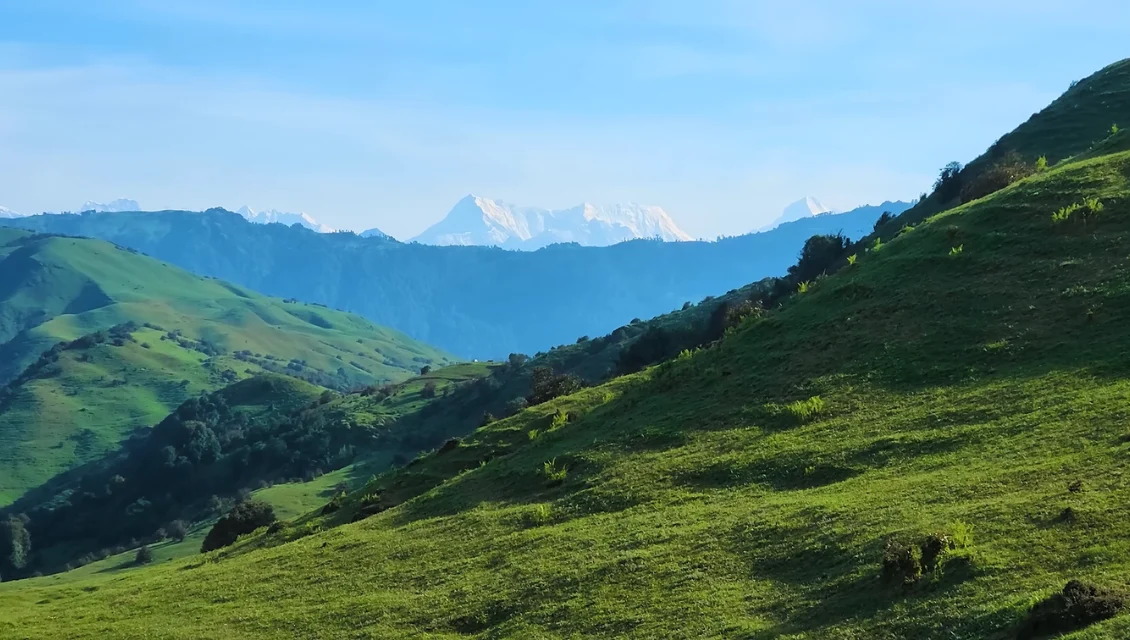
Throughout the journey, trekkers enjoy stunning views of Himalayan peaks including Makalu, Kanchenjunga, Everest, and surrounding eastern Himalayan ranges. The combination of cultural richness and dramatic landscapes makes this trek one of Nepal’s most unique emerging routes.
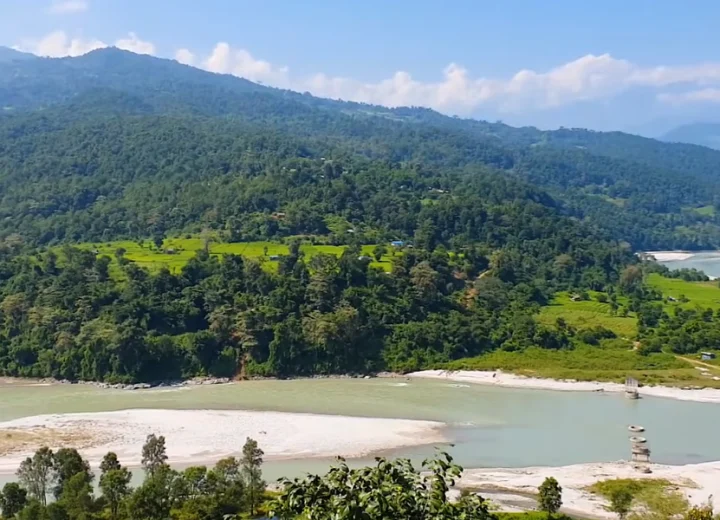
The Mundum Trails Trek is located in eastern Nepal, primarily in the Bhojpur, Khotang, and Okhaldhunga districts, within the lower Himalayan and mid-hill regions. The route passes through Makalu Barun National Park and surrounding forested landscapes, connecting remote villages, ridgelines, and sacred natural sites.
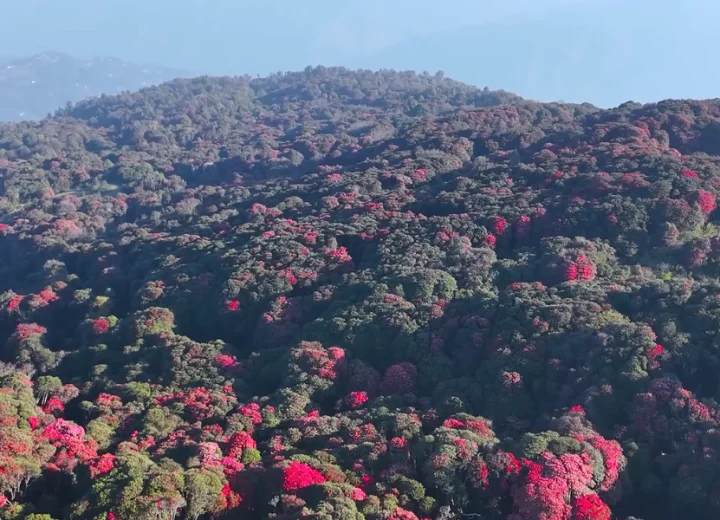
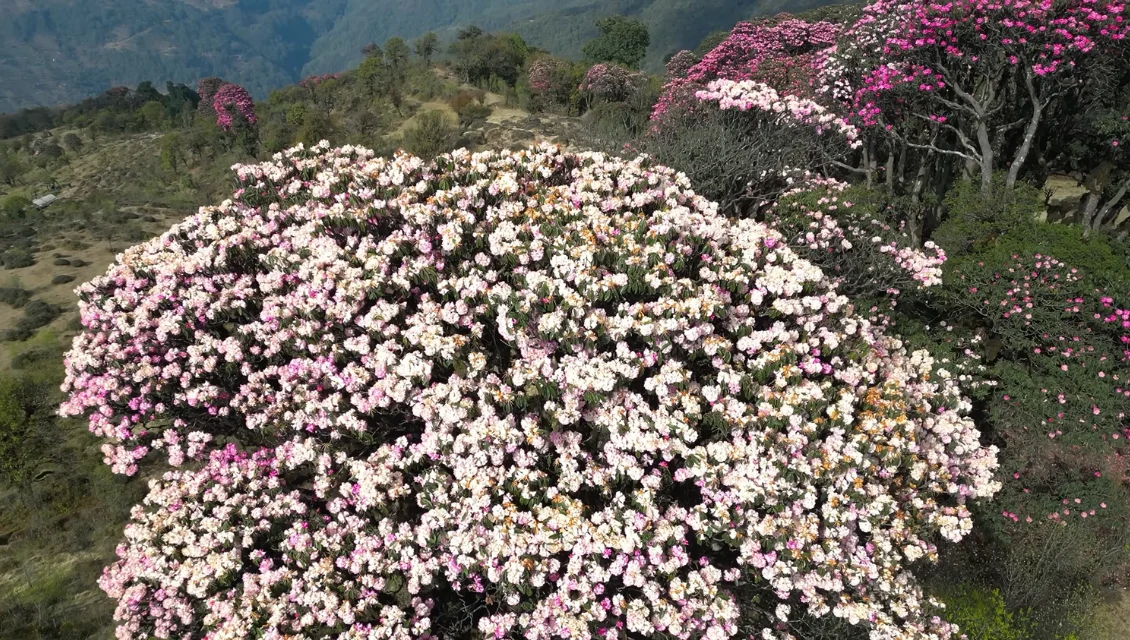
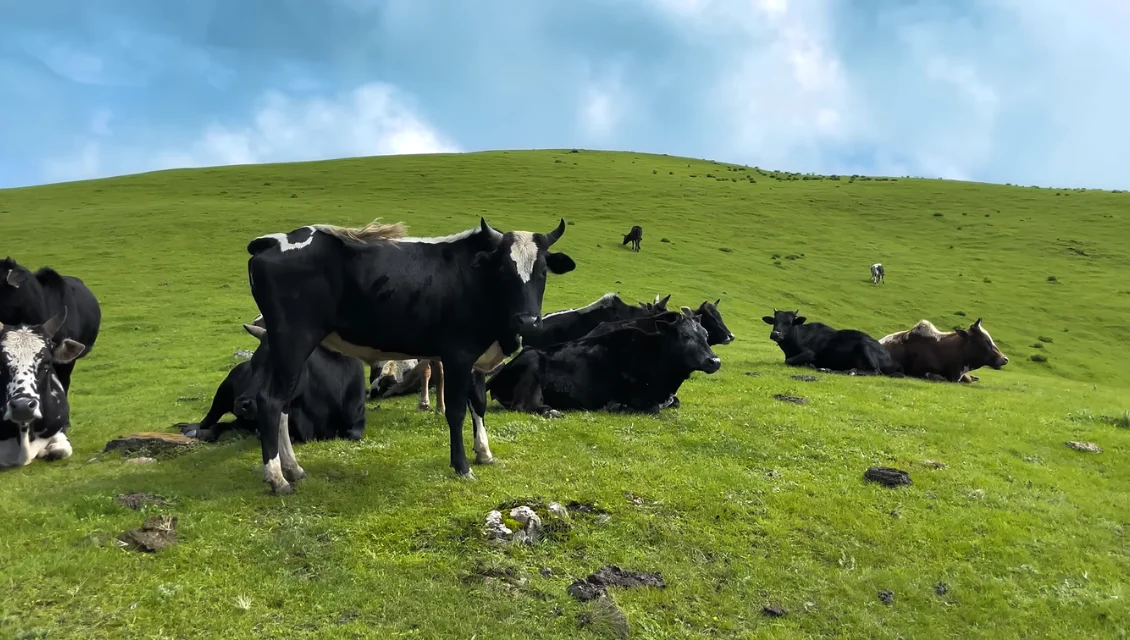
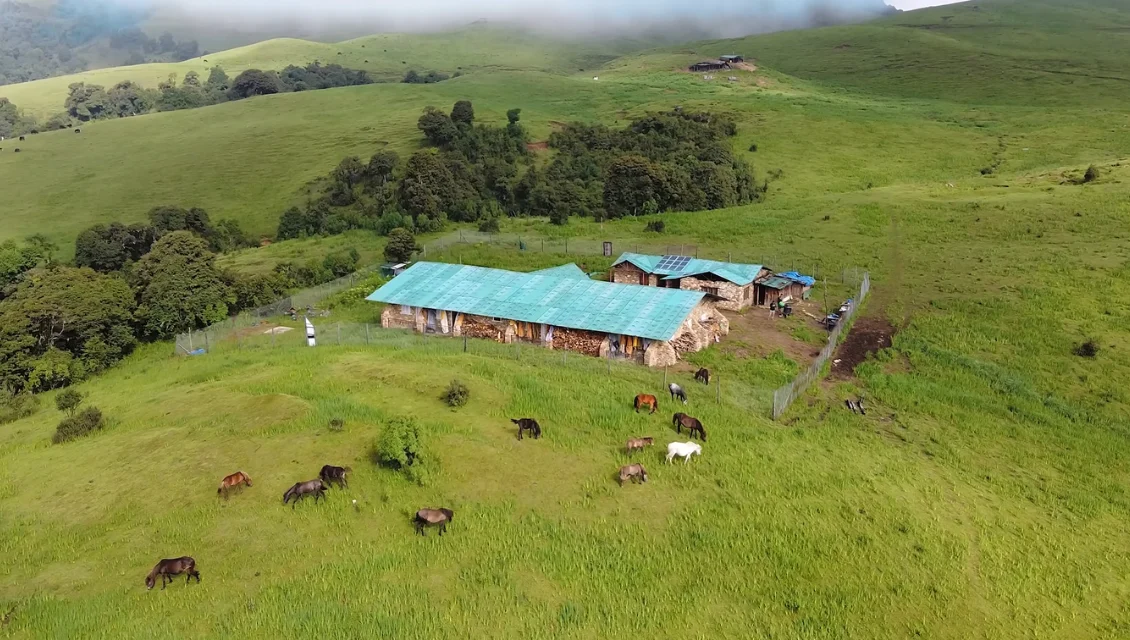
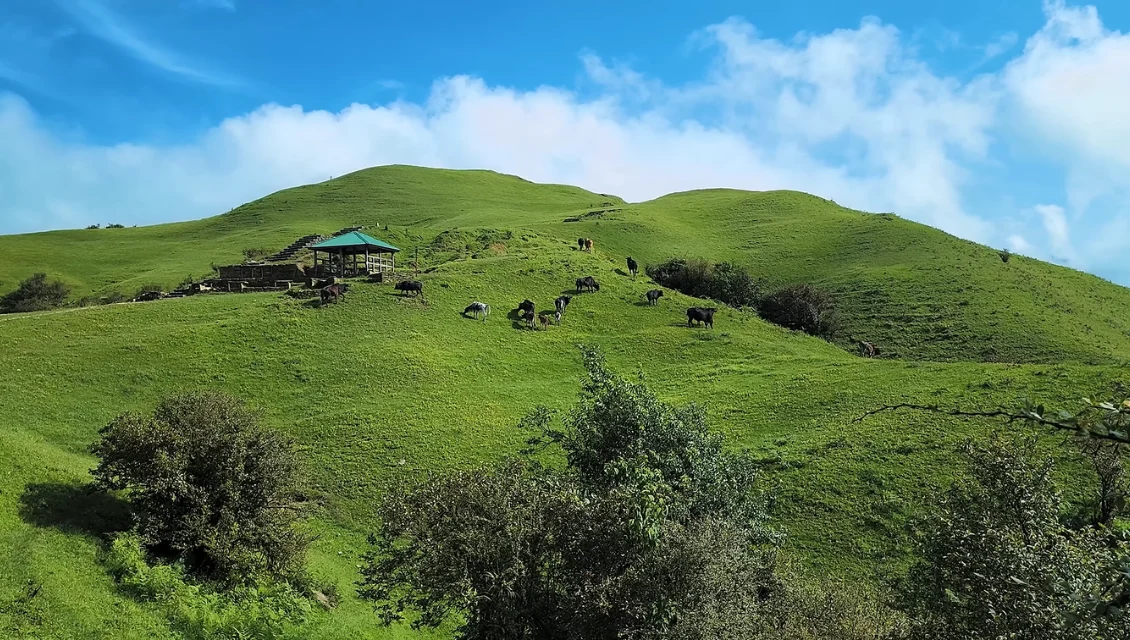
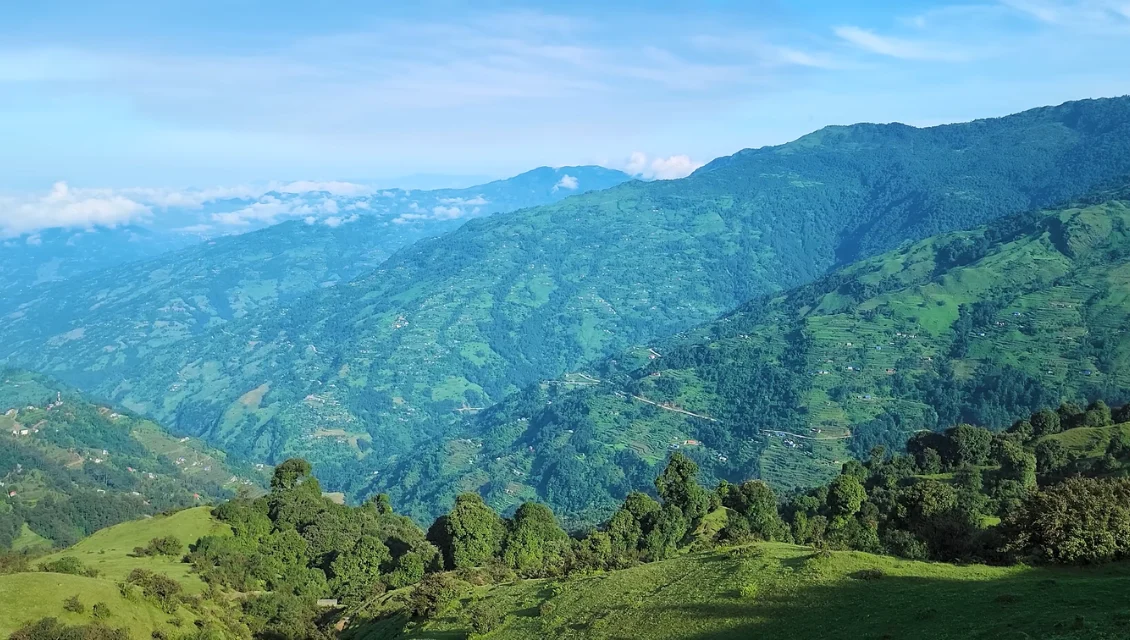
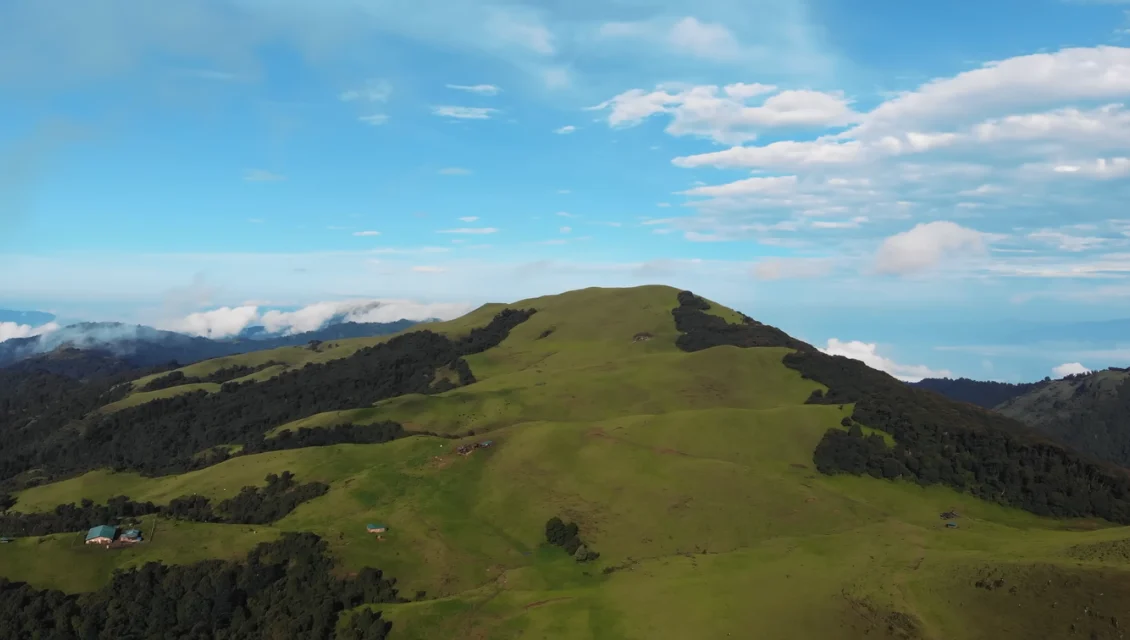
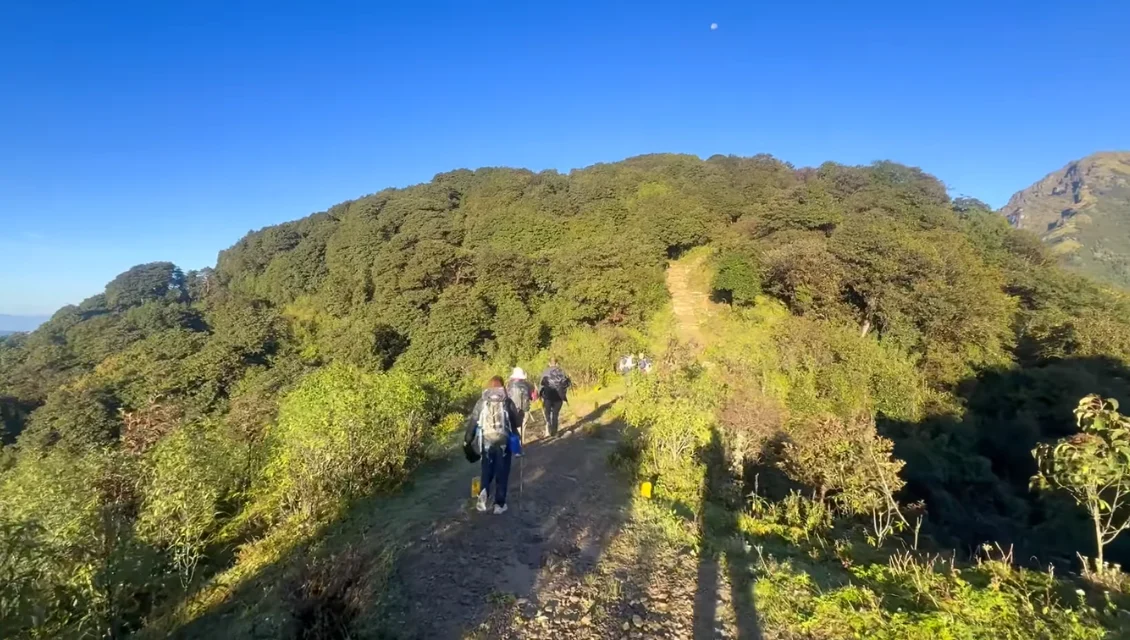
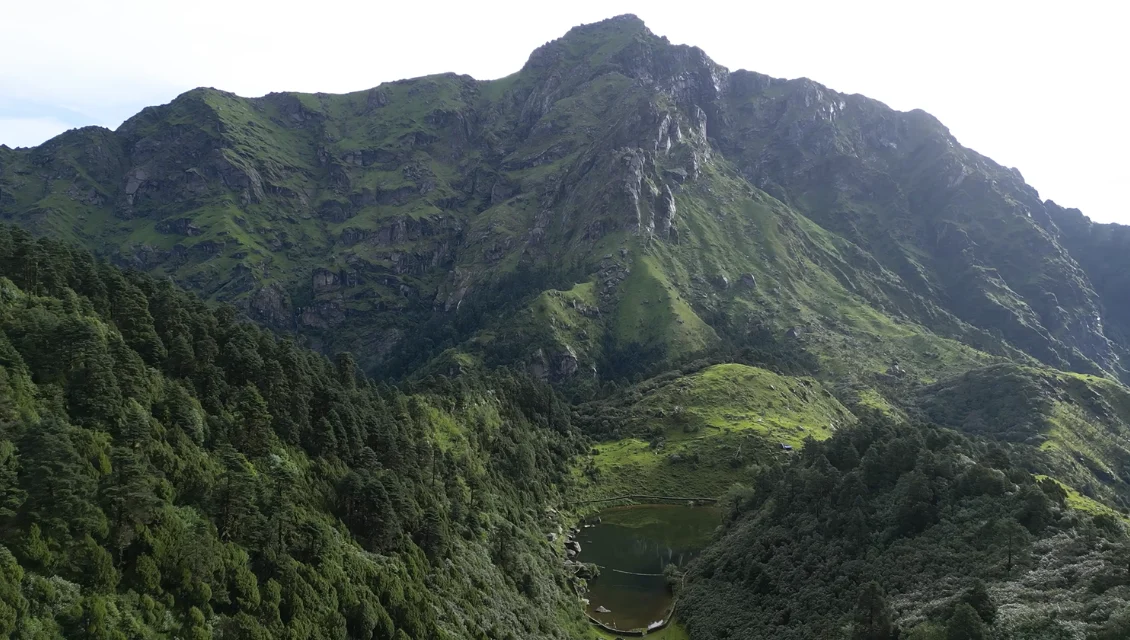
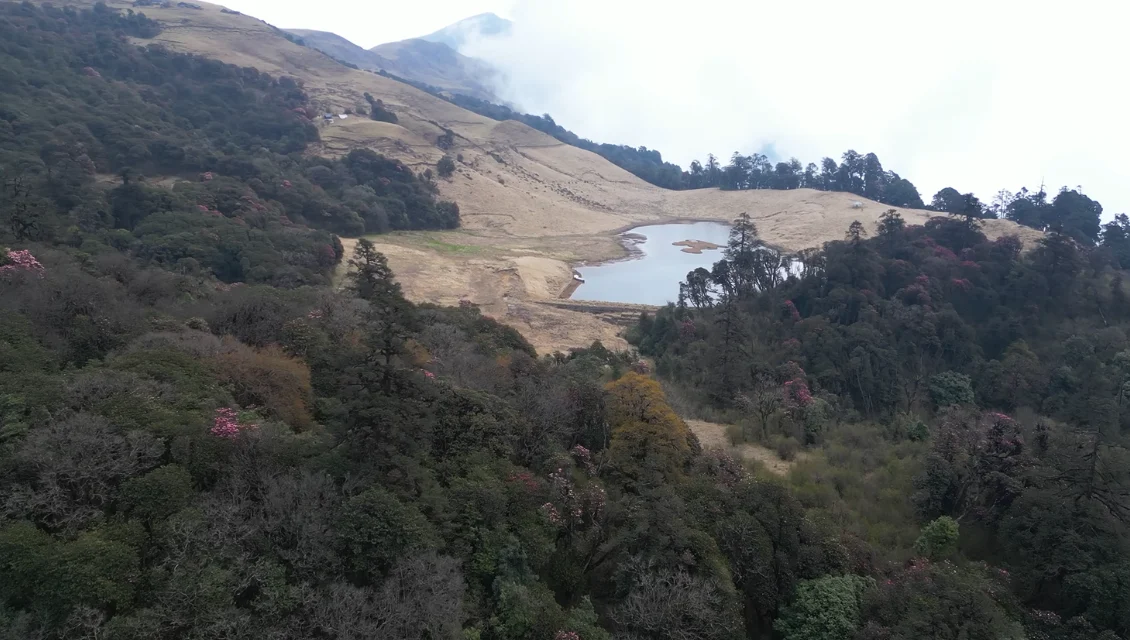
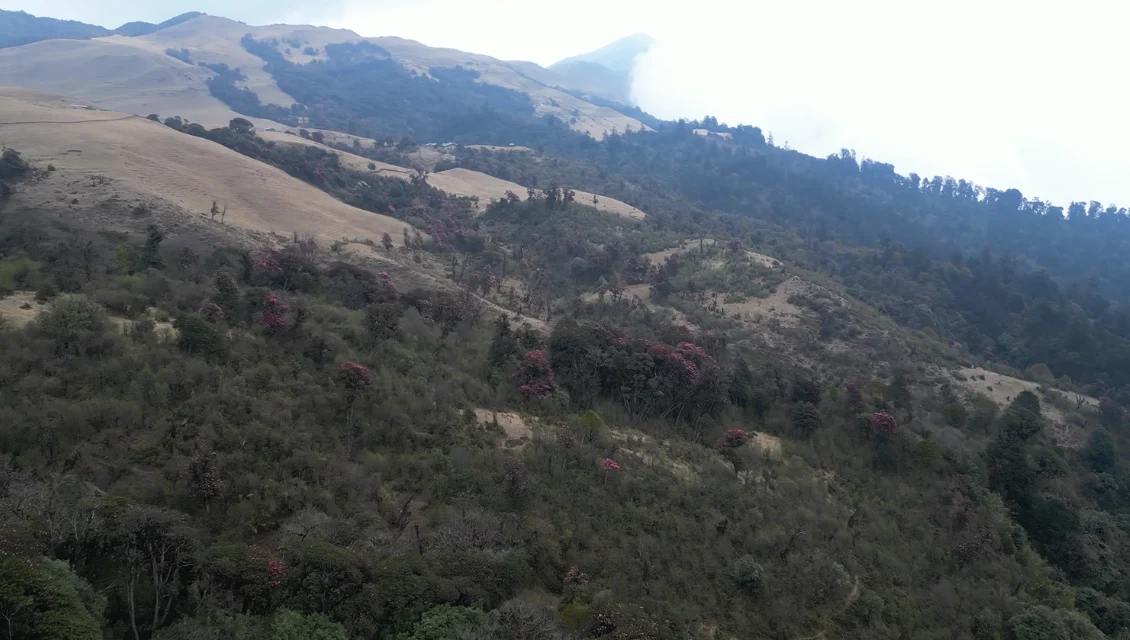
The landscape is diverse and largely untouched, featuring terraced hillsides, dense rhododendron and oak forests, alpine pastures, and high ridges with sweeping Himalayan views. Unlike the arid western regions of Nepal, this area is lush and green, with rich biodiversity and frequent wildlife sightings.
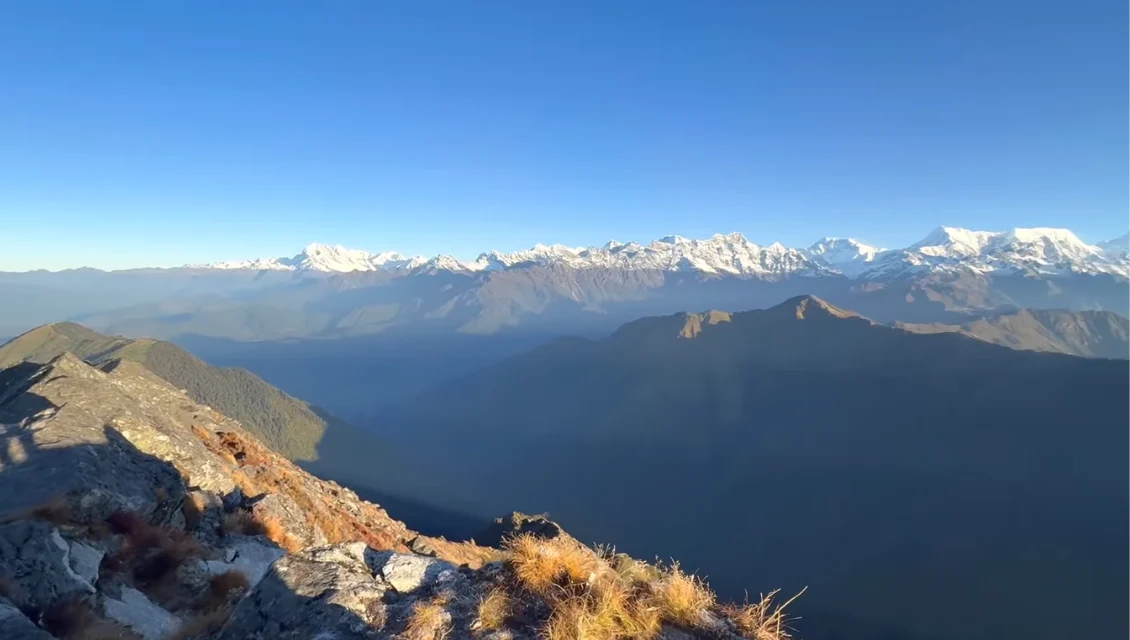
One of the most striking features of the trek is the continuous view of the eastern Himalayas. On clear days, trekkers can see Makalu, Kanchenjunga, and even distant views toward Everest. The rolling hills and ridge walks provide constant panoramic scenery, making it a photographer’s paradise.
The trails are less developed compared to popular trekking regions, adding a sense of adventure and discovery. Traditional stone paths, forest trails, and ancient foot routes connect villages that have preserved their ancestral way of life for generations.
The best seasons for the Mundum Trails Trek are spring (March–May) and autumn (September–November). These periods offer stable weather, clear skies, and excellent visibility of the eastern Himalayan ranges.
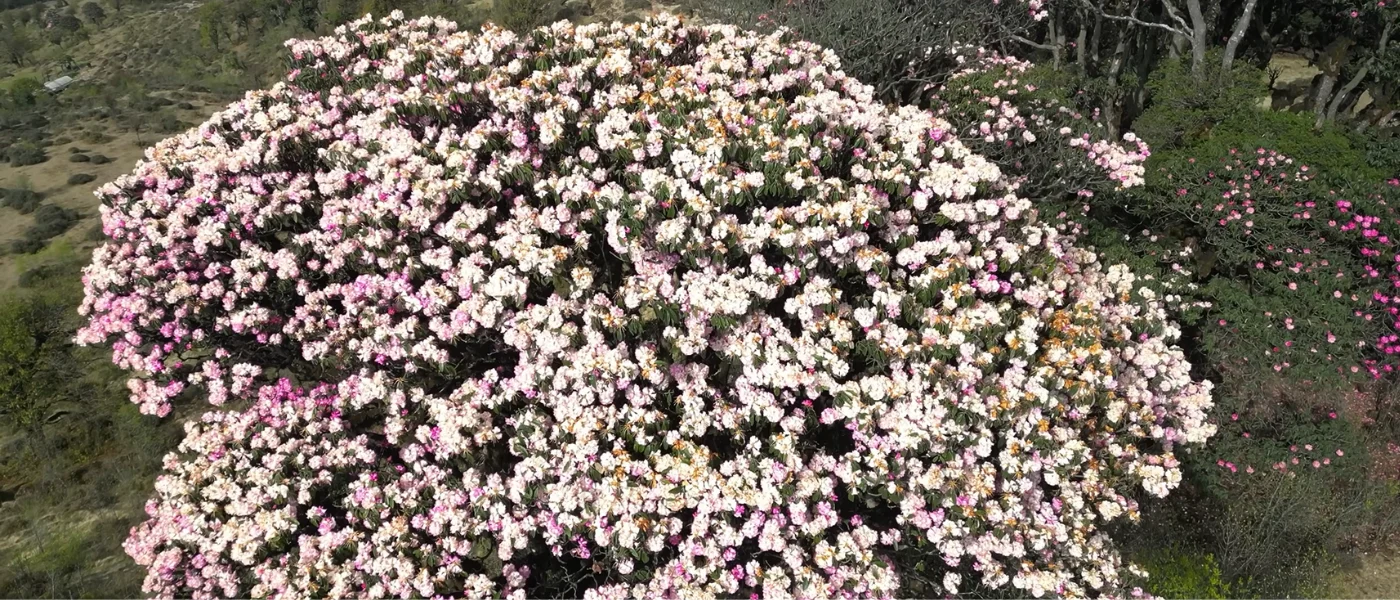
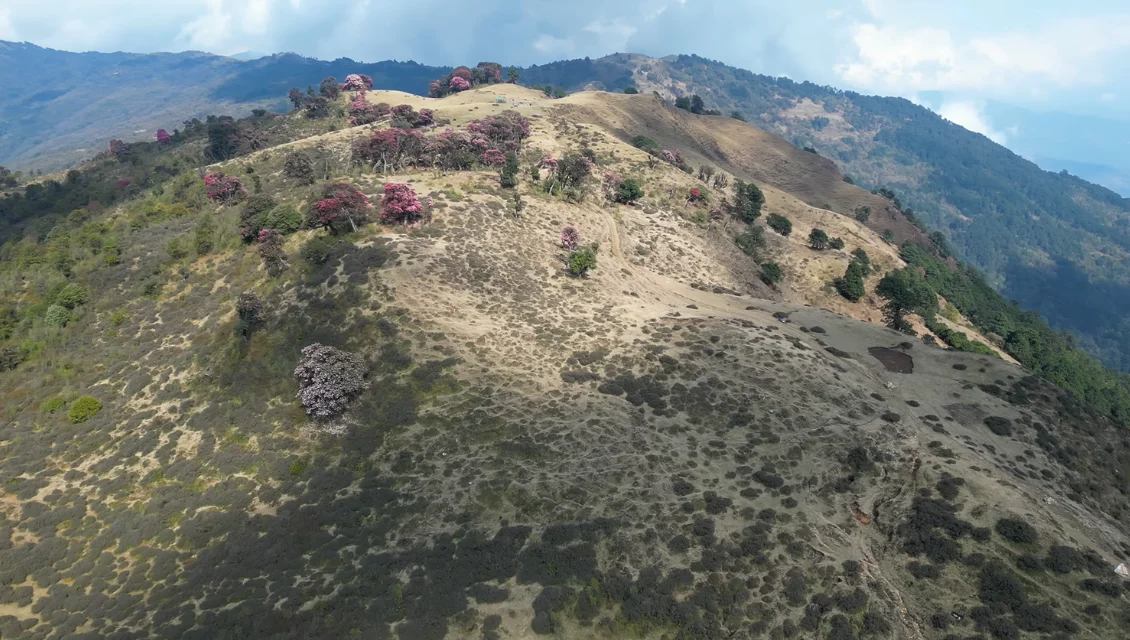
Spring is especially beautiful, with blooming rhododendrons and lush green landscapes covering the hills. Autumn provides crisp air, dry trails, and some of the clearest mountain views of the year.
Winter (December–February) is colder but still suitable in lower elevations, offering quiet trails and clear skies. The monsoon season (June–August) brings heavy rainfall, making trails slippery and limiting mountain visibility, so it is generally not recommended.
Overall, autumn is the most favorable season for both cultural exploration and mountain viewing.
The Mundum Trails region is home to the Rai indigenous communities, whose culture is deeply connected to nature and guided by the ancient Mundum oral traditions. These traditions include storytelling, rituals, songs, and spiritual practices that explain the relationship between humans, ancestors, and the natural world.
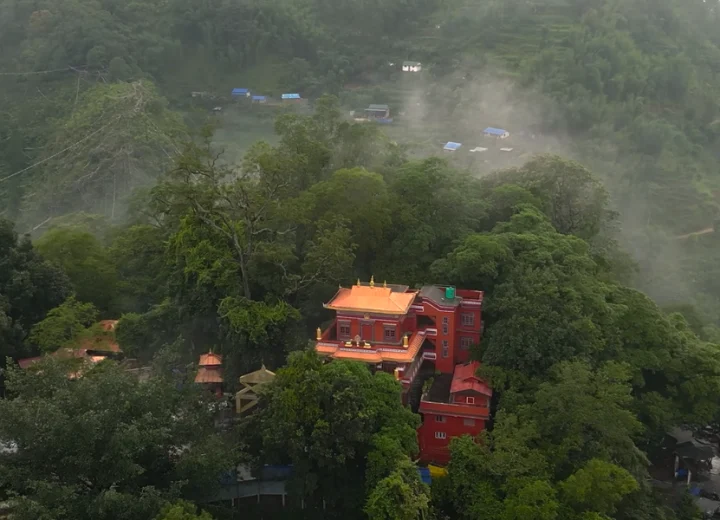
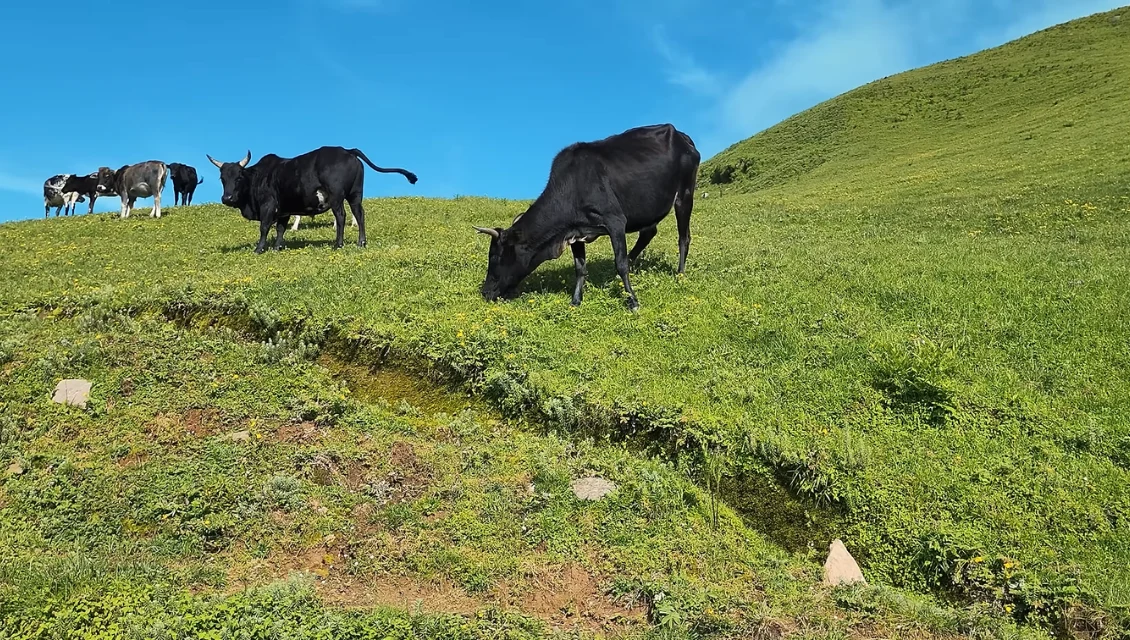
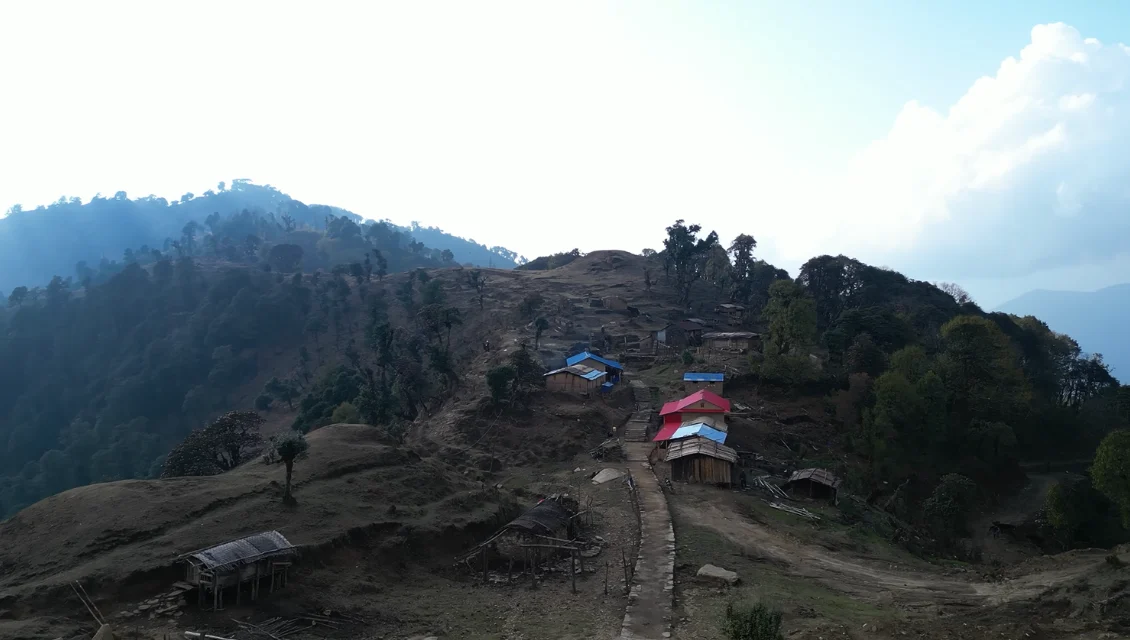
Villages along the trail preserve a strong sense of identity, with traditional houses, sacred groves, and community rituals forming an essential part of daily life. The Rai people maintain close ties to the land, practicing farming, animal husbandry, and seasonal cultural ceremonies.
The trek offers deep cultural immersion, allowing visitors to experience local hospitality, traditional food, and spiritual practices that are rarely seen in mainstream tourism routes.
The combination of untouched landscapes, eastern Himalayan views, and rich indigenous culture makes the Mundum Trails Trek one of Nepal’s most meaningful and emerging trekking experiences.
Temperatures are typical for the best travel months (February–April and October–November) and can change with the weather.
Travel Duration: Airport transfer only
Arrive in Kathmandu, the vibrant capital of Nepal. Transfer to your hotel and enjoy some free time exploring the bustling streets of Thamel, nearby heritage sites, or local cafés. Overnight stay in Kathmandu.
Activity Duration: Full day preparation
Today is dedicated to trek preparation. Obtain the necessary trekking permits, complete final gear checks, and attend a trek briefing with your guide. You may also explore Kathmandu’s cultural landmarks and local markets. Overnight stay in Kathmandu.
Travel Duration: 8 to 10 hours drive or flight + jeep combination
Begin your journey with a scenic drive or a combination of a short domestic flight and jeep ride to Basantapur, a peaceful village that marks the start of your trek. Settle into a local lodge and rest up for the days ahead.
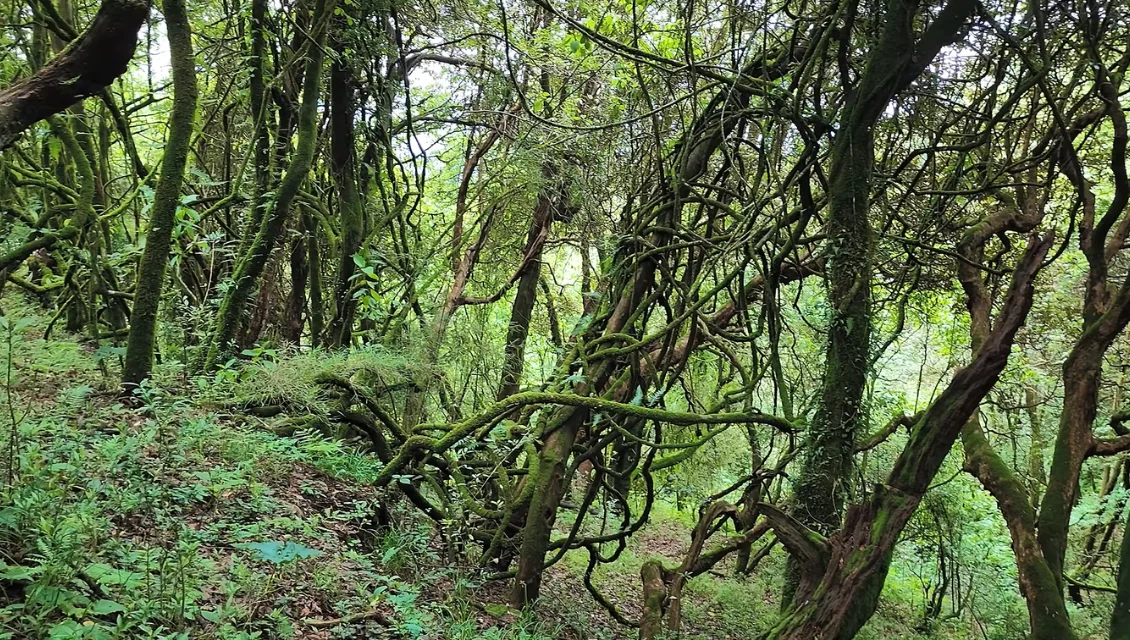
Start trekking through lush rhododendron forests and terraced fields. The quiet, green surroundings and the gentle trail offer an excellent introduction to the region’s natural beauty. Overnight stay in a cozy teahouse at Chauki.
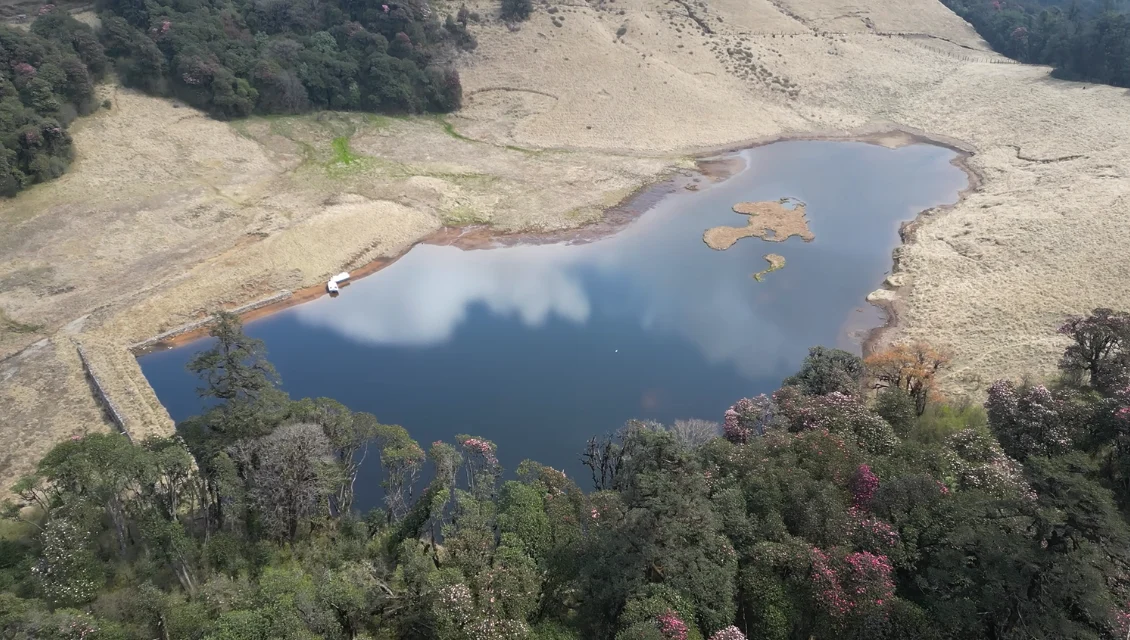
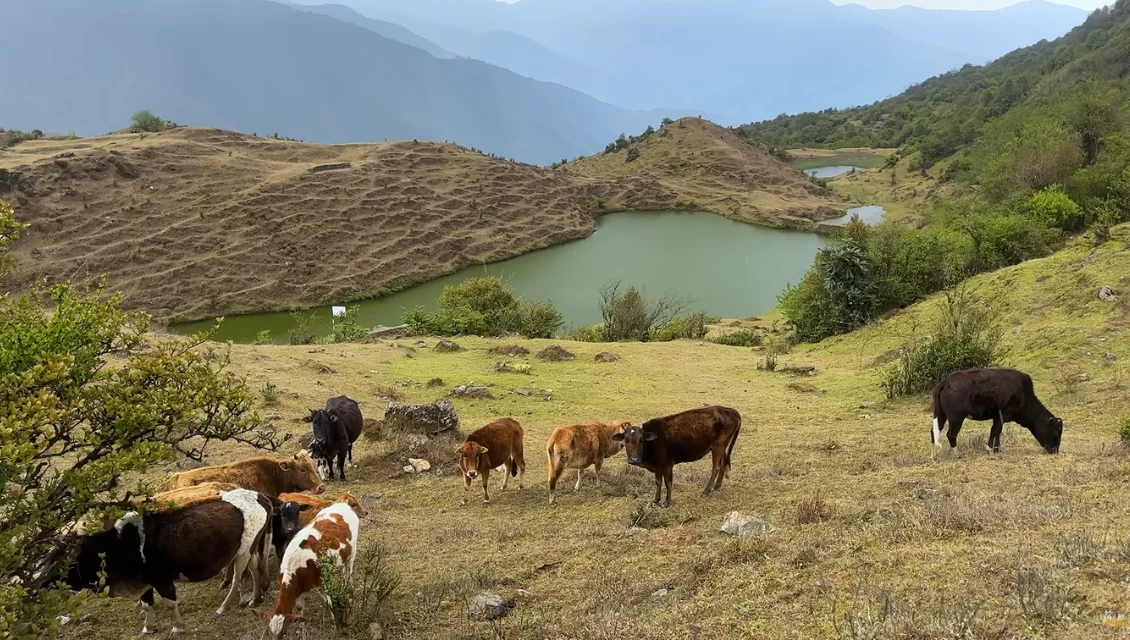
Follow scenic ridge trails with panoramic views as you approach Gufa Pokhari, home to a sacred lake with local spiritual significance. Choose to stay at a lodge or enjoy a homestay experience, savoring the warmth of local hospitality.
A shorter day trekking through dense forests rich with rhododendrons and moss-covered trees. The serene and less-traveled paths make this section perfect for peaceful reflection. Camp or shelter accommodation available.
Early morning hike to the Milke Danda ridge, one of the trek’s highlights. Revel in spectacular 360-degree views of the Himalayan panorama stretching from Kanchenjunga to Makalu. Return to Gurase or Gufa Pokhari for overnight rest.
Retrace your steps through familiar forests and villages, soaking in the last moments of the natural splendor. Stay overnight in Basantapur.
Travel Duration: 8 to 10 hours drive or flight + jeep combination
Travel back to Kathmandu by the same route via jeep and domestic flight or road transport. Enjoy a farewell evening in the city and celebrate the completion of your unforgettable trekking adventure.
Travel Duration: Airport transfer only
Transfer to Tribhuvan International Airport for your onward flight. Depart with wonderful memories of the Milke Danda trekking experience and the beauty of eastern Nepal.
The best time for the Mundum Trail Trek is February–April and October–November, with May, September and December–January also good. Typical daytime temperatures at Kathmandu (1,400 m) in those months are around 25 °C, with colder nights at higher camps.
The Kathmandu Valley can be visited all year. October–November and March–April are pleasant and clear; December–February are sunny with cold mornings, and the monsoon brings afternoon showers but green, uncrowded heritage sites.
| Month | Conditions | Day | Night |
|---|---|---|---|
| January | Good — clear skies, cold nights and fewer trekkers | 19 °C | 2 °C |
| February | Best time — stable weather and clear views | 21 °C | 4 °C |
| March | Best time — stable weather and clear views | 25 °C | 8 °C |
| April | Best time — stable weather and clear views | 28 °C | 11 °C |
| May | Good — mostly fine weather, fewer crowds | 29 °C | 16 °C |
| June | Possible — monsoon showers and cloud | 29 °C | 19 °C |
| July | Possible — monsoon showers and cloud | 28 °C | 20 °C |
| August | Possible — monsoon showers and cloud | 28 °C | 20 °C |
| September | Good — green landscapes, some rain | 28 °C | 18 °C |
| October | Best time — stable weather and clear views | 27 °C | 13 °C |
| November | Best time — stable weather and clear views | 23 °C | 7 °C |
| December | Good — clear skies, cold nights and fewer trekkers | 20 °C | 3 °C |
Average day and night temperatures at Kathmandu (1,400 m). Higher camps are colder.
Your packing checklist for Mundum Trail Trek. Tick items off as you pack — down jackets and sleeping bags can also be rented in Kathmandu.
Private departures run on any date. Pick the start date that suits you and we will build the trip around it — same price, your own guide and team.
Accommodation
Accommodation along the Mundum Trail is mainly provided in community homestays and basic teahouses.
Facilities are simple but warm and welcoming, typically offering twin-sharing rooms or shared homestay spaces with local families. Comfort levels vary depending on village infrastructure, but cultural hospitality is a key highlight of the experience.
Meals
A full-board meal system (Breakfast, Lunch, and Dinner) is provided throughout the trek, prepared by local households.
Typical food includes:
Meals are organic, locally sourced, and deeply connected to rural Himalayan food culture.
Difficulty & Physical Requirements
The Mundum Trail Trek is classified as easy to moderate, suitable for beginners, cultural trekkers, and families.
Daily trekking ranges from 3 to 6 hours, with gradual ascents through hills, forests, and village trails. No technical climbing or high-altitude risk is involved.
Permits
Required permits include:
Permits are generally arranged through trekking agencies or local authorities depending on the itinerary.
Best Season
Transportation & Access
The trek is accessed via eastern Nepal travel routes:
The journey involves remote hillside travel through traditional Rai settlements.
Safety & Acclimatization
The Mundum Trail is a low to mid-altitude trek, making it generally safe for most travelers.
Key considerations include:
Guides are helpful for cultural interpretation and route assistance.
Travel Insurance
Recommended travel insurance should include:
Guide & Porter Services
Local guides are highly recommended for cultural understanding, storytelling, and navigation.
Porters are available but not always necessary due to the moderate nature of the trek.
Cultural & Natural Highlights
The Mundum Trail Trek is best known for its deep cultural and spiritual significance:
Essential Equipment
Recommended trekking gear includes:
Communication & Connectivity
Mobile network coverage is available in some villages but can be weak or inconsistent in remote hill sections.
Wi-Fi is limited, and trekkers should be prepared for a mostly offline travel experience.
Why Choose the Mundum Trail Trek?
This trek is ideal for travelers seeking culture, authenticity, and off-the-beaten-path experiences:
The Mundum Trail Trek is graded Moderate — suitable for most active travellers. Expect 5–7 hours of walking on most days on mountain trails with plenty of ascents and descents. Regular cardio training — hiking, running, cycling or stair climbing — for 6–8 weeks before departure makes the trip far more enjoyable.
For the Kathmandu Valley & mid-hills region the best months are February–April and October–November. The Kathmandu Valley can be visited all year. October–November and March–April are pleasant and clear; December–February are sunny with cold mornings, and the monsoon brings afternoon showers but green, uncrowded heritage sites.
You need entry tickets for the heritage sites you visit. Nord Extreme arranges every permit for you before the trip starts — check the "Includes" section above for exactly what is covered in the price. Just bring your passport and a few passport-size photos.
In Kathmandu you stay in a comfortable hotel; on the trail we use the best available family-run teahouses and lodges with twin-share rooms, shared or attached bathrooms and a warm dining room. Upgrades to luxury lodges are possible on popular routes such as Everest and Annapurna.
Both. You can join one of the fixed departures listed under "Dates & Prices", or book a private trip for just you, your family or friends on any date. Solo travellers are welcome — you will always have your own licensed guide.
Yes, travel insurance is compulsory. It must cover medical treatment and emergency helicopter evacuation up to the trip’s highest altitude, plus trip cancellation. Please send us your policy details before departure.
See the "What to bring" checklist on this page for the full list. The essentials are broken-in boots, warm layers, a down jacket, a waterproof shell, sun protection and a daypack. Down jackets and sleeping bags can be rented cheaply in Kathmandu, and a porter carries your main bag (up to 10–12 kg).
Keep exploring

Namaste! 🙏
Welcome to Nord Extreme Himalaya. Questions about Mundum Trail Trek? Send us a message — a Sherpa trip expert in Kathmandu will reply on WhatsApp.
Mr. Sonam G. SherpaOpens WhatsApp · +9779851078748