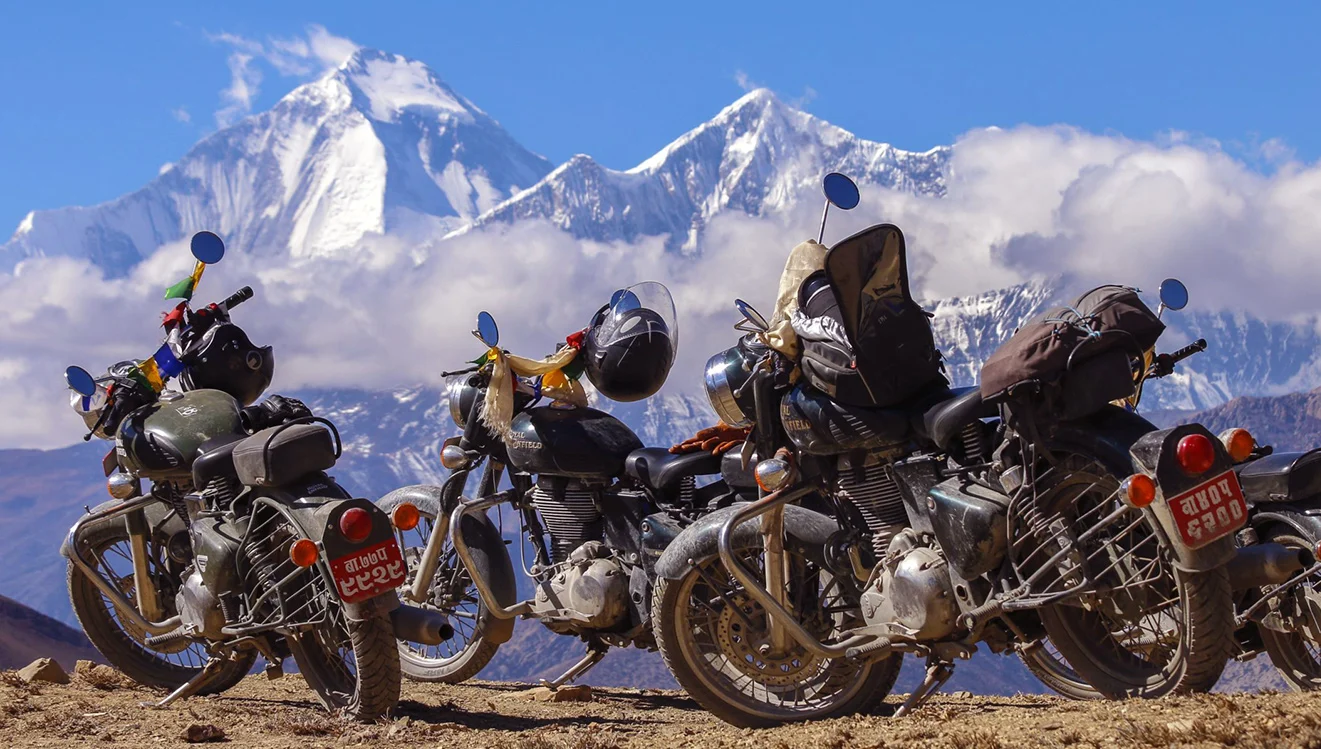
The Across the Kali Gandaki Motorbike Tour is a signature Himalayan motorcycle expedition that follows the legendary Kali Gandaki River corridor—one of the world’s deepest and most geologically dramatic valleys. This journey offers a continuous riding experience through Nepal’s most diverse landscapes, connecting cultural hill towns, high Himalayan deserts, river valleys, and tropical lowlands in a single expedition.
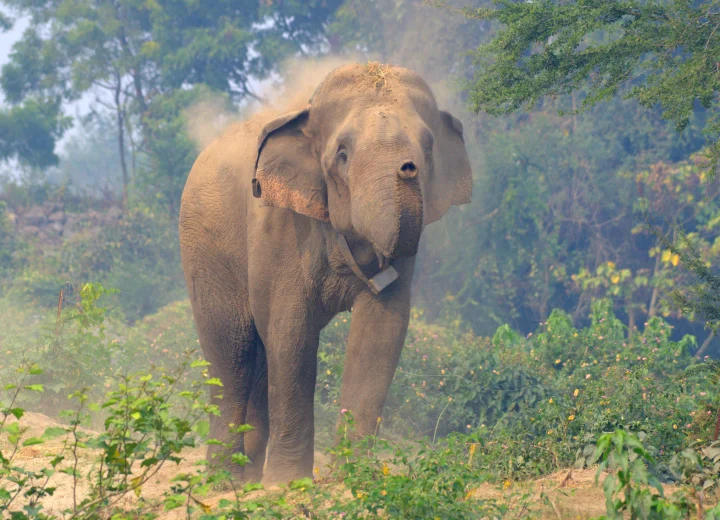
Beginning in Kathmandu (1,400m), the route passes through the historic hill town of Bandipur, descends into the sacred valley of Tatopani, ascends to the iconic pilgrimage destination of Muktinath (3,800m), and continues through the scenic city of Pokhara (822m) before entering the wildlife-rich plains of Chitwan (415m). The journey then returns to Kathmandu via the peaceful Kulekhani reservoir region.
This carefully designed expedition blends adventure riding, cultural immersion, extreme altitude variation, and natural diversity, making it one of Nepal’s most complete and rewarding motorcycle journeys.
Geography and Landscape
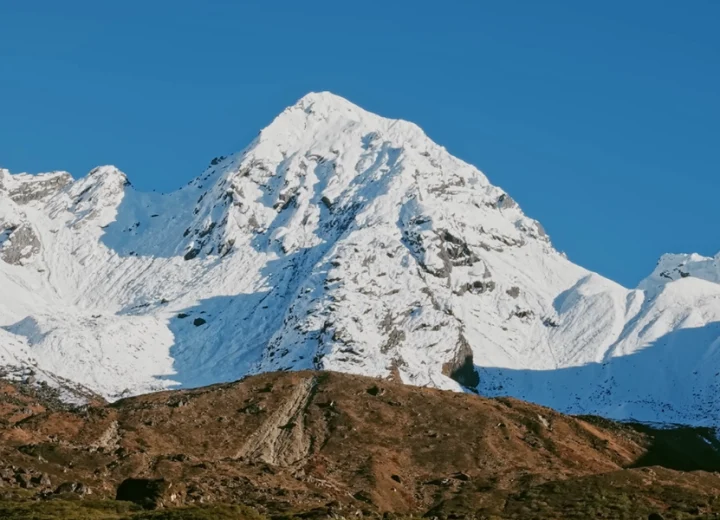
The Kali Gandaki Valley forms the world’s deepest gorge, situated between the towering Annapurna (8,091m) and Dhaulagiri (8,167m) Himalayan ranges. The route passes through multiple ecological and climatic zones within a relatively short distance, creating one of the most visually dynamic riding corridors in Nepal.
From the Kathmandu Valley, the journey moves through terraced farmlands, forested ridges, and river valleys toward Bandipur. The landscape then drops into the dramatic Kali Gandaki basin, where deep gorges, winding river roads, and traditional settlements define the terrain.
Beyond Tatopani, the route ascends into the trans-Himalayan region, where arid landscapes, strong winds, and rugged mountain roads lead toward Muktinath. From here, the descent into Pokhara reveals lush forests, lakes, and fertile valleys, before transitioning into the tropical plains of Chitwan and the subtropical mid-hills of Kulekhani.
This continuous transformation of altitude, climate, and geography makes the Kali Gandaki corridor one of the most diverse motorcycle routes in the Himalayas.
Climate and Best Time to Ride
The tour is accessible throughout much of the year, with seasonal variations influencing visibility, temperature, and road conditions.
Spring (March – May)
- Blooming rhododendron forests and vibrant landscapes
- Pleasant riding temperatures across all regions
- Excellent Himalayan visibility
Autumn (September – November)
- Best overall season for motorcycle touring
- Stable weather and dry road conditions
- Crystal-clear mountain views
Winter (December – February)
- Cold temperatures at higher elevations (especially Muktinath)
- Excellent visibility and fewer road crowds
- Suitable for well-prepared and experienced riders
Monsoon (June – August)
- Heavy rainfall in lower and mid-hill regions
- Slippery and challenging road conditions
- Recommended only for experienced adventure riders
People and Culture
The route passes through a rich cultural mosaic of Nepal’s ethnic communities, including Gurung, Magar, Thakali, Newar, and Tharu populations, each contributing unique traditions, architecture, and lifestyles.
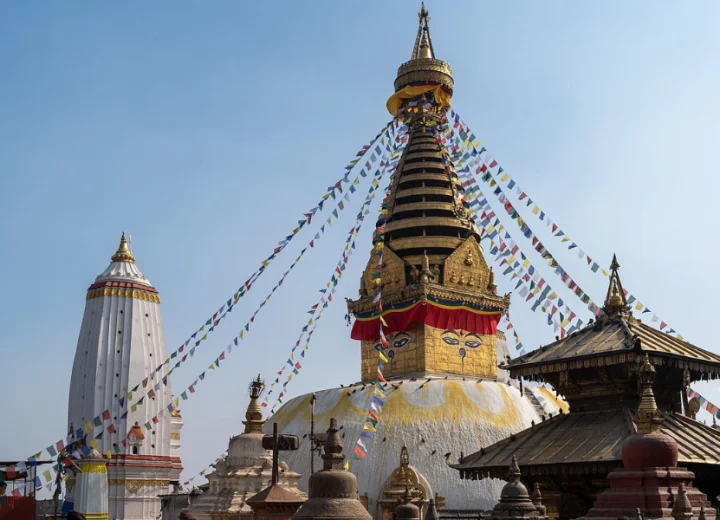
Bandipur showcases preserved Newari heritage with traditional architecture and cultural harmony. The Kali Gandaki region is deeply influenced by Tibetan Buddhist and Hindu traditions, especially around Muktinath, one of Nepal’s most sacred pilgrimage sites.
In contrast, Chitwan introduces the indigenous Tharu culture, known for its distinct architecture, traditional lifestyle, and strong connection to the jungle ecosystem.
Throughout the journey, riders experience rural farming communities, ancient trade routes, monasteries, temples, local festivals, and genuine Himalayan hospitality.