Transportations
- Private/tourist vehicles for airport pickup and drop-off in Kathmandu.
- Private/tourist vehicles transfer as per itinerary to access the trailheads.
- Domestic flight included for access to the trekking starting & ending point.
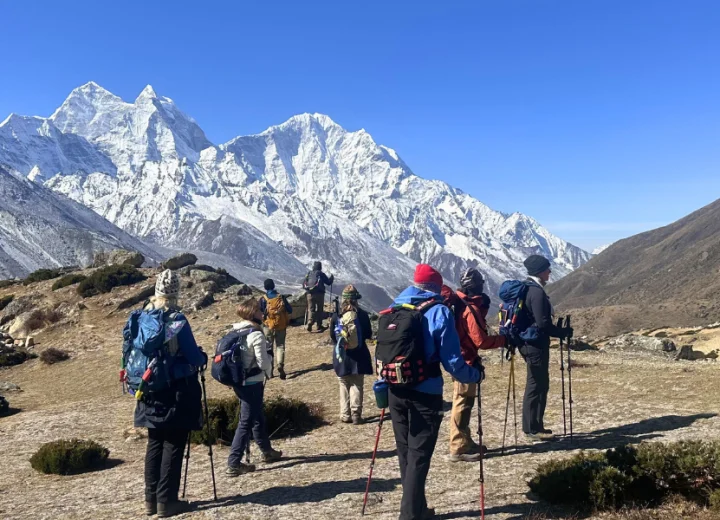
The Pikey Dudh Kunda Trek is a spectacular off-the-beaten-path journey situated in the lower Solu-Khumbu region of eastern Nepal. This unique trek beautifully combines two of Nepal’s hidden treasures: the panoramic summit of Pikey Peak, famed for offering one of the best sunrise views of Mount Everest and its neighboring giants, and the sacred glacial lake of Dudh Kunda, a revered pilgrimage site for both Buddhists and Hindus. Unlike the crowded Everest Base Camp trail, the Pikey Dudh Kunda route winds through tranquil rhododendron forests, terraced hillsides, and peaceful Sherpa and Rai villages, promising a blend of natural beauty, spiritual serenity, and cultural richness.
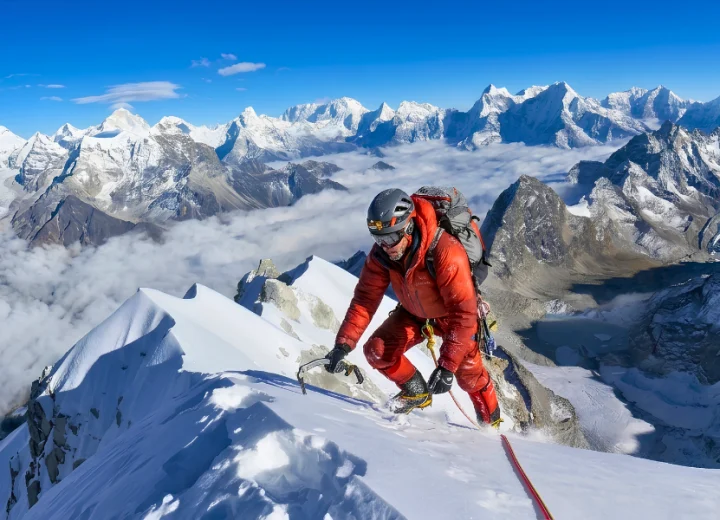
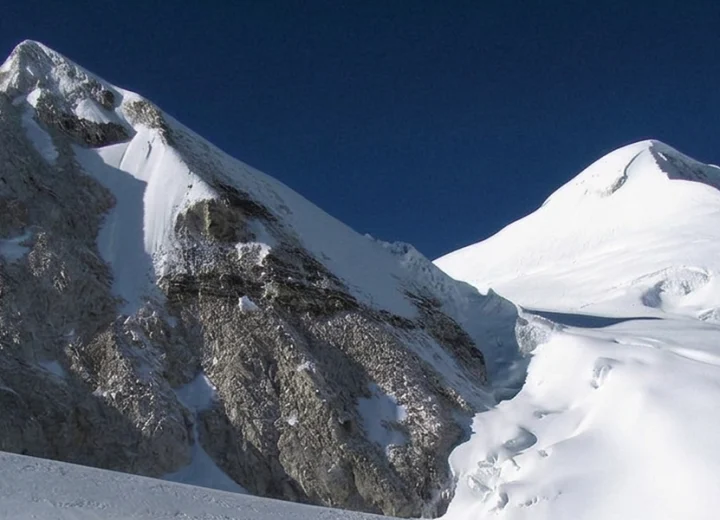
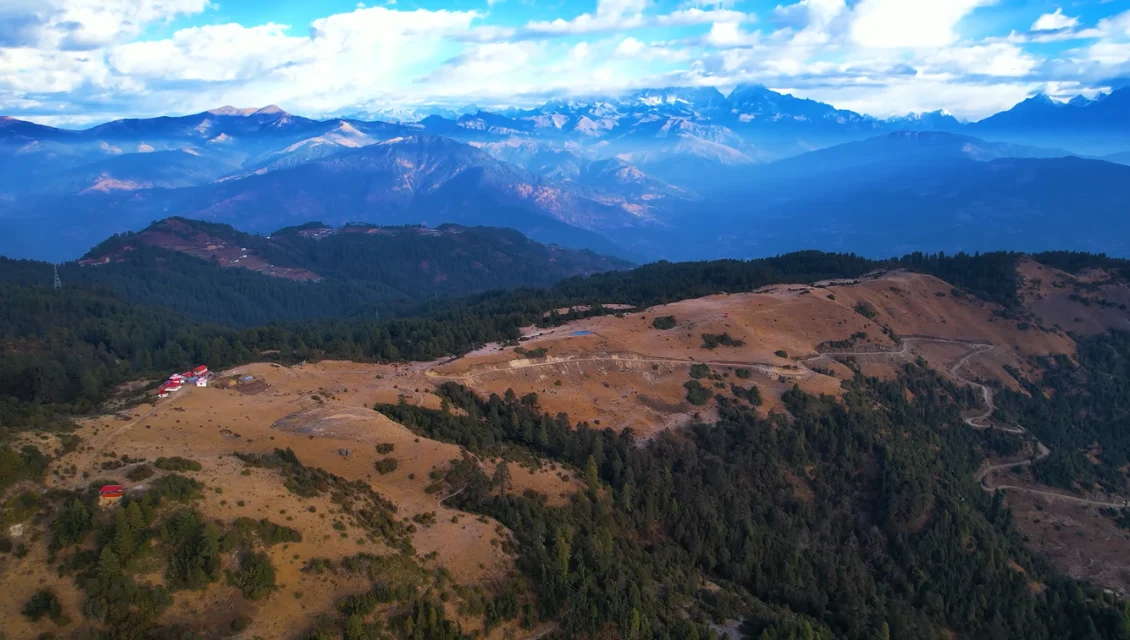
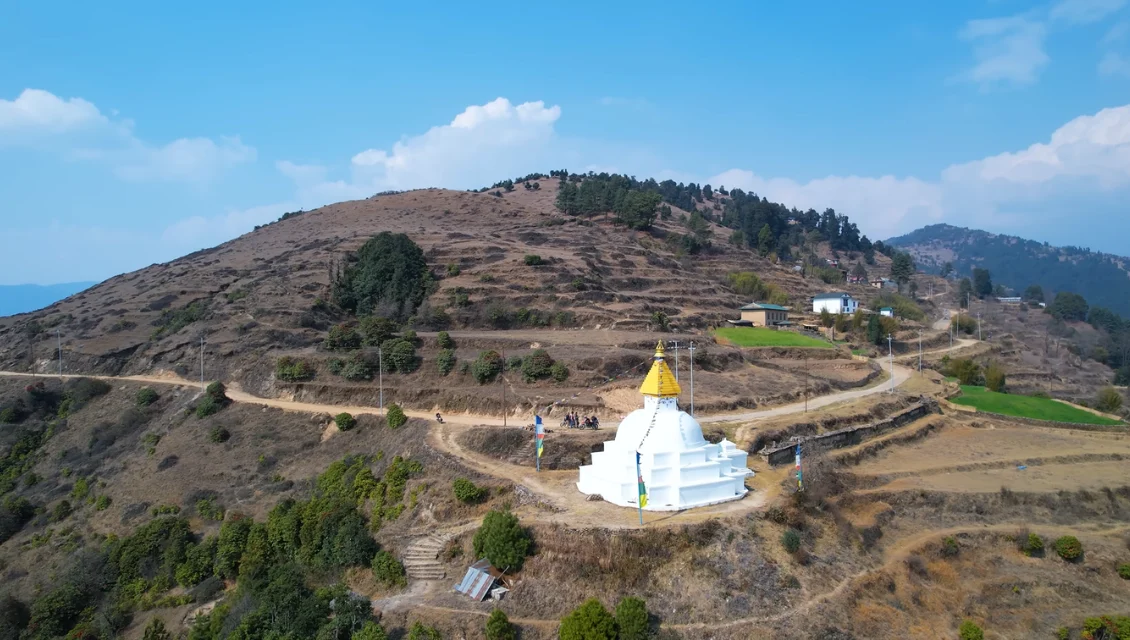
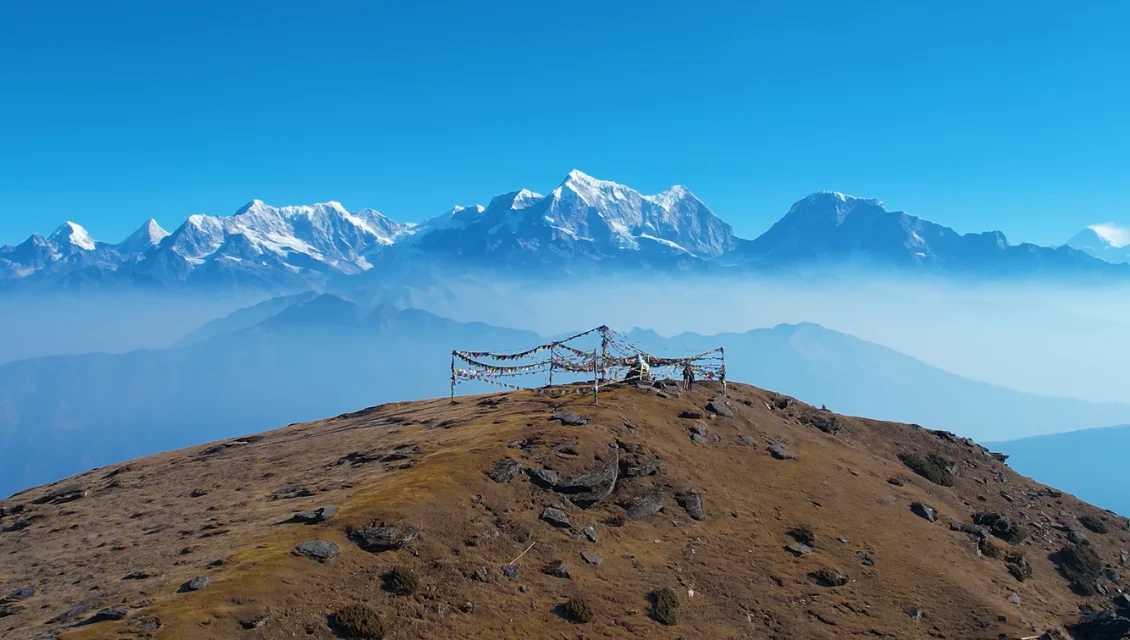
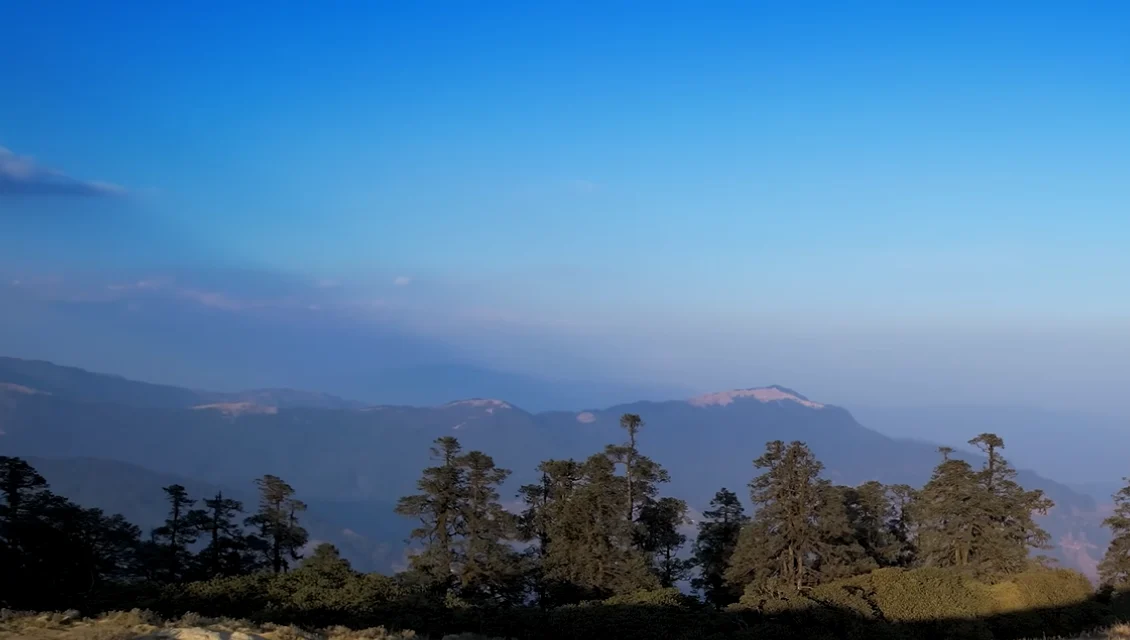
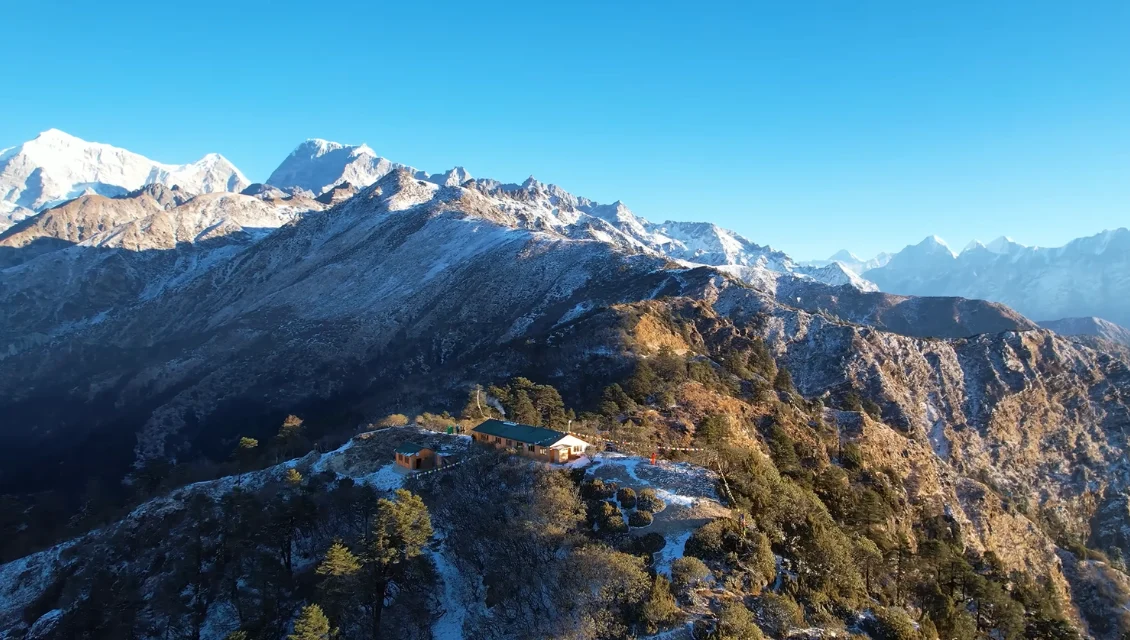
Nestled in the lower elevations of the Everest region, this trek links two spectacular highlights. Pikey Peak (4,065 meters) is a grassy summit offering sweeping 360-degree views of the Himalayas including Everest, Lhotse, Makalu, and Kanchenjunga—the world’s tallest and most majestic peaks. The path to Pikey Peak traverses serene alpine meadows, yak pastures, and dense rhododendron forests, making it an adventurer’s paradise.
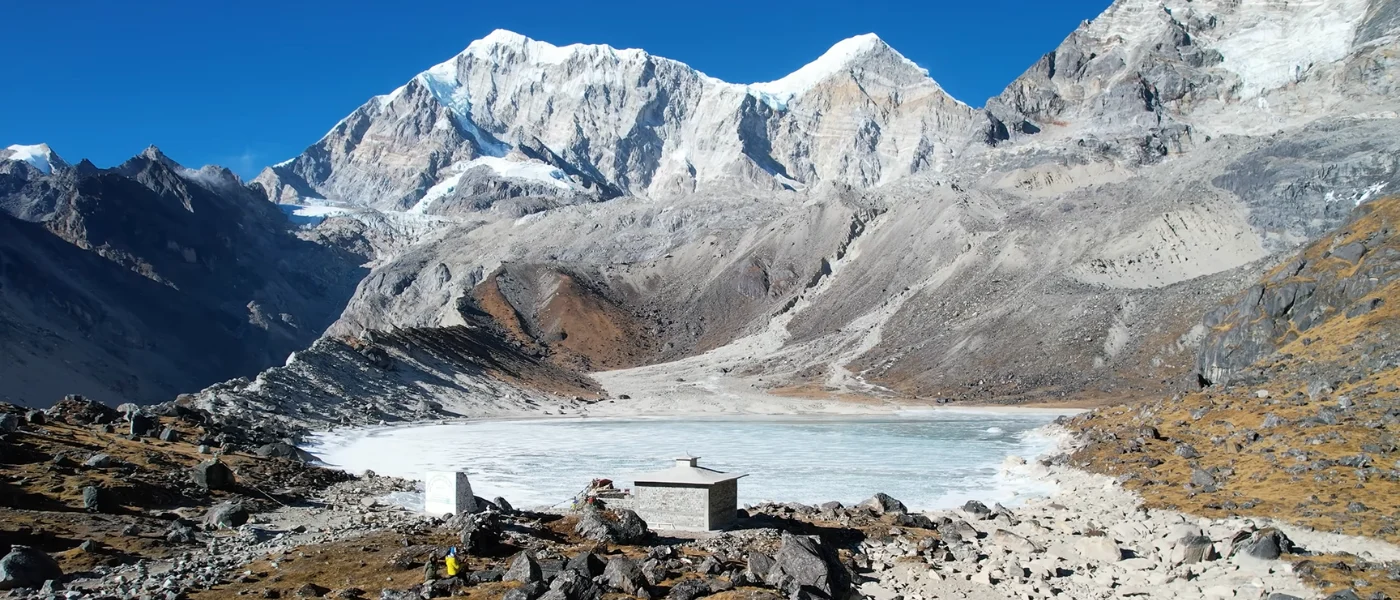
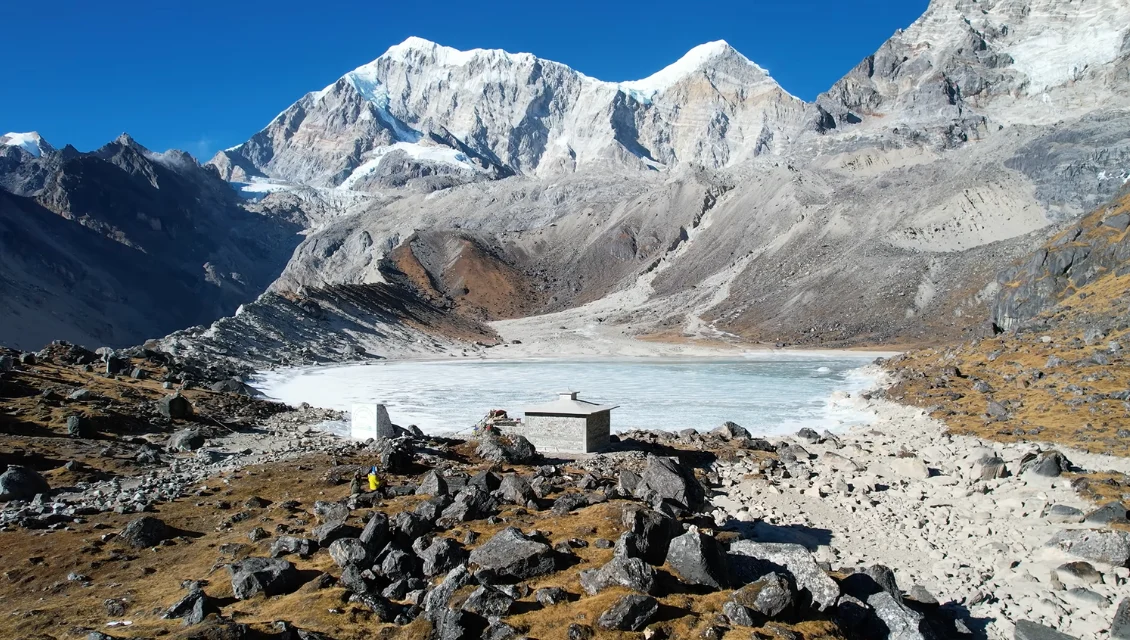
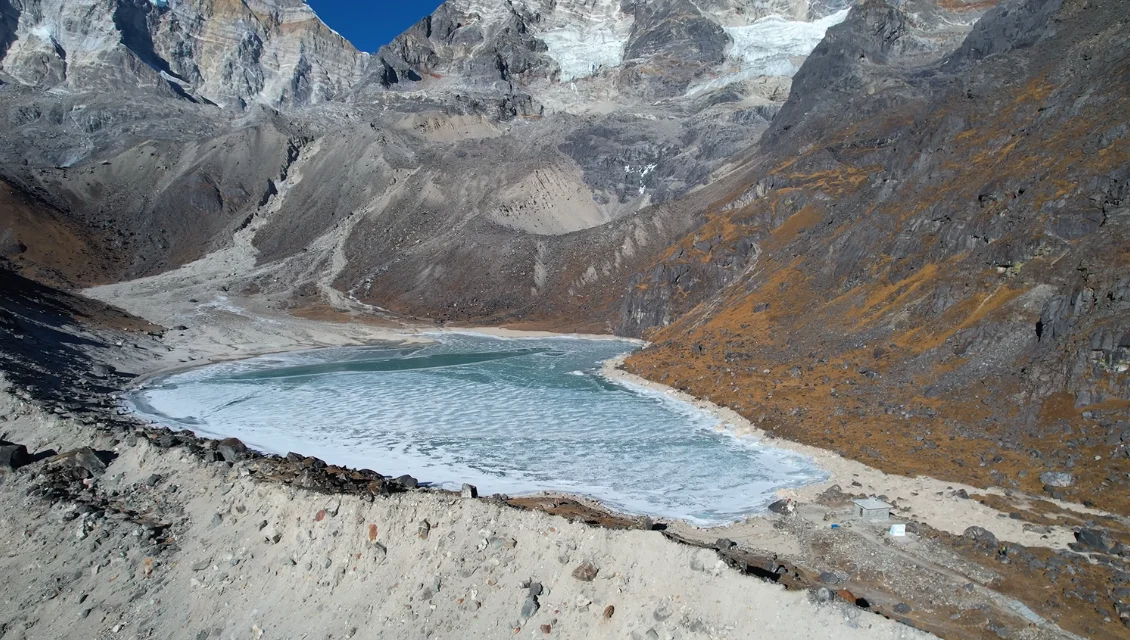
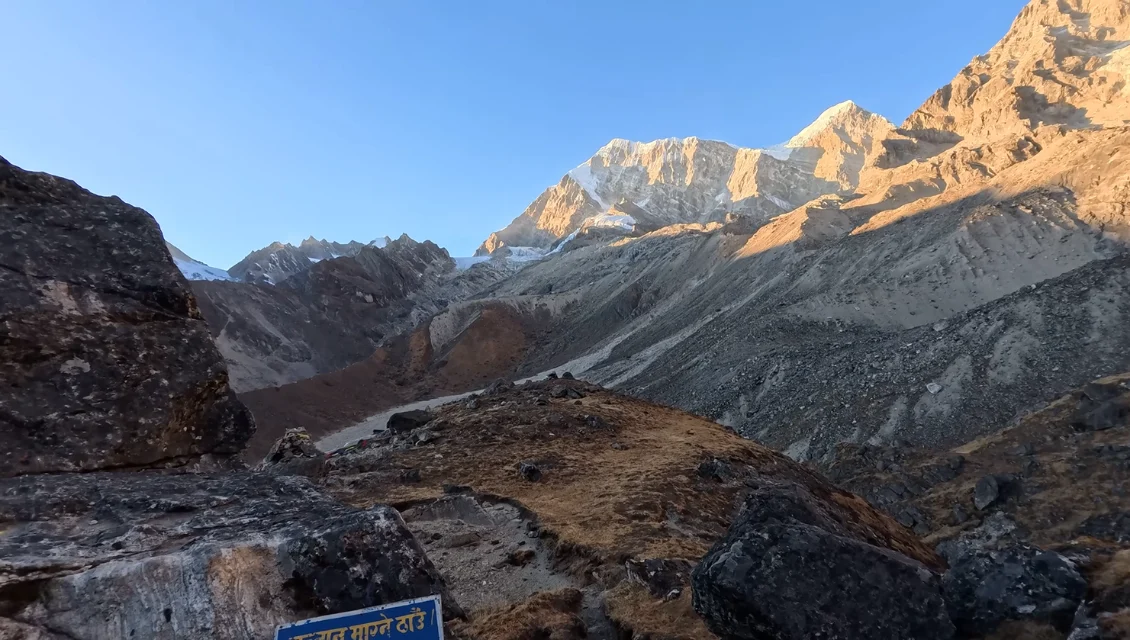
Further north lies the sacred Dudh Kunda Lake (4,560 meters), situated beneath the massive Numbur Himal. Known as the “Milky Lake” for its icy blue waters, it is considered highly sacred by both Hindus and Buddhists. Pilgrims journey here believing a dip in its freezing waters will cleanse sins and purify the soul. The terrain en route to Dudh Kunda is rugged yet stunning, passing through high ridges, rocky outcrops, and alpine landscapes with panoramic mountain views.
The trek is best undertaken during the spring (March to May) and autumn (late September to November) seasons. These months feature clear skies, dry trails, and moderate temperatures ranging from 10 to 20°C in the lower regions. Near Dudh Kunda and Pikey Peak, nighttime temperatures can plunge to -10°C or lower, so adequate warm clothing is essential. The summer monsoon season (June to August) brings heavy rainfall but also coincides with the traditional pilgrimage period to Dudh Kunda, when spiritual energy peaks.
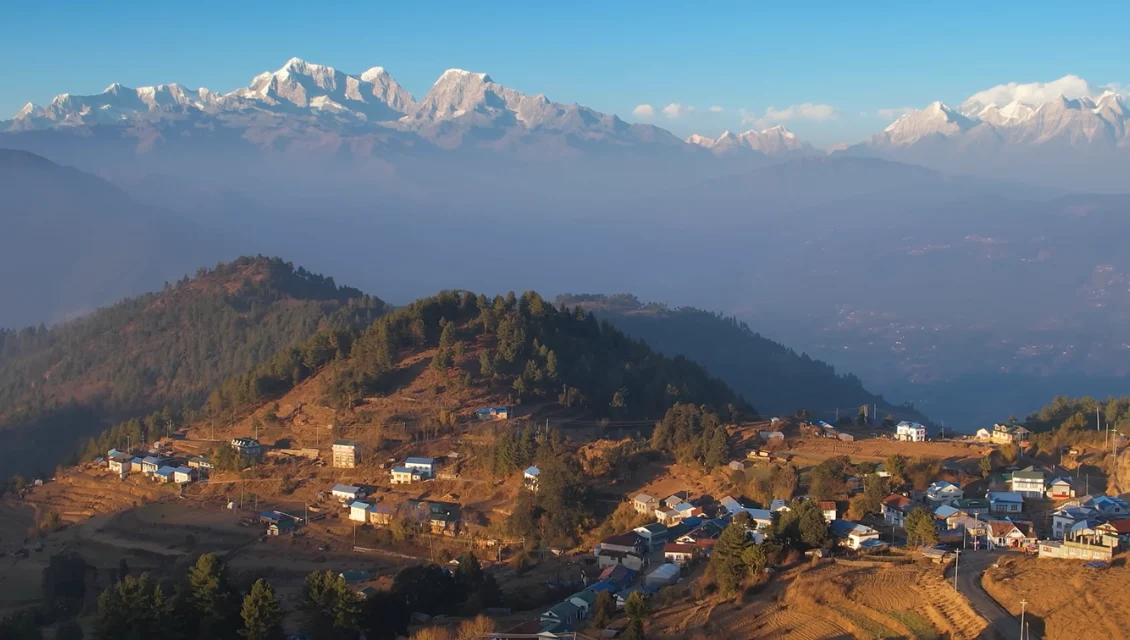
The Pikey Dudh Kunda region is culturally diverse, inhabited primarily by the Sherpa, Rai, and Tamang communities. These ethnic groups maintain rich Himalayan traditions, reflected in their vibrant festivals, warm hospitality, and daily mountain lifestyle. Trekking through villages like Junbesi, Jhapre, and Taksindu, visitors witness authentic rural life, ancient Buddhist monasteries, mani walls, chortens, and fluttering prayer flags.
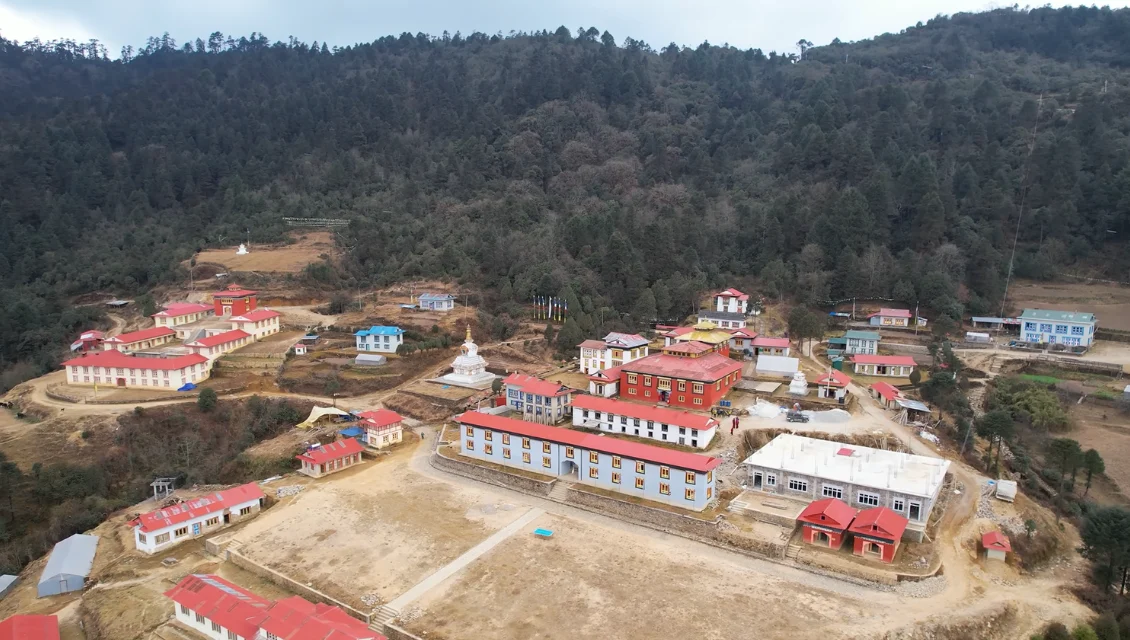
One of the trek’s cultural highlights is the Thupten Chholing Monastery in Junbesi, home to hundreds of monks and nuns. The monastery offers a glimpse into Buddhist monastic life and is a peaceful place for spiritual reflection. The coexistence of Hindu and Buddhist faiths adds to the spiritual depth of the trek, especially at the sacred Dudh Kunda Lake.
Temperatures are typical for the best travel months (February–April and October–November) and can change with the weather.
Upon your arrival in Kathmandu, one of our representatives from Nord Extreme will warmly welcome you at the airport and assist you with your transfer to the hotel. After check-in, you can relax and recover from your journey while preparing for the adventure ahead. In the evening, we will host a welcome dinner where you can enjoy authentic Nepali cuisine and meet your trekking team before beginning the Pikey Peak Trek.
Today will be dedicated to trek preparation and completing all necessary permit procedures in Kathmandu. Our team from Nord Extreme will assist you with permit arrangements, trekking briefing, gear checking, and final trip preparation to ensure a safe and comfortable journey ahead.
You will also have free time to explore Thamel for any last-minute shopping or personal preparations before the trek begins.
Your journey begins with a scenic drive from Kathmandu to Dhap, a beautiful hill village located in the lower Everest region. As you leave the busy city behind, you will pass through winding mountain roads, traditional villages, terraced farmlands, rivers, and lush green hills. Along the way, you can enjoy peaceful countryside landscapes and beautiful Himalayan scenery. Dhap serves as the starting point of the Pikey Peak Trek and offers a quiet atmosphere with local teahouses, fresh mountain air, and stunning views of the surrounding hills.
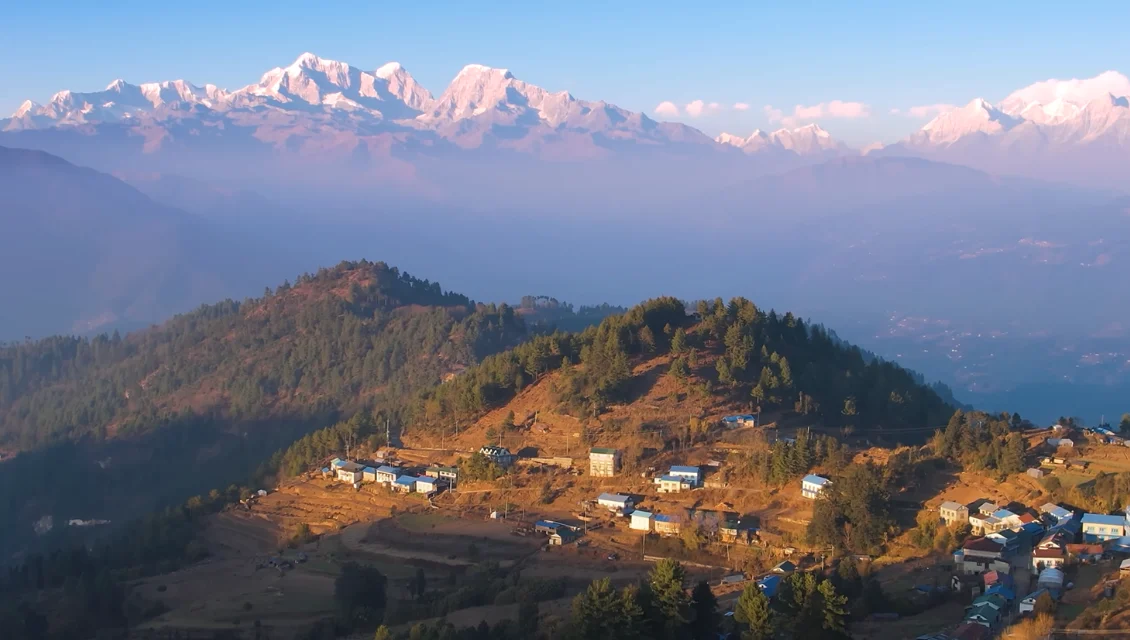
The trek to Jhapre begins with a pleasant walk through scenic hills, peaceful forests, and traditional villages of the lower Everest region. Along the trail, you will pass terraced farmlands, grazing fields, and beautiful landscapes while experiencing the local Sherpa culture and rural mountain lifestyle. The route offers refreshing mountain air and gradual uphill paths surrounded by rhododendron and pine forests. Upon reaching Jhapre, you can enjoy stunning panoramic views of Mount Everest, Numbur Himal, and other Himalayan peaks along with the peaceful atmosphere of this charming mountain village
Trek Duration - 5-6 hours
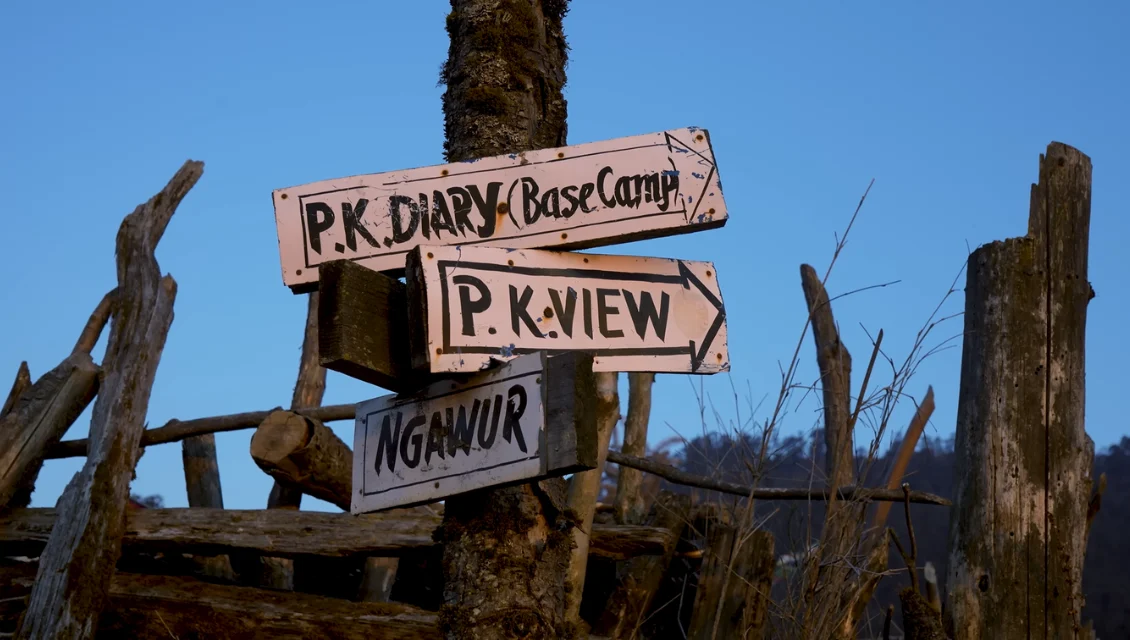
The trek to Pikey Base Camp takes you through beautiful alpine landscapes, dense rhododendron forests, and open grassy ridges with breathtaking Himalayan scenery. As the trail gradually ascends, you will pass yak pastures, prayer flags, and peaceful Buddhist landmarks that reflect the rich culture of the region. Along the route, trekkers can enjoy panoramic views of Everest, Makalu, Kanchenjunga, and other snow-capped peaks on clear days. Upon reaching Pikey Base Camp, you will be surrounded by stunning mountain vistas and a peaceful high-altitude atmosphere, making it a perfect resting point before the sunrise hike to Pikey Peak.
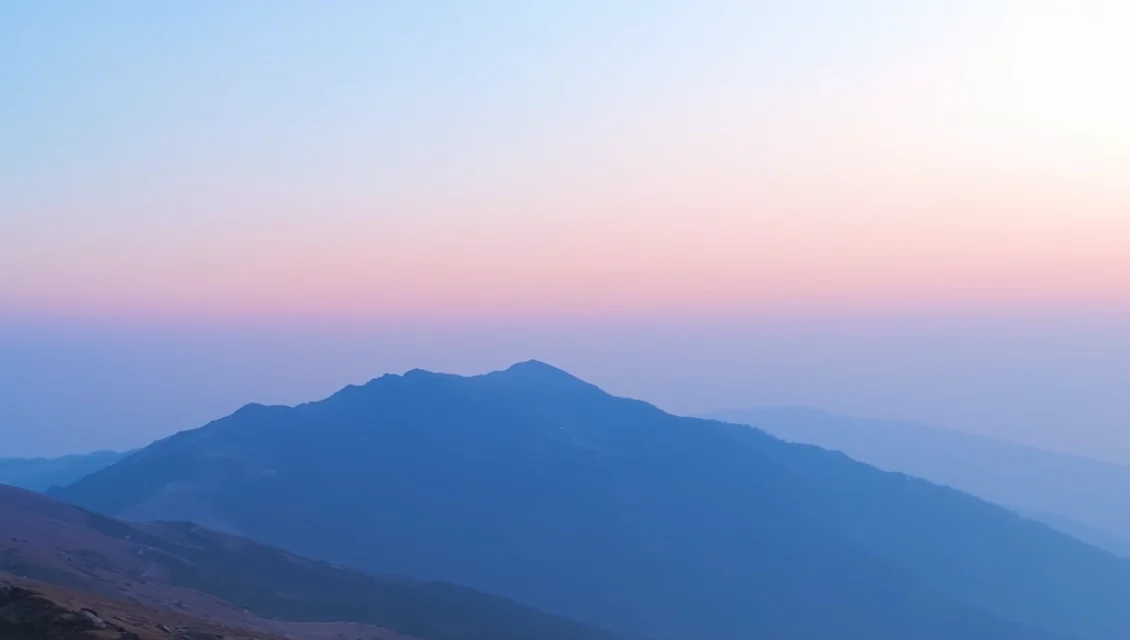
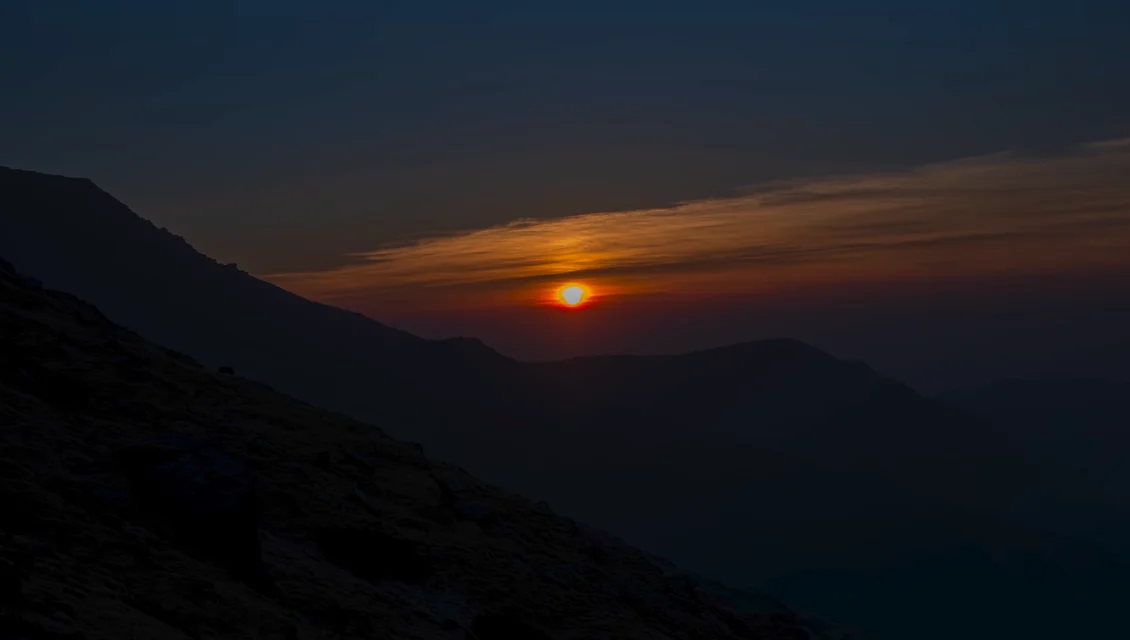
The day begins with an early morning hike to Pikey Peak, one of the finest viewpoints in the Everest region, renowned for its spectacular sunrise over the Himalayas. From the summit, trekkers can witness breathtaking panoramic views of Mount Everest, Makalu, Kanchenjunga, Annapurna, and many other snow-capped peaks glowing in the morning light. After enjoying the unforgettable scenery, the trail descends through peaceful ridges, alpine meadows, forests, and traditional villages toward Taktor. Along the way, you will experience the natural beauty and cultural charm of the lower Everest region while passing monasteries, grazing fields, and scenic mountain landscapes.
The trek to Junbesi takes you through peaceful forests, traditional Sherpa villages, and scenic mountain trails with beautiful views of the surrounding hills and valleys. Along the route, you will experience the authentic culture and warm hospitality of the local communities while passing terraced farmlands, rivers, and Buddhist landmarks. After reaching the charming village of Junbesi, you will visit the famous Thupten Chholing Monastery, one of the largest and most important monasteries in the Solu region. The monastery offers a unique spiritual atmosphere where trekkers can observe Buddhist traditions, prayer ceremonies, and the peaceful lifestyle of the monks living in the Himalayan mountains.
The trek to Saharsbeni is a scenic and rewarding journey through remote Himalayan landscapes, dense forests, and peaceful mountain trails. As the trail gradually climbs to higher elevations, you will pass traditional villages, yak pastures, and beautiful alpine terrain while enjoying breathtaking views of the surrounding snow-capped peaks. The route offers a perfect blend of natural beauty and cultural experience, with prayer flags, monasteries, and traditional Sherpa settlements along the way. Upon reaching Saharsbeni, trekkers are rewarded with spectacular mountain scenery and a peaceful high-altitude atmosphere surrounded by the majestic Himalayas.
The day begins with a challenging yet rewarding hike to the sacred alpine lake of Dudh Kunda, one of the most important pilgrimage sites in the Everest region. The trail ascends through rugged mountain landscapes, rocky paths, and high-altitude terrain while offering spectacular views of snow-covered Himalayan peaks and glaciers. Upon reaching Dudh Kunda, trekkers can enjoy the peaceful atmosphere of the crystal-clear sacred lake surrounded by dramatic mountain scenery. The area holds deep spiritual significance for both Hindu and Buddhist pilgrims who visit the lake during special festivals. After exploring the lake and enjoying the breathtaking views, the trail descends back to Saharsbeni for an overnight stay amidst the serene Himalayan surroundings.
The trek to Taksindu follows a scenic descending trail through alpine landscapes, forests, and traditional mountain villages of the Solu region. Along the journey, trekkers can enjoy breathtaking views of the Himalayan peaks, peaceful valleys, and beautiful countryside scenery. The route passes through Buddhist monasteries, prayer flags, and charming Sherpa settlements, offering a wonderful opportunity to experience the local culture and spiritual atmosphere of the region. Upon reaching Taksindu, you can visit the historic Taksindu Monastery and enjoy the serene surroundings with stunning mountain panoramas and peaceful village life. forests and villages over 6 hours to Taksindu, known for its monastery and panoramic scenery.
The trek to Phaplu is a pleasant journey through beautiful forests, terraced farmlands, and traditional Sherpa villages of the Solu region. The descending trail offers stunning views of rolling hills, rivers, and distant Himalayan peaks while passing through peaceful countryside landscapes. Along the route, trekkers can experience the rich local culture, Buddhist monasteries, and warm hospitality of the mountain communities. Upon reaching Phaplu, you can relax in this vibrant mountain town known for its scenic surroundings, local lifestyle, and gateway connection to the Everest region.
Travel Duration - 35 minutes flight / 8-9 hours drive
The journey back to Kathmandu marks the conclusion of your unforgettable Himalayan adventure. You can either enjoy a scenic mountain flight with breathtaking aerial views of the Himalayas or take a picturesque drive through traditional villages, rolling hills, rivers, and terraced farmlands. Along the way, you will have time to reflect on the incredible trekking experience, cultural encounters, and stunning mountain landscapes explored throughout the journey. Upon arriving in Kathmandu, you can relax and enjoy the vibrant atmosphere of Nepal’s capital city.
Today marks the end of your journey in Kathmandu. After breakfast, our team from Nord Extreme will transfer you to Tribhuvan International Airport for your final departure.
We hope you had a wonderful trekking experience in Nepal and wish you a safe journey ahead.
The best time for the Pikey Dudh Kunda Trek is February–April and October–November, with May, September and December–January also good. Typical daytime temperatures at Kathmandu (1,400 m) in those months are around 25 °C, with colder nights at higher camps.
The Kathmandu Valley can be visited all year. October–November and March–April are pleasant and clear; December–February are sunny with cold mornings, and the monsoon brings afternoon showers but green, uncrowded heritage sites.
| Month | Conditions | Day | Night |
|---|---|---|---|
| January | Good — clear skies, cold nights and fewer trekkers | 19 °C | 2 °C |
| February | Best time — stable weather and clear views | 21 °C | 4 °C |
| March | Best time — stable weather and clear views | 25 °C | 8 °C |
| April | Best time — stable weather and clear views | 28 °C | 11 °C |
| May | Good — mostly fine weather, fewer crowds | 29 °C | 16 °C |
| June | Possible — monsoon showers and cloud | 29 °C | 19 °C |
| July | Possible — monsoon showers and cloud | 28 °C | 20 °C |
| August | Possible — monsoon showers and cloud | 28 °C | 20 °C |
| September | Good — green landscapes, some rain | 28 °C | 18 °C |
| October | Best time — stable weather and clear views | 27 °C | 13 °C |
| November | Best time — stable weather and clear views | 23 °C | 7 °C |
| December | Good — clear skies, cold nights and fewer trekkers | 20 °C | 3 °C |
Average day and night temperatures at Kathmandu (1,400 m). Higher camps are colder.
Your packing checklist for Pikey Dudh Kunda Trek. Tick items off as you pack — down jackets and sleeping bags can also be rented in Kathmandu.
Private departures run on any date. Pick the start date that suits you and we will build the trip around it — same price, your own guide and team.
Accommodation
Accommodation is provided in basic but comfortable teahouses, community lodges, and locally run guesthouses throughout the route.
In lower settlements such as Dhap, Jhapre, and Phaplu, facilities are relatively better developed. As the trail ascends toward Pikey Peak and Dudhkunda Lake, accommodation becomes simpler due to remoteness and limited infrastructure.
Most lodges offer twin-sharing rooms, warm hospitality, and traditional home-style service.
Meals
A standard full-board meal system (Breakfast, Lunch, and Dinner) is available along the trekking route. Meals are freshly prepared and designed to support moderate trekking activity.
Typical food options include:
Food variety remains basic but sufficient throughout the journey.
Difficulty & Physical Requirements
The Pikey Peak – Dudhkunda Trek is classified as easy to moderate, making it suitable for beginners, families, and trekkers seeking a less crowded Himalayan experience.
Daily trekking duration ranges from 4 to 6 hours, with gradual ascents and descents. The highest point is Pikey Peak (4,065m), which may require early morning summit hiking but involves no technical difficulty.
A reasonable level of fitness and comfort with walking is sufficient.
Permits
The following permits are required:
All permits are typically arranged by the trekking operator.
Best Season
Transportation & Access
The trek is usually accessed via road transport from Kathmandu to Dhap or Phaplu, followed by trekking through rural hill villages.
Optional domestic flights to Phaplu Airport may also be used depending on itinerary design and weather conditions.
The route connects scenic ridgelines, remote villages, and alpine terrain leading toward Pikey Peak and Dudhkunda Lake.
Safety & Acclimatization
Although this trek is relatively moderate in altitude, proper pacing is important, especially during the ascent to Pikey Peak (4,065m).
Basic acclimatization is naturally achieved through gradual elevation gain. The risk of severe altitude sickness is low compared to higher Everest region treks.
Guides ensure safe pacing and monitor trekkers’ comfort throughout the journey.
Travel Insurance
Recommended travel insurance should include:
Guide & Porter Services
Experienced local guides lead the trek, offering navigation support and cultural interpretation of Sherpa and Rai communities. Porter services are available to carry luggage for a more comfortable trekking experience.
Guides also provide insights into local traditions, landscapes, and religious sites along the route.
Cultural & Natural Highlights
This trek offers a unique blend of culture, spirituality, and natural beauty:
Essential Equipment
Recommended trekking gear includes:
Heavy expedition equipment is not required.
Communication & Connectivity
Mobile network coverage is available in lower villages but becomes limited in higher and remote sections.
Wi-Fi is rarely available, and connectivity should not be relied upon during most of the trek.
Why Choose the Pikey Peak – Dudhkunda Trek?
This trek is ideal for travelers seeking a quiet, culturally rich, and visually rewarding Himalayan experience:
The Pikey Dudh Kunda Trek is graded Moderate — suitable for most active travellers. Expect 5–7 hours of walking on most days on mountain trails with plenty of ascents and descents. Regular cardio training — hiking, running, cycling or stair climbing — for 6–8 weeks before departure makes the trip far more enjoyable.
For the Kathmandu Valley & mid-hills region the best months are February–April and October–November. The Kathmandu Valley can be visited all year. October–November and March–April are pleasant and clear; December–February are sunny with cold mornings, and the monsoon brings afternoon showers but green, uncrowded heritage sites.
You need entry tickets for the heritage sites you visit. Nord Extreme arranges every permit for you before the trip starts — check the "Includes" section above for exactly what is covered in the price. Just bring your passport and a few passport-size photos.
In Kathmandu you stay in a comfortable hotel; on the trail we use the best available family-run teahouses and lodges with twin-share rooms, shared or attached bathrooms and a warm dining room. Upgrades to luxury lodges are possible on popular routes such as Everest and Annapurna.
Both. You can join one of the fixed departures listed under "Dates & Prices", or book a private trip for just you, your family or friends on any date. Solo travellers are welcome — you will always have your own licensed guide.
Yes, travel insurance is compulsory. It must cover medical treatment and emergency helicopter evacuation up to the trip’s highest altitude, plus trip cancellation. Please send us your policy details before departure.
See the "What to bring" checklist on this page for the full list. The essentials are broken-in boots, warm layers, a down jacket, a waterproof shell, sun protection and a daypack. Down jackets and sleeping bags can be rented cheaply in Kathmandu, and a porter carries your main bag (up to 10–12 kg).
Keep exploring

Namaste! 🙏
Welcome to Nord Extreme Himalaya. Questions about Pikey Dudh Kunda Trek? Send us a message — a Sherpa trip expert in Kathmandu will reply on WhatsApp.
Mr. Sonam G. SherpaOpens WhatsApp · +9779851078748