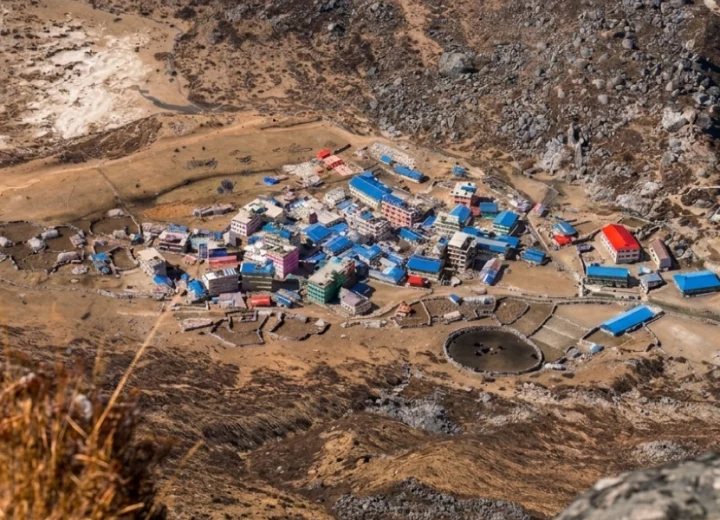
Accommodation
- 3 nights hotel in Kathmandu (3-star or similar)
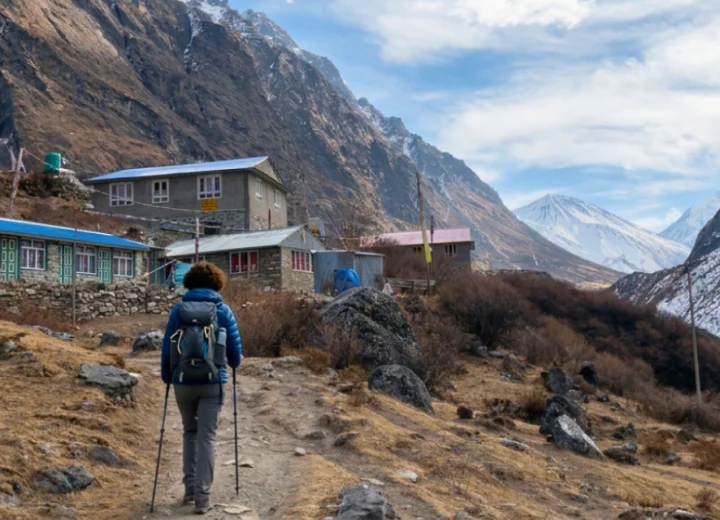
- Teahouse accommodation during Langtang trek (twin sharing basis)
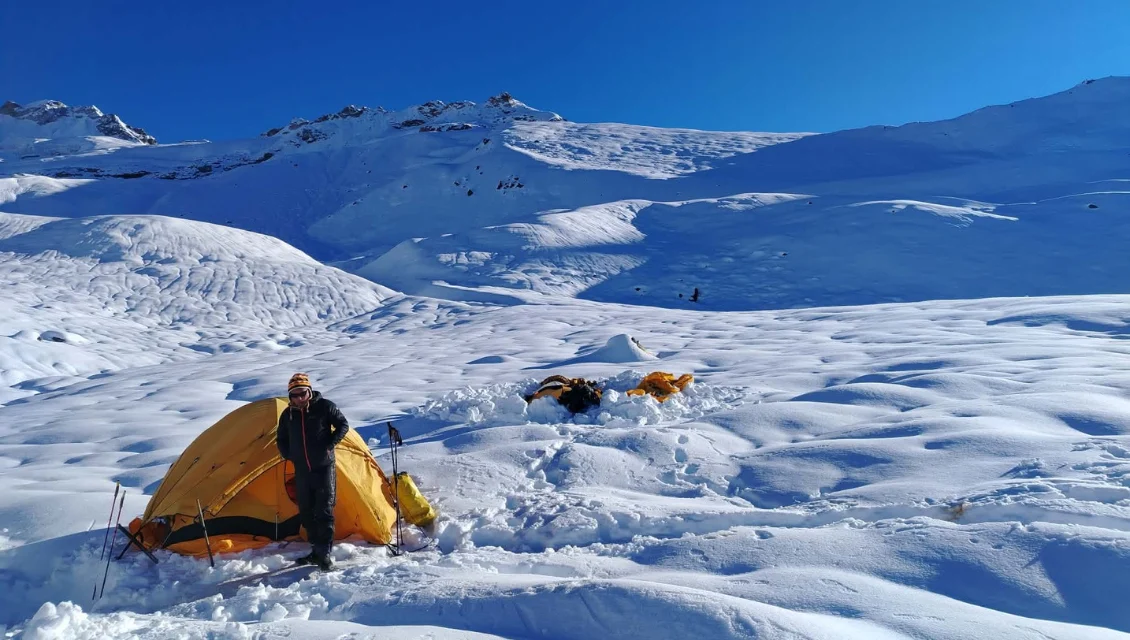
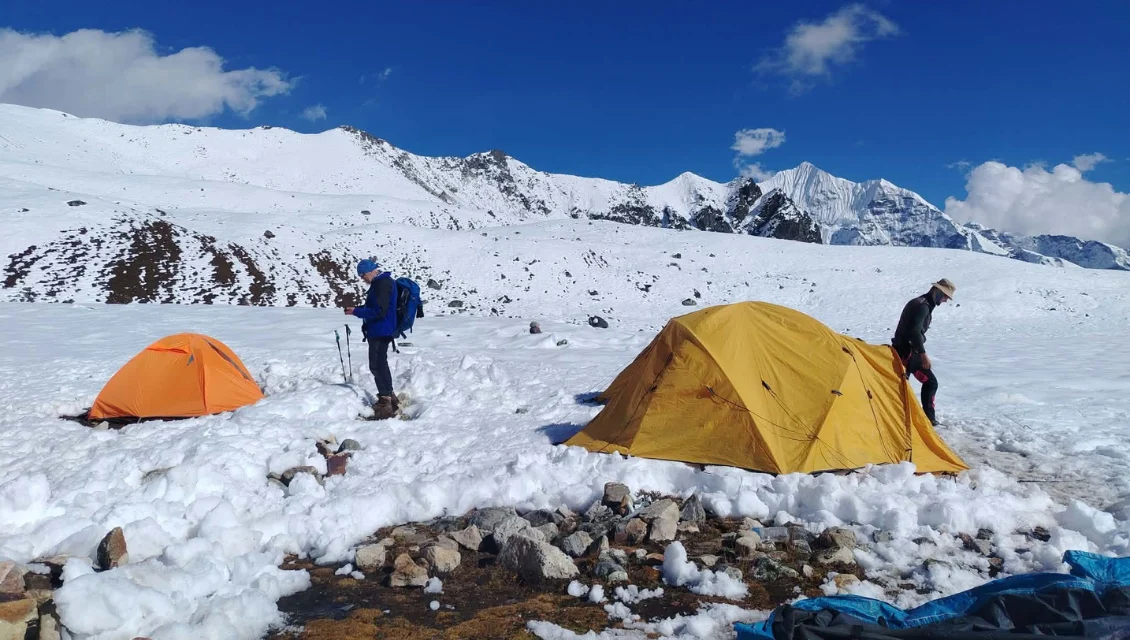
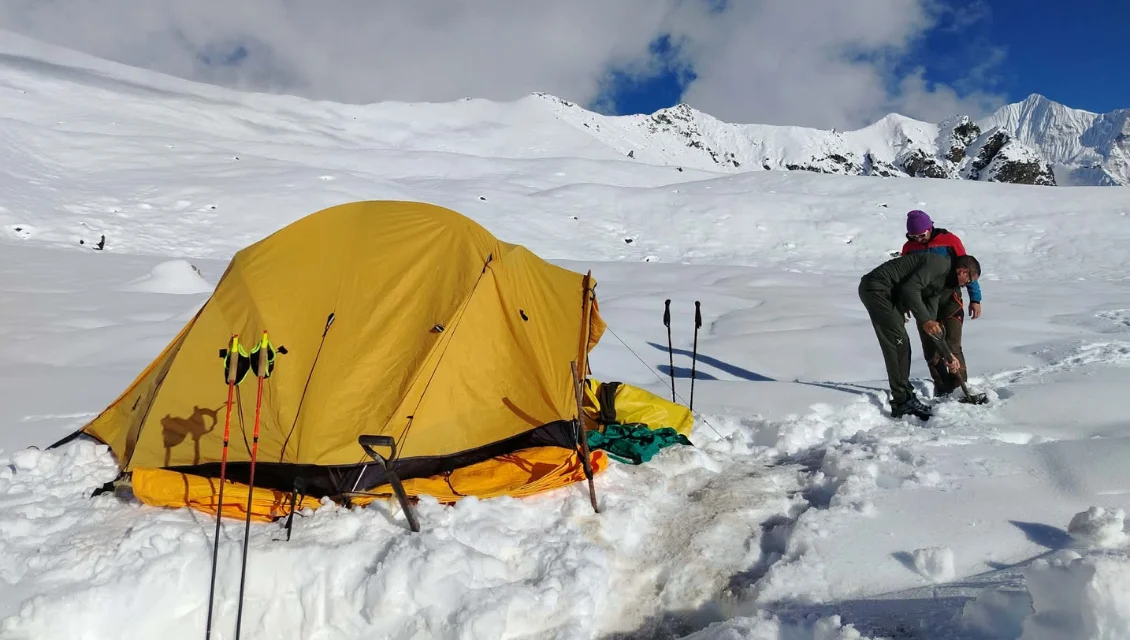
- Tent accommodation at Yala Base Camp
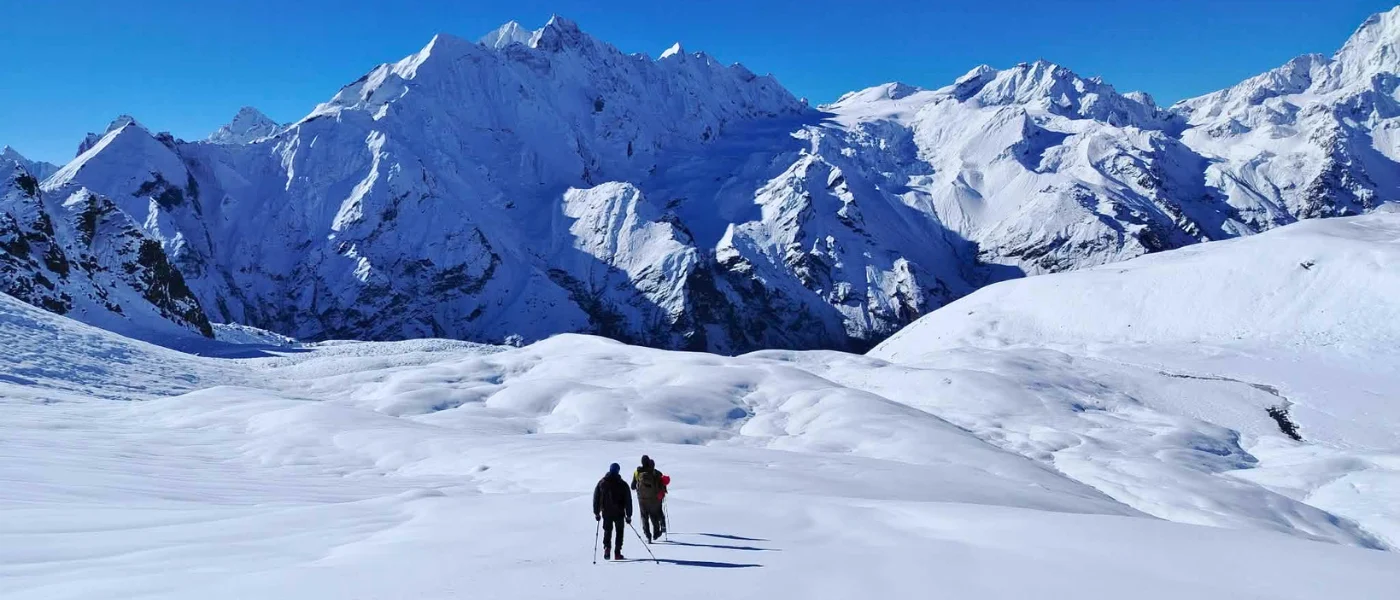
Yala Peak Climbing is one of the easiest and most popular trekking peaks in Nepal, located in the Langtang region. It is an ideal introductory climbing peak for beginners who want to experience Himalayan mountaineering without technical difficulty.
The journey starts with a drive from Kathmandu to Syabrubesi, followed by trekking through the beautiful Langtang Valley via Lama Hotel, Langtang Village, and Kyanjin Gompa. After proper acclimatization at Kyanjin Gompa, the route continues toward Yala Peak Base Camp and the summit attempt.
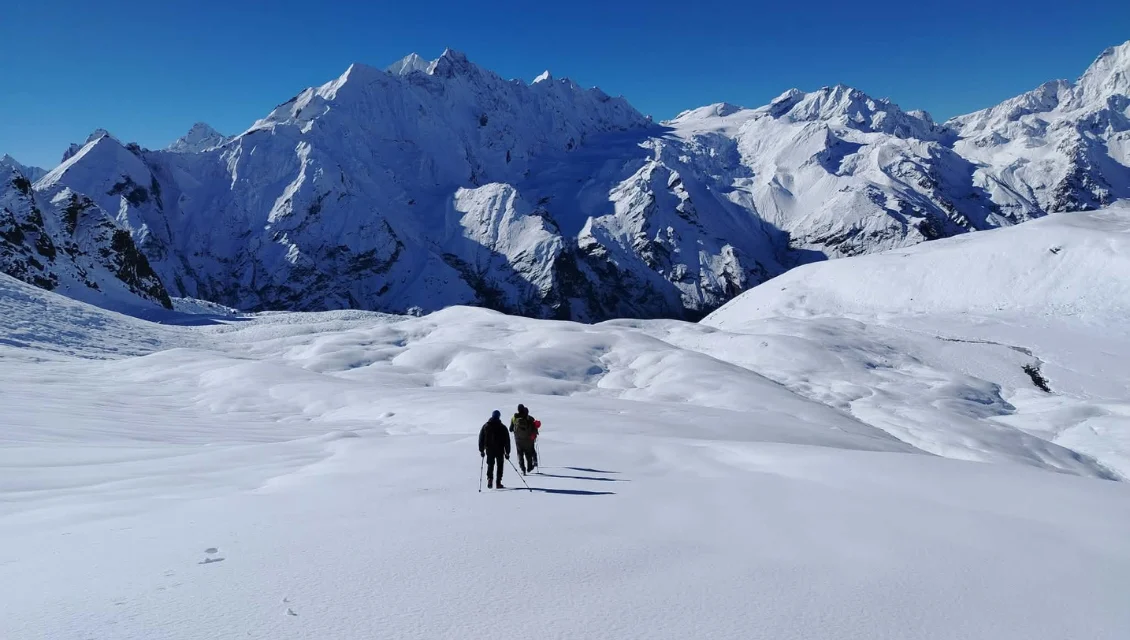
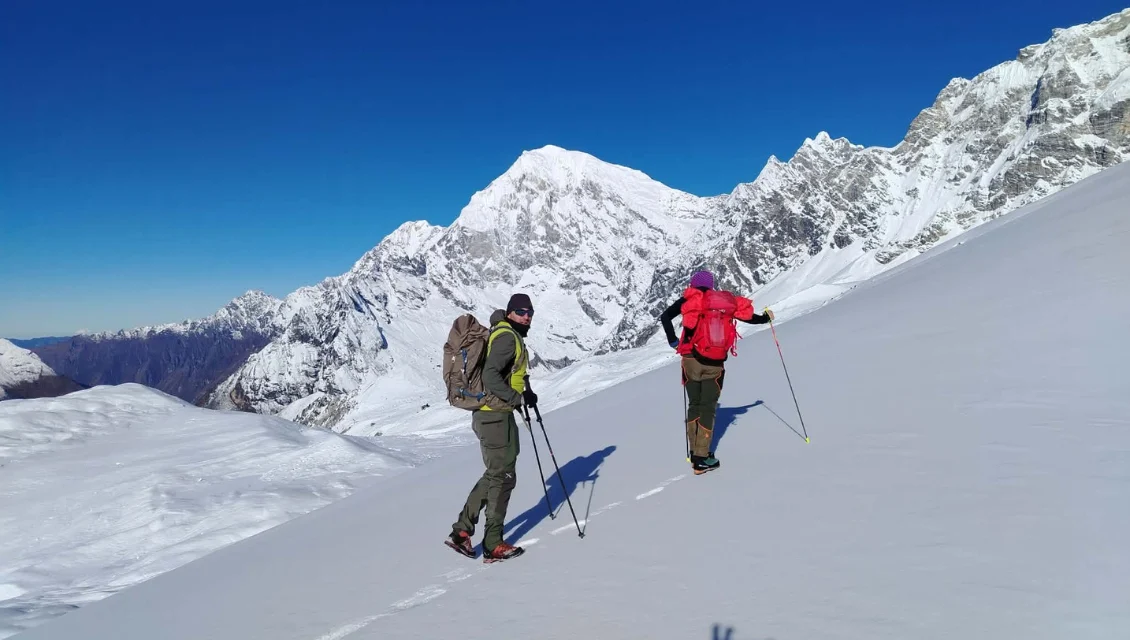
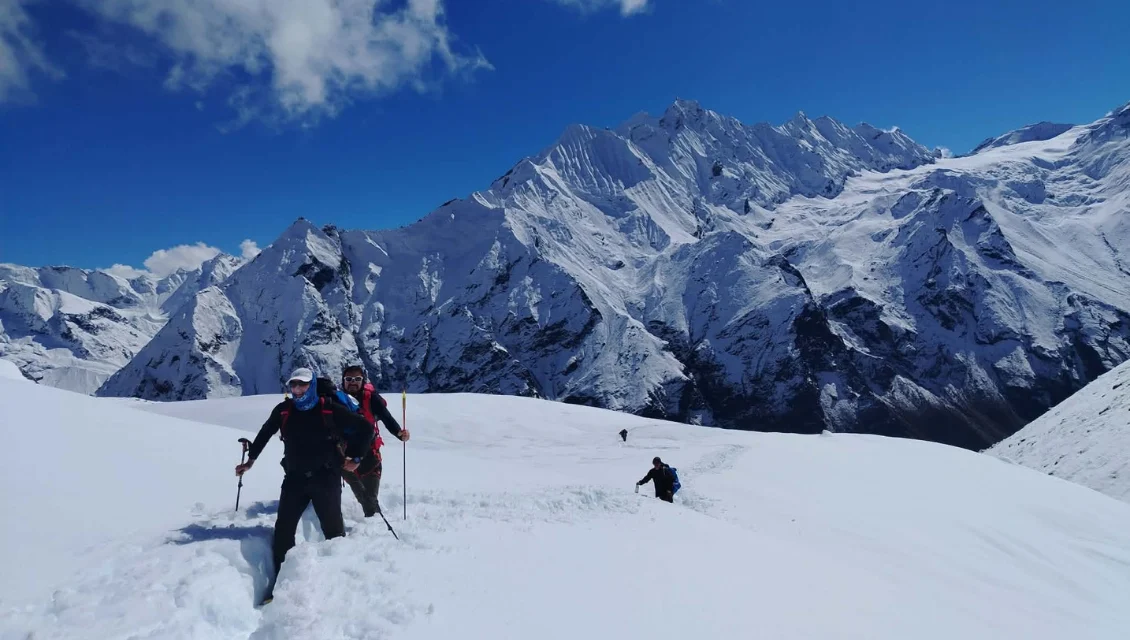
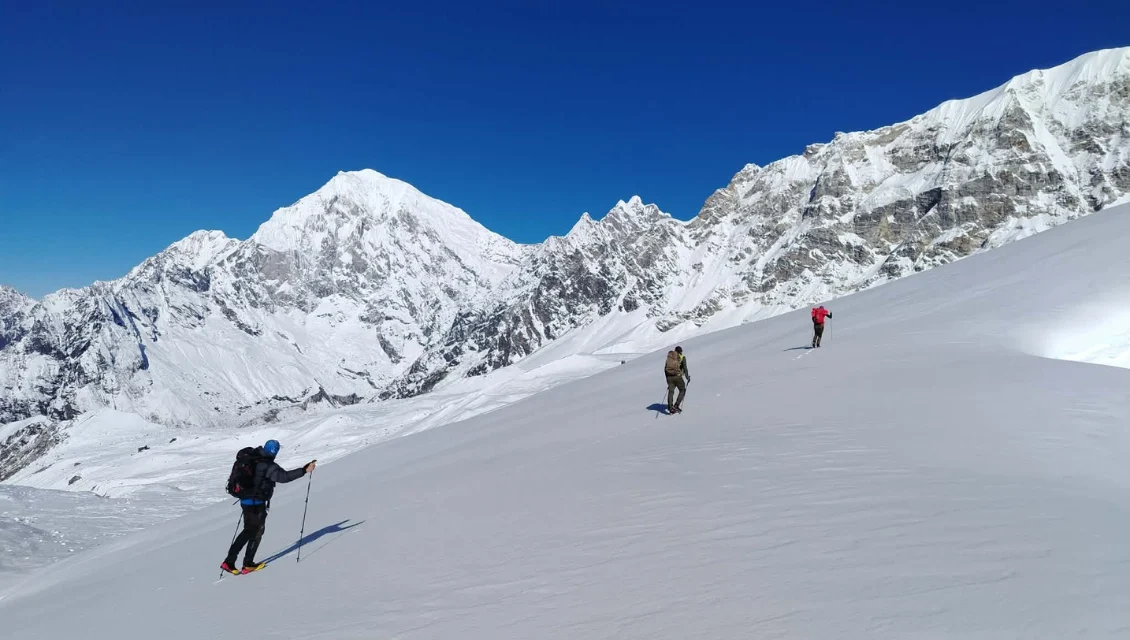
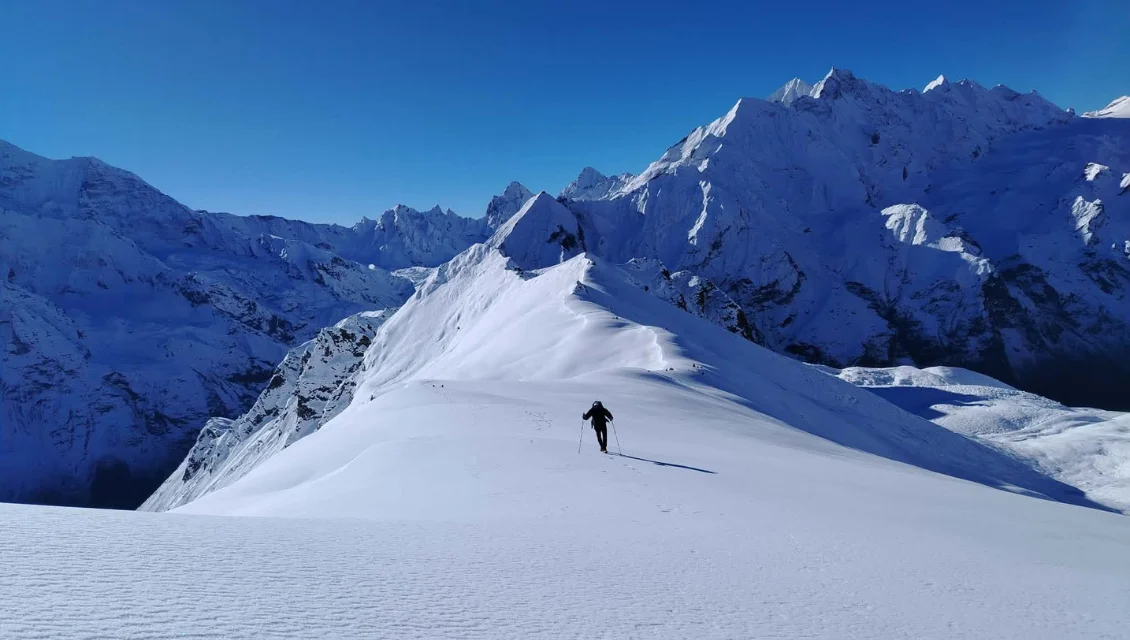
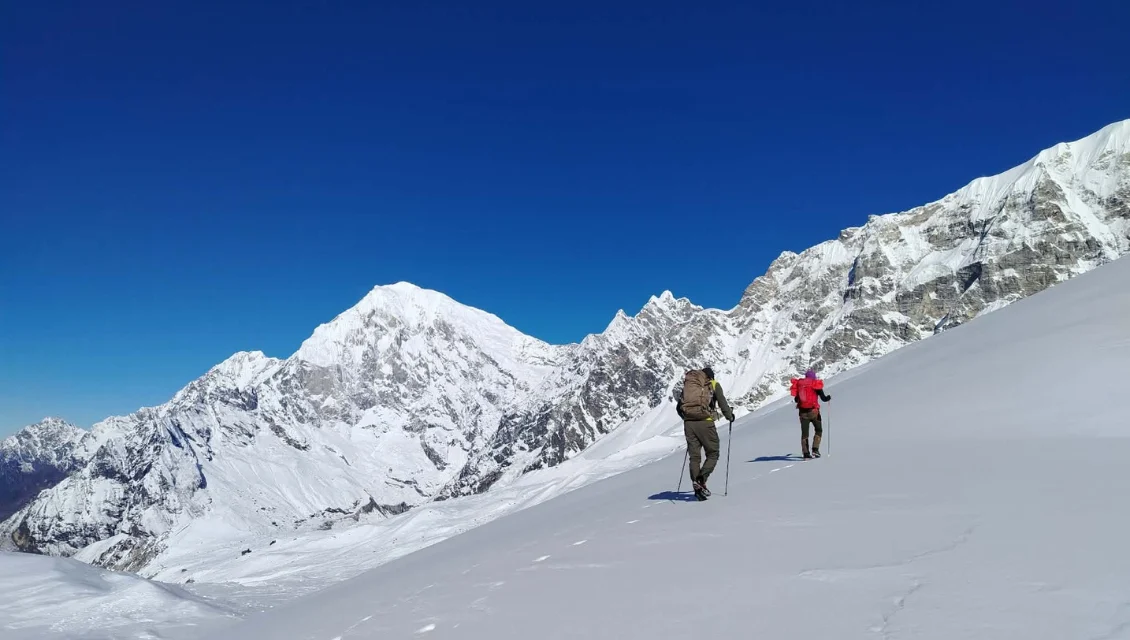
The climb is straightforward and mostly involves snow walking with basic equipment. From the summit, climbers enjoy stunning views of Shishapangma (Tibet), Langtang Lirung, Dorje Lakpa, and surrounding Himalayan peaks.
Yala Peak is located within the protected area of Langtang National Park, close to the Tibetan border in north-central Nepal.
The landscape features a rich combination of dense forests, alpine meadows, yak pastures, and glacial valleys. As the trail ascends from Syabrubesi, the environment transitions from subtropical vegetation to high alpine terrain dominated by snow-covered peaks and glaciers.
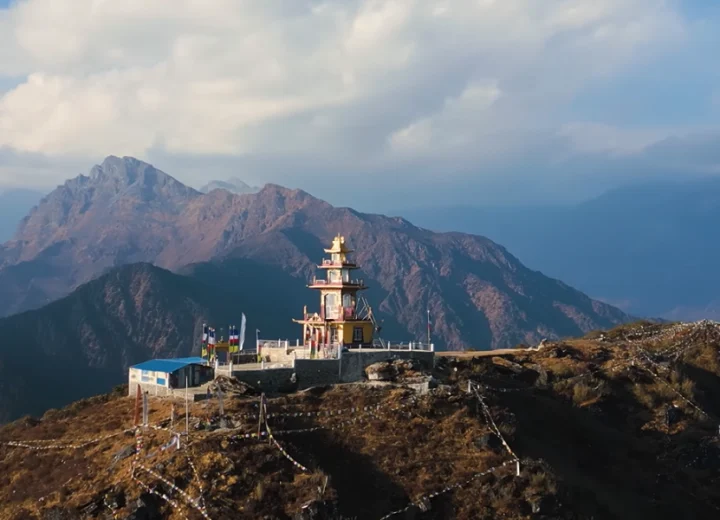
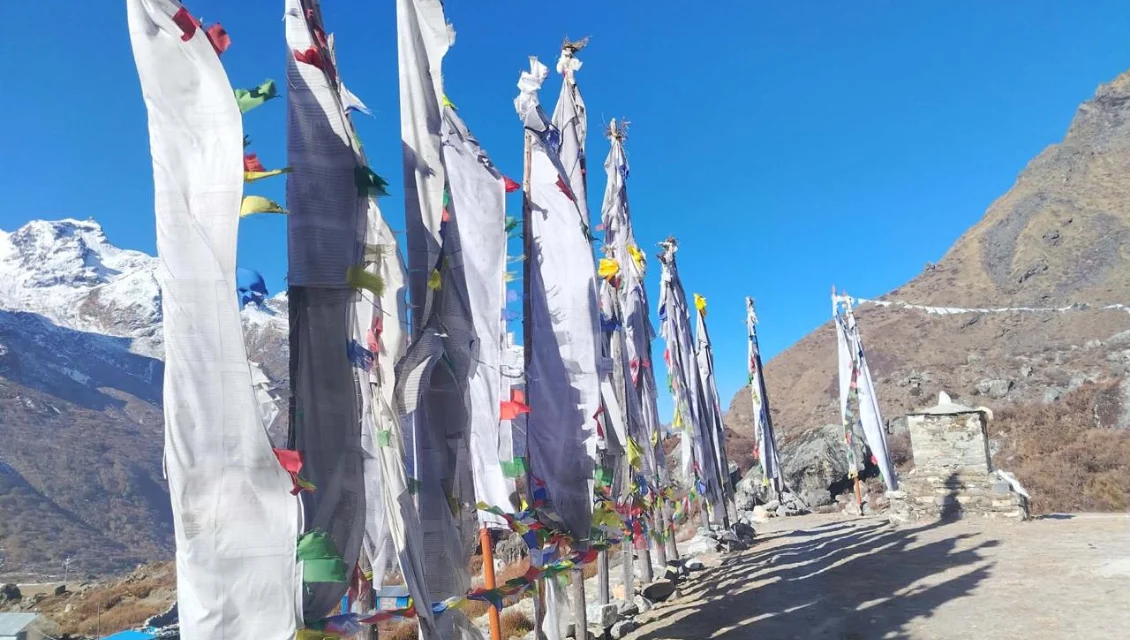
The upper Langtang Valley is known for its wide-open Himalayan scenery, ancient monasteries, and dramatic mountain backdrops, making it one of the most scenic trekking and climbing regions in Nepal.
Yala Peak Climbing is supported by experienced Sherpa guides who ensure safety and proper guidance throughout the expedition.
Porters assist with carrying trekking and climbing equipment up to Base Camp, while guides provide hands-on support during training and summit day.
With professional Sherpa assistance, Yala Peak offers a safe, accessible, and rewarding introduction to Himalayan climbing in the Langtang region.
Temperatures are typical for the best travel months (February–April and October–November) and can change with the weather.
You arrive at Tribhuvan International Airport and meet your trekking team. After hotel transfer and rest, a detailed briefing is given about the Langtang route, altitude risks, weather conditions, and climbing plan. Equipment check is also done.
This day is fully dedicated to permits and preparation. Langtang National Park permit and climbing arrangements are processed. Your guide checks all trekking and climbing gear such as boots, jackets, sleeping bag, and crampon compatibility. Final packing and safety briefing are completed.
A long scenic drive follows the Trishuli River through hills, terraced fields, and rural settlements before reaching the gateway of Langtang.
The trek begins through dense bamboo and rhododendron forests. You cross suspension bridges over the Langtang Khola and gradually climb uphill through peaceful forest trails.
The trail becomes steeper with occasional clearings showing snow peaks. You enter Langtang Valley with wide mountain views and traditional Tamang settlements rebuilt after the 2015 earthquake.
A shorter but scenic trek leads you to Kyanjin Gompa, the main settlement in upper Langtang. You pass yak pastures, mani walls, and glacier-fed streams.
This important rest day helps your body adjust to altitude. You can hike to Kyanjin Ri or Tserko Ri for panoramic views of Langtang Lirung, Dorje Lakpa, and surrounding peaks.
You leave the main village and head into a remote alpine zone. The trail becomes rocky, cold, and less populated as you approach base camp. This is your first night in a true high-altitude environment.
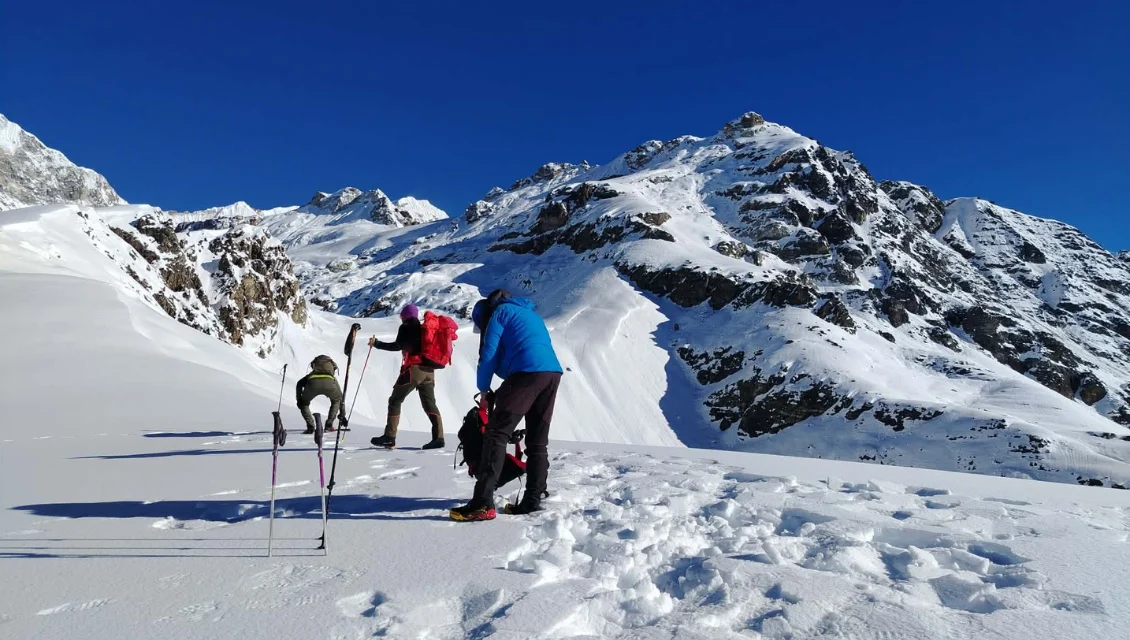
A professional guide conducts basic climbing training including:
Midnight summit push begins under headlamps. The climb follows gentle snow slopes with some steeper sections near the top. Crampons are used throughout and rope support may be applied depending on conditions. From the summit, you see Shishapangma (Tibet), Langtang Lirung, Dorje Lakpa, and the entire Langtang range. After a short celebration, you descend back to Kyanjin or Base Camp.
A buffer day reserved for bad weather, slow acclimatization, or an alternate summit attempt. Flexibility is essential in Himalayan conditions.
You descend through the Langtang Valley, retracing forest trails and river crossings. Oxygen levels improve significantly as you drop altitude.
A final trekking day through forest and village trails brings you back to the road head.
A scenic drive returns you to Kathmandu through hills and rivers. Hotel check-in and rest after the trek.
Transfer to Tribhuvan International Airport for your international flight.
The best time for the Yala Peak Climbing is February–April and October–November, with May, September and December–January also good. Typical daytime temperatures at Kathmandu (1,400 m) in those months are around 25 °C, with colder nights at higher camps.
The Kathmandu Valley can be visited all year. October–November and March–April are pleasant and clear; December–February are sunny with cold mornings, and the monsoon brings afternoon showers but green, uncrowded heritage sites.
| Month | Conditions | Day | Night |
|---|---|---|---|
| January | Good — clear skies, cold nights and fewer trekkers | 19 °C | 2 °C |
| February | Best time — stable weather and clear views | 21 °C | 4 °C |
| March | Best time — stable weather and clear views | 25 °C | 8 °C |
| April | Best time — stable weather and clear views | 28 °C | 11 °C |
| May | Good — mostly fine weather, fewer crowds | 29 °C | 16 °C |
| June | Possible — monsoon showers and cloud | 29 °C | 19 °C |
| July | Possible — monsoon showers and cloud | 28 °C | 20 °C |
| August | Possible — monsoon showers and cloud | 28 °C | 20 °C |
| September | Good — green landscapes, some rain | 28 °C | 18 °C |
| October | Best time — stable weather and clear views | 27 °C | 13 °C |
| November | Best time — stable weather and clear views | 23 °C | 7 °C |
| December | Good — clear skies, cold nights and fewer trekkers | 20 °C | 3 °C |
Average day and night temperatures at Kathmandu (1,400 m). Higher camps are colder.
Your packing checklist for Yala Peak Climbing. Tick items off as you pack — down jackets and sleeping bags can also be rented in Kathmandu.
Private departures run on any date. Pick the start date that suits you and we will build the trip around it — same price, your own guide and team.
Accommodation
Accommodation includes 3-star hotel stays in Kathmandu, comfortable teahouses and lodges along the Langtang trekking route, and tented camping at Yala Peak Base Camp. Basic facilities such as hot showers, Wi-Fi, and charging services are available in most villages for an additional cost.
Meals
The expedition includes full-board meals (Breakfast, Lunch, and Dinner) throughout the trek and climb. Meals are freshly prepared and feature a variety of Nepali, Tibetan, and international dishes, providing the energy required for high-altitude trekking.
Difficulty & Fitness
Yala Peak (5,520m) is considered an easy to moderate trekking peak and is ideal for beginners. No prior technical climbing experience is required, although participants should be in good physical condition and capable of walking 5–7 hours daily.
Permits
The expedition requires a Langtang National Park Entry Permit and other necessary regional permits. All permits are arranged by the expedition organizer.
Best Time to Climb
The best seasons for Yala Peak are spring (March–May) and autumn (September–November), offering stable weather, clear mountain views, and favorable climbing conditions.
Transportation
The journey begins with a scenic drive between Kathmandu and Syabrubesi, the gateway to the Langtang region. Private vehicle options are available upon request.
Safety & Altitude
The itinerary includes proper acclimatization and professional guide support to ensure safety at altitude. Travel insurance covering emergency helicopter evacuation is mandatory.
Climbing Training
Before the summit attempt, climbers receive basic training in crampon use, ice axe techniques, rope safety, and movement on snow and ice, making Yala Peak an excellent introduction to Himalayan mountaineering.
Essential Equipment
Participants should bring appropriate trekking and climbing gear, including warm clothing, trekking boots, crampons, ice axe, helmet, harness, sleeping bag, sunglasses, and personal essentials.
Why Choose Yala Peak?
Yala Peak offers a rewarding first Himalayan climbing experience, combining stunning scenery, cultural immersion, and achievable mountaineering adventure.
The Yala Peak Climbing is graded Moderate — suitable for most active travellers. You should be comfortable with long days at altitude; previous use of crampons and ropes helps, and our climbing Sherpas run pre-climb training at base camp. Regular cardio training — hiking, running, cycling or stair climbing — for 6–8 weeks before departure makes the trip far more enjoyable.
For the Kathmandu Valley & mid-hills region the best months are February–April and October–November. The Kathmandu Valley can be visited all year. October–November and March–April are pleasant and clear; December–February are sunny with cold mornings, and the monsoon brings afternoon showers but green, uncrowded heritage sites.
You need entry tickets for the heritage sites you visit, plus the Nepal Mountaineering Association climbing permit. Nord Extreme arranges every permit for you before the trip starts — check the "Includes" section above for exactly what is covered in the price. Just bring your passport and a few passport-size photos.
You stay in hotels in Kathmandu and teahouses on the approach trek, then in quality expedition tents at base camp and high camp. Our team sets up a dining tent, kitchen and toilet tent and cooks fresh, high-energy meals.
Both. You can join one of the fixed departures listed under "Dates & Prices", or book a private trip for just you, your family or friends on any date. Solo travellers are welcome — you will always have your own licensed guide.
Yes, travel insurance is compulsory. It must cover medical treatment and emergency helicopter evacuation up to the trip’s highest altitude, plus trip cancellation. Please send us your policy details before departure.
See the "What to bring" checklist on this page for the full list. The essentials are broken-in boots, warm layers, a down jacket, a waterproof shell, sun protection and a daypack. Down jackets and sleeping bags can be rented cheaply in Kathmandu, and a porter carries your main bag (up to 10–12 kg).
Keep exploring
Namaste! 🙏
Welcome to Nord Extreme Himalaya. Questions about Yala Peak Climbing? Send us a message — a Sherpa trip expert in Kathmandu will reply on WhatsApp.
Mr. Sonam G. SherpaOpens WhatsApp · +9779851078748