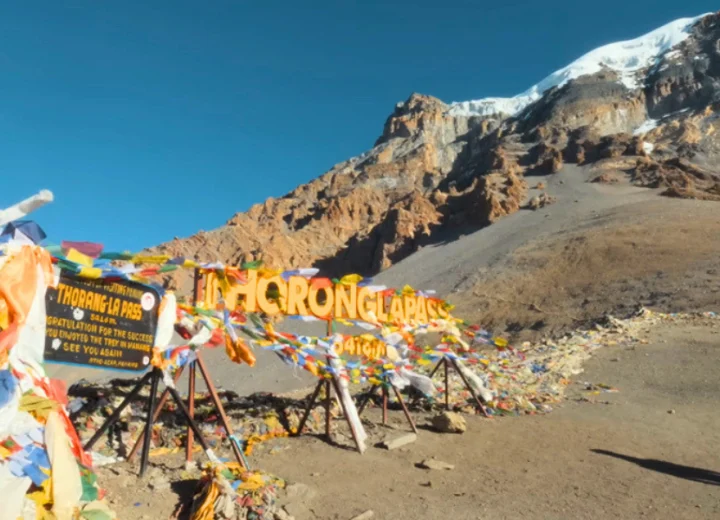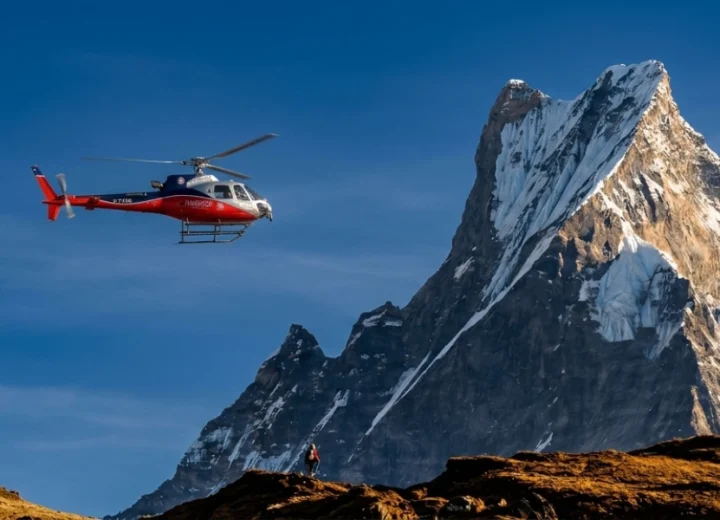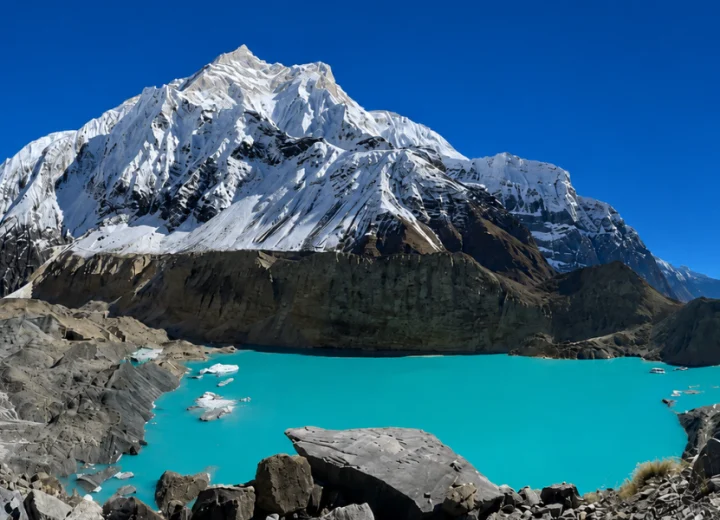
Accommodation
- 3 nights hotel in Kathmandu (3-star or similar)
- Teahouse/lodge accommodation during Annapurna Circuit trek (twin sharing)
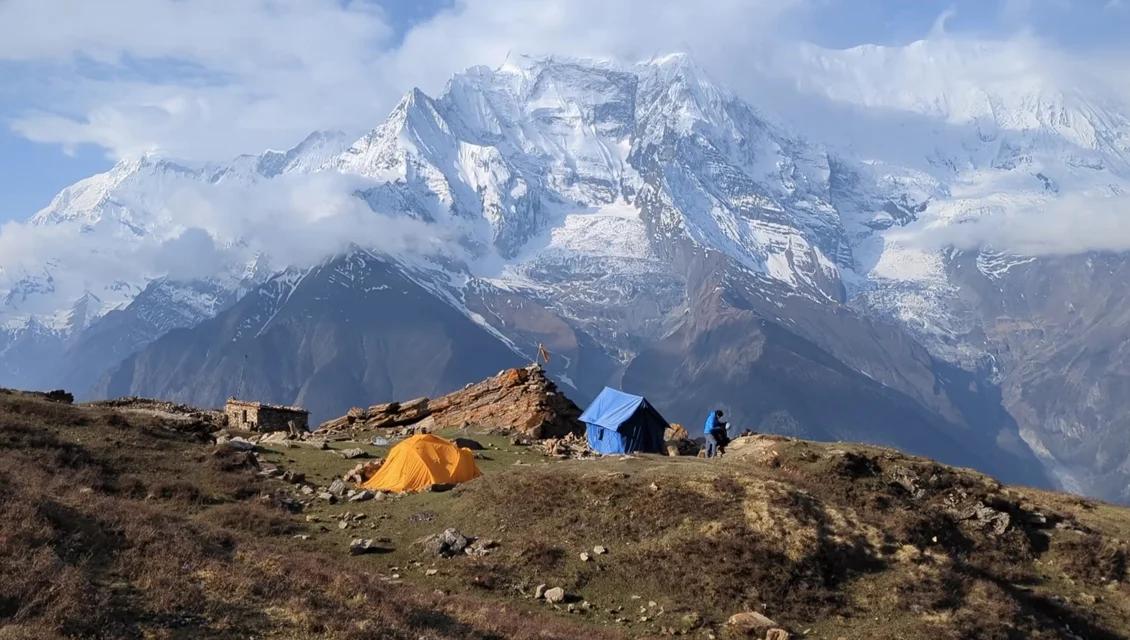
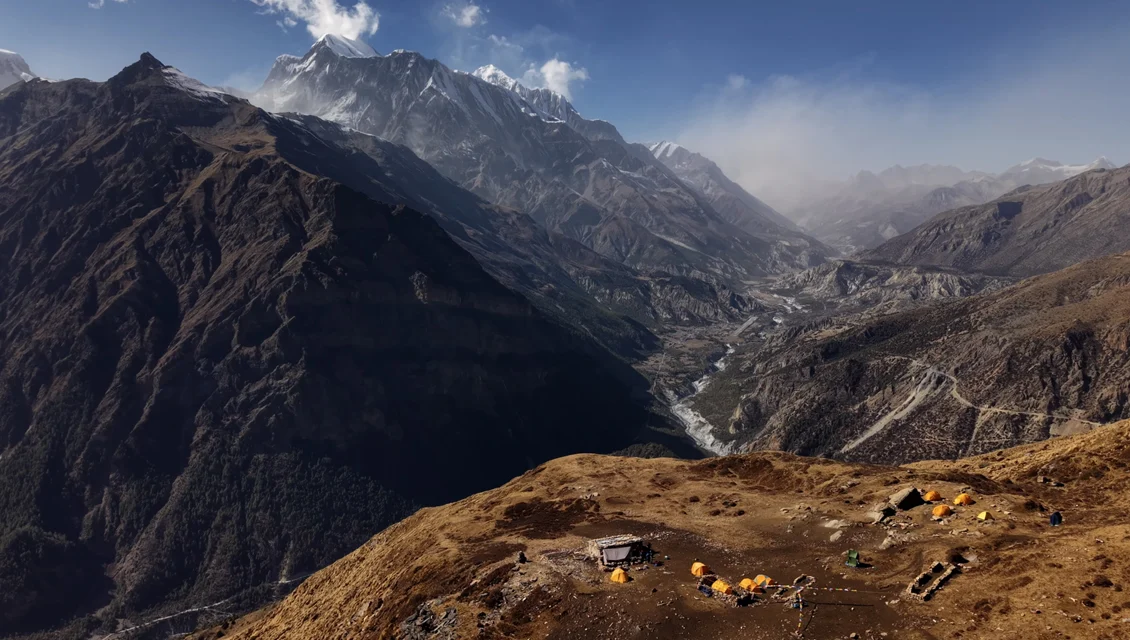
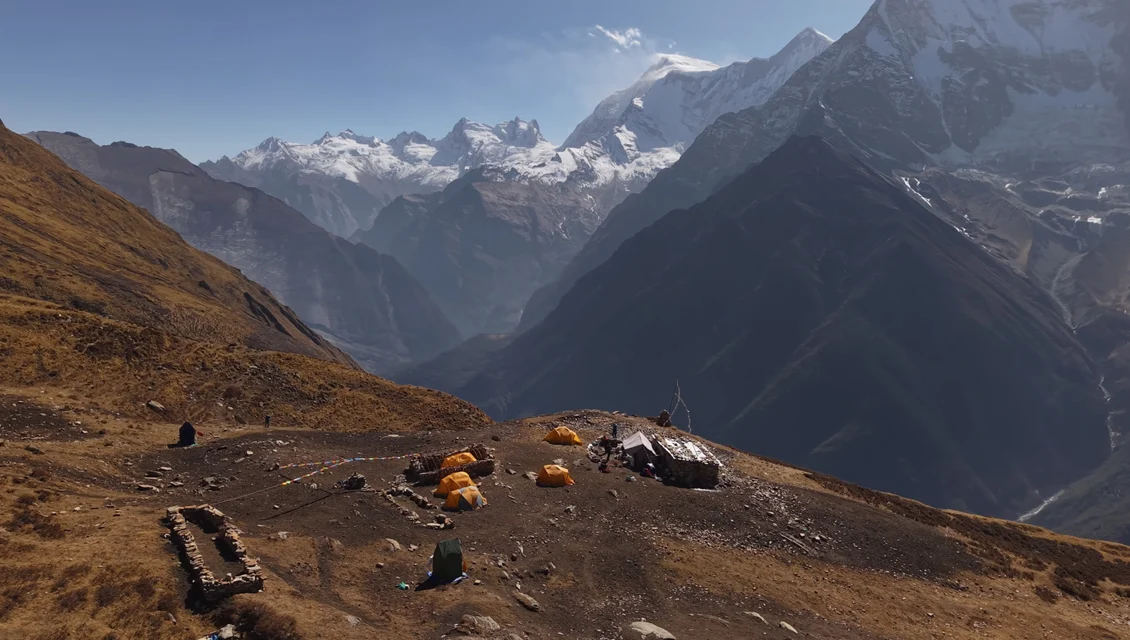
- Tent accommodation at Chulu West Base Camp and High Camp
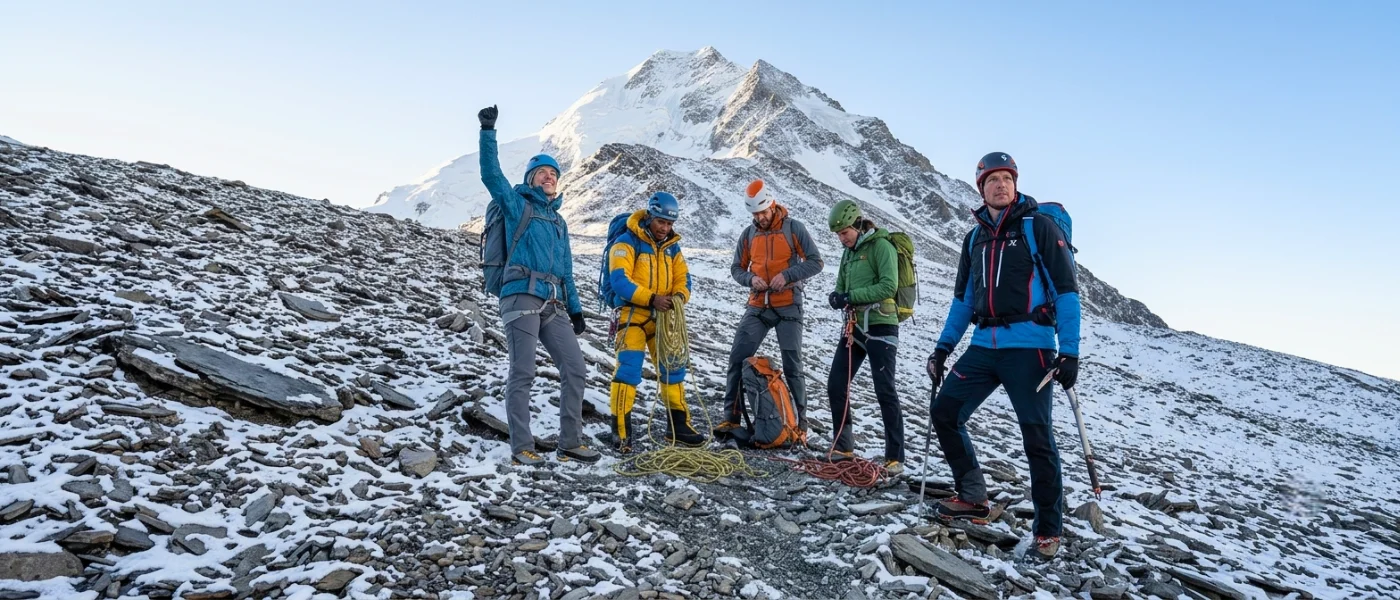
Pisang Peak Climbing is a popular trekking peak expedition in the Annapurna region, offering a balanced combination of trekking and basic alpine climbing. It is an excellent choice for climbers seeking their first Himalayan summit in a non-technical but high-altitude environment.
The journey follows the classic Annapurna Circuit route, starting with a drive from Kathmandu to Besisahar and continuing through Chame and Pisang village. After proper acclimatization, the route ascends toward Pisang Peak Base Camp and High Camp.
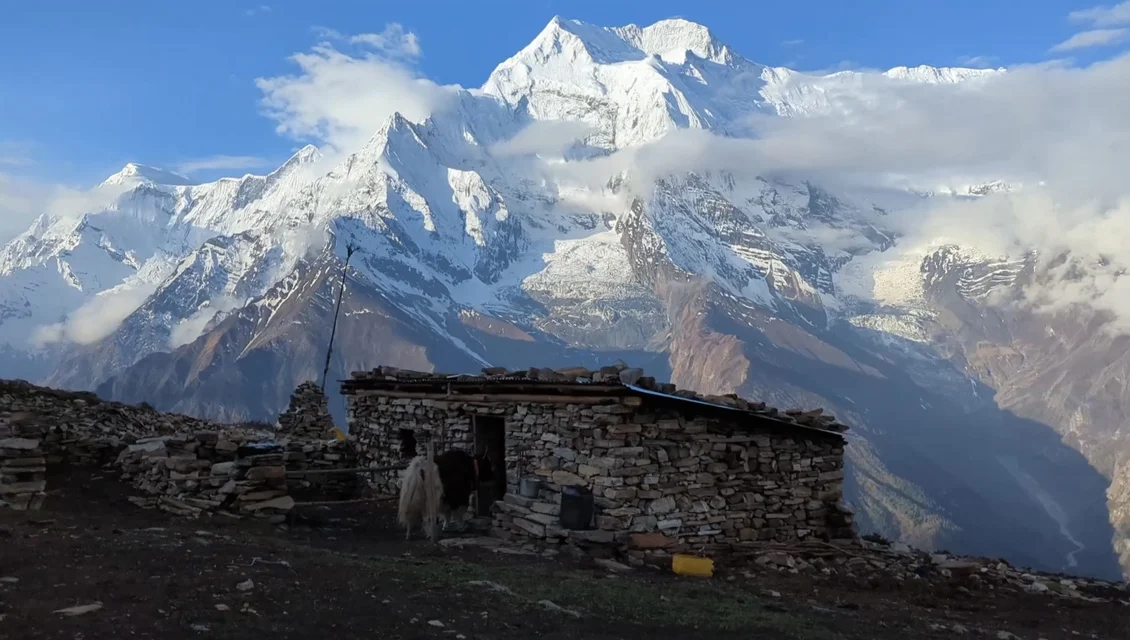
From High Camp, climbers attempt a summit involving snow slopes, glacier travel, and fixed rope sections near the upper ridge. The summit provides outstanding views of Annapurna II, Annapurna III, Annapurna IV, Gangapurna, Tilicho Peak, and the surrounding Himalayas.
Pisang Peak is located in the Manang district within the protected area of Annapurna Conservation Area.
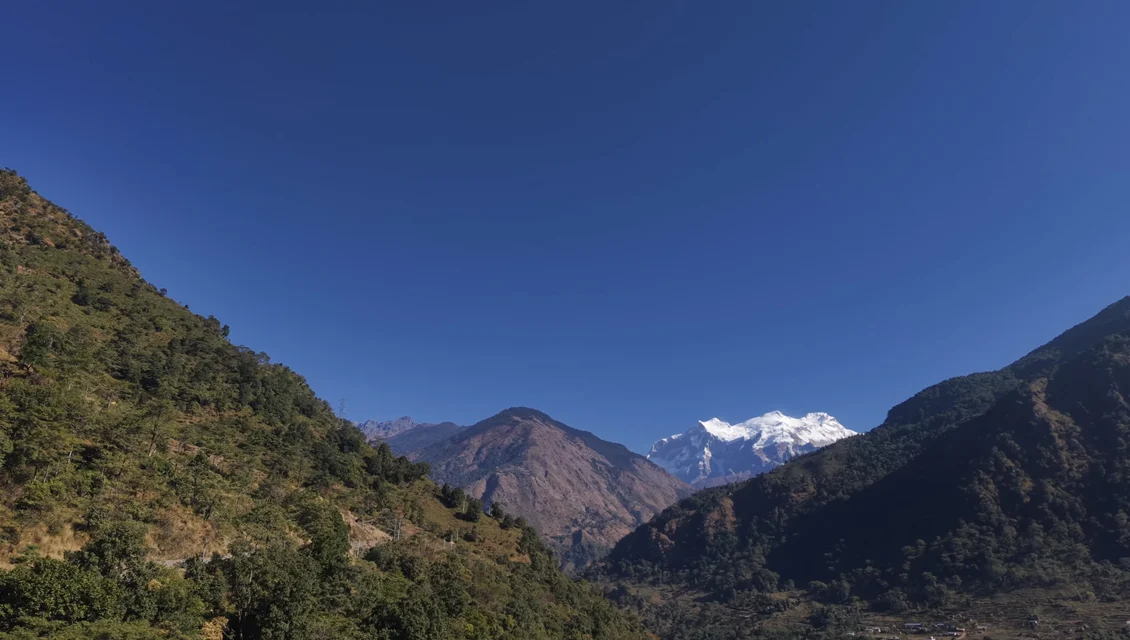
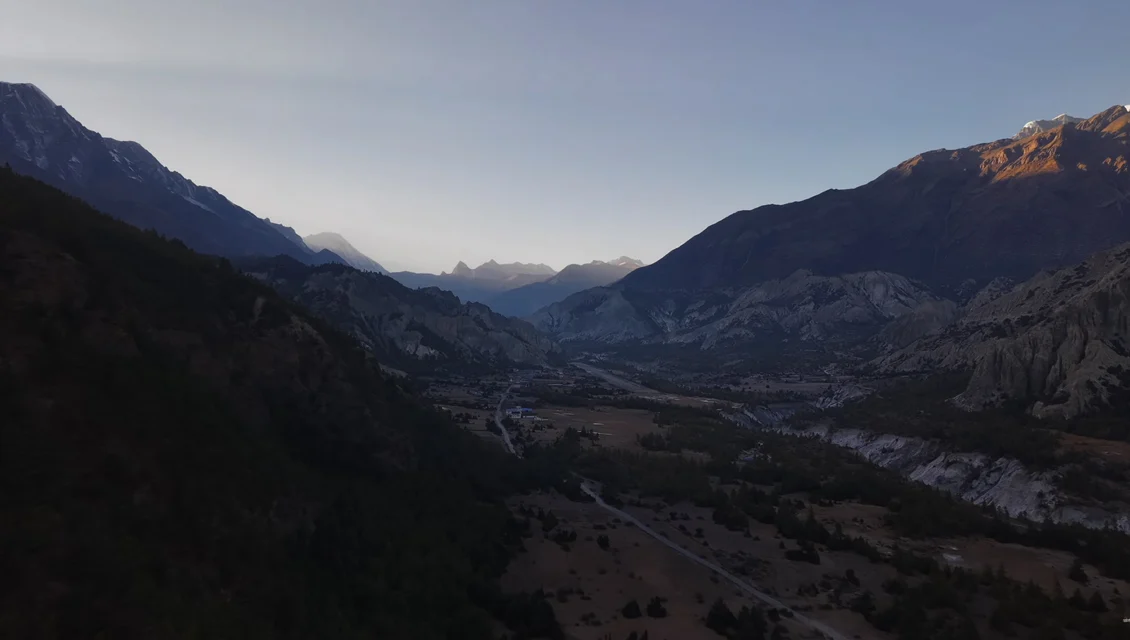
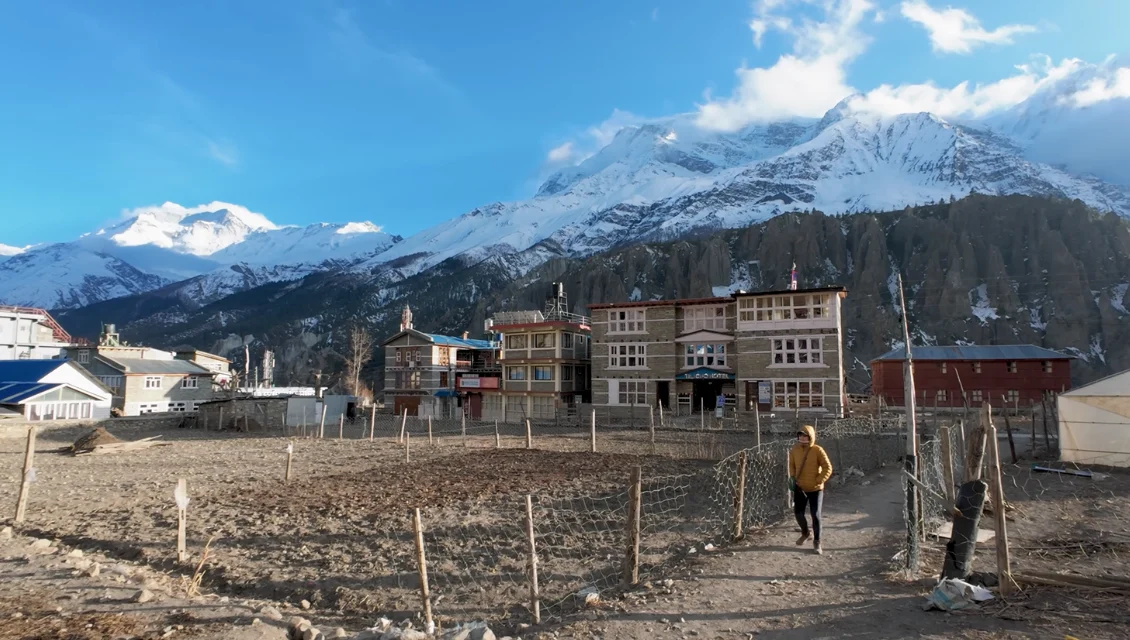
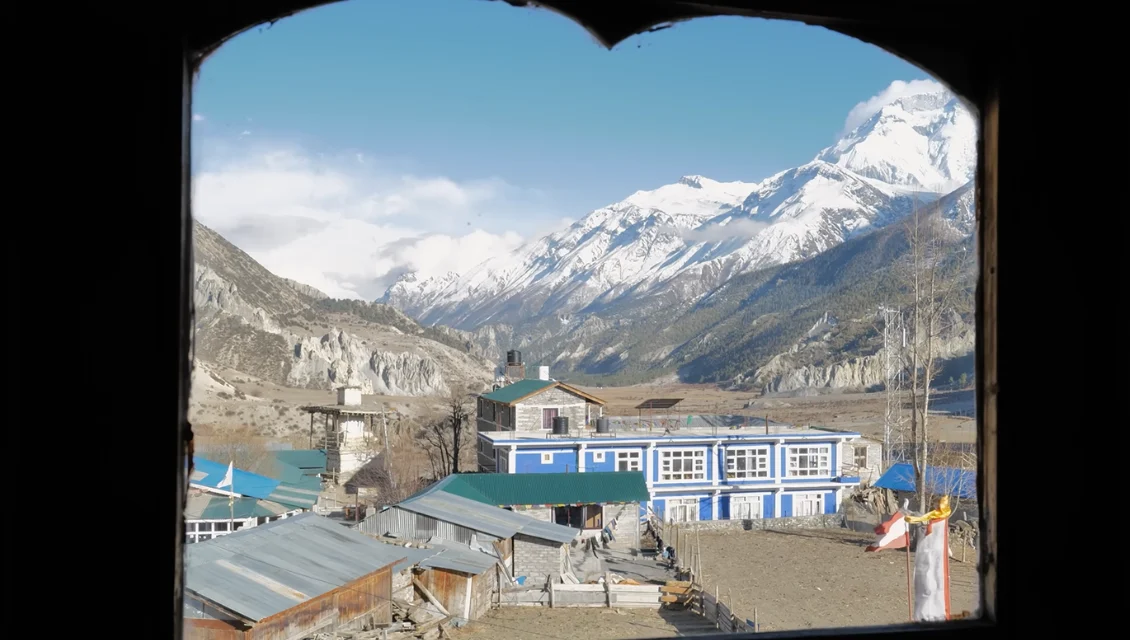
The region is characterized by a dramatic shift in landscape, from lush forests and terraced farmland in the lower valleys to dry alpine terrain as you approach Manang. The upper region is a high-altitude desert environment surrounded by towering Himalayan peaks.
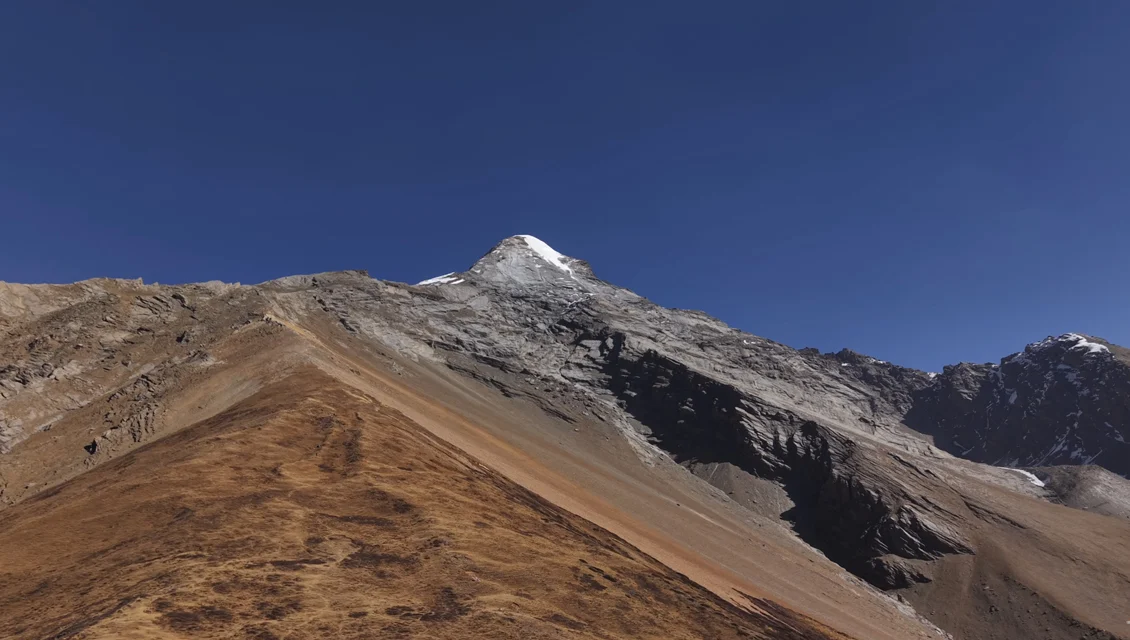
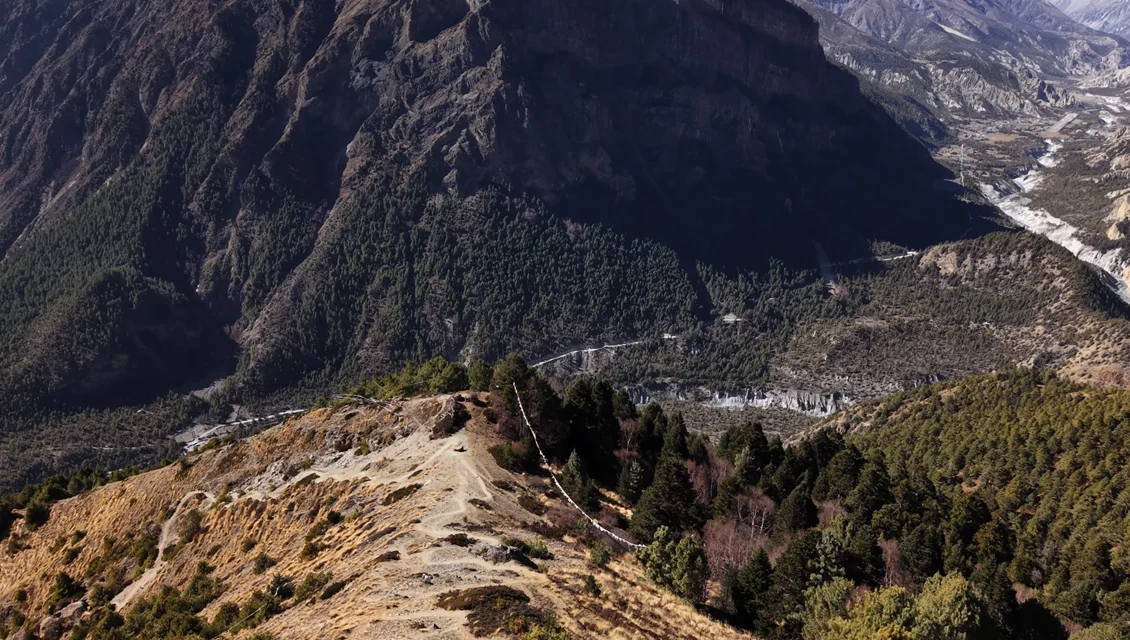
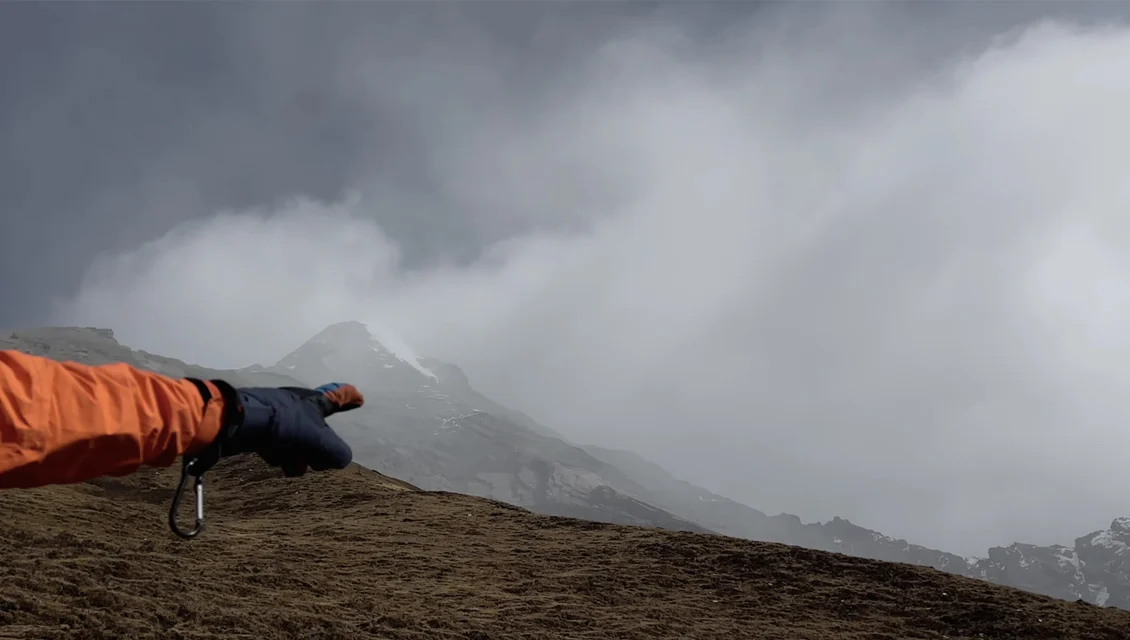
Above Pisang village, the terrain becomes increasingly rugged with rocky slopes, glaciers, and snow-covered ridges leading to the summit. The area offers a peaceful and less crowded climbing experience compared to other major trekking routes.
Pisang Peak Climbing is conducted under the supervision of experienced Sherpa climbing guides who provide full technical and safety support throughout the expedition.
Porters assist with carrying expedition loads up to Base Camp, while guides ensure safety, training, and full support during summit preparation and ascent.
With professional Sherpa guidance, Pisang Peak offers a rewarding introduction to Himalayan climbing in the heart of the Annapurna region.
Temperatures are typical for the best travel months (February–April and October–November) and can change with the weather.
You arrive at Tribhuvan International Airport and are greeted by our team. After hotel transfer, a detailed briefing is conducted covering route, altitude risk, climbing technique, and safety procedures.
This is a full logistics day. All permits are arranged, including ACAP and Pisang Peak climbing permit. The guide checks your full gear system (boots, crampons, harness, helmet, ice axe, down jacket). Insurance documents for high-altitude evacuation are verified.
You drive through hills, rivers, and rural settlements toward the Annapurna region gateway.
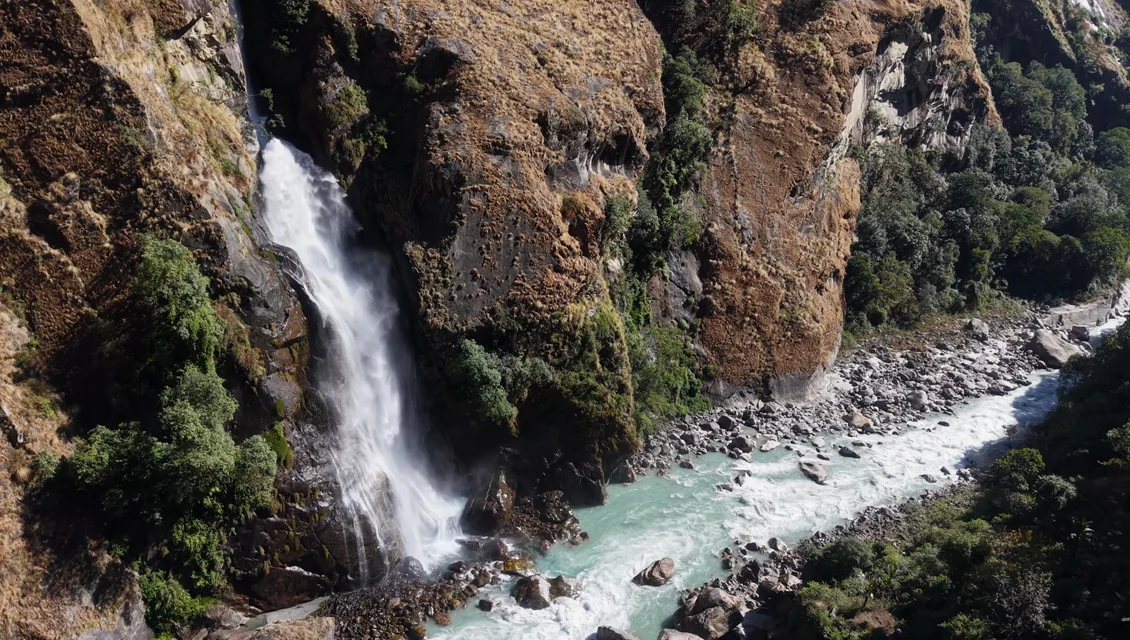
A rough jeep ride along the Marsyangdi River valley begins the mountain approach. The road is narrow, bumpy, and scenic with waterfalls and cliffs.
Trekking begins through pine forests and river valleys. You start gaining altitude and first panoramic views of Annapurna II appear.
A short hike is done to a ridge or monastery viewpoint. This helps your body adjust to altitude before entering higher terrain.
You follow the upper route via Ghyaru and Ngawal, which offers better acclimatization and wide Himalayan panoramas. The landscape becomes dry and alpine.
A crucial rest day. Optional hikes to Gangapurna Lake or Ice Lake help prepare for summit altitude.
You leave the main Annapurna Circuit and move into a remote climbing zone. The terrain becomes rocky, glacial, and isolated.
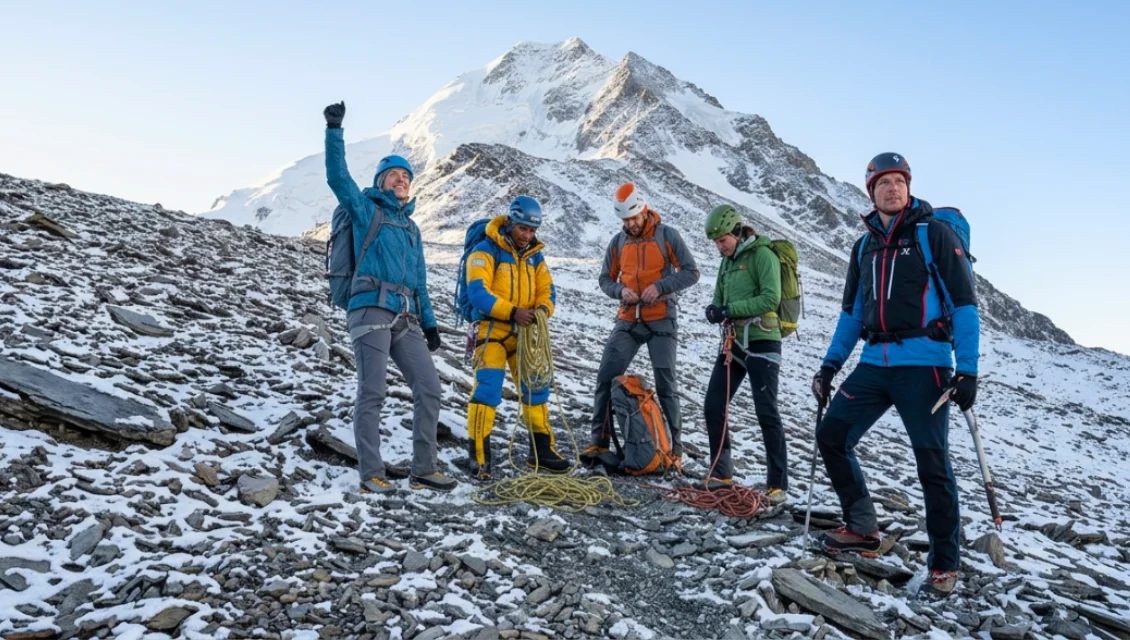
A full mountaineering training session is conducted including crampon walking, ice axe self-arrest, fixed rope climbing practice, jumar use, and glacier safety techniques.
A steep ascent leads to High Camp. The environment becomes cold, windy, and oxygen levels drop significantly.
Short movement near camp, rope practice, and final summit strategy briefing. Weather is carefully monitored.
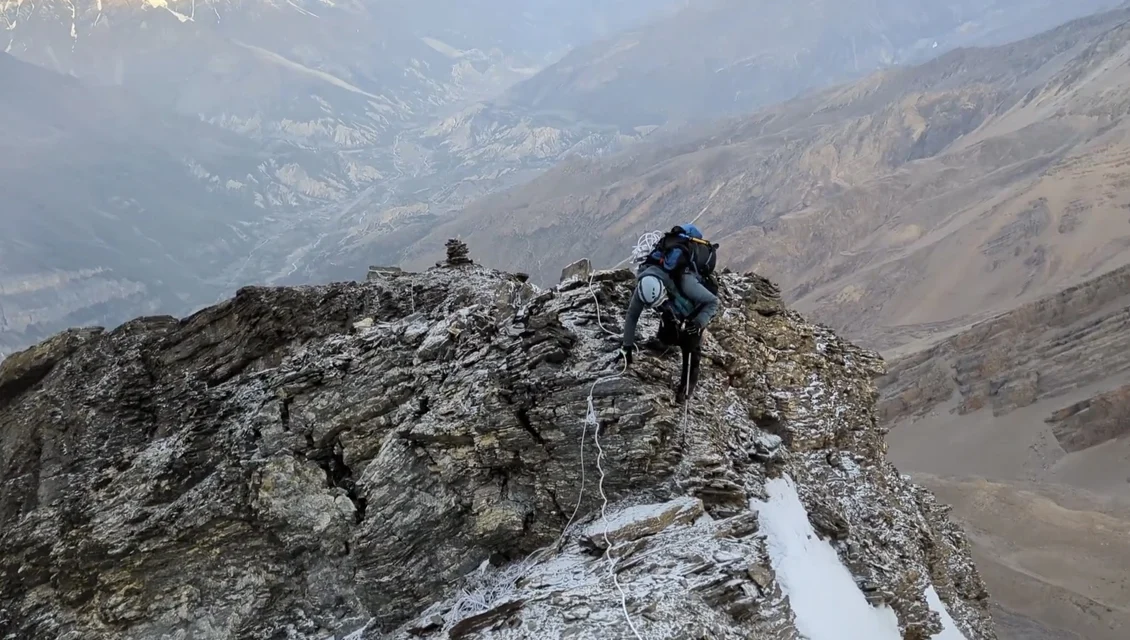
Summit day starts at midnight from High Camp. The climb follows rocky terrain, steep snow slopes with fixed ropes, glacier crossings, a short mixed ice section, and a narrow exposed summit ridge. After reaching the summit, descend back to High Camp.
Reserved for bad weather, slow ascent, or safety delays.
Long descent back to Manang village. Oxygen levels improve and recovery begins.
Further descent along the Annapurna Circuit trail through alpine landscapes.
Jeep ride from the mountains back to Kathmandu.
Airport transfer for your international flight.
The best time for the Pisang Peak Climbing is February–April and October–November, with May, September and December–January also good. Typical daytime temperatures at Kathmandu (1,400 m) in those months are around 25 °C, with colder nights at higher camps.
The Kathmandu Valley can be visited all year. October–November and March–April are pleasant and clear; December–February are sunny with cold mornings, and the monsoon brings afternoon showers but green, uncrowded heritage sites.
| Month | Conditions | Day | Night |
|---|---|---|---|
| January | Good — clear skies, cold nights and fewer trekkers | 19 °C | 2 °C |
| February | Best time — stable weather and clear views | 21 °C | 4 °C |
| March | Best time — stable weather and clear views | 25 °C | 8 °C |
| April | Best time — stable weather and clear views | 28 °C | 11 °C |
| May | Good — mostly fine weather, fewer crowds | 29 °C | 16 °C |
| June | Possible — monsoon showers and cloud | 29 °C | 19 °C |
| July | Possible — monsoon showers and cloud | 28 °C | 20 °C |
| August | Possible — monsoon showers and cloud | 28 °C | 20 °C |
| September | Good — green landscapes, some rain | 28 °C | 18 °C |
| October | Best time — stable weather and clear views | 27 °C | 13 °C |
| November | Best time — stable weather and clear views | 23 °C | 7 °C |
| December | Good — clear skies, cold nights and fewer trekkers | 20 °C | 3 °C |
Average day and night temperatures at Kathmandu (1,400 m). Higher camps are colder.
Your packing checklist for Pisang Peak Climbing. Tick items off as you pack — down jackets and sleeping bags can also be rented in Kathmandu.
Private departures run on any date. Pick the start date that suits you and we will build the trip around it — same price, your own guide and team.
Accommodation
Accommodation during the Pisang Peak Climbing expedition includes comfortable 3-star hotel stays in Kathmandu, teahouse accommodation throughout the Annapurna Circuit trekking route, and tented accommodation at Pisang Peak Base Camp and High Camp. Most teahouses offer basic facilities, including hot showers, Wi-Fi, and charging services for an additional fee.
Meals
The expedition includes full-board meals (Breakfast, Lunch, and Dinner) throughout the trek and climbing period. Nutritious meals are prepared to support the physical demands of high-altitude trekking and climbing. Packed lunches and high-energy snacks are provided during the summit day.
Difficulty & Fitness
Pisang Peak (6,091m) is considered a moderately challenging trekking peak suitable for climbers with good physical fitness and previous high-altitude trekking experience. The ascent involves steep snow slopes, exposed ridges, and fixed rope sections, requiring basic mountaineering skills and endurance.
Permits
The expedition requires the following permits:
All permits and necessary documentation are arranged by the expedition organizer.
Best Time to Climb
The best seasons for Pisang Peak are:
Spring (March–May)
Autumn (September–November)
Transportation
The journey begins with a scenic drive from Kathmandu to Besisahar and continues toward Chame or Upper Pisang. The expedition follows part of the famous Annapurna Circuit before ascending to Pisang Peak Base Camp and High Camp.
Safety & Altitude
The itinerary includes proper acclimatization to support a safe ascent and maximize summit success. Experienced climbing guides provide technical support, altitude monitoring, and emergency response assistance throughout the expedition. Travel insurance covering climbing activities up to 6,500m and emergency helicopter evacuation is mandatory.
Climbing Training
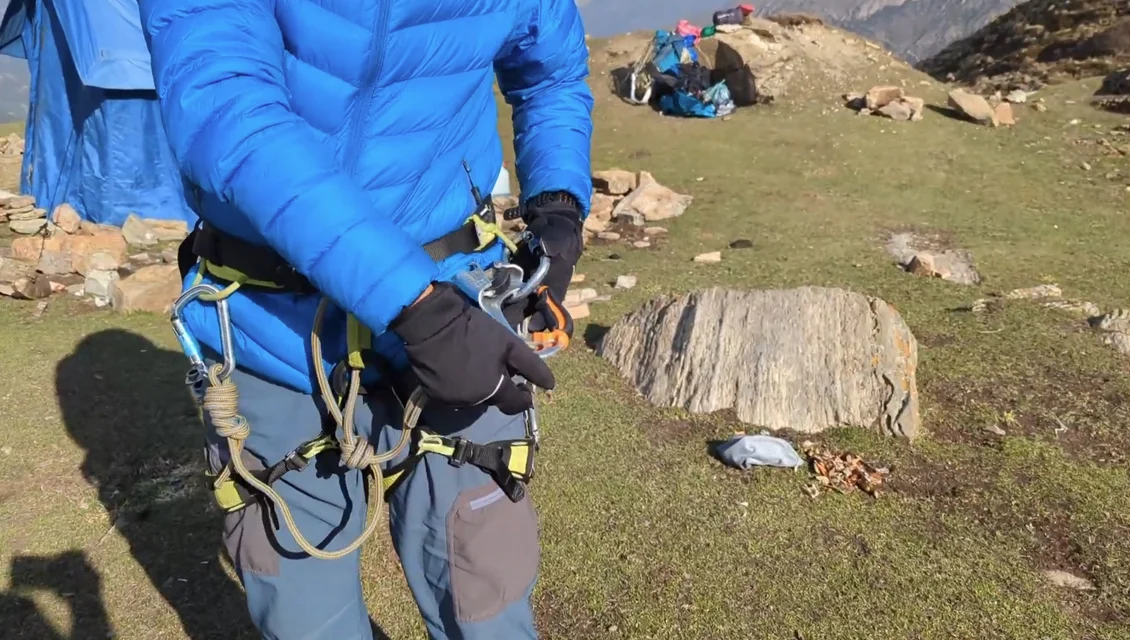
Before the summit attempt, climbers receive practical training in the use of crampons, ice axes, climbing harnesses, fixed ropes, ascenders, and basic glacier travel techniques. This preparation helps climbers safely negotiate the technical sections of the route.
Essential Equipment
Participants should bring suitable high-altitude trekking and climbing equipment, including insulated clothing, mountaineering boots, crampons, ice axe, climbing harness, helmet, sleeping bag, sunglasses, trekking poles, and personal essentials.
Why Choose Pisang Peak?
Pisang Peak Climbing offers an exciting combination of trekking and mountaineering in the Annapurna region, providing climbers with a rewarding Himalayan summit and unforgettable mountain scenery.
The Pisang Peak Climbing is graded Moderate — suitable for most active travellers. You should be comfortable with long days at altitude; previous use of crampons and ropes helps, and our climbing Sherpas run pre-climb training at base camp. Regular cardio training — hiking, running, cycling or stair climbing — for 6–8 weeks before departure makes the trip far more enjoyable.
For the Kathmandu Valley & mid-hills region the best months are February–April and October–November. The Kathmandu Valley can be visited all year. October–November and March–April are pleasant and clear; December–February are sunny with cold mornings, and the monsoon brings afternoon showers but green, uncrowded heritage sites.
You need entry tickets for the heritage sites you visit, plus the Nepal Mountaineering Association climbing permit. Nord Extreme arranges every permit for you before the trip starts — check the "Includes" section above for exactly what is covered in the price. Just bring your passport and a few passport-size photos.
You stay in hotels in Kathmandu and teahouses on the approach trek, then in quality expedition tents at base camp and high camp. Our team sets up a dining tent, kitchen and toilet tent and cooks fresh, high-energy meals.
Both. You can join one of the fixed departures listed under "Dates & Prices", or book a private trip for just you, your family or friends on any date. Solo travellers are welcome — you will always have your own licensed guide.
Yes, travel insurance is compulsory. It must cover medical treatment and emergency helicopter evacuation up to the trip’s highest altitude, plus trip cancellation. Please send us your policy details before departure.
See the "What to bring" checklist on this page for the full list. The essentials are broken-in boots, warm layers, a down jacket, a waterproof shell, sun protection and a daypack. Down jackets and sleeping bags can be rented cheaply in Kathmandu, and a porter carries your main bag (up to 10–12 kg).
Keep exploring

Namaste! 🙏
Welcome to Nord Extreme Himalaya. Questions about Pisang Peak Climbing? Send us a message — a Sherpa trip expert in Kathmandu will reply on WhatsApp.
Mr. Sonam G. SherpaOpens WhatsApp · +9779851078748