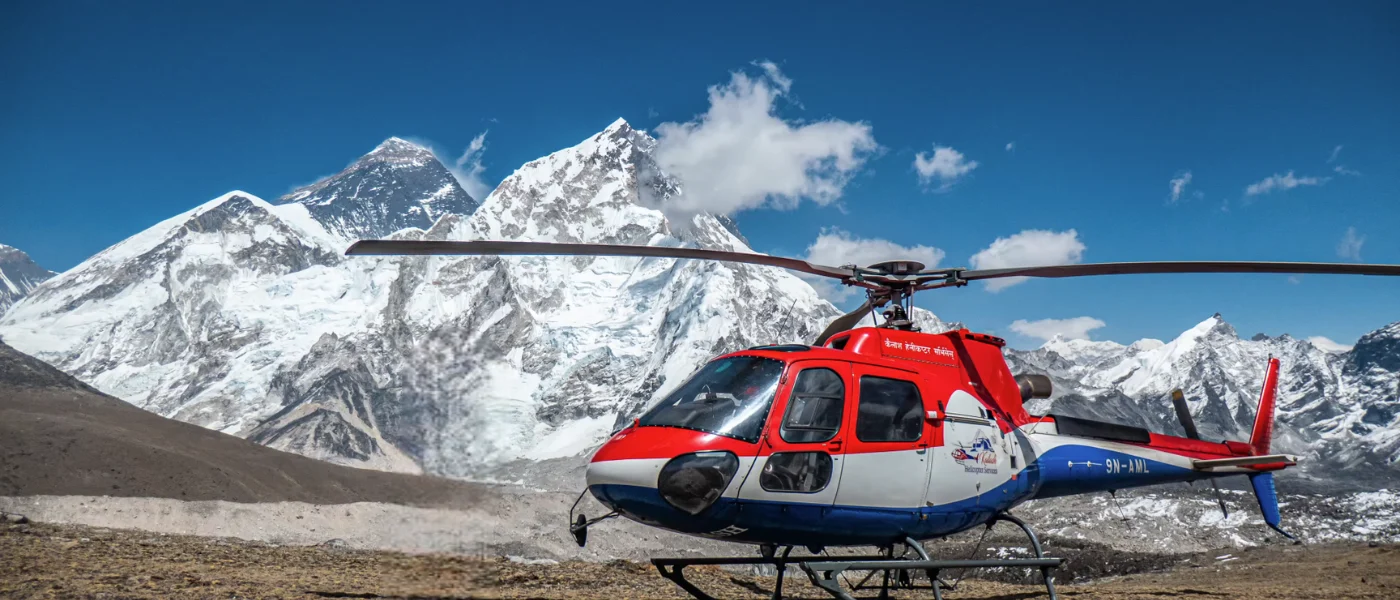
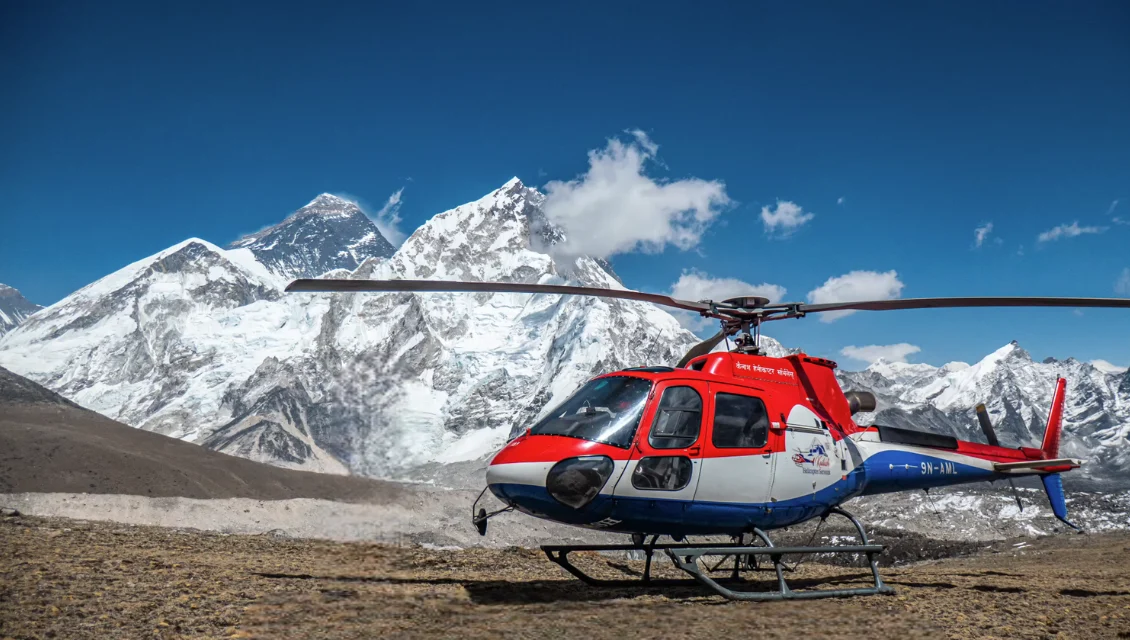
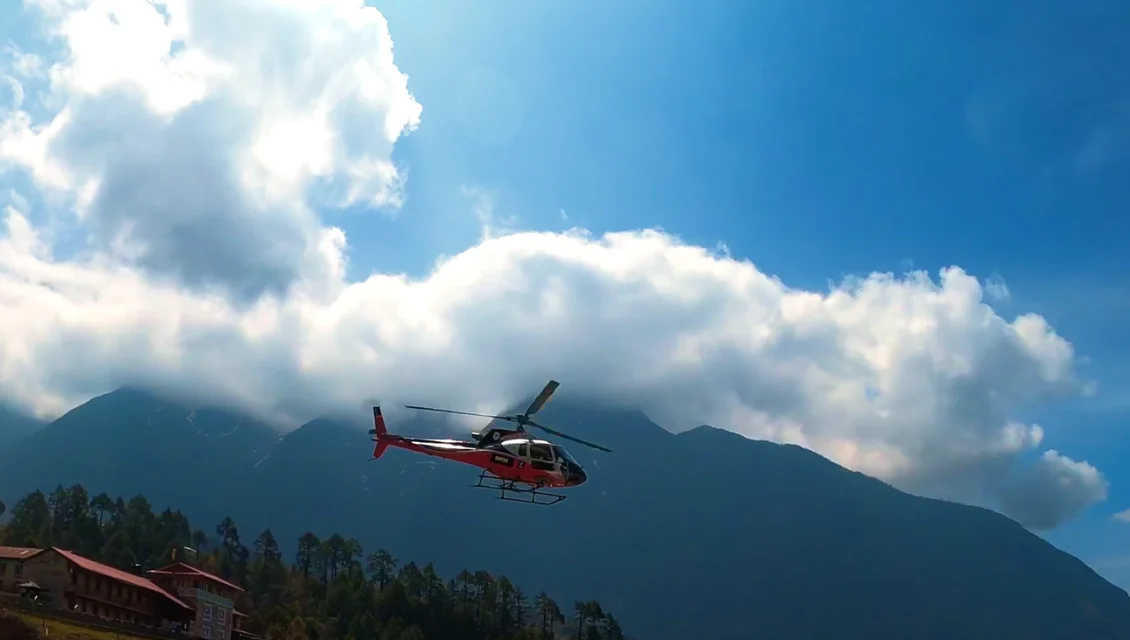
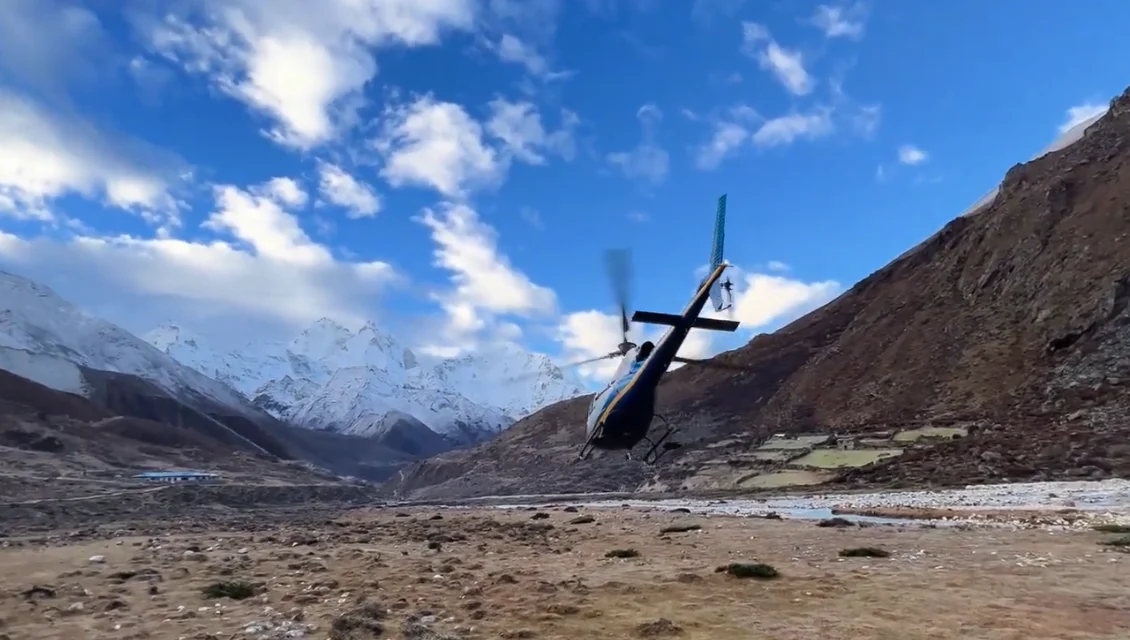
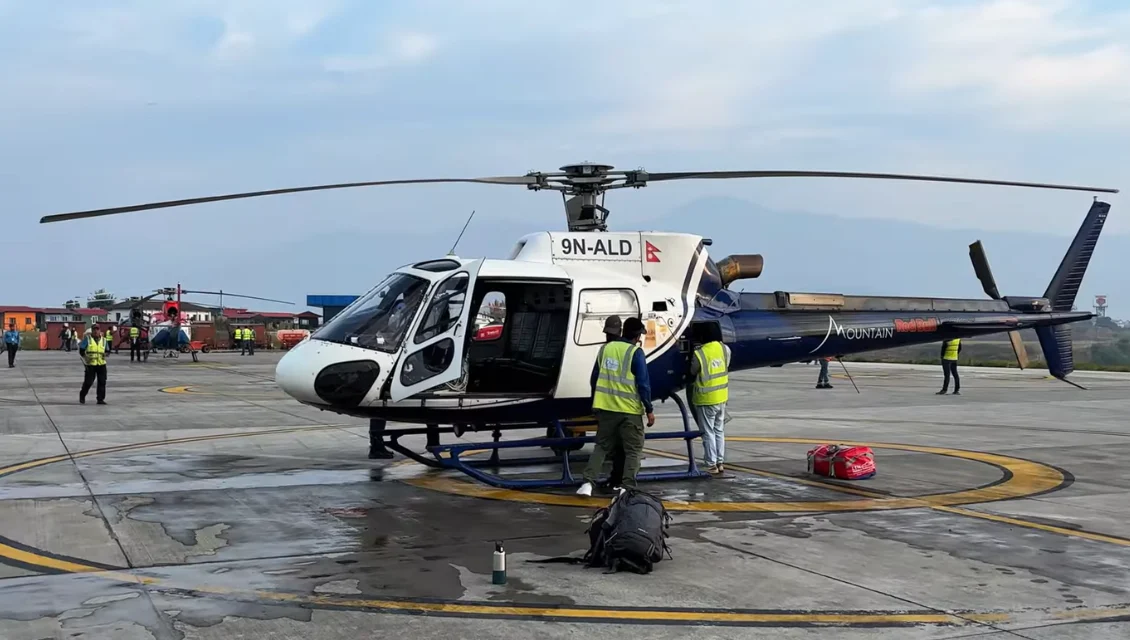
The Everest Mountain Flight by Helicopter is one of the most exclusive and breathtaking aerial experiences in Nepal, offering travelers the opportunity to witness the world’s highest peak, Mount Everest (8,848.86 m), in complete comfort and luxury. This short yet unforgettable journey is designed for those who wish to experience the grandeur of the Himalayas without undertaking long trekking routes.
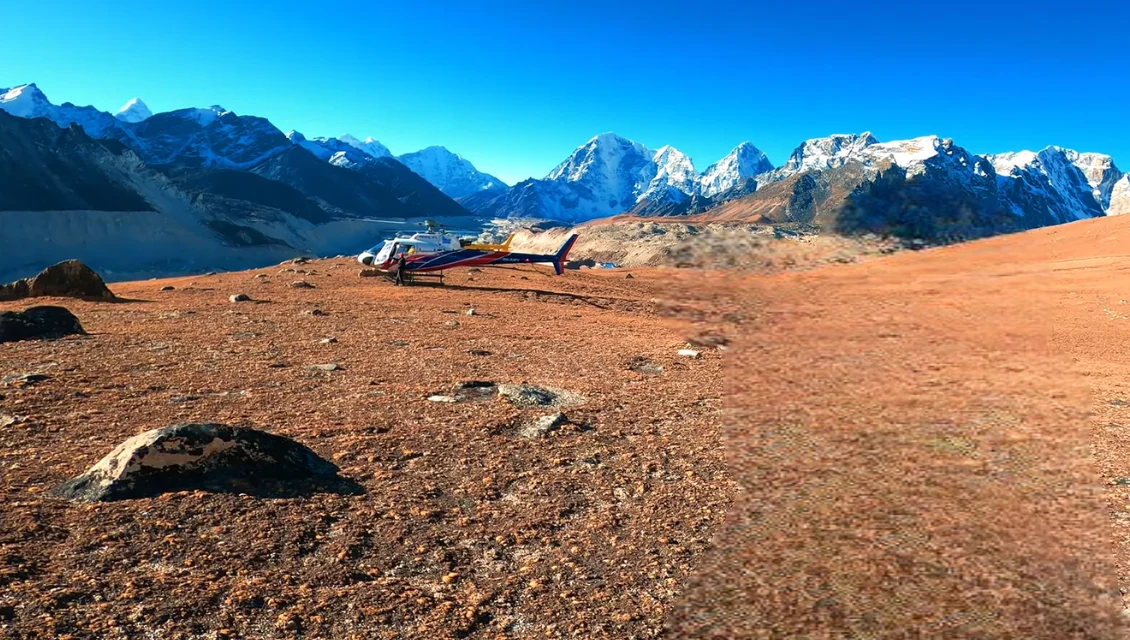
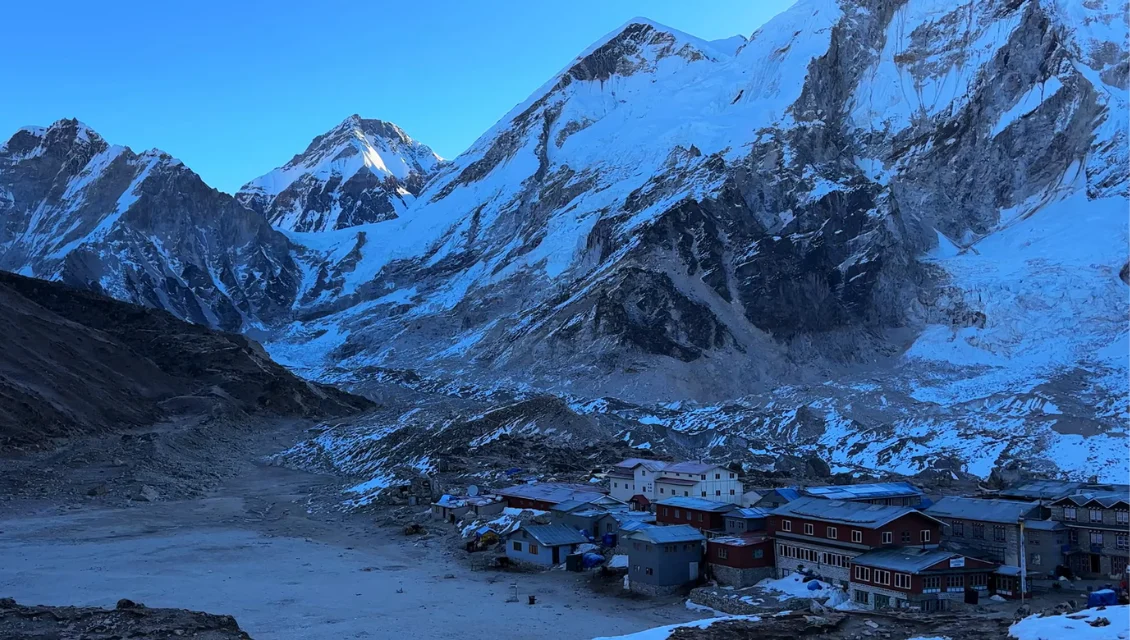
Departing from Kathmandu, the helicopter flight takes passengers over dramatic mountain landscapes, deep river valleys, glacial systems, and remote Himalayan settlements before reaching the Everest region. Depending on weather conditions and aviation permissions, the helicopter may land at Kala Patthar (5,545 m) or near the Everest View Hotel, providing the closest possible view of Mount Everest and surrounding peaks.
This experience is ideal for luxury travelers, photographers, adventure seekers, families, senior travelers, and those with limited time who still wish to experience the Himalayas in their most spectacular form. It combines comfort, safety, and unmatched Himalayan scenery in a single unforgettable journey.
Geography and Landscape
The Everest helicopter flight passes through one of the most diverse and dramatic geographical regions in the world. The journey begins in the Kathmandu Valley, situated at approximately 1,400 meters above sea level. This valley is surrounded by green hills, terraced farmland, traditional villages, and ancient cultural heritage sites, offering a scenic departure point for the Himalayan journey.
As the helicopter moves eastward, the landscape gradually changes into rolling hills, forested ridges, and deep river valleys carved by glacial rivers. This transitional zone is rich in biodiversity and provides a striking contrast between cultivated landscapes and natural wilderness.
The flight then enters the central Himalayan region, passing over the Langtang and Rolwaling ranges. Here, passengers are treated to panoramic views of snow-covered peaks such as Langtang Lirung, Ganesh Himal, Dorje Lakpa, and Gauri Shankar. These mountains form part of the mid-Himalayan belt and provide a spectacular introduction to high-altitude terrain.
As the helicopter approaches the Khumbu region, the landscape becomes more rugged, remote, and dramatic. This area lies within Sagarmatha National Park, a UNESCO World Heritage Site known for its pristine alpine environment, glaciers, and rare Himalayan wildlife. Deep valleys, steep cliffs, and massive ice formations dominate the scenery.
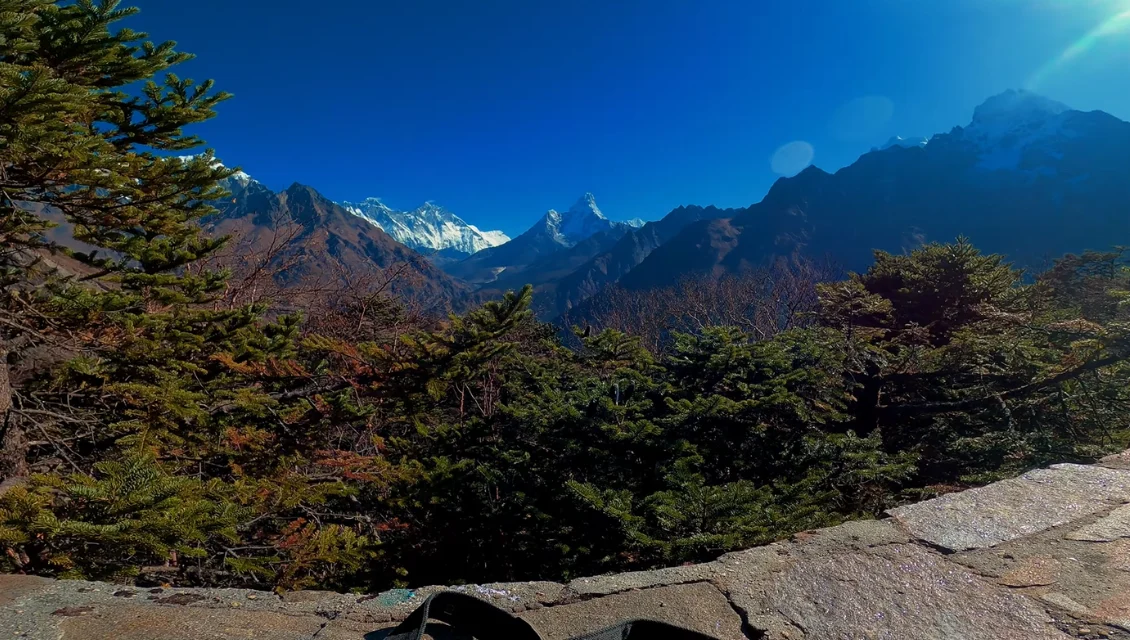
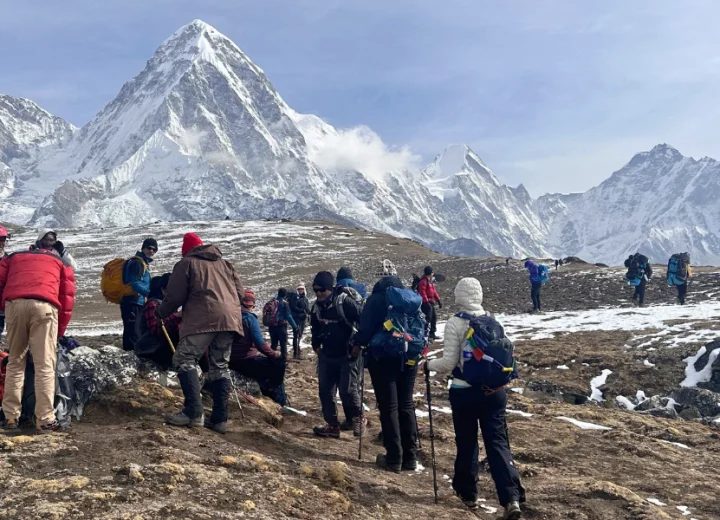
The highlight of the journey is the Everest region itself, where iconic peaks such as Mount Everest, Lhotse, Nuptse, Ama Dablam, Pumori, and Thamserku rise dramatically above the surrounding terrain. The combination of towering snow peaks, glacial rivers, and vast mountain horizons creates one of the most awe-inspiring landscapes on Earth.
Climate and Weather Conditions
The Everest region experiences highly variable mountain weather conditions due to extreme altitude differences. Climate plays a crucial role in helicopter operations, as visibility and wind conditions determine flight safety and sightseeing quality.
In Kathmandu and lower elevations, the climate is generally mild, with warm temperatures in summer and cool winters. As the helicopter ascends above 3,000 meters, temperatures drop rapidly, and conditions become cold, dry, and windy.
Clear visibility is essential for a successful mountain flight. Early morning departures are preferred because the atmosphere is more stable, winds are lighter, and cloud formation is minimal. Weather in the Himalayas can change quickly, and flights may be rescheduled for safety reasons if conditions are not favorable.
Best Time for Everest Helicopter Flight
The Everest Helicopter Mountain Flight operates year-round, but certain seasons offer significantly better visibility and flying conditions.
Spring Season (March – May)
Spring is one of the best times for mountain flights. The weather is generally stable, temperatures are moderate, and skies are often clear in the morning. The lower hills are covered with blooming rhododendrons, and visibility of Everest and surrounding peaks is excellent.
Autumn Season (September – November)
Autumn is considered the peak season for Everest helicopter tours. After the monsoon rains, the atmosphere becomes crystal clear, offering the sharpest and most stunning views of the Himalayas. This season provides the best photographic conditions and the highest flight reliability.
Winter Season (December – February)
Winter offers extremely clear skies and excellent mountain visibility. Although temperatures are very cold, especially at higher altitudes, the crisp air provides breathtaking views of snow-covered peaks with minimal haze.
Monsoon Season (June – August)
The monsoon season is generally not recommended due to heavy rainfall, cloud cover, and low visibility. Flights are often delayed or canceled during this period due to unpredictable weather conditions.